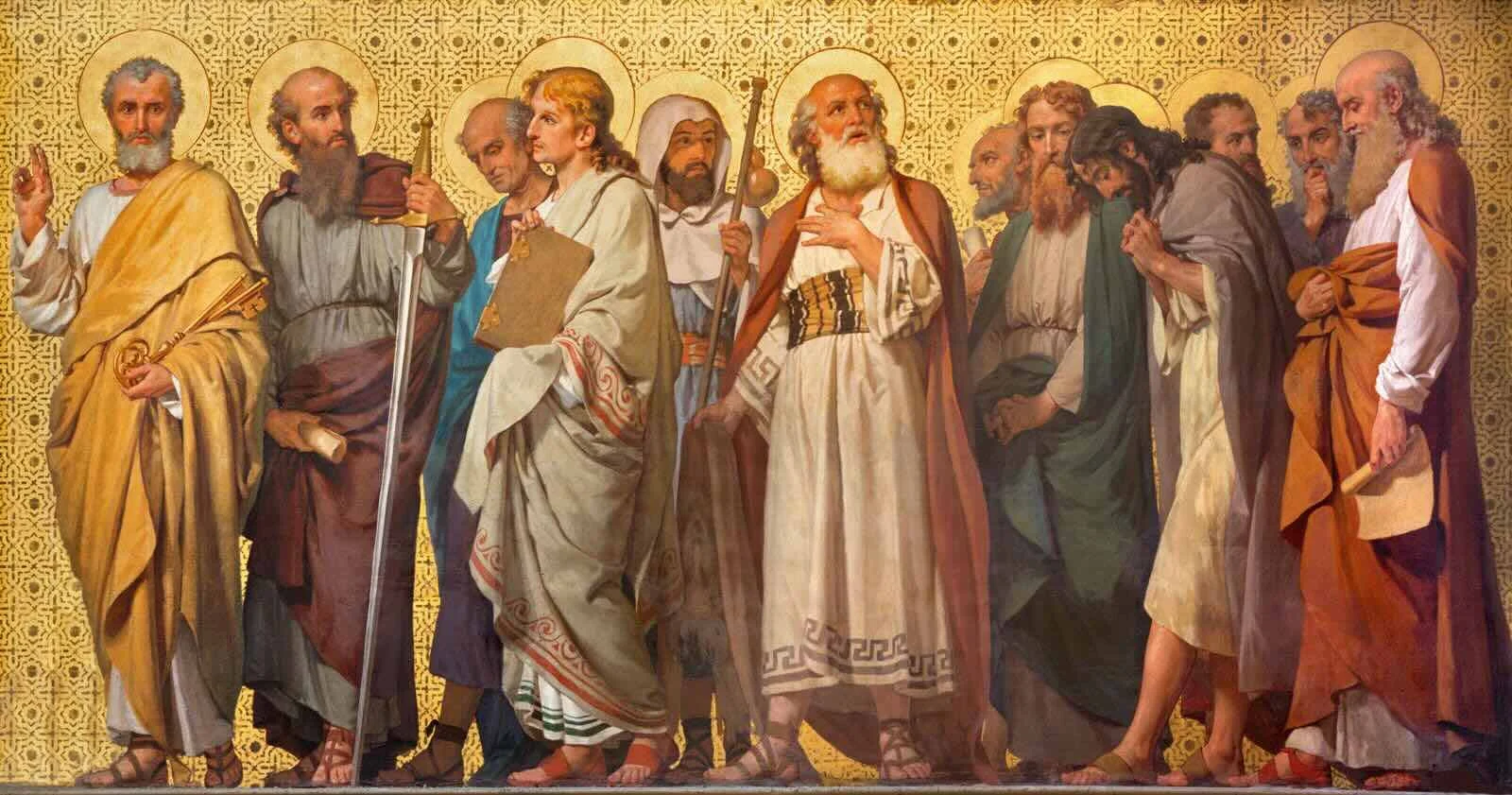
Translated from Philip Schaff's History of The Christian Church
第十章 使徒教会的组织
目录
§ 58. 文献
§ 59. 基督教的教牧职分及其与基督徒群体的关系
§ 60. 使徒、先知、传福音者
§ 61. 长老或监督;七教会的使者;耶路撒冷的雅各
§ 62. 执事与女执事
§ 63. 教会纪律
§ 64. 耶路撒冷会议
§ 65. 教会与基督的国度
§ 58. 文献
一、史料
《使徒行传》代表使徒教会体制的第一阶段,教牧书信则代表第二阶段。鲍尔 (Baur)(《所谓使徒保罗的教牧书信》,Die sogenannten Pastoralbriefe des Ap. Paulus, 1835年)、霍尔茨曼 (Holtzmann)(《教牧书信》,Die Pastoralbriefe, 1880年,第190页及后)等人否认《提摩太前后书》和《提多书》为保罗所作,将其中规定的组织形式定为后使徒时期的产物;但它实际上属于公元60–70年这一时期。《哥林多前后书》(林前12:28)、《以弗所书》(4:11),以及《启示录》中的书信(启2、3章),都包含有关教会职分的重要提示。
参较《十二使徒遗训》(Didache),以及革利免 (Clement) 和伊格纳修 (Ignatius) 的书信。
二、通论著作
参较第九章所引著作中的有关部分(尤其是维特林加〔Vitringa〕),以及尼安德 (Neander)、蒂尔施 (Thiersch)(第73、150、281页)、莱希勒 (Lechler)、兰格 (Lange) 和沙弗 (Schaff) 所著《使徒时期史》中的相应章节(沙弗著作美版,第495–545页)。
三、专题著作
十七世纪及较近时期的圣公会与长老会作者,对本章论题给予了最多的关注,通常是为了捍卫各自关于教会体制的理论。
理查德·胡克 (Richard Hooker,号称“明辨者”,温和的圣公会人士,卒于1600年):《教会体制》(Ecclesiastical Polity),1594年,此后屡次再版;最佳版本为基布尔 (Keble) 于1836年编订的4卷本。圣公会人士的一部标准著作。
乔斯·宾厄姆 (Jos. Bingham,圣公会人士,卒于1668年):《教会源流;或基督教会古制》(Origines Ecclesiasticae; or, The Antiquities of the Christian Church),初版于1710–22年,八开本10卷,此后屡次再版;第II–IV编。至今仍是一部重要著作。
托马斯·卡特赖特 (Thomas Cartwright,英国长老会之父,卒于1603年):《古来所争取的教会治理指南》(Directory o f Church Government anciently contended for),写于1583年,1644年经长期议会授权出版。
在长期议会及威斯敏斯特会议 (Westminster Assembly) 期间的争论中,霍尔 (Hall) 主教和厄舍 (Ussher) 大主教是主教制最博学的捍卫者;而五位“斯梅克提姆努派”人士(Smectymnians,得名于他们1641年为答复霍尔而发表的著名小册子《斯梅克提姆努斯》〔Smectymnuus〕),即斯蒂芬·马歇尔 (Stephen Marshall)、埃德蒙·卡拉米 (Edmund Calamy)、托马斯·扬 (Thomas Young)、马修·纽科门 (Matthew Newcomen) 和威廉·斯珀斯托 (William Spurstow),则是最杰出的长老会人士,力图“证明圣经中主教与长老地位平等,并证明治理长老制度的古老渊源”。另见《长老会治理与教牧职分辩护》(A Vindication of the Presbyterian Government and Ministry),伦敦,1650年;以及《福音教牧职分的神授权利》(Jus Divinum Ministerii Evangelici, or the Divine Right of the Gospel Ministry),伦敦,1654年;两书均由伦敦省议会出版。这些书如今只有历史上的意义。
塞缪尔·米勒 (Samuel Miller,长老会人士,卒于1850年):《论基督教教牧职分的体制与秩序书信集》(Letters concerning the Constitution and Order of the Christian Ministry),第2版,费城,1830年。
詹姆斯·P. 威尔逊 (James P. Wilson,长老会人士):《基督教会的原始治理》(The Primitive Government of Christian Churches)。费城,1833年(一部博学而有力的著作)。
约翰·亚当·默勒 (Joh. Adam Möhler,罗马天主教人士,卒于1848年):《教会的合一,或依最初三个世纪教父精神阐述的天主教原则》(Die Einheit der Kirche, oder das Princip des Katholicismus, dargestellt im Geiste der Kirchenvater der drei ersten Jahrhunderte)。图宾根,1825年(新版1844年)。对后使徒时期更为重要。
里希·罗特 (Rich. Rothe,卒于1866年):《基督教会及其体制的起源》(Die Anfänge der christlichen Kirche u. ihrer Verfassung),第I卷。维滕贝格 (Wittenb.),1837年,第141页及后。这是新教方面与默勒的论著相对应的一部著作,极为精辟、博学而敏锐;但在教会与国家的问题上有误,在主教制起源的问题上也有部分错误,因为他将其追溯至使徒时期。
F. Chr. 鲍尔 (F. Chr. Baur):《论基督教会中主教制的起源》(Ueber den Ursprung des Episcopates in der christl. Kirche)。图宾根,1838年。针对罗特而作。
威廉·帕尔默 (William Palmer,安立甘大公派人士):《论基督的教会》(A Treatise on the Church of Christ)。伦敦,1838年,2卷;第3版,1841年。惠廷厄姆 (Whittingham) 主教加注的美版,纽约,1841年。
W. 勒厄 (W. Löhe,路德宗人士):《新约中的职分及其与会众的关系》(Die N. T. lichen Aemter u. ihr Verhältniss zur Gemeinde)。纽伦堡 (Nürnb.),1848年。另有:《论教会三书》(Drei Bücher von der Kirche),1845年。
弗尔·德里奇 (Fr. Delitzsch,路德宗人士):《论教会四书》(Vier Bücher von der Kirche)。莱比锡 (Leipz.),1847年。
J. 克斯特林 (J. Köstlin,路德宗人士):《依新约教训与历史论教会的本质》(Das Wesen der Kirche nach Lehre und Geschiche des N. T.),哥达,1854年;第2版,1872年。
塞缪尔·戴维森 (Samuel Davidson,独立派人士):《新约的教会体制》(The Ecclesiastical Polity of the New Testament)。伦敦,1848年;第2版,1854年。
拉尔夫·沃德洛 (Ralph Wardlaw,独立派人士):《与主教制及长老制相区别的公理独立制:新约的教会体制》(Congregational Independency, in contradistinction to Episcopacy and Presbyterianism, the Church Polity of the New Testament)。伦敦,1848年。
阿尔伯特·巴恩斯 (Albert Barnes,长老会人士,卒于1870年):《使徒教会的组织与治理》(Organization and Government of the Apostolic Church)。费城,1855年。
查尔斯·霍奇 (Charles Hodge,长老会人士,卒于1878年) 等:《原始教会职分论文集》(Essays on the Primitive Church Offices),从《普林斯顿评论》(Princeton Review) 重印,纽约,1858年。另有查尔斯·霍奇 (Ch. Hodge):《教会体制论集:选自〈普林斯顿评论〉,由W. 杜兰特编排》(Discussions in Church Polity. Selected from the "Princeton Review," and arranged by W. Durant)。纽约,1878年。
凯伊 (Kaye) 主教(圣公会人士):《最初三个世纪基督教会外在纪律与治理述要》(Account of the External Discipline and Government of the Church of Christ in the First Three Centuries)。伦敦,1855年。
K. 莱希勒 (K. Lechler,路德宗人士):《新约论圣职的教训》(Die N. Testamentliche Lehre vom heil. Amte)。斯图加特,1857年。
阿尔布雷希特·里奇尔 (Albrecht Ritschl):《古代大公教会的形成》(Die Entstehung der altkatholischen Kirche),第2版,全面修订,波恩,1857年(605页)。纯属历史与批判研究。
詹姆斯·班纳曼 (James Bannerman,长老会人士):《基督的教会:论基督教会的本质、权能、典章、纪律与治理》(The Church of Christ. A Treatise on the Nature, Powers, Ordinances, Discipline, and Government of the Christian Church)。爱丁堡,1868年,2卷。
约翰·J. 麦克尔欣尼 (John J. McElhinney,圣公会人士):《教会论:一部历史专论》(The Doctrine of the Church. A Historical Monograph)。费城,1871年。本书始于使徒时期之后,但列有一份公元100至1870年间有关教会论著作的有用书目。
G. A. 雅各布 (G. A. Jacob,圣公会低教会派人士):《新约的教会体制:为英国教会当前危机所作的研究》(Ecclesiastical Polity of the New Testament: Study for the Present Crisis in the Church of England)。伦敦,1871年;美国第5版,纽约(Whittaker),1879年。
J. B. 莱特福特 (J. B. Lightfoot,圣公会福音派广教会派人士,达勒姆主教,极为博学、干练而公允):《基督教的教牧职分》(The Christian Ministry),其《腓立比书注释》的附论。伦敦,1868年;第3版,伦敦,1873年,第179–267页;亦于1879年在纽约单独印行(不附注释)。
查尔斯·华兹华斯 (Charles Wordsworth,圣公会高教会派人士,圣安德鲁斯主教):《基督教教牧职分纲要》(The Outlines of the Christian Ministry)。伦敦,1872年。
亨利·科瑟里尔 (Henry Cotherill,爱丁堡主教):《教会的起源》(The Genesis of the Church)。爱丁堡及伦敦,1872年。
W. 拜施拉格 (W. Beyschlag):《新约时代的基督教会体制》(Die christliche Gemeindeverfassung im Zeitalter des N. Testaments)(获奖论文)。哈勒姆,1876年。
C. 魏茨泽克 (C. Weizsäcker):《最早基督徒会众的聚会》(Die Versammlungen der ältesten Christengemeinden)。载《德国神学年鉴》(Jahrbücher für Deutsche Theologie),哥达,1876年,第474–530页。另见其《使徒时期》(Apost. Zeitalter)(1886年),第606–645页。
亨利·M. 德克斯特 (Henry M. Dexter,公理会人士):《公理制》(Congregationalism)。第4版,波士顿,1876年。
E. 梅勒 (E. Mellor):《新约之光中的祭司职分》(Priesthood in the Light of the New Testament)。伦敦,1876年。
J. B. 佩顿 (J. B. Paton):《基督教会中祭司职分的起源》(The Origin of the Priesthood in the Christian Church)。伦敦,1877年。
H. 魏因加滕 (H. Weingarten):《原始基督教会众组织向大公教会的转变》(Die Umwandlung der urspranglichen christl. Gemeindeorganisation zur katholischen Kirche),载西贝尔 (Sybel) 主编的《历史杂志》(Histor. Zeitschrift),1881年,第441–467页。
埃德温·哈奇 (Edwin Hatch,圣公会广教会派人士):《早期基督教会的组织》(The Organization of the Early Christian Churches)。1880年度班普顿讲座 (Bampton Lectures)。牛津及剑桥,1881年。论述后使徒时期的组织(主教、执事、长老、教牧与平信徒、会议等)。这是一部博学而有独立见解的著作,力图表明:教会组织的发展是渐进的;构成教会组织的各种要素早已存在于人类社会之中;其形式最初为民主制,后因环境而变为君主制;基督教会通过在相继各个时代重新调整其形式,显示了自身的生命力和神圣性。阿德·哈纳克 (Ad. Harnack) 的德译本,吉森,1883年。
P. 斯坦利 (P. Stanley,圣公会广教会派人士,卒于1881年):《基督教制度》(Christian Institutions),伦敦及纽约,1881年。第X章论教牧。
查尔斯·戈尔 (Ch. Gore):《教会的教牧职分》(The Ministry of the Church),伦敦,1889年(安立甘大公派)。
桑迪 (Sanday)、哈纳克 (Harnack)、米利根 (Milligan)、戈尔 (Gore)、辛科克斯 (Simcox)、萨蒙 (Salmon) 等人论基督教教牧职分的文章,载《释经者》(The Expositor),伦敦,1887及1888年。
§ 59. 基督教的教牧职分及其与基督徒群体的关系
基督教在这世界上不仅作为一种力量或原则而存在,也以制度化、有组织的形式存在;这种形式旨在保存并保护它,而不是阻碍它。基督建立了一个有形的教会,设立使徒作为受权的教师和治理者,并设立洗礼与圣餐这两项神圣礼仪,要人遵守,直到世界的末了。1
同时,他并未作出细密的安排,只规定了组织中简单而必要的要素,智慧地将细节留待教会在不同时代、不同国家中,按照不断增长和变化的需要来塑造。在这方面,基督教作为圣灵的施行,与摩西神权政体作为字句的施行,大不相同。
教牧职分是主在升天以前设立的,并在基督教第一个五旬节借圣灵的浇灌而庄严就任,成为基督在地上施行王权、建立、维持并扩展教会的常设机关。在新约中,它以不同名称出现,描述其各种职能——“传道的职事”、“属灵的职事”、“称义的职事”、“劝人与神和好的职分”。它包括传讲福音、施行圣礼,以及教会纪律,也就是钥匙的权柄,即开关天国门户的权柄;换言之,就是奉基督的名、凭基督的权柄,向悔改的人宣告罪得赦免,向不配的人宣告逐出教会。福音的教牧在卓越的意义上是上帝的仆人,因此也照着基督的榜样,以舍己之爱的高尚精神,作众教会的仆人,为要使交托他们照管的灵魂得着永远的救恩。他们被称为世上的光、地上的盐、与上帝同工的人、上帝奥秘事的管家、基督的使者——这些称谓并非他们所独有,却特别适用于他们。这种无法言喻的尊荣,也带来相应的责任。即使保罗,想到这一职分的荣耀,想到它对信徒是活的香气叫他活,对不悔改者却是死的香气叫他死,也不禁呼喊:“这事谁能当得起呢?”2并将自己一切的能力和成效,都归于上帝那不配得的恩典。
担任圣职的内在呼召及其所需的道德资格,必须来自圣灵,3并由教会通过其适当的机关予以承认和确认。使徒诚然是直接蒙基督呼召,从事建立教会的工作;但信徒群体一经形成,会众也就积极参与一切宗教事务。那些如此在内在与外在两方面,借基督及其教会的声音被指定的人,便通过按立这一象征性的行动,被庄严地分别出来,授予教牧职务;也就是借着祷告,以及使徒或其代表的按手,赐予相应的属灵恩赐,或以权柄确认并印证这些恩赐。4
然而,圣职虽因其神圣的起源与意义而崇高,却没有一道不可逾越的鸿沟将它与信徒群体隔开。犹太教以及后来天主教中圣职人员与平信徒的对立,在使徒时期并不存在。一方面,教牧与会众同样是有罪的人,同样倚靠救赎的恩典;另一方面,会众与教牧同享福音的福分,同有坦然来到施恩宝座前的自由,也同蒙呼召,与全体的元首基督直接相交。教会的使命,正是使万人与上帝和好,使他们成为基督真正的跟随者。这荣耀的目标虽然必须经过漫长的历史过程才能实现,但重生本身已包含最终完全的萌芽与凭据。新约着眼于新生命的原则以及基督徒崇高的呼召,称所有信徒为“弟兄”、“圣徒”、“属灵的殿”、“特属的子民”、“圣洁而有君尊的祭司”。尤其值得注意的是,彼得将祭司身份视为所有人的归宿,并且将 clerus 一词用于信徒群体,而不是用于有别于平信徒的教牧阶层;他由此将每一个基督徒会众看作属灵的利未支派,是特属的子民,归耶和华为圣。5
现实教会在时间中的组织,应当成为实现上帝理想国度的工具(而不是像它常常所成为的那样,反倒构成阻碍);到那时,所有基督徒都将成为先知、祭司和君王,使一切时间与空间都充满对他的赞美。
附注
- 莱特福特 (Lightfoot) 主教在他论基督教教牧职分的宝贵论述开头(第179页),作了这样一番宽广开明的陈述:“基督的国既不是属这世界的国,就不受那些束缚其他政治或宗教团体的限制。它在最充分的意义上是自由、包容而普世的。这种特性不仅表现在它接纳一切寻求加入的人,不分种族、种姓或性别,也表现在它对已有成员的教导与待遇上。它没有神圣的日子或节期,没有特别的圣所,因为一切时间与地方同样都是圣洁的。最重要的是,它没有祭司制度。它不在上帝与人之间设置一个献祭的支派或阶层,仿佛惟有借着他们的居间,上帝才与人和好,人才能蒙赦免。每一个成员都亲自与那神圣的元首相交。他直接向这位元首负责,也直接从他领受赦免,汲取力量。”
但他随即对这一陈述加以限定,说这只是理想的观点——“一个贯穿全年的圣洁节期,一座仅以有人居住的世界为界限的圣殿,一个涵盖全人类的祭司群体”——并且说,基督的教会若没有职员、规章与制度,就如其他任何人类团体一样,无法维系。“正如指定的日子与固定的场所是教会发挥效能所不可缺少的,教会若没有治理者和教师,没有劝人与神和好的职分,简言之,没有一群在某种意义上可称为祭司的人,也就不能实现它赖以存在的目的。在这一点上,基督教的伦理与其治理原则有相似之处。在这里,理想的构想与实际的实现,同样不能完全相合,而且在某种意义上彼此矛盾。”
- 几乎所有宗派都诉诸新约,为各自的教会政制作根据;其中的道理与偏失大致相当:罗马天主教徒诉诸彼得的首位权;欧文派 (Irvingites) 诉诸使徒、先知、传福音者和神迹的恩赐;主教制派 (Episcopalians) 诉诸监督、使者和耶路撒冷的雅各;长老会派 (Presbyterians) 诉诸长老,以及长老与监督原为同一职分这一点;公理会派 (Congregationalists) 则诉诸地方会众的独立和中央集权的缺如。至多只能说,使徒时期包含了后来各种教会组织得以发展的丰富萌芽,但除各派共有的福音教牧职分之外,没有一种组织可以声称自己具有神圣的权威。斯坦利 (Stanley) 座堂主任牧师断言,现存的任何教会都不能在第一世纪找到其治理的范本或纲领,并由此将使徒时期与使徒以后时期的组织作了鲜明对比(l.c.,前引处):“可以确定,使徒教会或后来任何教会的职员,都不是我们宗教的创立者最初所设制度的一部分;在四福音书中,主教、长老、执事,以及都主教、牧首和教皇,都没有丝毫踪迹。可以确定,这些职分逐渐产生于原有的犹太会堂制度、罗马帝国制度或希腊城市制度,或产生于地方紧急需要的压力之下。可以确定,在整个第一世纪以及第二世纪最初的几年,也就是在《使徒行传》后面几章、使徒书信,以及革利免 (Clement) 和黑马 (Hermas) 的著作所涵盖的时期,主教和长老是可以互换的称谓;那些如此被称呼的人,就是早期教会的治理者——如果当时有任何常设治理者的话。可以确定,由于时代的需要,先在耶路撒冷,继而在小亚细亚,按照那条几乎普遍通行、甚至在共和国中也会产生君主制因素的法则,一位长老被提升到其余长老之上;于是,‘主教’一词的含义逐渐改变,到第二世纪中叶,便限于指一地的首席长老。可以确定,使徒没有一次被称为‘主教’,而不是在同样也被称为‘长老’和‘执事’的意义上。可以确定,在第三世纪开始以前,没有一次将异教或犹太教祭司的称号或职能用于基督教的牧者……第一世纪结束以前,并不存在类似现代主教制的事物;第二世纪开始以后,也不存在类似现代长老制的事物;这两点同样确凿。曾经使神学家纠缠不清的戈尔迪之结 (Gordian knot),至少在这一事例上,已经解开;不是用逼迫的刀剑斩断,而是靠学术研究耐心地逐缕理清。”
§ 60. 使徒、先知、传福音者
教牧职分最初与使徒职分合而为一,正如教会最初就是耶路撒冷的会众。四福音书和《使徒行传》前五章都没有提到其他职员。但当信徒人数增至数千时,使徒不可能承担教导、主持敬拜和施行纪律的一切职能;他们不得不设立新的职分,以应付会众的日常需要,自己则专心于总体的监督和福音的进一步扩展。这样,教会中各种普遍性的职分和地方会众的职分,便因基督教会的需要而逐渐产生,虽然其中一部分也受到犹太会堂既有组织的启发。这些职分既都共同植根于使徒职分,也就以不同程度分享其神圣的起源、权威、特权与责任。
我们首先考察那些不局限于任何单一会众,而是遍及全教会,或至少遍及其中大部分的职分。这些就是使徒、先知和传福音者。保罗按这个次序将他们一同列出。6不过,先知讲道与其说是一种职分,不如说是一种恩赐和职能;传福音者则是在使徒指导之下、受托执行某项特定使命的临时职员。这三者通常都被视为非常的职员,仅限于使徒时期;但上帝不时兴起卓越的宣教士(如帕特里克 (Patrick)、科伦巴 (Columba)、卜尼法斯 (Boniface)、安斯加尔 (Ansgar))、神学家(如奥古斯丁 (Augustin)、安瑟伦 (Anselm)、托马斯·阿奎那 (Thomas Aquinas)、路德 (Luther)、梅兰希通 (Melancthon)、加尔文 (Calvin)),以及复兴布道家(如伯尔纳 (Bernard)、诺克斯 (Knox)、巴克斯特 (Baxter)、卫斯理 (Wesley)、怀特菲尔德 (Whitefield));这些人都不妨称为他们所属时代与民族的使徒、先知和传福音者。7
使徒。使徒最初有十二人,对应以色列的十二支派。在升天与五旬节之间,人们掣签选出马提亚,取代叛徒犹大。8圣灵浇灌之后,保罗蒙被高举的救主直接呼召,成为第十三位使徒。他是独立的外邦人使徒,后来在自己身边聚集了几位从属的助手。除此以外,还有具有使徒身份的人,如巴拿巴和主的兄弟雅各,他们的地位与影响几乎与正式的使徒相等。十二使徒(马提亚除外,不过他也是复活的目击见证人)和保罗,都是直接蒙基督呼召,不经人的居间,作他在地上的代表、受圣灵默示的器皿,以及整个教会的奠基者和柱石。他们的职分是普世性的,他们的著作直到今日仍是整个基督教世界信仰与实践无误的准则。但他们从未以专横独断的方式行使其神圣权威。他们始终温柔地顾念那些受他们照管的不朽灵魂的权利、自由与尊严。在每一位信徒身上,即使是像阿尼西母那样贫苦的奴隶,他们也认出一位与自己同属一个身体的肢体、一位同蒙救赎的人、一位在基督里蒙爱的弟兄。他们治理教会的工作,是温柔与爱的劳苦,是舍己并毫无保留地献身于众人永恒福祉的劳苦。使徒之首彼得谦卑地称自己为‘同作长老的’,并以先知的洞见警告人防备圣品等级制度的精神;这种精神极易攫住教会显贵,使他们与民众疏离。
先知。他们是蒙默示、又能感发人心的教师和传道者,教导并宣讲上帝的奥秘。他们在职员的选立上似乎具有特殊的影响:在祷告禁食时,上帝的灵向他们指明某些人特别适合宣教工作或教会中其他的服事,他们便将这些人指定出来。《使徒行传》所提名的先知有亚迦布、巴拿巴、西面、路求、马念、大数的扫罗,以及犹大和西拉。9广义的先知恩赐存在于所有使徒之中,尤其显著地存在于约翰身上;他是新约的先见,也是《启示录》的作者。这与其说是一种职分,不如说是一种职能。
传福音者,即巡回传道者、使徒的代表和同工——如马可、路加、提摩太、提多、西拉、以巴弗、特罗非摩和亚波罗等人。10他们可以与现代的宣教士相比,是使徒为某项特殊工作所差派的代表。“将提摩太说成以弗所的主教、将提多说成克里特的主教,乃是后来时代的观念。圣保罗自己的话表明,他们所担任的职务是临时的。在这两种情形下,使徒写信时,他们的任期都已临近结束。”11
§ 61. 长老或监督;七教会的使者;耶路撒冷的雅各
现在我们转而考察地方会众的职员;他们受托在各地继续推进使徒及其代表所开创的工作。这些职员分为两类:长老或监督,以及执事或助手。他们随着基督教的扩展而增多,使徒的人数却因死亡而减少,并且按事情本身的性质,无法再由基督生平与复活的见证人来补足。非常的职员,是教会建立和存在所必需的;通常的职员,则是教会保存和健全发展所必需的。
长老 (Presbyter,或 Elder)12与监督 (Bishop,或 Overseer、Superintendent)13这两个名称,在新约中指的是同一个职分,区别仅在于:前者借自犹太会堂,后者借自希腊社群;一个表示其尊位,另一个表示其职责。14
- 以下事实十分清楚地表明,这两种职员是同一的:
a. 在同一个会众中,他们总是以复数出现,或组成一个团体;即使在腓立比这样较小的城市,也是如此。15
b. 以弗所教会的同一批职员,交替被称为长老16和监督。
c. 保罗向腓立比的“监督”和“执事”问安,却没有提及长老,因为长老已包括在前一个名称之内;该名称采用复数,也表明了这一点。17
d. 在教牧书信中,保罗意在列出所有教会职员应有的资格,却再次只提到监督和执事两种职员,随后又用长老一词来指监督。18
彼得劝勉“长老”要“牧养上帝的群羊”,以不谋私利的献身精神“尽监督的职分”,不可“辖制所托付他们的”。19
e. 这两个名称一直互用到第一世纪末,罗马的革利免 (Clement of Rome) 的书信(约95年)和《十二使徒遗训》(Didache) 都可为证;直到第二世纪末,这种用法仍未完全消失。20
从第二世纪初伊格那丢 (Ignatius) 开始,这两个名称便有所区别,指称两种职分;主教起初被视为一个会众的首领,周围有长老议会辅佐,后来则被视为教区的首领和使徒的继承人。主教职由长老团的主席职分发展而来;或如莱特福特 (Lightfoot) 主教所恰当表述的:“主教职的形成,不是使徒职分地方化的结果,而是长老职分提升的结果;那原为众人共有的称号,最终成为他们中间为首者所专有的称号。”21然而,教父中最优秀的圣经学者,如哲罗姆 (Jerome)(他教导说,主教职从长老职发展而来,是为防止分裂)、金口约翰 (Chrysostom) 和狄奥多勒 (Theodoret),仍保存着二者原本同一的记忆。22
后来为何把监督而不是长老的称号赋予较高的职员,或可从以下事实得到解释:据近来发现的碑铭,这一称号曾指神庙中管理财务的职员;而监督掌管教会的一切款项。在那个极端富裕与极端贫困并存的时代,教会在很大程度上是慈善机构,供养寡妇、孤儿、外乡人、旅客、老人和体弱者。23
新约没有记载长老—监督职分的起源,但公元44年,耶路撒冷会众首次提及这一职分时,它已是一项确立的制度。24既然每个犹太会堂都由长老治理,每个犹太基督徒会众立即采用这种治理形式,也是极其自然的;这或许就是《使徒行传》的作者认为无须交代其起源的原因。另一方面,他却记述了执事职的起源,因为这一职分产生于特殊的急需,在会堂组织中并无确切的对应。外邦教会也效法这一榜样,采用了当时已经熟悉的监督一词。保罗和巴拿巴在小亚细亚传福音之后,首先所做的,就是设立长老,组织教会。25
长老—监督的职分,是教导并治理受托交由他们照管的个别会众。他们是常任的“牧师和教师”。26他们负责主持公共敬拜、施行纪律、牧养灵魂及管理教会财产。他们通常选自最早归信的人,由使徒或其代表在会众认可下任命,或由会众自行选立;会众以自愿捐献供养他们。使徒或同为长老的人,藉着祷告和按手,庄严地授予他们职分。27
长老总是组成一个团体或共同体,即长老团;耶路撒冷、以弗所、腓立比的情形如此,提摩太受按立时也是如此。28他们彼此之间无疑保持着弟兄般平等的关系。至于他们如何分工,或主席职分的性质和任期,新约并未提供资料。长老团成员很可能按照各自的才干、志趣、经验和便利条件,分担职分中的各项责任。也可能主席,无论是临时的还是常任的,被特称为监督;后来主教职与长老职的分离,很容易由此产生。然而,只要教会的总体治理仍掌握在使徒及其代表手中,监督的管辖范围就只限于一个会众,或一小群会众。
将“教导长老”,即严格意义上的教牧人员,与“治理长老”,即平信徒长老,加以区分,是改革宗教会一种便利的安排,却很难声称具有使徒的认可,因为这一安排所依据的唯一一处经文,只论到同一职分中的两种职能。29无论当时如何分配和轮换职责,保罗都明确将善于教导列为担任监督或长老职分的通常必要条件之一。30
小亚细亚七教会的使者,必须视为长老—监督或地方牧者。他们代表主持事务的长老,或全体常任职员,是上帝向会众所差遣、负有责任的使者。31保罗和彼得在尼禄治下去世时,各会众都由长老团治理;如果《启示录》如现今大多数批判派注释家所主张的那样,写于70年以前,那么其间的时间太短,不足以使教会组织从共和形式彻底转变为君主形式。即使我们将这些“使者”视为单独的个人,他们的职权显然也仅限于一个教会,并且服从圣约翰;因此,他们并不是后来教区主教所自称的那种使徒继承人。最多只能说,这些使者是会众的监督,有别于教区主教;他们标志着从原始长老向伊格那丢式主教迈进了一步。后者同样是会众的职员,却以君主式的身份担任长老团的首领,与会众保持着家长般的关系,并对会众的属灵状况负有特别重大的责任。32
与古代大公教会主教职观念最为接近的,或许是主的兄弟雅各所居的独特地位。他与使徒不同,将自己的工作限于耶路撒冷母会。在第二世纪犹太基督徒的传统中,他既是普世教会的主教,也是其教皇。33但事实上,他不过是primus inter pares,即同侪中的首位。保罗最后一次访问耶路撒冷时,接待他的是全体长老,他也向他们述说了自己的宣教工作。34此外,雅各并非使徒,他的这种权威乃是例外,主要来自他与主的亲近关系,以及他个人的圣洁;这种圣洁甚至赢得了尚未归信的犹太人的敬重。
就文献证据而言,严格意义上的主教制度无法追溯至使徒时期;但到第二世纪中叶,这一制度已十分明显,而且几乎普遍存在。我们将在下一时期考察它的起源和发展。
§ 62. 执事与女执事
执事,35即助手,最先出现在耶路撒冷教会,共有七人。《使徒行传》第6章的作者向我们记述了这一职分的起源;它的出现早于长老职分的记载。会堂中负责募集和分发赈济款项的职员,是这一职分的先例。36使徒愿意专心以祈祷和传道为事,设立执事,首次减轻了他们肩上的重担。其起因是说希腊话的基督徒向希伯来人、即巴勒斯坦的弟兄发出怨言,认为在每日分配食物(或许还有钱款)时,他们的寡妇受到了忽略。会众本着真正的弟兄之情,选出了七个说希腊话的人,而非希伯来人——若可依据他们的希腊名字作此判断的话,尽管当时犹太人中也不乏这样的名字。经众人选出后,他们由使徒按立。
其他各会众都效法母会的榜样,却没有特别拘守其人数。不过,罗马教会甚至将七人这一数目维持了好几代。37在腓立比,执事的位次在长老之后;保罗的书信也将他们与长老一同列为受信者。
按照《使徒行传》的记述,这些执事的职分,是在每日的爱筵中管理饭食,并照料贫穷者和病人的需要。原始教会是慈善团体,照顾寡妇孤儿,接待外乡人,周济穷人的需要。慈善款项由长老保管,由执事募集和分发。这项工作很自然地伴随着某种灵魂的牧养,因为贫穷和疾病既提供了施行造就性教导与安慰的最佳机会,也产生了最迫切的需要。因此,活泼的信心和模范的品行,是担任执事职分的必要资格。38
耶路撒冷的两位执事司提反和腓利,也从事讲道和传福音的工作,但这是个人恩赐的运用,而非履行职分上的责任。
在使徒后时期,当主教被提升到长老之上、长老成为祭司时,执事便被视为利未人;他们原先照顾穷人的主要职能,被协助祭司承担公共敬拜及施行圣礼中较次要部分的职能所取代。执事职成为教牧三级圣职中的第一级,也是晋升祭司职的阶梯。同时,执事作为主教的代理人和使者,与主教关系密切,因而取得了优于祭司的地位。
女执事,39即女性助手,同样负责照顾教会妇女中的贫穷者和病人。由于当时男女界限森严,尤其在希腊人和东方人中间,这一职分便更为必要。它为虔诚的妇女和童女,尤其是寡妇,开辟了一个极其合适的领域,使她们得以在常设的正式职分中,发挥舍己行善、献身教会福祉的特殊恩赐。藉着这一职分,她们能够将福音的光明与安慰带入家庭生活最隐秘、最细腻的关系之中,而丝毫不越出她们天然的活动范围。保罗提到非比是哥林多港口坚革哩 (Cenchreae) 教会的女执事;而他所称赞在主里劳苦的百基拉 (Prisca,Priscilla)、马利亚、土非拿、土富撒和彼息,很可能也在罗马担任同样的职分。40
女执事通常从年长的寡妇中选出。在东方教会中,这一职分一直延续到第十二世纪末。41
§ 63. 教会纪律
圣洁与合一、大公性或普世性一样,是基督教会的本质标志;基督自己就是全人类独一、圣洁的救主。然而,圣洁在教会地上的成员中尚未完全实现,而是逐渐成长,其间有许多阻碍和退步。争战中的教会作为一个整体,与每一个基督徒一样,都必须经历漫长的成圣过程,直到主再来时,这一过程才能完成。
即使是使徒,虽然远远超越普通基督徒,在传授一切救恩所必需的教训时也毫无谬误,却从未在地上的生活中声称自己的品格已臻无罪的完全;相反,他们感到自己受着种种软弱的重压,时刻需要赦免与洁净。
我们就更不能指望他们所建立的教会具有完全的道德纯洁了。事实上,新约所有书信都包含劝勉,要信徒在德行和敬虔上长进;也包含对不忠与背道的警告,以及对信徒中败坏行为的责备。犹太教和异教的旧酵无法一下子除净,而许多归信者是在从水和圣灵重生之后,才第一次充分认识到许多极其邪恶的罪。在加拉太 (Galatia) 的众教会中,许多人离弃恩典和福音的自由,退回犹太教律法的奴役和“世上的小学”之下。在哥林多教会,保罗不得不斥责属肉体的宗派精神、对智慧的病态追求、参与异教徒祭偶像的筵席、污秽的倾向,以及对圣餐或与之相连的爱筵所作的可耻亵渎。根据保罗的书信和《启示录》,小亚细亚的大多数教会都沾染了理论上的错误或实践上的弊病,以致需要圣灵藉着使徒发出严肃的警告与责备。42
这些事实表明,无论对教会自身还是对犯罪者,纪律都是何等必要。对教会而言,纪律是自我洁净的过程,也是对其本质上具有的圣洁与道德尊严的申明。对犯罪者而言,纪律既是应得的惩罚,也是使其悔改归正的手段。因为基督及其教会一切工作的最终目的,乃是拯救灵魂;保罗把教会纪律最严厉的形式称为将退后的人“交给撒但,败坏他的肉体,使他的灵魂在主耶稣的日子可以得救”。43
纪律的手段有轻重不同的等级:首先是私下劝戒,其次是公开责备,最后,若这些都不见成效,便施以革除教籍,即暂时将人排除在一切蒙恩之道和基督徒交往之外。44一旦真诚悔改,跌倒的人便恢复与教会的相交。施行纪律乃是全体会众奉基督之名采取的行动;保罗自己虽然不在场,却在会众的赞同之下,并以在灵里与他们联合的身份,将哥林多那行淫乱的人革除教籍。我们的主仅有两次使用 ecclesia 一词,其中一次便将教会说成一个法庭,像犹太会堂一样,有权裁决争端并施行纪律。45在会堂中,长老团组成地方上的法庭,兼管司法与行政事务,却是奉全体会众的名行事。
使徒教会中两起最严厉的纪律案件,一起是在耶路撒冷教会尚有起初爱心的日子,彼得因亚拿尼亚 (Ananias) 和撒非喇 (Sapphira) 的谎言与伪善,对他们施以可畏的惩罚;46另一起是保罗因哥林多会众中一名成员犯了奸淫和乱伦之罪,将他革除教籍。47后一案件也提供了一个恢复相交的实例。48
§ 64. 耶路撒冷会议
(参较§ 34,第835页及后,第346页及下页。)
使徒教会作为教导和立法团体,其最完整的外在表现,是公元50年在耶路撒冷召开的会议;其目的在于裁定摩西律法的权威问题,并调解犹太基督教与外邦基督教之间的分歧。49
我们在这里只就它与教会组织的关系加以论述。
参加会议的不只是使徒,还有长老和弟兄。我们知道彼得、保罗、约翰、巴拿巴 (Barnabas) 和提多 (Titus) 都在场,或许其余使徒也全都出席了。雅各并非十二使徒之一,却以当地主教的身份主持会议,并提出了获得通过的折中方案。议事是在会众面前公开进行的;弟兄们参与商议;讨论虽很激烈,爱的精神却胜过了各执己见的骄傲;使徒们并非撇开长老和全教会,而是与他们一同拟定并通过决议,又不仅奉自己的名,也奉“弟兄长老”或“长老弟兄”的名,向那些因割礼问题受到搅扰的会众中的“弟兄”发出通函。50
这一切都清楚证明,基督徒民众有权以某种方式参与教会的治理,正如他们参与敬拜活动一样。使徒的精神和实践赞同某种形式的民众自治,以及教会各组成部分之间和谐、友爱的合作。它并不支持将教牧与平信徒作抽象的区分。所有信徒都蒙召在基督里承担先知、祭司和君王的职分。因此,掌权并施行纪律的人,绝不可忘记,他们的重大工作乃是训练受治理的人,使他们达到自由与自主,并藉着各种属灵职分造就他们,使他们在信仰和认识上合而为一,长成基督那样完全成熟的人。
希腊教会和罗马教会逐渐偏离使徒的教会体制,不但排斥平信徒,也排斥下级教牧,使他们完全不得参与立法会议。
耶路撒冷会议虽不是具有约束力的先例,却是一个意义重大的榜样,使会议制的治理形式获得了使徒的认可;在这种制度中,基督徒群体的各个阶层都有代表参与公共事务的管理,并解决有关信仰与纪律的争议。该会议通过的决议和发出的牧函,是此后教会当局颁布的一长串决议、教规和通谕的开端。然而,值得注意的是,这第一项决议虽然无疑是在圣灵引导下通过的,并且明智地适应了犹太归信者与外邦归信者混合组成的教会当时的时代与处境,归根结底却只是“应付一时急难的权宜之计”,不能被援引为具有永久效力的无谬决议的先例。促成耶路撒冷折中方案的弟兄间彼此退让与和谐的精神,比决议本身的字句更为重要。基督的国度不是律法的体制,而是圣灵与生命的体制。
附注
I. 《使徒行传》15:23有一处值得注意的异读(见各校勘版),但它并不影响会议的组成,至少就长老而言是如此。公认经文 (textus receptus) 作:οἱ ἀπόστολοι*,καὶ οἱ* πρεσβύτεροι*,καὶ οἱ ἀδελφοί*(א׳*、H、L、P、叙利亚译本等),即“使徒、长老和弟兄们,问弟兄们安”,等等。英文译本 (E. V.) 也是如此,只是两次省去了冠词。修订译本 (Revised V.) 采用见证更充分的读法:οἱ ἀπόστολοι*,καὶ οί* πρεσβύτεροι* ἀδελφοί*,正文译为“使徒和长老,弟兄们”,旁注则作“使徒和长老弟兄们”(省去逗号)。但也可以译作“使徒和弟兄长老们”,因为彼得称呼长老时,自称为 συμπρεσβύτερος*,即“同作长老的”(《彼得前书》5:1)。公认经文 (textus rec.) 与《使徒行传》15:22更为吻合,而省略 καὶ οἱ*,可能是出于使经文符合后世将平信徒排除在教会会议之外的惯例的愿望;但这一省略得到了 א* 的有力支持。贝拉明 (Bellarmin) 及其他罗马天主教神学家,以及某些圣公会神学家,面对长老和弟兄参与立法会议这一事实,便将长老和弟兄的作用限于默许,以此加以解释。贝克尔 (Becker) 就说(雅各布森主教〔Bishop Jacobson〕在《讲员圣经注释》〔Speaker’s Commentary〕《使徒行传》15:22下注引述):“使徒把长老和弟兄与自己并列……并不是要赋予他们同等权柄,而只是要表达他们的赞同。”普伦普特博士 (Dr. Plumptre) 对《使徒行传》15:22的看法却大不相同:“后面这几个字〔‘同全教会’〕很重要,因为它们表明了平信徒所处的地位。如果他们赞同此函,那么此函必定曾提交他们认可;而认可的权利,也包含否决的权力,或许还包含修改的权力。”科特里尔主教 (Bishop Cotterill) 在《教会的起源》(Genesis of the Church) 第379页也表达了同样的看法。他说:“这显然是一个自由的会议,而不只是某些任职者的私人聚会。事实上,它很像荷马 (Homer) 所描述的古代民众大会 (Agora):贵族议事会在其中主导决策,但民众在场,并自由表达意见。还必须记住,在教会会议中自由发言的权力,才是检验这些集会性质的真正标准。无论在什么时代、什么政体之下,自由讨论与由一人或特权阶层实行的专断统治,都被证明是彼此不相容的。再者,不仅众人在场,而且经文明白告诉我们,全教会都赞同这一决定,以及据此采取的行动。”
- 耶路撒冷会议作为定期召开的立法性议会和宗教会议之先例的权威,往往被估计得过高。另一方面,法勒法政牧师 (Canon Farrar) 却又大大低估了它(《圣保罗的生平与工作》〔Life and Work of St. Paul〕,I. 431),他说:“只有不当地扩大词义,才能把耶路撒冷教会的这次聚会称为一次‘会议’;这个词所包含的观念,与那个早期时代盛行的观念全然不同。所谓耶路撒冷会议,无论在历史、组成还是宗旨上,都与教会的大公会议毫不相似。它不是由受按立的代表组成的大会,而是耶路撒冷全教会为接待安提阿 (Antioch) 教会派来的代表团而举行的聚会。甚至保罗和巴拿巴似乎也没有参与表决,尽管一群混杂之人的投票肯定不会比他们的意见更明智,而他们也绝无在任何意义上效忠雅各的义务。人们可以出于尊重而征询耶路撒冷教会的意见,但它没有理由自居优越地位,也不具有任何抽象的特权,可以将自己的决定强加于上帝自由的教会。这个‘会议’的‘谕令’,不过是一次宗教会议向某一特定地区提出的明智建议,且只具有暂时的效力。事实上,它是一项地方性的协约。普世教会对其中两项禁令很少留意,甚至全不理会;第三项则在此后不多年由保罗两次加以讨论和裁定,所依据的一般原则虽相同,所得的结论却绝不完全一致。它没有坚持割礼的必要性,因而向外邦人作出的让步,也同样被犹太化派视为一纸空文;保罗为维护这一让步,付出了他一生中最艰苦的争战。如果这封通函应被视为一项有约束力的最终谕令,如果单一教会不是由代表、而是由全体成员亲自参加的聚会也应被视为会议,那么,从来没有一次会议的决定如此少被援引,也从来没有一项谕令被双方如此彻底地视为无效:一方否认其让步的有效性,另一方则把它四项禁令中的整整三项拿来讨论,仿佛这些仍是悬而未决的问题。”
§ 65. 教会与基督的国度
由此可见,使徒教会是一个自由、独立而完整的有机体,是超自然的神圣生命在人类躯体中构成的体系。它自身具备实现其宗旨所需的一切职分和能力。它从自身自由的精神中,产生满足其外在需要的供给。它是一个自养自治的机构,处于国家之内,却不属于国家。无论是教阶凌驾于国家之上,还是按伊拉斯都主义 (Erastianism) 的方式使教会隶属于国家,最初三个世纪都没有留下教会与国家如此联合的任何痕迹。使徒尊重世俗政权,视之为上帝所设立的制度,用以保护生命和财产,奖善惩恶;他们甚至在克劳狄 (Claudius) 和尼禄统治之下,也吩咐信徒在一切民事上严格顺服政权;正如他们在天上的主,自己在属世的事务上也顺服希律和彼拉多,将凯撒的物归给凯撒。但在属灵的呼召上,他们不容国家当局对他们有任何命令或禁止。他们的原则是:“顺从上帝,不顺从人,是应当的。”为了这一原则,为了效忠万王之王,他们随时准备忍受监禁、凌辱、逼迫和死亡,却绝不诉诸属肉体的兵器,也不煽动叛乱和革命。保罗说:“我们争战的兵器,本不是属血气的,乃是在上帝面前有能力。”殉道比以烈火刀剑抵抗,是高贵得多的英雄行为,也更能确保最终获得彻底而持久的胜利。
就其成员而言,使徒教会并非没有杂质,其中仍有犹太教、异教以及属血气之人的残余影响。但它凭借内在的权威,施行严格的纪律,因而不断彰显自身的尊严和圣洁。它并不完全,却热切追求在基督里长大成人的完全,并渴望和盼望主在荣耀中再来,使他的子民得以高升。它当时还没有真正遍及普世;与敌对的异教和犹太教世界的庞大阵营相比,它不过是一小群。然而,它自身蕴含着真正大公性的原则,拥有胜过一切其他宗教的能力与确据,保证它最终在地上万国和社会各阶层中得胜。
保罗将教会界定为耶稣基督的身体。51 这样,他便将教会表述为一个由不同肢体、能力和功用组成的有机生命体系,同时也是基督的居所,以及他向世界施行救赎与成圣影响的器官。从一个角度看,基督是这身体的元首,施行统治;从另一个角度看,他是贯通全身的灵魂。基督若没有教会,就如同头没有身体,泉没有溪流,君王没有臣民,统帅没有士兵,新郎没有新妇。教会若没有基督,就如同身体没有灵魂或灵——一具毫无生命的尸体。唯有基督在教会中生活、运行、作工,教会才有生命。教会存在的每一刻都依靠他,如同身体依靠灵魂,枝子依靠葡萄树。而他也不断将属天的恩赐和超自然的能力赐给教会,持续在其中启示自己,并使用教会作为他的器官,扩展他的国度,使世界基督教化,直到一切执政的、掌权的都甘心顺服他,尊崇他为重生人类永远的先知、祭司和君王。这项工作必然是一个逐渐展开的历史过程。身体以及一切有机生命的观念,都包含着发展、扩展和巩固的观念。因此,同一位保罗也论及基督身体的成长与建立,“直等到我们众人在信仰上、在认识上帝的儿子上归于一,得以长大成人,满有基督长成的身量。”52
这一崇高的教会观,阐发于《哥林多前书》,尤其阐发于《以弗所书》;保罗写后者时,身为囚犯,被锁链与一名异教士兵锁在一起。这一观念远远超越了使徒时期各会众的实际状况:那些会众只是由农民、获释奴隶、奴隶,以及地位卑微、缺乏文化的人组成的小群。在古代哲学家和政治家的社会理想中,找不到与之相当的观念。它只能归源于上帝的默示。
我们不可将教会作为基督身体的这一崇高观念,与任何特定的教会组织混为一谈;后者充其量只是整体的一部分,是向这一理想的不完全趋近。我们也不可将它与更高的上帝之国或天国的观念等同起来。大量的妄自尊大、偏执和不宽容,正是从这种混淆中滋生的。值得注意的是,基督仅有一次在有机整体或普世的意义上谈到教会。53 但他极常谈到国度,他几乎所有的比喻都在阐明这一宏大的观念。这两个观念密切相关,却又彼此有别。在许多经文中,若以其中一个取代另一个,显然就会不合宜。54 教会是外在的、可见的、多样的、暂时的;天国则是内在的、属灵的、合一的、永恒的。国度出现得更早,范围也更广;它包括地上和天上、基督降世之前和之后、各教会和宗派之内和之外,上帝一切真正的儿女。历史上的教会及其各个分支,是为天国而设的教导机构或训练学校;当其使命完成时,它的外在形式便将消逝。这国度已经在基督里来到,正在不断来到,并且当君王在荣耀中显现、为人所见时,终必以充分长成的力量与荣美降临。
这国度在有形教会之中并借着它们降临,经历种种争战与胜利,正是教会史所要研究的对象。这是一个缓慢、却确定而稳步前进的过程,虽有许多阻碍、耽延、迂回和曲折,却不断显明那位掌舵者的同在;他引导这艘船,穿过阴雨、风暴与晴朗的日子,驶向另一个更美世界的港湾。
Original Text
CHAPTER X. ORGANIZATION OF THE APOSTOLIC CHURCH.
§ 58. Literature.
I. Sources.
The Acts represent the first, the Pastoral Epistles the second stage of the apostolic church polity. Baur (Die sogenannten Pastoralbriefe des Ap. Paulus, 1835), Holtzmann (Die Pastoralbriefe, 1880, pp. 190 sqq.), and others, who deny the Pauline authorship of the Epistles to Timothy and Titus, date the organization laid down there from the post-apostolic age, but it belongs to the period from a.d. 60–70. The Epistles to the Corinthians (1 Cor. 12:28) and to the Ephesians (4:11), and the Apocalyptic Epistles (Rev. 2 and 3) contain important hints on the church offices.
Comp. the Didache, and the Epp. of Clement and Ignatius.
II. General Works.
Comp. in part the works quoted in ch. IX. (especially Vitringa), and the respective sections in the "Histories of the Apostolic Age" by Neander Thiersch (pp. 73, 150, 281), Lechler, Lange, and Schaff, (Amer. ed, pp. 495–545).
III. Separate Works.
Episcopal and Presbyterian writers during the seventeenth century, and more recently, have paid most attention to this chapter, generally with a view of defending their theory of church polity.
Richard Hooker (called "the Judicious," moderate Anglican, d. 1600): Ecclesiastical Polity, 1594, and often since, best edition by Keble, 1836, in 4 vols. A standard work for Episcopal churchmen,
Jos. Bingham (Anglican, d. 1668): Origines Ecclesiasticae; or, The Antiquities of the Christian Church, first published 1710–22, in 10 vols. 8vo, and often since, Books; II.-IV. Still an important work.
Thomas Cartwright (the father of English Presbyterianism, d. 1603). Directory o f Church Government anciently contended for, written in 1583, published by authority of the Long Parliament in 1644.
In the controversy during the Long Parliament and the Westminster Assembly, Bishop Hall and Archbishop Ussher were the most learned champions of episcopacy; while the five Smectymnians (so called from their famous tract Smectymnuus, 1641, in reply to Hall), i.e., Stephen Marshall, Edmund Calamy, Thomas Young, Matthew Newcomen, and William Spurstow, were the most prominent Presbyterians trying to "demonstrate the parity of bishops and presbyters in Scripture, and the antiquity of ruling elders." See also A Vindication of the Presbyterian Government and Ministry, London, 1650, and Jus Divinum Ministerii Evangelici, or the Divine Right of the Gospel Ministry, London, 1654, both published by the Provincial Assembly of London. These books have only historical interest.
Samuel Miller (Presbyterian d. 1850): Letters concerning the Constitution and Order of the Christian Ministry, 2d ed., Philadelphia, 1830.
James P. Wilson (Presbyterian): The Primitive Government of Christian Churches. Philadelphia, 1833 (a learned and able work).
Joh. Adam Möhler (Rom. Cath., d. 1848): Die Einheit der Kirche, oder das Princip des Katholicismus, dargestellt im Geiste der Kirchenvater der drei ersten Jahrhunderte. Tübingen, 1825 (new ed. 1844). More important for the post-apostolic age.
Rich. Rothe (d. 1866): Die Anfänge der christlichen Kirche u. ihrer Verfassung, vol. I. Wittenb., 1837, pp. 141 sqq. A Protestant counterpart of Möhler’s treatise, exceedingly able, learned, and acute, but wrong on the question of church and state, and partly also on the origin of the episcopate, which he traces back to the apostolic age.
F. Chr. Baur: Ueber den Ursprung des Episcopates in der christl. Kirche. Tübingen, 1838. Against Rothe.
William Palmer (Anglo-Catholic): A Treatise on the Church of Christ. London, 1838, 2 vols., 3d ed., 1841. Amer. ed., with notes, by Bishop Whittingham, New York, 1841.
W. Löhe (Luth.): Die N. T. lichen Aemter u. ihr Verhältniss zur Gemeinde. Nürnb. 1848. Also: Drei Bücher von der Kirche, 1845.
Fr. Delitzsch (Luth.): Vier Bücher von der Kirche. Leipz., 1847.
J. Köstlin (Luth.): Das Wesen der Kirche nach Lehre und Geschiche des N. T., Gotha, 1854; 2d ed. 1872.
Samuel Davidson (Independent): The Ecclesiastical Polity of the New Testament. London, 1848; 2d ed. 1854.
Ralph Wardlaw (Independent): Congregational Independency, in contradistinction to Episcopacy and Presbyterianism, the Church Polity of the New Testament. London, 1848.
Albert Barnes (Presbyterian, d. 1870): Organization and Government of the Apostolic Church. Philadelphia, 1855.
Charles Hodge (Presbyterian, d. 1878) and others: Essays on the Primitive Church Offices, reprinted from the "Princeton Review," N. York, 1858. Also Ch. Hodge: Discussions in Church Polity. Selected from the "Princeton Review," and arranged by W. Durant. New York, 1878.
Bishop Kaye (Episc.): Account of the External Discipline and Government of the Church of Christ in the First Three Centuries. London, 1855.
K. Lechler (Luth.): Die N. Testamentliche Lehre vom heil. Amte. Stuttgart, 1857.
Albrecht Ritschl: Die Entstehung der altkatholischen Kirche, 2d ed., thoroughly revised, Bonn, 1857 (605 pp.). Purely historical and critical.
James Bannerman (Presbyterian): The Church of Christ. A Treatise on the Nature, Powers, Ordinances, Discipline, and Government of the Christian Church. Edinburgh, 1868, 2 vols.
John J. McElhinney (Episc.): The Doctrine of the Church. A Historical Monograph. Philadelphia, 1871. It begins after the apostolic age, but has a useful list of works on the doctrine of the Church from a.d. 100 to 1870.
G. A. Jacob (Low Church Episc.): Ecclesiastical Polity of the New Testament: Study for the Present Crisis in the Church of England. London, 1871; 5th Amer. ed., New York (Whittaker), 1879.
J. B. Lightfoot (Evangelical Broad Church Episcop., Bishop of Durham, very learned, able, and fair): The Christian Ministry. Excuraus to his Commentary on Philippians. London, 1868, 3d ed. London, 1873, pp. 179–267; also separately printed in New York (without notes), 1879.
Charles Wordsworth (High Church Episcop., Bishop of St. Andrews) The Outlines of the Christian Ministry. London, 1872.
Henry Cotherill (Bishop of Edinburgh): The Genesis of the Church. Edinburgh and London, 1872.
W. Beyschlag: Die christliche Gemeindeverfassung im Zeitalter des N. Testaments (Crowned prize essay). Harlem, 1876.
C. Weizsäcker: Die Versammlungen der ältesten Christengemeinden. In the "Jahrbücher für Deutsche Theologie," Gotha, 1876, pp. 474–530. His Apost. Zeitalter (1886), pp. 606–645.
Henry M. Dexter (Congregationalist): Congregationalism. 4th ed. Boston, 1876.
E. Mellor: Priesthood in the Light of the New Testament. Lond., 1876.
J. B. Paton: The Origin of the Priesthood in the Christian Church. London, 1877.
H. Weingarten: Die Umwandlung der urspranglichen christl. Gemeindeorganisation zur katholischen Kirche, in Sybel’s "Histor. Zeitschrift" for 1881, pp. 441–467.
Edwin Hatch (Broad Church Episcop.): The Organization of the Early Christian Churches. Bampton Lectures for 1880. Oxford and Cambridge, 1881. Discusses the post-apostolic organization (Bishops, Deacons, Presbyters, Clergy and Laity, Councils, etc.). A learned and independent work, which endeavors to show that the development of the organization of the church was gradual; that the elements of which it was composed were already existing in human society; that the form was originally a democracy and became by circumstances a monarchy; and that the Christian church has shown its vitality and its divinity by readjusting its form in successive ages. German translation by Ad. Harnack, Giessen, 1883.
P. Stanley (Broad Church Episc., d. 1881): Christian Institutions, London and New York, 1881. Ch. X. on the Clergy.
Ch. Gore: The Ministry of the Church, London, 1889 (Anglo-Catholic).
Articles on the Christian Ministry by Sanday, Harnack, Milligan, Gore, Simcox, Salmon, and others, in "The Expositor," London, 1887 and 1888.
§ 59. The Christian Ministry, and its Relation to the Christian Community.
Christianity exists not merely as a power or principle in this world, but also in an institutional and organized form which is intended to preserve and protect (not to obstruct) it. Christ established a visible church with apostles, as authorized teachers and rulers, and with two sacred rites, baptism and the holy communion, to be observed to the end of the world.(1)
At the same time he laid down no minute arrangements, but only the simple and necessary elements of an organization, wisely leaving the details to be shaped by the growing and changing wants of the church in different ages and countries. In this respect Christianity, as a dispensation of the Spirit, differs widely from the Mosaic theocracy, as a dispensation of the letter.
The ministerial office was instituted by the Lord before his ascension, and solemnly inaugurated on the first Christian Pentecost by the outpouring of the Holy Ghost, to be the regular organ of the kingly power of Christ on earth in founding, maintaining, and extending the church. It appears in the New Testament under different names, descriptive of its various functions:—the "ministry of the word," "of the Spirit," "of righteousness," "of reconciliation." It includes the preaching of the gospel, the administration of the sacraments, and church discipline or the power of the keys, the power to open and shut the gates of the kingdom of heaven, in other words, to declare to the penitent the forgiveness of sins, and to the unworthy excommunication in the name and by the authority of Christ. The ministers of the gospel are, in an eminent sense, servants of God, and, as such, servants of the churches in the noble spirit of self-denying love according to the example of Christ, for the eternal salvation of the souls intrusted to their charge. They are called—not exclusively, but emphatically—the light of the world, the salt of the earth, fellow-workers with God, stewards of the mysteries of God, ambassadors for Christ. And this unspeakable dignity brings with it corresponding responsibility. Even a Paul, contemplating the glory of an office, which is a savor of life unto life to believers and of death unto death to the impenitent, exclaims: "Who is sufficient for these things?"(2) and ascribes all his sufficiency and success to the unmerited grace of God.
The internal call to the sacred office and the moral qualification for it must come from the Holy Spirit,(3) and be recognized and ratified by the church through her proper organs. The apostles were called, indeed, immediately by Christ to the work of founding the church; but so soon as a community of believers arose, the congregation took an active part also in all religious affairs. The persons thus inwardly and outwardly designated by the voice of Christ and his church, were solemnly set apart and inducted into their ministerial functions by the symbolical act of ordination; that is, by prayer and the laying on of the hands of the apostles or their representatives, conferring or authoritatively confirming and sealing the appropriate spiritual gifts.(4)
Yet, high as the sacred office is in its divine origin and import, it was separated by no impassable chasm from the body of believers. The Jewish and later Catholic antithesis of clergy and laity has no place in the apostolic age. The ministers, on the one part, are as sinful and as dependent on redeeming grace as the members of the congregation; and those members, on the other, share equally with the ministers in the blessings of the gospel, enjoy equal freedom of access to the throne of grace, and are called to the same direct communion with Christ, the head of the whole body. The very mission of the church is, to reconcile all men with God, and make them true followers of Christ. And though this glorious end can be attained only through a long process of history, yet regeneration itself contains the germ and the pledge of the final perfection. The New Testament, looking at the principle of the now life and the high calling of the Christian, styles all believers "brethren," "saints," a "spiritual temple," a "peculiar people," a "holy and royal priesthood." It is remarkable, that Peter in particular should present the idea of the priesthood as the destiny of all, and apply the term clerus not to the ministerial order as distinct from the laity, but to the community; thus regarding every Christian congregation as a spiritual tribe of Levi, a peculiar people, holy to the Lord.(5)
The temporal organization of the empirical church is to be a means (and not a hindrance, as it often is) for the actualization of the ideal republic of God when all Christians shall be prophets, priests, and kings, and fill all time and all space with his praise.
Notes.
- Bishop Lightfoot begins his valuable discussion on the Christian ministry (p. 179) with this broad and liberal statement: "The kingdom of Christ, not being a kingdom of this world, is not limited by the restrictions which fetter other societies, political or religious. It is in the fullest sense free, comprehensive, universal. It displays this character, not only in the acceptance of all comers who seek admission, irrespective of race or caste or sex, but also in the instruction and treatment of those who are already its members. It has no sacred days or seasons, no special sanctuaries, because every time and every place alike are holy. Above all it has no sacerdotal system. It interposes no sacrificial tribe or class between God and man, by whose intervention alone God is reconciled and man forgiven. Each individual member holds personal communion with the Divine Head. To Him immediately he is responsible, and from Him directly he obtains pardon and draws strength."
But he immediately proceeds to qualify this statement, and says that this is simply the ideal view—"a holy season extending the whole year round, a temple confined only by the limits of the habitable world, a priesthood co-extensive with the race"—and that the Church of Christ can no more hold together without officers, rules, and institutions than any other society of men. "As appointed days and set places are indispensable to her efficiency, so also the Church could not fulfil the purposes for which she exists without rulers and teachers, without a ministry of reconciliation, in short, without an order of men who may in some sense be designated a priesthood. In this respect the ethics of Christianity present an analogy to the politics. Here also the ideal conception and the actual realization are incommensurate and in a manner contradictory."
- Nearly all denominations appeal for their church polity to the New Testament, with about equal right and equal wrong: the Romanists to the primacy of Peter; the Irvingites to the apostles and prophets and evangelists, and the miraculous gifts; the Episcopalians to the bishops, the angels, and James of Jerusalem; the Presbyterians to the presbyters and their identity with the bishops; the Congregationalists to the independence of the local congregations and the absence of centralization. The most that can be said is, that the apostolic age contains fruitful germs for various ecclesiastical organizations subsequently developed, but none of them can claim divine authority except for the gospel ministry, which is common to all. Dean Stanley asserts that no existing church can find any pattern or platform of its government in the first century, and thus strongly contrasts the apostolic and post-apostolic organizations (l.c.): "It is certain that the officers of the apostolical or of any subsequent church, were not part of the original institution of the Founder of our religion; that of Bishop, Presbyter, and Deacon; of Metropolitan, Patriarch, and Pope, there is not the shadow of a trace in the four Gospels. It is certain that they arose gradually out of the preexisting institutions either of the Jewish synagogue, or of the Roman empire, or of the Greek municipalities, or under the pressure of local emergencies. It is certain that throughout the first century, and for the first years of the second, that is, through the later chapters of the Acts, the Apostolical Epistles, and the writings of Clement and Hermas. Bishop and Presbyter were convertible terms, and that the body of men so-called were the rulers—so far as any permanent rulers existed—of the early church. It is certain that, as the necessities of the time demanded, first at Jerusalem, then in Asia Minor, the elevation of one Presbyter above the rest by the almost universal law, which even in republics engenders a monarchial element, the word ’Bishop’ gradually changed its meaning, and by the middle of the second century became restricted to the chief Presbyter of the locality. It is certain that in no instance were the apostles called ’Bishops’ in any other sense than they were equally called ’Presbyters’ and ’Deacons.’ It is certain that in no instance before the beginning of the third century the title or function of the Pagan or Jewish priesthood is applied to the Christian pastors .... It is as sure that nothing like modern Episcopacy existed before the close of the first century as it is that nothing like modern Presbyterianism existed after the beginning of the second. That which was once the Gordian knot of theologians has at least in this instance been untied, not by the sword of persecution, but by the patient unravelment of scholarships."
§ 60. Apostles, Prophets, Evangelists.
The ministry originally coincided with the apostolate; as the church was at first identical with the congregation of Jerusalem. No other officers are mentioned in the Gospels and the first five chapters of the Acts. But when the believers began to number thousands, the apostles could not possibly perform all the functions of teaching, conducting worship, and administering discipline; they were obliged to create new offices for the ordinary wants of the congregations, while they devoted themselves to the general supervision and the further extension of the gospel. Thus arose gradually, out of the needs of the Christian church, though partly at the suggestion of the existing organization of the Jewish synagogue, the various general and congregational offices in the church. As these all have their common root in the apostolate, so they partake also, in different degrees, of its divine origin, authority, privileges, and responsibilities.
We notice first, those offices which were not limited to any one congregation, but extended over the whole church, or at least over a great part of it. These are apostles, prophets, and evangelists. Paul mentions them together in this order.(6) But the prophecy was a gift and function rather than an office, and the evangelists were temporary officers charged with a particular mission under the direction of the apostles. All three are usually regarded as extraordinary officers and confined to the apostolic age; but from time to time God raises extraordinary missionaries (as Patrick, Columba, Boniface, Ansgar), divines (as Augustin, Anselm, Thomas Aquinas, Luther, Melancthon, Calvin), and revival preachers (as Bernard, Knox, Baxter, Wesley, Whitefield), who may well be called apostles, prophets, and evangelists of their age and nation.(7)
Apostles. These were originally twelve in number, answering to the twelve tribes of Israel. In place of the traitor, Judas, Matthias was chosen by lot, between the ascension and Pentecost.(8) After the outpouring of the Holy Spirit, Paul was added as the thirteenth by the direct call of the exalted Saviour. He was the independent apostle of the Gentiles, and afterward gathered several subordinate helpers around him. Besides these there were apostolic men, like Barnabas, and James the brother of the Lord, whose standing and influence were almost equal to that of the proper apostles. The Twelve (excepting Matthias, who, however, was an eye-witness of the resurrection) and Paul were called directly by Christ, without human intervention, to be his representatives on earth, the inspired organs of the Holy Spirit, the founders and pillars of the whole church. Their office was universal, and their writings are to this day the unerring rule of faith and practice for all Christendom. But they never exercised their divine authority in arbitrary and despotic style. They always paid tender regard to the rights, freedom, and dignity of the immortal souls under their care. In every believer, even in a poor slave like Onesimus, they recognized a member of the same body with themselves, a partaker of their redemption, a beloved brother in Christ. Their government of the church was a labor of meekness and love, of self-denial and unreserved devotion to the eternal welfare of the people. Peter, the prince of the apostles, humbly calls himself a "fellow-presbyter," and raises his prophetic warning against the hierarchical spirit which so easily takes hold of church dignitaries and alienates them from the people.
Prophets. These were inspired and inspiring teachers and preachers of the mysteries of God. They appear to have had special influence on the choice of officers, designating the persons who were pointed out to them by the Spirit of God in their prayer and fasting, as peculiarly fitted for missionary labor or any other service in the church. Of the prophets the book of Acts names Agabus, Barnabas, Symeon, Lucius, Manaen, and Saul of Tarsus, Judas and Silas.(9) The gift of prophecy in the wider sense dwelt in all the apostles, pre-eminently in John, the seer of the new covenant and author of the Revelation. It was a function rather than an office.
Evangelists, itinerant preachers, delegates, and fellow-laborers of the apostles—such men as Mark, Luke, Timothy, Titus, Silas, Epaphras, Trophimus, and Apollos.(10) They may be compared to modern missionaries. They were apostolic commissioners for a special work. "It is the conception of a later age which represents Timothy as bishop of Ephesus, and Titus as bishop of Crete. St. Paul’s own language implies that the position which they held was temporary. In both cases their term of office is drawing to a close when the apostle writes."(11)
§ 61. Presbyters or Bishops. The Angels of the Seven Churches. James of Jerusalem.
We proceed to the officers of local congregations who were charged with carrying forward in particular places the work begun by the apostles and their delegates. These were of two kinds, Presbyters or Bishops, and Deacons or Helpers. They multiplied in proportion as Christianity extended, while the number of the apostles diminished by death, and could, in the nature of the case, not be filled up by witnesses of the life and resurrection of Christ. The extraordinary officers were necessary for the founding and being of the church, the ordinary officers for its preservation and well-being.
The terms Presbyter (or Elder)(12) and Bishop (or Overseer, Superintendent)(13) denote in the New Testament one and the same office, with this difference only, that the first is borrowed from the Synagogue, the second from the Greek communities; and that the one signifies the dignity, the other the duty.(14)
- The identity of these officers is very evident from the following facts:
a. They appear always as a plurality or as a college in one and the same congregation, even in smaller cities) as Philippi.(15)
b. The same officers of the church of Ephesus are alternately called presbyters(16) and bishops.
c. Paul sends greetings to the "bishops" and "deacons" of Philippi, but omits the presbyters because they were included in the first term; as also the plural indicates.(17)
d. In the Pastoral Epistles, where Paul intends to give the qualifications for all church officers, he again mentions only two, bishops and deacons, but uses the term presbyter afterwards for bishop.(18)
Peter urges the "presbyters" to "tend the flock of God," and to "fulfil the office of bishops" with disinterested devotion and without "lording it over the charge allotted to them."(19)
e. The interchange of terms continued in use to the close of the first century, as is evident from the Epistle of Clement of Rome (about 95), and the Didache, and still lingered towards the close of the second.(20)
With the beginning of the second century, from Ignatius onward, the two terms are distinguished and designate two offices; the bishop being regarded first as the head of a congregation surrounded by a council of presbyters, and afterwards as the head of a diocese and successor of the apostles. The episcopate grew out of the presidency of the presbytery, or, as Bishop Lightfoot well expresses it: "The episcopate was formed, not out of the apostolic order by localization, but out of the presbyteral by elevation; and the title, which originally was common to all, came at length to be appropriated to the chief among them."(21) Nevertheless, a recollection of the original identity was preserved by the best biblical scholars among the fathers, such as Jerome (who taught that the episcopate rose from the presbyterate as a safeguard against schism), Chrysostom, and Theodoret.(22)
The reason why the title bishop (and not presbyter) was given afterwards to the superior officer, may be explained from the fact that it signified, according to monumental inscriptions recently discovered, financial officers of the temples, and that the bishops had the charge of all the funds of the churches, which were largely charitable institutions for the support of widows and orphans, strangers and travellers, aged and infirm people in an age of extreme riches and extreme poverty.(23)
The origin of the presbytero-episcopal office is not recorded in the New Testament, but when it is first mentioned in the congregation at Jerusalem, a.d. 44, it appears already as a settled institution.(24) As every Jewish synagogue was ruled by elders, it was very natural that every Jewish Christian congregation should at once adopt this form of government; this may be the reason why the writer of the Acts finds it unnecessary to give an account of the origin; while he reports the origin of the deaconate which arose from a special emergency and had no precise analogy in the organization of the synagogue. The Gentile churches followed the example, choosing the already familiar term bishop. The first thing which Paul and Barnabas did after preaching the gospel in Asia Minor was to organize churches by the appointment of elders.(25)
The office of the presbyter-bishops was to teach and to rule the particular congregation committed to their charge. They were the regular "pastors and teachers."(26) To them belonged the direction of public worship, the administration of discipline, the care of souls, and the management of church property. They were usually chosen from the first converts, and appointed by the apostles or their delegates, with the approval of the congregation, or by the congregation itself, which supported them by voluntary contributions. They were solemnly introduced into their office by the apostles or by their fellow presbyters through prayers and the laying on of hands.(27)
The presbyters always formed a college or corporation, a presbytery; as at Jerusalem, at Ephesus, at Philippi, and at the ordination of Timothy.(28) They no doubt maintained a relation of fraternal equality. The New Testament gives us no information about the division of labor among them, or the nature and term of a presidency. It is quite probable that the members of the presbyteral college distributed the various duties of their office among themselves according to their respective talents, tastes, experience, and convenience. Possibly, too, the president, whether temporary or permanent, was styled distinctively the bishop; and from this the subsequent separation of the episcopate from the presbyterate may easily have arisen. But so long as the general government of the church was in the hands of the apostles and their delegates, the bishops were limited in their jurisdiction either to one congregation or to a small circle of congregations.
The distinction of "teaching presbyters" or ministers proper, and "ruling presbyters" or lay-elders, is a convenient arrangement of Reformed churches, but can hardly claim apostolic sanction, since the one passage on which it rests only speaks of two functions in the same office.(29) Whatever may have been the distribution and rotation of duties, Paul expressly mentions ability to teach among the regular requisites for the episcopal or presbyteral office.(30)
The Angels of the Seven Churches in Asia Minor must be regarded as identical with the presbyter-bishops or local pastors. They represent the presiding presbyters, or the corps of regular officers, as the responsible messengers of God to the congregation.(31) At the death of Paul and Peter, under Nero, the congregations were ruled by a college of elders, and if the Apocalypse, as the majority of critical commentators now hold, was written before the year 70, there was too little time for a radical change of the organization from a republican to a monarchical form. Even if we regard the "angels" as single persons, they were evidently confined to a single church, and subject to St. John; hence, not successors of the apostles, as the latter diocesan bishops claim to be. The most that can be said is that the angels were congregational, as distinct from diocesan bishops, and mark one step from the primitive presbyters to the Ignatian bishops, who were likewise congregational officers, but in a monarchical sense as the heads of the presbytery, bearing a patriarchal relation to the congregation and being eminently responsible for its spiritual condition.(32)
The nearest approach to the idea of the ancient catholic episcopate may be found in the unique position of James, the Brother of the Lord. Unlike the apostles, he confined his labors to the mother church of Jerusalem. In the Jewish Christian traditions of the second century he appears both as bishop and pope of the church universal.(33) But in fact he was only primus inter pares. In his last visit to Jerusalem, Paul was received by the body of the presbyters, and to them he gave an account of his missionary labors.(34) Moreover, this authority of James, who was not an apostle, was exceptional and due chiefly to his close relationship with the Lord, and his personal sanctity, which won the respect even of the unconverted Jews.
The institution of episcopacy proper cannot be traced to the apostolic age, so far as documentary evidence goes, but is very apparent and well-nigh universal about the middle of the second century. Its origin and growth will claim our attention in the next period.
§ 62. Deacons and Deaconesses.
Deacons,(35) or helpers, appear first in the church of Jerusalem, seven in number. The author of the Acts 6 gives us an account of the origin of this office, which is mentioned before that of the presbyters. It had a precedent in the officers of the synagogue who had charge of the collection and distribution of alms.(36) It was the first relief of the heavy burden that rested on the shoulders of the apostles, who wished to devote themselves exclusively to prayer and the ministry of the word. It was occasioned by a complaint of the Hellenistic Christians against the Hebrew or Palestinian brethren, that their widows were neglected in the daily distribution of food (and perhaps money). In the exercise of a truly fraternal spirit the congregation elected seven Hellenists instead of Hebrews, if we are to judge from their Greek names, although they were not uncommon among the Jews in that age. After the popular election they were ordained by the apostles.
The example of the mother church was followed in all other congregations, though without particular regard to the number. The church of Rome, however, perpetuated even the number seven for several generations.(37) In Philippi the deacons took their rank after the presbyters, and are addressed with them in Paul’s Epistle.
The office of there deacons, according to the narrative in Acts, was to minister at the table in the daily love-feasts, and to attend to the wants of the poor and the sick. The primitive churches were charitable societies, taking care of the widows and orphans, dispensing hospitality to strangers, and relieving the needs of the poor. The presbyters were the custodians, the deacons the collectors and distributors, of the charitable funds. To this work a kind of pastoral care of souls very naturally attached itself, since poverty and sickness afford the best occasions and the most urgent demand for edifying instruction and consolation. Hence, living faith and exemplary conduct were necessary qualifications for the office of deacon.(38)
Two of the Jerusalem deacons, Stephen and Philip, labored also as preachers and evangelists, but in the exercise of a personal gift rather than of official duty.
In post-apostolic times, when the bishop was raised above the presbyter and the presbyter became priest, the deacon was regarded as Levite, and his primary function of care of the poor was lost in the function of assisting the priest in the subordinate parts of public worship and the administration of the sacraments. The diaconate became the first of the three orders of the ministry and a stepping-stone to the priesthood. At the same time the deacon, by his intimacy with the bishop as his agent and messenger, acquired an advantage over the priest.
Deaconesses,(39) or female helpers, had a similar charge of the poor and sick in the female portion of the church. This office was the more needful on account of the rigid separation of the sexes at that day, especially among the Greeks and Orientals. It opened to pious women and virgins, and chiefly to widows, a most suitable field for the regular official exercise of their peculiar gifts of self-denying charity and devotion to the welfare of the church. Through it they could carry the light and comfort of the gospel into the most private and delicate relations of domestic life, without at all overstepping their natural sphere. Paul mentions Phoebe as a deaconess of the church of Cenchreae, the port of Corinth, and it is more than probable that Prisca (Priscilla), Mary, Tryphaena, Tryphosa, and Persis, whom he commends for their labor in the Lord, served in the same capacity at Rome.(40)
The deaconesses were usually chosen from elderly widows. In the Eastern churches the office continued to the end of the twelfth century.(41)
§ 63. Church Discipline.
Holiness, like unity and catholicity or universality, is an essential mark of the Church of Christ, who is himself the one, holy Saviour of all men; but it has never yet been perfectly actualized in her membership on earth, and is subject to gradual growth with many obstructions and lapses. The church militant, as a body, like every individual Christian, has to pass through a long process of sanctification, which cannot be complete till the second coining of the Lord.
Even the apostles, far as they tower above ordinary Christians, and infallible as they are in giving all the instruction necessary to salvation, never during their earthly life claimed sinless perfection of character, but felt themselves oppressed with manifold infirmities, and in constant need of forgiveness and purification.
Still less can we expect perfect moral purity in their churches. In fact, all the Epistles of the New Testament contain exhortations to progress in virtue and piety, warnings against unfaithfulness and apostasy, and reproofs respecting corrupt practices among the believers. The old leaven of Judaism and heathenism could not be purged away at once, and to many of the blackest sins the converts were for the first time fully exposed after their regeneration by water and the Spirit. In the churches of Galatia many fell back from grace and from the freedom of the gospel to the legal bondage of Judaism and the "rudiments of the world." In the church of Corinth, Paul had to rebuke the carnal spirit of sect, the morbid desire for wisdom, participation in the idolatrous feasts of the heathen, the tendency to uncleanness, and a scandalous profanation of the holy Supper or the love-feasts connected with it. Most of the churches of Asia Minor, according to the Epistles of Paul and the Apocalypse, were so infected with theoretical errors or practical abuses, as to call for the earnest warnings and reproofs of the Holy Spirit through the apostles.(42)
These facts show how needful discipline is, both for the church herself and for the offenders. For the church it is a process of self-purification, and the assertion of the holiness and moral dignity which essentially belong to her. To the offender it is at once a merited punishment and a means of repentance and reform. For the ultimate end of the agency of Christ and his church is the salvation of souls; and Paul styles the severest form of church discipline the delivering of the backslider "to Satan for the destruction of the flesh, that the spirit may be saved in the day of the Lord Jesus."(43)
The means of discipline are of various degrees of severity; first, private admonition, then public correction, and, finally, when these prove fruitless, excommunication, or temporary exclusion from all the means of grace and from Christian intercourse.(44) Upon sincere repentance, the fallen one is restored to the communion of the church. The act of discipline is that of the whole congregation in the name of Christ; and Paul himself, though personally absent, excommunicated the fornicator at Corinth with the concurrence of the congregation, and as being, in spirit united with it. In one of the only two passages where our Lord uses the term ecclesia, he speaks of it as a court which, like the Jewish synagogue, has authority to decide disputes and to exercise discipline.(45) In the synagogue, the college of presbyters formed the local court for judicial as well as administrative purposes, but acted in the name of the whole congregation.
The two severest cases of discipline in the apostolic church were the fearful punishment of Ananias and Sapphira by Peter for falsehood and hypocrisy in the church of Jerusalem in the days of her first love,(46) and the excommunication of a member of the Corinthian congregation by Paul for adultery and incest.(47) The latter case affords also an instance of restoration.(48)
§ 64. The Council at Jerusalem.
(Comp. § 34, pp. 835 sqq. and 346 sq.)
The most complete outward representation of the apostolic church as a teaching and legislative body was the council convened at Jerusalem in the year 50, to decide as to the authority of the law of Moses, and adjust the difference between Jewish and Gentile Christianity.(49)
We notice it here simply in its connection with the organization of the church.
It consisted not of the apostles alone, but of apostles, elders, and brethren. We know that Peter, Paul, John, Barnabas, and Titus were present, perhaps all the other apostles. James—not one of the Twelve—presided as the local bishop, and proposed the compromise which was adopted. The transactions were public, before the congregation; the brethren took part in the deliberations; there was a sharp discussion, but the spirit of love prevailed over the pride of opinion; the apostles passed and framed the decree not without, but with the elders and with the whole church and sent the circular letter not in their own name only, but also in the name of "the brother elders" or "elder brethren" to "the brethren" of the congregations disturbed by the question of circumcision.(50)
All of which plainly proves the right of Christian people to take part in some way in the government of the church, as they do in the acts of worship. The spirit and practice of the apostles favored a certain kind of popular self-government, and the harmonious, fraternal co-operation of the different elements of the church. It countenanced no abstract distinction of clergy and laity. All believers are called to the prophetic, priestly, and kingly offices in Christ. The bearers of authority and discipline should therefore never forget that their great work is to train the governed to freedom and independence, and by the various spiritual offices to build them up unto the unity of faith and knowledge, and to the perfect manhood of Christ.
The Greek and Roman churches gradually departed from the apostolic polity and excluded not only the laity, but also the lower clergy from all participation in the legislative councils.
The conference of Jerusalem, though not a binding precedent, is a significant example, giving the apostolic sanction to the synodical form of government, in which all classes of the Christian community are represented in the management of public affairs and in settling controversies respecting faith and discipline. The decree which it passed and the pastoral letter which it sent, are the first in the long line of decrees and canons and encyclicals which issued from ecclesiastical authorities. But it is significant that this first decree, though adopted undoubtedly under the guidance of the Holy Spirit, and wisely adapted to the times and circumstances of the mixed churches of Jewish and Gentile converts, was after all merely "a temporary expedient for a temporary emergency," and cannot be quoted as a precedent for infallible decrees of permanent force. The spirit of fraternal concession and harmony which dictated the Jerusalem compromise, is more important than the letter of the decree itself. The kingdom of Christ is not a dispensation of law, but of spirit and of life.
Notes.
I. There is an interesting difference of reading in Acts 15:23 (see the critical editions), but it does not affect the composition of the conference, at least as far as the elders are concerned. The textus receptus reads: oiJ ajpovstoloi, kai; oiJ presbuvteroi, kai; oiJ ajdelfoiv (a’, H, L, P, Syr., etc.), "The apostles, and the elders, and the brethren send greeting unto the brethren," etc. So the E. V., except that it omits the article twice. The Revised V., following the better attested reading: oiJ ajpovstoloi, kai; oiv presbuvteroi ajdelfoiv, renders in the text: "The apostles, and the elders, brethren," and in the margin: "The apostles and the elder brethren" (omitting the comma). But it may also be translated: "The apostles, and brother-elders," considering that Peter addresses the elders as sumpresbuvtero", or "fellow-elder" (1 Pet. 5:1). The textus rec. agrees better with Acts 15:22, and the omission of kai; oiJ may possibly have arisen from a desire to conform the text to the later practice which excluded the laity from synods, but it is strongly supported by aBellarmin and other Roman Catholic and certain Episcopal divines get over the fact of the participation of the elders and brethren in a legislative council by allowing the elders and brethren simply a silent consent. So Becker (as quoted by Bishop Jacobson, in Speaker’s Commentary on Acts 15:22):, "The apostles join the elders and brethren with themselves ... not to allow them equal authority, but merely to express their concurrence." Very different is the view of Dr. Plumptre on Acts 15:22: "The latter words [’with the whole church’] are important as showing the position occupied by the laity. If they concurred in the latter, it must have been submitted to their approval, and the right to approve involves the power to reject and probably to modify." Bishop Cotterill (Genesis of the Church, p. 379) expresses the same view. "It was manifestly," he says, "a free council, and not a mere private meeting of some office-bearers. It was in fact much what the Agora was in archaic times, as described in Homer: in which the council of the nobles governed the decisions, but the people were present and freely expressed their opinion. And it must be remembered that the power of free speech in the councils of the church is the true test of the character of these assemblies. Free discussion, and arbitrary government, either by one person or by a privileged class, have been found, in all ages and under all polities, to be incompatible with each other. Again, not only were the multitude present, but we are expressly told that the whole church concurred in the decision and in the action taken upon it."
- The authority of the Jerusalem conference as a precedent for regular legislative councils and synods has been often overrated. On the other hand, Canon Farrar (Life and Work of St. Paul, I. 431) greatly underrates it when he says: "It is only by an unwarrantable extension of terms that the meeting of the church of Jerusalem can be called a ’council,’ and the word connotes a totally different order of conceptions to those that were prevalent at that early time. The so-called Council of Jerusalem in no way resembled the General Councils of the Church, either in its history, its constitution, or its object. It was not a convention of ordained delegates, but a meeting of the entire church of Jerusalem to receive a deputation from the church of Antioch. Even Paul and Barnabas seem to have had no vote in the decision, though the votes of a promiscuous body could certainly not be more enlightened than theirs, nor was their allegiance due in any way to James. The church of Jerusalem might out of respect be consulted, but it had no claim to superiority, no abstract prerogative to bind its decisions on the free church of God. The ’decree’ of the ’council’ was little more than the wise recommendation of a single synod, addressed to a particular district, and possessing only a temporary validity. It was, in fact, a local concordat. Little or no attention has been paid by the universal church to two of its restrictions; a third, not many years after, was twice discussed and settled by Paul, on the same general principles, but with a by no means identical conclusion. The concession which it made to the Gentiles, in not insisting on the necessity of circumcision, was equally treated as a dead letter by the Judaizing party, and cost Paul the severest battle of his lifetime to maintain. If this circular letter is to be regarded as a binding and final decree, and if the meeting of a single church, not by delegates, but in the person of all its members, is to be regarded as a council, never was the decision of a council less appealed to, and never was a decree regarded as so entire inoperative alike by those who repudiated the validity of its concessions, and by those who discussed, as though they were still an open question, no less than three of its four restrictions."
§ 65. The Church and the Kingdom of Christ.
Thus the apostolic church appears as a free, independent, and complete organism, a system of supernatural, divine life in a human body. It contains in itself all the offices and energies required for its purposes. It produces the supply of its outward wants from its own free spirit. It is a self-supporting and self-governing institution, within the state, but not of the state. Of a union with the state, either in the way of hierarchical supremacy or of Erastian subordination, the first three centuries afford no trace. The apostles honor the civil authority as a divine institution for the protection of life and property, for the reward of the good and the punishment of the evil-doer; and they enjoin, even under the reign of a Claudius and a Nero, strict obedience to it in all civil concerns; as, indeed, their heavenly Master himself submitted in temporal matters to Herod and to Pilate, and rendered unto Caesar the things that were Caesar’s. But in their spiritual calling they allowed nothing to be prescribed or forbidden to them by the authorities of the state. Their principle was, to "obey God rather than men." For this principle, for their allegiance to the King of kings, they were always ready to suffer imprisonment, insult, persecution, and death, but never to resort to carnal weapons, or stir up rebellion and revolution. "The weapons of our warfare," says Paul, "are not carnal, but mighty through God." Martyrdom is a far nobler heroism than resistance with fire and sword, and leads with greater certainty at last to a thorough and permanent victory.
The apostolic church, as to its membership, was not free from impurities, the after-workings of Judaism and heathenism and the natural man. But in virtue of an inherent authority it exercised rigid discipline, and thus steadily asserted its dignity and holiness. It was not perfect; but it earnestly strove after the perfection of manhood in Christ, and longed and hoped for the reappearance of the Lord in glory, to the exaltation of his people. It was as yet not actually universal, but a little flock compared with the hostile hosts of the heathen and Jewish world; yet it carried in itself the principle of true catholicity, the power and pledge of its victory over all other religions, and its final prevalence among all nations of the earth and in all classes of society.
Paul defines the church as the body of Jesus Christ.(51) He thus represents it as an organic living system of various members, powers, and functions, and at the same time as the abode of Christ and the organ of his redeeming and sanctifying influence upon the world. Christ is, in one view, the ruling head, in another the all-pervading soul, of this body. Christ without the church were a head without a body, a fountain without a stream, a king without subjects, a captain without soldiers, a bridegroom without a bride. The church without Christ were a body without soul or spirit—a lifeless corpse. The church lives only as Christ lives and moves and works in her. At every moment of her existence she is dependent on him, as the body on the soul, or the branches on the vine. But on his part he perpetually bestows upon her his heavenly gifts and supernatural powers, continually reveals himself in her, and uses her as his organ for the spread of his kingdom and the christianizing of the world, till all principalities and powers shall yield free obedience to him, and adore him as the eternal Prophet, Priest, and King of the regenerate race. This work must be a gradual process of history. The idea of a body, and of all organic life, includes that of development, of expansion and consolidation. And hence the same Paul speaks also of the growth and edification of the body of Christ, "till we all attain unto the unity of the faith, and of the knowledge of the Son of God, unto a full-grown man, unto the measure of the stature of the fulness of Christ."(52)
This sublime idea of the church, as developed in the First Epistle to the Corinthians, and especially in the Epistle to the Ephesians, when Paul was a prisoner chained to a heathen soldier, soars high above the actual condition of the little flocks of peasants, freedmen, slaves, and lowly, uncultured people that composed the apostolic congregations. It has no parallel in the social ideals of ancient philosophers and statesmen. It can only be traced to divine inspiration.
We must not confound this lofty conception of the church as the body of Christ with any particular ecclesiastical organization, which at best is only a part of the whole, and an imperfect approach to the ideal. Nor must we identify it with the still higher idea of the kingdom of God or the kingdom of heaven. A vast amount of presumption, bigotry, and intolerance has grown out of such confusion. It is remarkable that Christ speaks only once of the church in the organic or universal sense.(53) But be very often speaks of the kingdom, and nearly all his parables illustrate this grand idea. The two conceptions are closely related, yet distinct. In many passages we could not possibly substitute the one for the other without manifest impropriety.(54) The church is external, visible, manifold, temporal; the kingdom of heaven is internal, spiritual, one, and everlasting. The kingdom is older and more comprehensive; it embraces all the true children of God on earth and in heaven, before Christ and after Christ, inside and outside of the churches and sects. The historical church with its various ramifications is a paedagogic institution or training-school for the kingdom of heaven, and will pass away as to its outward form when its mission is fulfilled. The kingdom has come in Christ, is continually coming, and will finally come in its full grown strength and beauty when the King will visibly appear in his glory.
The coming of this kingdom in and through the visible churches, with varying conflicts and victories, is the proper object of church history. It is a slow, but sure and steady progress, with many obstructions, delays, circuitous turns and windings, but constant manifestations of the presence of him who sits at the helm of the ship and directs it through rain, storm, and sunshine to the harbor of the other and better world.
Original Footnotes
(1; original 694): Comp. Matt. 16:18; 18:18; 28:18-20; Mark 16:15; Luke 22:19; John 20:21-23; Eph. 2:20 ff.; 4:11 ff.
(2; original 695): 2 Cor. 2:16.
(3; original 696): Acts 20:28.
(4; original 697): Acts 6:6; 1 Tim. 4:14; 5:22; 2 Tim. 1:6.
(5; original 698): Pet. 2:5, 9; 5:3; comp. Rev. 1:6; 5:10; 20:6. The English "priest" (the German Priester) is etymologically a harmless contraction of "presbyter" (i.e., elder), but has become a synonyms for the Latin sacerdos (iJereuv", wjk ), meaning an offerer of sacrifices and a mediator between God and the people. Milton said rather sarcastically, " presbyter is priest writ large."
(6; original 699): In Eph. 4:11, he adds "pastors and teachers." In 1 Cor. 12:28 he enumerates first, apostles; secondly, prophets; thirdly, teachers; then powers, then gifts of healing, helps, governments, kinds of tongues. Neither list is intended to be strictly methodical and exhaustive.
(7; original 700): So Calvin, Inst. IV. ch. 3, § 4: "Secundum hanc interpretationem (qua mihi et verbis et sententiae Pauli consentanea videtur) tres iliae functiones [Apostoli, Prophetae, Evangelisttae]non ideo intitutae in ecclesia fuerunt, ut perpetuae forent, sed ad id modo tempus quo erigendae erant ecclesiae, ubi nullae ante fuerant, vel certe a Mose ad Christum traducendae. Quanquam non nego quin Apostolos postea quoque, vel saltem eorum loco Evangelistas interdum excitarit Deus, ut nostro tempore factum est."Most Protestant historians hold substantially the same view. The followers of the "Catholic Apostolic Church," usually called "Irvingites," claim to have apostles, prophets, evangelists raised up by the Lord himself in these last days preparatory to his Advent; but these "apostles" died one by one, and their places remain vacant. See my Hist. of the Ap. Church, pp. 516 sqq., and Creeds of Christendom, I. 905 sqq. In a very substantial sense the original apostles survive in their teaching, and need and can have no successors or substitutes.
(8; original 701): Some commentators wrongly hold that the election of Matthias, made before the Pentecostal illumination, was a hasty and invalid act of Peter, and that Christ alone could fill the vacancy by a direct call, which was intended for Paul. But Paul never represents himself as belonging to the Twelve and distinguishes himself from them as their equal. See Gal., 1 and 2.
(9; original 702): Acts 11:28; 21:19; 13:1; 15:32
(10; original 703): 1 Tim. 1:3; 3:14; 2 Tim. 4:9, 21; Tit. 1:5; 3:2; 1 Pet. 5:12. Calvin takes the same view of the Evangelists, Inst. IV., ch. 3, § 4: "Per Evangelistas eos intelligo, qui quum dignitate essent Apostolis minores, officio tamen proximi erant, adeoque vices eorum gerebant. Quales fuerunt, Lucas, Timotheus, Titus, et reliqui similes: ac fortassis etiam septuaginta quos secundo ab Apostolis loco Christus designavit (Luc. 10. 1)."
(11; original 704): Lightfoot, p. 197. Other Episcopal writers, accepting the later tradition (Euseb., H. E. III. 4; Const. Apost. VII. 46), regard Timothy and Titus as apostolic types of diocesan bishops. So Bishop Chr. Wordsworth: A Church History to the Council of Nicaea (1880, p. 42), and the writer of the article "Bishop," in Smith and Cheetham (I. 211).
(12; original 705): The presbuvteroi correspond to the Jewish zekenim; see above, § 51. It was originally a term of age, and then of dignity, like Senators, Sennatus, gerousiva (comp. our " Senate," "Alderman"), for the members of the governing body of a municipality or state. Aged and experienced men were generally chosen for office, but not without exceptions. Timothy was comparatively young when he was ordained (1 Tim. 4:12). The Roman Senate consisted originally of venerable men, but after the time of Augustus the aetas senatoria was reduced to twenty-five. The use of presbyter in the sense ofsacerdos, iJereuv", priest, dates from the time of Cyprian, and became common from the fifth century onward to the Reformation. In the New Test. there is no trace of any special sacerdotal office or caste.
(13; original 706): The term ejpivskopo"occurs about a dozen times in the Septuagint for various Hebrew words meaning " inspector," "taskmaster," "captain," "president" (see Trommius, Concord. Gr. 492 LXX. Interpr. sub verbo, and also sub ejpiskophv and ejpiskopevw). It was used in Egypt of the officers of a temple, in Greece of overseers or guardians in general, or of municipal and financial officers. In Athens the commissioners to regulate colonies and subject states were called ejpivskopoi. The Spartans sent ejpimelhtaiv in the same capacity. The term was not only applied to permanent officers, but also to the governing body, or a committee of the governing body. The feminine ejpiskophv is not classical, but passed from the Sept. into the Greek Test. (Acts 1:20; 1 Tim. 3:1) and patristic usage with the meaning: the work or office of a bishop (inspectio, visitatio). See Lightfoot, Philippians, 93 sqq., Gebhardt and Harnack, Patr. Apost. Op. p. 5; Hatch, l.c., 37 sqq., and Hatch, art. "Priest" in Smith and Cheetham, II. 1698 sqq.
(14; original 707): The distinction between them, as two separate
orders of ministers, dates from the second century, and is made a dogma
in the Greek and Roman churches. The Council of Trent (Sess.
XXIII., cap. 4, and can. vii. de sacramento ordinis) declares
bishops to be successor of the apostles, and pronounces the anathema on
those who affirm "that bishops are not superior to priests
(presbyters)." Yet there are Roman Catholic historians who are learned
and candid enough to admit the original identity. So Probst, Sacramente,
p. 215; Döllinger (before his secession), First Age of the
Church, Engl. transl. II. 111; and Kraus, Real-Encykl. der
christl. Alterthümer (1880), I. 62. Kraus says: "Anfangs werden
beide Termini [ejpivskopo" and presbuvtero"] vielfach mit
demselben Werthe angewendet (Act 20:17, 28; Tit. 1:5; Clem. ad
Cor. I. 42
(15; original 708): The only apparent exceptions are 1 Tim. 3:2; Tit. 1:7, but there the definite article before ejpivskopo"is generic.
(16; original 709): Acts 20:17 (presbyters), 28 (bishops). In the English version the argument of the identity is obscured by the exceptional translation "overseers," instead of the usual "bishops." The Revised Version of 1881 has mended this defect by adopting "elders" and "bishops" in the text, and "presbyters" and "overseers" in the margin. The perversion of the passage, under the unconscious influence of a later distinction, began with Irenaeus, who says (Adv. Haer. III. 14, 2): "The bishops and presbyters were called together (convocatis episcopis et presbyter) at Miletus from Ephesus, and the other neighboring cities (et a reliquis proximis civitatibus)."The last addition was necessary to justify the plurality of bishops as distinct from presbyters. The latter alone are mentioned, Acts 20:17.
(17; original 710): Phil. 1:1: pa'sin toi'" aJgivoi" ... suvn ejpiskovpoi" kai; diakovnoi"
(18; original 711): 1 Tim. 3:1-13; 5:17-19; Tit. 1:5-7.
(19; original 712): 1 Pet. 5:1, 2: presbutevrou" ... parakalw' oJ sunpresbuvtero"_ poimavnate to; ejn uJmi'n poivmnion tou' qeou', ejpiskopou'nte" … The last word is omitted by a and B. Tischendorf (8th ed.), Westcott and Hort, but poimavnate implies the episcopal function, the oversight of the flock.
(20; original 713): Clem., Ad Cor. c. 42 ("bishops and deacons "), c. 44 ("bishopric ... the presbyters"). The Didache (ch. 15) knows only bishops and deacons, as local officers, the former being identical with presbyters. Irenaeus still occasionally calls the bishops "presbyters," and uses sussiones episcoporum and successiones presbyterorum synonymously, but he evidently recognized the episcopal constitution. The higher office includes the lower, but not conversely.
(21; original 714): L. c., p. 194. He illustrates this usage by a parallel instance from the Athenian institutions. Neander has the same view of the origin of the episcopate. It dates, in fact, from Jerome.
(22; original 715): See the patristic quotations in my Hist. of the Ap. Ch. pp. 524 sq. Even Pope Urban II. (a.d. 1091) says that the primitive church knew only two orders, the deaconate and the presbyterate. The original identity of presbyter and bishop is not only insisted on by Presbyterians, Lutherans, and Congregationalists, but freely conceded also by Episcopal commentators, as Whitby, Bloomfield, Conybeare and Howson, Alford, Ellicott, Lightfoot, Stanley, and others. It is also conceded by purely critical historians, as Rothe, Ritschl, Baur (K Gesch I. 270), and Renan (Les Evangiles, p. 332). Renan calls the history of the ecclesiastical hierarchy the history of a triple abdication: first the community of believers committed their power to the presbyters, then the corps of presbyters abdicated to the bishop, and, last, the bishops to the pope (in the Vatican council). "La création de l’épiscopat est l’aeuvre du IIe siècle. L’absorption de l’Eglise par les ’presbyteri’est un fait accompli avant la fin du premier. Dans l’èpître de Clément Romain, etc., ce n’est pas encore l’épiscopat, c’est le presbytérat qui est en cause. On n’y trouve pas trace d’un ’presbyteros’’supérieur aux autres et devant détrôner les autres. Mais l’auteur proclame hautement que le presbytérat, to clergé, est antérieur au peuple." Comp. also Renan’s Saint Paul, 238 sq., and L’Eglise Chrétienne, ch. VI. p. 85 sqq. This subject then may be regarded as finally settled among scholars. At the same time it should in all fairness be admitted that the tendency toward an episcopal concentration of presbyteral power may be traced to the close of the apostolic age.
(23; original 716): See Hatch, Organiz. Lect. II. and IV., and his art. "Priest" in Smith and Cheetham, II. 1700. Hatch makes large use of the inscriptions found at Salkhad, in the Haurân, at Thera, and elsewhere. He advances the new theory that the bishops were originally a higher order of deacons and supreme almoners of the sovereign congregation, while the presbyters had charge of the discipline. He admits that bishops and presbyters were equals in rank, and their names interchangeable, but that their relations differed in different churches during the first two centuries, and that the chief function of the bishop originally was the care and disposition of the charitable funds. Hence the stress laid by Paul on the necessity of a bishop being ajfilavrguro" and filovzeno" . In the long series of ecclesiastical canons and imperial edicts, the bishops are represented especially in the light of trustees of church property.
(24; original 717): Acts 11:30, at the time of the famine when the church of Antioch sent a collection to the elders for their brethren in Judaea.
(25; original 718): Acts 14:23; comp. Tit. 1:5.
(26; original 719): poimevne" kai; didavskaloi, Eph. 4:11.
(27; original 720): Acts 14:23; Tit. 1:5; 1 Tim. 5:22; 4:14; 2 Tim. 1:6. On the election, ordination and support of ministers, see my Hist. Ap. Ch. pp. 500-506.
(28; original 721): Acts 11:30; 14:23; 15:2, 4, 6, 23; 16:4; 20:17, 28; 21:18; Phil. 1:1; 1 Tim 4:14; James 5: 14; 1 Pet. 5: 1.
(29; original 722): 1 Tim. 5:17: "Let the elders that rule well (oiJ kalw'" proestw'te" presbuvteroi) be counted of double honor ( diplh'" timh'"), especially those who labor in the word and in teaching (ejn lovgw/ kai; didaskaliva/)." Some commentators emphasize kalw'", some refer the " double honor" to higher rank and position, others to better remuneration, still others to both.
(30; original 723): 1 Tim. 3:2: "The bishop must be ... apt to teach (didaktikovn)." The same is implied in Tit. 1:9; Act 20:28; and Heb. 13:17. Lightfoot takes the right view (p. 192): "Though government was probably the first conception of the office, yet the work of teaching must have fallen to the presbyters from the very first and have assumed greater prominence as time went on." On the question of teaching and ruling elders, compare, besides other treatises, Peter Colin Campbell: The Theory of Ruling Eldership (Edinb. and London, 1866), and two able articles by Dr. R. D. Hitchcock and Dr. E. F. Hatfield (both Presbyterians) in the "American Presbyterian Review" for April and October, 1868. All these writers dissent from Calvin’s interpretation of 1 Tim. 5:17, as teaching two kinds of presbyters: (1) those who both taught and ruled, and (2) those who ruled only; but Campbell pleads from 1 Cor. 12:28; Rom. 12:8; and Acts 15:22, 25 for what he calls "Lay Assessors." Dr. Hitchcock holds that the primitive presbyters were empowered and expected both to teach and to rule. Dr. Hatfield tries to prove that the Christian presbyters, like the Jewish elders, were only to rule; the office of teaching having been committed to the apostles, evangelists, and other missionaries. The last was also the view of Dr. Thornwell, of South Carolina (on Ruling Elders), and is advocated in a modified form by an Oxford scholar of great ability, Vice-Principal Hatch (l.c. Lecture III. pp. 35 sqq., and art ."Priest" in Smith and Cheetham, II. 1700). He holds that the Christian presbyters, like the Jewish, were at first chiefly officers of discipline, not of worship, and that the fitness for teaching and soundness in the faith were altogether subordinate to the moral qualities which are necessary to a governor. He also remarks (p. 1707) that neither Clement nor Ignatius makes any mention of presbyters in connection with teaching, and that teaching was a delegated function committed to the wiser presbyters.
(31; original 724): Other interpretations of the apocalyptic angels: 1. Heavenly messengers, guardian angels of the several churches. Origen. Jerome, De Wette, Alford, Bishop Lightfoot. 2. Deputies or clerks of the churches, corresponding to the shelichai of the synagogues. Vitringa, John Lightfoot, Bengel, Winer. 3. Figurative personifications of the churches. Arethas, Salmasius. 4. Bishops proper. See my Hist. of the Ap Ch. pp. 537 sqq.
(32; original 725): Rothe, Bunsen, Thiersch, and Bishop Lightfoot trace the institution of episcopacy to the Gentile churches in Asia Minor, and claim for it some sanction of the surviving apostle John during the mysterious period between a.d. 70 and 100. Neander, Baur, and Ritschl opposed Rothe’s theory (which created considerable sensation in learned circles at the time). Rothe was not an Episcopalian, but regarded episcopacy as a temporary historical necessity in the ancient church.
(33; original 726): See §27, pp. 264 sqq.
(34; original 727): Acts 21:18 comp, 11:30; 12:17; and Acts 15
(35; original 728): diavkono", diaconus, in later usage also diavkwn, diacones (in Cyprian’s works and in synodical decrees).
(36; original 729): Lightfoot (Hor. Hebr. in Act. 6:3) says: "Tralatum erat officium Diaconatus ... in Ecclesiam Evangelicam ex Judaica. Erant enim in unaquaque Synagoga !ysnrp ‘g , tres Diaconi quibus incubuit ista cura (pauperum)."
(37; original 730): According to a letter of Cornelius, the Roman Church in 251 had forty-six presbyters, but only seven deacons, Euseb., H. E., VI. 43. The places were filled by sub-deacons. In Constantinople, Justinian authorized the appointment of a hundred deacons.
(38; original 731): Acts 6:3; 1 Tim. 8:8 sqq.
(39; original 732): hJ diavkono", afterwards also diakovnissa, diaconissa, diacona.
(40; original 733): Rom. 16:1, where Phoebe is called (hJ) diavkono" th'" ejn Kegcreai'". Comp. 16:3, 6, 12. On the question whether the widows mentioned 1 Tim. 3:11; 5:9-15, were deaconesses, see my Hist. of the Ap. Ch., p. 536.
(41; original 734): In the Roman Church, sisterhoods for charitable work have supplanted congregational deaconesses; and similar institutions (without the vow of celibacy) were established among the Moravians, in the Lutheran, Episcopal, and other churches. The Roman Catholic Sisters of Charity, and the Evangelical Deaconesses of Kaiserswerth are worthy of special honor. See art. Deacon, Deaconess, and Deaconesses in Schaff’s Rel. Cyclop., vol. I. (1882), pp. 613 sqq.
(42; original 735): Comp. § 50, p. 450.
(43; original 736): 1 Cor. 5:5.
(44; original 737): Comp. Matt. 18:15-18; Tit. 3:10; 1 Cor. 5:5.
(45; original 738): Matt. 18:17. The words: "Tell it to the church," cannot apply to the church universal, as ejkklhsiva does in Matt. 16:18.
(46; original 739): Acts 5:1-10.
(47; original 740): 1 Cor. 5:1 sqq.
(48; original 741): 2 Cor. 2:5-10.
(49; original 742): Acts 15, and Galatians 2.
(50; original 743): Acts 15:6, 12, 22, 23. See Notes.
(51; original 744): Rom. 12:5; 1 Cor. 6:15; 10:17; 12:27; Eph. 1:23; 4:12; 5:23, 30; Col. 1:18, 24; 2:17.
(52; original 745): Eph. 4:13.
(53; original 746): Matt. 16:18. In the other passage where he speaks of the ejkklhsiva, Matt. 18:17, it denotes a local congregation (a synagogue), as in very many passages of the Acts and Epistles. We use the word church in two additional senses in which it never occurs in the New Test., because the thing did not exist then, namely, of church buildings and of denominations (as the Roman Church, Anglican Church, Lutheran Church).
(54; original 747): We could not say "Thy church come " (Matt. 6:9); "to such (children) belongeth the church" (Mark 10:14); "the church cometh not with observation" (Luke 17:21); "neither fornicators, etc ... shall inherit the church " (1 Cor. 6:10); "the church is not eating and drinking, but righteousness and peace and joy in the Holy Spirit" (Rom. 15:17). On the other hand, it would be improper to call the kingdom of God "the body of Christ " or "the bride of the Lamb."
脚注
Best guess 对照表
正文及中文脚注中带上标 * 的外文为 best guess,尚未逐项核实;原始字串保留如下。
| 原字串 | Best guess | 语言 | 出现位置 | 说明 |
|---|---|---|---|---|
| presbuvteroi | πρεσβύτεροι | Greek | 正文第 106 段 | 按旧字体编码还原复数词形。 |
| presbuvteroi | πρεσβύτεροι | Greek | 正文第 106 段 | 按旧字体编码还原,与异读上下文相合。 |
| oiJ ajpovstoloi | οἱ ἀπόστολοι | Greek | 正文第 106 段 | 还原冠词、气息符及重音。 |
| kai; oi*J* | καὶ οἱ | Greek | 正文第 106 段 | 还原旧字体编码,去除夹入的强调标记。 |
| kai; oiJ ajdelfoiv | καὶ οἱ ἀδελφοί | Greek | 正文第 106 段 | 对应所引公认经文的并列短语。 |
| a’ | א׳ | Hebrew | 正文第 106 段 | 疑为西奈抄本代号及附加撇号;撇号具体含义未明。 |
| oiJ ajpovstoloi | οἱ ἀπόστολοι | Greek | 正文第 106 段 | 按旧字体编码还原。 |
| kai; oiv | καὶ οί | Greek | 正文第 106 段 | 依原串保留冠词上的尖音符,不径改为粗气符。 |
| ajdelfoiv | ἀδελφοί | Greek | 正文第 106 段 | 按旧字体编码还原复数主格。 |
| sumpresbuvtero" | συμπρεσβύτερος | Greek | 正文第 106 段 | 末尾双引号编码表示词尾ς;保留原串的μπ拼写。 |
| kai; oiJ | καὶ οἱ | Greek | 正文第 106 段 | 所讨论省略的连词与冠词。 |
| a | א | Hebrew | 正文第 106 段 | 据抄本校勘语境及对照,疑为损坏的西奈抄本代号。 |
| iJereuv" | ἱερεύς | Greek | 脚注 5 | 对应祭司一词,旧编码可还原。 |
| wjk | כהן | Hebrew | 脚注 5 | 据祭司语义及希伯来旧字体的逆序编码推测。 |
| presbuvteroi | πρεσβύτεροι | Greek | 脚注 12 | 与犹太长老的复数称谓相合。 |
| gerousiva | γερουσία | Greek | 脚注 12 | 按旧编码还原,指长老议事机构。 |
| iJereuv" | ἱερεύς | Greek | 脚注 12 | 与并列的sacerdos及priest相合。 |
| ejpivskopo" | ἐπίσκοπος | Greek | 脚注 13 | 按旧编码还原监督一词。 |
| ejpiskophv | ἐπισκοπή | Greek | 脚注 13 | 还原词典检索用的名词词形。 |
| ejpiskopevw | ἐπισκοπέω | Greek | 脚注 13 | 还原对应动词及其重音。 |
| ejpivskopoi | ἐπίσκοποι | Greek | 脚注 13 | 按旧编码还原复数主格。 |
| ejpimelhtaiv | ἐπιμεληταί | Greek | 脚注 13 | 按旧编码还原斯巴达官员称谓。 |
| ejpiskophv | ἐπισκοπή | Greek | 脚注 13 | 对应文中所述阴性职分名词。 |
| ejpivskopo" | ἐπίσκοπος | Greek | 脚注 14 | 还原与长老并列的职名称谓。 |
| presbuvtero" | πρεσβύτερος | Greek | 脚注 14 | 按旧编码还原单数词形。 |
| paroikiva | παροικία | Greek | 脚注 14 | 按旧编码还原教区称谓。 |
| dioivkhsi" | διοίκησις | Greek | 脚注 14 | 按旧编码还原,与对照相合。 |
| ejpivskopo" | ἐπίσκοπος | Greek | 脚注 15 | 按原串还原,不改成经文中的其他格形。 |
| pa'sin toi'" aJgivoi" | πᾶσιν τοῖς ἁγίοις | Greek | 脚注 17 | 对应腓立比书1:1,恢复长音重音及气息符。 |
| suvn ejpiskovpoi" kai; diakovnoi" | σύν ἐπισκόποις καὶ διακόνοις | Greek | 脚注 17 | 按原编码保留σύν的尖音符并还原与格词尾。 |
| presbutevrou" | πρεσβυτέρους | Greek | 脚注 19 | 按编码还原复数宾格。 |
| parakalw' oJ sunpresbuvtero"_ poimavnate to; ejn uJmi'n poivmnion tou' qeou', ejpiskopou'nte" | παρακαλῶ ὁ συνπρεσβύτερος· ποιμάνατε τὸ ἐν ὑμῖν ποίμνιον τοῦ θεοῦ, ἐπισκοποῦντες | Greek | 脚注 19 | 还原引文,保留原串νπ拼写;下划线疑为分句标点。 |
| poimavnate | ποιμάνατε | Greek | 脚注 19 | 按编码还原牧养的命令式。 |
| ajfilavrguro" | ἀφιλάργυρος | Greek | 脚注 23 | 按编码还原,与不贪财的语境相合。 |
| filovzeno" | φιλόζενος | Greek | 脚注 23 | 原串z对应ζ,对照亦如此;不擅改为通常的ξ拼写。 |
| poimevne" kai; didavskaloi | ποιμένες καὶ διδάσκαλοι | Greek | 脚注 26 | 还原以弗所书4:11所引短语。 |
| presbuvteroi | πρεσβύτεροι | Greek | 脚注 29 | 按编码还原复数主格。 |
| didaskaliva | διδασκαλίᾳ | Greek | 脚注 29 | 完整源文词尾带斜线,表示与格下标ι。 |
| oiJ kalw'" proestw'te" | οἱ καλῶς προεστῶτες | Greek | 脚注 29 | 还原冠词、副词及完成时分词。 |
| diplh'" timh'" | διπλῆς τιμῆς | Greek | 脚注 29 | 按编码还原两个属格词形。 |
| ejn lovgw/ kai; | ἐν λόγῳ καὶ | Greek | 脚注 29 | 词尾斜线表示下标ι,恢复与格λόγῳ。 |
| kalw'" | καλῶς | Greek | 脚注 29 | 恢复副词及扬抑符。 |
| didaktikovn | διδακτικόν | Greek | 脚注 30 | 按编码保留原有宾格词形。 |
| diavkono" | διάκονος | Greek | 脚注 35 | 还原执事称谓的通常词形。 |
| diavkwn | διάκων | Greek | 脚注 35 | 保留作者特别指出的后期异形。 |
| !ysnrp ‘g | ג׳ פרנסין | Hebrew | 脚注 36 | 按逆序旧编码推测为三名管理者;保留词尾ן的形式。 |
| hJ diavkono" | ἡ διάκονος | Greek | 脚注 39 | 还原阴性冠词及通性职名称谓。 |
| diakovnissa | διακόνισσα | Greek | 脚注 39 | 按编码还原后期女执事称谓。 |
| (hJ) diavkono" th'" ejn Kegcreai'" | (ἡ) διάκονος τῆς ἐν Κεγχρεαῖς | Greek | 脚注 40 | 还原罗马书引语,保留原有括号及截取范围。 |
| ejkklhsiva | ἐκκλησία | Greek | 脚注 45 | 按编码还原教会一词。 |
| ejkklhsiva | ἐκκλησία | Greek | 脚注 53 | 按编码还原,与马太福音引文语境相合。 |
比较《马太福音》16:18;18:18;28:18–20;《马可福音》16:15;《路加福音》22:19;《约翰福音》20:21–23;《以弗所书》2:20及下文;4:11及下文。↩︎
《哥林多后书》2:16。↩︎
《使徒行传》20:28。↩︎
《使徒行传》6:6;《提摩太前书》4:14;5:22;《提摩太后书》1:6。↩︎
《彼得前书》2:5、9;5:3;比较《启示录》1:6;5:10;20:6。英语“priest”(德语 Priester)从词源上说,是“presbyter”(即长老)的缩略形式,本无可非议,但后来却成为拉丁语 sacerdos(ἱερεύς*,כהן*)的同义词,意指献祭者以及上帝与百姓之间的中保。弥尔顿 (Milton) 曾颇带讥讽地说:“presbyter 不过是大写的 priest。”↩︎
在《以弗所书》4:11,他又加上“牧师和教师”。在《哥林多前书》12:28,他列举:第一是使徒,第二是先知,第三是教师,其次是行异能的,再次是得恩赐医病的、帮助人的、治理事的、说各种方言的。这两份名单都无意作严格有系统而详尽无遗的列举。↩︎
加尔文 (Calvin) 也持此说,见《基督教要义》(Inst.) IV,第3章,§ 4:“Secundum hanc interpretationem (qua mihi et verbis et sententiae Pauli consentanea videtur) tres iliae functiones [Apostoli, Prophetae, Evangelisttae] non ideo intitutae in ecclesia fuerunt, ut perpetuae forent, sed ad id modo tempus quo erigendae erant ecclesiae, ubi nullae ante fuerant, vel certe a Mose ad Christum traducendae. Quanquam non nego quin Apostolos postea quoque, vel saltem eorum loco Evangelistas interdum excitarit Deus, ut nostro tempore factum est.”(“照这一解释——在我看来,这与保罗的措辞和本意都相合——这三种职分〔使徒、先知、传福音者〕设立在教会中,并不是要永久存续,而只是为那需要在从未有过教会之处建立教会,或至少使教会从摩西过渡到基督的时期而设。不过,我并不否认,上帝此后也曾不时兴起使徒,或至少兴起传福音者来代替他们,如同在我们这个时代所发生的。”)大多数新教历史学家所持的观点,实质上与此相同。“大公使徒教会”(Catholic Apostolic Church) 的信徒,通常称为“欧文派”(Irvingites),声称在这末后的日子,主亲自兴起使徒、先知和传福音者,预备迎接他的降临;但这些“使徒”相继去世,他们的职位一直空缺。参见拙著《使徒教会史》(Hist. of the Ap. Church),第516页及后;《基督教世界的信经》(Creeds of Christendom),I. 905及后。从非常实在的意义上说,最初的使徒仍存活于他们的教导之中,既不需要、也不可能有继承者或替代者。↩︎
有些释经家错误地认为,马提亚的选立发生在五旬节的光照之前,是彼得仓促而无效的举动;唯有基督才能借直接的呼召填补这一空缺,而这一呼召原是为保罗预备的。但保罗从未说自己属于十二使徒,而是将自己与他们区别开来,同时视自己与他们平等。见《加拉太书》第1、2章。↩︎
《使徒行传》11:28;21:19;13:1;15:32。↩︎
《提摩太前书》1:3;3:14;《提摩太后书》4:9、21;《提多书》1:5;3:2;《彼得前书》5:12。加尔文对传福音者也持相同看法,见《基督教要义》(Inst.) IV,第3章,§ 4:“Per Evangelistas eos intelligo, qui quum dignitate essent Apostolis minores, officio tamen proximi erant, adeoque vices eorum gerebant. Quales fuerunt, Lucas, Timotheus, Titus, et reliqui similes: ac fortassis etiam septuaginta quos secundo ab Apostolis loco Christus designavit (Luc. 10. 1).”(“我所理解的传福音者,是那些地位虽低于使徒,职务却最接近使徒、因而代行使徒职责的人。路加、提摩太、提多及其他类似的人就是如此;或许也包括基督所指定、地位仅次于使徒的那七十人〔《路加福音》10:1〕。”)↩︎
莱特福特 (Lightfoot),第197页。其他圣公会作者接受后期传统(优西比乌〔Euseb.〕,《教会史》〔H. E.〕III. 4;《使徒宪章》〔Const. Apost.〕VII. 46),把提摩太和提多视为使徒时期教区主教的典型。持此看法的有 Chr. 华兹华斯主教 (Bishop Chr. Wordsworth):《至尼西亚会议的教会史》(A Church History to the Council of Nicaea)(1880年,第42页),以及史密斯与奇瑟姆 (Smith and Cheetham) 所编著作中“主教”(Bishop) 一文的作者(I. 211)。↩︎
πρεσβύτεροι* 相当于犹太人的 zekenim;见上文 § 51。这原是表示年龄的用语,后来成为表示尊位的称谓,如 Senators、Sennatus、γερουσία*(比较我们所用的“Senate〔参议院〕”“Alderman〔市参议员〕”),指市镇或国家治理机构的成员。通常选立年长而有经验的人任职,但也并非没有例外。提摩太受按立时还比较年轻(《提摩太前书》4:12)。罗马元老院最初由德高望重的老人组成,但奥古斯都 (Augustus) 以后,aetas senatoria(入元老院的年龄)降至二十五岁。把 presbyter 用作 sacerdos、ἱερεύς*、priest(祭司)的同义词,始于居普良 (Cyprian) 时代,自第五世纪起直到宗教改革时期成为通行用法。新约中没有任何特殊祭司职分或祭司阶层的痕迹。↩︎
ἐπίσκοπος* 一词在《七十士译本》中约出现十二次,用来翻译意为“监察者”“督工”“统领”“主管”的几个不同希伯来词(见特罗米乌斯〔Trommius〕,Concord. Gr. 492 LXX. Interpr.,该词条,另参 ἐπισκοπή* 和 ἐπισκοπέω* 两词条)。在埃及,它用来称呼庙宇的官员;在希腊,则泛指监督者或监护人,或指市政官员及财政官员。在雅典,派往殖民地和属邦进行管理的专员称为 ἐπίσκοποι*。斯巴达人派出的 ἐπιμεληταί* 也担任同样的职务。这一用语不仅用于常任官员,也用于治理机构本身,或该机构下设的委员会。阴性词 ἐπισκοπή* 并非古典用语,而是从《七十士译本》进入希腊文新约(《使徒行传》1:20;《提摩太前书》3:1)及教父用语中,意为主教的工作或职分(inspectio, visitatio,监察、巡视)。见莱特福特 (Lightfoot),《腓立比书》(Philippians),第93页及后;格布哈特与哈纳克 (Gebhardt and Harnack),Patr. Apost. Op.,第5页;哈奇 (Hatch),前引书 (l.c.),第37页及后;以及哈奇所撰“祭司”(Priest) 一文,载史密斯与奇瑟姆 (Smith and Cheetham) 所编著作,II,第1698页及后。↩︎
把二者区分为两个不同的教牧品级,始于第二世纪,并在希腊教会和罗马教会中被定为教义。特伦托会议 (Council of Trent)(第XXIII次会议〔Sess. XXIII.〕,第4章,以及论圣秩圣礼〔de sacramento ordinis〕第vii条)宣告主教为使徒的继承人,并咒诅那些声称“主教并不高于祭司(长老)”的人。然而,也有些罗马天主教历史学家学识渊博而又坦诚,足以承认二者原本是同一职分。例如普罗布斯特 (Probst),Sacramente,第215页;德林格 (Döllinger)(脱离罗马教会以前),《教会的最初时代》(First Age of the Church),英译本,II,第111页;以及克劳斯 (Kraus),Real-Encykl. der christl. Alterthümer(1880年),I,第62页。克劳斯说:“Anfangs werden beide Termini [ ἐπίσκοπος* 和 πρεσβύτερος* ] vielfach mit demselben Werthe angewendet (Act 20:17, 28; Tit. 1:5; Clem. ad Cor. I. 42
, 44
, 47). Noch im zweiten Jahrh. findet man die Bischöfe auch Gr. presbuteroi genannt, nicht aber umgekeht. Sofort fixirt sich dann der Sprachgebrauch: der B. ist der Vorsteher der παροικία*, διοίκησις*, als Nachfolger der Apostel; ihm unterstehen Volk und Geistlichkeit; ihm wohnt die Fülle der priesterlichen Gewalt inne.”(“最初,这两个术语往往以相同的意义使用〔《使徒行传》20:17、28;《提多书》1:5;革利免,《致哥林多人书》I. 42、44、47〕。即使到了第二世纪,仍可见主教也被称作希腊文的 presbuteroi,但反过来却不然。随后用语便固定下来:主教作为使徒的继承人,是教区的领袖;信众和教牧都隶属于他;他具有完备的祭司权柄。”)然而,祭司观念并非与主教职的升高同时出现,而是在稍后才进入教会。↩︎仅有的表面例外是《提摩太前书》3:2和《提多书》1:7,但这两处 ἐπίσκοπος* 前的定冠词都是泛指的。↩︎
《使徒行传》20:17(长老)、28(主教)。英文译本在这里破例译作“监督”(overseers),而不用通常的“主教”(bishops),使二者为同一职分的论据变得不够清楚。1881年修订本弥补了这一缺陷,正文采用“长老”(elders) 和“主教”(bishops),旁注采用“长老”(presbyters) 和“监督”(overseers)。受后来所作区分的不自觉影响而曲解这段经文,始于爱任纽 (Irenaeus);他说(《驳异端》〔Adv. Haer.〕III. 14, 2):“从以弗所和附近其他城市(et a reliquis proximis civitatibus)召集了主教和长老(convocatis episcopis et presbyter),齐聚米利都。”最后加上的这几个字,是为了使主教与长老有所区别而又有多位主教在场的说法能够成立。《使徒行传》20:17所提到的只有长老。↩︎
《腓立比书》1:1:πᾶσιν τοῖς ἁγίοις* ... σύν ἐπισκόποις καὶ διακόνοις*(“众圣徒……和诸位监督、诸位执事”)。↩︎
《提摩太前书》3:1–13;5:17–19;《提多书》1:5–7。↩︎
《彼得前书》5:1、2:πρεσβυτέρους* ... παρακαλῶ ὁ συνπρεσβύτερος· ποιμάνατε τὸ ἐν ὑμῖν ποίμνιον τοῦ θεοῦ, ἐπισκοποῦντες* …(“我这同作长老的劝你们中间作长老的人……务要牧养在你们中间上帝的群羊,照管他们……”)。最后一词在 a 和 B 抄本,以及蒂申多夫 (Tischendorf) 第8版、韦斯科特与霍特 (Westcott and Hort) 的版本中均被省略,但 ποιμάνατε* 本已包含主教的职能,即照管羊群。↩︎
革利免,《致哥林多人书》(Ad Cor.),第42章(“主教和执事”)、第44章(“主教职……长老们”)。《十二使徒遗训》(Didache) 第15章所知的地方教会职员,只有主教和执事,前者就是长老。爱任纽仍偶尔称主教为“长老”,并将 sussiones episcoporum 和 successiones presbyterorum(主教的继承与长老的继承)作为同义语使用,但他显然承认主教制。较高的职分包含较低的职分,反之则不然。↩︎
前引书 (L. c.),第194页。他以雅典制度中的一个类似事例说明这种用法。尼安德 (Neander) 对主教制的起源也持同样看法。事实上,这种看法可以追溯到哲罗姆 (Jerome)。↩︎
参见我的《使徒教会史》(Hist. of the Ap. Ch.),第524页及下页所引教父言论。甚至教皇乌尔班二世 (Urban II)(公元1091年)也说,原始教会只知道两个品级,即执事职与长老职。长老和主教原本是同一职分,这一点不仅为长老会、路德宗和公理会所坚持,也为圣公会的释经家坦然承认,如惠特比 (Whitby)、布卢姆菲尔德 (Bloomfield)、科尼比尔与豪森 (Conybeare and Howson)、阿尔福德 (Alford)、埃利科特 (Ellicott)、莱特福特 (Lightfoot)、斯坦利 (Stanley) 等。纯粹从事批判研究的历史学家也承认这一点,如罗特 (Rothe)、里奇尔 (Ritschl)、鲍尔 (Baur)(K Gesch I. 270)和勒南 (Renan)(《福音书》〔Les Evangiles〕,第332页)。勒南称教会圣统制的历史为三次让权的历史:首先,信徒群体把自己的权力交给长老;然后,长老团让权给主教;最后,主教们又让权给教皇(在梵蒂冈会议上)。“La création de l’épiscopat est l’aeuvre du IIe siècle. L’absorption de l’Eglise par les ’presbyteri’est un fait accompli avant la fin du premier. Dans l’èpître de Clément Romain, etc., ce n’est pas encore l’épiscopat, c’est le presbytérat qui est en cause. On n’y trouve pas trace d’un ’presbyteros’’supérieur aux autres et devant détrôner les autres. Mais l’auteur proclame hautement que le presbytérat, to clergé, est antérieur au peuple.”(“主教制的创立是第二世纪的工作。教会被‘长老们’吸纳,在第一世纪结束以前已成事实。在罗马的革利免书信等文献中,所涉及的还不是主教职,而是长老职。其中找不到任何迹象,表明有一个‘长老’高于其他人,并将取代其他人的地位。但作者大声宣告,长老职,也就是教牧阶层,先于信众而存在。”)另比较勒南的《圣保罗》(Saint Paul),第238页及下页,以及《基督教会》(L’Eglise Chrétienne),第VI章,第85页及后。因此,这一问题可以视为在学者中已有定论。同时,持平而论,也应承认:长老权力向主教集中的趋势,可以追溯到使徒时期的末叶。↩︎
见哈奇 (Hatch),《组织》(Organiz.),第II、IV讲,以及他所撰“祭司”(Priest) 一文,载史密斯与奇瑟姆 (Smith and Cheetham) 所编著作,II,第1700页。哈奇大量使用在豪兰 (Haurân) 的萨勒哈德 (Salkhad)、忒拉 (Thera) 及其他地方发现的铭文。他提出一种新理论,认为主教最初是较高一级的执事,是拥有最高权力的会众所设的最高赈济主管,而长老则负责纪律。他承认主教与长老地位相等,名称可以互换,但认为在头两个世纪中,二者的关系在各教会有所不同,而且主教最初的主要职能是管理和分配慈善款项。因此,保罗才强调主教必须 ἀφιλάργυρος*(不贪爱钱财)和 φιλόζενος*(乐意接待客旅)。在一长串教会法规和皇帝敕令中,主教尤其被描绘为教会财产的受托管理者。↩︎
《使徒行传》11:30,当时正值饥荒,安提阿教会为犹太地的弟兄募集捐款,送交长老。↩︎
《使徒行传》14:23;比较《提多书》1:5。↩︎
ποιμένες καὶ διδάσκαλοι*(牧师和教师),《以弗所书》4:11。↩︎
《使徒行传》14:23;《提多书》1:5;《提摩太前书》5:22;4:14;《提摩太后书》1:6。关于教牧的选举、按立和供养,见我的《使徒教会史》(Hist. Ap. Ch.),第500–506页。↩︎
《使徒行传》11:30;14:23;15:2、4、6、23;16:4;20:17、28;21:18;《腓立比书》1:1;《提摩太前书》4:14;《雅各书》5:14;《彼得前书》5:1。↩︎
《提摩太前书》5:17:“那善于管理教会的长老(οἱ καλῶς προεστῶτες* πρεσβύτεροι*),当以为配受加倍的敬奉(διπλῆς τιμῆς*);那劳苦传道教导人的(ἐν λόγῳ καὶ* διδασκαλίᾳ*/),更当如此。”有些释经家强调 καλῶς*;有些把“加倍的敬奉”理解为更高的等级与地位,另一些理解为更优厚的报酬,还有一些认为两者兼而有之。↩︎
《提摩太前书》3:2:“作监督的,必须……善于教导(διδακτικόν*)。”《提多书》1:9、《使徒行传》20:28和《希伯来书》13:17也含有同样的意思。莱特福特的看法是正确的(第192页):“虽然治理可能是对这一职分最初的理解,但教导的工作必定从一开始就落在长老身上,并且随着时间推移而愈加突出。”关于教导长老和治理长老的问题,除其他论著外,可比较彼得·科林·坎贝尔 (Peter Colin Campbell) 的《治理长老职理论》(The Theory of Ruling Eldership)(爱丁堡与伦敦,1866年),以及 R. D. 希区柯克博士 (R. D. Hitchcock) 和 E. F. 哈特菲尔德博士 (E. F. Hatfield)(两人均属长老会)发表于1868年4月和10月《美国长老会评论》(American Presbyterian Review) 的两篇精辟文章。这些作者都不赞同加尔文对《提摩太前书》5:17的解释,即该节教导有两类长老:(1)兼任教导和治理的;(2)只任治理的。不过,坎贝尔根据《哥林多前书》12:28、《罗马书》12:8和《使徒行传》15:22、25,为他所谓的“平信徒陪议员”(Lay Assessors) 辩护。希区柯克博士认为,原始教会的长老既获授权,也被期望兼任教导和治理。哈特菲尔德博士则力图证明,基督教会的长老与犹太人的长老一样,只应负责治理;教导的职分已交托给使徒、传福音者和其他宣教士。最后这种看法也是南卡罗来纳的桑韦尔博士 (Thornwell) 在论《治理长老》(Ruling Elders) 时所持的看法;才华卓越的牛津学者、副院长哈奇也以修正的形式提倡此说(前引书〔l.c.〕,第III讲,第35页及后,以及史密斯与奇瑟姆所编著作中的“祭司”一文,II,第1700页)。他认为,基督教会的长老与犹太人的长老一样,最初主要是负责纪律而非崇拜的职员;至于教导的才干和信仰的纯正,则完全从属于治理者所必需的道德品质。他还指出(第1707页),革利免和伊格那丢 (Ignatius) 都没有在谈到教导时提及长老,而教导乃是一项委派给较有智慧的长老的职能。↩︎
关于《启示录》中使者的其他解释:1. 天上的使者,各教会的守护天使。奥利金 (Origen)、哲罗姆 (Jerome)、德韦特 (De Wette)、阿尔福德 (Alford)、莱特福特主教 (Bishop Lightfoot)。2. 教会的代表或书记,相当于会堂的 shelichai。维特林加 (Vitringa)、约翰·莱特福特 (John Lightfoot)、本格尔 (Bengel)、维纳 (Winer)。3. 教会的象征性人格化。阿瑞塔斯 (Arethas)、萨尔马修斯 (Salmasius)。4. 严格意义上的主教。见我的《使徒教会史》(Hist. of the Ap Ch.),第537页及后。↩︎
罗特 (Rothe)、本生 (Bunsen)、蒂尔施 (Thiersch) 和莱特福特主教把主教制的设立追溯到小亚细亚的外邦人教会,并主张在公元70至100年这段神秘的时期内,尚存于世的使徒约翰曾给予这一制度某种认可。尼安德 (Neander)、鲍尔 (Baur) 和里奇尔 (Ritschl) 反对罗特的理论(该理论当时曾在学术界引起相当大的轰动)。罗特并非主教制的信奉者,却认为主教制在古代教会中是一种暂时的历史必然。↩︎
见 § 27,第264页及后。↩︎
《使徒行传》21:18;比较11:30;12:17;以及《使徒行传》第15章。↩︎
διάκονος*、diaconus(执事),后来的用法也有 διάκων*、diacones(见居普良的著作和教会会议的决议)。↩︎
莱特福特 (Lightfoot)(Hor. Hebr.,释《使徒行传》6:3)说:“Tralatum erat officium Diaconatus ... in Ecclesiam Evangelicam ex Judaica. Erant enim in unaquaque Synagoga ג׳ פרנסין*, tres Diaconi quibus incubuit ista cura (pauperum).”(“执事职分……是从犹太教会传入福音教会的。因为每一座会堂都有三名执事,负责这项照顾穷人的事务。”)↩︎
据哥尼流 (Cornelius) 的一封信,251年罗马教会有四十六名长老,却只有七名执事,见优西比乌 (Eusebius),《教会史》(H. E.),VI. 43。其余职缺由副执事充任。在君士坦丁堡 (Constantinople),查士丁尼 (Justinian) 批准任命一百名执事。↩︎
《使徒行传》6:3;《提摩太前书》8:8及下。↩︎
ἡ διάκονος*,后来也称 διακόνισσα*、diaconissa, diacona(女执事)。↩︎
《罗马书》16:1,其中称非比为 (ἡ) διάκονος τῆς ἐν Κεγχρεαῖς*。比较16:3、6、12。关于《提摩太前书》3:11;5:9–15所提到的寡妇是否为女执事的问题,见我的《使徒教会史》(Hist. of the Ap. Ch.),第536页。↩︎
在罗马教会中,从事慈善工作的修女会已取代了各堂会的女执事;摩拉维亚弟兄会 (Moravians)、路德宗、圣公会及其他教会中,也设立了类似的机构(但不立独身誓愿)。罗马天主教的仁爱修女会 (Sisters of Charity),以及凯泽斯韦特 (Kaiserswerth) 的福音派女执事会,尤其值得尊崇。见沙弗 (Schaff)《宗教百科全书》(Rel. Cyclop.),第I卷(1882年),第613页及后,Deacon, Deaconess(执事、女执事)及 Deaconesses(女执事团体)条。↩︎
比较 § 50,第450页。↩︎
《哥林多前书》5:5。↩︎
比较《马太福音》18:15–18;《提多书》3:10;《哥林多前书》5:5。↩︎
《马太福音》18:17。“告诉教会”这句话,不能像《马太福音》16:18中的 ἐκκλησία* 那样,指普世教会。↩︎
《使徒行传》5:1–10。↩︎
《哥林多前书》5:1及下。↩︎
《哥林多后书》2:5–10。↩︎
《使徒行传》第15章,以及《加拉太书》第2章。↩︎
《使徒行传》15:6、12、22、23。见附注。↩︎
《罗马书》12:5;《哥林多前书》6:15;10:17;12:27;《以弗所书》1:23;4:12;5:23、30;《歌罗西书》1:18、24;2:17。↩︎
《以弗所书》4:13。↩︎
《马太福音》16:18。在他谈到 ἐκκλησία* 的另一处经文,即《马太福音》18:17中,这个词指一个地方会众(一座会堂),正如《使徒行传》和各书信中许多经文的用法一样。我们使用“教会”一词时,另有两种含义,在新约中从未出现,因为当时尚无这些事物,即指教会建筑和宗派(如罗马教会、英国圣公会、路德宗教会)。↩︎
我们不能说:“愿你的教会降临”(《马太福音》6:9);“教会正是属于这样的人(小孩子)”(《马可福音》10:14);“教会来到不是眼所能见的”(《路加福音》17:21);“淫乱的等等……都不能承受教会”(《哥林多前书》6:10);“教会不在乎吃喝,只在乎公义、和平并圣灵中的喜乐”(《罗马书》15:17)。另一方面,把上帝的国称为“基督的身体”或“羔羊的新妇”,也不恰当。↩︎