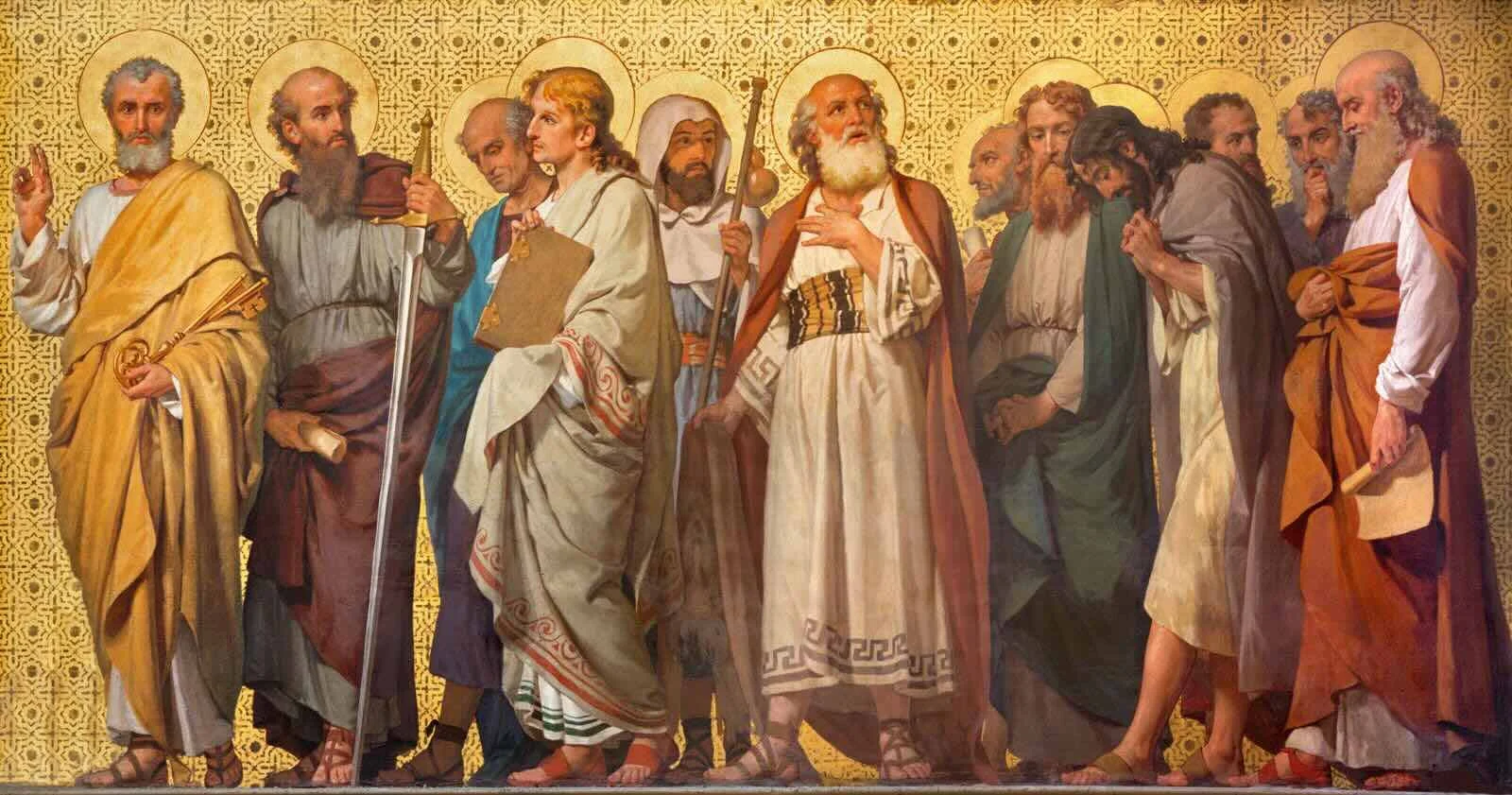
Translated from Philip Schaff's History of The Christian Church
第十五章 教皇与教士
目录
§ 122. 教会法
§ 123. 教皇在教会与国家中的至上权
§ 124. 教皇与教廷
§ 125. 主教
§ 126. 下级教士
§ 127. 教会会议
§ 128. 英格兰的教会与教士
§ 129. 两位英格兰主教
§ 122. 教会法
文献:《经订正并附注释的格拉提安教令集,附评注,奉教皇格列高利十三世之命出版》 (Decretum Gratiani emendatum et notationibus illustratum. Una cum glossis, Gregorii XIII. Pont. Max. jussu editum),6卷,罗马,1582年。——《教会法大全》 (Corpus juris canonici),J. H. 伯默 (J. H. Boehmer) 编,2卷,哈雷,1747年;附伯默论格拉提安《教令集》 (Decretum) 的导论,I. 1–42,以及论后期教皇敕令汇编的导论,II. 1–34。——最佳校勘本由 A. L. 里希特 (A. L. Richter) 编,2卷,莱比锡,1839年;E. 弗里德堡 (E. Friedburg) 修订版,莱比锡,1879–1881年,2卷(第I卷,Decret. Gratiani;第II卷,Decretalium collectiones)。——J. Fr. 冯·舒尔特 (J. Fr. von Schulte,波恩旧天主教派教授):《从格拉提安至当今的教会法渊源与文献史》 (D. Gesch. der Quellen und Lit. des kanonischen Rechts von Gratian bis auf die Gegenwart),3卷,斯图加特,1875–1880年。——多德 (Dodd):《教会法史》 (Hist. of canon Law),牛津,1884年。——T. 欣希乌斯 (T. Hinschius):《天主教与新教的教会法》等 (D. Kirchenrecht d. Katholiken und Protestanten),6卷,柏林,1869–1897年。——E. 弗里德贝格 (E. Friedberg):《天主教与新教教会法教科书》 (Lehrbuch des kath. und evangel. Kirchenrechts),第6版,莱比锡,1903年。——A. 冯·基尔兴海姆 (A. von Kirchenheim):《教会法》 (Kirchenrecht),波恩,1900年。——P. 赫尔根勒特 (P. Hergenröther,罗马天主教徒):《天主教法教科书》 (Lehrbuch d. kathol. Rechts),第2版,弗赖堡,1905年。——其他著作有:瓦尔特 (Walter),第14版,1877年。——里希特—多韦 (Richter-Dove),第8版,莱比锡。——菲利莫尔 (Phillimore):《英格兰教会的教会法》 (The Eccles. Law of the Ch. of Engl.),2卷,伦敦,1873年;《补编》 (Supplem.),1876年。——F. W. 梅特兰 (F. W. Maitland):《英格兰教会中的罗马教会法》 (Rom. Can. Law in the Ch. of Engl.),伦敦,1898年。——赫尔措格 (Herzog) 百科全书第X卷中的条目:《教规汇编》《教会法法典》《教会法》 (Kanonen-Sammlungen, Kanonisches Rechtsbuch, Kirchenrecht)。——斯塔布斯 (Stubbs):《英格兰宪政史》 (Const. Hist. of Engl.),II. 170及后,III. 295–388。——教会法著作的详尽书目,见弗里德贝格:《教会法》 (Kirchenrecht),第3–11页;赫尔根勒特:《教会法》 (Kirchenrecht),第15页及后。
中世纪教会所产生的那些独具特色而又气势宏伟的事物中,教会法这一庞大体系绝非无足轻重。1 它体现于一系列收录教会会议法令与教皇敕令的汇编之中,始于十二世纪格拉提安 (Gratian) 的汇编,终于十四世纪约翰二十二世 (John XXII.) 的敕令。教会法成为教皇神权政治的法律支柱,直到宗教改革时期,始终是居于统治地位的法典。
教会法学追尊格拉提安为其创始之父,博洛尼亚 (Bologna) 则是这门学问的主要研究中心。虽然其他国家也有这方面的著作问世,但意大利凭借其各所大学,直到十五世纪后期,在此类著作的编撰上始终遥遥领先。2
在罗马国家体制下,宗教法律——jus sacrum, jus pontificium,即神圣法与祭司法——并不是一个独立的法律体系。在基督教会中,关于一种独立而更高的神圣法律的观念,从一开始就存在。随着基督教会议的召开及其规章的制定,成文法典也随之形成。随着教阶制度司法权与中世纪教皇制度的发展,这套法律逐渐把世俗义务以及死刑以外的一切世俗刑罚都纳入其范围。3 教会越来越多地侵夺世俗法庭的管辖权,冲突势所难免。世俗法作为独立诉讼体系的自主地位受到威胁,甚至连它本身的存在也岌岌可危。直到十四世纪,世俗政府才得以成功抵制这种侵夺,并收回世俗法庭被剥夺的部分正当权利。罗杰·培根 (Roger Bacon) 在十三世纪写道:“但愿教会法能清除其中世俗法的赘余,受神学的规范!这样,教会的治理便能以尊荣而又与其崇高地位相称的方式进行。”4
在格拉提安的著作之前,已有《补赎书》 (Penitential Books),以及若干部不完备的教会裁决汇编。其中最主要的,是雷吉诺 (Regino,卒于915年) 关于教会会议案件的两卷著作,以及沃尔姆斯主教布尔夏德 (Burchard,卒于1025年)、卢卡的安瑟伦 (Anselm of Lucca,卒于1086年)、枢机主教德乌斯德迪特 (Deusdedit,约1087年) 和沙特尔的伊沃 (Ivo of Chartres,卒于1117年) 的汇编。5 《伪伊西多尔敕令集》 (pseudo-Isidorian decretals) 也属于这一类,而且被广泛采用,尤其为布尔夏德所采用。
格拉提安的著作取代了这些早期汇编,并享有教会法不朽巨著的声誉。格拉提安是一位出生于意大利的卡马尔多利会 (Camaldulensian) 修士,在博洛尼亚的圣斐理斯修道院 (St. Felix) 授课;与此同时,伊尔内里乌斯 (Irnerius) 正在同城教授世俗法。他生平的细节没有流传下来。他在约1140–1150年间完成的这部伟大汇编,就是他的传记。其原名《相异教规协调集》 (concordantia canonum discordantium),后来被简明的名称《教令集》 (Decretum) 所取代。这部著作是一部法律百科全书,立即成为这一领域的教科书,正如与格拉提安同时代的伦巴德 (the Lombard) 所著《箴言集》 (Sentences) 成为神学教科书一样。6 这种公认地位,并非出于教皇或教会会议的正式认可,因为它从未得到过这样的认可。博学的注释家屡次将它刊行,第一位是格拉提安的学生保卡帕莱亚 (Paucapalea)。这些编者和注释家被称为纲要家 (Summists) 或评注家 (Glossarists)。正式的罗马版由一个三十五人的教皇委员会编订,格列高利十三世 (Gregory XIII.) 于1582年颁行。格列高利宣布这一文本永远具有权威性,但并未对格拉提安著作的内容作出裁定。7
格拉提安旨在编撰一部著作,消除或解释教会现行惯例与规章之间一切真实或表面的矛盾。他借助删汰和评论达成这一目的;这些评论被称为“格拉提安断语” (the dicta Gratiani)。全书分为三部分。第一部分分为一百零一个分目,即 distinctiones,论述教会法的渊源、教会会议及其召开方式、教皇敕令的权威、罗马教皇的选举、主教的选举与祝圣、教皇的特权、教皇使节、教士的按立、教士独身制以及相关题目。第二部分分为三十六个案例,即 causae,讨论各种程序问题,如主教及下级教士的按立与审判、绝罚、买卖圣职、教士及教会的财产、婚姻、异端、巫术和补赎。第三部分专论圣餐与洗礼两项圣礼,以及教堂的祝圣。全书采用经院方法:先提出一个论断,然后如有异议,便援引教会会议的决议,以及教父、教皇和其他教会人士的证言,正式加以驳斥。第一个分目 (distinction) 开篇便说,人类受两种原则支配,即自然法与习俗。随后提出一系列问题,诸如何谓法律,何谓习俗,法律有哪些种类,何谓自然法、世俗法与万民法?
人们很快便发现,格拉提安的书需要补充。在该书问世后的两个世纪中,教皇颁布了极其大量的敕令,尤其在亚历山大三世 (Alexander III.)、英诺森三世 (Innocent III.) 和格列高利九世 (Gregory IX.) 在位期间。这两个世纪也召开了拉特兰会议 (Lateran) 及其他重要会议。格拉提安时代之后教皇和教会会议所作的裁定,被称为 extravagantes,即散见于集外的文献。8 从1191至1226年间,编成了五部汇编,称为“旧汇编”。9 其中第三部奉英诺森三世之命颁行,收录了他的敕令;这位教皇将其送往博洛尼亚大学,命令纳入教学课程。这是第一部获得教皇认可的教会法书。
由于需要将这些材料完整汇集,格列高利九世便将汇编成一卷的任务交给自己的随侍司铎佩尼亚福特的雷蒙德 (Raymund de Pennaforte)。10 这部通常称为《格列高利九世敕令集》 (Decretales Gregorii IX) 的著作于1234年编成,并被送往巴黎和博洛尼亚,奉命用于教学和审理案件。编纂其他汇编则受到严格禁止。格列高利的汇编包含185个题目和1871条敕令,沿用帕维亚的伯纳德 (Bernard of Pavia) 著作的五分法。11
1298年,博尼法斯八世 (Boniface VIII.) 授权颁布了一部新汇编,称为《第六书》 (liber sextus),英国作者则称之为 Sext;它将格拉提安和格列高利九世的汇编续编至博尼法斯在位时期。1314年,克雷芒五世 (Clement V.) 颁行另一部汇编,收入他本人的敕令和维埃纳会议 (Vienne) 的法令,称为《第七书》 (liber septimus),或《克雷芒敕令集》 (Clementines)。1317年,约翰二十二世正式将克雷芒的汇编送往博洛尼亚和巴黎的大学。《克雷芒敕令集》出版之后,又增入约翰本人的二十条敕令。1500年,让·沙皮 (John Chappuis) 在《第六书》和《克雷芒敕令集》的一个版本中,增入约翰的敕令以及其他教皇的七十一条敕令。这一系列汇编,即格拉提安的《教令集》 (Decretum)、格列高利九世的《敕令集》 (Decretales)、《第六书》 (Sext)、《克雷芒敕令集》 (Clementines) 以及约翰二十二世的《集外敕令集》 (Extravagantes),构成正式的教会法汇编——《教会法大全》 (corpus juris canonici),并收入格列高利十三世的版本刊行。
教会法试图借助司祭阶层在圣礼方面的裁定,为人的生活从摇篮到坟墓的一切层面——教士生活、教会生活、社会生活、家庭生活——制定详尽的法律。它侵入普通法的领域,甚至有将普通法完全排除的危险。教会不仅有自己的法典和专属宗教的惩罚,也有自己的监狱。
与君主们专横而野蛮的严酷统治相比,这套法律是一种进步。它至少以公正与人道的原则为出发点。但它后来却蜕变为一种企图:要对基督教世界中个人的行为,施行法利赛人曾试图对犹太人生活施行的控制。它犯了一个极大的错误,用无穷无尽、往往出于决疑术杜撰的法令,取代涵盖广泛、统摄全局的道德原则。它给思想的进步加上了压倒性的束缚,又把难以承受的重担绑在人的颈项上。它具有教皇制度的优点,也具有其一切弊病。它要求教士无论犯何种罪行,都必须在教会法庭受审,因而庇护了犯罪的教士。它成为教皇权利主张的强大支柱。它确认并使《伪伊西多尔敕令集》的虚构永久流传,又制造了新的伪造文献。它教导说,罗马的裁决是终局裁决。12 基督在法律之上,教皇也同样在法律之上。13 德林格 (Döllinger) 在结束对《教令集》 (Decretum) 的考察时,判定它“彻头彻尾充满伪造与谬误”,又说:“它像一枚巨楔,打入教会原有的组织结构之中,将其劈裂。”
教会法还认可了教会强制这一魔鬼般的原则,宣称应当使用武力迫使教会中的异议者顺服。它为针对宗教之敌的战争和迫害异端辩护,正如作为天上耶路撒冷预表的撒拉迫害她的使女夏甲一样。它又与乌尔班二世 (Urban II.) 一同宣称,杀死被判绝罚者的人,不应被当作杀人犯处置。14 这些以明确条文表述的原则,得到托马斯·阿奎那 (Thomas Aquinas) 和其他经院学者的拥护,也为最伟大的教皇所坚持。
最后,这种律法主义的暴政变得过于沉重,使欧洲已经觉醒的良心无法承受,正如使徒时代的礼仪律法一样;彼得曾在耶路撒冷会议上抗议它,保罗也曾在他的书信中反对它。宗教改革者纷纷发声抗议。1520年,在维滕贝格 (Wittenberg),路德将一部教会法投入焚烧教皇谕令的同一堆烈火之中;后者代表一位自称无谬的教皇的厚颜,前者代表一位属人的立法者在宗教事务上令人无法容忍的傲慢,而二者都摧毁个人的自由。路德在《致基督教贵族书》(Address to the Christian Nobles) 中宣称,教会法连两行适合教导虔信之人的文字也没有,其中却包含如此之多的危险规条,以致最好的处置办法就是把它变成一堆粪土。
即使在天主教世界,教会法的条文也大半已被特伦托会议 (Trent) 的法令、此后颁布的教皇敕令,以及天主教君主与教皇宗座之间的协定所取代。教皇凭借其职分所具有的无谬性,可以随时用自己的裁决和特许取代这些条文。
歌德 (Goethe) 的话可以用来形容教会法:——
法律与权利代代相传,
犹如一种永不痊愈的疾病;
它们从一代拖延到另一代,
又从一地悄悄蔓延到另一地;
理性变成谬妄,恩惠化为灾殃。
§ 123. 教皇在教会与国家中的至上权
文献:参见论格列高利七世 (Gregory VII.) 和英诺森三世 (Innocent III.) 的各章,以及其中所引的著作。——伯尔纳 (Bernard):《论省察》(de consideratione),米涅 (Migne),182卷,727–808页。——托马斯·阿奎那 (Th. Aquinas):《论君主统治》(de regimine principum) 及《驳希腊人的谬误》(contra errores Graecorum)。后者由 F. H. 罗伊施 (F. H. Reusch,卒于1900年) 编订:《托马斯·阿奎那〈驳希腊人〉论著中的伪造》(D. Fälschungen in d. Tractat. d. Th. v Aq. gegen die Griechen),慕尼黑,1889年。——格列高利七世、亚历山大三世 (Alexander III.)、英诺森三世、格列高利九世 (Gregory IX.) 等人的著作。《教会法大全》(Corpus juris canonum),弗里德贝格 (Friedberg) 编。——米尔布特 (Mirbt):《教皇制度史料》(Quellen des Papstthums)。——C. 卢克斯 (C. Lux):《1265–1378年关于圣俸普遍保留权的宗座宪令……汇编与解释》(Constitutionum Apostolicarum de generali beneficiorum reservatione, 1265–1378, ... collectio et interpr.),布雷斯劳 (Wratislav),1904年。——马森 (Maassen):《罗马主教的首席权》(Primat des Bischofs von Rom),波恩,1853年。——舒尔特 (Schulte):《罗马教皇制度的权力》(D. Macht des röm. Papstthums),布拉格,第2版,1871年。——德林格—弗里德里希 (Döllinger-Friedrich):《教皇制度》(D. Papstthum),慕尼黑,1892年。——F. X. 莱特纳 (F. X. Leitner):《圣托马斯·阿奎那论教皇无谬的训导职权》(D. hl. Th. von Aquino ueber d. unfehlbare Lehramt d. Papstes),法兰克福 (Franf.),1872年。莱特纳的写作旨在反对德林格,其著作极为重要。——布赖斯 (Bryce):《神圣罗马帝国》(Holy Rom. Emp.),第VI–XI章。——G. B. 亚当斯 (G. B. Adams):《中世纪文明》(Civilizat. during the M. A.),第X章。——W. 巴里 (W. Barry):《教皇君主制,590–1303年》(The Papal Monarchy, 590–1303),纽约,1902年。——J. 哈勒 (J. Haller):《教皇制度与教会改革》(Papsttum und Kirchenreform),柏林,1903年。——A. 豪克 (A. Hauck):《直至博尼法斯八世的教皇世界统治思想》(D. Gedanke der päpstl. Weltherrschaft bis auf Bonifaz VIII.),莱比锡,1904年。——兰克 (Ranke):《世界史》(Weltgesch.),第VI卷。——哈纳克 (Harnack):《教义史》(Dogmengesch.),II卷,392–419页。弗里德贝格、欣施尤斯 (Hinschius)、赫根勒特 (Hergenröther) 所著的教会法手册。
格列高利七世与英诺森三世对教皇权力的僭妄主张,前文已经述及(第27页及后、152页及后)。从格列高利七世与亨利四世 (Henry IV.) 最初的争斗,直到霍亨斯陶芬家族 (Hohenstaufen) 的康拉丁 (Conradin) 之死,这一时期的历史有很大一部分为教皇们力图实现教皇神权统治的活动所占据。据我们所知,他们最强有力的言论,不是号召个人与民族践行基督徒的仁爱,而是强行确立教皇的管辖权。这里的目的不是重述已经说过的话,而是要将教皇制度作为一个已经实现的事实加以阐述,并说明经院学者与民众舆论对它的评价。
从格列高利七世到博尼法斯八世,占据圣彼得宝座的四十一位教皇中,有些人具有罕见的才干,这一点已经显明;作为统治者,他们占有极为显赫的地位。教皇宫廷中不再有前一时期那样的丑闻,也不再需要北方的皇帝南下罗马,废黜因年幼或放荡而不称职的教皇。另一方面,罗马既不以敬虔中心著称,也不以学术中心闻名。修道院因宗教热忱而闻名,博洛尼亚 (Bologna)、巴黎及其他地方则因学术文化而享有盛誉;但罗马的声望,完全建立在它作为教会特权所在地所具有的权威之上。
教皇们的罪在于教阶权势的骄傲;然而,我们仍不免为那些威严的人物所吸引。他们普世统治的理想,其雄心足以媲美罗马那些较伟大皇帝最大胆的计划,却又因其中所含的道德因素而与后者大异其趣。15
在这一时期,历来为教皇制度提出的最高权力主张,在西欧得到了实现。教皇在教会中被承认为凌驾于所有主教之上的最高首领;除少数例外,他在世俗事务中也被承认为最高统治者。对于这两项特权的运用,虽不乏抗议,欧洲的一般舆论却支持这些主张。在两个领域中,权力的全部——plenitudo potestatis——都属于他。
教皇与教会。——英诺森三世用以支持教皇在教会中享有至上权的一个惯用比喻,取自头与身体的关系。正如头包含身体全部的力量,并支配身体,彼得的继承者作为教会的头,也拥有教会全部的特权及治理教会的权利。教皇召其他人分担照管教会的责任,但这种分担丝毫不减损作为头的权威。16 英诺森二世 (Innocent II.) 在第二次拉特兰会议 (Lateran) 开幕时,也曾使用同一比喻,并宣称,未经罗马教皇许可,任何教会尊位都不得合法持有。按照格列高利七世的看法,教皇可以随意废黜和任命主教。格拉修 (Gelasius) 于493年提出的原则,即宗座不受任何人间司法权管辖,也为伯尔纳所接受,尽管伯尔纳曾抗议教皇将自己的专断意志变成教会的法律。17 兰弗兰克 (Lanfranc) 在1072年说,罗马教会可以说是所有教会的总和,而其他所有教会则可以说是它的组成部分。一切教会事务的安排,只有得到彼得继承者的认可,才具有权威。18
第四次拉特兰会议正式宣告,罗马教会是所有信徒的母亲和教师,并宣称其主教在等级与权威上高于君士坦丁堡、耶路撒冷、安提阿和亚历山大的牧首。利奥九世 (Leo IX.,卒于1054年) 曾向君士坦丁堡牧首凯鲁拉里乌斯 (Caerularius) 提出这一僭妄的主张。19 英诺森三世在这个古老可敬的教座上,以一位拉丁牧首取代希腊牧首,藉此确立了这一主张。1274年第二次里昂会议 (Lyons) 要求希腊人签署一份文件,承认罗马教皇的“完全首席权”,以及他统治普世教会的权利。
这种教皇绝对权力的理论,从托马斯·阿奎那和格拉提安 (Gratian) 那里,获得了神学与教会法上的充分认可。格拉提安宣称,不服从教皇就是不服从上帝。20 托马斯推论说,正如主教是一教区之首,也必然需要一位最高的元首,将所有教区联合起来,保证教会内部道德与教训的纯正。得胜的教会只有一位统治者,因此争战的教会也必须只有一位统治者,就是教皇。全部的权力和统辖整个教会的首领地位,都托付给了教皇。决定何为信仰事项的权利,也属于他。21
波纳文图拉 (Bonaventura) 持同样的立场。在一切关乎教会的事务上,教皇都是至高的。在属于高级教士治理的一切事务上,他是权威的源头;不仅如此,他的权威还从教会中地位最高的成员一直延伸到最卑微的成员。22 大主教们或许会与宗座发生争执,但最终仍屈从于宗座对最高管辖权的主张。林肯主教罗伯特·格罗斯泰斯特 (Robert Grosseteste) 的情形正是如此。他宣称:“我知道,而且深深知道,我们的主教皇有权自由处置一切教会圣俸。”23
克雷芒四世 (Clement IV.) 为罗马教皇主张“处置所有教会、教会尊位、职位及圣俸的完全权利”时,不过是在表达拉丁基督教世界的普遍意见。24
在理论上,究竟是大公会议还是教皇被视为至高者,仍是一个有争议的问题。然而在事实上,这一时期的教皇仿佛本就是至高者一般,控制着历次大公会议的立法,并且制定教会的法律;格列高利九世的情形就是如此。直到十三世纪,教皇与会议的相对权威才成为一个迫切的问题。
教皇还声称,他有权随意向教会各部分征税。十三世纪后半叶的教皇明确提出这一主张,导致十四世纪种种可耻的弊端,震撼了基督教世界的道德感,最终促成比萨 (Pisa)、康斯坦茨 (Constance) 和巴塞尔 (Basel) 等改革会议的召开。
从英诺森三世开始,教皇自称基督的代理人和上帝的代理人,成为固定的惯例。从此,“圣座”或“至圣者”——sanctitas 或 sanctissimus——成为专用于他的称谓。25
教皇与个人。——居普良 (Cyprian) 的格言“教会之外没有救恩”,被“罗马教会之外没有救恩”所取代。人们明确宣称,凡拒绝服从教皇的,都是异端。26 没有任何人可以不受教皇释放与捆绑的权柄约束。没有任何事物可以豁免于他的管辖。27
教皇与国家。——在这一时期,英格兰、波兰、挪威、瑞典、葡萄牙、阿拉贡 (Aragon)、那不勒斯 (Naples)、撒丁岛 (Sardinia)、科西嘉岛 (Corsica) 和西西里岛 (Sicily),都曾或长或短地成为宗座的封地,更不用说意大利中部的部分地区了。1299年,教皇又对苏格兰提出同样的主张。从埃德萨 (Edessa) 到苏格兰,从卡斯蒂利亚 (Castile) 到里加 (Riga),各国都受到提醒:罗马乃是上帝所授权威搏动的中心。西方诸岛也由它赐予。英诺森写道,交给彼得的,不只是普世教会,还有全地,好让他治理。28 正如我们已经看到的,他的行动与他的笔墨是一致的。曾几何时,教皇还承认皇帝拥有更高的权威,如大格列高利 (Gregory the Great) 在593年所做的那样。29 彼得·达米安 (Peter Damiani) 在格列高利七世时代写作时,承认两把剑、两个领域之间的区别与协调。30 然而,另一种观念取而代之,认为一切世俗权力都应服从教皇。废黜君主,解除臣民的效忠义务,积极煽动叛乱——如反对腓特烈二世 (Frederick II.) 时所为,转移土地的归属——如在法国南部所为,授予王冠,以施加最严厉教会惩罚相威胁,勒索贡赋,将宗教异议者终身监禁,或将他们交给世俗当局,明知等待他们的刑罚是死亡,派遣十字军并为之祝圣,侵入世俗法庭的领域,篡夺其权威,废除一国的法典——如对待《大宪章》(Magna Charta) 那样:这些都是教皇制度实际行使过的至高特权。博洛尼亚的法学家在龙卡利亚 (Roncaglia) 原野上作出裁决,申明帝国的独立权利,不过是一个插曲;教皇们对这种学究式的冒犯嗤之以鼻。头戴三重冠的人偶尔也会失败,但他们从未停止坚持其职分具有神授权利。像腓特烈二世这样的皇帝诉诸圣经,指出圣经丝毫不支持教皇有权惩罚君王、剥夺其王国这一原则,却也是徒然。
教皇们的宣告清楚而肯定。格列高利七世 (Gregory VII.) 曾以金与铅、日与月、灵与体来比拟两个领域;英诺森又将这些比喻加以发挥,竭力申说。格列高利断言,他有责任为上帝的一切国度交账。31 普世的统治权——regimen universale——已交托给他。32 英诺森三世 (Innocent III.) 在兼任祭司与君王的麦基洗德身上,找到了教皇集祭司与君王职能于一身的完整预表。
那些独创性与道德力量较弱的人,只能重申这两位杰出统治者的主张,重复他们的比喻。其中,没有谁比格列高利九世 (Gregory IX.) 更为自信;在大多数人已衰老不堪的年纪,他仍勇敢地以《君士坦丁赠礼》(Donation of Constantine) 这一虚构文书,抵抗腓特烈二世 (Frederick II.) 的计划。罗马的权杖,岂不是由第一位基督徒皇帝交托给宗座的吗?宗座岂不是将帝国从希腊人转交给日耳曼人,使查理曼 (Charlemagne) 和腓特烈本人,成为阿卡狄乌斯 (Arcadius)、瓦伦提尼安 (Valentinian)、狄奥多西 (Theodosius) 以及其他罗马基督徒皇帝的继承人吗?33 然而,英诺森四世 (Innocent IV.) 在1254年又回到希尔德布兰德 (Hildebrand) 所持的立场,认为教皇的世俗统治权并不依赖君士坦丁,因为彼得是直接从上帝领受这权柄的。34
与霍亨斯陶芬家族 (Hohenstaufen) 的斗争结束,哈布斯堡的鲁道夫 (Rudolf of Hapsburg) 登上帝位、和平得以确立之后,格列高利十世 (Gregory X.) 写信给鲁道夫说:“若圣座空缺,帝国便缺少施予救恩者;若帝位空缺,教会在逼迫她的人面前便失去防卫。教会统治者的责任,是维持君王的职分;君王的责任,则是保护教会的权利。”这是对宗座至上权较为温和的表述。直到卜尼法斯八世 (Boniface VIII.) 在1302年著名的《独一至圣》诏书 (unam sanctam) 中,才将自希尔德布兰德以来,甚至自尼古拉一世 (Nicolas I.) 以来历任教皇的主张,准确而略显生硬地表达出来:教皇对属灵与属世的两把剑都拥有最高权利,用一把治理人的灵魂,用另一把治理人的世俗事务。
伯尔纳 (Bernard) 和托马斯·阿奎那 (Thomas Aquinas) 曾在专论中为这些主张辩护;他们是基督教历代最杰出的教会人物中的两位。伯尔纳是教皇们的朋友,在英诺森二世 (Innocent II.) 和尤金三世 (Eugenius III.) 在位期间,是欧洲精神上的主导人物,也是那个时代最强大的道德力量。托马斯·阿奎那则以神学家的身份写作;在神学体系中单独论述教皇制度,始于他。在《论君主的统治》(Rule of Princes) 和《驳希腊人的谬误》(Errors of the Greeks) 中,托马斯毫不含糊地阐明,宗座不仅在普世教会中至高无上,而且高居国家之上。至于伯尔纳,教皇至上派 (Ultramontane) 和高卢主义派 (Gallican) 都援引他的权威;然而,他写给尤金三世的《论省察》(De consideratione) 中,有些话若作公允的解释,就只能理解为教皇在两个领域中都至高无上。
伯尔纳的这篇论著,在米涅 (Migne) 版中占了密排的八十栏;他称尤金为自己属灵的儿子,呼吁他从四个方向省察:省察自己,省察在自己之下的,省察在自己周围的,以及省察在自己之上的。身居宝座者,很少听到这样的警戒和劝勉之声。作者写作此书时,很可能已是他在世的最后一年。
教皇省察自身时,应当记得,他被擢升到这一职位,不是为了统治,而是为了作先知;不是为了炫耀权力,而是为了照管众教会。教皇只有显明自己是仆人时,才是最大的。作为教皇,他是使徒的继承人,是众主教之首。他承接着亚伯、亚伯拉罕、麦基洗德、摩西、亚伦、撒母耳和彼得的首位权。钥匙属于他。别人受托照管个别羊群,他却是所有羊的牧人,也是众牧人的牧人。即使主教,他也可以将其废黜,排除在天国之外。然而,尤金终究是人。虽是教皇,他仍如最卑贱的尘灰一般卑微。地位的改变,并未改变他这个人。甚至大卫王也曾成为愚人。
在教皇之下的,是教会,以及一切应当听到福音的人。
在教皇周围的,是枢机们和整个教廷。在这里,应当斥责贪婪与野心,平息上诉案件的喧嚣,选任贤能的官员。罗马人是一群恶劣之徒,他们奉承教皇,为的是从他的施政中捞取好处。对于追求敬虔的人,他们却视之为伪君子。
这位忠实的顾问在描绘理想的教皇时,言辞愈加雄辩。他是众主教中的一员,而不是他们的主。他是众人的弟兄,爱上帝。他受命成为公义的典范、真理的捍卫者、穷人的代言者、受压迫者的避难所。他是至高者的祭司、基督的代理人、主的受膏者、法老的上帝;也就是说,他对不顺服的君王拥有权柄。
伯尔纳明确地将两把剑都归给教皇;教皇亲自拔出属灵的剑,又以眼色示意,命人拔出属世的剑。35 的确,他强调彼得作为使徒的朴素与贫穷。彼得不佩珠宝,没有卫队随侍,也不骑白马。采用这种外在排场,“教皇们所效法的是君士坦丁,而不是使徒”。同样确实的是,伯尔纳也随从他那一代人的观念,将教皇视为上帝在地上的代理统治者。36
托马斯·阿奎那的观点,前面已经论及(第673页)。他的论断如此肯定,其含义不容置疑。一切权力的全备都在教皇里面。人当顺服罗马教会,如同顺服基督。37 这些主张见于他的《驳希腊人的谬误》一书;写作之时,第二次里昂会议即将召开,人们正采取措施,弥合东西方之间的分裂。教皇兼为君王和祭司,世俗领域的权柄来自彼得及其继承者。38 托马斯还更进一步,主张教皇无谬。为证实这一观点,他引用了托名西里尔 (Cyril) 的伪作,也引用了教父著作中的真实段落。39
十三世纪初,海斯特巴赫的凯撒 (Caesar of Heisterbach) 将教会比作穹苍,教皇比作太阳,皇帝比作月亮,主教比作群星,教士比作白昼,平信徒比作黑夜;这无疑准确地表达了当时司铎和修士中流行的看法。
面对如此广大的权力主张,我们不禁惊愕;然而毫无疑问,提出这些主张的教皇,以及神学家和民众,都真诚信奉它们。罗马教皇在教会中至高无上、并且高居国家之上,是一种坚定不移的信念。“凯撒的物当归给凯撒,上帝的物当归给上帝”这句话,今日被用来说明两个领域应当分离,当时也被引用,只是解释不同。圣维克多的雨果 (Hugo of St. Victor) 沿用奥古斯丁 (Augustine) 的定义,将教会界定为信徒的总体40——universitas fidelium;里尔的阿兰 (Alanus de Insulis) 则将其界定为承认基督的信众之会,以及圣礼的军械库。41 然而,新约所启示的基督徒个人自由,以及个人直接向基督负责的观念,并未深入人心。作为一种权宜之计,教皇主权这一虚构观念,对于维系欧洲社会动荡不安、相互争战的各个部分,确有某些益处。对最高教皇裁决的畏惧,约束了狂暴而无法无天的世俗统治者。但若将这一理论视为上帝所设立、应当永久施行的原则,它便既站不住脚,又有害处。欧洲各国早已超越了这一阶段;基督教世界的新教各教会,无论多么愿意尊重任何表现出基督精神的罗马主教,如同它们曾尊重利奥十三世 (Leo XIII.) 那样,也绝不能指望它们顺服一个自称基督代理人的人。
§ 124. 教皇与教廷
参考文献:关于教皇的选举。——尼古拉二世 (Nicolas II.) 和格列高利十世的法令文本,见米尔布特 (Mirbt):《史料》(Quellen),第57页及后、146页;弗里德贝格 (Friedberg) 编《格拉提安著作》,I. 78及下页。——W. C. 卡特赖特 (W. C. Cartwright):《教皇秘密选举会议》(The Papal Conclave),爱丁堡 (Edinb.),1868年。——策普费尔 (Zöpffel):《十一至十五世纪的教皇选举等》(D. Papstwahlen etc. vom 11–15. Jahrh.),哥廷根 (Götting.),1871年。——T. A. 特罗洛普 (T. A. Trollope):《教皇秘密选举会议的今昔》(The Papal Conclaves as they were and as they are),伦敦 (Lond.),1876年。——L. 莱克托尔 (L. Lector):《秘密选举会议》等 (Le conclave, etc.),巴黎,1894年。——赫费勒—克内普弗勒 (Hefele-Knöpfler),IV. 800–826;VI. 146及后。——施瓦内 (Schwane):《教义史》(Dogmengesch.),第522–589页。——弗里德贝格:《教会法》(Kirchenrecht),第165页及后。——赫尔根勒特 (Hergenröther):《教会法》(Kirchenrecht),第267–302页。——《教皇选举》(Papstwahl.) 条目,见赫尔佐格 (Herzog),XI. 213–217,由欣希乌斯 (Hinschius) 撰写;以及韦策尔—韦尔特 (Wetzer-Welte),IX. 1442–1461。
关于教廷的财政政策。——B. P. 沃克尔 (B. P. Woker):《教皇的教会财政制度》(D. kirchl. Finanzwesen d. Päpste),讷德林根 (Nördl.),1878年。——法布尔 (Fabre):《罗马教会贡赋簿》(Le libre censuum de l’église Romaine),巴黎,1892年。——M. 唐格尔 (M. Tangl):《十三世纪至十五世纪中叶教皇文书署的收费制度》(D. Taxenwesen der päpstl. Kanzlei vom 13. bis zur Mitte des 15. Jahrh.),因斯布鲁克 (Innsbr.),1892年。——J. P. 基尔施 (J. P. Kirsch):《十三与十四世纪枢机团的财政管理》(Die Finanzverwaltung des Kardinalkollegiums im XIII. und XIV. Jahrh.),明斯特 (Munster),1895年。——P. M. 鲍姆加滕 (P. M. Baumgarten):《枢机团财务署研究与文献,1295–1437》(Untersuchungen und Urkunden über die Camera Collegii Cardinalium, 1295–1437),莱比锡 (Leip.),1898年。——A. 戈特洛布 (A. Gottlob):《十三世纪教皇的十字军税》(D. päpstl. Kreuzzugssteuern des 13. Jahrh.),海利根施塔特 (Heiligens.),1892年;《十三世纪的任职贡金》(D. Servitientaxe im 13. Jahrh.),斯图加特 (Stuttg.),1903年。——O. 延森 (O. Jensen):《英格兰的彼得便士》(D. englische Peterspfennig),海德堡 (Heidelb.),1903年。——哈勒 (Haller):《教皇制度与教会改革》(Papsttum u. Kirchenreform),柏林,1903年。——胡尔特 (Hurter):《英诺森三世》(Inn. III.*),IV. 161及后。——关于教皇财政政策、尤其是十四世纪财政政策的其他文献,见本卷第二部约翰二十二世 (John XXII.) 一节。
教廷 (curia) 是对枢机以及教皇宫廷中下级官员的统称。这一时期,由于权力集中于罗马,教廷的重要性大为增加。教皇不得不雇用大批公证人、辩护人、代理人和其他官员,与他分担呈到他面前的大量事务所带来的重负。
狭义而言,“教廷”一词指枢机团。这个团体与教皇之间逐渐形成的关系,类似于座堂参议会与主教之间、内阁与君主之间的关系。在1245年和1274年的两次里昂大公会议上,枢机团成员获准位列其他一切教会显贵之上。
规定教皇选举方式的立法,始于这一时期的尼古拉二世和格列高利十世;前者通过1059年的罗马会议颁布,后者则通过1274年的第二次里昂会议颁布。自九世纪起,皇帝就声称有权批准或否决教皇选举;这项权利在格列高利七世的影响下被取消。尼古拉的法令符合格列高利的观点,将选举权限定于枢机,而这也成为枢机的首要职能。这标志着教皇制度向完全独立迈出了重要的一步,不过,直到亚历山大三世 (Alexander III.) 在1179年的第三次拉特兰会议 (Third Lateran) 上确认这项法令以后,它才得到严格执行。选举必须取得枢机三分之二的多数票方为有效。另有一项重要规定,承认在罗马城外举行的教皇选举同样有效。
克莱门特四世 (Clement IV.,卒于1268年) 去世后,教皇之位空缺将近三年,表明有必要制定更为严密的规章。这项法律在格列高利十世 (Gregory X.) 时期臻于完备,略经修改,至今仍然有效。它规定,教皇去世后十日之内,枢机应在他去世的同一座建筑内集会,选出继任者。秘密选举会议 (conclave) 的名称源于意为钥匙的 clavis 一词,原指集会的房间,后来也用来称呼会议本身。投票期间,与会教士与外界隔绝,食物由窗口送入。三日之后若仍未有结果,午餐与晚餐便各减为一道菜。若八日过去仍未选出教皇,饮食便减为饼和酒。世俗当局受托守卫秘密选举会议,防止外来干扰和暴力。
如今枢机分属的各委员会,或称圣部,都是较晚才设立的。最古老的是圣职部,即宗教裁判圣部 (Holy Office or Congregation of the Inquisition),成立于1542年。1245年,英诺森四世 (Innocent IV.) 赐予枢机红帽,作为其职分的标志;两百年后,保罗二世 (Paul II.) 于1464年赐予他们紫色披风。他们佩戴蓝宝石戒指,并依乌尔班八世 (Urban VIII.) 1630年的规定,被尊称为“阁下”(Eminence)。1586年,西克斯图斯五世 (Sixtus V.) 将他们的人数限定为七十人。在此限额内的实际人数,取决于在位教皇的意愿。历来人数最多的一次是在庇护四世 (Pius IV.) 时期的1559年,共有七十六人。十三世纪后半叶,枢机人数往往很少,一度减至七人。自乌尔班六世 (Urban VI.,1378–1382年) 以来,除枢机之外,再无人被擢升为教皇。教皇退位的权利,以格列高利六世 (Gregory VI.) 于1046年、策勒斯廷五世 (Coelestin V.) 于1294年及格列高利十二世 (Gregory XII.) 于1415年的先例为依据。
教皇的加冕与登座典礼日益铺张炫耀,通常以穿城游行来庆祝,从圣彼得大教堂前往拉特兰 (Lateran);除教皇及高低各级教士外,贵族和世俗官员也都参加。教皇冠,即三重冠 (tiara),似乎直到乌尔班五世 (Urban V.,1362–1372年) 在位时才开始使用。这顶冠冕被视为象征教皇对天上、地上和地下世界的统治;或象征他在世上的权力,以及他在今世和永恒中施行释放的权力;或象征罗马、西方牧首区与全世界。
教皇使节制度的发展也属于这一时期;这一制度成为扩张教皇管辖权的重要工具。自格列高利七世 (Gregory VII.) 在位以来,这类官员便不断出现。克莱门特四世将他们比作罗马的行省总督。他们受命在特殊场合代表使徒教座,在奉派前往的地区,地位高于当地主教,主持教会会议,并要求人们给予他们对教皇本人应有的尊敬。
格列高利七世在举荐一位使节时,引用《路加福音》10:16说:“听从你们的,也就是听从我。”42枢机雨果 (Hugo) 在西班牙代表他,另有使节在撒丁岛 (Sardinia)、法国、丹麦、波兰和英格兰代表他。43希尔德布兰德 (Hildebrand) 本人曾代表教皇执行特别使命,而阿德里安四世 (Adrian IV.) 则因成功履行在北欧的使节职务而声名卓著。1070年,教皇使节出席了征服者威廉 (William the Conqueror) 的加冕典礼。
使节以生活奢华如王侯著称,其供养则由奉派前往的国家承担。他们侵夺主教的特权,索取钱财,引起了遍及欧洲的强烈怨言。巴巴罗萨 (Barbarossa) 致信阿德里安四世,拒绝接待教皇使节,因为他们到他那里来,像劫掠者而不像祭司。44索尔兹伯里的约翰 (John of Salisbury) 和马修·帕里斯 (Matthew Paris) 与圣伯尔纳 (St. Bernard) 一同谴责他们的傲慢与贪婪。伯尔纳只找到两位廉洁使节的事例。其中一位马丁 (Martin) 曾奉派前往达契亚 (Dacia),返回意大利时穷得几乎到不了佛罗伦萨;若不是借到一匹马,他就不得不从那里步行前往罗马。伯尔纳觉得,人们会把他的叙述当作无稽之谈:一位使节从黄金之地归来,却没有黄金,穿越白银之地,却不曾拥有白银!另一位是阿基坦的戈弗里德 (Gaufrid of Aquitaine),他连鱼和蔬菜也不肯白收,总要付钱,免得有人说:“我们使亚伯拉罕富足了。”见《创世记》14:23。45
亲切风趣的方济各会编年史家萨林贝内 (Salimbene),也为我们描绘了一幅意大利北部教皇使节的阴暗图景,其中有些人是他亲自认识的。他列出了十二人的姓名,特别指控其中四人不贞,包括后来成为格列高利九世 (Gregory IX.) 的乌戈利诺 (Ugolino),并且提及他们一些子女的姓名。其中两人嗜酒。他笼统地指控使节“劫掠教会,凡能拿走的无不拿走”。46
作为西欧的终审法庭,教皇法庭获得了从前做梦也想不到的重要地位。无数上诉案件被呈到它面前。只要争讼者有钱或有时间,无论多么琐碎的争端,都可以到罗马争讼。来自诸侯与国王、座堂参议会与主教、修院与修道院院长的上诉纷至沓来。乌尔斯佩格的布尔夏德 (Burchard of Ursperg) 说,47没有一个教区或堂区不在罗马有待决的案件,而前去诉讼的各方无不满手金银。前往永恒之城的诉讼者络绎不绝,以致“条条道路通罗马”再度成为字面上的事实。正如伯尔纳所哀叹的,白昼的时间不够审理这些争端,听审一直延续到夜间。48教廷鼓励上诉,因为它从中找到了取之不尽的财源。伯尔纳致信尤金尼乌斯 (Eugenius),痛惜基督教世界的首席主教挪用本应履行本职的时间,耗费在审理普通诉讼和个人申诉上。教皇宫殿的厅堂中回响的,是查士丁尼 (Justinian) 的法律,而不是主的训诲。伯尔纳本人承认,上诉权是一项无可争辩的特权,但他主张将其限于寡妇和穷人的申诉,而排除财产纠纷。49
ad calendas Graecas(拖到希腊历的朔日,即遥遥无期)这一说法在罗马成了俗语,用来形容司法拖延,直到一方死去,或因等待而精疲力竭,只得交付所索取的钱财。伯尔纳所举的下述例子,可以说明上诉权被运用到了何种地步。在巴黎,一场婚礼突然被打断:一名申诉者来到祭坛前,以新娘曾许配给他为由,向罗马上诉,反对这桩婚姻。祭司无法继续主持婚礼,新郎与新娘只得分居,等待教廷审理此案。教廷的权力竟增大到这样的地步:它的裁决被认为足以判定何为纯正教义,何为异端。50
十三世纪,教皇的财政因教廷的苛索而恶名昭彰;但直到十四世纪阿维尼翁流亡 (Avignon exile) 时期,这些苛索才在整个欧洲激起喧腾的抗议。教皇宫廷不断增加的开支,需要大笔款项,而且不能不予以满足。最高教皇有权要求他所主持的整个教会团契给予供养,各教会也承认这一要求是正当的。帕斯卡尔二世 (Pascal II.) 于1101年致信坎特伯雷的安瑟伦 (Anselm of Canterbury) 时,便表达了这一点:“你深知我们日常的需要,也知道我们经费匮乏。罗马教会的工作使众教会受益,凡送来馈赠的教会,借此所承认的,不仅是自己欠罗马教会的债,也是欠整个基督教世界的债。”51正是对这一正当要求的可耻滥用,招致了强烈的怨言。
关于十三世纪初教皇的收入,有一本英诺森三世 (Innocent III.) 的收入账簿传了下来,由其内侍岑修斯 (Cencius) 编制,后者后来被擢升为枢机。52账簿所列的633个主教区中,有330个向罗马缴纳某种贡赋。除金钱馈赠之外,账簿还开列了各式物品——蔬菜、酒、谷物、鱼、木材、蜡、亚麻布、成对的牛、马匹。修院、教堂和医院都为教皇的需用捐献。赖歇瑙 (Reichenau) 修道院院长在就职时,送上两匹白马、一本日课经和一本福音书。泰鲁阿讷 (Terouanne) 主教区的一所医院送来100条鲱鱼,罗马的圣巴西尔院 (St. Basil’s) 则送来两担鱼。
十三世纪后半叶,教皇的财政管理形成了一套制度,并就教皇与枢机团之间的收入分配制定了明确规则。这一时期留给我们的,只有一份税目表;53而十四世纪上半叶,则有若干详细而极有趣的账簿,载明授予各类教皇特权所征收的确切价款。其中有高级教士与教皇官员订立的财政契约,也有收据,一如人们在严谨的银行制度中所能见到的。这些清单及其他资料,使我们能够推知1250–1300年间所实行的方法。
教皇国库的收入来源,包括封建属国每年缴纳的贡赋,称为 census;高级教士及其他教会圣俸持有者所缴纳的款项,称为 servitia, visitationes, 和 annates;以及为十字军及其他特别行动,不定期向全教会或部分教会征收的税款。除这些通常的收入来源外,还应加上为各种特定的教皇特许和赎罪券所征收的款项。54
任职贡金 (servitia,)55、晋谒贡金 (visitationes,) 和首年收入贡金 (annates),原是教士的自愿奉献,到了十三世纪末,已被视为必须缴纳的款项。首年收入贡金 (annates) 是教皇所任命者缴纳的款项,数额为其圣俸一年收入的一部分;这些圣俸的任命权由教皇保留,例如座堂俸禄、法政牧师职位及其他圣俸职位。这一部分通常为半数。晋谒贡金 (visitationes) 是高级教士,即大主教、主教和修道院院长,在赴罗马晋谒时所缴纳的款项。56这些晋谒定期举行,期限由法律规定。高级教士在宣誓就职时,便承诺履行这些晋谒义务。
任职贡金 (servitia)57 是大主教、主教和修道院院长在任职获确认时缴纳的金钱馈赠,构成了一项巨大的收入来源。各人应缴的数额,以一年收入为基础计算。一经核定,在重新估价之前,数额便保持不变,并具有强制性。58征收的比例通常为一年收入的三分之一,但并非一律如此。59这种贡赋形式的确切起源不详,但在尼古拉三世 (Nicolas III.,1277–1280年) 在位之前,它已被承认为具有法律效力的惯例,而且很可能早在十三世纪中叶就已如此。60这项税款通常由高级教士赴罗马、任命获确认时缴纳。有时则通过商行承诺履行付款义务。61
贡赋 (census) 包括教皇国缴纳的税款,受宗座特别保护的修道院和教会缴纳的摊派款,封建属国那不勒斯 (Naples)、西西里 (Sicily)、科西嘉 (Corsica)、撒丁 (Sardinia) 和英格兰缴纳的贡金,以及彼得捐的收入。约翰 (John) 为英格兰和爱尔兰承诺缴纳的1000马克贡金,是在应缴的彼得捐之外另行缴纳的。1272年,西西里的贡金计黄金8000盎司,格列高利十世 (Gregory X.) 将其均分为两份,其中一份归枢机团。1307年,那不勒斯的查理二世 (Charles II.) 被要求补缴这项贡金的欠款,数额竟达黄金93,340盎司。1350年,欠款为88,852盎司。62
缴纳彼得捐,即每户缴纳规定数额款项的习俗,盛行于英格兰、瑞典、丹麦、挪威、德国北部和波兰,却从未传入法国,尽管格列高利七世 (Gregory VII.) 曾试图在那里征收,终未成功。631059年,罗伯特·吉斯卡尔 (Robert Guiscard) 为西西里承诺,每一对耕牛缴纳十二第纳里,永远如此。64遥远的格陵兰 (Greenland) 也为这项税款作出了贡献;1246年,加尔达尔 (Gardar) 主教奥拉夫 (Olaf) 任内曾缴纳此款。65
十三世纪后半叶,逐渐形成了由教皇与枢机团分享晋谒贡金 (visitationes)、任职贡金 (servitia) 和贡赋 (census) 收入的惯例。66在此以前,枢机们依靠以自己名义持有的圣俸,以及教皇从教皇领地内拨给他们的城堡和城镇贡金维生。十三世纪,这些收入来源又增加了外国的圣俸;即使他们确曾管理这些圣俸,也是通过代理人进行的。教廷成员往往一人兼有数项圣俸,但兼领圣俸的弊端,直到十五世纪后半叶才达到最严重的程度。1291年,卡尔切雷圣尼古拉堂 (S. Nicolas in Carcere) 的枢机本笃·盖塔尼 (Benedict Gaetani,即卜尼法斯八世,Boniface VIII.),除了该堂的圣俸以外,还在法国拥有两个会吏长职位和两所教堂,在罗马拥有三所教堂,并在朗格勒 (Langres)、沙特尔 (Chartres)、里昂 (Lyons)、巴黎 (Paris)、阿纳尼 (Anagni)、托迪 (Todi)、泰鲁阿讷 (Terouanne) 及罗马的圣彼得堂拥有座堂俸禄。
归枢机团所有的那一半收入,由各枢机平均分配。若某位枢机被停职,他的份额便由教皇国库与其他枢机均分。十三世纪末,任命枢机时宣布他有权分享任职贡金 (servitia),已成为惯例。67
枢机因执行使节公务或其他缘故离任期间,便停止分享这项款项。
这些收入由两位司库经管:一位是教皇司库,或称内务总管,另一位是枢机团司库。68后者终身任职。这两个职务从不由同一人兼任。至少从十四世纪本笃十二世 (Benedict XII.) 在位时起,两位司库便各自保存一套账簿,有时还将教皇账簿抄录一份,交给枢机团。财政管理已达到如此制度化的程度,以致早在卜尼法斯八世在位时,人们就已查阅前任教皇的《登记簿》(Registers)。691295–1298年间,枢机团所分得的铸币共计85,431金弗罗林,按面值相当于200,000美元。70
归入教皇本人国库的额外款项,包括上述首年收入贡金 (annates) 所得、教皇随意征收的特别税款,以及为获得教皇特别恩准而奉献的礼金。针对撒拉森人 (Saracens) 和腓特烈二世 (Frederick II.) 的十字军,为征收特别税款提供了一个诱人的借口。这些税款引起了无休止的摩擦,尤其是在法国和英格兰,那里教皇的横征暴敛最为频繁,招致的怨言也最为激烈。教皇在法国为筹集收入而首次征税,似乎是在1188年。早在1247年,向教会财产征收的这种税款便遭到了坚决抗议。1269年,路易九世 (Louis IX.) 颁布《国事诏书》,禁止未经君主同意便向法国的教会财产征收教皇税。中世纪英格兰最著名的税项之一,是为十字军进攻撒拉森人而征收的萨拉丁税 (Saladin tax)。
早在圣伯尔纳 (St. Bernard) 时代,教廷便已因贪婪而声名狼藉。无论多少金钱都不能满足它的贪欲,而罗马接连不断发出的索取要求,也使一切责难都落在它身上。伯尔纳对这群饥渴的官员作了生动的描绘,尽管或许有些渲染过度,并且高呼:“罗马何曾拒绝过黄金?罗马已从圣所变成了交易场。德国人赶着驮满财宝的牲口前往罗马。白银已多如干草。尤金尼乌斯 (Eugenius) 拒绝这类礼物,这是值得称许的。教廷难辞其咎。是他们把罗马变成了买卖之地。‘罗马人’——这是这群官员特有的称呼——是一伙无耻的乞丐,不知如何拒绝金银。他们是龙和蝎子,并非绵羊。”71
一个世纪之后,英国编年史家马修·帕里斯 (Matthew Paris) 撰写编年史,几乎每隔一页便有对教皇税吏勒索的抱怨。读他的编年史,很容易产生这样的印象:英格兰教会与人民的存在,主要就是为了填满罗马的国库。他说,教廷犹如一个深渊,吞噬着各阶层的资财,以及主教和修道院院长的收入。72同时代的意大利编年史家萨林贝内 (Salimbene) 以尖刻言辞抨击枢机们的奢侈和懒惰,并记载了迪涅的休 (Hugh de Digne) 在1245年里昂会议上的痛斥。73
克吕尼的伯尔纳 (Bernard of Cluny) 及当时其他诗人,猛烈抨击教廷买卖圣职的行为。74在罗马,一切都有价码。归于沃尔特·马普 (Walter Map) 名下的诗篇,充满了对枢机们那唯有金钱才能填满的大嘴的辛辣斥责。其中一首《罗马的毁灭》(Ruin of Rome),将这座城比作斯库拉 (Scylla) 与卡律布狄斯 (Charybdis) 之间的水域,“容纳黄金,比容纳船只更为宽广”。
“我们这些海盗——枢机们——的聚集之所。”
Ibi latrat Scylla rapax et Charybdis auri capax
在那里,贪婪的斯库拉咆哮,卡律布狄斯吞纳黄金,
Potius quam navium, ibi cursus galearum
更甚于吞纳船只;那里有桨帆战船往来,
Et concursus piratarum, id est cardinalium.
又有海盗聚集,也就是枢机们。
在那里,在那深渊之处,有叙尔提斯险滩 (Syrtes) 和塞壬 (Sirens),威胁着要使整个世界遭遇船难;那深渊长着人的嘴,却怀着魔鬼的心。在那里,枢机们出卖教会的产业,外貌如彼得,内心却如尼禄,看似羔羊,性情却如豺狼。75据称,在托马斯·阿奎那 (Thomas Aquinas) 与教皇的一次谈话中,教皇带这位神学家参观教皇宝库时说:“托马斯,彼得如今再也不能像从前对瘸子所说的那样,说‘金银我都没有’了。”托马斯答道:“但他的继承人如今也没有能力按手在瘸子身上,医治他了。”
§ 125. 主教
虽然随着权力集中于教皇手中,主教职分失去了古时的部分威望,但各大主教区的主教,其权势仍完全不亚于较大的世俗诸侯。公开拥护所有主教都是彼得继承人这一古老理论的人,日益减少。伯尔纳说,76主教与教皇一样,都是天国的牧人和守门人,也是权柄的源泉;但在权力与品级上,他们低于教皇,因为教皇是使徒之首的直接继承人。一百年后,格罗斯泰斯特 (Grosseteste) 仍坚持认为,所有主教既是彼得的继承人,便具有同等的尊严。77
按照格列高利九世 (Gregory IX.) 的法律,大主教须向教皇宣誓效忠;马丁五世 (Martin V.,1417–1431年) 又将此规定扩大至所有主教。格列高利九世及其他教皇,以这一誓言为依据,要求主教服军役。早在1139年,英诺森二世 (Innocent II.) 就已对主教们说,他们与宗座的关系,如同封臣与其君主的关系。他们应被称为“蒙上帝与宗座恩典的主教”。78英诺森三世 (Innocent III.) 明确指出,主教的权柄是藉教皇的恩典而领受的,因为全部权柄都在教皇身上。79由教皇确认主教的任命,被尼古拉三世 (Nicolas III.,1277–1280年) 定为固定规则。80主教从前所行使的辞去主教职位的古老权利,如今也遭到否定;这一特权须有教皇的特许方能行使。
1122年《沃尔姆斯协定》(Concordat of Worms) 订立之后,君主及其他世俗庇护人任命主教的做法,在理论上便停止了。历任教皇接连宣告,选举权属于座堂参议会。但事实上,选举并不自由。君主们无视参议会的权利,强行指定候选人,或通过向罗马上诉,使不合心意的选举结果作废。在法国和西班牙,须先有王室令状才能举行选举,而国王认可候选人,又被加作祝圣的条件。在英格兰,尽管安瑟伦 (Anselm) 与亨利一世 (Henry I.) 已达成协议,参议会的权利仍不断遭到搁置,选举争议也一再发生。按照约翰的宪章,选举在座堂的参议会会所举行,国王可以行使提名权和确认权。81选举发生争议时,教皇充当仲裁人,并可否决所有候选人,命令重新选举,正如英诺森三世在斯蒂芬·兰顿 (Stephen Langton) 一事上所做的。第四次拉特兰会议 (Fourth Lateran) 规定,参议会若未能在三个月内作出决定,便丧失选举权。
主教须年满三十岁82且为婚生子的法律,常被置之不理。亨利二世 (Henry II.) 的私生子杰弗里 (Geoffrey),未满二十岁便被任命为林肯 (Lincoln) 主教,连续六年享有该主教区的收入,却未被按立为司祭。后来,他又被任命为约克 (York) 大主教。拿骚的格拉赫 (Gerlach of Nassau) 二十岁时便被任命为大主教。本时期并无像约930年韦尔芒杜瓦的休 (Hugh of Vermandois) 那样恶劣的事例;此人毒死兰斯 (Rheims) 大主教之后,竟让自己年仅五岁的儿子担任此职。对年龄限制的漠视,到十五世纪后半叶达到了顶点。较大的主教区是贵族眼中诱人的奖赏,英诺森三世因而认为有必要强调,担任主教的资格应在于才德,而非高贵的出身。
1181年,亚历山大三世 (Alexander III.) 从主教手中收回了封圣这一重要权利,此后仅限教皇行使。主教并不是常获封圣的人选。班贝格的奥托 (Otto of Bamberg) 是一个光辉的例外。
自奥托大帝 (Otto the Great) 时代起,德国主教便具有诸侯的地位。83在法国、英格兰及其他国家,他们被提升至贵族等级。德国的特里尔 (Treves)、美因茨 (Mainz) 和科隆 (Cologne) 三个主教区,其收入与权势很可能超过西方基督教世界的任何其他主教区。它们使莱茵河沿岸地区得了“教士巷”的名称。这三位高级教士名列帝国的七位选侯之中。在德国北部,不来梅 (Bremen) 主教区仍保持着相对重要的地位。隆德 (Lund) 是丹麦和斯堪的纳维亚 (Scandinavia) 的都主教座所在地。在法国,古老的里昂和兰斯两大主教区,延续着前一时期的地位与影响。在英格兰,除坎特伯雷 (Canterbury) 以外,林肯是最有影响力的主教区。
座堂参议会和协同教堂参议会的重要性日益增长。在本时期早期,参议会的教士仍照惯例同住一屋、同桌用膳。十三世纪发生了重大变化。随着教会财富的增加,参议会渐有主张独立法人团体权利之势,几乎要脱离主教而独立。84各个俸禄教席——stallum in choro——都有了自己的捐赠产业。贵族子弟觊觎并取得这些席位,借此不劳而获,享有收入和影响力。参议会教士各自分居,靠其教席的收益及所分得的座堂收入生活。教皇以保留权和候补任命权任命人员填补的职位,以这类教席最为常见。85
会吏长仍沿用旧称,被称为“主教的眼睛”;他协助主教处理教区行政,巡视教堂,查验圣衣和圣器,裁决争端,主持教区会议,并按照英格兰《奥托宪章》(Constitutions of Otho) 的规定,向教士讲授圣礼及其他事项。这一职官渐有取得助理主教地位、甚至脱离主教而独立之势。86英格兰、德国和法国的教会会议经常详论他的职责。大教区设有多名会吏长。早在十一世纪,特里尔主教区已有五名,科隆六名,哈尔伯施塔特 (Halberstadt) 三十名。87诺曼征服以后,英格兰各教区采用了这一制度。林肯教区包括林肯、莱斯特 (Leicester)、斯托 (Stow)、白金汉 (Buckingham)、亨廷登 (Huntingdon)、北安普敦 (Northampton)、牛津 (Oxford) 和贝德福德 (Bedford) 等会吏长辖区。会吏长往往年纪很轻便获任命,在就职履责以前出国研习教会法,也渐成惯例。他们往往比其他教士更为放纵,索尔兹伯里的约翰 (John of Salisbury) 因而提出一个问题:会吏长能否得救?英格兰较知名的会吏长包括托马斯·贝克特 (Thomas à Becket)、牛津的会吏长沃尔特·马普 (Walter Map),以及伦敦的会吏长布卢瓦的彼得 (Peter of Blois)。彼得曾向英诺森三世抱怨,伦敦的120所教堂没有给他任何经济支持。
为使世俗权力不再染指教会财产,教会进行了一场艰苦的斗争。地方会议和大公会议都以最严厉的惩罚威吓任何此类干预。1209年,奥托四世 (Otto IV.) 放弃了古老的侵夺权——jus spolii 或 jus exuviarum;按照这项权利,世俗君主可以攫取空缺主教座和圣俸职位的收入,据为己有。英诺森三世规定,除经教皇或主教批准外,教会免受俗人征收的一切民事赋税;又禁止世俗庇护人扣留其有权任命的圣俸职位,或将其收入侵占自用。88教士从圣俸收入中积存的财物,属于教会财产;89在某些地区,司祭若未立遗嘱而死,主教有权管理其遗产。司祭免缴人身税。规定征收的税款,则以所谓自愿捐献代替。布卢瓦的彼得赞扬某些君主的虔诚,因为他们即使为修缮城墙一类必要开支,也不向教堂及其他教会机构征税;这些费用若不由自己出资,便从掠自敌人的战利品中支付。90
主教除了从捐赠地产和什一奉献中取得通常的收入外,还有其他财源。他可以为本教区的属灵需要,酌情征税,91并收取新任司祭第一年的收入。自十一世纪起,其他新增收入还包括颁发赎罪券所得的费用和捐款,以及教堂、祭坛奉献礼和墓地祝福礼上的捐献。阿伯拉尔 (Abaelard) 提到,在这些庆典中聚集的人群,以及数额庞大的奉献;其中一部分,是为减免补赎而缴付的款项。92
至于主教是否忠于牧职及其道德品行,人们有许多抱怨的理由,但也留下了堪为典范的高级教士的记载。总体而言,高级教士是一个好战的阶层。这一时代没有教皇像约翰十二世 (John XII.) 及后来的尤利乌斯二世 (Julius II.) 那样身披铠甲;但若说有不以宗教之名鼓动战争的教皇,也是寥寥无几。主教和修道院院长往往跻身最勇敢的战士之列,无论在欧洲土地上,还是在叙利亚烈日下,都率领部队冲入战斗最激烈之处。修士和司祭也披甲上阵。当教皇请求释放被狮心理查 (Richard Coeur de Lion) 俘获的好战的博韦 (Beauvais) 主教时,理查把主教那件凝结着血块的锁子甲送给教皇,并附上取自约瑟故事的话:“我们捡到了这个。这岂不是你儿子的外衣吗?”据说,美因茨大主教克里斯蒂安 (Christian,卒于1183年) 在伦巴第战争中曾亲手击倒九名敌手,并打落另外三十人的牙齿。隆德的押沙龙 (Absalom) 和安德鲁 (Andrew) 都是著名的战士。93巴约的奥多 (Odo of Bayeux)、约克的罗杰 (Roger of York) 及其继任者杰弗里,还有许多英格兰高级教士,也都如此。后来成为纳博讷 (Narbonne) 大主教的修道院院长亨利 (Henry),曾率领征讨阿尔比派 (Albigenses) 的军队;他身穿修士服,鼓动流血之事,比穿上军装所能做到的还要多。
主教的贞洁往往有理由受到怀疑。前面提到的克里斯蒂安,是巴巴罗萨 (Barbarossa) 的忠实支持者,却蓄养了一群姬妾。94当教皇宫廷正在办理确认杰弗里·里德尔 (Geoffrey Riddel) 出任伊利 (Ely) 主教的手续时,杰弗里不在场,奥尔良 (Orleans) 主教便戏谑地解释他的缺席:“他才娶了妻,所以不能来。”95列日的亲王主教亨利 (Henry of Liége) 的事例,或许最为臭名昭著。他被传召至第二次里昂会议,在格列高利十世 (Gregory X.) 面前受审,并被迫辞职。他目不识丁,不能读呈给他的书。他过了三十年无耻的生活。他的姘妇中有两名女修道院院长和一名修女;他还夸口说,自己在二十二个月内生了十四个孩子。最恶劣的事似乎发生在他受按立为司祭之前。英诺森四世 (Innocent IV.) 曾是他坚定的支持者。萨林贝内 (Salimbene) 讲述了他那个时代流传的一个故事:圣洁的熙笃会士佩罗讷的若弗鲁瓦 (Geoffroi de Péronne) 从另一个世界回来,宣告说,若他当初接受教皇的劝告,出任图尔奈 (Tournai) 主教,如今便已在地狱中受火烧了。从这位编年史家的记述中,我们看到许多沉湎酒色、配不上圣职的高级教士的形象,但也看到一些堪为模范牧者的人物。96
德国高级教士的名声并不比意大利的好。海斯特巴赫的凯撒 (Caesar of Heisterbach)97记载了一位巴黎教士的谈话;此人声称,他“什么都能相信,却不能相信任何一个德国主教能够得救”。有人问他何以作出这样的判断,他回答说,德国高级教士兼佩两把剑,发动战争,关心士兵的军饷,过于关心托付给他们的灵魂的救恩。
这幅图景的另一面,却不那么容易呈现出来。编年史家更热衷于揭露司祭丑恶的生活,而不愿详述教士的忠诚。忠心良善的主教和修道院院长确实存在。只需提到坎特伯雷的安瑟伦 (Anselm of Canterbury)、林肯的休 (Hugh of Lincoln)、伯尔纳 (Bernard) 和可敬者彼得 (Peter the Venerable) 的名字,就足以使我们警惕,不可把流传下来的那些不称职、放荡的高级教士的事例,当作普遍情形的写照。
§ 126. 下级教士
第四次拉特兰会议沿用大格列高利 (Gregory the Great) 的说法,宣称牧养灵魂——regimen animarum——乃是诸艺之艺,并告诫主教,务必任命学识称职、品行合宜的人担任圣俸职位。民众受教导,要因司祭的神圣职分而尊敬他;第五条诫命也被援引,作为顺服司祭的神圣依据。98
旧有的规条再次得到申明,规定按立为司祭的法定年龄为二十五岁。历次会议和教皇不断强调司祭的道德义务,例如正直、饮酒节制、99饮食衣着简朴,以及不放高利贷。100司祭不得出入酒馆,不得掷骰赌博,不得观看戏剧和滑稽表演,也不得容许人在教堂及教堂院内跳舞。
禁止身体有缺陷者担任司祭职务的旧规得到重申;英诺森三世曾责备昂古莱姆 (Angoulême) 主教,因为他按立了一名失去拇指的人为司祭。101
从十二世纪起,无论乡村还是城镇,堂区数目都迅速增加。在德国城市,市民鼓励划分旧堂区,弗赖堡 (Freiburg)、美因茨、沃尔姆斯 (Worms) 和吕贝克 (Lübeck) 都是如此;他们还坚持享有选举本堂牧者的权利。102另一方面,修道院也忙于建立教堂;在德国,受其控制的教堂数以千计。103十一、十二世纪是教堂营建繁忙的时期。
德国发生的情形,也发生在英格兰。不过,在英格兰,由虔诚而富有的俗人捐资设立教堂和礼拜堂的情况更为常见。诚然,这类堂区往往归修会管理,但也有很大一部分归座堂参议会和主教管理。
当时教士收入的悬殊,即使不比现在更大,也至少与现在相当。较贫穷的德国司祭,其收入只有境遇较好的本堂司祭和参议会教士的十分之一至二十分之一。104第四次拉特兰会议认为,俸给微薄是教牧人员训练不足的原因。
教士主要依靠土地收益和什一奉献维持生活。其理论是,十分之一属于教会,“因为地和其中所充满的都属乎主”。这一原则进一步扩展,涵盖渔获、猎获及商业收益的十分之一。105教士也为特定的司祭服务收取费用,从洗礼、安葬,直到死后关乎灵魂的各种仪式,无不如此。十二世纪以后,这类收费普遍流行,但也遭到了强烈抗议。第二次拉特兰会议及其他教会会议106禁止司祭为施行洗礼、婚礼、临终膏油礼和其他仪式,以及安葬而收费。英诺森三世所持的立场是,为这类服务献上礼物固然合宜,但应出于自愿,不得强索。第四次拉特兰会议则嘱咐俗人,务必不要忽略这类捐献。
从俗人手中取得圣俸职位的司祭,被比作不从门进去、却从别处爬进去的贼。世俗庇护人有提名权——presentatio。主教则有确认权——concessio。俗人若胆敢未经教会当局同意便授予圣俸职位,就会招致绝罚。107当时流传一些故事,说有些教士以金钱买得按立和圣俸职位,后来悔恨不已,竟咬断自己的舌头。108尽管大公会议和地方会议屡有禁令,兼领多个圣俸职位的制度仍然实行。109
忠信司祭的理想形象,并不是一个传道人,而是一个为生者和死者施行圣礼及其他庄严仪式的人。司祭所受的教育虽然有限,却远胜于俗人弟兄,也不如人们常常描绘的那样贫乏。有些作家把教士的无知作为讥讽的对象,但依据这类言论作出广泛的概括,是危险的。另一些记述则可以用来表明,有一批司祭的学术兴趣,涵盖了当时所熟悉的各个领域。当时已有的学校,都是为训练教士而设。各次教会会议都以教士能够阅读为前提,并规定他们即使在旅途中也应诵读日课经。布卢瓦的彼得 (Peter of Blois) 劝他们阅读圣经,称圣经为大卫的琴,为翻耕心田荒地的犁,又将其比作饮品、药物、香膏和兵器。他也告诫司祭,不要任凭自己“被异教文学的幼稚之谈和哲学家的虚构引入歧途”。大学兴起以后,为学术修养提供了广阔的机会;入学的学生都是教士,或是预备领受圣职的人。1260年的科隆 (Cologne) 会议,在教士的学识问题上大概采取了折中的立场:它声明,不要求教士有高深的学问,只要求他们能够阅读,并能正确地咏唱教会礼仪。
堂区讲道的职责并未完全受到忽视。第四次拉特兰会议嘱咐主教,在各座堂和修院教堂中任命有讲道能力的人。十一世纪的德国,几乎没有一个堂区全年不曾举行过讲道;此后,讲道便定期举行。110讲道有时用拉丁语,有时用德语。现存的讲章充满故事和实际的训诲,对教父的依赖多于对圣经的依赖。在英格兰和欧洲其他地区,讲道则不那么普遍。英格兰的司祭须讲解信经、十诫、福音训诫、七项善工、七项主要美德和七件圣礼,每季度将这些题目讲授一遍。格罗斯泰斯特 (Grosseteste) 呼吁他们昼夜殷勤探望病人,勤于讲道,仔细研读圣经,好使他们能够说明心中盼望的缘由。111在受到阿尔比派 (Albigensian) 异端感染的地区,教会下令向儿童传授大公信仰的各项信条。托钵修士起初以传道人的身份开展工作,满足了民众的需要。司祭的无知,有时也使教会不得不禁止他们讲道,1281年的牛津 (Oxford) 会议便是一例。
在司祭的职责中,监督遗嘱绝非最不重要的一项,其目的是使立遗嘱者适当地记念教会。与这一习俗相抵触的国家法律被置于一旁。各次教会会议也承认其中存在弊端;1212年的巴黎 (Paris) 会议规定,不得强迫俗人在遗嘱中拨款,支付三十场追思弥撒的费用。司祭的签名保证了遗嘱的效力;有些会议规定,若不召请司祭见证临终遗嘱,便可因此受到绝罚。112
转而考察司祭作为社会成员的身份,教会始终坚定地强调,他不受世俗法庭管辖。七世纪时,希拉克略 (Heraclius) 已给予教士由教会法庭审判的权利,即使涉及刑事罪行也不例外。伪伊西多尔文献 (Isidorian fiction) 充分阐明了这一理论。这些及其他特权,吸引了许多无意履行教会职务的人领受低级圣职。一次又一次的会议宣布,司祭的人身不可侵犯;英诺森三世 (Innocent III.) 在任何其他问题上,都不曾如此坚持。113对司祭施加暴力者,要受到咒诅;世俗当局若胆敢传唤教士到庭,也要受到同样的惩罚。114然而,这类立法并未使他们完全免遭伤害,也未使教产免受劫掠。在英格兰,托马斯·贝克特 (Thomas à Becket) 是最值得注意的例子。凯斯内斯 (Caithness) 的一位主教被割去了舌头。西班牙的一位主教也遭到阿拉贡 (Aragon) 国王同样的对待。在德国,学识渊博的瑙姆堡主教迪特里希 (Dietrich of Naumburg) 于1123年遇害;乌得勒支主教康拉德 (Conrad of Utrecht) 于1099年、梅泽堡主教阿诺德 (Arnold of Merseburg) 于1126年,以及其他一些主教,也遭到杀害。约克 (York) 的总执事劳伦斯 (Lawrence) 在自己教堂的前厅,被一名骑士杀害。马格德堡的诺伯特 (Norbert of Magdeburg) 曾两次遭人谋杀未遂。115教会惩治教士罪行所遵循的原则,由塞莱斯廷三世 (Coelestin III.) 于1192年确立。盗窃、杀人、伪誓或其他“致命罪”,均处以革职。司祭若继续犯罪,就被绝罚,最后移交国家惩处。116人们对教会法的施行颇多怨言。罗杰·培根 (Roger Bacon) 严厉抨击博洛尼亚 (Bologna) 花在研习教会法上的时间。他声称,研习教会法正在抹去教士与俗人职业之间的区别。法学博士自称教士,却不行削发礼,而且娶妻。他要求,倘若教士与俗人要服从同一法律,那么英格兰人就应服从英格兰的法律,法国人就应服从法国的法律,而不是伦巴第 (Lombardy) 的法律。
教士的行为举止,是各次会议不断处理的问题。按立并不能使人免于虚荣和炫耀之心。主教和其他教士在衣饰上的奢华,引起了许多丑闻。第三次拉特兰会议试图制止虚荣的排场,禁止大主教的随从超过四十或五十骑,枢机超过二十五骑,主教超过二十或三十骑。总执事的随从则减至区区五或七骑,座堂主任牧师减至两骑。在一个暴力横行、又没有公共警察制度的时代,携带随从尚有一些可辩解的理由。狩猎有其独特的吸引力,主教被禁止在巡视途中携带猎犬或猎鹰。有些地方则完全禁止教士养犬和狩猎。117
教士喜爱华丽服饰,屡受斥责。在法国南部,教士竟敢穿红着绿,以优雅飘逸的敞袍代替贴身的衣服。他们追随当时的时尚,用金银扣饰和腰带装点自己,又留长头发,掩盖削发的部位。他们刻意穿着最新式的鞋,戴着丝手套,佩着镀金马刺,骑着配有镀金胸带和镀金马鞍的马,四处招摇。118
尽管那个时代充满战争的喧嚣,参与征战的高级教士也为数不少,教会的立法却反对教士参战。教会屡次禁止他们佩带刀剑和短匕,或穿着军服。为铲除异端而进行的战争,与大公教会基督徒之间的争斗,属于不同的范畴。温彻斯特主教彼得·德·罗什 (Peter des Roches) 正是论及前一类战争时说:“至于基督的仇敌,我们要杀死他们,洁净大地的面貌,使全世界归服一个大公教会,成为一群,归一个牧人。”119司祭不得观看行刑,也不得出席比武和决斗,因为这类竞赛可能使参赛者横遭死亡。参赛者若受了致命伤,仍有权领受圣礼,却不得接受教会安葬。120第四次拉特兰会议郑重禁止教士宣判或执行死刑;同一次会议还禁止司祭、执事和副执事从事涉及切割与烧灼的外科手术。
本时期伊始,彼得·达米安 (Peter Damiani) 就描绘了一幅教士道德的黑暗图景,将他们的道德比作平原诸城的道德。一百年后,伯尔纳 (Bernard) 谴责教士穿着军服,声称他们既没有军人的勇气,也没有教士的美德。121又过了一百年,格罗斯泰斯特在描述英格兰民众道德和宗教状况的低落时,将其归咎于教士不道德的生活。
甚至在巴黎圣母院 (Notre Dame) 的祭坛上,也有人掷骰赌博;122各次教会会议的法令常常禁止司祭掷骰。酗酒也是教士的一项过失,萨林贝内 (Salimbene) 认识一些卖酒和经营酒馆的意大利教士。123据海斯特尔巴赫的凯撒 (Caesar of Heisterbach) 记述,教堂举行献堂礼时,往往酒水横流。德文郡 (Devonshire) 的一名司祭,惯常在教堂建筑内酿造啤酒。
其中最著名的文字,是雅各·德·维特里 (Jacob de Vitry) 描写巴黎状况的那一段。他说,教士犯淫乱并不被视为罪。放荡的妇女在街上招摇,几乎强行把他们拉到自己的住处。他们若拒绝,这些妇女便指着他们喊:“鸡奸者!”情形如此败坏,这麻风如此无可救药,以致蓄养一个或多个情妇,竟被视为体面的事。同一栋房子里,楼上开办学校,楼下住着妓女。上层教师授课,下层娼妓卖淫。房子的一边,妇女与皮条客争吵;另一边,教士则高谈阔论,进行辩论。124
第四次拉特兰会议指责主教彻夜狂欢放荡。鲁昂 (Rouen) 的大主教之位,在一百一十三年间被三个声名狼藉的高级教士占据。其中两人是公爵家族的私生子;三人在横暴与放纵方面,都足以与周围的男爵匹敌,甚至有过之而无不及。高位者中一个臭名昭著的事例,是教皇使节、枢机克雷马的约翰 (John of Crema)。他主持过一次会议,禁止司祭和低级教士娶妻或蓄妾;但当他奉派到达勒姆 (Durham) 主教那里,劝诫主教宫中盛行的淫乱时,这位枢机自己却屈从于主教所提供的一名妇女的诱惑。主教把这当作一场笑话,指给人看正在行淫的枢机。
尽管有希尔德布兰德 (Hildebrand) 的立法,教士仍继续娶妻蓄妾。英诺森三世赞同希尔德布兰德的看法,认为有家室的司祭感情有所分散,不能将自己的时间和心思全然奉献给上帝与教会。125萨林贝内和海斯特尔巴赫的凯撒等作家,对已婚司祭严加斥责。据第四次拉特兰会议所言,主教不仅自己违背教会法规,犯下格列高利七世 (Gregory VII.) 所称的“肉体之罪”,而且收取金钱,纵容司祭违反这些法规。司祭中流行一句话:si non caste, caute;意思是,“即使不能贞洁,至少也要谨慎。”他们就这样曲解了保罗所说的“倘若自己禁止不住,就可以嫁娶”。熟知实情的波拿文都拉 (Bonaventura) 宣称:“极多教士的不贞洁已是众所周知;他们在家中或别处蓄养情妇,或在各处与多人公然犯罪。”126
倘若当时的情形竟与十四世纪司祭中的风气,以及十五世纪后半叶教皇所树立的榜样相仿,那就实在败坏不堪了。谁能忘记苏格兰第一位、也是唯一一位枢机——比顿大主教 (Archbishop Beaton)——的行径和他的情妇!正是他将帕特里克·汉密尔顿 (Patrick Hamilton) 和威沙特 (Wishart) 判处死刑!瑞士改革者布林格 (Bullinger) 和利奥·犹大 (Leo Jud) 不都是司祭的儿子吗?慈运理 (Zwingli) 虽然违犯了禁欲的规定,但只要他仍留在教皇所辖的教会团契中,不也照样享有良好的声誉吗!
然而,违反教会的独身法规,绝非在所有情形下都等于违反道德律。许多司祭虽未经婚礼,却与自己所选择的女子正派地共同生活,照顾并保护自己的家庭。罗马教皇的这项法令废弃了全能者所设立的制度,是教皇立法中最令人反感的法规之一,给教会造成了难以言喻的损害。
§ 127. 教会会议
这一时期大公会议和地方会议的立法,为教会的道德理想及其推行道德改革的努力,提供了最鲜明的证据。与1050年以前紧接着的那段时期相比,教会会议数量众多,是一种健全的征象。127这些会议的大部分时间都用于纪律与道德问题。它们就教会与帝国的关系、教皇的选举制定法规,禁止买卖圣职和教士婚姻,并就异端及镇压异端的措施、十字军东征与上帝休战 (truce of God)、教士行为和服饰的细节,以及崇拜礼仪等事宜立法。在早期教会传下来的重大教义之外,唯一经大公会议权威增列的教义,便是第四次拉特兰会议所界定的化质说 (transubstantiation)。
不同的时期,各有不同的议题居于突出地位。立法的性质也因地域而异。十一世纪后半叶在罗马举行的会议,讨论教士独身、买卖圣职和平信徒授职等问题。从1200年起,法国南部和西班牙的会议颁布了大量有关异端的法令。英格兰和德意志的会议,则较为关心崇拜惯例和教士行为。
一个值得注意的特点,是教皇出席在罗马以外举行的会议。利奥九世 (Leo IX.) 不仅出席了意大利的会议,也出席了法国和德意志的会议。乌尔班二世 (Urban II.) 主持了1095年盛大的克莱蒙会议 (synod of Clermont)。英诺森二世 (Innocent II.) 出席过多次在罗马以外举行的会议。亚历山大三世 (Alexander III.) 亲临重要的图尔会议 (synod of Tours),托马斯·贝克特 (Thomas à Becket) 当时坐在他的右边。卢修斯三世 (Lucius III.) 主持了1184年的维罗纳会议 (council of Verona)。英诺森四世 (Innocent IV.) 和格列高利十世 (Gregory X.) 分别出席了第一次和第二次里昂会议 (councils of Lyons)。由于基督教世界的最高首领亲临,这些会议便具有加倍的分量。教会会议可以分为三类:——
I. 地方会议,1050—1122年。——这一希尔德布兰德时期所举行的会议,是教会历史进入一个新时代的征象。主要会议在罗马举行,自1049年起推行改革立法,强制教士独身,禁止买卖圣职。反对平信徒授职的立法,在格列高利七世主持的1074年和1075年罗马大斋期会议上达到顶点。地方会议,尤其法国和英格兰的会议,重申了这些法规。教皇的选举方式,由尼古拉 (Nicolas) 召开的罗马会议确定,并由1179年的第三次拉特兰会议确认。贝伦加尔 (Berengar,卒于1088年) 所倡导的圣餐教义,促使1050年的罗马和韦尔切利 (Vercelli) 会议,以及1059年和1079年的罗马会议采取行动。有关征服圣地的立法,始于皮亚琴察 (Piacenza) 会议,随后在克莱蒙会议上得到更为认真的推进;这两次会议均于1095年举行。
- 大公会议。——1123—1274年这一百五十年间,共举行了六次全教会会议;相比之下,325—869年这五百年间,只举行了八次。前四次因在罗马的拉特兰 (Lateran) 举行,故称拉特兰会议。后两次在里昂举行。这些会议由教皇召集,世俗君主与召集之事毫无关系。128会议由教皇主持,议程也奉教皇之命拟定。会议的法令由教皇批准。第一次拉特兰会议的第一条法规写道:“我们凭宗座的权威,禁止……”——auctoritate sedis apostol. prohibemus. 诚然,与会高级教士的同意被视为当然;若明文提及,则采用“经神圣会议同意”或“神圣会议在座时”的措辞——sacro approbante concilio, 或 sacro praesente concilio. 第四次拉特兰会议也是如此。这六次大公会议如下:——
第一次拉特兰会议,1123年,由加里斯都二世 (Calixtus II.) 召集,被拉丁教会列为第九次大公会议。会议的主要事务,是批准《沃尔姆斯协约》(Concordat of Worms)。这是第一次禁止司祭结婚的大公会议。它重申了乌尔班二世授予十字军赎罪券的法规。
第二次拉特兰会议,1139年,以英诺森二世的演说开幕,使不久前教皇分裂的局面最终告终,并谴责了布雷西亚的阿诺德 (Arnold of Brescia) 的谬误。
第三次拉特兰会议,1179年,由亚历山大三世主持,庆祝教会与帝国恢复和平,并依据第二次拉特兰会议的法规,制定了反对卡特里派 (Cathari) 和帕塔里尼派 (Patarenes) 的法规。会议下令为麻风病人另设教堂和墓地。出席的主教有二百八十七位;另据其他记载,则有三百位或三百九十六位。
第四次拉特兰会议,亦即第十二次大公会议,1215年,是中世纪一个划时代的标志。它设立了宗教裁判所 (Inquisition),并制定了化质说;这是中世纪教会影响最为深远的两项法令。英诺森三世主导了这次会议,其纪律和道德方面的法规水准甚高,单凭这些法规,便足以使这次会议著称。图卢兹的雷蒙 (Raymund of Toulouse) 一案在此得到裁决,1217年的十字军东征也在此议定;这次东征后来给腓特烈二世 (Frederick II.) 和英诺森的两位直接继任者带来了许多麻烦。一个新现象是,若干来自东方的拉丁牧首出席了会议;他们实际权柄甚微,却拥有尊荣的头衔。波拿文都拉和托马斯·阿奎那 (Thomas Aquinas) 都将此次会议的决议作为权威加以引用。129
第一次里昂会议,1245年,由英诺森四世主持,以审讯并废黜皇帝腓特烈二世而闻名。它也讨论了耶路撒冷的困境,以及鞑靼人 (Tartars) 对东欧的威胁。
第二次里昂会议,亦即第十四次大公会议,1274年,由格列高利十世召集,有五百位主教和一千名其他教士出席。格列高利以演说为会议揭幕,正如英诺森三世为第四次拉特兰会议、英诺森四世为第一次里昂会议揭幕一样。会议共有三十一条法规,第一条重申了圣灵由子而出的教义。会议重申第四次拉特兰会议的法规,禁止创设新的修道会。这次会议的主要意义,在于尝试使西方与东方教会重新合一;东方教会派出了一个阵容盛大的代表团。
这些大公会议的重要性,在于它们所讨论的问题和所汇聚的人物。它们对联结西方基督教世界的各个地区,以及培养人们对作为教会合一准则的宗座的归附,都产生了重要影响。
- 地方会议,1122—1294年。——十二和十三世纪的某些地方会议,甚至比同时期的某些大公会议更为重要。若要以一项立法主题来概括它们的特点,那就是镇压异端。其中一些会议的意义远远超出地方范围,例如1163年的图尔会议;除了法国之外,西班牙、西西里、意大利、英格兰、苏格兰和爱尔兰也都有代表出席。亚历山大三世和十七位枢机亲临会议。会议制定了反对异端的法规。
1184年的维罗纳会议,通过了一项关于审判和惩罚异端的冗长而著名的法令。会议听取了瓦勒度派 (Waldenses) 的请求,却拒绝予以准许。
1227年的特里尔会议 (synod of Treves),通过了有关施行圣礼的重要法规。
1229年的图卢兹会议 (synod of Toulouse),由教皇使节主持,庆祝阿尔比派十字军战争 (Albigensian crusades) 的结束,并完善了宗教裁判所的法典。在各次重大会议中,它因颁令禁止平信徒持有《圣经》,而留下了一个并不光彩的独特名声。
这些会议都是重大事件,启迪了时代,激发了思想。尽管它们对待教会内部异议以及某些其他问题的措施有害无益,但总体而言,它们的立法仍朝着道德纯洁和人民权利的正确方向迈进。
§ 128. 英格兰的教会与教士
文献:I. 马姆斯伯里的威廉 (William of Malmesbury)、纽堡的威廉 (William of Newburgh)、亨廷登的亨利 (Henry of Huntingdon)、温多弗的罗杰 (Roger of Wendover)、M. 帕里斯 (M. Paris)、霍夫登的理查德 (Richard of Hoveden)、索尔兹伯里的约翰 (John of Salisbury)、沃尔特·马普 (Walter Map)、威尔士的吉拉尔德 (Giraldus Cambrensis)、奥德里克·维塔利斯 (Ordericus Vitalis)、布卢瓦的彼得 (Peter of Blois)、格罗斯泰斯特 (Grosseteste) 等人的著作。
- 菲利莫尔 (Phillimore):《英格兰教会法》(The Eccles. Law of Engl.),2卷,伦敦 (Lond.),1873年;《补编》(Supplem.),1870年。——斯塔布斯 (Stubbs):《英格兰宪政史特选宪章》(Select Charters of Engl. Const. Hist.),第8版,牛津 (Oxf.),1896年;《英格兰宪政史》(Constit. Hist. of Engl.),第6版,1897年,3卷。——吉与哈迪 (Gee and Hardy):《英格兰教会史文献》(Documents Illustr. of Engl. Ch. Hist.),伦敦,1896年。——F. W. 梅特兰 (F. W. Maitland):《英格兰教会中的罗马教会法》(Rom. Canon Law in the Ch. of Engl.),伦敦,1898年。——杰索普 (Jessopp):《托钵修士的到来》(The Coming of the Friars.)。——H. D. 特雷尔 (H. D. Traill):《英格兰社会:人民进步的记录》(Social England, a Record of the Progress of the People) 等,2卷,伦敦,第2版,1894年。——W. R. W. 斯蒂芬斯 (W. R. W. Stephens):《英格兰教会史,1066—1272年》(A Hist. of the Engl. Church, 1066–1272),伦敦,1901年。弗里曼 (Freeman):《诺曼征服与威廉·鲁弗斯》(The Norman Conquest and William Rufus.)。——各部英格兰史与英格兰教会史等。——《国家人物传记辞典》(Dict. of Nat. Biogr.)。
随着诺曼征服 (Norman Conquest),罗马教廷开始对英格兰教会表现出热切的关心,并伸手攫取其收入。撒克逊诸王固然十分尊敬教皇,访罗马和缴纳彼得捐 (Peter’s Pence) 即可为证;但丹麦人入侵期间该国的荒乱局面,对南方的教会统治者并无多少吸引力。亨廷登的亨利称他所处时代——十二世纪——的英格兰为“欢乐的英格兰”130,并说英格兰人是自由的人民,精神自由,言论自由,在施予上更为慷慨;他们自己丰足有余,还能分出一些,周济海那边的邻人。罗马人很快便发现了这一点,把英格兰教会视为一座有待开采的富矿。在基督教世界的其他地区,恐怕没有哪一处的教职任命权和教会财产,受到如此持续而无耻的索求。131另一方面,也没有哪个国家,为了维护人民在教会和国家中的权利,曾如此坚忍不拔地抗争,抵制教皇和王权双方的横征强索。
教皇最初明显侵犯英格兰教会自由的举措,包括派遣使节,以及要求大主教前往罗马领取披带 (pallium)。最早赴英格兰的使节,似乎是应征服者威廉 (William the Conqueror) 之邀,于1070年派出的,为要处理撒克逊人、坎特伯雷大主教斯蒂甘德 (Stigand) 的案件;他曾支持敌对教皇。不久,外国使节的任命便遭到抵制;教皇的几位代表先后遭拒接纳之后,他被迫让步,定下规则,将使节权附属于坎特伯雷和约克两位大主教的职位;不过,这条规则也有许多例外。英格兰本土出身的使节称为“当然使节”——legati nati,以区别于称为 le nati a latere 的外国特派使节。
征服者去世不久,教皇便宣称有权干预主教的任命和圣俸职位的授予。在这些事情上,国王也表现出几乎同样强硬的手腕。教皇一再主动或应国王的申诉,撤销座堂参议会的选举结果。尤金三世 (Eugenius III.) 废黜了依教会法规当选约克大主教的威廉 (William)。历任坎特伯雷大主教中的斯蒂芬·兰顿 (Stephen Langton,1207年)、埃德蒙·里奇 (Edmund Rich,1234年)、方济各会士基尔沃德比 (Kilwardby,1273年)、佩卡姆 (Peckham,1279年) 和雷诺兹 (Reynolds,1313年),都是取代依教会法规选出的候选人而获任的。1264年,波拿文图拉 (Bonaventura) 被任命,取代当选约克大主教的威廉·兰顿 (William Langton)。此类事例不断重演。教皇凭借其“权力的圆满”,甚至将已经祝圣的主教废黜;例如,他任命理查德·德·伯里 (Richard de Bury,卒于1345年) 取代罗伯特·格雷斯坦斯 (Robert Graystanes),出任达勒姆主教,便是如此。
这种对座堂参议会权利的粗暴侵犯,引起了大量诉讼。几乎每一位主教,在取得主教座位以前,都必须到罗马争战一番。1215—1264年间,提交罗马裁决的主教选举争议,不下三十起。教皇或国王若不能在参议会中找到持异议的少数派,借上诉使罗马受理,最终推翻参议会的决定,那真算是碰上了倒霉的日子。格列高利九世 (Gregory IX.) 所收录的亚历山大三世 (Alexander III.) 的四百七十份教令中,约有一百八十份是发给英格兰的。132
教皇保留任命权这一有害惯例,也使正常的圣俸职位任命归于无效;甚至在这一时期,它已大有囊括英格兰教会一切高级职位之势。稍后,1317年,最高教皇将伍斯特 (Worcester)、赫里福德 (Hereford)、达勒姆 (Durham) 和罗切斯特 (Rochester) 的主教座位保留,归自己任命;1320年,又保留林肯 (Lincoln) 和温彻斯特 (Winchester);1322、1323年,保留利奇菲尔德 (Lichfield) 和温彻斯特;1325年,保留卡莱尔 (Carlisle) 和诺里奇 (Norwich);1327年,保留伍斯特、埃克塞特 (Exeter) 和赫里福德。133
教皇彰显其对英格兰教会宗主权的另一种方式,是将主教从一个教区调往另一个教区。马修·帕里斯 (Matthew Paris,V. 228) 说,这“成了惯例,以致一个教会仿佛成了另一个教会的情妇”。
英格兰教士和贵族对这些做法深为不满,要求保障座堂参议会自由选举的权利,1258年的疯狂议会 (Mad Parliament) 便是如此。1164年的《克拉伦登宪章》(Constitutions of Clarendon) 已清楚表达了全国的反对意见,但教皇依然我行我素。
修道院在选举院长时,大多免受教皇的干预。其原因,当在于教皇力图使主教阶层屈服于自己之际,各修会给予了他支持。王权也不敢干预;这无疑是由于各修会组织严密,令人却步:一座修道院受到攻击,整个修会便会起来保卫它。
英格兰主教参与上议院,最初是以缴纳兵役代金 (scutage) 为依据的。由此,他们取得了与贵族平等商议公共事务的权利。在这个议院的世俗贵族不足四十人之时,其中却有二十位主教和二十六位修道院长。大多数主教和院长似乎都在伦敦拥有宅邸;伦敦这时已取代温彻斯特,成为国家生活的中心。134随着高级教职的收入增加,贵族纷纷为自己的儿子谋求并取得这些职位,王室成员也竞相争取。贝叶主教奥多 (Odo of Bayeux,卒于1097年) 是征服者威廉的兄弟。斯蒂芬 (Stephen) 的两个侄子分别被任命为达勒姆主教和约克大主教。亨利三世 (Henry III.) 的兄弟埃塞尔马 (Ethelmar) 于1250年取得温彻斯特主教座位,135而亨利的舅父博尼法斯 (Boniface) 则获安排出任坎特伯雷大主教。亨利二世 (Henry II.) 的儿子杰弗里 (Geoffrey) 少年时便被任命为林肯主教,后来又调往约克。出身寒微而升至最高教职的人物中,有埃德蒙·里奇和罗伯特·基尔沃德比 (Robert Kilwardby)。
获得封圣之荣的,有林肯的休 (Hugh of Lincoln)、坎特伯雷的里奇,以及奇切斯特主教威奇的理查德 (Richard of Wyche),更不必说安瑟伦 (Anselm) 和托马斯·贝克特 (Thomas à Becket) 了。骄横好战的高级教士为数众多,而由主教担任宫廷要职的惯例,也无助于宗教美德的养成。威廉·鲁弗斯 (William Rufus) 在位时的达勒姆主教理查德·弗兰巴德 (Richard Flambard)、1188—1195年的利奇菲尔德主教休 (Hugh),以及支持约翰王、于1205—1238年任温彻斯特主教的彼得·德·罗什 (Peter des Roches),都是较为恶劣的例子;这些高级教士就任时毫无美德,在任上也未学得任何美德。伊利主教、理查德一世 (Richard I.) 的宠臣威廉·朗尚 (William Longchamp),出行时有一千名随从。1361237年,由枢机使节奥托 (Otho) 主持的伦敦会议,提醒主教们有责任“在主的田地里撒播生命之道”。为免他们忘记自己的责任,会议还规定,每年须向他们宣读两次祝圣誓词。
英格兰的座堂参议会,几乎平均分属修士与在俗教士这两类教士。属于前一类的有坎特伯雷、温彻斯特、达勒姆、诺里奇、考文垂 (Coventry)、罗切斯特、伍斯特、伊利 (Ely) 和巴斯 (Bath)。约克、伦敦、埃克塞特、利奇菲尔德、韦尔斯 (Wells)、赫里福德、林肯、索尔兹伯里 (Salisbury)、兰达夫 (Llandaff)、圣亚萨 (St. Asaph)、圣戴维兹 (St. David’s) 和奇切斯特 (Chichester) 的参议会,则由在俗教士组成。由于参议会主张自己具有独立法团的权利,其地产便被视为与主教的地产各自独立。主教在自己的参议会中完全丧失影响力的情形,并不罕见。当主教与座堂教士彼此敌对时,若教士是在俗教士,便由座堂主任牧师实际取代主教,掌管座堂;若教士是修士,则由副院长取而代之。不过,第四次拉特兰会议 (Fourth Lateran) 承认,主教具有进入教堂和主持礼拜的优先权。第三次拉特兰会议则规定,参议会中的问题须以多数票决定,不论传统习惯如何。
教皇和英格兰君主竞相攫取英格兰教会的收入,不过教皇很可能胜过了国王。在威廉·鲁弗斯统治时期,一位高级教士刚一去世,王室书记官便来清点他的财物和租金收入,悉数归于王室。到了斯蒂芬在位时,这种弊端如此严重,以致有“基督和他的圣徒都睡着了”的说法。主教座位被故意悬空,使王室得以扣留其收入。向教会财产征税这一原则,本身并无可非议之处。以兵役代金为依据、用于军事装备的征敛,可以追溯到撒克逊时期。十二世纪后半叶,一种新制度开始盛行,改为缴纳一笔款项。对教士的动产,包括称为 spiritualia 的什一奉献和捐献等属灵收入,首次征税似乎是在1188年,由亨利二世实行。这便是著名的萨拉丁税 (Saladin tax),旨在用于对土耳其人的战争。137为筹集理查德一世的赎金,甚至教士的圣器和书籍也被课税。约翰王在位时,征税制度已相当繁密;但到亨利三世统治时期,即1216—1272年,征敛变得更加苛刻。1294年,爱德华一世 (Edward I.) 威胁说,教士若不肯将收入的一半交给他,用于对法国的战争,就要剥夺他们的法律保护。圣保罗座堂主任牧师为这闻所未闻的要求向国王进谏,却被国王大发雷霆的样子吓得当场倒毙。教士尽管可能不愿缴纳这些税款,据说,只要议会表决承担其应有的份额,他们就很少拒绝缴纳十分之一税。用于十字军的税款,既由教皇直接征收,也通过君主征收。迟至1288年,尼古拉四世 (Nicolas IV.) 仍准许爱德华一世为一次十字军征收六年的十分之一税。138
教皇从英格兰取得的收入有三个来源:彼得捐、约翰王的贡金,以及特别税。彼得捐似乎始于八世纪麦西亚国王奥法二世 (Offa II. of Mercia),是英格兰人民向罗马缴纳的第一项金钱贡赋;起初是自愿馈赠,后来却被视为债务。139未能及时缴纳,常常成为教皇向国王和主教们抱怨的话题。帕斯卡尔 (Pascal) 在1115年致亨利一世 (Henry I.) 的信,以及致坎特伯雷大主教的信中,都提醒他们,这笔献给圣彼得的“礼物”连一半也未付清。英诺森三世 (Innocent III.) 严令使节征收,并抱怨主教们截留部分税款,供自己使用。每户一便士的税,曾折为总额201英镑7先令(£201.7s.);但在1306年,教皇使节威廉·德·泰斯塔 (William de Testa) 奉命不再理会这一变通,恢复原来的征收办法。从十三世纪起,征收事务从主教手中转交给教皇使节。根据格列高利十世 (Gregory X.) 的规定,每个教区配备两名助理征收员,每日薪金为3索尔迪 (soldi),后来增至5索尔迪和8索尔迪。亨利八世 (Henry VIII.) 于1534年立法,将彼得捐及其他向罗马缴纳的贡赋一并废除。
约翰王承诺的一千马克贡金,全国上下缴纳得极不情愿,或根本不缴。1275年,正如约翰二十一世 (John XXI.) 提醒英格兰国王的那样,这笔款项已拖欠七年。到1301年,积欠总额达到一万二千马克。这项贡税似乎在1334年后便停止缴纳;1366年,议会禁止继续缴纳,并将1334年以来的一切欠款一笔勾销。140然而,教皇们仍不断提出索求,而这项贡税也曾部分或全部缴付。
教皇征收特别税,是为资助东方的十字军及讨伐腓特烈二世 (Frederick II.) 的战争,并支付教廷的开支。1229年,格列高利九世经国王许可,为自己征收十分之一税。1246年,英诺森四世 (Innocent IV.) 提出一项非同寻常的要求,要在三年半内征取教士全部收入的三分之一;一场在雷丁 (Reading) 举行、颇具声势的主教和修道院长集会拒绝了这一要求,并向大公会议提出上诉。141
罗马榨取英格兰教会收入最有成效的办法,是征用其圣俸职位,并对主教和其他高级教士所任的职位课以特别税。罗马行省总督的贪婪仿佛又复活了。第一次正式要求,是由洪诺留三世 (Honorius III.) 于1226年提出的,规定每座主教座堂须交出两个俸禄职位,每所修道院须交出两个职位,听候教皇支配。那时,意大利人已经占有英格兰的圣俸职位。
1231年,格列高利九世禁止英格兰主教再授予任何俸禄职位,直到为五名罗马人安排了职位为止。1240年,同一位教皇竟泰然向坎特伯雷大主教及林肯、索尔兹伯里两位主教提出要求,要他们为三百名意大利人安排职位。142人们不断抱怨,意大利人接替的仍是意大利人。那种强烈的愤慨,可以用莎士比亚 (Shakespeare) 在《约翰王》(King John,第三幕第一场) 中的话来表达:
“任何意大利教士,都不得
在我们的国土上征收什一税或从事劳作。”
英诺森四世 (Innocent IV.) 在这方面最为肆无忌惮。他把俸禄职位授予男童,索尔兹伯里 (Salisbury) 就有这样的事;格罗斯泰斯特 (Grosseteste) 称他所任命的某些人为孩童,parvuli。一份向他提出的抗议书抱怨说,“数不尽的意大利人”在英格兰占据职位,每年从王国带走六万马克,超过国王从全国所得收入的一半。143
早在1256年,教皇就要求取得主教职位的首年收入,这项要求的有效期为五年。后来,这成为一项固定的规例。144教皇使节自然不会落后于他们那些不择手段或纵容姑息的主人。马丁 (Martin) 于1244年抵达时,索要三万马克,并攫取了年收入超过三千马克的圣俸职位。这些官员被人毫不客气地称为不知疲倦的勒索者、吸血鬼,以及“张着血口吞噬英格兰教士的豺狼”。145在苏格兰,敛财也被视为教皇代表的首要事务。146马修·帕里斯 (Matthew Paris) 将这种“吸血般的勒索”比作一个娼妓的行径:粗鄙无耻,为钱向所有人卖身,一心要玷污英格兰教会的纯洁。他说,教皇行事如同继父,罗马教会对待英格兰如同继母,因此人民即便心里尚未疏远他们,在实际行动上却已与他们疏离。147民众的愤慨有时不仅诉诸言辞,而且化为更有力的行动。马丁收受了织物、器皿、家具和马匹,以及金银之后,诸男爵只给他极短的期限,命他离开王国。他向国王请求安全通行的护送,国王回答说:“让魔鬼护送你下地狱,一路护送到底吧。”
诺曼征服 (Norman Conquest) 对英格兰教会产生了有益的影响,开创了兴建教堂、设立修道院,以及定期而依教规举行教会礼仪的新时期。十三世纪是教会扩展的一个显著时期。有捐资供养的堂区代理牧师职位制度也发展起来。
休·德·韦尔斯 (Hugh de Wells) 设立了数百个堂区代理牧师职位,格罗斯泰斯特继续推行这一政策,并从原有教堂的收入中拨款维持这些职位。人们捐资设立祈祷堂,在其中举行弥撒,为死者灵魂的安息祈祷;后来,这些祈祷堂往往合并,组成独立的代理牧师辖区或堂区。1102年的威斯敏斯特会议 (synod of Westminster) 规定,要更公正地对待报酬微薄的代理牧师。《奥托宪章》(Constitutions of Otho) 禁止未经主教同意拆毁古老的历史建筑或兴建新建筑。
诺曼人也开创了教士教育的新时期。据马姆斯伯里的威廉 (William of Malmesbury) 所说,在他们到来以前,148教士满足于浅薄的学识,连施行圣礼的经文也几乎念不顺畅。若要充分了解教士的学识程度及其普及情况,即便并非不可能,也十分困难。一位极有权威的学者斯塔布斯博士 (Dr. Stubbs)149作了一个可疑的断言,说凡获准领受圣职者,即使只是低级圣职,也必定能够读写。然而,事实上,有些主教因考试不及格而遭拒绝,另一些人虽不识字,却仍获准就任主教。150至于讲道,在中世纪,听到英格兰堂区神父讲一篇道,大概是件罕见的事。英格兰教士中,历来不乏具有文学才华的人;传至今日的编年史,索尔兹伯里的约翰 (John of Salisbury)、沃尔特·马普 (Walter Map) 和从法国延揽而来的布卢瓦的彼得 (Peter of Blois) 等作家,以及牛津大学早期执掌教席的经院学者,都可以证明这一点。
尽管安瑟伦 (Anselm) 和其他高级教士采取了措施,教士结婚与蓄妾的现象在英格兰仍然持续存在。帕斯卡尔二世 (Pascal II.) 致信安瑟伦时,说英格兰大多数神父都已婚。所颁布的法令禁止人民参加违规神父所主持的弥撒;不肯离开神父住宅的女子,则须以淫妇论处,不准葬于圣地。阿德里安四世 (Adrian IV.) 在位时,一位英格兰神父给女儿取名哈德里安娜 (Hadriana),借此提醒教皇,他自己也是神父的儿子。151人们试图引入奥古斯丁会规 (Augustinian rule),要求神父共同生活,以稍解此弊;但在英格兰,只有卡莱尔 (Carlisle) 一座主教座堂采用了这一规制,此外还有苏格兰的少数主教座堂。法庭记录毫无疑问地表明,粗鄙的恶行在教士群体中盛行。即使十二世纪以后,仍有许多主教已婚,或拥有半合法的家庭。据马修·帕里斯记载,格罗斯泰斯特因属下教士道德低落,几乎要辞去主教之职。
将格拉提安 (Gratian) 的教会法引入英格兰的尝试,始终未能完全成功。阿伦德尔大主教 (Archbishop Arundel) 尽可以宣称:“在一切案件中,凡出自永生与永死之守门者的教规和法律,都具有权威;他坐在上帝自己的座位上,上帝已将神圣国度的法律托付给他。”152然而,诸男爵抵制这种来自国外的权力要求,1236年的默顿议会 (parliament of Merton) 就是一个例子。征服者威廉 (William the Conqueror) 规定设立由主教和会吏长掌管的教会法庭,取代百户区法庭。
不过,涉及教士世俗财产的诉讼,仍由世俗法庭审理,153违反森林法和狩猎法的案件也是如此。但凡有关遗嘱和婚姻的事务,则专归教会法庭管辖。这些规定赋予教会巨大的权力。然而,管辖权的冲突不可避免;事实上,在处理圣职推荐权、什一税及其他此类案件时,产生了无休止的争执。对教士的处罚相对宽松,致使许多人至少领受低级圣职,将自己登记为教士,却从来无意履行教士的职责。
这一时期涉及英格兰教会的较重要法令,除威廉关于划分民事法庭与教会法庭的敕令外,还有1108年伦敦会议的教规、1164年的《克拉伦登宪章》(Clarendon Constitutions)、1213年约翰献出王国的文书、1237年的《奥托宪章》,以及1279年的《死手法》(Mortmain Act)。《死手法》是中世纪英格兰议会最重要的法令之一,禁止将土地转让给教会,以免这些土地因而免于向国家纳税。
§ 129. 两位英格兰主教
关于林肯的休 (Hugh of Lincoln):其随身司铎亚当 (Adam) 所著《大传》(The magna vita),迪莫克 (Dimock) 编,伦敦 (Lond.),1864年;——一部韵文《传记》(Life),迪莫克编,伦敦,1860年。——G. G. 佩里 (G. G. Perry):《阿瓦隆的圣休》(St. Hugh of Avalon),伦敦,1879年。——H. 瑟斯顿 (H. Thurston,罗马天主教徒):《林肯的圣休》(St Hugh of Lincoln),伦敦,1898年,译自法文,增补甚多。——J. A. 弗劳德 (J. A. Froude):《一位十二世纪的主教》(A Bishop of the Twelfth Century),载《重大论题短论集》(Short Studies on Great Subjects),第二辑,第54–86页。
关于格罗斯泰斯特:其《书信集》(Epistolae),卢阿德 (Luard) 编,伦敦 (Lond.),1861年;《方济各会史料集》(Monumenta Franc.),布鲁尔 (Brewer) 编。——M. 帕里斯 (M. Paris),卢阿德编本。——格罗斯泰斯特的传记:佩格 (Pegge) 著,伦敦,1793年。——莱希勒 (Lechler) 所著《威克里夫传》(Life of Wiclif) 中的有关部分,洛里默 (Lorimer) 译,第20–40页。——G. G. 佩里 (G. G. Perry),伦敦,1871年。——费尔滕 (Felten),弗赖堡 (Freib.),1887年。——F. S. 斯蒂文森 (F. S. Stevenson),伦敦,1899年。——M. 克赖顿 (M. Creighton):载《历史讲演与演说集》(Hist. Lectt. and Addresses),伦敦,1903年。——C. 比格 (C. Bigg):载《教会史随笔》(Wayside Sketches in Eccles. Hist.),伦敦,1906年。——《英国人物传记辞典》(Dict. of Nat’l Biog.)。
这一时期英格兰的教会人士中,以忠实治理教区著称而最为杰出的,是先后任林肯主教的休 (Hugh) 和罗伯特·格罗斯泰斯特 (Robert Grosseteste)。154
林肯的休,又称阿瓦隆的休 (Hugh of Avalon,1140–1200年),被罗斯金 (Ruskin) 誉为他在历史上所知最有吸引力的司祭人物;155弗劳德则称赞他“是曾经寓于人类尘土之躯的最美好的心灵之一,每个英格兰男孩都应熟知他的故事”。
他生于法国格勒诺布尔 (Grenoble) 附近,九岁时母亲去世,被送入一所修道院;后来加入大沙特勒兹修道院 (Grande Chartreuse),约于1180年应亨利二世 (Henry II.) 之邀,掌管国王数年前创立的圣威瑟姆加尔都西会修道院 (Carthusian monastery of St. Witham)。1186年,他被选为林肯主教;林肯是英格兰范围最大的教区。156
休与亨利的友谊,并未妨碍他抵制国王干预其教区事务。国王试图强行将一名朝臣安插到林肯的一个俸禄职位上时,主教派人答复说:“告诉国王,今后教会圣俸职位应授予教士,而不是朝臣。”他将侵犯民众权利的总林务官逐出教会。国王勃然大怒,主教却坚定不移。森林受到严密守卫,以保护猎物,也很可能是为防止撒克逊人 (Saxons) 藏身于林中深处。林务官和巡林员都是受人憎恨的官员。侵入林地者会受到剜眼和其他残酷的肢体残害之刑。
休对理查 (Richard) 和约翰 (John),也表现出与对亨利同样的独立精神。1197年,在牛津会议上,他竟敢拒绝同意理查索款的要求,这几乎是闻所未闻的事。157后来,他前往安德利 (Andely) 岩山上的城堡拜访国王,才平息了国王的怒气。这就是那座一年之内建成的著名城堡;腓力 (Philip) 曾论到它说:“即使它是铁打的,我也要攻下它。”理查回答说:“即使它是黄油做的,我也守得住。”据传,休离去时,理查说:“若所有高级教士都像林肯主教一样,我们这些君王就没有一个能在他们面前抬起头来。”
休开明地对待犹太人的事,前文已经提及。他关怀麻风病人,为他们建造住所,亲手照料他们,称他们为“乐园的花朵,天上冠冕中的宝石”。第三次拉特兰会议 (Third Lateran) 曾下令,为麻风病人另设教堂和墓地。他对美人罗莎蒙德 (Fair Rosamonde) 坟墓的处置,与其说符合我们这个时代的精神,不如说更符合那个时代的教规。他访问加德斯托 (Gadstow) 时,发现她葬在修道院教堂内,遗体上方长明灯火,便命人将遗体迁出,说她生前行为可耻,如此处置可以警戒他人过贞洁的生活。休临终时,被安放在用灰撒成的十字架上。当时正在林肯主持会议的约翰,亲自协助将遗体抬往安葬之所。坎特伯雷大主教及许多主教参加了葬礼。犹太人为之流泪。休于1220年被封为圣徒,他的圣龛成为朝圣之地。
关于休的动人故事中,有一个天鹅的故事,由他的随身司铎以及亲眼见过天鹅举动的威尔士的杰拉尔德 (Giraldus Cambrensis) 作证。这只天鹅在主教的一处庄园斯托 (Stow) 筑巢,在休初次见到它以前,一直凶猛而难以驯服。它一见休,立刻变得温顺,学会听从主教的呼唤,从他手中啄食,并将喙伸进他的衣袖。它仿佛凭本能就知道主教何时要来探访,在他来访前几天,就会拍着翅膀在湖上往返飞翔。主教睡觉时,它就在旁守护。
罗伯特·格罗斯泰斯特 (Robert Grosseteste,1175–1253) 的影响范围比休更广,也可能是他那一代最卓著的英国人。158他那个世纪没有一位高级教士,敢像他那样直言教皇的本分。除其他品格外,他还兼有学者的志趣与学养。他革除弊端,在运用圣经方面是威克里夫 (Wyclif) 的先驱。他的热烈仰慕者罗杰·培根 (Roger Bacon) 说,除林肯的罗伯特外,无人真正通晓诸门科学。159此后数代,人们都以 Lincolniensis,即“林肯的那位”称呼他,足见其影响之大。
他生于英格兰,出身卑微,林肯的修士们曾以此为嘲笑他的口实。他先后求学于牛津 (Oxford) 和巴黎 (Paris),后来成为牛津大学校监。他通晓希腊文,也略懂希伯来文。他著述甚丰,与亚当·马什 (Adam Marsh) 交往密切。160
托钵修士来到英格兰时,没有人比格罗斯泰斯特更热烈地欢迎他们。他视他们的到来为一个新时代的曙光,在他们的牛津学堂开设了最初的讲座,并将自己的藏书留给他们,尽管他本人从未像亚当·马什那样穿上灰色修士服。
1235年,格罗斯泰斯特升任林肯主教后,便着手整顿修道院和教士中的弊端,这使他直到生涯终结都不断遭遇纷争。他反对酗酒宴饮、在教堂及教堂墓地内游戏,以及主教巡察时各堂区举行的游行。他对教区监督之彻底,是前所未有的。据马修·帕里斯 (Matthew Paris) 记载,他如重锤一般打击修士,第一年便罢免了七名院长和四名副院长。在拉姆齐 (Ramsey),他连床铺也逐一检查,像“窃贼”一样撬开修士的箱柜,毁坏他们的银器和饰物。161他写信给即将选举院长的修士们说:“你们选择一个照看猪群的人时,总要仔细寻找具备适当条件的人。你们会问:他体力胜任吗?有必要的经验吗?他愿意清早把猪群领到合宜的牧场,保护它们不受盗贼和野兽侵害,夜间看守它们吗?难道你们的灵魂不比许多猪更贵重吗?”
他一生中最旷日持久的争执,是与自己的座堂主任牧师及座堂参议会争论主教的巡察权。162座堂教士们在他的座堂里讲道反对他。但格罗斯泰斯特援引撒母耳巡行伯特利、吉甲、米斯巴,以及大卫保护父亲羊群的事例。最终,教皇支持了他。
这位伟大的主教在历史上赢得稳固地位,最主要是由于他坚决反对将英国的教会圣俸职位授予不配任职的意大利人,并抵制教皇的其他措施。1252年,他反对为教皇批准的一次十字军征战征收什一税。他拒绝执行国王将婚前所生子女合法化的敕令。他拒绝为意大利人授职的最著名事例,涉及教皇的侄子拉瓦尼亚的腓特烈 (Frederick of Lavagna)。教皇发出书信,威胁将任何胆敢反对这名青年就职的人逐出教会。格罗斯泰斯特当时已七十五岁,他在回信中宣告:“我不服从,我抵制,我反抗。”163马修·帕里斯(III. 393)声称描述了教皇宫廷收到此信时的情景,说英诺森四世 (Innocent IV) 大发雷霆,痛骂这个又聋又愚、老态昏聩的人,竟敢如此放肆地评判他的作为。尽管这位主教对任用不配任职的意大利人持这种态度,他仍承认一项原则:教会一切圣俸职位的任命权属于教皇。164
1250年,格罗斯泰斯特访问里昂 (Lyons) 时,他谴责教士弊端的备忘录曾在教皇面前宣读。备忘录宣称,牧者的工作“并不在于举行弥撒,而在于教导活的真理”。“教士的生活就是平信徒的书本。”站在一旁的亚当·马什,将这番谴责比作以利亚、施洗约翰、保罗、亚他那修 (Athanasius) 和希坡的奥古斯丁 (Augustine of Hippo) 的谴责。
据马修·帕里斯记载,格罗斯泰斯特去世当夜,有人听见奇异的钟声。据报,他的墓前曾发生神迹;又有传言说,英诺森正打算命人将这位主教的遗体迁出座堂中的安息之所时,格罗斯泰斯特在梦中向教皇显现,严厉斥责了他一番,使他吓得半死。另一则传说也表现出民众对他的崇敬:英诺森四世死去的那一夜,主教向他显现,说:“起来,恶人,前来受审。”
格罗斯泰斯特早年用拉丁文讲道,晚年则常用本国语言。他是当时英国最伟大的传道人。他并未超脱于当时的迷信,他的一篇著名讲道,就是在迎接据称为基督之血的仪式上,当着亨利三世 (Henry III) 的面宣讲的。165他的著作充满圣经引文;他力陈大学研究圣经的重要性,主张将清晨的时光用于此事,并强调圣经的权威。166威克里夫曾引用他对罗马种种行径的抗议,167而他也被视为英国宗教改革的先驱。
格罗斯泰斯特的著作中,最著名的可能是《律法的终结》(de cessatione legalium),此书旨在说服犹太人。在贝辛斯托克的约翰 (John of Basingstoke) 协助下,他翻译了《十二先祖遗训》(Testament of the Twelve Patriarchs),这是贝辛斯托克在君士坦丁堡发现的作品。168以下劝言表明,他似乎是一个富于踏实常识的人。他对一名修士说:“世间安康需要三样东西:食物、睡眠和喜乐的心。”对于另一名惯于忧郁的修士,他规定的补赎是一满杯上好的葡萄酒。服下这剂药后,格罗斯泰斯特说:“亲爱的弟兄,你若常常做这样的补赎,良心就会更为安定有序。”169
马修·帕里斯(V. 407)用以下的话概括这位主教的一生:——
“他公开驳斥教皇和君王,纠正修士,指导司铎,教诲教士,扶持学者,向民众传道,惩治淫乱者,孜孜不倦地研读圣经,压制并鄙弃罗马人。在肉身饮食的筵席上,他殷勤好客,谈吐雄辩,彬彬有礼,和蔼可亲;在属灵的筵席上,他虔诚、流泪、痛悔。履行主教职务时,他勤勉、庄重、不知疲倦。”
Original Text
CHAPTER XV. POPE AND CLERGY.
§ 122. The canon Law.
Literature: Decretum Gratiani emendatum et notationibus illustratum. Una cum glossis, Gregorii XIII. Pont. Max. jussu editum, 6 vols. Rome, 1582.—Corpus juris canonici, ed. J. H. Boehmer, 2 vols. Halle 1747, with Introductions by Boehmer on Gratian’s Decretum, I. 1–42, and the later collections of decretals, II. 1–34.—Best critical ed. by A. L. Richter, 2 vols. Leip., 1839, revised ed. by E. Friedburg Leip., 1879–1881, 2 vols. (vol. I., Decret. Gratiani, vol. II., Decretalium collectiones). —J. Fr. von Schulte (Old-Cath. Prof. in Bonn): D. Gesch. der Quellen und Lit. des kanonischen Rechts von Gratian bis auf die Gegenwart, 3 vols. Stuttg., 1875–1880. —Dodd: Hist. of canon Law, Oxf., 1884. —T. Hinschius: D. Kirchenrecht d. Katholiken und Protestanten, etc., 6 vols. Berl., 1869–1897. —E. Friedberg: Lehrbuch des kath. und evangel. Kirchenrechts, 6th ed., Leip., 1903. —A. von Kirchenheim: Kirchenrecht, Bonn, 1900. —P. Hergenröther (Rom. Cath.): Lehrbuch d. kathol. Rechts, 2d. ed., Freib., 1905. —Other works by Walter, 14th ed., 1877. —Richter-Dove, 8th ed., Leip., Phillimore: The Eccles. Law of the Ch. of Engl., 2 vols. London, 1873, Supplem., 1876.—F. W. Maitland: Rom. Can. Law in the Ch. of Engl., Lond., 1898.—The artt. in Herzog, vol. X. Kanonen-Sammlungen, Kanonisches Rechtsbuch, Kirchenrecht. —Stubbs: Const. Hist. of Engl., II. 170 sqq., III. 295–388.—For extensive list of works on canon Law, see Friedberg: Kirchenrecht, pp. 3–11, and Hergenröther: Kirchenrecht, pp. 15 sqq.
Not the least of the characteristic and imposing products of the mediaeval Church was the gigantic fabric of the canon law.(1) It is embodied in a series of collections containing enactments of Councils and papal decretals, beginning with the collection of Gratian in the twelfth century and ending with the decretals of John XXII. in the fourteenth century. The canon law became the legal buttress of the papal theocracy and remained the ruling code till the Reformation.
The science of canon law looks back to Gratian as its father, and Bologna was the chief centre for its study. Although works on the subject were produced in other lands, Italy, through her universities, was far in the lead in their production till late in the fifteenth century.(2)
Under the Roman state, the religious laws—the jus sacrum, jus pontificium — were not a distinct body of legislation . In the Christian Church the conception of a distinct and superior divine law existed from the beginning. The formulation of a written code followed the meeting of Christian synods and their regulations. As the jurisdiction of the hierarchy and the institution of the mediaeval papacy were developed, this legislation came to include civil obligations and all civil penalties except the death penalty.(3) The Church encroached more and more upon the jurisdiction of the civil court. Conflict was inevitable. Not only was the independence of civil law as a distinct branch of procedure threatened, but even its very existence. It was not till the fourteenth century that the secular governments were able successfully to resist such encroachments and to regain some of the just prerogatives of which the civil courts had been robbed. "Oh, that the canon law might be purged from the superfluities of the civil law and be ordered by theology," exclaimed Roger Bacon, writing in the thirteenth century. "Then would the government of the Church be carried on honorably and suitably to its high position."(4)
Gratian’s work was preceded by the Penitential Books and a number of imperfect collections of ecclesiastical decisions, the chief of which were, two books of synodal cases by Regino d. 915, the collections of Burchard, bishop of Worms d. 1025, Anselm of Lucca d. 1086, Cardinal Deusdedit about 1087, and Ivo of Chartres d. 1117.(5) The pseudo-Isidorian decretals also belong to this class and they were much used, especially by Burchard.
The work of Gratian superseded these earlier compilations, and it enjoys the honor of being the monumental work on canon law. Gratian, a Camaldulensian monk, and an Italian by birth, taught at the convent of St. Felix, Bologna, at the same time that Irnerius was teaching civil law in the same city. No details of his life have been handed down. His biography is his great compilation which was made about 1140–1150. Its original title, A Concordance of Differing canons, concordantia canonum discordantium, has given way to the simple title, Decretum, the Book of Decrees. The work was a legal encyclopaedia, and at once became the manual in its department, as the Sentences of the Lombard, Gratian’s contemporary, became the manual of theology.(6) This recognition was not due to formal, papal, or synodal sanction, for it never received any. It was issued again and again by learned commentators, the first being one of Gratian’s pupils, Paucapalea. These editors and commentators were called Summists or Glossarists. The official Roman edition was prepared by a papal commission of thirty-five members and issued by Gregory XIII. in 1582. Gregory declared the text to be forever authoritative, but he did not pronounce upon the contents of Gratian’s work.(7)
Gratian’s aim was to produce a work in which all real or apparent contradictions between customs and regulations in vogue in the Church should be removed or explained. This he secured by exclusion and by comments, called the dicta Gratiani, sayings of Gratian. The work is divided into three parts. The first, in one hundred and one sections or distinctiones, treats of the sources of canon law, councils and the mode of their convention, the authority of decretals, the election of the Roman pontiff, the election and consecration of bishops, the papal prerogative, papal legates, the ordination of the clergy, clerical celibacy, and kindred topics. The second, in thirty-six sections or causae, discusses different questions of procedure, such as the ordination and trial of bishops and the lower clergy, excommunication, simony, clerical and church property, marriage, heresy, magic, and penance. The third part is devoted to the sacraments of the eucharist and baptism and the consecration of churches. The scholastic method is pursued. A statement is made and objections, if any, are then formally refuted by citation of synodal acts and the testimony of the Fathers, popes, and other churchmen. The first distinction opens with the statement that the human race is governed by two principles, natural law and customs. Then a number of questions are propounded such as what is law, what are customs, what kinds of law there are, what is natural law, civil law, and the law of nations?
Gratian’s volume was soon found to require supplement. The two centuries following its appearance were most fruitful in papal decrees, especially in the pontificates of Alexander III., Innocent III., and Gregory IX. These centuries also witnessed the Lateran and other important Councils. The deliverances of popes and synods, made subsequently to the age of Gratian, were called extravagantes or fugitives.(8) Five compilations, called "the old compilations," were made from 1191 to 1226.(9) The third of these, issued by authority of Innocent III. and containing his decretals, was sent by that pontiff to the university of Bologna to be included in its course of instruction. This compilation was the first book of canon law having papal sanction.
The demand for a complete collection of these materials induced Gregory IX. to commit the task of gathering them into a single volume to his chaplain Raymund de Pennaforte.(10) The work, usually called Decretales Gregorii IX, was finished and sent to Paris and Bologna in 1234 with the direction that it be used for purposes of instruction, and in the trial of cases. The preparation of other compilations was strictly forbidden. Gregory’s collection comprises 185 titles and 1871 decretals and follows the fivefold division of Bernard of Pavia’s work.(11)
A new collection, called the Sixth Book, liber sextus — or, as by English writers, the Sext,—was issued by the authority of Boniface VIII., 1298, and carried the collections of Gratian and Gregory IX. into Boniface’s reign. In 1314, Clement V. issued another collection, which included his own decretals and the decrees of the council of Vienne and was called the Seventh Book, liber septimus, or the Clementines. In 1317, John XXII. officially sent Clement’s collection to the universities of Bologna and Paris. Subsequent to the publication of the Clementines, twenty of John’s own decretals were added. In 1500 John Chappuis, in an edition of the liber sextus and the Clementines, added the decretals of John and seventy-one of other popes. This series of collections, namely, Gratian’s Decretum, Gregory IX,’s Decretales, the Sext, the Clementines, and the Extravagantes of John XXII., constitutes the official body of canon law—corpus juris canonici — and was published in the edition of Gregory XllI.
The canon law attempted the task of legislating in detail for all phases of human life—clerical, ecclesiastical, social, domestic—from the cradle to the grave by the sacramental decisions of the priesthood. It invaded the realm of the common law and threatened to completely set it aside. The Church had not only its own code and its specifically religious penalties, but also its own prisons.
This body of law was an improvement upon the arbitrary and barbaric severity of princes. It, at least, started out from the principles of justice and humanity. But it degenerated into an attempt to do for the individual action of the Christian world what the Pharisees attempted to do for Jewish life. It made the huge mistake of substituting an endless number of enactments, often the inventions of casuistry, for inclusive, comprehensive moral principles. It put a crushing restraint upon the progress of thought and bound weights, heavy to be borne, upon the necks of men. It had the virtues and all the vices of the papal system. It protected the clergy in the commission of crimes by demanding that they be tried in ecclesiastical courts for all offences whatsoever. It became a mighty support for the papal claims. It confirmed and perpetuated the fiction of the pseudo-Isidorian decretals and perpetrated new forgeries. It taught that the decisions of Rome are final.(12) As Christ is above the law, even so is the pope.(13) Döllinger closes his examination of the Decretum, by pronouncing it; "filled through and through with forgery and error" and says "it entered like a mighty wedge into the older structural organization of the Church and split it apart. "
The canon law also gave its sanction to the devilish principle of ecclesiastical compulsion, declaring that physical force is to be used to coerce ecclesiastical dissidents. It justified wars against the enemies of religion and the persecution of heretics, even as Sarah, the type of the heavenly Jerusalem, persecuted her handmaid Hagar. And it declared, with Urban II., that he who kills one who is under the sentence of excommunication is not to be dealt with as a murderer.(14) These principles, set forth in clear statements, were advocated by Thomas Aquinas and the other Schoolmen and asserted by the greatest of the popes.
At last the legalistic tyranny became too heavy for the enlightened conscience of Europe to bear, as was the case with the ceremonial law in the days of the Apostles, against which Peter protested at the council of Jerusalem and Paul in his Epistles. The Reformers raised their voices in protest against it. Into the same flames which consumed the papal bull at Wittenberg, 1520, Luther threw a copy of the canon law, the one representing the effrontery of an infallible pope, the other the intolerable arrogance of a human lawgiver in matters of religion, and both destructive of the liberty of the individual. In his Address to the Christian Nobles, Luther declared that it did not contain two lines adapted to instruct a religious man and that it includes so many dangerous regulations that the best disposition of it is to make of it a dung heap.
Even in the Catholic world its enactments have been largely superseded by the canons of the council of Trent, the papal decretals issued since, and the concordats between Catholic princes and the papal see. By virtue of his official infallibility, the pope may at any time supersede them by decisions and dispensations of his own.
The words of Goethe may be applied to the canon law:—
Es erben sich Gesetz und Rechte
Wie eine ewige Krankheit fort
Sie schleppen von Geschlecht sich zum Geschlechte
Und schleichen sich von Ort zu Ort
Vernunft wird Unsinn, Wohlthat Plage.
§ 123. The Papal Supremacy in Church and State.
Literature: See the chapp. on Gregory VII. and Innocent III., and the works there cited.—Bernard: de consideratione, Migne, 182. 727–808.—Th. Aquinas: de regimine principum, and contra errores Graecorum. The latter ed. by F. H. Reusch, d. 1900: D. Fälschungen in d. Tractat. d. Th. v Aq. gegen die Griechen, Munich, 1889.—The writings of Gregory VII., Alexander III., Innocent III., Gregory IX., etc. Corpus juris canonum, Friedberg’s ed.—Mirbt: Quellen des Papstthums. —C. Lux: Constitutionum Apostolicarum de generali beneficiorum reservatione, 1265–1378, ... collectio et interpr., Wratislav, 1904.—Maassen: Primat des Bischofs von Rom, Bonn, 1853.—Schulte: D. Macht des röm. Papstthums, Prag, 2d ed., 1871,—Döllinger-Friedrich: D. Papstthum, Munich, 1892.—F. X. Leitner: D. hl. Th. von Aquino ueber d. unfehlbare Lehramt d. Papstes, Franf., 1872. Leitner wrote in opposition to Döllinger, and his work is of much importance,—Bryce: Holy Rom. Emp., VI-XI.—G. B. Adams: Civilizat. during the M. A. chap. X.—W. Barry: The Papal Monarchy, 590–1303, N. Y., 1902. —J. Haller: Papsttum und Kirchenreform, Berlin, 1903.—A. Hauck: D. Gedanke der päpstl. Weltherrschaft bis auf Bonifaz VIII., Leip., 1904.—Ranke: Weltgesch., vol. VI.—Harnack: Dogmengesch*., II. 392–419. The manuals on Canon Law by Friedberg, Hinschius, Hergenröther.
The papal assumptions of Gregory VII. and Innocent III. have already been presented (pp. 27 sqq., 152 sqq.). A large part of the history of this period is occupied by popes in the effort to realize the papal theocracy, from the opening struggle of Gregory VII. with Henry IV. to the death of Conradin, the Hohenstaufen. Their most vigorous utterances, so far as they are known, were not to summon men and nations to acts of Christian charity, but to enforce the papal jurisdiction. It is not the purpose here to repeat what has already been said, but to set forth the institution of the papacy as a realized fact and the estimate put upon it by Schoolmen and by the popular judgment.
Among the forty-one popes who occupied the chair of St. Peter from Gregory VII. to Boniface VIII., some, as has become evident, were men of rare ability, and occupy a place of first prominence as rulers. There were no scandals in the papal household such as there had been during the preceding period. No emperors from the North were required to descend upon Rome and remove pontiffs incompetent by reason of youth or profligacy. On the other hand, Rome had no reputation as a centre either of piety or of letters. Convents became noted for religious warmth, and Bologna, Paris, and other localities acquired a fame for intellectual culture, but Rome’s reputation was based solely upon her authority as a seat of ecclesiastical prerogative.
The sin of the popes was hierarchical pride, and yet we cannot help but be attracted by those imposing figures whose ideals of universal dominion equalled in ambition the boldest projects of the greater Roman emperors, but differed widely from theirs in the moral element which entered into them.(15)
In this period the loftiest claims ever made for the papacy were realized in Western Europe. The pope was recognized as supreme in the Church over all bishops, and with some exceptions as the supreme ruler in temporal affairs. Protest there was against the application of both prerogatives, but the general sentiment of Europe supported the claims. To him belonged fulness of authority in both realms—plenitudo potestatis.
The Pope and the Church. – favorite illustration used by Innocent III. to support the claim of supremacy in the Church was drawn from the relation the head sustains to the body. As the head contains the plenitude of the forces of the body, and has dominion over it, so Peter’s successor, as the head of the Church, possesses the fulness of her prerogatives and the right of rule over her. The pope calls others to share in the care of the Church, but in such a way that there is no loss of authority to the head.(16) Innocent II., in opening the second Lateran Council, had used the same figure, and declared that no ecclesiastical dignity was lawfully held except by permission of the Roman pontiff. According to Gregory VII., he can depose and appoint bishops as he wills. The principle that the Apostolic see is subject to no human jurisdiction, stated by Gelasius, 493, was accepted by Bernard, though Bernard protested against the pope’s making his arbitrary will the law of the Church.(17) The Roman church, said Lanfranc, 1072, is, as it were, the sum of all churches, and all other churches are, as it were, parts of it. The arrangement of all church matters is only authoritative when approved by Peter’s successors.(18)
The Fourth Lateran formally pronounced the Roman Church the mother and teacher of all believers, and declared its bishop to be above the patriarchs of Constantinople, Jerusalem, Antioch, and Alexandria in rank and authority. Leo IX., d. 1054, asserted this pretension against Caerularius, the patriarch of Constantinople.(19) Innocent III. vindicated it by substituting a Latin patriarch for the Greek patriarch in that venerable see. The second council of Lyons, 1274, demanded that the Greeks should sign a document acknowledging the "full primacy" of the Roman pontiff and his right to rule over the universal Church.
This theory of papal absolutism found full theological and canonical recognition from Thomas Aquinas and Gratian. Gratian declared that to disobey the pope is to disobey God.(20) Thomas reasoned that, as the bishop is head of a diocese, so there must of necessity be a supreme head uniting all dioceses and guaranteeing pure morals and teaching within the Church. The Church triumphant has one ruler, so also must the Church militant have one ruler, the pope. To the pope is committed the plenitude of power and the prelacy over the whole Church. To him belongs the right of determining what are matters of faith.(21)
Bonaventura took the same ground. The pope is supreme in all matters pertaining to the Church. He is the source of authority in all that belongs to prelatic administration, yea his authority extends from the highest to the humblest member of the Church.(22) Great bishops might have their disputes with the Apostolic see, but, in the end, they yielded to its claim of supreme jurisdiction. So it was with Robert Grosseteste, bishop of Lincoln. He declared, "I know and know full well, that our lord, the pope, has authority to freely act concerning all ecclesiastical benefices."(23)
Clement IV. was simply expressing the general opinion of Latin Christendom, when he claimed for the Roman pontiff the "full right to dispose of all churches, ecclesiastical dignities, positions, and benefices."(24)
Theoretically it is a disputed point whether an oecumenical council or the pope was regarded as supreme. But, in fact, popes controlled the legislation of the general Councils in this period as though they were supreme, and they fixed the legislation of the Church, as was the case with Gregory IX. The relative authority of pope and council did not become an urgent question till the thirteenth century.
The pope also claimed the right to levy taxes at will on all portions of the Church. This claim, definitely made by the popes of the second half of the thirteenth century, led to the scandalous abuses of the fourteenth century which shocked the moral sense of Christendom and finally called forth the Reformatory Councils of Pisa, Constance, and Basel.
Beginning with Innocent III., it became the fixed custom for the pope to speak of himself as the vicar of Christ and the vicar of God. He was henceforth exclusively addressed as "holiness" or "most holy"—sanctitas or sanctissimus.(25)
The Pope and the Individual. – For Cyprian’s motto, "there is no salvation outside of the Church," was substituted, there is no salvation outside of the Roman Church. It was distinctly stated that all who refuse subjection to the pope are heretics.(26) From the pope’s authority to loose and bind no human being is exempted. Nothing is exempted from his jurisdiction.(27)
The Pope and the State. – England, Poland, Norway, and Sweden, Portugal, Aragon, Naples, Sardinia, Corsica, and Sicily, not to speak of portions of Central Italy, were in this period, for a longer or shorter time, fiefs of the Apostolic see. In 1299, the same claim was made over Scotland. The nations from Edessa to Scotland and from Castile to Riga were reminded that Rome was the throbbing centre of divinely bequeathed authority. The islands of the West were its to bestow. To Peter was given, so Innocent wrote, not only the universal Church, but the whole earth that he might rule it.(28) His practice, as we have seen, followed his pen. There was a time when the pope recognized the superior authority of the emperor, as did Gregory the Great in 593.(29) Peter Damiani, writing in the age of Gregory VII., recognized the distinction and coordination of the two swords and the two realms.(30) But another conception took its place, the subordination of all civil authority under the pope. To depose princes, to absolve subjects from allegiance, to actively foment rebellion as against Frederick II., to divert lands as in Southern France, to give away crowns, to extort by threat of the severest ecclesiastical penalties the payment of tribute, to punish religious dissenters with perpetual imprisonment or turn them over to the secular authorities, knowing death would be the punishment, to send and consecrate crusading armies, and to invade the realm of the civil court, usurp its authority, and annul a nation’s code, as in the case of Magna Charta,—these were the high prerogatives actually exercised by the papacy. The decision rendered on the field of Roncaglia by the jurists of Bologna, asserting the independent rights of the empire, was only an episode, and popes snapped their fingers at the academic impertinence. Now and then the wearers of the tiara were defeated, but they never ceased to insist upon the divine claims of their office. In vain did emperors, like Frederick II., appeal to the Scriptures as giving no countenance to the principle that popes have the right to punish kings and deprive them of their kingdoms.
The declarations of the popes were clear and positive. The figures employed by Gregory VII., comparing the two realms to gold and lead, sun and moon, soul and body, Innocent elaborated and pressed. Gregory asserted that it rested upon him to give account for all the kingdoms of God. (31) To him had been committed universal dominion—regimen universale.(32) Innocent III. found in Melchizedek, the priest-king, the full type of the pope combining in himself the sacerdotal and regal functions.
Men of less originality and moral power could do no more than reaffirm the claims of these two master rulers and repeat their metaphors. Of these no one had more self-assurance than Gregory IX., who, at an age when most men are decrepit, bravely opposed to Frederick II,’s plans the fiction of the Donation of Constantine. Was not the Roman sceptre committed to the Apostolic see by the first Christian emperor, and did not the Apostolic see transfer the empire from the Greeks to the Germans, Charlemagne and Frederick himself being the successors of Arcadius, Valentinian, Theodosius, and the other Christian emperors of Rome.(33) But Innocent IV., 1254, returned to the position assumed by Hildebrand, that the papacy does not depend upon Constantine for secular dominion, as Peter received it directly from God.(34)
When the struggle with the Hohenstaufen had been brought to a close, and peace established by the elevation of Rudolf of Hapsburg to the imperial throne, Gregory X. wrote to Rudolf: "If the sacred chair is vacant, the empire lacks the dispenser of salvation; if the throne is empty, the Church is defenceless before her persecutors. It is the duty of the Church’s ruler to maintain kings in their office, and of kings to protect the rights of the Church." This was a mild statement of the supremacy of the Apostolic see. It remained for Boniface VIII., in his famous bull, unam sanctam, 1302, to state exactly, though somewhat brusquely, what his predecessors from Hildebrand, and indeed from Nicolas I., had claimed—supreme right to both swords, the spiritual and the temporal, with the one ruling the souls of men and with the other their temporal concerns.
These claims were advocated in special treatises by Bernard and Thomas Aquinas, two of the foremost churchmen of all the Christian centuries. Bernard was the friend of popes and the ruling spirit of Europe during the pontificates of Innocent II. and Eugenius III. the mightiest moral force of his age. Thomas Aquinas wrote as a theologian and with him began the separate treatment of the papacy in systems of theology. In his Rule of Princes and against the Errors of the Greeks, Thomas unequivocally sets forth the supremacy of the Apostolic see over the State as well as in the universal Church. As for Bernard, both Ultramontane and Gallican claim his authority, but there are expressions in his work addressed to Eugenius III., De consideratione, which admit of no other fair interpretation than that the pope is supreme in both realms.
Bernard’s treatise, filling eighty compact columns in the edition of Migne, summons Eugenius, whom he addresses as his spiritual son, to reflect in four directions: upon himself, upon that which is beneath him, upon that which is around about him, and upon that which is above him. Such a voice of warning and admonition has seldom been heard by the occupant of a throne. The author was writing, probably, in the very last year of his life.
Meditating upon himself, it became the pope to remember that he was raised to his office not for the sake of ruling but of being a prophet, not to make show of power but to have care of the churches. The pope is greatest only as he shows himself to be a servant. As pontiff, he is heir of the Apostles, the prince of bishops. He is in the line of the primacy of Abel, Abraham, Melchizedek, Moses, Aaron, Samuel, and Peter. To him belong the keys. Others are intrusted with single flocks, he is pastor of all the sheep and the pastor of pastors. Even bishops he may depose and exclude from the kingdom of heaven. And yet Eugenius is a man. Pope though he is, he is vile as the vilest ashes. Change of position effected no change of person. Even the king, David, became a fool.
The things beneath the pope are the Church and all men to whom the Gospel should be preached.
The things around about the pope are the cardinals and the entire papal household. Here, greed and ambition are to be rebuked, the noise of appealed judicial cases is to be hushed, worthy officials are to be chosen. The Romans are a bad set, flattering the pontiff for what they can make out of his administration. A man who strives after godliness they look upon as a hypocrite.
The faithful counsellor waxed eloquent in describing the ideal pope. He is one of the bishops, not their lord. He is the brother of all, loving God. He is set to be a pattern of righteousness, a defender of the truth, the advocate of the poor, the refuge of the oppressed. He is the priest of the Highest, the vicar of Christ, the anointed of the Lord, the God of Pharaoh; that is, he has authority over disobedient princes.
Bernard distinctly grants the two swords to the pope, who himself draws the spiritual sword and by his wink commands the worldly sword to be unsheathed.(35) It is true he lays stress upon Peter’s Apostolic simplicity and poverty. Peter wore no gems, was attended by no bodyguard, and sat on no white horse. In adopting such outward show "the popes had followed Constantine, not the Apostle." It is also true that Bernard follows his generation in making the pope the viceregent of God on earth.(36)
The views of Thomas Aquinas have already received notice (p. 673). His statements are so positive as to admit of no doubt as to their meaning. In the pope resides the plenitude of power. To the Roman Church obedience is due as to Christ.(37) These are assertions made in his treatise against the errors of the Greeks written at a time when the second council of Lyons was impending and measures were being taken to heal the schism between the East and the West. The pope is both king and priest, and the temporal realm gets its authority from Peter and his successors.(38) Thomas went further still. He declared for the infallibility of the pope. In confirmation of this view he quoted spurious writings of Cyril, but also genuine passages from the Fathers.(39)
The popular opinion current among priests and monks was no doubt accurately expressed by Caesar of Heisterbach at the beginning of the thirteenth century when he compared the Church to the firmament, the pope to the sun, the emperor to the moon, the bishops to the stars, the clergy to the day, and the laity to the night.
We stand amazed at the vastness of such claims, but there can be no doubt that they were sincerely believed by popes who asserted them and by theologians and people. The supremacy of the Roman pontiff in the Church and over the State was a fixed conviction. The passage, Render unto Caesar the things that are Caesar’s and unto God the things that are God’s, quoted to-day for the separation of the two realms, was quoted then but with another interpretation. The Church was defined, as it had been defined by Augustine, as the university of believers by Hugo of St. Victor,(40) — universitas fidelium, — or as the congregation of the faithful confessing Christ and the arsenal of the sacraments by Alanus de Insulis.(41) But the idea of the individual liberty of the Christian and his immediate responsibility to Christ, as revealed through the New Testament, had no hold. As a temporary expedient, the fiction of papal sovereignty had some advantage in binding together the disturbed and warring parts of European society. The dread of the decisions of the supreme pontiff held wild and lawless temporal rulers in check. But the theory, as a principle of divine appointment and permanent application, is untenable and pernicious. The states of Europe have long since outgrown it and the Protestant communions of Christendom can never be expected to yield obedience to one who claims to be the vicar of Christ, however willing they may be to show respect to any Roman bishop who exhibits the spirit of Christ as they did to Leo XIII.
§ 124. The Pope and the Curia.
Literature: For the election of a pope.—The text of the laws of Nicolas II. and Gregory X. is given in Mirbt: Quellen, 57 sqq., 146, Friedberg’s ed. of Gratian, I. 78 sq.—W. C. Cartwright: The Papal Conclave, Edinb., 1868.—Zöpffel: D. Papstwahlen etc. vom 11–15. Jahrh., Götting., 1871.—T. A. Trollope: The Papal Conclaves as they were and as they are, Lond., 1876.—L. Lector: Le conclave, etc., Paris, 1894.—Hefele-Knöpfler, IV. 800–826; VI. 146 sqq.—Schwane: Dogmengesch., pp. 522–589.—Friedberg: Kirchenrecht, pp. 165 sqq.—Hergenröther, Kirchenrecht, pp. 267–302.—Artt. Papstwahl., in Herzog, XI. 213–217, by Hinschius and Wetzer-Welte, IX. 1442–1461.
For the financial policy of the curia.—B. P. Woker: D. kirchl. Finanzwesen d. Päpste, Nördl., 1878.—Fabre: Le libre censuum de l’église Romaine, Paris, 1892.—M. Tangl: D. Taxenwesen der päpstl. Kanzlei vom 13. bis zur Mitte des 15. Jahrh., Innsbr., 1892.—J. P. Kirsch: Die Finanzverwaltung des Kardinalkollegiums im XIII. und XIV. Jahrh., Munster, 1895.—P. M. Baumgarten: Untersuchungen und Urkunden über die Camera Collegii Cardinalium, 1295–1437, Leip., 1898.—A. Gottlob: D. päpstl. Kreuzzugssteuern des 13. Jahrh., Heiligens., 1892; **D. Servitientaxe im 13. Jahrh., Stuttg., 1903.—O. Jensen: D. englische Peterspfennig, Heidelb., 1903.—Haller: Papsttum u. Kirchenreform, Berlin, 1903.—Hurter: Inn. III., IV. 161 sqq.—For add’l lit. bearing on the financial policy of the popes, especially in the 14th century, see Part II. of this vol. under John XXII.
The curia is the designation given to the cardinals and minor officials of the papal household. Its importance increased greatly in this period through the centralization of authority in Rome. The pope was forced to employ an army of notaries, advocates, procurators, and other officials to share, with him the burdens of the vast amount of business brought to his attention.
In a restricted sense, the word "curia" is applied to the college of cardinals. This body came to sustain to the pope a relation similar to the relation sustained by the chapter to the bishop and a cabinet to a prince. At the oecumenical councils of Lyons, 1245 and 1274, its members were given precedence over all other ecclesiastical dignitaries.
The legislation fixing the mode of choosing the pope originated in this period with Nicolas II., speaking through the council of Rome 1059, and Gregory X., speaking through the second council of Lyons, 1274. From the ninth century, the emperor had claimed the right to confirm or veto papal elections, a right set aside under the influence of Gregory VII. The law of Nicolas, conforming to Gregory’s views, confined the right of election to the cardinals, and this became their primary function. It marks an important step in the complete independence of the papacy, though it was not strictly enforced till after its confirmation by Alexander III, at the Third Lateran, 1179. A majority of two-thirds of the cardinals was made necessary for an election. An important provision made papal elections conducted outside the city of Rome valid.
More precise regulations were shown to be necessary by the long pontifical vacancy of nearly three years following the death of Clement IV. (d. 1268). The law, as perfected under Gregory X., is, with slight modifications, still in force. It provides that, within ten days of a pope’s decease and in the same building where he expired, the cardinals shall assemble to choose a successor. The conclave, —from clavis, meaning key,—or room of meeting, has given its name to the assembly itself. During the progress of the vote, the assembled ecclesiastics are kept secluded from the outside world and receive food through a window. If after three days no conclusion has been reached, the fare is reduced to a single dish for supper and a single dish for dinner. Should eight days pass without a choice, the fare is reduced to bread and wine. The secular authorities are intrusted with the duty of guarding the conclave against interruption and violence.
The committees, or congregations, into which the cardinals are now grouped is of late origin. The oldest, the Holy Office or Congregation of the Inquisition, was established 1542. The red hat was conferred upon them, as a sign of their office, by Innocent IV., 1245; the purple mantle, two hundred years later, by Paul II., 1464. They wear a sapphire ring and by the enactment of Urban VIII., 1630, are addressed as "Eminence." In 1586 their number was limited by Sixtus V. to seventy. The exact membership within this limit is dependent upon the pleasure of the reigning pontiff. The largest number at any time was under Pius IV., 1559, when there were seventy-six. In the latter half of the thirteenth century the number often ran very low and at one time was reduced to seven. Since Urban VI., 1378–1382, none but a cardinal has been elevated to the papal dignity. The pope’s right to abdicate is based upon the precedents of Gregory VI., 1046, Coelestin V., 1294, and Gregory XII., 1415.
The pope’s coronation and enthronement were an occasion of increasing pomp and ostentation and were usually celebrated with a procession through the city from St. Peter’s to the Lateran in which the nobility and civil authorities as well as the pope and the higher and lower clergy took part. The tiara, or triple crown, seems not to have been used till the reign of Urban V., 1362–1372. This crown is regarded as symbolical of the pope’s rule over heaven, earth, and the lower world; or of his earthly power and his power to loose for time and eternity; or of Rome, the Western patriarchate and the whole earth.
To this period belongs the development of the system of papal legates which proved to be an important instrumentality in the extention of the pope’s jurisdiction. These officials are constantly met with from the pontificate of Gregory VII. Clement IV. likened them to the Roman proconsuls. They were appointed to represent the Apostolic see on special occasions, and took precedence of the bishops in the regions to which they were sent, presided at synods, and claimed for themselves the respect due to the pope himself.
Gregory VII., in commending a legate, quoted Luke 10:16, "whosoever heareth you, heareth me also."(42) He was represented by Cardinal Hugo in Spain and by other legates in Sardinia, France, Denmark, Poland, and England.(43) Hildebrand himself had represented the popes on special missions, and Adrian IV. won distinction by his successful administration of the legatine office in Northern Europe. Papal legates were present at the coronation of William the Conqueror, 1070.
Legates had the reputation of living like princes and depended for their support upon the countries to which they were despatched. Their encroachment upon the prerogatives of the episcopate and their demands for money called forth bitter complaint from one end of Europe to the other. Barbarossa wrote Adrian IV., refusing to receive the papal legates because they came to him as plunderers and not as priests.(44) John of Salisbury and Matthew Paris joined St. Bernard in condemning their assumption and rapacity. Bernard succeeded in finding only two cases of incorruptible legates. One, Martin, who had been sent to Dacia, returned to Italy so poor that he could with difficulty get to Florence and would have had to foot it from there to Rome but for the loan of a horse. Bernard felt his description would be regarded as an idle tale, a legate coming back from the land of gold without gold and traversing the land of silver without possessing silver! The other case was the legate Gaufrid of Aquitaine who would not accept even fish and vegetables without paying for them so that no one might be able to say, "we have made Abraham rich," Gen. 14:23.(45)
Salimbene, the genial Franciscan chronicler, also gives us a dark picture of papal legates of Northern Italy, some of whom he had known personally. He gives the names of twelve, four of whom he specially accuses of unchastity, including Ugolino, afterwards Gregory IX., and mentioning some of their children by name. Two of them were hard drinkers. He makes the general charge that legates "rob the churches and carry off whatsoever they can."(46)
As the ultimate legal tribunal of Western Europe, the papal court assumed an importance never dreamed of before. Innumerable cases of appeal were brought before it. If the contestants had money or time, no dispute was too trivial to be contested at Rome. Appeals poured in from princes and kings, chapters and bishops, convents and abbots. Burchard of Ursperg says(47) that there was not a diocese or parish which did not have a case pending at Rome, and all parties who went had their hands full of gold and silver. There was a constant procession of litigants to the Eternal City, so that it once more became literally true that all roads led to Rome. The hours of daylight, as Bernard lamented, were not long enough for these disputes, and the hearings were continued into the night.(48) Appeals were encouraged by the curia, who found in them an inexhaustible source of revenue. Bernard, writing to Eugenius, lamented the time the chief bishop of Christendom took from his proper duties, and consumed upon the hearing of common lawsuits and personal complaints. The halls of the papal palace rang with the laws of Justinian rather than the precepts of the Lord. Bernard himself recognized the right of appeal as an incontestable privilege, but would have limited it to the complaints of widows and the poor, and excluded disputes over property.(49)
The expression ad calendas Graecas became proverbial in Rome for delays of justice till one party or the other was dead or, worn out by waiting, gave what was demanded. The following example, given by Bernard, will indicate the extent to which the right of appeal was carried. A marriage ceremony in Paris was suddenly checked by a complainant appearing at the altar and making appeal to Rome against the marriage on the ground that the bride had been promised to him. The priest could not proceed, and bride and bridegroom had to live apart until the case was argued before the curia. So great did the curia’s power become that its decision was regarded as determining what was sound doctrine and what was heresy.(50)
In the thirteenth century, the papal exchequer gained an offensive notoriety through the exactions of the curia, but it was not till the fourteenth century, during the period of the Avignon exile, that they aroused a clamorous protest throughout Europe. The increased expenses of the papal household called for large sums, and had to be met. The supreme pontiff has a claim upon the entire communion over which he presides, and the churches recognized its justice. It was expressed by Pascal II. when he wrote to Anselm of Canterbury, 1101: "You know well our daily necessities and our want of means. The work of the Roman church inures to the benefit of all the churches, and every church which sends her gifts thereby recognizes not only that they are in debt to her but to the whole of Christendom as well."(51) It was the scandalous abuse of this just claim that called forth bitter complaint.
As bearing on the papal revenues early in the thirteenth century, a ledger account of the income of Innocent III. has come down to us, prepared by his chamberlain, Cencius, afterwards made a cardinal.(52) Of the 633 bishoprics therein listed, 330 paid tribute of one kind or another to Rome. In addition to gifts of money, all sorts of articles are catalogued—vegetables, wine, grain, fish, wood, wax, linen, yokes of oxen, horses.—Convents, churches, and hospitals made contributions to the pope’s wants. The abbot of Reichenau, at his induction, sent two white horses, a breviary, and a book of the Gospels. A hospital in the see of Terouanne sent 100 herrings, St. Basil’s, in Rome, two loads of fish.
In the latter half of the thirteenth century, the administration of the papal finances was reduced to a system, and definite rules were adopted for the division of the revenues between the pope and the college of cardinals. We are restricted to a single tax list(53) for this period, while for the first half of the fourteenth century we have a number of detailed and highly interesting ledger accounts which give the exact prices levied for papal privileges of all sorts. There, we have fiscal contracts drawn up between prelates and papal officials and receipts such as would be expected in a careful banking system. These lists and other sources of information enable us to conclude what methods were practised from 1250–1300.
The sources from which the papal treasury drew its revenues were the annual tributes of feudal states, called census, payments made by prelates and other holders of church benefices called servitia, visitationes, and annates; and the occasional taxes levied upon the Church at large, or sections of it, for crusades and other special movements. To these usual sources of revenue are to be added assessments for all sorts of specific papal concessions and indulgences.(54)
The servitia,(55) visitationes, and annates, originally freewill offerings of the clergy, had come by the end of the thirteenth century to be recognized as obligatory assessments. The annates were payments made by papal appointees of a portion of a year’s income of benefices which the pope reserved to himself the right of filling, such as prebends, canonries, and other livings. The portion was usually one-half. The visitationes were payments made by prelates; that is, archbishops, bishops, and abbots on their visits in Rome.(56) These visits were made at fixed periods, the time being settled by law. The prelates, on taking their oath of office, obligated themselves to make them.
The servitia(57) were gifts of money paid by archbishops, bishops, and abbots at their confirmation in office. They constituted a large source of revenue. The amounts to be paid in each case were computed upon the basis of a year’s income. Once fixed they remained fixed and obligatory until new valuations were made.(58) The levy was usually, though not uniformly, one-third of a year’s income.(59) The exact origin of this form of tribute is not known, but it was recognized as custom, having the force of law before the reign of Nicolas III. (1277–1280), and probably as early as the middle of the thirteenth century.(60) The tax was usually paid by the prelates on their visit in Rome, when the appointment was confirmed. Sometimes the obligation of payment was made through a commercial house.(61)
The census included the taxes paid by the State of the Church, the assessments paid by convents and churches under the special protection of the Apostolic see, the tributes of the vassal—states, Naples, Sicily, Corsica and Sardinia, and England, and the income of Peter’s Pence. The tribute of 1000 marks, promised by John for England and Ireland, was over and above the amounts due from Peter’s Pence. The tribute of Sicily in 1272, amounting to 8000 oz. of gold, was divided into two equal parts by Gregory X., one part going to the cardinals. In 1307, a demand was made upon Charles II. of Naples for back payments on this account amounting to the enormous sum of 93,340 oz. of gold. In 1350, the amount due was 88,852 oz.(62)
The custom of paying Peter’s Pence, or a stipulated amount for every household, was in vogue in England, Sweden, Denmark, Norway, Northern Germany, and Poland, but was never introduced into France though Gregory VII. attempted to collect it there but failed.(63) Robert Guiscard, in 1059, pledged for Sicily twelve denarii for every yoke of oxen to be paid for all time.(64) Far-off Greenland also added its contributions to this tax and it was paid under Olaf, bishop of Gardar, 1246.(65)
During the second half of the thirteenth century, the custom was developed of dividing the revenues from visitationes, servitia, and census between the pope and the college of cardinals.(66) Up to that time the cardinals had depended upon benefices held in their own names and the tributes of castles and towns in the papal territory set aside for them by popes. To these sources of revenue were added during the thirteenth century livings in foreign lands which they administered, if administered at all, through vicars. A number of benefices were often held by a member of the curia, but the abuse of pluralities did not reach its largest proportions till the latter half of the fifteenth century. In 1291, Benedict Gaetani (Boniface VIII.) cardinal of S. Nicolas in Carcere, held, in addition to that living, two archdeaneries and two churches in France, three churches in Rome and prebend stalls in Langres, Chartres, Lyons, Paris, Anagni, Todi, Terouanne, and St. Peter’s in Rome.
The half portion, accruing to the cardinals, was divided equally between those dignitaries. In case a cardinal was suspended his portion was divided equally between the papal treasury and the other cardinals. It became customary at the close of the thirteenth century, in appointing a cardinal, to announce that he was entitled to a share of the servitia.(67)
During the absence of a cardinal on legatine business or for other reasons, he ceased to participate in the fund.
These revenues were handled by two treasurers: a papal treasurer, or chamberlain, and a treasurer for the college of cardinals.(68) The latter held his office for life. The two offices were never vested in the same person. Each treasurer, at least from the time of Benedict XII. in the fourteenth century, kept his own set of books and at times copies of the papal ledgers were made and turned over to the cardinals. To such a system had the finances been reduced that, as early as the reign of Boniface VIII., the Registers of preceding pontiffs were consulted.(69) In the period 1295–1298, the college of cardinals received as their share, coin amounting to 85,431 gold florins, a sum equal in face value to $200,000.(70)
To the pope’s own exchequer went the additional sums accruing from annates as defined above, the special taxes imposed by the pope at will, and the gifts for special papal favors. The crusades against the Saracens and Frederick II. were an inviting pretext for special taxation. They were the cause of endless friction especially in France and England, where the papal mulcts were most frequent and most bitterly complained of. The first papal levy for revenue in France seems to have been in 1188. As early as 1247 such a levy upon church property was met by a firm protest. In 1269, Louis IX. issued the pragmatic sanction which forbade papal taxes being put on church property in France without the sovereign’s consent. One of the most famous levies of mediaeval England was the Saladin tax, for a crusade against the Saracens.
The curia was already, in the time of St. Bernard, notorious for its rapacity. No sums could satisfy its greed, and upon it was heaped the blame for the incessant demands which went out from Rome. Bernard presents a vivid, if perhaps overcolored, picture of this hungry horde of officials and exclaims: "When has Rome refused gold? Rome has been turned from a shrine into a place of traffic. The Germans travel to Rome with their pack animals laden with treasure. Silver has become as plentiful as hay. It is to Eugenius’ credit that he has turned his face against such gifts. The curia is responsible. They have made Rome a place of buying and selling. The ’Romans,’ for this was the distinctive name given to this body of officials, are a pack of shameless beggars and know not how to decline silver and gold. They are dragons and scorpions, not sheep."(71)
The English chronicler, Matthew Paris, writing a century later, has on almost every other page of his chronicle a complaint against the exactions of the papal tax gatherers. One might easily get the impression from his annals, that the English Church and people existed chiefly to fill the Roman treasury. The curia, he said, was like a gulf swallowing up the resources of all classes and the revenues of bishops and abbots.(72) The contemporary Italian chronicler Salimbene has biting words for the luxury and idleness of the cardinals and reports the invectives of Hugh de Digne delivered at the council of Lyons, 1245.(73)
Bernard of Cluny and other poets of the time lashed the Curia for its simony.(74) Everything at Rome had its price. Poems, ascribed to Walter Map, abound in bitter invective against the wide-open mouths of the cardinals which only money could fill. In one of them, the Ruin of Rome, the city is compared to the waters between Scylla and Charybdis, more capacious of gold than of ships."
"The meeting place of our pirates, the cardinals"
Ibi latrat Scylla rapax et Charybdis auri capax
Potius quam navium, ibi cursus galearum
Et concursus piratarum, id est cardinalium.
There, at that deep gulf, are the Syrtes and Sirens who threaten the whole world with shipwreck, the gulf which has the mouth of a man but the heart of a devil. There the cardinals sell the patrimony, wearing the aspect of Peter and having the heart of Nero, looking like lambs and having the nature of wolves.(75) In a conversation, purporting to have occurred between Thomas Aquinas and the pope, the pope said, as he showed the theologian the papal treasure-room, "Thomas, Peter could now no longer say as he once said to the lame man "silver and gold have I none.’ " "Nor," was Thomas’ reply, "has his successor the power now to lay his hand on the lame man and heal him."
§ 125. Bishops.
Although the episcopate lost some of its ancient prestige through the centralization of power in the papacy, the incumbents of the great sees were fully as powerful as the greater secular princes. The old theory, that all bishops are the successors of Peter, had a waning number of open advocates. Bernard said(76) that, like the pope, they were pastors and porters of the kingdom of heaven and fountains of authority, but, in power and rank, they were inferior to the pope who is the immediate successor of the prince of the Apostles. A hundred years later Grosseteste still held to the equal dignity of all bishops as being successors of Peter.(77)
By the law of Gregory IX., archbishops took an oath of allegiance to the pope, and Martin V. (1417–1431) extended it so as to include all bishops. Gregory IX. and other popes made this oath the ground of demands for military service. Long before this, in 1139, Innocent II. had addressed the bishops as occupying a relation to the papal see such as vassals occupy to their prince. They were to be known as "bishops by the grace of God and the Apostolic see."(78) Innocent III. distinctly stated that bishops receive their authority by the grace of the pope in whom resides the fulness of authority.(79) The confirmation of bishops by the pope was made a fixed rule by Nicolas III. (1277–1280).(80) And the ancient right which bishops had exercised of resigning their sees was now denied and the privilege made dependent upon the pope’s dispensation.
After the Concordat of Worms, 1122, the appointment of bishops by princes and other lay patrons, in theory, ceased. Pope after pope declared the right of election belonged to the cathedral chapters. But, in fact, the elections were not free. Princes ignored the rights of the chapters and dictated the nominees, or had unsatisfactory elections set aside by appealing to Rome. In France and Spain, a royal writ was required before an election could be had and the royal acceptance of the candidate was interposed as a condition of consecration. In England, in spite of the settlement between Anselm and Henry I., the rights of the chapters were constantly set aside, and disputed elections were a constant recurrence. By John’s charter, the election took place in the chapter house of the cathedral, and the king might exercise the right of nomination and confirmation.(81) In the case of disputed elections, the pope acted as umpire and might set aside all candidates and order a new election, as did Innocent III., in the case of Stephen Langton. The Fourth Lateran established the rule that a chapter, failing to reach a conclusion in three months, forfeited the right of election.
The law requiring a bishop to be at least thirty years old(82) and of legitimate birth was often set aside. Geoffrey, natural son of Henry II., was appointed bishop of Lincoln before he was twenty and for six years he enjoyed the revenues of the see without being ordained priest. He was afterwards made archbishop of York. Gerlach of Nassau was made archbishop at twenty. We have in this period no case quite so flagrant as that of Hugh of Vermandois, about 930, who, after poisoning the archbishop of Rheims, put his own son, a child of five, into the office. Disregard of the age-limit reached its height in the latter half of the fifteenth century. The larger sees were a tempting prize to noblemen, and Innocent III. felt it necessary to emphasize merit as a qualification for the episcopal office as against noble birth.
The important right of canonization was withdrawn from the bishops by Alexander III., 1181, and its exercise thenceforth restricted to the pope. Bishops were not popular material for sainthood. Otto of Bamberg is a shining exception.
From the time of Otto the Great, German bishops had the rank of princes.(83) In France, England, and other countries, they were raised to the dignity of the peerage. The three German sees of Treves, Mainz, and Cologne probably enjoyed larger revenues and authority than any other sees in Western Christendom. They gave to the territory along the Rhine the name of the "priests’ alley." Their three prelates were among the seven electors of the empire. In Northern Germany, the see of Bremen retained its relative importance. Lund was the metropolitan see of Denmark and Scandinavia. In France, the ancient archbishoprics of Lyons and Rheims perpetuated the rank and influence of an earlier period. In England, after the see of Canterbury, Lincoln was the most influential diocese.
The cathedral and collegiate chapters grew in importance. In the earlier part of this period, it was still the custom for the canons belonging to a chapter to live under the same roof and eat at the same table. In the thirteenth century a great change took place. With the increasing wealth of the churches, the chapters threatened to assert the rights of distinct corporations, and to become virtually independent of the bishops.(84) Prebends or stalls—stallum in choro—were furnished with endowments of their own. The sons of nobles coveted and secured these places which brought emolument and influence without work. The canons lived apart by themselves, supported by the revenues of their stalls and their portion of the cathedral income. No places were more often filled by papal appointment in the way of reservation and expectance.(85)
The archdeacon, still called as of old, "the bishop’s eye," assisted the bishop in matters of diocesan administration, visited churches, made investigation of the sacred robes and vessels, adjudicated disputes, presided over synods, and, as provided for by the English Constitutions of Otho, instructed the clergy on the sacraments and other subjects. This official threatened to assume the rank of bishop-coadjutor, or even to become independent of the bishop.(86) His duties are frequently dwelt upon by English, German, and French synods. The large dioceses employed a plurality of them. As early as the eleventh century, the see of Treves had five, Cologne six, and Halberstadt thirty.(87) After the Norman Conquest, the English dioceses adopted the system. Lincoln included the archdeaconries of Lincoln, Leicester, Stow, Buckingham, Huntingdon, Northampton, Oxford, and Bedford. Archdeacons were often appointed at an early age, and it became the custom for them to go abroad to pursue the study of canon law before entering upon the duties of their office. They were inclined to allow themselves more liberties than other ecclesiastics, and John of Salisbury propounded the question whether an archdeacon could be saved. Among the better known of the English archdeacons were Thomas à Becket, Walter Map, archdeacon of Oxford, and Peter of Blois, archdeacon of London. Peter complained to Innocent III. that he received no financial support from the 120 churches of London.
A hard struggle was carried on to remove the hand of the secular power from church funds. Synods, local and oecumenical, threatened severest penalties upon any interference of this kind. In 1209, Otto IV. renounced the old right of spoliation—jus spolii or jus exuviarum,—whereby the secular prince might seize the revenues of vacant sees and livings, and appropriate them to himself. The Church was exempted by Innocent III. from all civil taxation at the hands of laymen, except as it was sanctioned by pope or bishop, and lay patrons were enjoined against withholding or seizing for their own use church livings to which they had the right of appointment.(88) The goods, laid aside by clerics from their livings, were the property of the Church,(89) and in case a priest died intestate, it was, in some parts, the privilege of the bishop to administer his estate. Priests were exempt from personal taxation. For prescribed taxes, free gifts so called, were substituted. Peter of Blois commended the piety of certain princes who declined to levy taxes upon churches and other ecclesiastical institutions, even for necessary expenditures, such as the repair of city walls; but met them, if not from their own resources, from booty taken from enemies.(90)
Besides the usual income accruing from landed endowments and tithes, the bishop had other sources of revenue. He might at pleasure levy taxes for the spiritual needs of his see,(91) and appropriate the first year’s income of newly appointed priests. Other additions, from the eleventh century on, came in the way of fees and collections for indulgences and gifts at the dedication of churches and altars, and the benediction of cemeteries. Abaelard speaks of the throngs which assembled on such festal occasions, and the large offerings which were, in part, payments for the relaxation of penances.(92)
As for the pastoral fidelity and morals of the bishops, there was much ground for complaint, and there are also records of exemplary prelates. As a whole, the prelates were a militant class. No pope of this age wore armor as did John XII., and, at a later time, Julius II., though there were few if any pontiffs, who did not encourage war under the name of religion. Bishops and abbots were often among the bravest warriors and led their troops into the thickest of the fight both on European soil and under Syrian suns. Monks and priests wore armor and went into battle. When the pope asked for the release of the fighting bishop of Beauvais, whom Richard Coeur de Lion had seized, Richard sent him the bishop’s coat of mail clotted with blood and the words taken from the story of Joseph, "We found this. Is it not thy son’s coat?" Archbishop Christian of Mainz (d. 1183) is said to have felled, with his own hand, nine antagonists in the Lombard war, and to have struck out the teeth of thirty others. Absalom and Andrew of Lund were famous warriors.(93) So were Odo of Bayeux, Roger of York, and Geoffrey, his successor, and many other English prelates. The abbot Henry, afterwards archbishop of Narbonne, went at the head of the armies sent against the Albigenses, and did more, wearing the monk’s garb, to encourage bloodshed than he could have done in military dress.
The chastity of the bishops was often open to just suspicion. The Christian, already referred to, a loyal supporter of Barbarossa, kept a harem.(94) When the confirmation of Geoffrey Riddel to the see of Ely was being prosecuted at the papal court, and Geoffrey was absent, the bishop of Orleans facetiously explained his absence by saying, "He hath married a wife, and therefore he cannot come."(95) The case of Henry of Liége, prince-bishop of Liége, is perhaps the most notorious case. He was cited before Gregory X. at the second council of Lyons, and forced to resign. He was an illiterate, and could not read the book presented to him. For thirty years he had led a shameless life. Two abbesses and a nun were among his concubines and he boasted of having had fourteen children in twenty-two months. The worst seems to have occurred before he was made priest. Innocent IV. had been his strong friend. Salimbene tells the popular tale of his day that the saintly Cistercian, Geoffroi de Péronne, came back from the other world and announced that if he had accepted the bishopric of Tournai, as the pope urged him to do, he would have been burning in hell. From the pages of this chronicler we have the pictures of many unworthy prelates given to wine and pleasure, but also of some who were model pastors.(96)
The prelates of Germany had no better reputation than those of Italy, and Caesar of Heisterbach(97) reports the conversation of a Paris clerk, who declared that he "could believe all things, but it was not possible for him to believe that any German bishop could be saved." When asked the reason for such a judgment, he replied, that the German prelates carried both swords, waged wars, and were more concerned about the pay of soldiers than the salvation of the souls committed to them.
The other side to this picture is not so apt to be presented. Chroniclers are more addicted to point out the scandalous lives of priests than to dwell upon clerical fidelity. There were faithful and good bishops and abbots. The names of Anselm of Canterbury and Hugh of Lincoln, Bernard and Peter the Venerable only need to be mentioned to put us on our guard against accepting the cases of unworthy and profligate prelates which have been handed down as indicating a universal rule.
§ 126. The Lower Clergy.
The cure of souls—regimen animarum — was pronounced by the Fourth Lateran, following Gregory the Great, to be the art of arts, and bishops were admonished to see to it that men capable in knowledge and of fit morals be appointed to benefices. The people were taught to respect the priest for the sake of his holy office and the fifth commandment was adduced as divine authority for submission to him.(98)
The old rule was repeated, making the canonical age for consecration to the priesthood twenty-five. Councils and popes laid constant stress upon the priest’s moral obligations, such as integrity, temperance in the use of strong drink,(99) simplicity in diet and dress, abstinence from the practice of usury.(100) He was forbidden to frequent taverns, to play at dice, to attend theatrical and mimic performances, and to allow dances in church buildings and church yards.
The old rules were renewed, debarring from the sacerdotal office persons afflicted with bodily defects, and Innocent III. complained of the bishop of Angoulême for ordaining a priest who had lost a thumb.(101)
Beginning with the twelfth century, the number of parishes increased with great rapidity both in the rural districts and in the towns. In German cities the division of the old parishes was encouraged by the citizens, as in Freiburg, Mainz, Worms, and Lübeck, and they insisted upon the right of choosing their pastor.(102) On the other hand, the convents were busy establishing churches and, in Germany, there were thousands under their control.(103) The eleventh and twelfth centuries were a busy time of church building.
What occurred in Germany occurred also in England. But here the endowment of churches and chapels by devout and wealthy laymen was more frequent. Such parishes, it is true, often fell to the charge of the orders, but also a large share of them to the charge of the cathedral chapters and bishops.
Clerical incomes varied fully as much in those days as they do now, if not more. The poorer German priests received from one-tenth to one-twentieth of the incomes of more fortunate rectors and canons.(104) The Fourth Lateran made small salaries responsible for a poorly trained ministry.
The clergy depended for their maintenance chiefly upon the income from lands and the tithe. The theory was that the tenth belonged to the Church, "for the earth is the Lord’s and the fulness thereof." The principle was extended to include the tithe of the fish-catch, the product of the chase, and the product of commerce.(105) The clergy also received fees for special Sacerdotal services from baptism to burial and rites pertaining to the soul after death. Such fees became general after the twelfth century, but not without vigorous protests against them. The Second Lateran and other synods(106) forbade priests making charges for the administration of baptism, marriage, extreme unction, and other rites, and for sepulture. The ground was taken by Innocent III. that, while gifts for such services were proper, they should be spontaneous and not forced. The Fourth Lateran bade laymen see they were not overlooked.
Priests receiving their benefices from laymen were likened to thieves who came not in by the door but climbed in some other way. The lay patron had the right of nomination—presentatio. To the bishop belonged the right of confirmation—concessio. Laymen venturing to confer a living without the consent of the ecclesiastical authority exposed themselves to the sentence of excommunication.(107) Stories were current of clerics who had bought their way to ordination and to benefices, who afterwards gnawed through their tongues in remorse.(108) The system of pluralities was practised in spite of the decrees of oecumenical and local synods.(109)
The ideal of a faithful priest was not a preacher but one who administered the sacraments and other solemn rites upon the living and the dead. Restricted as the education of the priest was, it greatly surpassed that of his lay brother, and it was not so meagre as it has often been represented. There were writers who held up the ignorance of the clergy to scorn, but it is dangerous to base wide generalizations on such statements. Statements of another kind can be adduced to show that a class of priests had literary interests as wide as the age was familiar with. The schools that existed were for the training of the clergy. Synods assumed that clerics could read and prescribed that they should read their breviaries even while travelling on journeys. Peter of Blois urged them to read the Scriptures, which he called David’s harp, a plough working up the fallow field of the heart, and which he compared to drink, medicine, balsam, and a weapon. He also warned priests against allowing themselves "to be enticed away by the puerilities of heathen literature and the inventions of philosophers." When the universities arose, a large opportunity was offered for culture and the students who attended them were clerics or men who were looking forward to holy orders. The synod of Cologne, 1260, probably struck the medium in regard to the culture of the clergy, when it declared that it did not demand eminent learning of clerics but that they know how to read and properly sing the church service.
The function of parish-preaching was not altogether neglected. Bishops were enjoined by the Fourth Lateran to appoint men capable of preaching in all cathedral and conventual churches. In the eleventh century there was scarcely a German parish in which there was not some preaching during the year, and subsequent to that time, sermons were delivered regularly.(110) The sermons were sometimes in Latin and sometimes in German. Those which are preserved abound in stories and practical lessons and show more dependence upon the Fathers than upon the Scriptures. In England and other parts of Europe sermonizing was a less common practice. English priests were required to give expositions of the Creed, the Ten Commandments, the evangelical precepts, the seven works of mercy, the seven cardinal virtues, and the seven sacraments, and to cover these subjects once a quarter. Grosseteste called upon them to be diligent in visiting the sick night and day, to preach, and to carefully read the Scriptures that they might be able to give a reason for the hope that was in them.(111) In the regions infected with the Albigensian heresy, instruction was ordered given to children in the articles of the Catholic faith. The mendicant monks started out as preachers and supplied a popular demand. The ignorance of the priesthood at times called for inhibitions of preaching, as by the synod of Oxford, 1281.
Not the least important among the priest’s functions was the supervision of wills that the Church might come in for seemly remembrance. State laws in conflict with this custom were set aside. Abuses were recognized by synods, and the synod of Paris, 1212, ordered that laymen should not be compelled to make provision in their wills for the payment of thirty mortuary masses. The priest’s signature insured the validity of a will, and some synods made the failure to call in a priest to attest the last testament a ground of excommunication.(112)
Turning to the priest as a member of society, the Church, with unwavering emphasis, insisted upon his independence of the secular tribunal. In the seventh century, Heraclius had granted to the clergy, even in the case of criminal offences, the right of trial in ecclesiastical courts. The Isidorian fiction fully stated this theory. These and other privileges led many to enter the minor clerical orders who had no intention of performing ecclesiastical functions. Council after council pronounced the priest’s person inviolate and upon no other matter was Innocent III. more insistent.(113) Violence offered to a priest was punished with the anathema, and civil authorities venturing to cite clerics to appear before them incurred the same penalty.(114) Such legislation did not, however, bring complete immunity from injury or exempt church property from spoliation. In England, Thomas à Becket is the most noteworthy example. A bishop of Caithness had his tongue cut out. A Spanish bishop received the same treatment at the hands of a king of Aragon. In Germany, Bishop Dietrich of Naumburg, a learned man, was murdered, 1123; as were also Conrad, bishop of Utrecht, 1099; Arnold bishop of Merseburg, 1126, and other bishops. Lawrence, archdeacon of York, was murdered in the vestibule of his church by a knight. The life of Norbert of Magdeburg was attempted twice.(115) The principle which the Church recognized in the punishment of clerical crimes was laid down by Coelestin III., 1192. Theft, homicide, perjury, or other "mortal crimes" were punished with deposition. If the priest persisted in committing offences, he was excommunicated and, at last, turned over to the state for punishment.(116) There was no little complaint against the application of the canon law. Roger Bacon complained bitterly against the time given to its study in Bologna. He declared its study was obliterating the distinction between the clerical and lay professions. The doctors of law called themselves clerks though they had not the tonsure and took to themselves wives. He demanded that, if clergymen and laymen were to be subjected to the same law, it should be the law of England for Englishmen, and of France for Frenchmen and not the law of Lombardy.
Clerical manners were a constant subject of conciliar action. Ordination afforded no immunity from vanity and love of ostentation. The extravagance of bishops and other clergy in dress and ornaments gave rise to much scandal. The Third Lateran sought to check vain display by forbidding a retinue of more than 40 or 50 horse to archbishops, 25 to cardinals, and 20 or 30 to bishops. Archdeacons were reduced to the paltry number of 5 or 7 and deans to 2. There was some excuse for retinues in an age of violence with no provision for public police. The chase had its peculiar fascination and bishops were forbidden to take hounds or falcons with them on their journeys of visitation. Dogs and hunting were in localities denied to clergymen altogether.(117)
The fondness of the clergy for gay apparel was often rebuked. In Southern France, clergymen ventured to wear red and green colors and to substitute for the close-fitting garment the graceful and flowing open robe. They followed the fashions of the times in ornamenting themselves with buckles and belts of gold and silver and hid the tonsure by wearing their hair long. They affected the latest styles of shoes and paraded about in silk gloves and gilded spurs, with gilded breastbands on their horses and on gilded saddles.(118)
Full as the atmosphere of the age was of war-clamor, and many warring prelates as there were, the legislation of the Church was against a fighting clergy. The wearing of swords and dirks and of a military dress was repeatedly forbidden to them. Wars for the extermination of heresy were in a different category from feuds among Catholic Christians. It was in regard to the former that Peter des Roches, bishop of Winchester, said, "As for the enemies of Christ, we shall slay them and purify the face of the earth, that the whole world may be subject to one Catholic Church and become one fold and one shepherd."(119) Priests were prohibited from attending executions, and also tournaments and duels, on the ground that these contests presented the possibility of untimely death to the contestants. In case a combatant received a mortal wound he was entitled to the sacrament but was denied ecclesiastical burial.(120) The Fourth Lateran solemnly enjoined ecclesiastics against pronouncing the death sentence or executing it, and the same council forbade surgery also, so far as it involved cutting and burning, to deacons and subdeacons as well as to priests.
The period opens with the dark picture of clerical morals by Peter Damiani who likened them to the morals of the Cities of the Plain. Bernard, a hundred years later, in condemning clergymen for the use of military dress, declared they had neither the courage of the soldier nor the virtues of the clergyman.(121) A hundred years later still Grosseteste, in describing the low moral and religious state of the English people, made the immoral lives of the clergy responsible for it.
Dice were played even on the altars of Notre Dame, Paris,(122) and dice-playing is often forbidden to priests in the acts of synods. Wine-drinking to excess was also a fault of the clergy, and Salimbene knew Italian clerics who sold wine and kept taverns.(123) According to Caesar of Heisterbach, wine often flowed at the dedication of churches. A Devonshire priest was accustomed to brew his beer in the church-building.
The most famous passage of all is the passage in which Jacob de Vitry describes conditions in Paris. Fornication among clergymen, he says, was considered no sin. Loose women paraded the streets and, as it were by force, drew them to their lodgings. And if they refused, the women pointed the finger at them, crying "Sodomites." Things were so bad and the leprosy so incurable that it was considered honorable to have one or more concubines. In the same building, school was held upstairs and prostitutes lived below. In the upper story masters read and in the lower story loose women plied their trade. In one part of the building women and their procurors disputed and in another part the clergy held forth in their disputations.(124)
The Fourth Lateran arraigned bishops for spending the nights in revelry and wantonness. The archbishopric of Rouen was occupied for 113 years by three prelates of scandalous fame. Two of them were bastards of the ducal house and all rivalled or excelled the barons round about in turbulence and license. A notorious case in high places was that of the papal legate, Cardinal John of Crema. He held a council which forbade priests and the lower clergy to have wives or concubines; but, sent to the bishop of Durham to remonstrate with him over the debauchery which ruled in his palace, the cardinal himself yielded to a woman whom the bishop provided. The bishop regarded it as a jest when he pointed out the cardinal in the act of fornication.
Marriage and concubinage continued to be practised by the clergy in spite of the Hildebrandian legislation. Innocent III. agreed with Hildebrand that a priest with a family is divided in his affections and cannot give to God and the Church his full allegiance in time and thought.(125) Writers, like Salimbene and Caesar of Heisterbach, were severe on married priests. According to the Fourth Lateran, bishops not only violated the canons of the Church themselves by committing the "crime of the flesh," as Gregory VII. called it, but winked at their violation by priests for a money-compensation. A common saying among priests was, si non caste, caute; that is, "if not chaste, at least cautious." In this way Paul’s words were misinterpreted when he said, "If they cannot contain, let them marry." Bonaventura, who knew the facts, declared "that very many of the clergy are notoriously unchaste, keeping concubines in their houses and elsewhere or notoriously sinning here and there with many persons."(126)
Conditions must have been bad indeed, if they equalled the priestly customs of the fourteenth century and the example set by the popes in the latter half of the fifteenth. Who will forget the example and mistresses of the first and only Scotch cardinal, Archbishop Beaton, who condemned Patrick Hamilton and Wishart to death! Were not the Swiss Reformers Bullinger and Leo Jud sons of priests, and was not Zwingli, in spite of his offence against the law of continence, in good standing so long as he remained in the papal communion!
The violation of the ecclesiastical law of celibacy was, however, by no means in all cases a violation of the moral law. Without the ceremony of marriage, many a priest lived honorably with the woman he had chosen, and cared for and protected his family. The Roman pontiff’s ordinance, setting aside an appointment of the Almighty, was one of the most offensive pieces of papal legislation and did unspeakable injury to the Church.
§ 127. The Councils.
The legislation of the oecumenical and local synods of this age gives the most impressive evidence of the moral ideals of the Church and its effort to introduce moral reforms. The large number of councils, as compared with the period just before 1050, was a healthy sign.(127) Their time was largely taken up with disciplinary and moral subjects. They legislated upon the relation of the Church to the empire, and the election of the pope, against simony and clerical marriage, upon heresy and measures for its repression, upon the crusades and the truce of God, on the details of clerical conduct and dress, and upon the rites of worship. The doctrine of transubstantiation, defined at the Fourth Lateran, was the only doctrine which was added by oecumenical authority to the list of the great dogmas handed down from the early Church.
At one period one subject, and at another, another subject, was prominent. The character of the legislation also differed with the locality. The synods in Rome, during the latter half of the eleventh century, discussed clerical celibacy, simony, and investiture by laymen. The synods of Southern France and Spain, from the year 1200, abound in decrees upon the subject of heresy. The synods of England and Germany were more concerned about customs of worship and clerical conduct.
A notable feature is the attendance of popes on synods held outside of Rome. Leo IX. attended synods in France and Germany, as well as in Italy. Urban II. presided at the great synod of Clermont, 1095. Innocent II. attended a number of synods outside of Rome. Alexander III. was present at the important synod of Tours, where Thomas à Becket sat at his right. Lucius III. presided at the council of Verona, 1184. Innocent IV. and Gregory X. were present at the first and second councils of Lyons. Such synods had double weight from the presence of the supreme head of Christendom. The synods may be divided into three classes: —
I. Local Synods, 1050–1122.—The synods held in this, the Hildebrandian period, were a symptom of a new era in Church history. The chief synods were held in Rome and, beginning with 1049, they carried through the reformatory legislation, enforcing clerical celibacy and forbidding simony. The legislation against lay-investiture culminated in the Lenten synods at Rome, 1074 and 1075, presided over by Gregory VII. Local synods, especially in France and England, repeated this legislation. The method of electing a pope was settled by the Roman synod held by Nicolas, and confirmed by the Third Lateran, 1179. The doctrine of the Lord’s Supper, as advocated by Berengar, d. 1088, called forth action at Rome and Vercelli, 1050, and again at Rome, 1059 and 1079. The legislation bearing on the conquest of the Holy Places was inaugurated at Piacenza and more seriously at the synod of Clermont, both held in 1095.
- The Oecumenical Councils.—Six general councils were held within a period of one hundred and fifty years, 1123–1274, as against eight held between 325–869, or a period of five hundred years. The first four go by the name of the Lateran Councils, from the Lateran in Rome, where they assembled. The last two were held in Lyons. They were called by the popes, and temporal sovereigns had nothing to do in summoning them.(128) They were presided over by popes, and the dockets of business were prepared by papal direction. The pope ratified their decrees. The first canon of the First Lateran ran, "by the authority of the Apostolic see, we forbid," etc., — auctoritate sedis apostol. prohibemus. It is true that the assent of the assembled prelates was assumed or, if expressly mentioned, the formula ran, "with the assent of the holy synod," or "the holy synod being in session,"—sacro approbante concilio, or sacro praesente concilio. So it was with the Fourth Lateran. The six oecumenical councils are:—
The First Lateran, 1123, called by Calixtus II., is listed by the Latins as the Ninth oecumenical council. Its chief business was to ratify the Concordat of Worms. It was the first oecumenical council to forbid the marriage of priests. It renewed Urban II.’s legislation granting indulgences to the Crusaders.
The Second Lateran, 1139, opened with an address by Innocent II., consummated the close of the recent papal schism and pronounced against the errors of Arnold of Brescia.
The Third Lateran, 1179, under the presidency of Alexander III., celebrated the restoration of peace between the Church and the empire and, falling back on the canon of the Second Lateran, legislated against the Cathari and Patarenes. It ordered separate churches and burial-grounds for lepers. Two hundred and eighty-seven, or, according to other reports, three hundred or three hundred and ninety-six bishops attended.
The Fourth Lateran or Twelfth oecumenical, 1215, marks an epoch in the Middle Ages. It established the Inquisition and formulated the doctrine of transubstantiation, the two most far-reaching decrees of the mediaeval Church. Innocent III. dominated the council, and its disciplinary and moral canons are on a high plane and would of themselves have made the assemblage notable. It was here that the matter of Raymund of Toulouse was adjudicated, and here the crusade was appointed for 1217 which afterwards gave Frederick II. and Innocent’s two immediate successors so much trouble. A novel feature was the attendance of a number of Latin patriarchs from the East, possessing meagre authority, but venerable titles. The decisions of the council were quoted as authoritative by Bonaventura and Thomas Aquinas.(129)
The First council of Lyons, 1245, presided over by Innocent IV., has its fame from the prosecution and deposition of the emperor Frederick II. It also took up the distressed condition of Jerusalem and the menace of the Tartars to Eastern Europe.
The Second council of Lyons or the Fourteenth oecumenical, 1274, was summoned by Gregory X., and attended by five hundred bishops and one thousand other ecclesiastics. Gregory opened the sessions with an address as Innocent III. had opened the Fourth Lateran and Innocent IV. the First council of Lyons. The first of its thirty-one canons reaffirmed the doctrine of the procession of the Holy Spirit from the Son. It repeated the legislation of the Fourth Lateran, prohibiting the institution of new monastic orders. The council’s chief significance was the attempt to reunite the churches of the West and the East, the latter being represented by an imposing delegation.
These oecumenical assemblages have their importance from the questions they discussed and the personalities they brought together. They had an important influence in uniting all parts of Western Christendom and in developing the attachment to the Apostolic see, as the norm of Church unity.
- Local Synods, 1122–1294.—Some of the local synods of the twelfth and thirteenth centuries are of even more importance than some of the oecumenical councils of the same period. If they were to be characterized for a single subject of legislation, it would be the repression of heresy. Some of them had far more than a local significance, as, for example, the synod of Tours, 1163, when Spain, Sicily, Italy, England, Scotland, and Ireland were represented as well as France. Alexander III. and seventeen cardinals were present. The synod legislated against heresy.
The synod of Verona, 1184, passed a lengthy and notable decree concerning the trial and punishment of heretics. It heard the plea of the Waldenses, but declined to grant it.
The synod of Treves, 1227, passed important canons bearing on the administration of the sacraments.
The synod of Toulouse, 1229, presided over by the papal legate, celebrated the close of the Albigensian crusades and perfected the code of the Inquisition. It has an unenviable distinction among the great synods on account of its decree forbidding laymen to have the Bible in their possession.
These synods were great events, enlightening the age and stirring up thought. Unwholesome as were their measures against ecclesiastical dissent and on certain other subjects, their legislation was, upon the whole, in the right direction of purity of morals and the rights of the people.
§ 128. Church and Clergy in England.
Literature: I. The works of William of Malmesbury, William of Newburgh, Henry of Huntingdon, Roger of Wendover, M. Paris, Richard of Hoveden, John of Salisbury, Walter Map, Giraldus Cambrensis, Ordericus Vitalis, Peter of Blois, Grosseteste, etc.
- Phillimore: The Eccles. Law of Engl., 2 vols. Lond., 1873, Supplem., 1870.—Stubbs: Select Charters of Engl. Const. Hist., 8th ed., Oxf., 1896; Constit. Hist. of Engl., 6th ed., 1897, 3 vols.—Gee and Hardy: Documents Illustr. of Engl. Ch. Hist., Lond., 1896.—F. W. Maitland: Rom. Canon Law in the Ch. of Engl., Lond., 1898.—Jessopp: The Coming of the Friars.—H. D. Traill: Social England, a Record of the Progress of the People, etc., 2 vols. Lond., 2d ed., 1894.—W. R. W. Stephens: A Hist. of the Engl. Church, 1066–1272, Lond., 1901. Freeman: The Norman Conquest and William Rufus.—Histt. of England and the Ch. of England, etc.—Dict. of Nat. Biogr.
With the Norman Conquest the Roman curia began to manifest anxious concern for the English Church and to reach out for her revenues. Reverent as the Saxon kings had been towards the pope, as was shown in their visits to Rome and the payment of Peter’s Pence, the wild condition of the country during the invasions of the Danes offered little attraction to the Church rulers of the South. Henry Of Huntingdon called the England of his day—the twelfth century—"Merrie England"(130) and said that Englishmen were a free people, free in spirit and free in tongue, with even more freedom in giving, having abundance for themselves and something to spare for their neighbors across the sea. The Romans were quick to find this out and treated the English Church as a rich mine to be worked. It is probable that in no other part of Christendom were such constant and unblushing demands made upon church patronage and goods.(131) On the other hand, in no country was so persistent a struggle maintained for popular rights in Church and state against the impositions both of pope and crown.
Among the first distinct papal encroachments upon the liberties of the English Church were the appointment of legates and the demand that the archbishop go to Rome to receive the pallium. The first legates to England seem to have been sent at the invitation of William the Conqueror, 1070, to take up the case of Stigand, the Saxon archbishop of Canterbury, who had espoused the cause of the antipope. It was not long before the appointment of foreign legates was resisted and the pope, after the refusal to receive several of his representatives, was forced to yield and made it a rule to associate the legatine authority with the archbishops of Canterbury and York,—a rule, however, which had many exceptions. The legates of English birth were called legati nati in distinction from the foreign appointees, called le nati a latere.
The pope’s right to interfere in the appointment of bishops and to fill benefices was asserted soon after the Conqueror’s death. In such matters, the king showed an almost equally strong hand. Again and again the pope quashed the elections of chapters either upon his own motion or at the king’s appeal. Eugenius III. set aside William, canonically chosen archbishop of York. Stephen Langton 1207, Edmund Rich 1234, the Franciscan Kilwardby 1273, Peckham 1279, and Reynolds 1313, all archbishops of Canterbury, were substituted for the candidates canonically elected. Bonaventura was substituted for William Langton, elected archbishop of York, 1264. Such cases were constantly recurring. Bishops, already consecrated, were set aside by the pope in virtue of his "fulness of power," as was the case when Richard de Bury, d. 1345, was substituted for Robert Graystanes in the see of Durham.
This violence, done to the rights of the chapters, led to a vast amount of litigation. Almost every bishop had to fight a battle at Rome before he obtained his see. Between 1215–1264 not fewer than thirty cases of contested episcopal elections were carried to Rome. It was a bad day when the pope or the king could not find a dissident minority in a chapter and, through appeals, secure a hearing at Rome and finally a reversal of the chapter’s decision. Of the four hundred and seventy decretals of Alexander III., accepted by Gregory IX., about one hundred and eighty were directed to England.(132)
The regular appointment to benefices was also invalidated by the pernicious custom of papal reservations which threatened even in this period to include every high office in the English Church. A little later, in 1317, the supreme pontiff reserved for his own appointment the sees of Worcester, Hereford, Durham, and Rochester; in 1320 Lincoln and Winchester; in 1322, 1323 Lichfield and Winchester; 1325 Carlisle and Norwich; 1327 Worcester, Exeter, and Hereford.(133)
Another way by which the pope asserted his overlordship in the English Church was the translation of a bishop from one see to another. This, said Matthew Paris (V. 228), "became custom so that one church seemed to be the paramour of the other."
The English clergy and the barons looked upon these practices with disfavor, and, as at the Mad Parliament, 1258, demanded the freedom of capitular elections. The Constitutions of Clarendon, 1164, clearly expressed the national opposition, but the pope continued to go his own way.
The convents, for the most part, escaped papal interference in the election of their abbots. The reason is to be sought in the support which the orders gave to the pope in his struggle to reduce the episcopate to subjection. Nor did the crown venture to interfere, repelled, no doubt, by the compact organization of the monastic orders, the order rising to the defence of an attacked abbey.
The participation of the English bishops in the House of Lords was based originally upon the tax of scutage. From this followed their equal right to deliberate upon public affairs with the barons. At a time when this body contained less than forty lay peers, it included twenty bishops and twenty-six abbots. Most of the bishops and abbots, it would seem, had houses in London, which had taken the place of Winchester as the centre of national life.(134) As the emoluments of the higher ecclesiastical dignities increased, they were sought and secured by noblemen for their sons and by members of the royal house. Odo, bishop of Bayeux, d. 1097, was the brother of William the Conqueror. Two of Stephen’s nephews were made respectively bishop of Durham and archbishop of York. Ethelmar, brother of Henry III., received the see of Winchester, 1250,(135) and the archbishopric of Canterbury was provided for Henry’s uncle, Boniface. Geoffrey, son of Henry II., was made bishop of Lincoln when a lad, and afterwards transferred to York. Among the men of humble birth who rose to highest ecclesiastical rank were Edmund Rich and Robert Kilwardby.
The honors of canonization were reached by Hugh of Lincoln, Rich of Canterbury, and Richard of Wyche, bishop of Chichester, not to speak of Anselm and Thomas à Becket. The cases of proud and warring prelates were numerous, and the custom whereby bishops held the chief offices at the court was not adapted to develope the religious virtues. Richard Flambard, bishop of Durham under William Rufus, Hugh, bishop of Lichfield, 1188–1195, and Peter des Roches of Winchester, 1205–1238, supporter of John, are among the more flagrant examples of prelates who brought no virtues to their office and learned none. William Longchamp, bishop of Ely and favorite of Richard I., was followed by a retinue of 1000 men.(136) The council of London, 1237, presided over by the cardinal legate, Otho, reminded the bishops of their duty to "sow the word of life in the field of the Lord." And, lest they should forget their responsibilities, they were to listen twice a year to the reading of their oath of consecration.
The English chapters were divided almost equally between the two classes of clergy, monks and seculars. To the former class belonged Canterbury, Winchester, Durham, Norwich, Coventry, Rochester, Worcester, Ely, and Bath. The chapters of York, London, Exeter, Lichfield, Wells, Hereford, Lincoln, Salisbury, Llandaff, St. Asaph, St. David’s, and Chichester were made up of secular clergy. As the chapters asserted the rights of distinct corporations, their estates were treated as distinct from those of the bishop. It not infrequently happened that the bishop lost all influence in his chapter. The dean, in case the canons were seculars, and the prior, in case they were monks, actually supplanted the bishop in the control of the cathedral when the bishop and canons were hostile to each other. The Fourth Lateran, however, recognized the superior right of the bishop to enter the church and conduct the service. The Third Lateran ordered questions in the chapter settled by a majority vote, no matter what the traditional customs had been.
The pope and the English sovereign vied with one another in appropriating the revenues of the English Church, though it is probable the pope outdid the king. In William Rufus’ reign, a high ecclesiastic was no sooner dead than a royal clerk took inventory of his goods and rents, and appropriated them for the crown. The evil was so great in Stephen’s reign that the saying ran that "Christ and his saints slept." Sees were kept vacant that the crown might sequester their revenues. The principle of taxing ecclesiastical property cannot awaken just criticism. Levies for military equipment on the basis of scutage go back into the Saxon period. In the latter half of the twelfth century a new system came into vogue, and a sum of money was substituted. The first levy on the moveables of the clergy including tithes and offerings, called the spiritualia, seems to have been made in 1188 by Henry II. This was the famous Saladin tax intended for use against the Turks.(137) For the ransom of Richard I. even the sacred vessels and books of the clergy were taxed. Under John the taxation was on an elaborate scale, but it became even more exacting under Henry III., 1216–1272. In 1294 Edward I. threatened to outlaw the clergy if they refused to grant him a half of their revenues for his war with France. The dean of St. Paul’s remonstrated with the king for this unheard-of demand, and fell dead from the shock which the exhibition of the king’s wrath made upon him. Unwilling as the clergy may have been to pay these levies, it is said they seldom refused a tenth when parliament voted its just share. The taxes for crusades were made directly by the popes, and also through the sovereign. As late as 1288, Nicolas IV. granted Edward I. a tenth for six years for a crusade.(138)
The papal receipts from England came from three sources—Peter’s Pence, the tribute of John, and special taxations. Peter’s Pence, which seems to have started with Offa II., king of Mercia, in the eighth century and was the first monetary tribute of the English people to Rome, was originally a free gift but subsequently was treated as a debt.(139) The failure to promptly meet the payment became a frequent subject of papal complaint to king and bishops. In letters to Henry I., 1115, and to the archbishop of Canterbury, Pascal reminded them that not one half of the "gift" had been paid to St. Peter. Innocent III. gave his legate sharp orders to collect it and complained that the bishops kept back part of the tax for their own use. The tax of a penny for each household was compounded for £201.7s.; but, in 1306, William de Testa, the papal legate, was commanded to ignore the change and to revert to the original levy. Beginning with the thirteenth century, the matter of collection was taken out of the hands of the bishops and placed in the hands of the papal legate. By the law of Gregory X. two subcollectors were assigned to each see with wages of 3 soldi a day, the wages being afterwards increased to 5 and 8 soldi. Peter’s Pence, with other tributes to Rome, was abolished by Henry VIII.’s law of 1534.
The tribute of one thousand marks, promised by John, was paid with great unwillingness by the nation or not paid at all. In 1275, as John XXI. reminded the English king, the payments were behind seven years. By 1301 the arrearage amounted to twelve thousand marks. It would seem as if the tax was discontinued after 1334 and, in 1366, parliament forbade its further payment and struck off all arrearages since 1334.(140) The popes, however, continued to make the claim, and the tax was paid in part or in whole.
The special taxes levied by popes were for the crusades in the East and against Frederick II. and for the expenses of the papal household. Gregory IX., 1229, with the king’s sanction, levied a tax of a tenth for himself. The extraordinary demand, made by Innocent IV., 1246, of a third of all clerical revenues for three years and a half, was refused by a notable gathering of bishops and abbots at Reading and appeal was made to a general council.(141)
The most fruitful method which Rome employed for draining the revenues of the English Church was by requisition upon her benefices and special taxation of bishops and other dignitaries for their offices. The rapacity of the Roman proconsuls seemed to be revived. The first formal demand was made by Honorius III., 1226, and required that two prebends in each cathedral and two positions in each monastery be placed at the pope’s disposal. Italians were already in possession of English livings.
In 1231, Gregory IX. forbade the English bishops conferring any more prebends until positions were provided for five Romans. In 1240, the same pontiff made the cool requisition upon the archbishop of Canterbury and the bishops of Lincoln and Salisbury of places for three hundred Italians.(142) It was a constant complaint that Italian succeeded Italian. And the bitter indignation was expressed in words such as Shakespeare used in his King John (Act III., Sc. 1):
"that no Italian priest
Shall tithe or toil in our dominions."
Innocent IV. was the most unblushing offender. He appointed boys to prebends, as at Salisbury, and Grosseteste spoke of some of his appointees as children, parvuli. A protest, directed to him, complained that "an endless number of Italians "held appointments in England and that they took out of the kingdom 60,000 marks yearly or more than half the amount realized by the king from the realm.(143)
As early as 1256, the pope claimed the first-fruits of bishoprics, the claim to be in force for five years. Later they were made a fixed rule.(144) The papal legates could not be expected to fall behind their unscrupulous or complaisant masters. When Martin arrived in 1244, he asked for 30,000 marks and seized benefices worth more than 3000 marks a year. These officials were freely denominated indefatigable extortioners, bloodsuckers, and "wolves, whose bloody jaws were consuming the English clergy."(145) Money-getting was also esteemed the chief business of the papal representatives in Scotland.(146) Matthew Paris compared the "bloodsucking extortion" to the work of a harlot, vulgar and shameless, venally offering herself to all, and bent upon staining the purity of the English Church. The people, he says, were estranged in body, though not in heart, from the pope who acted in the spirit of a stepfather and from the Roman Church who treated England like a stepmother.(147) The popular indignation at times found vent in something more significant than words. Martin, after receiving textures, vases, furniture, and horses, as well as gold and silver, was given short shrift by the barons to get out of the kingdom. When he applied to the king for safe conduct, the king replied, "The devil give you safe conduct to hell and all the way through it."
The Norman Conquest exerted a wholesome, influence upon the Church in England, and introduced a new era of church building and the erection of monasteries and the regular and canonical observance of the church’s ritual. The thirteenth century was a notable period of church extension. The system of endowed vicarages was developed.
Hugh de Wells created several hundred vicarages and Grosseteste continued the policy and provided for their maintenance out of the revenues of the older churches. Chantries were endowed where mass was said for the repose of the souls of the dead, and in time these were often united to constitute independent vicarages or parishes. The synod of Westminster, 1102, provided for a more just treatment of the ill-paid vicars. The Constitutions of Otho forbade the tearing down of old historic buildings and the erection of new ones without the consent of the bishop.
The Normans also introduced a new era of clerical education. Before their arrival, so William of Malmesbury says,(148) the clergy were content with a slight degree of learning and could scarcely stammer the words of the sacraments. A satisfactory idea of the extent and dispersion of learning among the clergy it is difficult, if not impossible, to obtain. A high authority, Dr. Stubbs,(149) makes the doubtful statement that every one admitted even to minor orders must have been able to read and write. It happened, however, that bishops were rejected for failing in their examinations and others were admitted to their sees though they were unable to read.(150) As for preaching, a sermon from an English parochial priest in the Middle Ages was probably a rare thing. There were at all times some men of literary ability among the English clergy as is attested by the chronicles that have come down to us, by such writers as John of Salisbury, Walter Map, and Peter of Blois (who was imported from France), and by the Schoolmen who filled the chairs at Oxford in its early history.
In spite of the measures of Anselm and other prelates, clerical marriage and concubinage continued in England. Writing to Anselm, Pascal II. spoke of the majority of the English priests as married. Laws were enacted forbidding the people to attend mass said by an offending priest; and women who did not quit priestly houses were to be treated as adulteresses and denied burial in sacred ground. An English priest in the time of Adrian IV. named his daughter Hadriana, a reminder to the pope that he himself was the son of a priest.(151) Some relief was attempted by the introduction of the Augustinian rule, requiring priests to live together; but it was adopted in the single English cathedral of Carlisle and in a few Scotch cathedrals. The records of the courts leave no doubt of the coarse vice which prevailed in clerical groups. Even after the twelfth century, many of the bishops were married or had semi-legitimated families. According to Matthew Paris, Grosseteste was on the point of resigning his see on account of the low morals of his clergy.
The attempt to introduce the law of Gratian into England was never wholly successful. Archbishop Arundel might declare that "in all cases the canons and laws were authoritative which proceeded from the porter of eternal life and death, who sits in the seat of God Himself, and to whom God has committed the laws of the divine realm."(152) But the barons, as at the parliament of Merton, 1236, resisted the foreign claim. William the Conqueror provided for ecclesiastical courts, under the charge of bishops and archdeacons, which took the place of the hundred court.
Suits, however, touching the temporalities of the clergy were tried in the secular courts,(153) as were also offences against the forestry laws and the laws of hunting. But all matters pertaining to wills and to marriage were reserved for the clerical court. These provisions gave the Church vast power. It was inevitable, however, that there should be a clash of jurisdiction, and, in fact, endless disputes arose in the settlement of matters pertaining to advowsons, tithes, and other such cases. The relative leniency of the penalties meted out to clerics led many to enter at least the lower orders, and enroll themselves as clerks who never had any idea of performing clerical functions.
The more important acts pertaining to the Church in England in this period were, in addition to William’s mandates for dividing the civil and church courts, the canons of the council of London, 1108, the Clarendon Constitutions, 1164, John’s brief surrendering his kingdom, 1213, the Constitutions of Otho, 1237, and the Mortmain Act of 1279. The Mortmain Act, which was one of the most important English parliamentary acts of the Middle Ages, forbade the alienation of lands to the Church so as to exempt them from the payment of taxation to the state.
§ 129. Two English Bishops.
For Hugh of Lincoln: The magna vita, by his chaplain, Adam, ed. by Dimock, Lond., 1864;—a metrical Life, ed. by Dimock, Lond., 1860,—G. G. Perry: St. Hugh of Avalon, Lond., 1879.—H. Thurston (Rom. Cath.): St Hugh of Lincoln, Lond., 1898, transl. from the French, with copious additions.—J. A. Froude: A Bishop of the Twelfth Century, in Short Studies on Great Subjects, 2d series, pp. 54–86.
For Grosseteste: His Epistolae, ed. by Luard, Lond., 1861; Monumenta Franc., ed. by Brewer.—M. Paris, Luard’s ed.—Lives of Grosseteste, by Pegge, Lond., 1793.—Lechler, in his Life of Wiclif, transl. by Lorimer, pp. 20–40.—G. G. Perry, Lond., 1871.—Felten, Freib., 1887.—F. S. Stevenson, Lond., 1899.—M. Creighton: in Hist. Lectt. and Addresses, Lond., 1903.—C. Bigg, in Wayside Sketches in Eccles. Hist., Lond., 1906. — Dict. of Nat’l Biog.
Most prominent among the English ecclesiastics of the period, as faithful administrators of their sees, are Hugh and Robert Grosseteste, both bishops of Lincoln.(154)
Hugh of Lincoln, or Hugh of Avalon, as he is also called, 1140–1200, was pronounced by Ruskin the most attractive sacerdotal figure known to him in history;(155) and Froude passed upon him the eulogy that he "was one of the most beautiful spirits ever incarnated in human clay, whose story should be familiar to every English boy."
Born near Grenoble, France, he was taken in his ninth year, on his mother’s death, to a convent; afterwards he entered the Grande Chartreuse, and followed an invitation from Henry II., about 1180, to take charge of the Carthusian monastery of St. Witham, which the king had founded a few years before. In 1186 he was chosen bishop of Lincoln, the most extensive diocese in England.(156)
Hugh’s friendship with Henry did not prevent him from resisting the king’s interference in the affairs of his diocese. When the king attempted to force a courtier into one of the prebends of Lincoln, the bishop sent the reply, "Tell the king that hereafter ecclesiastical benefices are to be bestowed not upon courtiers but upon ecclesiastics." He excommunicated the grand forester for encroaching upon the rights of the people. The king was enraged, but the bishop remained firm. The forests were strictly guarded so as to protect the game, and also, as is probable, to prevent Saxons from taking refuge in their recesses. The foresters and rangers were hated officials. The loss of the eyes and other brutal mutilations were the penalties for encroachment.
Towards Richard and John, Hugh showed the same independent spirit as towards Henry. At the council of Oxford, 1197, he dared to refuse consent to Richard’s demands for money, an almost unheard-of thing.(157) The king’s wrath was allayed by a visit the prelate paid him at his castle on the rock of Andely. This was the famous castle built in a single year, of which Philip said, "I would take it if it were iron." To which Richard replied, "I would hold it if it were butter." Upon Hugh’s departure, Richard is reported to have said, "If all prelates were like the bishop of Lincoln, not a prince among us could lift his head against them."
Hugh’s enlightened treatment of the Jews has already been referred to. He showed his interest in the lepers, built them a house, cared for them with his own hands, and called them "the flowers of Paradise, and jewels in the crown of heaven." The Third Lateran had ordered separate churches and burial grounds for lepers. His treatment of the tomb of Fair Rosamonde was more in consonance with the canons of that age than agreeable to the spirit of our own. When, on a visit to Gadstow, he found her buried in the convent church, with lamps kept constantly burning over her body, he ordered the body removed, saying that her life was scandalous, and that such treatment would be a lesson to others to lead chaste lives. In his last moments Hugh was laid on a cross of ashes. John, who was holding a council at Lincoln, helped to carry the body to its resting-place. The archbishop of Canterbury and many bishops took part in the burial ceremonies. The Jews shed tears. Hugh was canonized in 1220, and his shrine became a place of pilgrimage.
One of the striking stories told of Hugh, the story of the swan, is attested by his chaplain and by Giraldus Cambrensis, who witnessed the swan’s movements. The swan, which had its nest at Stow, one of the bishop’s manors, was savage and unmanageable till Hugh first saw it. The bird at once became docile, and learned to follow the bishop’s voice, eat from his hand, and to put his bill up his sleeve. It seemed to know instinctively when the bishop was coming on a visit, and for several days before would fly up and down the lake flapping its wings. It kept guard over him when he slept.
Robert Grosseteste, 1175–1253, had a wider range of influence than Hugh, and was probably the most noteworthy Englishman of his generation.(158) No prelate of his century was so bold in telling the pope his duty. To his other qualities he added the tastes and acquisitions of the scholar. He was a reformer of abuses, and a forerunner of Wyclif in his use of the Scriptures. Roger Bacon, his ardent admirer, said that no one really knew the sciences but Robert of Lincoln.(159) His great influence is attested by the fact that for generations he was referred to as Lincolniensis, "he of Lincoln."
Born in England, and of humble origin, a fact which was made by the monks of Lincoln an occasion of derision, he pursued his studies in Oxford and Paris, and subsequently became chancellor of Oxford. He was acquainted with Greek, and knew some Hebrew. He was a prolific writer, and was closely associated with Adam Marsh.(160)
No one welcomed the advent of the Mendicant Friars to England with more enthusiasm than did Grosseteste. He regarded their coming as the dawn of a new era, and delivered the first lectures in their school at Oxford, and left. them his, library, though he never took the gray cowl himself, as did Adam Marsh.
On being raised to the see of Lincoln, 1235, Grosseteste set out in the work of reforming monastic and clerical abuses, which brought him uninterrupted trouble till the close of his career. He set himself against drinking bouts, games in the churches and churchyards, and parish parades at episcopal visitations. The thoroughness of his episcopal oversight was a novelty. He came down like a hammer upon the monks, reports Matthew Paris, and the first year be removed seven abbots and four priors. At Ramsey he examined the very beds, and broke open the monks’ coffers like "a burglar," destroying their silver utensils and ornaments.(161) To the monks, who were about to choose an abbot, He wrote: "When you choose one to look after your swine, you make diligent search for a person possessing proper qualifications. And you ask the questions, Is he physically capable? Has he the requisite experience? Is he willing to take them into fitting pastures in the morning, to defend them against thieves and wild beasts, to watch over them at night? And are not your souls of more value than many swine?"
The most protracted contest of his life was with his dean and chapter over the right of episcopal visitation.(162) The canons preached against him in his cathedral. But Grosseteste cited the cases of Samuel, who visited Bethel, Gilgal, and Mizpeh, and David, who defended his father’s flocks. He was finally sustained by the pope.
In no way did the great bishop win a more sure place in history than by his vigorous resistance to the appointment of unworthy Italians to English livings and to other papal measures. In 1252, he opposed the collection of a tenth for a crusade which had the pope’s sanction. He declined to execute the king’s mandate legitimatizing children born before wedlock. His most famous refusal to instal an Italian, was the case of the pope’s nephew, Frederick of Lavagna. The pope issued a letter threatening with excommunication any one who might venture to oppose the young man’s induction. Grosseteste, then seventy-five years old, replied, declaring, "I disobey, resist, and rebel."(163) Matthew Paris (III. 393), professing to describe the scene in the papal household when the letter was received, relates that Innocent IV., raved away at the deaf and foolish dotard who had so audaciously dared to sit in judgment upon his actions." Notwithstanding this attitude to the appointment of unworthy Italians, the bishop recognized the principle that to the pope belongs the right of appointing to all the benefices of the church.(164)
On his visit to Lyons, 1250, Grosseteste’s memorandum against the abuses of the clergy was read in the pope’s presence. "Not in dispensing the mass but in teaching the living truth" does the work of the pastor consist, so it declared. "The lives of the clergy are the book of the laity." Adam Marsh, who was standing by, compared the arraignment to the arraignments of Elijah, John the Baptist, Paul, Athanasius, and Augustine of Hippo.
According to Matthew Paris, on the night of Grosseteste’s death strange bells were heard. Miracles were reported performed at his tomb, and the rumor ran that, when Innocent was proposing to have the bishop’s body removed from its resting-place in the cathedral, Grosseteste appeared to the pope in a dream, gave him a sound reprimand, and left him half dead. The popular veneration was shown in the legend that on the night of Innocent IV’s death the bishop appeared to him with the words, "Aryse, wretch, and come to thy dome."
In the earlier part of his life, Grosseteste preached in Latin; in the latter he often used the vernacular. He was the greatest English preacher of his age. He was not above the superstitions of his time, and one of his famous sermons was preached before Henry III. at the reception of the reputed blood of Christ.(165) His writings are full of Scriptural quotations, and he urged the importance of the study of the Scriptures at the university, and the dedication of the morning hours to it, and emphasized their authority.(166) Wyclif quoted his protest against the practices of Rome,(167) and he has been regarded as a forerunner of the English Reformation.
Of Grosseteste’s writings the best known was probably his de cessatione legalium, the End of the Law, a book intended to convince the Jews. With the aid of John of Basingstoke, he translated the Testament of the Twelve Patriarchs, which Basingstoke had found in Constantinople.(168) He seems to have been a man of sterling common sense, as the following counsels indicate. To a friar he said:, Three things are necessary for earthly well-being, food, sleep, and a merry heart." To another friar addicted to melancholy, he prescribed, as penance, a cupfull of the best wine. After the medicine had been taken, Grosseteste said, "Dear brother, if you would frequently do such penance, you would have a better ordered conscience."(169)
Matthew Paris (V. 407) summed up the bishop’s career in these words:—
"He was an open confuter of both popes and kings, the corrector of monks, the director of priests, the instructor of clerks, the supporter of scholars, a preacher to the people, a persecutor of the incontinent, the unwearied student of the Scriptures, a crusher and despiser of the Romans. At the table of bodily meat, he was hospitable, eloquent, courteous, and affable; at the spiritual table, devout, tearful, and contrite. In the episcopal office he was sedulous, dignified, and indefatigable."
Original Footnotes
(1; original 1838): Jus canonicum or ecclesiastica constitutio, in distinction from the civil code, jus civile. See Decr. Grat. Dist., III. Friedberg’s ed., I. 5. The term "canones" was the prevailing term till the 12th century when the expression jus canonicum came into general use.
(2; original 1839): See Schulte, I. 2 sq.
(3; original 1840): Döllinger-Friedrich, Papstthum, p. 403, says, "Leaving out the execution of the death penalty, I do not know a single function of the state which the Church did not assume. Is it, therefore, strange that the thought should arise, that the state is really superfluous or that its only significance is to act as a dumb executioner of the will of the Church?"
(4; original 1841): Bridges’s ed., I. p. Ixxxiii.
(5; original 1842): For full list see Friedberg, p. 126; Schulte, I. 43 sqq.; Hergenröther, p. 179.
(6; original 1843): Peter the Lombard drew heavily from Gratian, especially in the fourth book of his Sentences, where he reproduced many of Gratian’s distinctiones entire. See Baltzer, D. Sentenzen des P. Lombardus, pp. 10 sq., etc.
(7; original 1844): Perpetuo integrum et incorruptum conservetur. See Schulte’s remarks on Gratian’s influences I. 69-71.
(8; original 1845): Quia extra Decretum Gratiani vagabantur.
(9; original 1846): Friedberg’s ed., Quinque compilationes antiquae, Leip., 1882. The first, made by Bernard of Pavia, 1191 in his Breviarium extravagantium, distributes the materials under five heads,—judge, sentence, clergy, marriage, crime.
(10; original 1847): Gregory’s bull is given in Wetzer-Welte, III. 1146-1450.
(11; original 1848): Friedberg gives the text, II. 6-927, and also Gregory IX,’s letter transmitting the decretals to the university of Bologna.
(12; original 1849): Dist., XIX. 3, Friedberg, I. 61. Romana ecclesia, cui nos Christus preesse voluit, posita est, omnibus, quicquid statuit, quicquid ordinat, perpetuo, irrefragabiliter observandum est.
(13; original 1850): Causa, XXV. I. 16; Döllinger, Papstthum, pp. 55 sqq. Gratian misquoted the 36th canon of the Sixth Oecumenical council which, giving to the patriarch of Constantinople equal rights with the patriarch of Rome, made it say the very opposite. Misquoting the synod of Carthage of 418, which forbade appeals across the sea, Gratian made the synod say the very opposite. Causa, II. 6, 37. Leaning upon pseudo-Isidore, Gratian allows the transfer of bishops from one see to the other with the assent of the pope. Causa, VII. I. 34.
(14; original 1851): See Causa, XXIII. 4, 5, 6, Friedberg’s ed., I. 899-950.
(15; original 1852): Ranke wrote, Weltgesch., VIII. 410, that at Rome the authorities put him on the Index because he did not regard the papacy as a divine institution. Nevertheless, he said, "I hold the papacy to be one of the mightiest of all institutions that have appeared in history, and one that is most worthy of inspiring us with wonder and admiration."
(16; original 1853): See Innocent’s letter in Decr. Greg., III. 8, 5, Friedberg’s ed., II. 489.
(17; original 1854): Sedes apost. a nemine judicatur. For Bernard, see Ep., 213; de consid., III. 4
(18; original 1855): See Gee and Hardy, Doc. of Engl. Ch. Hist., p. 53.
(19; original 1856): See Schwane, p. 531.
(20; original 1857): Causa, XXV. I, 11, Friedberg’s ed., I. 1009. Anathema apud deum, qui censuram Rom. pontificum violat.
(21; original 1858): Christi vicarius in totam eccles. univ. praelationem obtinet ... Pontificem pertinet quae fidei sunt determinare. C. errores Graec., II. 32, 36. Also Th. Aq., Summa, II. 2, q. I. 10.
(22; original 1859): Brevil., VI. 12, Peltier’s ed., VII. 327. Christi vicarius fons, origo, et regula omnium principatuum eccles., etc.
(23; original 1860): Ep., 49. See Luard’s ed., p. x.
(24; original 1861): Ad quem plenaria de omnibus totius orbis beneficiis eccles. pertinet, etc. Lib. Sext., Friedberg, II. 102.
(25; original 1862): So Thomas Aquinas in his c. errores Graec. Bernard, Epp., 187. 341, 356, 396, etc.
(26; original 1863): The Dictatus papae of Deusdedit. Mirbt, p. 113.
(27; original 1864): Deus nullum excepit, nihil ab ejus potestate subtraxit. Reg., IV. 2.
(28; original 1865): Petro non solum universam eccles. sed totum reliquit seculum gubernandum. Ep. I. 401, Mirbt, p. 130.
(29; original 1866): Hauck, p. 1.
(30; original 1867): Mirbt, Quellen, pp. 99 sq.
(31; original 1868): Reg., I. 63, Migne, 148. 569.
(32; original 1869): Reg., II. 51.
(33; original 1870): Bréholles, IV. 914-923.
(34; original 1871): See Döllinger, Papstthum, pp. 67, 404. Leo X,’s bull against Luther reaffirmed this fiction of the transfer of the empire from the Greeks to the Germans by the pope. See copy of the bull in this Hist., VI. 233.
(35; original 1872): De consid., IV. 3, Migne, 82, 776. Uterque Ecclesiae et spiritualis gladius et materialis; sed is quidem pro Ecclesia, ille vero et ab Ecclesia exserendus: ille sacerdotis, is militis manu, sed sane ad nutum sacerdotis, et jussum imperatoris.
(36; original 1873): Bishop Reinkens, of the old Catholic Church, in his annotated translation of Bernard’s treatise, de consideratione, argues for the other view namely, that Bernard does not present the theory of the "Caesar-pope." He also argues, pp. vi sq., that Bernard regarded the bishops as receiving their authority not from the pope but directly from God. His edition was issued at the time of the Vatican council of 1870 and as a protest against the dogma of papal infallibility. The position taken above is the position of most writers, both Protestant and Catholic.
(37; original 1874): Rom. ecclesiae obediendum est tanquam domino J. Christo. Reusch’s ed., p. 9.
(38; original 1875): Rom. episcopus dici potest rex et sacerdos .... Sicut corpus per animam habet virtutem et operationem ita et temporalis jurisdictio principum per spiritualem Petri et successorum eius. De regim., II. 10.
(39; original 1876): See Werner, D. hl. Thomas, I. 760 sqq., 794 sqq.; and especially Reusch and Leitner.
(40; original 1877): De sacr., II. 1, 2, Migne, 176. 141, etc.
(41; original 1878): Migne, 210. 613.
(42; original 1879): Reg., II. 44, Migne, 148. 392.
(43; original 1880): Reg., I.7; I. 29, VIII. 10; II. 32; II. 51; II. 73; I. 70, Migne, 148. 290, 312, 387, 405, 423, 345.
(44; original 1881): Hefele, V. 565. The permanent nuntiatures at Catholic courts were first established in the 16th century. Such are now maintained at Munich, Vienna, Lisbon, Madrid, and Brussels.
(45; original 1882): De consid., IV. 5.
(46; original 1883): Coulton, From St. Francis to Dante, pp. 252 sqq.
(47; original 1884): See Döllinger, Papstthum, p. 76.
(48; original 1885): Quale est istud demane ad vesperam litigare, aut litigantes audire? Utinam sufficeret diei malitia sua! non sunt liberae noctes.
(49; original 1886): De consid., I. 4-6; III. 2.
(50; original 1887): John of Salisbury, Polycrat., VI. 64, qui a doctrina vestra dissentit aut hereticus aut schismaticus est.
(51; original 1888): Quoted by Jensen, p. 42.
(52; original 1889): See Hurter, Innocent III., III. 121-149. One is amazed at the extent and variety of the articles and at the curious names of the coins derived from different countries.
(53; original 1890): Tangl, pp. 7 sqq. The full treatment of the subject of the papal finances belongs to the period of the Avignon exile. It has called forth a distinct body of literature, beginning with the work of Woker and including the careful works of Tangl, Kirsch, Goeller, Gottlob, Baumgarten, and others.
(54; original 1891): Monies from these sources were called "monies of the college," pecuniae colegii, and were often entered into the books of the college of cardinals under the head of servitia, census, visitationes, and proventus. Kirsch, Finanzverw., p. 5, Baumgarten, p. xcvi.
(55; original 1892): The terms servitia and annatae were used more or less interchangeably, but the former was usually applied to the gifts of prelates, the latter to the payments of the lower clerics. Gottlob, Servitientaxe, p.1.
(56; original 1893): Such a visit was called a visitatio ad limina apostolorum, and was not limited to the city of Rome. The visits upon which a tax was paid were called visitationes reales in distinction from other visits called visitationes verbales. Kirsch, pp. 22 sq.
(57; original 1894): For the meaning and history of the word, see Gottlob, Servitientaxe, pp. 14-17. They were called servitia communia in distinction from the servitia pro familia or servitia minuta, which were smaller fees given to the officials of the papal household and officials of the body of cardinals, called familiares. These lesser fees were also matter of exact regulation, and usually amounted to one-fourteenth or one-twentieth of the servitium commune. Up to 1298 we hear of only two distinct fees for the members of the papal household. In 1299 we hear of three, and in the fourteenth century the number of the servitia minuta was increased to five. Gottlob, Servitientaxe, pp.101 sqq.; Kirsch, pp. 12 sqq.
(58; original 1895): Kirsch, p. 12, gives the documents in which appeals were made for a reduction of the tribute by the archbishops of Narbonne, 1341, and Cashel, 1332, and the abbot of Amiens, 1344. In the case of the abbot, the amount was reduced from 4000 to 2500 gold florins.
(59; original 1896): See the cases from which Kirsch deduces the rule, p. 9.
(60; original 1897): The case of the abbot of St. Edmundsbury seems to belong here. In 1248 he paid to the Roman see 800 marks. M. Paris, Luard’s ed., V. 40; Tangl, p. 6.
(61; original 1898): The promises to pay were called obligationes. Receipts, quitationes, were given by the papal treasurer, or the treasurer of the college of cardinals, or by both. Kirsch gives original documents. He was the first to clear up the subject of the servitia.
(62; original 1899): Kirsch, p. 32.
(63; original 1900): Hurter, III. 136.
(64; original 1901): Jensen, p. 36.
(65; original 1902): See O’Gorman, Hist. of the Cath. Ch. in the U. S., p. 6. Nicolas Breakspear, Adrian IV., as cardinal legate, secured the promise of Peter’s Pence from Norway and Sweden at the synod of Linkoping, 1152. Jensen, p. 12.
(66; original 1903): Kirsch, pp. 22, 23, 25. Nicolas IV., 1288, was the first to establish an equal division of the census in the bull coelestis altitudo.
(67; original 1904): Such a formula dating from 1296 is given by Kirsch, p. 58. The number of the cardinals is distinctly stated in the ledger-books and also the names of cardinals who had forfeited their rights by deposition.
(68; original 1905): camerarius collegii dominorum cardinalium. The first treasurer whose name is known was William de Bray, cardinal-priest of St. Marks, 1272-1282. For a list of his successors to 1401, see Kirsch, pp. 44-46, and Baumgarten, pp. xliii sqq.
(69; original 1906): Kirsch, p. 66. Baumgarten, p. xxiii, is of a different opinion and puts the first systematically kept ledgers in 1295.
(70; original 1907): For a list of the strange coins paid into this fund and a computation of their value in gold florins, see Kirsch, pp. 56 sq. Kirsch estimates the gold florin as equivalent in face value to 10 marks or $2.50 and the mark in the 14th century as having four times the purchasing power of a mark to-day.
(71; original 1908): De consid., III.1, 3. Bernard returns again and again (in his de consid., I. 11; IV. 4, etc., and his Letters) to the venality of the curia. He even suggested that Eugenius might have to leave Rome to get away from its corruption, De consid., IV. 3.
(72; original 1909): Luard’s ed., V. 96.
(73; original 1910): Coulton’s ed., pp. 261 sq.
(74; original 1911): Bernard of Cluny in his de contemptu mundi has the following lines:—
Roma dat omnibus omnia, dantibus omnia Romae
Cum pretio: quia jure ibi via, jus perit omne
Ut rota labitur, ergo vocabitur hinc rota a Roma
Roma nocens nocet, atque viam docet ipsa nocendi
Jura relinquere, lucra requirere, pallia vendi
(75; original 1912): The Latin Poems of Walter Mapes, ed. by T. Wright, London, 1841, p. 218.
(76; original 1913): De consid., II. 8; III. 4; IV. 8. After the resurrection, Peter went to Jesus on the lake. The lake signified the world and Peter has charge over the world, and each Apostle charge over his own little boat. James was satisfied with jurisdiction over Jerusalem and acknowledged Peter’s authority over the entire Church.
(77; original 1914): Letter 23, Luard’s ed., principes ecclesiastici qui vicem Petri tenent.
(78; original 1915): In a vigorous letter to Innocent, Bernard complained that bishops were deprived by the curia of the power to right wrongs in their own dioceses and to exercise the function of the keys. Ep., 178, Migne, 182. 310.
(79; original 1916): See Döllinger, Papstthum, pp. 73, 409 sq. Innocent referred back to Leo I., who had written to a bishop of Thessalonica, vices enim nostras ita tuae credidimus charitati, ut in partem sis vocatus sollicitudinis, non in plenitudinem potestatis. Ep., VI. Migne, LIV. 671.
(80; original 1917): Lib. Sextus, I. 6, 16, Friedberg’s ed., II. 954 sqq.
(81; original 1918): Stubbs, Const. Hist., III. 303 sq., refers to "the shadowy freedom of election."
(82; original 1919): Third Lat., can. 3.
(83; original 1920): Hauck, III. 28 sqq.
(84; original 1921): capitula clausa. Hurter, III. 355, pronounced the change a sign of decay.
(85; original 1922): The prospective occupants of stalls were called canonici in herbis, canons on the commons; the actual incumbents, canonici in floribus et fructibus. The Third Lateran forbade the appointment of canons to stalls not yet vacant, but Alexander IV., 1254, sanctioned the appointment of as many as four such expectants. See Art. Kapitel, Herzog, X. 38.
(86; original 1923): Third Lat., can. 6, Friedberg, pp. 188 sqq. Innocent III. recognized the archdeacon as the bishop’s representative. Hurter, III. 362 sq.
(87; original 1924): Hauck, IV. 10 sqq. Metz, Toul, Mainz, etc., also employed a number of archdeacons.
(88; original 1925): Third Lat., can. 19, Fourth Lat., can. 46. This principle was recognized by Frederick II., 1220. Also Narbonne, 1127, can. 12; Toulouse, 1229, can. 20 sq., etc.
(89; original 1926): Third Lat., can. 15.
(90; original 1927): Epp., 112, 121.
(91; original 1928): Subsidium charitativum. Third Lateran.
(92; original 1929): Ethica, 25, Migne, 178. 672 sq.
(93; original 1930): See Hurter, III. 292 sqq., for a list of warrior prelates.
(94; original 1931): Gregorovius, IV. 610.
(95; original 1932): Stubbs’ ed. of Hoveden, II.58.
(96; original 1933): Coulton’s ed., p. 264 sqq.
(97; original 1934): Dial., II. 27, Strange’s ed., I. 99.
(98; original 1935): Innocent III. Ep., II. 142. "Hundreds of times," says Harter, III. 388, does this pope insist upon obedience from the priest to his superior and says ’the evil of disobedience is the crime of idolatry,’ inobedientiae malum est scelus idolatriae.
(99; original 1936): Fourth Lateran, can. 15.
(100; original 1937): The practice of usury so frequently forbidden to priests was also forbidden to the laity, laicis usura dampnabilis est. Gratiani Decr. causa, XIV. 4, 9, Friedberg’s ed., I. 737.
(101; original 1938): Ep., I. 231.
(102; original 1939): Hauck, IV. 29 sqq.
(103; original 1940): The Gregorian Decretals discuss chapels controlled by monks. Friedberg’s ed., II. 607 sqq.
(104; original 1941): Hauck, IV. 47 sq. In some dioceses priests were said to receive only one-sixteenth of the tithes due them, the rest being appropriated by the lay patron or bishop. So the synod of Mainz, Hefele, VI. 75.
(105; original 1942): The last claim, made by the archbishop of Bergen, was rejected by Innocent III. Ep., I. 217.
(106; original 1943): Piacenza, 1095; London, 1138, 1175; Oxford, 1222; Treves, 1227, etc. Caesar of Heisterbach, Dial., II. 7, tells of priests who for bribes gave burial to unchurched persons.
(107; original 1944): First Lat., can. 9; Second Lat., can. 10; Third Lat., can. 17; synods of Nismes, 1096, Troyes, 1107, Rheims, 1119, etc. The Gregorian Decretals are full on the subject of patrons and their rights. Friedberg’s ed., II. 609-622. Innocent III. laid down the rule, quod beneficia non possint conferri per saeculares. Ep., I. 64, IX. 234, quoted by Hurter, III. 381.
(108; original 1945): Hurter, III. 395.
(109; original 1946): Third Lat., can. 13; Fourth Lat., can. 29; Paris, 1212, etc.
(110; original 1947): Hauck, IV. 40. Cruel, Deutsche Predigt, etc., expresses a less favorable judgment and estimates that one-half of the German clergy in the 13th century were uneducated and unable to preach. Coulton, p. 277, referring more especially to Italy, speaks "of the abyss of ignorance among the clergy at which we may well stagger."
(111; original 1948): The Constitutions of Otho, 1237. Grosseteste, Letters, LII., Luard’s ed., p. 154 sqq.
(112; original 1949): So the synods of Cashel, 1171, Narbonne, 1127, Rouen, 1231, etc.
(113; original 1950): Ep., VI. 199, etc. Writing to the abp. of Pisa, he expressed amazement that the abp. should have declared a cleric, receiving injury from a layman, might submit his case to a lay tribunal. Ep., IX. 63.
(114; original 1951): Clermont, 1095, 1130; Rheims, 1131, 1148; Second Lat., Third Lat., can. 12, etc.
(115; original 1952): Innocent III. Ep., V. 79; M. Paris, IV. 578; Hauck, IV. 83 sqq.; M. Paris, IV. 496; vita Norberti, 18. Salembene(sic) reports the murder of a bishop of Mantua in a political quarrel. Coulton’s ed., p. 35.
(116; original 1953): Greg., Decret., II.1, 10, Friedberg’s ed., II. 242.
(117; original 1954): Third Lat., etc.
(118; original 1955): Fourth Lat., can. 16; Soissons, 1079, London, 1102, 1175; Rheims, 1171; Paris, 1212; Montpellier, 1215, etc. Innocent III.’s letters also make reference to the worldly garb of the priests. See Hurter, III. 391.
(119; original 1956): M. Paris, an. 1238.
(120; original 1957): Rouen, 1083; Soissons, 1079; Clermont, 1095; Fourth Lateran; Treves, 1227; Rouen, 1231. The Constitutions of Otho, 1237, etc.
(121; original 1958): De consid., III. 5. habitu milites, quaestu clericos, actu neutrum exhibent.
(122; original 1959): Chart. univ. Paris, I. No. 470.
(123; original 1960): Coulton’s ed., 272 sqq.
(124; original 1961): See text; Rashdall, Universities, II. 690.
(125; original 1962): Ep., I. 469, VI. 103, etc., Migne, 214. 436; 215. 110.
(126; original 1963): Libellus apologet. and Quare fratres Minores praedicant.
(127; original 1964): Hergenröther, Kathol. Kirchenrecht, p. 342, speaks of the rarity of synods from 900-1050 as a sign of the laxity of Catholic discpline.
(128; original 1965): Döllinger-Friedrich, D. Papstthum, p. 88 sqq.
(129; original 1966): Summa, supplem., VIII. 4, Migne, IV. 946, etc.
(130; original 1967): Anglia plena jocis. William Fitzstephen (quoted by Traill, I. 377 sq.) dwells upon the Englishman’s love of sports that day,—football, boating, archery, etc.
(131; original 1968): Haller, Papsttum, p. 27.
(132; original 1969): Maitland, p. 123; Jessopp gives many cases of these appeals.
(133; original 1970): Stubbs, III. 322 sq.
(134; original 1971): Fitzstephen, as quoted by Traill, I. 383.
(135; original 1972): The king entered the chapter and forced the election. The pope yielded, but to prove "he had not sown on a barren coast without reaping benefit of harvest, at once made a demand of 5000 marks for a favorite." M. Paris, V. 179 sqq.
(136; original 1973): Hurter, III. 331 sqq., speaks of the English bishops in the time of Innocent III. as most corrupt. Stubbs, III. 327 sq., finds it to the credit of the bishops that there were so few instances of "removal from their sees for any penal reason."
(137; original 1974): Stubbs, II. 180.
(138; original 1975): Upon the valuation of 1291, the clerical tax should have amounted to £20,000. Stubbs, III. 360.
(139; original 1976): Jensen, D. englische Peterspfennig, Heidelb., 1903, and Liebermann, The Peter’s Pence and the Population of Engl. about 1164, in Engl. Hist. Rev., 1896. The Saxon designations of Peter’s Pence were romfeoh and heordpfennig. The Normans called it romascot, and the popes usually referred to it as denarius, census, or res beati Petri, and "gift," eleemosyna.
(140; original 1977): Jensen, pp. 60-64, with elaborate list of authorities.
(141; original 1978): M. Paris, IV. 580.
(142; original 1979): M. Paris, IV. 32. This chronicler says that Edmund, archbishop of Canterbury, was so harassed by these demands that in despair he exiled himself from the kingdom.
(143; original 1980): M. Paris, IV. 285, 443.
(144; original 1981): Stubbs, III. 348.
(145; original 1982): M. Paris, II. 229, IV. 60, 100, 136, 160, 284, 626, etc.
(146; original 1983): M. Paris, II. 210, IV. 610, says of Geoffrey, bishop of Bethlehem, legate to Scotland, that it was hoped that as "adamant attracts iron, so he would draw to himself the much coveted monies of Scotland."
(147; original 1984): V. 233.
(148; original 1985): III. 245.
(149; original 1986): III. 283.
(150; original 1987): M. Paris, III. 170. See Stubbs, III. 383, note.
(151; original 1988): John of Salisbury, Ep. 27, Migne, 199. 18.
(152; original 1989): See Maitland, p. 18.
(153; original 1990): Stubbs, I. 306 sq., III. 353 sqq.
(154; original 1991): Stubbs, Const. Hist., II.313, in pronouncing the thirteenth century "the golden age of English churchmanship," has reference more particularly to the influence the bishops had upon the formation of the English constitution.
(155; original 1992): Praeterita III. 1.
(156; original 1993): Cencio’s register gave the number of households owing Peter’s Pence, as 10,080 for Lincoln, 4160 for Winchester, 3960 for London, and 1896 for Canterbury.
(157; original 1994): Stubbs, ed. of Hoveden, IV. p. xcii, calls this a "landmark of English constitutional history, the first clear case of a refusal of a money grant demanded directly by the crown."
(158; original 1995): His name is spelt Grossetete, Grosthead, Greathead, etc. The Latin forms, Grossum Caput and Capito, were also used. Fuller, with more quaintness than authority, says he got his name from the bigness of his head, "having large stowage to receive and store of brains to fill it." Stevenson, p. 337, adduces three lines along which Grosseteste did conspicuous service; namely, as an ecclesiastical reformer, a friend of learning, and a statesman.
(159; original 1996): Solus ... novit scientias. Bridges’ ed., I. 67. Gower, in his confessio amantis, praises the "grete clerke Grosseteste."
(160; original 1997): The Mon. Francisc. gives sixty of Marsh’s letters to Grosseteste.
(161; original 1998): M. Paris, V. 226. The methods the bishop resorted to for determining the fidelity of the nuns to their vows is also recorded by M. Paris.
(162; original 1999): Letter 127. See Luard’s Introd., p. 114.
(163; original 2000): Ep. 128. Adam Marsh referred to the letter "as that fearless answer written with so much prudence, eloquence, and vigor, which will, with God’s aid, benefit all ages to come." See Stevenson, p. 312. M. Paris, V. 257, states that Grosseteste declared he would be acting like the devil if he were to deliver the cure of souls over to the Romans, "whom he hated like poison."
(164; original 2001): De omnibus beneficiis eccles. libere potest ordinare. Ep., 49, Luard’s ed., p. 145.
(165; original 2002): M. Paris, IV. 643 sqq., VI. 138-144.
(166; original 2003): ·Ep. 2. auctoritas irrefragabilis scripturae.
(167; original 2004): Bishop Hall quoted Grosseteste for his scriptural views, and Field, Of the Church, IV. 384 sqq., quoted him against the pope’s claim to supreme authority, but wrongly.
(168; original 2005): Pegge devotes twenty-five closely filled pages with the list of the bishop’s books.
(169; original 2006): Mon. Franc., p. 64.
脚注
Jus canonicum(教会法)或 ecclesiastica constitutio(教会法规),有别于民法典 jus civile。见《格拉提安教令集》(Decr. Grat. Dist.),III,弗里德贝格 (Friedberg) 编,I. 5。直到12世纪,通行的名称一直是“canones”(教规),此后 jus canonicum 一语才广泛使用。↩︎
见舒尔特 (Schulte),I. 2及下页。↩︎
德林格—弗里德里希 (Döllinger-Friedrich),《教皇制》(Papstthum),第403页说:“除了执行死刑以外,我不知道国家还有哪一种职能是教会未曾接管的。因此,若有人产生这样的想法,认为国家实际上是多余的,或者它的唯一意义只是充当教会意志的无声执行者,难道有什么奇怪吗?”↩︎
布里奇斯 (Bridges) 编,I,第Ixxxiii页。↩︎
完整目录见弗里德贝格 (Friedberg),第126页;舒尔特 (Schulte),I. 43及后;赫尔根勒特 (Hergenröther),第179页。↩︎
伦巴第的彼得 (Peter the Lombard) 大量取材于格拉提安 (Gratian),尤其在其《箴言集》(Sentences) 第四卷中,整篇照录了格拉提安的许多 distinctiones(分篇)。见巴尔策 (Baltzer),《伦巴第的彼得之〈箴言集〉》(D. Sentenzen des P. Lombardus),第10页及下页等。↩︎
Perpetuo integrum et incorruptum conservetur(应永远保持完整无损)。关于格拉提安 (Gratian) 的影响,见舒尔特 (Schulte) 的论述,I. 69–71。↩︎
Quia extra Decretum Gratiani vagabantur(因为这些条文散见于《格拉提安教令集》之外)。↩︎
弗里德贝格 (Friedberg) 编,《五部古教令汇编》(Quinque compilationes antiquae),莱比锡 (Leip.),1882年。第一部由帕维亚的伯纳德 (Bernard of Pavia) 于1191年编成,收于他的《集外教令摘要》(Breviarium extravagantium),将材料分为五类:法官、判决、教士、婚姻、罪行。↩︎
格列高利 (Gregory) 的诏书载于韦策尔—韦尔特 (Wetzer-Welte),III. 1146–1450。↩︎
弗里德贝格 (Friedberg) 载有正文,II. 6–927,并收录了格列高利九世 (Gregory IX) 将教令集送交博洛尼亚大学 (university of Bologna) 的书信。↩︎
Dist.,XIX. 3,弗里德贝格 (Friedberg),I. 61。Romana ecclesia, cui nos Christus preesse voluit, posita est, omnibus, quicquid statuit, quicquid ordinat, perpetuo, irrefragabiliter observandum est(基督愿我们主持的罗马教会被置于众人之上;凡它所定、所命,均须永远遵守,不容违抗)。↩︎
Causa,XXV. I. 16;德林格 (Döllinger),《教皇制》(Papstthum),第55页及后。第六次大公会议第36条教规赋予君士坦丁堡牧首与罗马牧首平等的权利,格拉提安 (Gratian) 却错误引述,使其表达了完全相反的意思。418年迦太基会议禁止越海上诉,格拉提安也错误引述,使该会议说出了完全相反的话。Causa,II. 6, 37。格拉提安依据伪伊西多尔 (pseudo-Isidore),允许在教皇同意下将主教从一个教座调往另一个教座。Causa,VII. I. 34。↩︎
见 Causa,XXIII. 4, 5, 6,弗里德贝格 (Friedberg) 编,I. 899–950。↩︎
兰克 (Ranke) 在《世界史》(Weltgesch.),VIII. 410中写道,罗马当局将他的著作列入《禁书目录》,因为他不认为教皇制是神所设立的制度。然而他说:“我认为,教皇制是历史上出现过的一切制度中最强大的制度之一,也是最值得使我们惊叹和赞赏的制度之一。”↩︎
见英诺森 (Innocent) 的书信,载于《格列高利教令集》(Decr. Greg.),III. 8, 5,弗里德贝格 (Friedberg) 编,II. 489。↩︎
Sedes apost. a nemine judicatur(使徒教座不受任何人审判)。关于伯纳德 (Bernard),见《书信》(Ep.),213;《论省察》(de consid.),III. 4。↩︎
见吉与哈迪 (Gee and Hardy),《英国教会史文献》(Doc. of Engl. Ch. Hist.),第53页。↩︎
见施瓦内 (Schwane),第531页。↩︎
Causa,XXV. I, 11,弗里德贝格 (Friedberg) 编,I. 1009。Anathema apud deum, qui censuram Rom. pontificum violat(违犯罗马教皇裁断者,在上帝面前当受咒诅)。↩︎
Christi vicarius in totam eccles. univ. praelationem obtinet(基督的代理人拥有统辖普世全教会的权柄)……Pontificem pertinet quae fidei sunt determinare(裁定信仰之事属于教皇的职权)。《驳希腊人谬误》(C. errores Graec.),II. 32, 36。另见托马斯·阿奎那 (Th. Aq.),《神学大全》(Summa),II. 2, q. I. 10。↩︎
《神学纲要》(Brevil.),VI. 12,佩尔捷 (Peltier) 编,VII. 327。Christi vicarius fons, origo, et regula omnium principatuum eccles.(基督的代理人是教会一切管治权的泉源、起源和准则),等等。↩︎
《书信》(Ep.),49。见卢阿德 (Luard) 编,第x页。↩︎
Ad quem plenaria de omnibus totius orbis beneficiis eccles. pertinet(全世界一切教会圣俸职位的完全处置权均属于他),等等。《第六教令集》(Lib. Sext.),弗里德贝格 (Friedberg),II. 102。↩︎
托马斯·阿奎那 (Thomas Aquinas) 在《驳希腊人谬误》(c. errores Graec.) 中如此说。伯纳德 (Bernard),《书信集》(Epp.),187、341、356、396等。↩︎
德乌斯德迪特 (Deusdedit) 的《教皇敕令》(Dictatus papae)。米尔布特 (Mirbt),第113页。↩︎
Deus nullum excepit, nihil ab ejus potestate subtraxit(上帝未将任何人列为例外,也未将任何事物排除在他的权柄之外)。《登记簿》(Reg.),IV. 2。↩︎
Petro non solum universam eccles. sed totum reliquit seculum gubernandum(他不但将整个教会,也将整个世界留给彼得治理)。《书信》(Ep.),I. 401,米尔布特 (Mirbt),第130页。↩︎
豪克 (Hauck),第1页。↩︎
米尔布特 (Mirbt),《史料集》(Quellen),第99页及下页。↩︎
《登记簿》(Reg.),I. 63,米涅 (Migne),148. 569。↩︎
《登记簿》(Reg.),II. 51。↩︎
布雷奥勒 (Bréholles),IV. 914–923。↩︎
见德林格 (Döllinger),《教皇制》(Papstthum),第67、404页。利奥十世 (Leo X) 反对路德 (Luther) 的诏书,再次肯定了教皇将帝国从希腊人转交给德意志人的这一虚构之说。诏书全文见本《教会史》(Hist.),VI. 233。↩︎
《论省察》(De consid.),IV. 3,米涅 (Migne),82, 776。Uterque Ecclesiae et spiritualis gladius et materialis; sed is quidem pro Ecclesia, ille vero et ab Ecclesia exserendus: ille sacerdotis, is militis manu, sed sane ad nutum sacerdotis, et jussum imperatoris(属灵的剑和物质的剑都属于教会;物质的剑应为教会拔出,属灵的剑则由教会拔出;后者由司铎执掌,前者由军人执掌,但须遵照司铎的意旨和皇帝的命令)。↩︎
旧天主教会 (old Catholic Church) 的赖因肯斯 (Reinkens) 主教在其附注的伯纳德 (Bernard)《论省察》(de consideratione) 译本中,主张另一种观点,即伯纳德并未提出“恺撒—教皇”的理论。他还在第vi页及下页论证,伯纳德认为主教的权柄不是来自教皇,而是直接来自上帝。他的版本出版于1870年梵蒂冈会议 (Vatican council) 召开之际,旨在抗议教皇无误的教义。上文所持的立场,是新教与天主教大多数作者共同的立场。↩︎
Rom. ecclesiae obediendum est tanquam domino J. Christo.(应当顺服罗马教会,如同顺服主耶稣基督。)罗伊施 (Reusch) 编,第9页。↩︎
Rom. episcopus dici potest rex et sacerdos(罗马主教可称为君王和祭司)……Sicut corpus per animam habet virtutem et operationem ita et temporalis jurisdictio principum per spiritualem Petri et successorum eius.(正如身体凭灵魂获得能力并发挥作用,君王的世俗管辖权也凭彼得及其继承人的属灵管辖权而获得能力并发挥作用。)《论统治》(De regim.),II. 10。↩︎
见韦尔纳 (Werner),《圣托马斯》(D. hl. Thomas),I. 760及后、794及后;尤其参见罗伊施 (Reusch) 和莱特纳 (Leitner)。↩︎
《论圣礼》(De sacr.),II. 1, 2,米涅 (Migne),176. 141等。↩︎
米涅 (Migne),210. 613。↩︎
《书信录》(Reg.),II. 44,米涅 (Migne),148. 392。↩︎
《书信录》(Reg.),I. 7;I. 29,VIII. 10;II. 32;II. 51;II. 73;I. 70,米涅 (Migne),148. 290, 312, 387, 405, 423, 345。↩︎
赫费勒 (Hefele),V. 565。驻天主教各国宫廷的常设教皇使馆,始设于16世纪。如今在慕尼黑 (Munich)、维也纳 (Vienna)、里斯本 (Lisbon)、马德里 (Madrid) 和布鲁塞尔 (Brussels) 均设有此类使馆。↩︎
《论省察》(De consid.),IV. 5。↩︎
库尔顿 (Coulton),《从圣方济各到但丁》(From St. Francis to Dante),第252页及后。↩︎
见德林格 (Döllinger),《教皇制度》(Papstthum),第76页。↩︎
Quale est istud demane ad vesperam litigare, aut litigantes audire?(从早到晚争讼,或听人争讼,这是何等光景?)Utinam sufficeret diei malitia sua!(但愿一天的难处一天当就够了!)non sunt liberae noctes.(连夜间也不得空闲。)↩︎
《论省察》(De consid.),I. 4–6;III. 2。↩︎
索尔兹伯里的约翰 (John of Salisbury),《论执政者》(Polycrat.),VI. 64,qui a doctrina vestra dissentit aut hereticus aut schismaticus est(凡与你们的教导相异的,不是异端,就是分裂教会者)。↩︎
转引自延森 (Jensen),第42页。↩︎
见胡尔特 (Hurter),《英诺森三世》(Innocent III.),III. 121–149。物品种类之广、数量之多,以及来自各国的钱币名称之奇特,令人惊讶。↩︎
唐格尔 (Tangl),第7页及后。教皇财政这一题目的全面论述,属于阿维尼翁流亡 (Avignon exile) 时期。此题目已产生一类专门文献,始于沃克尔 (Woker) 的著作,包括唐格尔、基尔施 (Kirsch)、格勒 (Goeller)、戈特洛布 (Gottlob)、鲍姆加滕 (Baumgarten) 等人的精审研究。↩︎
这些来源的款项称为“枢机团款项”,pecuniae colegii,往往记入枢机团账簿中的 servitia(就职献金)、census(贡赋)、visitationes(述职费)和 proventus(收益)各项之下。基尔施 (Kirsch),《财政管理》(Finanzverw.),第5页;鲍姆加滕 (Baumgarten),第xcvi页。↩︎
servitia 与 annatae 两词多少可以互用,但前者通常指高级教士的献金,后者则指下级教士的缴款。戈特洛布 (Gottlob),《就职献金税》(Servitientaxe),第1页。↩︎
这种访问称为 visitatio ad limina apostolorum(赴使徒圣墓述职),并不限于罗马城。须缴纳税款的访问称为 visitationes reales(实际访问),以区别于称为 visitationes verbales(名义访问)的其他访问。基尔施 (Kirsch),第22页及下页。↩︎
关于此词的含义及历史,见戈特洛布 (Gottlob),《就职献金税》(Servitientaxe),第14–17页。这些款项称为 servitia communia(共同献金),以区别于 servitia pro familia(侍从献金)或 servitia minuta(小额献金);后者是付给教皇家廷官员和枢机团官员的小额费用,这些官员称为 familiares(侍从)。这些小额费用也有精确的规定,通常相当于 servitium commune(共同献金)的十四分之一或二十分之一。直到1298年,我们所知付给教皇家廷成员的独立费用只有两种。1299年见有三种,而在14世纪,servitia minuta 的数目增至五种。戈特洛布,《就职献金税》(Servitientaxe),第101页及后;基尔施 (Kirsch),第12页及后。↩︎
基尔施 (Kirsch),第12页,载有纳博讷 (Narbonne) 大主教于1341年、卡舍尔 (Cashel) 大主教于1332年、亚眠 (Amiens) 修道院院长于1344年请求减轻贡赋的文件。该院长应缴的数额由4000金弗罗林减至2500金弗罗林。↩︎
见基尔施 (Kirsch) 据以推导此规则的实例,第9页。↩︎
圣埃德蒙兹伯里 (St. Edmundsbury) 修道院院长的事例似乎属于此类。1248年,他向罗马教廷缴纳了800马克。M. 帕里斯 (M. Paris),卢阿德 (Luard) 编,V. 40;唐格尔 (Tangl),第6页。↩︎
付款承诺称为 obligationes(付款承诺书)。收据称为 quitationes,由教皇司库或枢机团司库开具,或由双方共同开具。基尔施 (Kirsch) 载有原始文件。他是第一个厘清 servitia(就职献金)这一问题的人。↩︎
基尔施 (Kirsch),第32页。↩︎
胡尔特 (Hurter),III. 136。↩︎
延森 (Jensen),第36页。↩︎
见奥戈尔曼 (O’Gorman),《美国天主教会史》(Hist. of the Cath. Ch. in the U. S.),第6页。尼古拉斯·布雷克斯皮尔 (Nicolas Breakspear),即哈德良四世 (Adrian IV.),任枢机使节时,在1152年的林雪平会议 (synod of Linkoping) 上,取得挪威和瑞典缴纳彼得捐 (Peter’s Pence) 的承诺。延森 (Jensen),第12页。↩︎
基尔施 (Kirsch),第22、23、25页。1288年,尼古拉四世 (Nicolas IV.) 首次在诏书 coelestis altitudo(《天上至高》)中确立贡赋均分的规定。↩︎
基尔施 (Kirsch),第58页,载有一份出自1296年的此类格式文书。总账簿明确记载枢机的人数,也载有因被罢黜而丧失其权利的枢机姓名。↩︎
camerarius collegii dominorum cardinalium(枢机诸公团体司库)。第一位姓名可考的司库是圣马可堂枢机司铎威廉·德布雷 (William de Bray),任期1272–1282年。其继任者直至1401年的名录,见基尔施 (Kirsch),第44–46页,及鲍姆加滕 (Baumgarten),第xliii页及后。↩︎
基尔施 (Kirsch),第66页。鲍姆加滕 (Baumgarten),第xxiii页,持不同意见,认为最早有系统保存的总账始于1295年。↩︎
缴入这项基金的各种奇特钱币的清单,以及折合金弗罗林的价值计算,见基尔施 (Kirsch),第56页及下页。基尔施估计,金弗罗林的面值相当于10马克或2.50美元,而14世纪马克的购买力为今日马克的四倍。↩︎
《论省察》(De consid.),III. 1, 3。伯纳德 (Bernard) 一再论及教廷的贪赃受贿(见其《论省察》〔de consid.〕,I. 11;IV. 4等,以及他的书信)。他甚至提出,尤金尼乌斯 (Eugenius) 或许必须离开罗马,才能避开那里的腐败,见《论省察》(De consid.),IV. 3。↩︎
卢阿德 (Luard) 编,V. 96。↩︎
库尔顿 (Coulton) 编,第261页及下页。↩︎
克吕尼的伯纳德 (Bernard of Cluny) 在其《蔑视尘世》(de contemptu mundi) 中有如下诗句:——
Roma dat omnibus omnia, dantibus omnia Romae
罗马将一切赐给众人,只要他们将一切献给罗马;
Cum pretio: quia jure ibi via, jus perit omne
一切皆有价码:在那里,法律成了通路,一切公义却都消亡;
Ut rota labitur, ergo vocabitur hinc rota a Roma
它如车轮般转动,故而车轮之名也将由罗马而来;
Roma nocens nocet, atque viam docet ipsa nocendi
有罪的罗马为害于人,还亲自教人作恶之道;
Jura relinquere, lucra requirere, pallia vendi
抛弃法理,追逐利益,出售披带。↩︎
《沃尔特·梅普斯拉丁诗集》(Latin Poems of Walter Mapes),T. 赖特 (T. Wright) 编,伦敦,1841年,第218页。↩︎
《论省察》(De consid.),II. 8;III. 4;IV. 8。复活之后,彼得在湖上走向耶稣。湖象征世界,彼得掌管世界,而每位使徒各自掌管自己的小船。雅各满足于对耶路撒冷的管辖权,并承认彼得对整个教会的权柄。↩︎
第23封信,卢阿德 (Luard) 编,principes ecclesiastici qui vicem Petri tenent(代行彼得职分的教会领袖)。↩︎
伯纳德 (Bernard) 在致英诺森 (Innocent) 的一封措辞有力的信中抱怨,教廷剥夺了主教纠正本教区内不法之事及行使钥匙职权的权力。《书信》(Ep.),178,米涅 (Migne),182. 310。↩︎
见德林格 (Döllinger),《教皇制度》(Papstthum),第73、409页及下页。英诺森 (Innocent) 援引利奥一世 (Leo I.) 的先例;利奥曾写信给帖撒罗尼迦的一位主教说:vices enim nostras ita tuae credidimus charitati, ut in partem sis vocatus sollicitudinis, non in plenitudinem potestatis.(我们将代理我们的职分托付给你的爱心,是召你分担一部分照管之责,而非赋予你全部权力。)《书信》(Ep.),VI,米涅 (Migne),LIV. 671。↩︎
《第六书》(Lib. Sextus),I. 6, 16,弗里德贝格 (Friedberg) 编,II. 954及后。↩︎
斯塔布斯 (Stubbs),《宪政史》(Const. Hist.),III. 303及下页,提到“有名无实的选举自由”。↩︎
第三次拉特兰会议 (Third Lateran),第3条教规。↩︎
豪克 (Hauck),III. 28及后。↩︎
capitula clausa(封闭的座堂参事会)。胡尔特 (Hurter),III. 355,断言这一变化是衰败的征兆。↩︎
预期获得席位者称为 canonici in herbis,即草地上的参事;实际任职者则称为 canonici in floribus et fructibus(开花结果的参事)。第三次拉特兰会议禁止任命参事填补尚未空缺的席位,但亚历山大四世 (Alexander IV.) 于1254年批准任命此类候补者,最多可达四名。见赫尔佐格 (Herzog),X. 38,Kapitel(参事会)条。↩︎
第三次拉特兰会议,第6条教规,弗里德贝格 (Friedberg),第188页及后。英诺森三世 (Innocent III.) 承认会吏长为主教的代表。胡尔特 (Hurter),III. 362及下页。↩︎
豪克 (Hauck),IV. 10及后。梅斯 (Metz)、图勒 (Toul)、美因茨 (Mainz) 等地也设有多名会吏长。↩︎
第三次拉特兰会议,第19条教规;第四次拉特兰会议,第46条教规。腓特烈二世 (Frederick II.) 于1220年承认这一原则。另见1127年纳博讷会议,第12条教规;1229年图卢兹会议,第20条及下一条教规等。↩︎
第三次拉特兰会议,第15条教规。↩︎
《书信》(Epp.),112, 121。↩︎
Subsidium charitativum(爱心捐助)。第三次拉特兰会议。↩︎
《伦理学》(Ethica),25,米涅 (Migne),178. 672及下页。↩︎
好战的高级教士名录,见胡尔特 (Hurter),III. 292及后。↩︎
格雷戈罗维乌斯 (Gregorovius),IV. 610。↩︎
斯塔布斯 (Stubbs) 编《霍维登》(Hoveden),II. 58。↩︎
库尔顿 (Coulton) 编,第264页及后。↩︎
《对话录》(Dial.),II. 27,施特兰格 (Strange) 编,I. 99。↩︎
英诺森三世 (Innocent III.),《书信》(Ep.),II. 142。哈特 (Harter),III. 388,说这位教皇“数百次”坚持要求司铎服从上级,并说:“悖逆之恶,就是拜偶像之罪”,inobedientiae malum est scelus idolatriae。↩︎
第四次拉特兰会议,第15条教规。↩︎
屡次禁止司铎从事的放高利贷行为,也同样禁止平信徒从事,laicis usura dampnabilis est(平信徒放高利贷亦当受谴责)。《格拉提安教令集》(Gratiani Decr.),causa, XIV. 4, 9,弗里德贝格 (Friedberg) 编,I. 737。↩︎
《书信》(Ep.),I. 231。↩︎
豪克 (Hauck),IV. 29及后。↩︎
格列高利《教令集》(Decretals) 论及修士管辖的小堂。弗里德贝格 (Friedberg) 编,II. 607及后。↩︎
豪克 (Hauck),IV. 47及下页。据说在一些教区,司铎只能领到应得什一奉献的十六分之一,其余被平信徒赞助人或主教据为己有。美因茨会议有此记载,见赫费勒 (Hefele),VI. 75。↩︎
最后一项要求是卑尔根 (Bergen) 大主教提出的,为英诺森三世 (Innocent III.) 所拒绝。《书信》(Ep.),I. 217。↩︎
1095年皮亚琴察 (Piacenza) 会议;1138、1175年伦敦会议;1222年牛津会议;1227年特里尔 (Treves) 会议等。海斯特巴赫的恺撒 (Caesar of Heisterbach),《对话录》(Dial.),II. 7,述及一些司铎收受贿赂,为被逐出教会者举行葬礼。↩︎
第一次拉特兰会议,第9条教规;第二次拉特兰会议,第10条教规;第三次拉特兰会议,第17条教规;1096年尼姆 (Nismes)、1107年特鲁瓦 (Troyes)、1119年兰斯 (Rheims) 等地会议。格列高利《教令集》对赞助人及其权利有详尽论述。弗里德贝格 (Friedberg) 编,II. 609–622。英诺森三世 (Innocent III.) 立下规则:quod beneficia non possint conferri per saeculares(圣俸职位不得由世俗人士授予)。《书信》(Ep.),I. 64,IX. 234,转引自胡尔特 (Hurter),III. 381。↩︎
胡尔特 (Hurter),III. 395。↩︎
第三次拉特兰会议,第13条教规;第四次拉特兰会议,第29条教规;1212年巴黎会议等。↩︎
豪克 (Hauck),IV. 40。克鲁埃尔 (Cruel) 在《德国讲道》(Deutsche Predigt) 等著作中作了较不利的评价,估计13世纪德国教士有一半未受教育,不能讲道。库尔顿 (Coulton),第277页,尤其就意大利而言,谈到“教士中无知的深渊,足以令我们震惊”。↩︎
1237年《奥托教规》(Constitutions of Otho)。格罗斯泰斯特 (Grosseteste),《书信》(Letters),LII,卢阿德 (Luard) 编,第154页及后。↩︎
1171年卡舍尔 (Cashel)、1127年纳博讷 (Narbonne)、1231年鲁昂 (Rouen) 等地会议均有此规定。↩︎
《书信》(Ep.),VI. 199等。他写信给比萨 (Pisa) 大主教时,对大主教竟宣称遭平信徒伤害的教士可以将案件提交世俗法庭,表示惊讶。《书信》(Ep.),IX. 63。↩︎
1095、1130年克莱蒙 (Clermont) 会议;1131、1148年兰斯 (Rheims) 会议;第二次拉特兰会议;第三次拉特兰会议,第12条教规等。↩︎
英诺森三世 (Innocent III.),《书信》(Ep.),V. 79;M. 帕里斯 (M. Paris),IV. 578;豪克 (Hauck),IV. 83及后;M. 帕里斯,IV. 496;《诺伯特传》(vita Norberti),18。萨伦贝内 (Salembene,原文如此) 记载,曼图亚 (Mantua) 的一位主教在政治争执中被杀。库尔顿 (Coulton) 编,第35页。↩︎
格列高利《教令集》(Decret.),II. 1, 10,弗里德贝格 (Friedberg) 编,II. 242。↩︎
第三次拉特兰会议等。↩︎
第四次拉特兰会议,第16条教规;1079年苏瓦松 (Soissons) 会议;1102、1175年伦敦会议;1171年兰斯 (Rheims) 会议;1212年巴黎会议;1215年蒙彼利埃 (Montpellier) 会议等。英诺森三世 (Innocent III.) 的书信也提及司铎的世俗服饰。见胡尔特 (Hurter),III. 391。↩︎
M. 帕里斯 (M. Paris),1238年条。↩︎
1083年鲁昂 (Rouen) 会议;1079年苏瓦松 (Soissons) 会议;1095年克莱蒙 (Clermont) 会议;第四次拉特兰会议;1227年特里尔 (Treves) 会议;1231年鲁昂会议;1237年《奥托教规》(Constitutions of Otho) 等。↩︎
《论省察》(De consid.),III. 5。habitu milites, quaestu clericos, actu neutrum exhibent(衣着像军人,谋利像教士,行为却两者都不像)。↩︎
《巴黎大学文书集》(Chart. univ. Paris),I,第470号。↩︎
库尔顿 (Coulton) 编,第272页及后。↩︎
见正文;拉什达尔 (Rashdall),《大学》(Universities),II. 690。↩︎
《书信》(Ep.),I. 469,VI. 103等,米涅 (Migne),214. 436;215. 110。↩︎
《护教小册》(Libellus apologet.) 及《小兄弟为何讲道》(Quare fratres Minores praedicant)。↩︎
赫尔根勒特 (Hergenröther),《天主教教会法》(Kathol. Kirchenrecht),第342页,称900–1050年间教会会议的稀少,是天主教纪律松弛的征兆。↩︎
德林格—弗里德里希 (Döllinger-Friedrich),《教皇制度》(D. Papstthum),第88页及后。↩︎
《神学大全·补编》(Summa, supplem.),VIII. 4,米涅 (Migne),IV. 946等。↩︎
Anglia plena jocis(英格兰充满嬉戏)。威廉·菲茨斯蒂芬 (William Fitzstephen)(转引自特雷尔〔Traill〕,I. 377及下页)详述英国人在那一天对体育活动的热爱——足球、划船、射箭等。↩︎
哈勒 (Haller),《教皇制度》(Papsttum),第27页。↩︎
梅特兰 (Maitland),第123页;杰索普 (Jessopp) 列举了许多此类上诉的事例。↩︎
斯塔布斯 (Stubbs),III. 322及下页。↩︎
菲茨斯蒂芬 (Fitzstephen),转引自特雷尔 (Traill),I. 383。↩︎
国王进入座堂参事会,强行促成这次选举。教皇让步了,但为证明“他并非在荒瘠的海岸撒种而毫无收获,便立即要求为一位宠信者支付5000马克”。M. 帕里斯 (M. Paris),V. 179及后。↩︎
胡尔特 (Hurter),III. 331及后,称英诺森三世 (Innocent III.) 时期的英国主教极其腐败。斯塔布斯 (Stubbs),III. 327及下页,则认为“因任何惩罚性缘故而被免去主教职位”的事例如此之少,是值得称许之处。↩︎
斯塔布斯 (Stubbs),II. 180。↩︎
按1291年的估值,教士税应达20,000英镑。斯塔布斯 (Stubbs),III. 360。↩︎
延森 (Jensen):《英国的彼得便士》 (D. englische Peterspfennig),海德堡 (Heidelb.),1903年;以及利伯曼 (Liebermann):《约1164年的彼得便士与英国人口》 (Peter’s Pence and the Population of Engl. about 1164),载《英国历史评论》 (Engl. Hist. Rev.),1896年。彼得便士的撒克逊名称是 romfeoh 和 heordpfennig。诺曼人称之为 romascot,教皇则通常称之为 denarius(便士)、census(贡赋)或 res beati Petri(圣彼得的财物),也称为“捐献”,即 eleemosyna。↩︎
延森 (Jensen),第60–64页,附有详尽的史料目录。↩︎
M. 帕里斯 (M. Paris),IV. 580。↩︎
M. 帕里斯 (M. Paris),IV. 32。这位编年史家说,坎特伯雷大主教埃德蒙 (Edmund) 深受这些索求的困扰,以致绝望之下自我放逐,离开了王国。↩︎
M. 帕里斯 (M. Paris),IV. 285, 443。↩︎
斯塔布斯 (Stubbs),III. 348。↩︎
M. 帕里斯 (M. Paris),II. 229,IV. 60, 100, 136, 160, 284, 626等。↩︎
M. 帕里斯 (M. Paris),II. 210,IV. 610,论及出使苏格兰的教皇使节、伯利恒主教杰弗里 (Geoffrey) 时说,人们希望他“如磁石吸铁一般,把那令人垂涎的苏格兰钱财吸到自己手中”。↩︎
V. 233。↩︎
第III卷,第245页。↩︎
第III卷,第283页。↩︎
M. 帕里斯 (M. Paris),III. 170。参见斯塔布斯 (Stubbs),III. 383,注。↩︎
索尔兹伯里的约翰 (John of Salisbury):《书信》 (Ep.),27,米涅 (Migne),199. 18。↩︎
参见梅特兰 (Maitland),第18页。↩︎
斯塔布斯 (Stubbs),I. 306及下页,III. 353及后。↩︎
斯塔布斯 (Stubbs) 在《宪政史》 (Const. Hist.),II. 313中,称十三世纪为“英国教会生活的黄金时代”,主要是指主教们对英国宪制形成所产生的影响。↩︎
《往事》 (Praeterita),III. 1。↩︎
琴乔 (Cencio) 的登记册列出应缴彼得便士的户数:林肯 (Lincoln) 为10,080户,温彻斯特 (Winchester) 为4160户,伦敦为3960户,坎特伯雷为1896户。↩︎
斯塔布斯 (Stubbs) 在所编霍韦登 (Hoveden) 著作,IV. 第xcii页,称此事为“英国宪政史上的一座里程碑,是拒绝国王直接索取拨款的第一个明确事例”。↩︎
他的名字有 Grossetete、Grosthead、Greathead 等拼法,也使用拉丁文形式 Grossum Caput 和 Capito。富勒 (Fuller) 说,他因头大而得名,“既有宽大的仓房来容纳,又有充足的脑髓来填满”;这话妙趣多于依据。史蒂文森 (Stevenson),第337页,列举了格罗斯泰斯特 (Grosseteste) 作出卓越贡献的三个方面,即教会改革家、学术的支持者和政治家。↩︎
Solus ... novit scientias.(惟有他……通晓各门学问。)布里奇斯 (Bridges) 编本,I. 67。高尔 (Gower) 在《情人忏悔》 (confessio amantis) 中,赞誉“伟大的学者格罗斯泰斯特”(“grete clerke Grosseteste”)。↩︎
《方济各会文献》 (Mon. Francisc.) 收录了马什 (Marsh) 致格罗斯泰斯特 (Grosseteste) 的六十封书信。↩︎
M. 帕里斯 (M. Paris),V. 226。M. 帕里斯也记载了这位主教为查明修女是否忠于誓愿而采用的方法。↩︎
第127封信。参见卢阿德 (Luard) 的《导言》 (Introd.),第114页。↩︎
《书信》 (Ep.),128。亚当·马什 (Adam Marsh) 称这封信为“那封无畏的答复,写得如此审慎、雄辩而有力,靠着上帝的帮助,必将造福后世万代”。参见史蒂文森 (Stevenson),第312页。M. 帕里斯 (M. Paris),V. 257,记述格罗斯泰斯特 (Grosseteste) 曾宣称,若把牧养灵魂的职责交给罗马人,自己的行径便如同魔鬼;“他憎恶他们,如同憎恶毒药”。↩︎
De omnibus beneficiis eccles. libere potest ordinare.(他可以自由处置一切教会圣俸。)《书信》 (Ep.),49,卢阿德 (Luard) 编本,第145页。↩︎
M. 帕里斯 (M. Paris),IV. 643及后,VI. 138–144。↩︎
·《书信》 (Ep.),2。auctoritas irrefragabilis scripturae(圣经无可辩驳的权威)。↩︎
霍尔主教 (Bishop Hall) 引用格罗斯泰斯特 (Grosseteste),以支持自己的圣经观;菲尔德 (Field) 也在《论教会》 (Of the Church),IV. 384及后,引用他来反对教皇对最高权柄的主张,但这种引用并不正确。↩︎
佩格 (Pegge) 用了二十五页密密排满的篇幅,列出这位主教的著作目录。↩︎
《方济各会文献》 (Mon. Franc.),第64页。↩︎