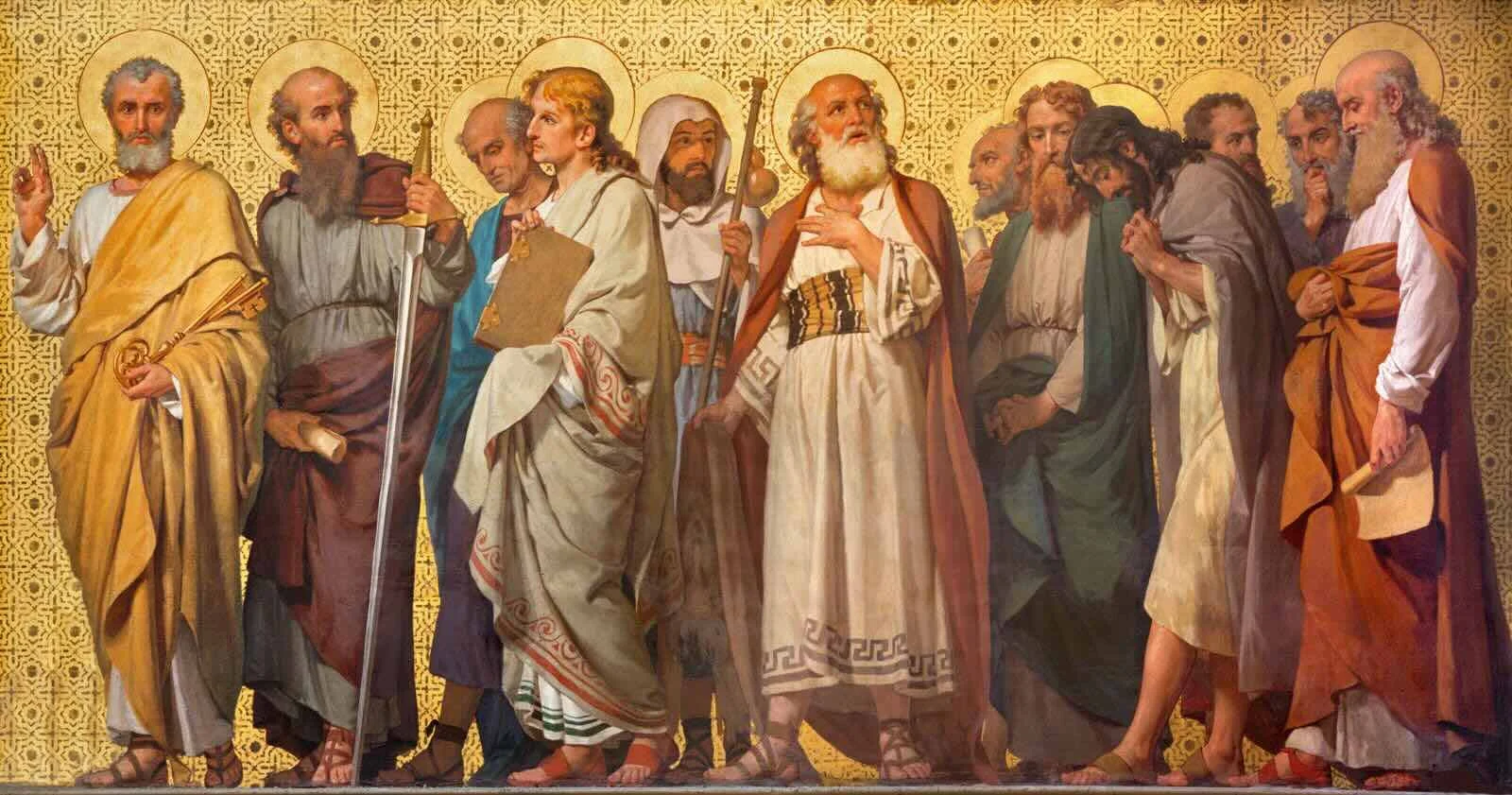
Translated from Philip Schaff's History of The Christian Church
第七章 公共敬拜与宗教习俗及礼仪
目录
§ 74. 崇拜礼仪的剧变
§ 75. 民事与宗教上的星期日
§ 76. 教会年
§ 77. 圣诞节周期
§ 78. 复活节周期
§ 79. 复活节的日期
§ 80. 五旬节周期
§ 81. 童贞女的尊崇与马利亚论
§ 82. 马利亚崇拜
§ 83. 马利亚的节庆
§ 84. 对殉道者与圣徒的崇拜
§ 85. 圣徒的节日
§ 86. 基督教历法、圣徒传说与《圣徒行传》
§ 87. 圣物崇拜、复活教义与圣物的神迹
§ 88. 关于尼西亚时期神迹的考察
§ 89. 游行与朝圣
§ 90. 主日的公共敬拜:读经与讲道
§ 91. 圣礼概论
§ 92. 洗礼
§ 93. 坚信礼
§ 94. 按立礼
§ 95. 圣餐礼
§ 96. 圣餐的献祭
§ 97. 圣餐的举行
§ 98. 各种礼仪:起源与内容
§ 99. 东方礼仪
§ 100. 西方礼仪
§ 101. 礼仪服饰
I. 古代礼仪文献;各次会议的议事录;以及这一时期的教会作家著作。
- 罗马天主教的马尔泰纳 (Martene)、马马基 (Mamachi)、博纳 (Bona)、穆拉托里 (Muratori)、佩利恰 (Pelicia)、阿塞曼 (Asseman)、勒诺多 (Renaudot)、宾特里姆 (Binterim) 和施陶登迈尔 (Staudenmeier),以及新教的宾厄姆 (Bingham)、奥古斯蒂 (Augusti)、西格尔 (Siegel)、阿尔特 (Alt)、皮珀 (Piper)、尼尔 (Neale) 和丹尼尔 (Daniel) 所著的考古学与礼仪学著作。
§ 74. 崇拜礼仪的剧变
基督教相对于世俗政权的法律地位和社会地位发生变化,对其崇拜礼仪产生了巨大的影响。此前,基督徒的敬拜仅限于人数相对较少、正直的认信者,其中大多数属于社会较贫穷的阶层。如今,敬拜从私人住宅、旷野和地下墓窟的隐秘处走到光天化日之下,必须适应上层阶级,也必须适应在异教传统中长大的广大民众。圣统制的发展与公共敬拜的丰富化齐头并进。共和与民主的体制要求简朴的风俗习惯;贵族制与君主制则以繁文缛节和华丽的宫廷生活环绕自身。信徒皆祭司的观念与简朴的崇拜礼仪密切相连;主教圣统制则与丰富而庄严的仪式密切相连。
在尼西亚时期 (Nicene age),教会脱下了卑微的仆人形态,披上了华丽的帝王服饰。她以绚丽多彩的繁复形式,取代了崇拜礼仪原初的简朴。她使一切美的艺术都来服事圣所,并开始在基督教建筑、雕塑、绘画、诗歌和音乐方面作出崇高的创造。各处都兴起了宏伟的教堂和小礼拜堂,尊崇基督、童贞女马利亚、殉道者和圣徒,取代了异教的庙宇与祭坛。随着外在圣统制的发展,祭司职分、献祭和祭坛这些彼此关联的观念,得到更充分的发展,也更加牢固地确立下来。弥撒,即由祭司之手每日重复基督的赎罪祭,成为整个敬拜体系的神秘中心。教会节期的数目增加了;游行、朝圣,以及许多富有象征意义和迷信色彩的习俗与仪式,也被引入其中。对上帝的公共敬拜,可以说呈现出一种戏剧性、舞台化的特征,使之对广大民众具有吸引力和震撼力,因为他们大多数尚不能用心灵和诚实敬拜上帝。这种敬拜所诉诸的,与其说是理智和意志,不如说是视觉和听觉、情感和想象。简言之,我们在尼西亚时期已经看见今日希腊教会和罗马教会那种祭司式、神秘式、仪式化、象征化的崇拜礼仪几乎所有的基本特征。
这种崇拜礼仪的丰富化和美化,一方面确实是一种进步,而且与圣统制的组织一样,无疑具有规训和教育的力量,能够训练广大民众。然而,外观和华美方面的收获,却以简朴和属灵性方面的许多损失为代价。感官和想象虽得到娱乐与陶醉,内心却往往仍是冷淡而饥饿的。不少异教习惯和仪式披着新名称,悄悄进入了教会;或者说,它们只受了水的洗,却没有受福音之火与圣灵的洗。众所周知,一个民族对于宗教习俗有着何等顽强的依恋;我们不能指望他们顷刻之间就与数百年的传统一刀两断。事实上,对于那些可能传自异教的事物,也决不可一概谴责。犹太教和异教的崇拜礼仪,都以人类普遍的宗教需要为基础,而这些需要是基督教必须满足、也惟有基督教才能真正满足的。最后,教会采纳已有的宗教形式或仪式,几乎无不同时向其中注入新的精神,并赋予它崇高的道德意义。然而,这种吸收的界限极难划定;而犹太教和异教的旧性情,因在人天然的心中有其依附之处,不断显露出它那顽强不去的存在。尼西亚及后尼西亚时期最热忱的教父们承认这一点,并为之哀叹;而这些人恰恰在其他方面最深地浸润于大公教会的崇拜礼仪观念。
此时,对殉道者和圣徒的崇拜正以巨大的步伐遍及整个基督教世界;在这种基督教崇拜中,我们不可能认不出异教对诸神和英雄的崇拜及其喧闹民间节庆的承袭。奥古斯丁 (Augustine) 借一个异教徒之口问道:“基督徒自己也同我们一起敬拜这些神,我们为什么必须抛弃他们呢?”他为殉道者墓旁频繁举行的宴乐嬉游而悲叹,尽管他认为,顾及古老的习俗,应当宽容这些软弱。大利奥 (Leo the Great) 谈到,罗马有些基督徒在前往圣彼得大殿之前,先敬拜初升的太阳,向异教的阿波罗 (Apollo) 致敬。狄奥多勒 (Theodoret) 则指着异教的奠酒、禳祀、诸神和半神,为基督徒在殉道者墓旁的习俗辩护。他认为,既然赫拉克勒斯 (Hercules)、埃斯库拉庇提斯 (Aesculapitis)、巴克科斯 (Bacchus)、狄俄斯库里 (Dioscuri) 以及许多其他异教崇拜对象,不过是被神化的人,那么基督徒尊崇自己的殉道者便无可指责——他们不是把殉道者当作神,而是尊敬他们为独一真神的见证人和仆人。金口约翰 (Chrysostom) 为安提阿 (Antioch) 和君士坦丁堡 (Constantinople) 的基督徒将戏院里的习惯,例如大声鼓掌喝彩,带进教会而悲叹。圣诞节从第四世纪起由罗马传遍整个教会;在这一节日中,对救赎主降生的神圣纪念,与异教农神节 (Saturnalia) 放纵的嬉乐联系在一起,直到今日,即使在新教国家也是如此。甚至在君士坦丁 (Constantine) 所推行、并仍在整个欧洲大陆延续的星期日庆祝中,对古代太阳神阿波罗的崇拜,也与对基督复活的纪念混杂在一起;而亵渎主日的现象如此普遍,尤其是在欧洲大陆,表明异教仍对罗马天主教和希腊大公教会,乃至新教的基督教世界,发挥着何等巨大的影响。
§ 75. 民事与宗教上的星期日
Geo. 霍尔登 (Geo. Holden):《基督徒的安息日》(The Christian Sabbath)。伦敦,1825年(见第v章)。约翰·T. 贝利 (John T. Baylee):《安息日史》(History of the Sabbath)。伦敦,1857年(见第x—xiii章)。詹姆斯·奥古斯特·赫西 (James Aug. Hessey):《星期日:其起源、历史与现今的义务》(Sunday, its Origin, History, and present Obligation);在牛津大学宣讲的班普顿讲座 (Bampton Lectures)。伦敦,1860年(持教父传统与圣公会高派立场)。詹姆斯·吉尔菲兰 (James Gilfillan):《从理性、启示和历史看安息日,附其文献概述》(The Sabbath viewed in the Light of Reason, Revelation, and History, with Sketches of its Literature)。爱丁堡与纽约,1862年(持清教徒和英美立场)。罗伯特·考克斯 (Robert Cox):《安息日问题文献》(The Literature on the Sabbath Question)。爱丁堡,1865年,2卷(持广教派立场,但内容十分丰富,学识渊博)。
守星期日的习惯起源于使徒时期,此后始终成为一切基督教国家公共敬拜的基础,发挥着提升人心、使人成圣并令人欢欣的作用。
基督徒的安息日,一方面是犹太人安息日的延续与更新,以神在创造之后的安息以及十诫的第四诫为根基;这条诫命就其实质而言,并不像礼仪律和民事律那样仅适用于一个民族,而是对全人类具有普遍意义和永久效力。另一方面,它也是福音的新创造,是对基督复活的纪念,也是对借此得以完成并获神印证的救赎之工的纪念。我们可以说,它立于原初创造、犹太律法和基督教救赎这三重根基之上,植根于我们本性中身体、道德和宗教的需要。它既有律法的一面,也有福音的一面。基督徒安息日的设立,如同一般意义上的律法,是对民众有益的约束,也是引导他们归向基督的训蒙师傅。但它也具有严格的福音性质:它起初是为人的益处而设的,正如家庭一样,其渊源可以越过堕落,追溯到纯真无罪的乐园,是神在地上设立的第二项制度;它是旧约时代虔诚之人所称为“可喜乐的”(《以赛亚书》58:13),如今在新约之下,更充满了基督复活和圣灵浇灌所带来的荣耀纪念与福分。基督徒的安息日,就是受了火与圣灵之洗、得以重生、属灵化并得荣耀的古代安息日。它是创造与救赎、失去的乐园与复得的乐园之间的纽带,也是圣徒在天上永远安息的凭据与预备。1
古代教会看待星期日,主要着眼于它作为一种新制度所具有的基督教意义;我们可以说,这种看法是片面而排他的,丝毫不把它看作犹太人安息日的延续。教会守这日,是把它当作纪念复活、或如今属灵创造的日子,因此也是神圣喜乐与感恩的日子,与谦卑禁食的日子形成鲜明对照,正如复活节与受难日的对照一样。
只要基督教尚未获得国家的承认和保护,守星期日就纯属宗教上的事,是严格出于自愿的敬拜,却不断受到尘世喧嚣和敌对社会的干扰。异教的罗马人对基督徒的星期日,并不比对犹太人的安息日更加尊重。
在这件事上,如同在其他事情上一样,君士坦丁的即位标志着一个新时代的开始,并对教会以及公共秩序和道德事业作出了有益的贡献。至少在一定程度上,君士坦丁是以民事制度守星期日的创始者;惟有借此,教会在宗教上守星期日才可能普及,并获得适当的保障。321年,他颁布法律,禁止在星期日于城市中从事体力劳动和一切司法事务,后来又禁止军事操练。2 他将释放奴隶之事列为例外,因为这是一种体现基督教人道与仁爱的行为,特别适宜在这一天举行。3 但对君士坦丁的星期日法不可评价过高。他命令遵守星期日,或者更确切地说,禁止公开亵渎星期日,所用的名称并非 Sabbatum(安息日)或 Dies Domini(主日),而是其所有臣民都熟悉的古老占星术与异教名称 Dies Solis(太阳日);因此,这项法律对于赫拉克勒斯、阿波罗和密特拉 (Mithras) 的崇拜者,与对于基督徒同样适用。他的法律既未提及第四诫,也未提及基督的复活。此外,他还明文规定,异教仍然盛行的乡村地区不受禁工令约束,从而避免了任何不公的迹象。基督徒和异教徒素来都有在节期休息的习惯。君士坦丁使这些休息日统一起来,并优先选择星期日,因为基督徒从起初便在这一天庆祝他们的主和救主的复活。321年那项著名法令所包含的,仅此而已。它不过是朝正确方向迈出的一步,但在当时由异教统治向基督教统治过渡的时期,这也许是君士坦丁所能审慎或稳妥迈出的唯一一步。
然而,对于军队,他却超出了消极性、保护性立法的界限——国家在宗教事务上本应以此为限——而规定了某种积极的星期日礼仪,要求基督徒士兵参加基督教敬拜,异教徒士兵则在旷野中,按指定的信号,举目举手向天,诵念以下这篇措辞确实十分笼统的祷文:“我们唯独承认你为神,尊你为王,呼求你作我们的帮助者。我们的胜利归功于你,靠着你,我们才制伏仇敌。我们为已经领受的恩惠向你感恩,也盼望从你领受将来的恩惠。我们全都俯伏在你脚前,恳切祈求你为我们保守皇帝君士坦丁和他蒙神眷爱的众子,使他们长寿、健康、得胜。”4
君士坦丁的继承者继续推行他所开创的星期日立法,也赋予教会其他并无圣经根据的圣日以法律认可和民事意义,以致随着与主日争享尊荣的节日增多,主日所应得的特殊尊崇也相应黯淡了。因此,狄奥多西一世 (Theodosius I.) 将司法休假日增至一百二十四天。瓦伦提尼安一世和二世 (Valentinian I、II) 禁止在星期日征税和收款,并执行先前颁布的禁止诉讼之令。狄奥多西大帝于386年禁止主日的戏剧演出,狄奥多西二世于425年又更加严格地禁止此事;利奥 (Leo) 和安提米乌斯 (Anthemius) 则于460年禁止主日的其他世俗娱乐。5 然而,这些法律大概从未得到严格执行。401年迦太基 (Carthage) 的一次会议,就曾为民众热衷于星期日的戏剧及其他娱乐而叹息。众所周知,直到今日,同样的弊病在欧洲大陆的新教和罗马天主教国家仍极为普遍,而基督徒君主和官长也实在太常以自身的榜样认可这种风气。
教会立法同样禁止在星期日和节期从事非必要的手工业与农业劳动,禁止前往剧院及其他公共娱乐场所,也禁止狩猎和举行婚礼。除了这种消极性立法——国家必须以此为限——教会同时还规定了圣日应当积极遵行的事项,尤其是定期参加公共敬拜、经常领圣餐,以及缴纳自愿的奉献(什一奉献)。不少会议在这里混淆了律法原则与福音原则,以为可以用惩罚的威吓,强制推行那些惟有出于自愿才具有道德价值的行为。305年的埃利贝里斯会议 (Council of Eliberis) 规定,凡住在城镇而连续三个主日不来教会的人,应暂停其领圣餐的资格。343年的撒底迦会议 (Council of Sardica)6 和692年的特鲁洛会议 (Trullan council)7 也本着同样的律法主义精神,规定圣职人员若无必要而连续三个星期日不参加公共敬拜,就要受到革职处分;平信徒若有同样的疏忽,则暂时被逐出教会。然而另一方面,这些会议虽将主日本身变成一项从使徒传下来的律法性规条,却又极其坚决地反对犹太式的守安息日主义。《使徒法规》(Apostolic Canons) 和冈格拉会议 (Council of Gangra) 都谴责在星期日禁食;后者约于450年召开,旨在反对欧斯塔修派 (Eustathians) 的诺斯替—摩尼教式禁欲主义。8 希腊教会至今仍施行这项禁令,因为星期日纪念基督的复活,是属灵喜乐的日子。基于同样的象征意义,星期日以及从复活节至五旬节的整个时期,也禁止跪着祷告。325年的尼西亚大公会议 (Council of Nicaeea) 在第二十条教规中就此作出如下决定:“鉴于有人在星期日和五旬节的日子〔即复活节后的七周〕屈膝,圣会议为使各处凡事一致,规定向神祷告时应当站立。”692年的特鲁洛会议在第九十条教规中规定:“从星期六晚上到星期日晚上,任何人都不可屈膝。”罗马教会大体上至今仍遵循这一惯例。9 新约并未为这类次要事项制定律法;恰恰相反,使徒保罗在被囚以前,正是在复活节和五旬节的时节,曾顺从内心的感动,多次跪下祷告。10 538年的奥尔良会议 (Council of Orleans) 在第二十八条教规中说:“认为星期日不可骑行或步行,也不可做任何装饰房屋或修饰仪容的事,乃是犹太人的迷信。但田间劳作则应禁止,好让民众到教会来,专心祷告。”11
至于主要教父对这一问题的个人见解,他们都赞成将主日分别为圣,却将它视为基督教特有的制度,并在它与犹太人的安息日之间划出一道鲜明、甚至过于鲜明的界线;他们忘记了,两者虽在形式和精神上有所不同,在本质和目的上却是一致的;也忘记了,第四诫的实质——即七日之中守一日为圣——乃是十诫或道德律不可分割的一部分,因此具有永久的约束力。12 优西比乌 (Eusebius) 称星期日而非安息日为“诸日之首、诸日之冠,是救恩之日”,并赞扬君士坦丁下令“所有人每周都应聚集,将那称为主日的日子作为节日来守,使身体也得以休息,并以神圣的训诫和教导振奋心灵”。13 亚他那修 (Athanasius) 极其推崇主日,视其为复活的永久纪念,却认定旧有的安息日已经消亡。14 上埃及的长老马卡里乌斯 (Macarius,350年) 将安息日作属灵的解释,视其为主赐给灵魂之真正安息日的预表和影子;那真正而永恒的安息日,就是脱离罪恶的自由。15 希拉里 (Hilary) 将今生的全部生活看作来生永恒安息日的预备。埃皮法尼乌 (Epiphanius) 说星期日是使徒设立的制度,却错误地把星期三和星期五半禁食的惯例也归于同一来源。安布罗斯 (Ambrose) 经常提到星期日是福音的节日,并将它与已经废止的律法性安息日相对照。哲罗姆也作同样的区分。他记述埃及的共住修士“在主日除了祷告和读经,别无所务”。但他也提到,虔诚的保拉 (Paula) 和她的同伴在星期日从教会回来后,“各自从事分派给她们的工作,为自己和别人制作衣服”,而并未加以责备。奥古斯丁同样直接将星期日的起源归于复活,而非第四诫。他与安布罗斯一样,认为在这个属灵喜乐的日子禁食,是严重的绊脚石和异端行为。《使徒宪章》(Apostolical Constitutions) 在这方面甚至走得更远,宣称:“凡在主日禁食的,就是犯了罪。”然而,该书仍规定,除了基督徒的星期日以外,也要在星期六庆祝犹太人的安息日。金口约翰 (Chrysostom) 警告基督徒不可与犹太人一同守安息日,却恳切劝勉他们适当地庆祝主日。利奥大帝 (Leo the Great) 有一段优美的文字——在教父论及这一主题的言论中,这是最出色的一段——赞美主日,称它为原初创造之日、基督教救赎之日、复活的救主与聚集的门徒相会之日、圣灵浇灌之日,也是上帝将主要福分赐予世界之日。16 但他同样没有将主日与第四诫联系起来,也与其他教父一样,忽略了这日真正的根基在于上帝永恒的道德律。
在东方教会,除了星期日以外,犹太人的安息日也以不禁食和站立祷告为其特色。相反,西方教会,尤其是罗马教会,为了表示反对犹太教,将每周的第七日与星期五一样作为禁食日。692年特鲁洛会议的第五十五条教规将两教会的这一区别永久固定下来:“罗马在四旬期 (Quadragesima)〔复活节前四十日的禁食期〕的所有星期六都实行禁食。这与第六十六条使徒法规相违背,不可再行。凡如此行的,若是圣职人员,应予革职;若是平信徒,应逐出教会。”
许多国家也继续将星期三和星期五作为纪念基督受难的日子 (dies stationum),实行半禁食。然而,拉丁教会逐渐以星期六禁食取代星期三禁食。
最后,关于每日的灵修:规定的祈祷时辰从三个增至七个(依据《诗篇》119:164:“我因……一天七次赞美你”)。但只有修道院严格遵守这些时辰,其专门名称为 matina(约凌晨三时)、prima(约六时)、tertia(九时)、sexta(正午)、nona(下午三时)、vesper(六时)、completorium(九时),以及 mesonyctium 或 vigilia(午夜)。通常将两次夜间祷告合在一起。灵修内容包括祷告、唱诗、诵读圣经,尤其是《诗篇》,以及诵读殉道者的事迹和教父的讲道。教会通常只举行早晚两次敬拜。大节期则以称为 vigils 的夜间礼拜揭幕。
§ 76. 教会年
R. 霍斯皮尼安 (R. Hospinian):《基督徒的节期》(Festa Christian.),(Tiguri,1593年)Genev.,1675年。M. A. 尼克尔 (M. A. Nickel,罗马天主教徒):《天主教会圣时与节期的起源及庆祝》(Die heil. Zeiten u. Feste nach ihrer Entstehung u. Feier in der Kath. Kirche),美因茨 (Mainz),1825年及后,6卷。皮尔维茨 (Pillwitz):《圣时史》(Geschichte der heil. Zeiten),德累斯顿 (Dresden),1842年。E. 兰克 (E. Ranke):《据最古文献阐述的教会经课制度》(Das kirchliche Pericopensystem aus den aeltesten Urkunden dargelegt),柏林,1847年。Fr. 施特劳斯 (Fr. Strauss,曾任柏林宫廷传道人及教授):《新教教会年》(Das evangelische Kirchenjahr),Berl.,1850年。利斯科 (Lisco):《基督教教会年》(Das christliche Kirchenjahr),Berl.,(1840年)第4版,1850年。博伯塔格 (Bobertag):《新教教会年》等 (Das evangelische Kirchenjahr, &c.),布雷斯劳 (Breslau),1857年。另参奥古斯蒂 (Augusti):《基督教考古学手册》(Handbuch der Christlichen Archaeologie),第i卷(1836年),第457–595页。
第四世纪以后,由每年定期循环的宗教节期组成的基督教年,其主要轮廓已全部显现,尽管在细节上仍有许多变动和差异;从此以后,可以说,它构成了大公教会礼拜的骨架。
宗教年有别于自然年和民事年的观念,也见于犹太教,并在某种程度上见于异教世界。它源于一种自然的需要,即借着公共节庆,使人们长久记念伟大良善的人物和重大事件,并使这些记忆对民众发挥影响。犹太人的教会年,如同整个摩西礼仪制度一样,具有象征和预表的性质。安息日纪念创造和预表性的救赎,并指向复活与真正的救赎,从而也指向基督徒的星期日。逾越节指向复活节,收割节则指向基督教的五旬节。犹太人对这些节期的庆祝,起初具有严肃、庄重而意义深远的性质,但在法利赛主义手中,却大半沦为奴隶式的守安息日主义和缺乏真心的仪式,以致招来基督和使徒的斥责。异教徒敬奉诸神的节庆则走向相反的极端,流于过度的感官放纵和公然的邪恶行为。17
基督教年的独特之处,在于它以耶稣基督的位格与工作为中心,旨在增进他的荣耀。按其最初的构想,它每年重现福音历史中的主要事件,庆祝基督的降生、受难、复活,以及圣灵的浇灌,以重新激发感恩与敬虔。这是有节期的半年,即“主的半年”(semestre Domini)。另一个没有节期的半年,即“教会的半年”(semestre ecclesiae),则专门展现基督教会的生命、建立、成长与成全,既论及教会整体,也论及其个别成员,从重生一直到死人复活。教会年可以说是一篇按时间次序展开的信仰告白,是救恩重大事件的一幅流动全景,是为基督徒民众演出的福音戏剧。它使信仰的每一项重要条款在教会礼拜中都有其地位,并促进基督教教义的完整与健全,以抵御一切偏颇和乖谬的观念。18它不断唤起民众对我们救恩所依据的最重要事件的记忆,又将这些事件与自然年和民事年的流转相联系,借此使宗教交织于民众的生活之中。然而,另一方面,教会年的负担日渐加重,圣徒节日不断增多,大大助长了迷信与怠惰,将安息日和主要节期挤到次要地位,并使基督的功德屈居于圣徒的庇护之下。因此,宗教改革所追求的洁净与简化,就成为绝对必要的事。
教会年的次序,一部分以耶稣和使徒教会的历史为依据;一部分以犹太人的宗教年为依据,尤其是复活节与五旬节;还有一部分以四季的自然更替为依据。因为一般而言,自然界的生命构成较高层次的属灵生命的基础;复活节与春季、五旬节与收割的开始、圣诞节与冬至、施洗约翰的诞辰与夏至之间,都有明显的象征性对应关系。
然而,基督教的教会年,是依照旧约礼拜制度的先例,从基督教礼拜与公共生活的需要中自发发展起来的,并没有基督或使徒的明确指示。《新约》中没有每年庆祝节期的确切迹象;但早在第二世纪,我们便见到复活节与五旬节已普遍受到遵守。它们以犹太人的逾越节与收割节为基础,与每周循环中的星期五和星期日相对应。复活节是忧伤的时节,记念基督的受难;五旬节则是喜乐的时期,记念救赎主的复活与圣灵的浇灌。19这两个节期构成教会年的核心。较次要的节期是主显节(Epiphany),即庆祝基督显明为弥赛亚的节日。第四世纪,圣诞节增添到前述两个主要节期之中,并部分取代了较早的主显节;主显节此时便专门用来记念基督在外邦人中间的显现。此外,在复活节内,πάσχα σταυρώσιμον*与ἀναστάσιμον*也有了更严格的区分,后者被视为喜乐的时节。
因此,从这时起,我们便有了三个大节期周期:圣诞节、复活节和五旬节,每个周期都包括节前的预备期和相应的节后时期。较次要的主显节和升天节也归入这些周期之中。20这些节期最初都具有基督论的性质,表现基督救赎工作的三个阶段:开始、推进与完成。它们全都旨在使上帝在基督里得荣耀。
从三位一体的观念来理解和安排教会年中有节期的半年,起源要晚得多,与三一节(五旬节后的星期日)的引入同时。三一节始于第九或第十世纪,1334年,教皇约翰二十二世(John XXII.)首次以权威在拉丁教会确立这一节日,作为一项总结性的庆典,庆祝父上帝的启示——他差遣了自己的儿子(圣诞节);子的启示——他为我们死而复活(复活节);以及圣灵的启示——他使我们更新并成圣(五旬节)。21希腊教会直到今日仍没有这一节期,尽管它本身在尼西亚时期曾以格外的认真与热忱致力于三位一体教义的发展。其原因大概在于,没有某一特定的历史事实可以成为这种庆祝的契机;而且,在基督里启示的神圣三位一体的奥秘,本来就是所有教会节期和整个基督教礼拜所敬拜的对象。
但古代教会并不满足于这三大节期周期。早在尼西亚时期,教会就在这些节期周围设置了马利亚、使徒、殉道者和圣徒的节日。这些节日起初只是地方性的纪念,后来却逐渐具有普世性凯旋庆典的性质。渐渐地,教会年中的每一天,都成为纪念某一位殉道者或圣徒的圣日;而且,无论实际上还是按人们的推定,每一天都是该圣徒的忌日,意味深长地被称为他在天上的诞辰。22这种节期的增多,归根到底包含着一个正确的思想:基督徒的一生,应当是一个不间断的属灵庆典。但罗马天主教的圣徒历,却把理想的境况提前实现,并因夸张而败坏了真理,正如法利赛人因自己的增添而使上帝的话“归于无效”一样。它抹去了星期日与六个工作日之间必要的区别,使前者受损,并助长了怠惰。最后,它在很大程度上以不可靠的传说与荒诞的神话为依据,其中有些甚至使福音历史中的神迹黯然失色,并滋养着最粗鄙的迷信。
东方希腊教会的教会年与罗马教会的教会年,有这样一个总体区别:前者更紧密地遵循犹太人的仪式与习俗,后者则依附于自然年与日常生活。前者从九月中旬(提斯利月,Tisri)圣十字架节后的第一个星期日开始;后者则从圣诞节前四周的将临期开始。起初,无论东方还是西方,教会年都以复活节为开端;《使徒宪章》(Apostolic Constitutions)和优西比乌(Eusebius)称复活节所在的月份为“正月”(相当于犹太人宗教年开端的尼散月;而提斯利月初一,约在我们的九月中旬,则是其民事年的开端)。此外,在希腊教会中,效法犹太人的律法书经课(Parashioth)和先知书经课(Haphthoroth),圣经的连续诵读(lectiones continuae)取得了显著地位,教会年也按四位福音书作者划分;而在拉丁教会中,自第六世纪以来,所诵读的只是从福音书和书信中选取的段落,称为选读经课(pericopes)。西方教会年另一个自第四世纪传下来的特点,是将全年分为四个部分,每部分三个月,称为四季斋期(Quatember),23各部分之间以三天的禁食相间隔。教皇利奥一世(Leo I.)曾就每季的四季斋期禁食发表数篇讲道,24尤其敦促信徒在此时周济穷人。希腊教会则不采用这种划分,而是按四福音书来划分,依次完整诵读:五旬节后紧接着读《马太福音》,九月十四日起读《路加福音》,复活节斋期读《马可福音》,复活节后第一个星期日读《约翰福音》。
早在第四世纪,教会便以惩戒为后盾,命令信徒遵守节期,并将此视为上帝所设立的既定规条。但最杰出的教会教师,如金口约翰(Chrysostom)、哲罗姆(Jerome)和奥古斯丁(Augustine),都明确坚持:遵守基督教节期决不可成为律法强制下的工作,而应当始终是出于福音自由的行动;历史学家苏格拉底(Socrates)也说,基督和使徒并没有就此颁布法律或规定惩罚。25
节期的滥用很快便附着于正当的使用之上;尽管几位教父曾严正警告,异教节庆中感官的放纵仍如狂暴的洪流一般涌入教会。纳齐安的贵格利(Gregory Nazianzen)感到自己有责任,特别针对主显节,告诫会众不要招摇过市、衣饰华丽、宴饮狂欢。他说:“这些事,我们要留给那些以肚腹敬拜其诸神的希腊人;但我们这些敬拜永恒之道的人,惟有在圣言和神圣律法中,并在默想我们节期所纪念的神圣对象时,才得满足。”26然而,另一方面,大公教会,尤其在教皇贵格利一世(Gregory I.,即‘礼仪之父’,‘pater caerimoniarum’)以后,出于善良却错误的用意,赞助将异教礼拜形式与民间节庆基督教化,因而不自觉地促成了中世纪基督教的异教化。历书中的圣徒取代了古代诸神,罗马再次成为万神殿。面对这种带来广泛流弊的新异教,纯正的基督教不得不极其严肃而坚决地提出抗议。
附注——十六世纪的宗教改革力图使整个礼拜制度,连同大公教会的教会年,恢复到起初合乎圣经的简朴状态;但各教会贯彻这一原则的程度不尽相同。路德宗、安立甘宗和德国改革宗教会——最后一者较为自由——保留了圣诞节、复活节和五旬节这些主要节期,以及选读经课制度;有些还保留了马利亚和使徒的纪念日(不过这些日子正日益废而不用)。严格的加尔文主义教会,尤其是长老会和公理会,则把一切年度节期视为人的设立而加以拒绝;但另一方面,它们却相应地更严格遵守上帝亲自设立的每周安息日。1575年8月6日,苏格兰教会总会决议:“除安息日以外,凡过去奉为圣日的日子,如尤尔节〔Yule day,即圣诞节〕、圣徒纪念日以及其他此类日子,均应废除;凡以仪式、宴饮、禁食及其他此类虚妄之事守这些日子的人,应规定由民事法律予以惩罚。”起初,大多数改教家,甚至路德(Luther)和布策(Bucer),都主张废除星期日以外的一切节日;但民众的性情和积久的习惯不利于如此彻底的改革。十六世纪末、十七世纪初以后,严格遵守星期日的风气在大不列颠和北美发展起来;欧洲大陆的新教在这方面却宽松得多,与天主教并无本质区别。值得注意的是,守星期日最严格的地方,恰是年度节期在民众心目中完全失去地位的地方:苏格兰和新英格兰。不过,在美国,过去几年来,圣诞节和复活节重新获得重视,却丝毫没有妨碍人们严格遵守主日,而且有望成为美国固定的制度。受难日和五旬节也将随之而来。1864年的受难日,纽约各福音派教会(圣公会、长老会、荷兰及德国改革宗教会、路德宗、公理会、卫理公会和浸信会)的主要牧者,自愿联合纪念他们共同的救主为赎罪而受死,并一同谦卑祈祷,使民众大得造就。人们越来越承认,为尊荣基督而纪念福音历史中的重大事实,是原始基督教共同的产业,与基督教礼拜不可分离。“这些节期,”亨利·B. 史密斯教授博士(Henry B. Smith)在1864年新派长老会总会开幕时所作的精彩讲道《基督徒的合一与教会的重新联合》中说,“不仅早于我们〔新教〕的分裂,也早于教皇制度的腐败;它们高举主,而不高举人;它们公开而庄严地承认基督教的基本事实,因而不断抗议不信;它们彰显基督教信仰的历史层面,使我们与其全部历史相联系;各宗派的人都能联合守这些节期,而无须牺牲自己信条或教规中的任何一条。”美国新教在这方面并无越出原始福音简朴界限、重新回到教皇制度下崇拜马利亚与圣徒的危险。新教教会还设立了许多新的年度节日,如德国的宗教改革纪念节、收获节和亡者纪念日;在美国,除每年的感恩节外,还有频繁举行的禁食祈祷日。感恩节起源于清教徒的新英格兰,后来逐渐为联邦几乎所有州所采纳,而就在最近,联邦政府本身也将其定为全国性的制度。对于选读经课,即圣经课文,改革宗教会各处的处理都比路德宗自由得多,并且理所当然地保留按自己选择的任何适宜次序讲解全部圣经的权利。福音书和使徒书信可以作为安息日礼拜的固定部分来诵读;但牧者应有自由从正典圣经的任何部分选取讲道经文;惟有一点始终是可取的,就是遵循一定的体系,并尽可能每年按照救恩的全部计划和次序讲解一遍,同时明智地顾及教会年和民众的需要。
§ 77. 圣诞节周期
除上一节所列的一般文献外,论圣诞节起源的专著还有许多,作者包括比奈乌斯(Bynaeus)、金德勒(Kindler)、伊蒂希(Ittig)、福格尔(Vogel)、韦恩斯多夫(Wernsdorf)、雅布隆斯基(Jablonsky)、普朗克(Planck)、哈根巴赫(Hagenbach)、P. 卡塞尔(P. Cassel)等。参奥古斯蒂(Augusti):《考古学》(Archaeol.),i. 533。
圣诞节27是庆祝上帝之子道成肉身的节日。因此,它所纪念的事件,构成了世界历史的中心和转折点。在所有节期中,它与民众生活和家庭生活的联系最为深入,并居于西方教会年各大节期之首。在整个天主教世界和大部分新教基督教世界中,它至今仍是儿童盛大的欢庆日;在这一天,无数的礼物庆贺上帝赐下独生子这一恩赐所显明的无限之爱。它在严冬点燃爱与感恩的圣火,在最长的黑夜宣告生命之日的升起与主的荣耀。它标志着真正黄金时代的来临,标志着一切蒙救赎者在上帝面前并在上帝里面享有自由和平等。人们默想圣婴耶稣那属天的纯洁与神圣的谦卑,由此年复一年流向各个年龄之人的喜乐与福分,是无人能够衡量的。
尽管主诞生的节期具有如此深刻的意义,又如此广受欢迎,它的设立却相对较晚。这无疑可以作如下解释:首先,旧约并没有为它提供相应的节期,不像复活节和五旬节那样。其次,福音历史没有一处记载基督诞生的月日,因此无法确切断定。再者,教会最初所萦怀的,是基督的死与复活,即已经成就的救赎事实,并以此为每周礼拜和教会年的中心。最后,较早的主显节也起了替代作用。然而,那产生整个教会年的宗教艺术冲动,迟早必会促成这样一个节期,因为它是一切尊荣基督的年度节期的根基。正如金口约翰(Chrysostom)在这一周年纪念日传入安提阿(Antioch)约十年后所恰当地指出的:若没有基督的诞生,也就没有他的受洗、受难、复活或升天,没有圣灵的浇灌;因而也就没有主显节、复活节或五旬节。
主显节是从东方传到西方的。圣诞节所走的道路则恰好相反。我们最早在罗马主教利贝里乌斯(Liberius)时期见到这个节期;他于360年12月25日祝圣圣安布罗斯(St. Ambrose)的姊妹马尔切拉(Marcella)为修女,即基督的新妇,并对她说:“你看,有多少人前来庆祝你新郎的诞辰。”28这段话表明,当时这个节期已经存在,而且为人熟知。圣诞节约于380年传入安提阿;在亚历山大(Alexandria),主显节原是作为基督诞辰来庆祝的,圣诞节直到约430年才传入。金口约翰于386年12月25日在安提阿发表圣诞节讲道,29尽管这个节期传入不久(约十年前),他已称之为根本的节期,或一切其他基督教节期所由生长的根。
圣诞节很可能是一系列相近的异教节日——农神节(Saturnalia)、偶像节(Sigillaria)、青年节(Juvenalia)和冬节(Brumalia)——的基督教化或再生。这些节日于十二月在罗马举行,纪念人人自由平等的黄金时代,并尊荣不败的太阳;它们是盛大的假日,对奴隶和儿童尤其如此。30这种联系解释了圣诞时节的许多习俗,例如给儿童和穷人赠送礼物、点燃蜡烛,或许还包括竖立圣诞树,并赋予它们基督教的意义;同时,它也揭示了不信的世界在这个时节沉溺于种种放纵行为的起源。这些行为肆意歪曲了真正的圣诞欢乐,但当然不能因此禁止正当的使用,正如不能因圣经或上帝其他任何恩赐遭到滥用,就禁止正当地使用它们一样。假如圣诞节产生于逼迫时期,那么,当时对一切异教事物普遍怀有的憎恶,便足以驳倒它源自这些异教节日的说法;但在尼西亚时期,由于异教徒普遍归信,教会与世界之间这种严峻的对立已大为缓和。此外,那些异教节日虽有种种感官上的放纵,其本身仍潜藏着深刻的意义,并适合某种真实的需要;它们可以称为对圣诞节不自觉的预言。最后,教父们自己31也证实,基督——公义的日头、世界的光——的诞辰,与不败太阳的诞辰节32具有象征性的关联;太阳在冬至后的12月25日,打破黑暗日益增长的势力,重新开始它英勇的征程。而且,在第四、第五世纪,教会同时普遍认为,基督确实诞生于12月25日;金口约翰为支持这一看法,曾援引保存在罗马档案中的居里扭(Quirinius,Cyrenius)任内户口登记的日期。然而,根据现有资料,无法确知基督诞生的日期。33
在圣诞节周围,其他节期逐渐汇集,与它共同构成圣诞节周期。12月25日的庆典之前,先有圣诞守夜礼,或称圣诞之夜;由于基督确是在夜间诞生的,人们便以格外庄严的方式度过这一夜。34
大贵格利(Gregory the Great)以后,圣诞节前的四个星期日开始被用来预备迎接我们的主道成肉身的降临,以及他为施行最后审判而来的第二次降临。因此,这四个星期日称为将临期主日。西方教会年以将临期的开始为起点。希腊教会则计有六个将临期主日,从11月14日开始。这一将临期旨在教会的意识中,同时呈现并重现基督降临以前漫长岁月中的黑暗、渴慕与盼望。后来,这一时期禁止一切喧闹的娱乐,也禁止婚礼。所选取的经课,着眼于唤起悔改和对救赎主的渴望。
从第四世纪起,圣诞节之后接连举行纪念首位基督教殉道者圣司提反(St. Stephen,12月26日)、使徒兼福音书作者约翰(12月27日),以及伯利恒无辜婴孩(12月28日)的节日;它们代表三重殉道:既有意愿又有事实的殉道(司提反),有意愿而无事实的殉道(约翰),以及有事实而无意愿的殉道,即无辜婴孩无意识的殉道。但早期教会一般将基督徒的殉道视为天上的诞生,是基督在地上诞生所结的果子。因此,纪念殉道者高贵军旅的领袖圣司提反的古老节期颂歌唱道:“昨日基督诞生于地上,为使今日司提反得以诞生于天上。”35福音书作者约翰的节日与基督诞生的节日密切相连,是由于这位蒙爱门徒与主的亲密关系,也由于他所写福音书的根本思想:“道成了肉身。”伯利恒那些无辜的婴孩殉道者——“殉道之花,被逼迫的狂风摧折的玫瑰花蕾,献给基督的初熟果子,作为祭牲的柔嫩羊群”——同时也代表着天上无数的儿童。36据说,人类有一半以上在婴幼年便夭折了;然而,“天国正是这些人的”这句话,尤其适用于儿童。婴孩殉道的奥秘不断重演。多少儿童表面上仿佛只是为受苦、为死亡而生;但实际上,他们在地上诞生的痛苦,很快便被天上诞生的喜乐所吞没,他们暂时的十字架也获得永恒冠冕的赏赐。
圣诞节之后八天,教会庆祝耶稣受割礼和命名,不过这要到第六或第七世纪以后才开始。基督教新年节的起源还要晚些,与割礼节同日。异教的罗马人像庆祝农神节一样,以狂欢宴饮庆祝岁序更替。教会教师与之相反,将新年定为悔罪祈祷的日子。因此,奥古斯丁在一篇讲道中说:“你们要与异教徒分别出来,在岁序更替之际,所行的要与他们相反。他们互赠礼物,你们却要施舍。他们唱世俗的歌曲,你们却要读上帝的话。他们拥进剧场,你们却要来到教会。他们饮酒至醉,你们却要禁食。”
相反,正如我们已经指出的,1月6日的主显节37比圣诞节本身更为古老,亚历山大的革利免(Clement of Alexandria)已提到这个节日。它一般指基督在世上的显现,起初兼具庆祝耶稣诞生与受洗的双重性质。圣诞节传入以后,它便不再纪念基督的诞生。东方教会在这一天特别纪念基督受洗,即他弥赛亚身份的显明,并同时纪念他在迦拿婚筵上首次彰显行神迹的能力。西方教会在起源上更多具有外邦基督徒的性质,第四世纪以后,便赋予这个节日以特别纪念东方博士朝拜婴孩耶稣的意义,38称之为三王节,并将它变为向外邦人宣教的节日;因为他们视博士为异教世界中较高尚者的代表。39这样,这个节日与基督诞生的原初联系也同时得以保存。主显节标志着圣诞节周期的结束。早期有一种习俗,在主显节当天,借所谓的复活节书信(Epistolae paschales,或γράμματα πασχάλια*)宣布复活节庆典的日期。这尤其由亚历山大的主教负责,因为那里的天文学最为发达;他们也利用这个机会,给予造就信徒的教导,并讨论当时重要的宗教问题。
§ 78. 复活节周期
复活节是教会最古老、最盛大的年度节日。就其基本观念和庆祝方式而言,它与基督教的主日一同诞生于复活的清晨。40正如犹太人的逾越节一样,它最初标志着教会年的开始。它完全以基督的位格与工作为中心,专为纪念他受难与复活这一伟大的救恩事实。我们已经论述过这个节日的起源与性质,41这里仅限于论述它在尼西亚时期以后所经历的变更与扩展。
正式的复活节庆典之前,有四十天悔改禁食的时期,称为四旬期(Quadragesima);至少早在325年就已如此,因为尼西亚会议已以这一时期的存在为前提。42这种禁食是效法耶稣在旷野禁食四十天,而耶稣的禁食本身,又与摩西43和以利亚44禁食四十天,以及以色列人在旷野漂流四十年,建立了预表性的联系。它起初是自愿的行动,后来逐渐成为教会固定的习俗和规例。关于这一时期的长短,各处存在很大差异,直到贵格利一世(Gregory I,590—604年)才将复活节前第六周的星期三,即所谓的圣灰星期三,45定为起点。这一天,祭司和会众将尘土与炉灰撒在自己身上,表示自己终必朽坏,并表明悔改,同时说:“人哪,要记得,你本是尘土,必归于尘土;你当悔改,好承受永生。”四旬期内,禁止刑事审判与刑罚、婚礼和感官娱乐;公共与私人生活都须保持庄严肃穆的安静;敬虔操练、补赎和慈善之举则有所增加。然而,禁食中也有许多假冒为善的行为;富人用精美佳肴来补偿禁食肉类的缺憾。我们发现,金口约翰(Chrysostom)和奥古斯丁早已为这种弊端而叹息。在大斋期开始前的几天,民众纵情狂欢;后来,这种弊端在所有天主教国家,尤其意大利,成为公认的狂欢节习俗(以罗马、威尼斯和科隆最为盛行)。46
大斋期的六个主日称为 Quadragesima prima(四旬期第一主日)、secunda(第二主日),依此类推,直到 sexta(第六主日)。它们也按当日弥撒进堂咏的起首词命名:Invocabit(“他要求告”,诗篇91:15)、Reminiscere(“求你记念”,诗篇25:6)、Oculi(“眼目”,诗篇34:15)、Laetare(“欢喜”,以赛亚书66:10)、Judica(“求你伸冤”,诗篇43:1)、Palmarum(“棕枝”,出自马太福音21:8)。四旬期之前的三个主日,依次称为 Estomihi(“求你作我的”,出自诗篇31:2),或 Quinquagesima(“第五十日”;即 Dominica quinquagesimae diei,意为复活节前第五十日的主日)、Sexagesima(“第六十日”)和 Septuagesima(“第七十日”);不过,这些名称并不准确。这三个主日被视为正式大斋期的预备时期。在较大的城市,四旬禁食期间每日讲道成为惯例;每日举行大斋期讲道(Quadragesimales,或 sermones Quadragesimales)的习惯,在罗马教会一直保持至今。
四旬期的禁食在大周、静默周或圣周47达到顶点;这一周特别用来纪念耶稣的受难与死亡,以每日的公共礼拜、严格的禁食和深沉的静默为特征。这一周又有几个突出的日子。首先是棕枝主日,48东方自第四世纪、西方自第六世纪起,便守此日,纪念耶稣进入耶路撒冷,为要在十字架上登上宝座。其次是圣星期四,49纪念圣餐的设立;这一天的圣餐在晚上举行,通常与爱筵及洗脚礼相连。圣周的星期五有别于其他所有星期五,称为受难日,50是救主受死的日子;也是一年中悔罪与禁食最深切的日子,除去一切主日的光彩与礼仪的华美,笼罩在至深的静默和神圣的哀痛之中;不举行圣餐(已于前一晚举行),撤去祭坛上的覆盖物,蒙上十字苦像,熄灭灯火,诵读受难事迹,不唱教会圣诗,只唱悔罪诗篇。最后是大安息日,51即主安卧坟墓并降至阴间的日子;它是一年中最受青睐的施洗日,因为洗礼象征着有分于基督的死。52大安息日通常被作为禁食日度过,连平常不在星期六禁食的希腊教会也是如此。
大安息日傍晚,复活节守夜礼53开始,以读经、歌唱和祈祷持续到复活节清晨破晓,形成从πάσχα σταυρώσιμον*到πάσχα ἀναστάσιμον*的庄严过渡,也就是从为耶稣之死悔罪的深切哀痛,转入因信生命之主复活而有的喜乐。所有基督徒,甚至许多异教徒,都带着灯火涌入教会,在那里守候复活的清晨。这一夜,城中灯火辉煌,在一片火海中焕然改观;约在午夜,庄严的行列绕行教堂,随后凯旋般地重新进入“圣门”,庆祝复活节。按照一个古老的传统,人们期待基督将在复活节之夜再来,审判世界。54
复活节庆典本身55以欢欣的问安开始:“主复活了!”回答是:“他实在复活了!”56俄罗斯教会至今仍保留这一习俗。接着,弟兄之间以圣洁的亲嘴,印证在基督里重新系紧的爱之纽带。这是最盛大、最喜乐的节日。它持续整整一周,到下一个主日结束;这主日称为复活节第八日,57或白衣主日,58受洗者在这一天身穿白衣出现,庄严地被接纳加入教会。
§ 79. 复活节的日期
参看第1卷§ 99所列文献;另参L. 伊德勒(L. Ideler):《年代学手册》(Handbuch der Chronologie),柏林,1826年,第2卷。F. 皮珀(F. Piper):《复活节史》(Geschichte des Osterfestes),柏林,1845年。赫费勒(Hefele):《教会会议史》(Conciliengeschichte),弗赖堡,1855年,第1卷,第286页及后。
第二世纪以后,复活节的日期成为长期激烈争论的对象,并在实际遵守上引起混乱,使我们想起后来关于圣餐的争论。这些争论表明,人的激情与愚妄曾力图将新约中伟大的事实与制度,从神圣的合一纽带歪曲为纷争的火把,将最甘甜的蜂蜜变为毒药;然而,尽管竭尽全力,他们仍未能摧毁上帝这些恩赐所具有的赐福能力。
这些复活节争论延续到本时期,最后以罗马和亚历山大的惯例获胜而告终:复活节不像圣诞节和犹太人的逾越节那样,固定在某月的某一天,不论当天是星期几;而是在主日庆祝,因为那是我们的主复活的日子。于是,复活节及一切以它为依据的节日,都成为日期不固定的节日;而历法推算的不同,又造成许多不便与混乱。复活节主日的确切日期,依据春分之后的第一次满月来确定;因此,它可以落在3月22日至4月25日之间的任何一个主日。
314年的阿尔勒会议(Arles)已在第一条教规中规定,基督徒的逾越节须“在全世界同一天、同一时间”(uno die et uno tempore per omnem orbem)庆祝,并由罗马主教确定日期。但这项命令并未得到普遍遵守,因此尼西亚(Nicaea)的教父们提议解决此事;这便成为325年第一次大公会议的第二项主要议题。关于这一问题的议事细节,我们并不知晓;其结果未载于教规之中(可能是顾及人数众多的十四日派〔Quartodecimanians〕),但无疑保存在会议本身和君士坦丁皇帝(Constantine)所发的两封通函中。59从此,各地都必须在主日庆祝复活节,绝不可在犹太人逾越节的那一天庆祝,而总须在尼散月十四日之后,即春季第一次满月之后的主日庆祝。这项规定的主要动机,是反对犹太教,因为犹太教将主钉十字架,玷污了逾越节。君士坦丁论及尼西亚会议的通函说:“我们不愿与那最怀敌意的民族——犹太人——有任何共同之处;因为我们已从救赎主领受了另一种尊荣上帝的方式〔即一周各日的次序〕,我们愿同心采用这一方式,脱离与犹太人的邪恶交往。他们夸口所说的,实在荒谬至极:说我们若没有他们的指教,就根本不能守这节……我们有责任不与杀害我们主的人有任何共同之处。”这种敌视犹太教的尖刻语气,贯穿了整封信。
因此,在尼西亚会议上,罗马和亚历山大(Alexandria)有关复活节的惯例取得了胜利,而十四日派一向在尼散月十四日庆祝复活节的犹太化习俗,从此便成为异端。然而,这种习俗仍在东方许多地方延续;到伊皮法纽(Epiphanius)时代,约公元400年,仍有许多十四日派信徒。照他所说,他们在教义上固然正统,在礼仪上却沉溺于犹太人的荒渺言语,并以这一原则为依据:“凡不在尼散月十四日守逾越节的,都当受咒诅。”60他们在这一天举行圣餐,并禁食至下午三时。然而,他们内部又分成若干派别。十四日派的一个特殊支派,是严守禁欲的奥狄乌派(Audians);他们同样主张,必须与犹太人在完全相同的时间(而非依照相同的方式),即尼散月十四日守逾越节,并援引他们所用版本的《使徒宪章》(Apostolic Constitutions)作为权威依据。
即使在正统教会中,这些措施也未能确保完全一致。因为尼西亚会议可能出于审慎,避开了罗马与亚历山大推算复活节日期的问题。至少会议记录中没有提及此事。61无论如何,这一分歧仍然存在:罗马仍和以前一样,将春分——推算复活节满月的起点(terminus a quo)——定在3月18日,而亚历山大则正确地定在21日。因此,尼西亚会议后的第二年,以及330、333、340、341、343年,拉丁教会庆祝复活节的日期都与亚历山大教会不同。从最近发现的亚他那修(Athanasius)的《复活节书信》(Paschal Epistles),我们得知,撒狄迦会议(Sardica)为此重新处理复活节问题,并通过彼此让步,为此后的五十年达成妥协,但未能产生持久的效果。387年,埃及与罗马的复活节日期竟相差整整五周。此后调解此事的种种尝试也都归于徒然,直到创立我们基督教纪年的修士小狄奥尼修斯(Dionysius Exiguus),才以正确的亚历山大算法为基础,成功统一了复活节的推算;只是高卢(Gallican)和不列颠(British)的基督徒仍较久地坚持旧俗,因此与盎格鲁—撒克逊(Anglo-Saxon)基督徒发生冲突。1582年,西方教会采用改良的格里高利历(Gregorian calendar),又造成了分歧;东方教会和俄罗斯教会坚持使用儒略历(Julian calendar),所以如今比我们落后约十二天。格里高利历对月份的划分并非在天文学上完全精确,因此有时会把复活节满月的时间提前几个小时,使基督徒的复活节与犹太人的逾越节落在同一天,违背尼西亚会议的明文规定;1825年的情形便是如此。
§ 80. 五旬节周期
从复活节到五旬节的整个七周,都洋溢着欢乐的节庆气氛。这段时期称为五十日(Quinquagesima),或广义的五旬节(Pentecost),62用以纪念基督被高举在父的右边、他在那奥秘的四十天中多次显现,以及他在天上作教会之首、永远与教会同在。这段时期被视为一个连续的主日,其特点是不禁食,并站立祷告。五十日与此前的四旬期(Quadragesima)形成鲜明对照。先前面对受苦受死的救主,悔改的忧伤越深,如今相信那复活而永活的救赎主,喜乐便越发高涨。当然,这种喜乐必须远离世俗娱乐,并借敬虔、祷告、歌唱和感恩而成为圣洁;因此,剧院在这五十天内始终关闭。但大批挂名的基督徒很快就忘记了所受的宗教感动,力图以放纵的狂欢来补偿先前的禁食。
复活节后的七个主日,在拉丁教会中依次称为如同初生婴孩主日(Quasimodo-geniti)、主的慈爱主日(Misericordia Domini)、欢呼主日(Jubilate)、歌唱主日(Cantate)、祈求主日(Rogate)(或欢呼之声主日〔Vocem jucunditatis〕)、求主垂听主日(Exaudi)和五旬节主日(Pentecoste)。东方教会在这一节期诵读《使徒行传》。
在这五十个节庆日中,第四十日和第五十日尤为突出。复活节后第四十日总是星期四;第四世纪以后,这一天被专门用来纪念基督被高举在上帝的右边,因而称为升天节(Ascension Day)。63第五十日,即狭义的五旬节,64是这一节期的核心和顶点,正如复活节日在复活节周期中的地位一样。这是圣灵的节日;在这一天,圣灵带着已成就的救赎的一切丰盛,浇灌在聚集的门徒身上;同时,这一天也是基督教会的诞生日。因此,这一节日也被视为施洗和按立的特别宝贵的时机。五旬节与犹太人的同名节日相对应;后者起初是初熟节,后来又成为纪念西奈山颁布律法的节日。这双重意义在圣灵浇灌和基督教会建立之中得到了应验。哲罗姆(Jerome)写信给法比奥拉(Fabiola)说:“上帝律法的两次启示,都发生在逾越节后的第五十日;一次在西奈山,一次在锡安山;在那里,山震动了,在这里,圣殿震动了;在那里,烈焰闪电之中,狂风怒号,雷声轰鸣,在这里,也伴随着大风,显出了火焰的舌头;在那里,号声传出律法的话语,在这里,福音的号角借使徒的口响起。”
五旬节的庆祝,至少到后来,持续三天或一整周,以五旬节后第八日(Pentecostal Octave)结束。希腊教会早在金口约翰(Chrysostom)时代,就称这一天为众圣徒与殉道者节,65因为殉道者是教会的种子和荣美。相反,拉丁教会直到第十世纪,才将五旬节后的主日献给圣三一;到中世纪后期,又在教会年历的节庆部分增添了基督圣体节(Corpus Christi),在三一主日后的星期四庆祝变质说(transubstantiation)的奥秘。这样,拉丁教会便赋予教会年历的末段以纯粹教义性的意义。新教为反对反三一论者(Antitrinitarians),保留了三一节;但当然拒绝了基督圣体节。
在早期教会中,五旬节是基督教年历中最后一个大节期。因此,从它以后直到将临期(Advent)的各主日,都从五旬节主日(Whitsunday)起计算。66所以,教会年历下半年的主日数目,随复活节日期的不同,在二十七至二十二个之间变化。在这一段时期,即使在古老的经课集和圣礼书中,我们也能找到一些纪念教会伟人的次要节日;例如,纪念教会奠基者的圣彼得与圣保罗节(6月29日);纪念争战教会之代表、杰出殉道者劳伦提乌斯(Laurentius)的节日(8月10日);以及纪念得胜教会之代表、天使长米迦勒(Michael)的节日(9月29日)。
§ 81. 童贞女的尊崇与马利亚论
卡尼修斯(Canisius,罗马天主教):《论童贞女马利亚五卷》(De Maria Virgine libri quinque)。因戈尔施塔特(Ingolst.),1577年。兰贝雷蒂尼(Lamberertini,罗马天主教):《论耶稣基督及其母亲的节日》(Comment. dum De J. Christi, matrisque ejus festis)。帕多瓦(Patav.),1751年。佩罗内(Perrone,罗马天主教):《论荣福童贞女马利亚无玷始胎》(De Immaculata B. V. Mariae conceptu)。罗马(Rom.),1848年。(为教皇所立马利亚无罪受孕的新教条辩护。)F. W. 根特(F. W. Genthe):《童贞女马利亚、她的福音书与她的神迹》(Die Jungfrau Maria, ihre Evangelien u. ihre Wunder)。哈雷,1852年。另参施泰茨(Steitz)撰于赫尔佐格(Herzog)《新教实用百科全书》(Protest. Real-Encycl.)中的详尽条目《马利亚,主的母亲》(“Maria, Mutter des Herrn”,第ix卷,第74页及后),以及赖特迈尔(Reithmayr,罗马天主教)撰于韦策尔(Wetzer)与韦尔特(Welte)《天主教教会辞典》(Kathol. Kirchenlex.)中的条目《马利亚,圣童贞女》(“Maria, die heil. Jungfrau”,第vi卷,第835页及后);又参普西(Pusey)与J. H. 纽曼(J. H. Newman)于1866年围绕《和平书》(Eirenicon)展开的论争。
许多次要节日逐渐进入这些节期周期,其中居首位的,是圣童贞女马利亚(Mary)的诸节日;她被尊为圣徒大军的女王。
对马利亚的崇拜起初只是对基督崇拜的反映,设立马利亚的诸节日,也是为了增进基督的荣耀。这一体系源于童贞女与上帝之子道成肉身的神圣奥秘之间的内在联系;不过,除了这一主要的宗教和神学关切之外,无疑还有其他动机参与其中。作为世界救主的母亲,童贞女马利亚在所有妇女中、在救赎历史上,无疑永远占有独特的地位。即使在天上,她也必定格外亲近那一位;她在地上曾怀他九个月,又以真正的母爱关怀他,一直跟随到十字架旁。将少女和母亲品格中最美好的特质与马利亚联系起来,尊她为女性纯洁、爱心与敬虔的最高典范,对健全的宗教情感而言,是完全自然的,甚至是不可或缺的。她的榜样向历世历代发出无声的祝福;她的名字和记忆,如今并且永远都与信仰中最神圣的奥秘和恩惠密不可分。因此,她的名字甚至被写进《使徒信经》(Apostles’ Creed),表述为这句简朴而纯洁的话:“因圣灵感孕,由童贞女马利亚所生。”
然而,大公教会,无论拉丁教会还是希腊教会,都没有止步于此。第四世纪中叶以后,它越过了圣经所设的健全界限,把“主的母亲”67变成了上帝之母,把“主卑微的使女”68变成了天后,把“蒙大恩的女子”69变成了恩惠的施予者,把“在妇女中有福的”70变成了超乎一切妇女的代求者;甚至,我们几乎可以说,把堕落的亚当那蒙救赎的女儿——圣经从未说她不在世人普遍的罪性之列——变成了一位无罪、圣洁的共同救赎者。起初,人们只说她没有本罪,后来甚至说她没有原罪;不过,童贞女无玷始胎的教义长期受到争议,直到1854年才在罗马教会中被确立为信条。这样,对马利亚的尊崇逐渐蜕变为对马利亚的崇拜;这种崇拜在中世纪民众的宗教生活中根深蒂固,以致尽管经院学者竭力区分 latria(敬拜)、dulia(敬礼)和 hyrerdulia(超等敬礼),马利亚崇拜在实际中仍凌驾于对基督的敬拜之上。因此,在天主教艺术无数的圣母像中,属人的母亲是主体,神圣的婴孩反成了陪衬。罗马教会的敬虔操练几乎每诵一遍 Pater Noster(《主祷文》),就必诵一遍 Ave Maria(《圣母颂》);人们甚至更频繁、更自然地转向那富于怜悯、心地温柔的母亲,求她代祷,而不是转向上帝永恒的儿子,以为采用这种间接途径,便更有把握获得所求的恩赐。直到今日,对马利亚的崇拜仍是希腊—罗马大公教与福音派新教之间的主要分歧之一。罗马教会有一种根本错误,就是过分抬高救赎中属人的因素或工具,插入次等的中保,阻碍信徒直接亲近基督,或使这种直接亲近成为多余;马利亚崇拜正是这一错误最鲜明的表现之一。我们也不能不赞同几乎所有不存偏见的历史学家,把马利亚崇拜看作古代异教的回声。它使人清楚地想起对刻瑞斯(Ceres)、伊西斯(Isis)以及其他古代众神之母的崇拜,正如对圣徒和天使的崇拜使人想起希腊和罗马的英雄崇拜一样。多神教在民众中根深蒂固,以致它又披着基督教的形式重现。民众的宗教需求甚至已经习惯于女性神祇,因此,自然而然地首先转向马利亚,把这位蒙大恩、有福的神人救赎主之母,视为最配受崇拜的对象。
现在,让我们追溯大公教会马利亚论与马利亚崇拜在历史发展中的主要特征。
新约没有丝毫暗示,说人应当崇拜马利亚,或为她举行节庆。一方面,以利沙伯受圣灵感动,称马利亚为“主的母亲”,71这是恰当的;但她从未被称为“上帝之母”,这两个称呼至少并非完全同义。以利沙伯和天使加百列也都向她问安,称她为“在妇女中有福的”;72不仅如此,她自己也在受感而作、此后响彻教会历代的颂歌中预言:“从今以后,万代要称我有福。”73在耶稣整个年少时期,她始终显为一位虔诚的童贞女,充满孩童般的天真、纯洁和谦卑;关于她后来生活所留下的少数记载,尤其是十字架旁那感人的一幕,74也证实了这一印象。但另一方面,同样无可置疑的是,新约从未把她排除在世人普遍的罪性和普遍需要救赎的境况之外,也从未把她描绘为毫无玷污的圣者,或以任何方式成为当受神圣敬礼的对象。相反,她忠于真正的女性品格,在整个福音历史中始终谦逊地退居幕后;在《使徒行传》和各书信中,她总共只被提及一次,而且只是被称作“耶稣的母亲”;75甚至她的出生和死亡也无人知晓。在她儿子更高的荣耀面前,她自己的荣光在圣洁的谦卑中隐去了。事实上,有明显的迹象表明,主预见到自己肉身的母亲将来会被神化,因此从起初就对此发出警告。在迦拿的婚筵上,他虽然温和而恭敬,却仍责备了她过早流露的热心,其中或许还夹杂着母亲的虚荣。76在后来的另一个场合,他把她与其他女门徒置于同等地位,并使肉身的血缘关系从属于遵行上帝旨意的属灵亲属关系。77有一个不知名的妇人向他的母亲发出祝福,本是出于善意,其本身也完全无可指责;他固然没有责备,却以祝福一切听上帝之道而遵守的人来纠正她的话,从而将这种赞颂限制在适度的范围内,预先防止了对马利亚的神化。78
与正典福音书中对马利亚这种健全而清醒的描绘形成鲜明对照的,是第三、第四世纪为数众多的伪经福音书;它们用荒诞的传说和各式各样的奇事装点马利亚的生平,从而为不合圣经的马利亚论和马利亚崇拜提供了一种伪历史的基础。79诚然,大公教会早在《格拉修敕令》(Decrees of Gelasius)中就已谴责这些伪经文献;80然而,其中许多虚构成分——例如马利亚父母的名字约阿敬(Joachim,而非《路加福音》三章23节中的希里)和安娜(Anna),81马利亚出生于洞穴、在圣殿中受教育,以及她与年迈约瑟的假婚姻82——却进入了大公教会的传统。
正统大公教会的马利亚论和马利亚崇拜,早在第二世纪就已开始发展,其起源在于对堕落历史的寓意解释,以及假定夏娃与马利亚之间存在一种对照关系;按照这种看法,基督的母亲在救赎历史中所占的地位,与亚当的妻子在罪与死亡的历史中所占的地位相同。83这个滋生诸多谬误的观念虽有巧思,却不合圣经,是一种伪经式的替代说法,取代了保罗关于第一亚当与第二亚当之间预表对应关系的真正教义。84它趋向于以马利亚取代基督。殉道者游斯丁(Justin Martyr)、爱任纽(Irenaeus)和德尔图良(Tertullian)最先将马利亚描述为夏娃的对应者,在更高的属灵意义上称她为“众生之母”,并教导说,她借着顺服,成为人类获得救赎恩福的中介性或工具性原因,正如夏娃因不顺服而成为罪与死亡的源头。85爱任纽也称她为“童贞女夏娃的辩护者”,这在后来被理解为代求者。86因此,这位教父被奉为大公教会马利亚论最古老的主要权威;但这只是部分合理,因为他距马利亚无罪的观念还相当遥远,而且明确宣称,基督在《约翰福音》二章4节的回答,是责备她操之过急。87同样,德尔图良、俄利根(Origen)、大巴西流(Basil the Great),甚至金口约翰(Chrysostom),尽管都高度尊重我们主的母亲,却仍认为她在一两处场合(约二3;太十三47)流露出母亲的虚荣,也有疑惑和忧虑,并把这看作在十字架下刺透她心魂的那把剑(路二35)。88除了马利亚与夏娃之间这种预表性的对照之外,修道主义的兴起又提高了对童贞的评价,认为没有童贞便谈不上真正的圣洁,这也为马利亚论的发展增添了一种动力。因此,马利亚在基督降生以前那段生命中的童贞,本来是无可争议的,后来却被扩展到她的一生;她与年迈约瑟的婚姻也被看作仅仅是一种保护关系,因而只是名义上的婚姻。《马太福音》一章25节,按其明显的字面意义(其中的 ἕως* 和 πρωτότοκος* 89),似乎支持相反的看法,却遭到忽略,或被另作解释;而耶稣的弟兄们90在福音历史中出现十四五次,并且总是与他的母亲密切相联,却不被视为马利亚后来所生的儿子,而是被视为约瑟前妻所生的儿子(伊皮法纽的观点),或按照希伯来词 אָח* 的较广用法,被视为耶稣的表兄弟(哲罗姆的观点)。91人们觉得,生出世界救主的同一个子宫,后来竟又生出普通的孩子,这与她的尊严和基督的尊严都不相容;许多虔诚的新教徒也有这种感受。从此,perpetua virgo(终身童贞女),ἀεὶ* παρθένος*,成了马利亚独有而不可剥夺的称号。第四世纪以后,这个称号不仅在道德意义上,也在肉体意义上被理解为:马利亚是在 clauso utero(子宫封闭)的状态下怀孕并生下主的。92这自然必须假定有一个神迹,如同复活的耶稣穿过关闭的门户一样。因此,在大公教会看来,马利亚在这一点上如同在其他方面一样,在世界历史中独一无二:她是一位已婚的童贞女,一位从未被丈夫触碰过的妻子。93
伊皮法纽(Epiphanius)在其所论第七十八种异端中,攻击第四世纪末(367年)阿拉伯(Arabia)持相反观点的人,称他们为异端,名之为反马利亚派(Antidikomarianites),即反对马利亚尊严,也就是反对她终身童贞的人。但另一方面,他又在所论第七十九种异端中,谴责同时期阿拉伯的献饼派(Collyridians)。这是一群狂热的妇女,她们充当女祭司,向马利亚献上神圣的崇拜,并且可能是仿效对刻瑞斯的崇拜,向她献上小饼(κολλυρίδες*);他主张,唯有上帝和基督当受敬拜。约在383年,哲罗姆(Jerome)满怀愤慨,以尖刻的笔调著文反对赫尔维狄乌斯(Helvidius)和约维尼安(Jovinian);这两人引据圣经经文以及德尔图良等早期教会教师,主张马利亚在基督降生以后,又为约瑟生了孩子。他认为这种教义是亵渎圣灵的殿,甚至把赫尔维狄乌斯比作焚毁以弗所神庙的厄洛斯特拉图斯(Erostratus)。94撒狄迦(Sardica)主教博诺苏斯(Bonosus)也因持同一观点,受到伊利里亚(Illyrican)众主教的定罪;罗马主教西里修斯(Siricius)于公元392年批准了这项判决。
奥古斯丁(Augustine)又向前迈进了一步。他在反驳伯拉纠(Pelagius)时顺带说到,在这一点上他同意对方:应当“propter honorem Domini”(为了尊荣主),将马利亚排除在本罪之外(但并非排除在原罪之外)。95对于全人类的罪性,他愿意承认这一个例外,却不承认其他例外。他教导马利亚的出生与一生无罪,却不教导她无玷受孕。他无疑与后来的克莱尔沃的伯尔纳(Bernard of Clairvaux)和托马斯·阿奎那(Thomas Aquinas)一样,认定她经历过一种 sanctificatio in utero(在母腹中成圣),如同耶利米(耶一5)和施洗约翰(路一15)一样;这两人借此得以胜任先知的职分,而她则在更高的程度上,在出生以前就因圣灵特殊的运行而成圣,预备成为神圣逻各斯(Logos)的纯洁容器。奥古斯丁从基督的圣洁反推其母亲的圣洁,这一推论是一个重要的转折,后来沿着这条思路又推导出进一步的结论。同样的推论很容易引向马利亚无玷受孕的教义,不过也同样可以引向马利亚自己的母亲无罪,继而如此上溯,直到人类的开端,追溯出另一个从未堕落的夏娃。奥古斯丁的对手伯拉纠,凭着他那种修道主义、禁欲主义的圣洁观,以及他那肤浅的罪论,在这一点上远远超过了奥古斯丁,将完全无罪归于马利亚。但应当记得,他否认一切人有原罪,又将马利亚以外的若干旧约圣徒,如亚伯、以诺、亚伯拉罕、以撒、麦基洗德、撒母耳、以利亚、但以理,都排除在本罪之外;96因此,在他看来,《罗马书》五章12节中的 πάντες* 仅指大多数人。这就减损了他表面上给予主的母亲的尊荣。奥古斯丁的观点长期占据优势;但最终,在罗马教会中,伯拉纠在这一点上取得了胜利。97
尽管马利亚被描绘得如此崇高,但直到430年的聂斯托利争论(Nestorian controversy),仍未见明确的迹象,表明已有一种有别于一般圣徒崇拜的、专门针对马利亚的崇拜。这场争论不仅构成基督论的重要转折点,也构成马利亚论的重要转折点。其中首要的关切,无疑是童贞女与道成肉身奥秘之间的联系。神性与人性的完全联合,似乎要求可以在某种意义上称马利亚为上帝之母,θεοτόκος*,Deipara;因为她所生的不仅是人耶稣,而是神人耶稣基督。98当然,教会并不打算借此断言,她是非受造的神圣本质之母——这显然是荒谬而亵渎的——也不是说她自己具有神性,而只是说,她是永恒的神圣逻各斯进入人间的入口,或其奥秘的通道。亚他那修(Athanasius)和尼西亚时期亚历山大的教会教师,将基督里面神性与人性的合一强调到近乎基督一性论的地步,他们早已频繁而毫无顾忌地使用这一称呼;99拿先斯的贵格利(Gregory Nazianzen)甚至宣称,凡否认这一称呼正当性的人,都是不敬虔的。100反之,聂斯托利(Nestorius)和安提阿学派(Antiochian school)更着重于基督两性的区别,因而对 θεοτόκος* 这一称号感到反感,认为这即使不是亵渎永恒而不变的神性,至少也是倒退到异教神话,故宁愿采用 Χριστοτόκος*、mater Christi(基督之母)的说法。由此,他与亚历山大主教西里尔(Cyril)之间爆发了激烈的争论,最后聂斯托利主义于431年在以弗所(Ephesus)被定罪。
从此,θεοτόκος* 成了正统基督论的试金石,拒绝这一称号,就等于陷入一切异端的开端或结局。聂斯托利主义的倾覆,同时也是马利亚崇拜的胜利。圣子的尊荣得到维护,母亲的尊荣也随之确立。聂斯托利的反对者,尤其是继他之后任君士坦丁堡主教的普罗克鲁(Proclus,卒于447年)和亚历山大的西里尔(卒于444年),几乎找不出足够的称号来表达上帝之母那超绝的荣耀。她是童贞的冠冕,是上帝不可毁坏的殿,是圣三一的居所,是第二亚当的乐园,是从上帝通向人的桥梁,是道成肉身的织机,是正统信仰的权杖;借着她,三一上帝得着荣耀与敬拜,魔鬼和群邪被逐退,万国归信,堕落的受造者被提升到天上。101民众全都拥护以弗所的决议,在篝火、游行和灯火辉煌之中,以无比的热情尽情表达他们的喜悦。
至此,对上帝之母、天上女王马利亚的崇拜,似乎已被庄严地确立,永世不移。但不久便出现了有利于聂斯托利主义的反动,教会发现,有必要谴责另一极端,即欧提克主义(Eutychianism),或称基督一性论(Monophysitism)。451年的迦克墩会议(council of Chalcedon)所承担的任务,正是表达聂斯托利主义中所含的真理成分,即基督这位神人合一的位格中具有两种本性。然而,θεοτόκος* 这一称号仍被明确保留,尽管它原本出自一种颇有一性论倾向的观点。102
§ 82. 马利亚崇拜
关于马利亚的教义,论述至此。现在转论与之相应的实践。由这种马利亚论,便产生了马利亚崇拜。如果马利亚在严格意义上是上帝之母,那么,按逻辑推论,似乎她自己也具有神性,因而是当受神圣崇拜的对象。诚然,这并非古代教会的本意与目的;事实上,古代教会从未断言,马利亚是逻各斯本质上永恒之神性的母亲。即使按照罗马教会和希腊教会的教义,她过去是、现在也仍是一个受造者,一位人间的母亲。但按照一度盛行的、关于她与神性之间特殊关系的观念,向马利亚献上某种程度的神圣敬礼,并求告她在上帝面前作有力的代求,似乎不可避免,而且很快成为普遍的习俗。
正式求告马利亚的最早实例,见于叙利亚的以法莲(Ephraim Syrus,卒于379年)的祷文,内容是向马利亚和众圣徒祈祷。叙利亚教会的传统将这些祷文归于他,尽管其中一部分的归属可能不正确。第一个较为确凿的例子,见于拿先斯的贵格利(卒于389年);他在颂扬居普良(Cyprian)的文章中讲到,犹斯蒂娜(Justina)恳求童贞女马利亚保护她受到威胁的贞洁,同时又以禁欲的自我折磨损毁自己的美貌,因而有幸逃脱了一位年轻爱慕者(即归信以前的居普良)的追逐。103但另一方面,亚他那修、巴西流(Basil)、金口约翰(Chrysostom)和奥古斯丁的大量著作,却没有提供一个求告马利亚的实例。伊皮法纽(Epiphanius)甚至谴责敬拜马利亚,称献饼派(Collyridian)妇女向她献祭的做法是亵渎的,并且危害灵魂。104直到第四世纪末,历史对童贞女崇拜始终全然缄默,这清楚地证明,它与基督教原初的精神格格不入,属于后尼西亚时期的诸多创新之一。
然而,第五世纪初,圣徒崇拜已盛极一时;马利亚因与主有独特的关系,很快就被置于众圣徒之首,成为天上众军中最有福的女王。给予她的是 hyperdulia(ὑπερδουλεία*)——这里预先借用后来经特伦托会议(council of Trent)认可的经院学派区分——即最高程度的尊崇,有别于一切圣徒和天使所享有的普通 dulia(δουλεία*,敬礼),也有别于严格说来唯独应当献给上帝的 latria(λατρεία*,敬拜)。从那时起,无数教堂和祭坛被奉献给这位圣洁的上帝之母、终身童贞女;其中也包括以弗所那座教堂,431年反对聂斯托利的会议就是在那里举行的。查士丁尼一世(Justinian I.)在一道法令中,恳求她向上帝代祷,使罗马帝国得以复兴;在圣索菲亚教堂(church of St. Sophia)那座昂贵的祭坛奉献之时,他期望借她有力的祈祷,使教会与帝国获得一切福分。他的将军纳尔西斯(Narses)如同中世纪的骑士一样,在尚未求得她的保护以前,不愿出战。教皇博尼法斯四世(Boniface IV.)于608年将罗马的万神殿(Pantheon)改为奉献给马利亚及众殉道者(ad martyres)的圣殿:异教的奥林匹斯山,就这样成了基督教的众神天堂。后来,连她的像(据一幅声称出自路加之手的原像制作)也受到神圣的崇拜;在迷信的中世纪层出不穷的传说中,这些像行了无数神迹,其中一些甚至使福音历史中的神迹相形失色。她变得几乎与基督并列,成为共同的救赎者,被赋予基督本人的大部分属性和施恩的作为。民间信仰将无罪的受孕、无罪的出生、复活、升天,以及分享天上地下的一切权柄,都归给她,如同归给基督一样。她成了虔敬、崇拜和艺术的中心,成了大众心目中大公教会之权能、荣耀,以及最终战胜一切异端的象征。105整个中世纪,希腊教会与罗马教会竞相将这位怀抱神人耶稣圣婴的人间母亲神化(至今仍是如此),直到宗教改革使拉丁基督教世界的很大一部分摆脱这种不合圣经的半偶像崇拜,将信徒的爱慕与敬拜集中于那位被钉十字架而又复活的世界救主,就是上帝与人之间唯一的中保。
还要略谈那篇备受喜爱的向马利亚祈祷的祷文,即天使的问安,或称《圣母经》(Ave Maria);在天主教的敬虔生活中,它与《主祷文》(Pater Noster)并行。它得名于加百列向圣童贞女宣告基督降生时所说问安语的起首几个词。它由三部分组成:
- 天使的问安(路一28):
Ave Maria, gratiae plena, Dominus tecum!(万福,马利亚,满有恩典,主与你同在!)
- 以利沙伯的话(路一42):
Benedicta tu in mulieribus79106, et benedictus fructus ventris tui, Jesus.(你在妇女中是有福的,你腹中的果实耶稣也是有福的。)
- 后来添加的不合圣经的部分,其中才包含真正的祈求,而这触犯了新教徒以及一切健全的基督徒情感:
Sancta Maria, mater Dei, ora pro nobis peccatoribus, nunc et in hora mortis. Amen.(圣马利亚,上帝之母,现在及我们临死之时,请为我们罪人祈祷。阿们。)
从前,人们将这第三部分——它使整个公式具有了祷文的性质——追溯到431年反对聂斯托利的以弗所会议,因为该会议认可了 mater Dei 或 Dei genitrix(θεοτόκος*,上帝之母)的说法。但罗马教会的考古学者107如今承认,这一部分是晚得多的增补,添加于十六世纪初(1508年);末尾的 nunc et in hora mortis(现在及临死之时)一语,更是在此以后由方济各会士添加的。不过,即使前两部分,也直到十三世纪才作为固定的祷文公式普遍使用。108从那时起,《圣母经》在罗马教会中便与《主祷文》和《使徒信经》处于同等地位,并与它们共同构成玫瑰经的基础。
§ 83. 马利亚的节庆
这种神话般而荒诞的马利亚论——我们还必须补充说,它近乎异教和偶像崇拜——在公共崇拜中留下了印记,形成了一系列节庆,庆祝童贞女生平中最重要的事实与虚构事迹,并在一定程度上与庆祝基督降生、复活和升天的节庆相互对应。
马利亚领报节109纪念天使长加百列 (Gabriel) 宣告基督降生之事,110同时也纪念基督成孕;因为在古代教会看来,马利亚是通过耳朵,因天使的话语而怀了逻各斯 (Logos,Verbum)。因此,这个节期定在3月25日,恰好在圣诞节前九个月;不过,在教会的某些地区,如西班牙和米兰,曾在12月庆祝,直到罗马的惯例取得优势。这个节期最早的踪迹见于普罗克鲁斯 (Proclus) 的著作;他是聂斯托利 (Nestorius) 的反对者,430年以后又在君士坦丁堡继任其职。此后,这节期在七世纪的几次会议和若干讲道中出现得更为明确。
马利亚洁净节111,又称圣烛节 (Candlemas),纪念童贞女按礼仪行洁净之礼,112时间在耶稣降生后四十天,因而定于2月2日(从12月25日起算);同时也纪念耶稣被献于圣殿,以及他与西面和亚拿的相遇。113因此,这个节期与前一个节期一样,最初既是基督的节期,也是马利亚的节期,在希腊教会尤其如此。一般认为,教皇格拉修 (Gelasius) 于494年设立了这一节期;但也有人说,直到542年查士丁尼一世 (Justinian I.) 在位时,因一次大地震和一场毁灭性的瘟疫,才有此节。它或许是古罗马洁净礼或赎罪祭 (Februa,Februalia) 的基督教化形式;从努马 (Numa) 时代起,这些礼仪就在2月,即洁净或赎罪之月举行。114这个节期中,人们手持点燃的蜡烛,唱着歌从教堂出来,穿城游行;这种做法也源于异教。因此便有圣烛节之名。115
马利亚升天节,更确切地说,是马利亚蒙召升天节,116在8月15日庆祝。这个节期由希腊皇帝毛里基乌斯 (Mauritius,582–602年) 设立;也有人说,始于教皇格拉修(卒于496年)任内。在罗马,九世纪以后,它成为主要节期之一,并像其他主要节期一样,以守夜和八日庆期为特色。
然而,它的依据完全来自伪经。
使徒和初期教会的教师对于马利亚离世一事完全缄默,这激起了好事者的好奇,产生种种虚构,直到人们把以诺、以利亚那样的被提升天也归于她。在俄利根 (Origen) 的时代,有人从《路加福音》2:35推断她曾经殉道。伊皮法纽 (Epiphanius) 则不愿断定她究竟是否死去并被埋葬。四世纪末或五世纪初的两部希腊文伪经《马利亚离世记》(de transitu Mariae),以及后来伪托亚略巴古的狄奥尼修 (Dionysius the Areopagite) 的著作和图尔的贵格利 (Gregory of Tours,卒于595年) 的著作,才首次载有这样的传说:上帝之母的灵魂,在众使徒面前,由基督和他的天使接到天上的乐园;次日清晨,117她的身体也乘云被提到那里,与灵魂重新结合。此后,这一传说又进一步增饰,除了使徒以外,天使和列祖,甚至亚当和夏娃,也都成了这奇妙景象的见证人。
不过,在罗马教会中,马利亚的复活与升天仍只是一种“虔诚而可信的意见”,并非信条;118而且,基督的升天,即 ascensio(凭其神性),与马利亚的蒙召升天,即 assumptio(凭恩典和功德的力量),也有所区别。
但按照罗马教会最新的教义,马利亚连原罪也没有,而死亡又是罪的后果,那么严格推论下来,她就应当根本没有经历死亡和复活,而是像以诺和以利亚一样,活着被接到天上。
这里不妨略微预述后事:中世纪又出现了其他马利亚节期:公元650年以后的马利亚诞生节;119九世纪以后的马利亚献殿节,120其依据是伪经传统所说,马利亚曾在耶路撒冷圣殿中度过十一年的苦修生活;纪念她探望伊利莎白的马利亚访问节,121这个节期最早于1247年在法国被提及,仅限于西方教会;以及无玷成胎节,122它随着马利亚无罪成孕的教义而兴起,并与这项教义的历史交织在一起,直到教皇庇护九世 (Pius IX.) 于1854年正式、最终颁布这项教义。
§ 84. 对殉道者与圣徒的崇拜
I. 史料:大巴西流 (Basil the Great) 纪念殉道者马马斯 (Mamas,加帕多家的一位牧人,约卒于276年) 及四十位殉道者(据说是320年在亚美尼亚、利基纽统治下受难的士兵)的讲辞;拿先斯的贵格利 (Gregory Naz.) 纪念居普良 (Cyprian,卒于248年)、亚他那修 (Athanasius,卒于372年) 及巴西流(卒于379年)的讲辞;尼撒的贵格利 (Gregory of Nyssa) 纪念叙利亚的以法莲 (Ephraim Syrus,卒于378年) 及大殉道者狄奥多鲁斯 (Theodorus) 的讲辞;金口约翰 (Chrysostom) 纪念伯尼丝 (Bernice) 与普罗斯多刻 (Prosdoce)、诸圣殉道者、埃及殉道者及安提阿的梅勒提乌斯 (Meletius of Antioch) 的讲辞;安布罗斯 (Ambrose)、奥古斯丁 (Augustine)、大利奥 (Leo the Great)、金言彼得 (Peter Chrysologus)、凯撒留 (Caesarius) 等人的若干讲道;哲罗姆 (Jerome) 反驳维吉兰提乌斯 (Vigilantius) 的著作。教父论圣徒敬礼的最重要段落,便于查阅的汇编见于:《天主教徒在若干争议问题上的信仰,经圣经证实并由教父作证》(The Faith of Catholics on certain points of controversy, confirmed by Scripture and attested by the Fathers),贝林顿 (Berington) 与柯克 (Kirk) 著,沃特沃思 (Waterworth) 修订。第3版,1846年,第iii卷,第322–416页。
- 后世文献: (1) 罗马天主教方面:波兰德学派 (Bollandists) 的《圣徒行传》(Acta Sanctorum),迄今共58卷,对开本(1643–1858年,已编至10月22日)。泰奥德·吕纳尔 (Theod. Ruinart):《早期殉道者真实行传选》(Acta primorum martyrum sincera et selecta)。巴黎 (Par.),1689年(仅限于最初四个世纪)。拉代尔基奥 (Laderchio):《圣列祖、先知及宣信者的永久敬礼》等 (S. patriarcharum et prophetarum, confessorum, cultus perpetuus, etc.)。罗马 (Rom.),1730年。(2) 新教方面:J. 达莱乌斯 (J. Dallaeus):《驳拉丁教会关于宗教崇拜对象的传统》(Adversus Latinorum de cultus religiosi objecto traditionem)。日内瓦 (Genev.),1664年。艾萨克·泰勒 (Isaac Taylor):《古代基督教》(Ancient Christianity)。第4版,伦敦 (Lond.),1844年,第ii卷,第173页及后(“四世纪基督教化的鬼魔崇拜”)。
圣徒崇拜的体系,包括圣徒学 (Hagiology) 和圣徒崇拜 (Hagiolatry) 两方面,与马利亚崇拜同时发展;因为后者不过是前者的顶点。
《新约》对这两者都同样一无所知。使徒使用ἅγιοι*、sancti,即圣徒这一称谓,并不是指一个特殊阶层、教会中的属灵贵族,而是不加区别地指一切受洗并归信的基督徒;因为他们已从世界分别出来,被奉献出来事奉上帝,借基督的血洗净罪责,尽管仍有种种缺欠和罪,却蒙召达到完全的圣洁。使徒写信给“在罗马、哥林多、以弗所”等地的“圣徒”,即基督徒信众。123
大批异教徒进入教会以后,这个称号便逐渐限用于主教、会议及已故的基督教信仰英雄,尤其是最初三个世纪的殉道者。逼迫止息以后,至少在罗马帝国境内,殉道者的冠冕已不再能够获得,于是,非凡的苦修虔敬、对教会的重大贡献,以及后来行神迹的能力,便成为列入大公教会圣徒历所不可缺少的条件。尤其是隐修士,虽然不受外来的逼迫,却自愿将肉体钉在十字架上,胜过邪灵,因而在圣洁及受敬礼的资格上,似乎与殉道者不相上下。当时还没有封圣法庭。通常由民众的呼声来决定,而这呼声又被视为上帝的声音。有些圣徒只在其生前活动和去世的地区受敬礼;另一些受到举国的尊崇;还有一些则受到普世的尊崇。
随着殉道的减少,以及受尊崇者在时间上的日益遥远,圣徒敬礼便日渐增加。“距离使景物更添魅力”;而“熟悉”却容易“滋生轻蔑”。信仰英雄的罪与过失隐没在往昔明亮的烟霭中,他们的美德却愈加辉煌,为虔诚而迷信的想象提供了最丰富的素材,用以编织传说诗篇。
几乎所有大公教会的圣徒,都属于高级教士阶层,或过着修道生活。而修士正是圣徒崇拜的主要推动者。在天上的合唱队之首,站着马利亚,她被加冕为后,立在她神圣的儿子身旁;随后是横遭杀害的使徒和福音书作者、首位殉道者司提反,以及最初三个世纪的殉道者;还有旧约的列祖与先知,直到施洗约翰;最后是杰出的隐士和修士、宣教士、神学家与主教,以及一般而言,在德行或公共服务方面超越同时代人的那些人。苦修克己的程度,成了衡量基督徒德行的尺度。虽然圣经中许多最伟大的圣徒,从族长亚伯拉罕到使徒之首彼得,都过着婚姻生活,但罗马教会的伦理观自安布罗斯和哲罗姆以来,便不容许婚姻关系中有真正的圣洁,只接纳 virgines(童贞者)和少数 vidui(鳏夫)、viduae(寡妇)进入其属灵贵族之列。124圣徒崇拜与修道主义的密切联系,在这里再次显露出来。
约在同一时期,除了圣徒以外,天使也成了崇拜的对象。教会从起初就认为,天使特别关切争战中的教会的命运,并对各地各国负有某种监察职责。但安布罗斯是第一位明确劝人向我们的守护天使祈求,并将此视为义务的人。125为证明天使的守护及关怀,人们援引《旧约》和《新约》的若干经文,这是有根据的:《但以理书》10:13、20、21;12:1;《马太福音》18:10;《路加福音》15:7;《希伯来书》1:14;《使徒行传》12:15。然而,《歌罗西书》2:18和《启示录》19:10;22:8、9,却明确斥责对天使的崇拜。
从圣经中古老的守护天使观念,也产生了主保圣徒的观念,即认为某些圣徒守护特定的国家、城市、教会和阶层,并抵御特定的灾祸与危险。彼得、保罗和劳伦提乌斯 (Laurentius) 成了罗马的主保;雅各成了西班牙的主保;安得烈是希腊的主保;约翰是神学家的主保;路加是画家的主保;后来,福卡斯 (Phocas) 成了海员的主保;伊沃 (Ivo) 成了法学家的主保;安东尼 (Anthony) 成了抵御瘟疫的保护者;阿波罗尼娅 (Apollonia) 则保护人免受牙痛;诸如此类。
这些不同等级的圣徒与天使构成了天上的圣阶体系 (hierarchy),地上的教阶体系则是它的映照。五世纪一位耽于幻想的基督教柏拉图主义者——亚略巴古的狄奥尼修 (Dionysius the Areopagite),以圣阶体系为基础,阐述人与上帝的全部关系;他将这一体系分为天上和地上两支,每支又分为若干等级,其中每一较高等级都是下一等级得救的中保。
以上便是我们这一时期圣徒崇拜的梗概。现在先加以阐释和评判,然后再提出证据。
圣徒崇拜最初无疑出于一种纯洁而真正合乎基督教的源泉,即对圣徒相通的一种极深切而鲜明的意识;这种相通超越死亡与坟墓,甚至包括天上蒙福的人。它与爱基督的心,以及对他借着自己的器皿为后世福祉所成就的一切伟大美善之事的感恩,密切相连。教会意识到自己与得胜的教会之间有着不曾中断的团契,因此尊崇那些为信仰献出生命、并使信仰战胜一切仇敌的殉道者和认信者的纪念;这样做,乃是尽了一项朴素而自然的感恩本分。教会将先辈高尚的德行与功业陈列出来,供人景仰效法,也就是向自己的儿女尽了忠实的本分。当教会让无数的跟随者环绕基督,默想他的荣耀在他们身上的反照,并用安布罗斯 (Ambrose) 的《赞美颂》(Te Deum) 歌唱赞美他时,她所尊崇、所荣耀的,正是基督自己:
“使徒光荣的群体赞美你;
先知美好的团契赞美你;
殉道者高贵的军旅赞美你;
普天下的圣教会承认你;
承认你是父,有无限的威严;
并承认你可敬拜、真实而独一的子;
也承认圣灵,保惠师。
基督啊,你是荣耀的君王;
你是父永恒的儿子。
你承担拯救世人的使命时,并不嫌弃童女的胎腹;126
你胜过死亡的毒刺之后,就为一切信徒敞开了天国。”
在最初三个世纪,对殉道者的尊崇一般限于怀着感恩追念他们的德行,并以他们去世的日子为他们在天上诞生的日子而加以庆祝。127这种庆祝通常在他们的墓地举行。因此,士每拿 (Smyrna) 教会每年纪念其主教坡旅甲 (Polycarp),珍视他的遗骨,过于黄金宝石,却明确作出如下区分:“基督是上帝的儿子,我们敬拜他;殉道者是主的门徒和继承者,我们爱戴并尊崇他们,因为他们对自己的君王和主人的爱无与伦比;我们也愿与他们为伴,同作门徒。”128在这里,我们所见的这种尊崇,尚保持着无邪的质朴。
但在尼西亚时期 (Nicene age),这种尊崇发展为正式向圣徒祈求,视他们为我们在施恩宝座前的主保 (patroni) 和代求者 (intercessores, mediatores),并退化为一种精致化的多神崇拜与偶像崇拜。圣徒取代了半神以及守护家庭炉灶和国家的佩纳特神 (Penates) 与拉尔神 (Lares)。从前人们为英雄建造庙宇和祭坛,如今则在殉道者的坟墓上建造教堂和小礼拜堂,129奉献给他们的名下(更确切地说,是借着他们奉献给上帝)。人们把病人安置在其中,求得医治,正如从前在医神阿斯克勒庇俄斯 (Aesculapius) 的庙里所做的一样;又像在诸神的庙里一样,将金银制成的奉献礼物悬挂其中。正如金口约翰 (Chrysostom) 所说,他们的坟墓比君王的宫殿装饰得更华丽,前来瞻仰的人也更多。人们在那里设宴尊崇他们,使人想起异教徒为亡灵安宁而举行的祭宴。他们的遗物受到极其悉心的保存,被认为具有行神迹的能力。先前的习俗是为殉道者祷告(仿佛他们尚未完全),并为能与他们相通、为他们敬虔的榜样而感谢上帝。如今,为他们代祷被视为不合宜,反倒是向他们祈求为活人代祷。130
这种向死者祈求的做法,伴随着一种假定,即他们极其关切上帝之国在地上的一切遭际,并借祷告与代求表达这种关切。131人们以为,这有若干经文为据,例如《路加福音》15:10,说天使(并非圣徒)为一个罪人的归信而欢喜;又如《启示录》8:3、4,描绘一位天使将众圣徒的祈祷献在上帝宝座前的金坛上。然而,《新约》明确斥责对天使的崇拜(《歌罗西书》2:18;《启示录》19:10;22:8、9),而且没有提供任何一个实际向死者祈求的例子;也没有一处教导我们向任何受造之物祷告。在如此重大的事情上,仅从某些前提作出推论,无论多么似乎有理,都是不够的。圣徒为我们代求,是从所有基督徒都有义务为别人祷告这一点,推导出来的一种或然结论;至于向圣徒祈求他们的代祷,则以人有无可争议的权利请求活着的圣徒为自己祷告为依据,连使徒也曾在书信中行使这种权利。
但这里出现了一个无法解决的问题:已故的圣徒若非分享了上帝的无所不在或无所不知,怎能同时听见地上如此众多基督徒的祈祷呢?把唯独属于神性的属性赋予受造之物,岂不是偶像崇拜吗?或者,若已故的圣徒先从无所不知的上帝那里得知我们的祈祷,然后再以他们大有能力的代求,将这些祈祷呈到上帝面前,那么如此迂回曲折,究竟有何用处?何不立刻直接向上帝祈求?唯有他能垂听自己的儿女,而且他总是乐意因基督的缘故垂听他们。
奥古斯丁 (Augustine) 感到了这一困难,也承认自己无力解决。他没有断定,究竟是圣徒能够同时临在于许多地方(哲罗姆及其他人确实这样认为),还是他们借着上帝的无所不知而得知这些事,抑或最终是借着天使的服事而得知。132他已将唯独归于上帝的λατρεία*,即敬拜,与对圣徒的祈求(invocatio,δουλεία*)区别开来,并坚决驳斥摩尼教徒浮士德 (Faustus) 对大公教会基督徒所作的偶像崇拜指控;浮士德说:“你们把偶像换成了殉道者,以同样的祈祷敬拜他们,又用酒肉安抚死者的幽魂。”奥古斯丁断言,教会确实以宗教的庄严礼仪纪念殉道者,为要激励自己效法他们,与他们的功德联合,并得他们祈祷的扶持,133但教会唯独向上帝献祭,为上帝设立祭坛。他说,我们的殉道者并不是神;我们不像为神那样,为殉道者建造庙宇;我们只是把他们当作已故之人,其灵魂与上帝同在,而为他们设立纪念之所;我们建造祭坛,不是要向殉道者献祭,而是要与他们一同向那独一的上帝献祭,他既是我们的上帝,也是他们的上帝。134
然而,尽管有这一切区分与告诫——这些本是奥古斯丁这样的人理应作出的,也必须承认,它们是约束过度行为的有益力量——我们仍不能不在实际施行的殉道者崇拜中,看见异教英雄崇拜的一种新形式。对此我们也丝毫不必惊讶。因为广大的基督徒民众,事实上刚刚脱离多神崇拜,尚未彻底归信,不可能一下子摆脱旧有的观念与习俗。专制的政体、民众奴性般的顺服、对拜占庭皇帝及其雕像所献的偶像式崇敬,以及用来形容皇帝旨意的divina, sacra, coelestia(神圣、圣洁、属天)等称谓,都助长了圣徒崇拜。异教皇帝尤利安 (Julian) 曾讥讽基督徒将多神崇拜重新引入一神信仰之中,却因崇拜对象的不同,对基督徒崇拜殉道者与遗物感到厌恶,仿佛那是“坟墓和死人骨头的恶臭”。摩尼教徒的讥诮,我们已经提过。五世纪的西班牙长老维吉兰提乌斯 (Vigilantius) 称崇拜殉道者和遗物的人为骨灰崇拜者和拜偶像的人,135并教导说,按照圣经,只有活人才应当彼此同祷、互相代求。甚至有些正统教会的教师也承认圣徒崇拜与异教的相近之处,不过他们是要借此表明,异教崇拜中一切美好的事物,都以远为优越的形式重现于基督教中。优西比乌 (Eusebius) 引用柏拉图 (Plato) 一段论崇拜英雄、半神及其坟墓的话,随后将其应用于对上帝之友和真宗教勇士的尊崇;因此,基督徒前往他们的坟墓,在那里尊崇他们的纪念并献上祈祷,乃是做得合宜的。136狄奥多勒 (Theodoret) 认为,希腊人最没有理由对殉道者坟墓前发生的事情感到冒犯;因为奠酒与赎罪祭、半神和被神化的人,原都是他们自己所创的。赫拉克勒斯 (Hercules)、阿斯克勒庇俄斯、巴克科斯 (Bacchus)、狄俄斯库里兄弟 (Dioscuri) 等,都是被神化的人;因此,基督徒把殉道者当作上帝的见证人和仆人来尊崇——而不是把他们神化——就不能成为指责他们的理由。古人并不认为这种对死者的崇拜有什么可责之处。圣徒是我们的帮助者和主保,远比那些人更配得这种尊荣。诸神的庙宇已经被毁,哲学家、演说家和皇帝已经被人遗忘,殉道者却举世皆知。诸神的节庆,如今已被彼得、保罗、马尔凯卢斯 (Marcellus)、莱昂提乌斯 (Leontius)、安托宁斯 (Antonins)、毛里基乌斯 (Mauricius) 以及其他殉道者的节期所取代;这些节期没有异教的排场和感官享乐,却有基督徒的节制与端庄。137
然而,甚至狄奥多勒所坚持的这最后一点区别,有时也消失了。奥古斯丁哀叹,在非洲教会中,人们每日设宴纵饮,以尊崇殉道者,138但他认为,顾及异教徒古老的习俗,这种软弱暂时还须容忍。
伴随着这种新的英雄崇拜,也兴起了一种新的神话体系,填补圣徒历史中的空白,有时甚至将异教有关诸神和英雄的神话转变为基督教的传说。139迷信的想象、异象、梦境以及虔诚的欺诈,为基督教的传说诗歌提供了丰富的素材。
圣徒崇拜不仅得到普鲁登修 (Prudentius,约405年) 和诺拉的保利努斯 (Paulinus of Nola,卒于431年) 等诗人雄辩的辩护与鼓励——诗人原可享有较大的自由——甚至也得到尼西亚及后尼西亚时期所有杰出神学家和传道人的辩护与鼓励。它与修道生活同样流行,也同样受到东西方教会领袖的热烈赞许。
此外,这两种制度密切相连,彼此助长。修士为着自身的利益,成了圣徒崇拜最热心的拥护者。五世纪的教会在这方面,已经几乎走得与中世纪一样远,无论如何,完全不亚于特伦托会议 (council of Trent);因为这次会议并未规定必须向圣徒祈求,而只是根据圣徒在天上与基督一同作王、并为我们代求,认可这种做法是“良善而有益的”(而不是必需的),并明确指出,基督是我们唯一的救赎主和救主。140然而,这种温和而审慎的教义陈述,至今并未消除罗马天主教民众在崇拜圣徒、圣像及其遗物时仍然存在的过度行为。希腊教会在理论上甚至比罗马教会走得更远;因为彼得·莫吉拉斯 (Peter Mogilas) 的信仰告白(1643年由希腊教会的四位牧首签署,1672年又获耶路撒冷会议批准)宣称,恳求马利亚和圣徒在上帝面前为我们代求(μεσιτεία*),乃是应尽而合宜的事(χρέος*)。
我们现在引述本时期教父论及此事的最重要段落,作为证明并作进一步说明。在教父众多的纪念讲辞中,殉道者备受颂扬;讲者向他们说话,仿佛他们就在眼前,并恳求他们的保护。这些作品的普遍语调,有违新教徒的情趣,也很难与福音派关于基督独一而全备的中保职分,以及完全凭恩典、不靠行为功德称义的观念相调和。但不可忘记,这些讲辞中的许多话,必须归因于当时衰颓、夸张而谀美过度的修辞。况且,即使最优秀的教父,也从未把圣徒的功德与基督的功德分开,而是认为前者出于后者。
我们先从希腊教父说起。大巴西尔 (Basil the Great) 称那四十名据传约于320年在塞巴斯特 (Sebaste)、利西尼乌斯 (Licinius) 治下殉道的士兵,不仅是“神圣的歌班”“不可战胜的方阵”,而且是“全人类共同的庇护者,我们祷告的帮助者,以及在上帝面前极有能力的代求者”。141
叙利亚的以法莲 (Ephraim Syrus) 向已故圣徒所说的话,通常是这样:“上帝的后嗣、基督的弟兄啊,求你们记念我,为我向救主祈求,使我藉着基督得以脱离那日日攻击我的。”他又向一位殉道者的母亲说:“圣洁、真实而有福的母亲啊,求你同众圣徒为我代求,并祷告说:‘基督得胜的殉道者啊,求你们为那最卑微、最困苦的以法莲祈求’,使我可以蒙恩,并藉基督的恩典得救。”
尼撒的贵格利 (Gregory of Nyssa) 认为圣狄奥多尔 (St. Theodore) 在自己的纪念节上无形地临在,便求他为国家、为和平、为正统信仰的保全代求,又恳求他唤起使徒彼得、保罗和约翰,为他们所建立的教会祷告(仿佛他们需要这样的提醒!)。他满意地叙述,民众成群涌往这位圣徒的墓地,以至那里看上去如同蚁丘。在《圣以法莲传》(Life of St. Ephraim) 中,他讲到一位朝圣者迷失在以实玛利的野蛮后裔中间,却因祷告“圣以法莲,帮助我!”142并蒙这位圣徒保护,终于安然找到了归途。他自己在篇末这样向以法莲说:“你站在圣坛前,与天使一同事奉那赐生命、至圣的三位一体,求你记念我们众人,为我们恳求罪得赦免,并得享永恒的国度。”143
拿先斯的贵格利 (Gregory Nazianzen) 深信,已故的居普良 (Cyprian) 如今藉着代求,引导并保护他在迦太基 (Carthage) 的教会,比从前藉着教导更有能力,因为他现在离上帝更近;贵格利向他说话,仿佛他就在眼前,恳求他的恩惠和保护。144在赞颂去世不久的亚他那修 (Athanasius) 的讲辞中,他祷告说:“求你施恩俯察我们,使这百姓成为完全的三位一体的完全敬拜者;时局安宁时,求你保守我们;时局纷乱时,求你将我们迁去,接我们到你那里,与你相交。”
就连金口约翰 (Chrysostom) 也未能超越时代的精神。他同样是一位雄辩而热忱的圣徒及其遗物崇拜的倡导者。在纪念圣贝尔妮丝 (St. Bernice) 和圣普罗斯多刻 (St. Prosdoce)——两位甚至未列入罗马圣徒历的圣徒——的讲辞结尾,他劝听众不仅在她们的纪念日,也在其他日子,恳求这两位圣徒作我们的保护者:“因为她们不仅生前大有胆量,死后也是如此,甚至死后更有胆量。145因为她们如今带着基督的印记〔殉道的痕迹〕,只要显出这些印记,就能说服君王成全任何事情。”他叙述,有一次雨水过多,危及收成,君士坦丁堡 (Constantinople) 全城居民便涌向使徒教堂,在那里选定使徒彼得和安得烈、保罗和提摩太,作他们在施恩宝座前的庇护者和代求者。146他解释《希伯来书》1:14时说,基督以主和主人的身份救赎我们,天使则以仆役的身份救赎我们。
阿马西亚的阿斯特里乌斯 (Asterius of Amasia) 称航海者的主保、殉道者福卡斯 (Phocas) 为“世上上帝众教会的柱石和根基,最负盛名的殉道者;他吸引各国的人,成群来到他在锡诺普 (Sinope) 的教堂;如今他死后所分赐的养分,比约瑟在埃及时所分赐的更加丰盛”。
在拉丁教父中,米兰的安布罗斯 (Ambrose of Milan) 是最早、最坚决倡导圣徒崇拜的人之一。我们引述一两段话:“愿彼得也为我们哭泣,正如他为自己哭泣而蒙了如此大的恩惠,并使基督向我们投来慈爱的目光。147我们必须呼求那些受命守护我们的天使为我们代求;我们也必须呼求殉道者,因为他们的遗体就是凭据,使我们有权求他们代祷。那些以自己的血洗净自身罪恶的人,可以为我们的罪祷告。因为他们是上帝的殉道者,是我们的大祭司,也是我们生活和行为的观者。我们不必因借重他们为我们的软弱代求而羞愧;因为他们在胜过肉体的时候,也曾知道肉体的软弱。”148
维吉兰提乌斯 (Vigilantius) 认为,我们只应在今生彼此代祷,死者并不听见我们的祷告;哲罗姆 (Jerome) 反驳这一见解,并赋予已故圣徒某种无所不在的能力,因为按照《启示录》14:4,羔羊无论往哪里去,他们都跟随他。149他认为,他们在天上的祷告,远比在地上时更有功效。倘若摩西曾为六十万人恳求上帝赦免,而第一位殉道者司提反也效法基督,为杀害自己的人祷告,难道他们与基督同在之后,反倒不再祷告,他们的祷告也不再蒙垂听了吗?
奥古斯丁 (Augustine) 根据阴间的财主仍然关心他那五个尚在人世的弟兄的命运(《路加福音》16:27),推论在天上敬虔的死者,必定更加关心他们留在世上的亲友。150他也称圣徒为我们的代求者,却是在那真正而至高的代求者基督之下,正如彼得和其他使徒是在大牧长之下作牧人一样。151在纪念司提反的讲辞中,他想象这位殉道者和用石头打他的圣保罗都在场,便恳求他们向那与他们一同作王的主代求。152他将神迹的功效,甚至死人复活,都归于司提反的代求。153但另一方面,正如我们已经指出的,他承认自己无法解决这个难题:死者究竟如何得知我们的心愿和祷告。无论如何,在奥古斯丁的实际宗教生活中,圣徒崇拜只占次要地位。在他的《忏悔录》(Confessions) 和《独语录》(Soliloquies) 中,他始终直接向上帝说话,而不是向马利亚或殉道者。
西班牙诗人普鲁登修 (Prudentius) 带着祷告和认罪,投奔圣劳伦提乌斯 (St. Laurentius),并认为自己不配蒙基督亲自垂听。154
诺拉的保利努斯 (Paulinus of Nola) 的诗歌,充满了直接恳求圣徒代祷的话,尤其是向圣费利克斯 (St. Felix) 的祈求。他为尊崇这位圣徒建造了一座巴西利卡式教堂,每年写一首颂歌,并称他为自己的庇护者、父亲和主。他叙述,在这位圣徒的纪念日,民众成群聚集在其行神迹的遗物周围,怎么观看也看不够。
大利奥 (Leo the Great) 在讲道中,极力强调使徒彼得和保罗,以及罗马殉道者劳伦提乌斯的大有能力的代求。155
本时期末叶的教皇大贵格利 (Gregory the Great),则走得远得多。
由此看来,童贞女马利亚和众圣徒也被编入礼仪的祷文中,156而他们的功德和代求,与基督的功德并列,成为我们祷告蒙悦纳的根据,就不足为奇了。
§ 85. 圣徒的节日
圣徒崇拜的体系,如同马利亚崇拜的体系一样,具体体现为一系列宗教节日;其中许多只具地方性质,有些通行于一个行省,有些则普世通行。一年中有一天专门奉献给每一位圣徒,就是他去世的日子,或称他在天上的诞辰;人们以纪念讲辞和敬拜上帝的礼仪庆祝,但在许多情形下,民众放纵无度的娱乐却亵渎了这些节日,如同异教诸神和英雄的节庆一样。
从早期教会流传下来、具有普世性质的最重要圣徒节日如下:
两位首要使徒彼得和保罗的节日,157在6月29日,即他们殉道的日子。在拉丁教会和希腊教会中,这是使徒节日中最重要的一个;从拿先斯的贵格利、金口约翰、安布罗斯、奥古斯丁和大利奥为这一天所作的讲道可见,早在四世纪,这个节日就已普遍设立。
此外,罗马教会从五世纪起,还守一个特别的节日,以尊崇使徒之首,并荣耀教皇职分:这就是2月22日的彼得宗座节,15848按照传统,这是他就任罗马主教的日子。此外,还有1月18日的安提阿圣彼得节,以纪念据称这位使徒在安提阿 (Antioch) 担任主教的时期。天主教礼仪学家对于这两个节日何者较早,意见不一。大利奥以后,主教们惯常庆祝就任周年日(Natales)。后来又设立了彼得锁链节,159以纪念彼得所戴的锁链:按照《使徒行传》12:6,他曾在耶路撒冷、希律治下被锁链捆绑;按照罗马传说,他在尼禄治下被囚于罗马时,也曾戴过锁链。
使徒兼福音书作者约翰的节日,在12月27日,前面论圣诞节期时已经提过。160
同样,第一位殉道者司提反的节日,在四世纪以后定于12月26日。161
施洗约翰的节日;他是基督以前圣徒的最后一位代表。与一般惯例不同,这个节日纪念的是他的诞生,而非殉道;相对于12月25日主的诞生节,它提前六个月,在夏至日6月24日庆祝。这既是要表明他与基督的关系,也是要表达他那句著名的话:“他必兴旺,我必衰微。”他代表旧约渐衰的太阳;基督则代表新约初升的太阳。162后来,为了更特别地纪念施洗约翰的殉道,又设立了8月29日的约翰被斩首节;163但这个节日始终不及他的诞生节那样重要和受人欢迎。
为了公平地纪念一切信仰英雄,希腊教会在四世纪以后,于五旬节后的主日(即拉丁教会的三一节)庆祝诸圣节。164拉丁教会在610年以后,于11月1日守一个类似的节日,即 Festum Omnium Sanctorum(诸圣节);但直到九世纪以后,这个节日才普遍通行。
天使长米迦勒 (Michael) 的节日,在9月29日;165他是天使众军的统帅,也是得胜教会的代表。166这个节日起源于天主教传说中米迦勒的几次神奇显现。167对天使的崇拜与对马利亚及圣徒的崇拜同时发展起来;人们也为天使建造教堂,并以他们的名字命名。因此,君士坦丁大帝 (Constantine the Great) 在黑海右岸为天使长米迦勒建造了一座教堂;据传说,这位天使曾在那里向一些遭遇海难的人显现,救他们脱离死亡。查士丁尼一世 (Justinian I.) 为他建造的教堂竟多达六座。然而,米迦勒节虽然有人追溯至公元493年的教皇格拉修一世 (Gelasius I.),却似乎直到九世纪以后才普遍通行。
§ 86. 基督教历法、圣徒传说与《圣徒行传》
这里适宜就基督教历法的起源与性质略作考察,着重论及其中属于教会的内容,即圣徒及其节日的名录。
基督教历法,就其内容而言,起于四世纪及以后的几个世纪;就其形式而言,则承自古典时代,主要承自罗马人。他们的历书种类繁多,除天文和占星方面的注记外,还载有民事与宗教节日以及公共竞技的日程表。基督教罗马现存的两种历书,一种属于354年,另一种属于448年,168显示了这一过渡。前一种首次将以主日为首的基督教一周与异教罗马的一周并列;后一种则载有基督教的庆节和休息日,虽然为数尚少,即四个基督的节日和六个殉道者纪念日。最古老的纯基督教历书,是一种哥特历书,可能于四世纪产生在色雷斯 (Thrace)。其现存残篇169包含11月及10月底的三十八天,其中七天以圣徒之名命名(两位出自圣经,三位属于普世教会,两位属于哥特教会)。
不过,按节日日期排列的圣徒纪念日名录,出现得还要早;最古老的一份是四世纪中叶的罗马名录,其中载有十二位罗马主教和二十四位殉道者的纪念日,以及基督诞生节和2月22日的彼得节。
这类表册是历书和殉道者名录的基础。起初,每个会众或地区都有自己的节日名录,因而也有自己的历书。这类地方名册有时称为 diptycha170(δίπτυχα*,双页册),因为它们记在两页相连的板上;不过,其中通常不仅载有殉道者的名字,也载有历任主教,以及尚在人世的恩主或其他人士的名字,祭司须在圣餐中祝圣饼酒之前的祷告里,逐一提名纪念他们。对一位殉道者的崇拜通常从其殉道之地开始,随着这种崇拜的传播,各地也彼此交换名录。罗马的巨大影响,使罗马的节日表和历书在西方最为通行。
渐渐地,整个历书都被圣徒的名字填满了。由于殉道者的人数超过一年中的日数,就必须把几位的纪念日定在同一天,否则便须放弃修道院敬拜的法定时辰。东方历书所收的旧约圣徒,比西方历书更多。171
与历书相联系的,是《殉道者名录》(Martyrologia),或《殉道者行传》(Acta Martyrum)、《圣徒行传》(Acta Sanctorum),希腊人称之为 Menologia 和 Menaea(按月编排的圣徒传录与礼仪书)。172最初只有“Diptycha”和“Calendaria martyrum”(殉道者历),即各地方教会所纪念的殉道者姓名表,依其死亡日期,按一年各日的次序排列,有的附记受难的地点和方式,有的则无。这一简单的骨架,逐渐因添入传记短篇而有了血肉;这些短篇出自不同时代和不同作者,历史与传说、真实与虚构、敬虔与迷信混杂其间,使用时必须极其审慎地加以考辨。由于这些圣徒传记每年在他们的纪念日,于教堂和修道院中宣读,以造就众人,故称为 Legenda(应当宣读之文)。
最早的《殉道者行传》传自二、三世纪,其中一部分出自目击者,例如坡旅甲 (Polycarp) 的殉道记(公元167年),以及高卢南部里昂 (Lyons) 和维埃纳 (Vienne) 殉道者的记载;但大多数至少就其现有形式而言,产生于君士坦丁以后的时代。优西比乌 (Eusebius) 曾编写一部总的殉道者名录,现已失传。最早的拉丁文殉道者名录被归于哲罗姆 (Jerome) 名下,但无论如何,其中包含许多后来的增补;不过,这位教父在他的《著名修士传》和《著名教会教师名录》中,确曾为此类著作提供宝贵的材料。教皇格拉修认为,应当禁止或限制在教会中宣读《圣徒行传》,因为作者姓名不详,而且异端或无知之人(idiotis)可能在其中加入多余而不相宜的内容。大贵格利 (Gregory the Great) 提到一部在罗马及其他地方使用的殉道者名录,或许就是后来归于哲罗姆名下并广泛流传的那一部。现行的《罗马殉道者名录》(Martyrologium Romanum) 收录各国圣徒,是在此基础上扩充而成的;巴罗尼乌斯 (Baronius) 奉贵格利十三世 (Gregory XIII.) 和西克斯图斯五世 (Sixtus V.) 之命,于1586年加以编订,并附上博学的评注,后来又由耶稣会士赫里伯特·罗斯韦德 (Heribert Rosweyd) 扩充。
罗斯韦德(† 1629)还在十六世纪末拟定了著名的《全世界所敬奉诸圣行传》计划(Acta Sanctorum, quotquot toto orbe coluntur)。约翰·范·博兰德博士 (Dr. John van Bolland,† 1665) 及其同伴和续编者,通称博兰德派 (Bollandists)——亨申 (Henschen,† 1681)、帕彭布鲁克 (Papenbroek,† 1714)、索利耶 (Sollier,† 1740)、斯蒂尔廷克 (Stiltinck,† 1762),以及其他成就较逊者——在耶稣会的主持下,利用最丰富而珍稀的文献资源,于1643至1794年间在安特卫普 (Antwerp) 出版了这部五十三卷的对开本巨著(包括第二系列的两卷)。173此书按一年各日的次序,收录天主教历书中每位圣徒的传记,均由博兰德派编撰,进度达到10月15日;并附有相关的一切封圣文书、教皇诏书及其他古代文献,以及博学的论述与注释。其笔法不是通俗传说的风格,而是在总体上符合罗马天主教信仰体系所容许的范围内,采取深入的历史研究与自由批判的态度。174这项工作在1773年因耶稣会被解散而中断;短暂复工并再出版两卷(第五十二、五十三卷)之后,又于1794年因法国革命、法国入侵尼德兰 (Netherlands),以及部分文献资料遭毁而再次中断。但自1845年起(确切说来自1837年起),该会又在布鲁塞尔 (Brussels) 主持恢复了这项工作,尽管已不具备同样的历史学识与批判眼光,仍缓慢地向完成的目标推进。175这部庞大而惊人的巨著,是两个多世纪虔诚勤勉与修院学问的结晶;对于研究殉道者和圣徒崇拜的体系,以及基督徒生活的历史,它将永远是一座丰富的矿藏。
§ 87. 圣物崇拜、复活教义与圣物的神迹
参较§ 84所列文献。另见J. 马比永 (J. Mabillon,罗马天主教):《论圣徒遗物》(Observationes de sanctorum reliquiis)(《本笃会圣徒行传序言》,Praef. ad Acta s. Bened. Ordinis)。巴黎 (Par.),1669年。巴林顿与柯克 (Barrington and Kirk,罗马天主教):《天主教徒的信仰》等 (The Faith of Catholics, &c.)。伦敦 (Lond.),1846年,第iii卷,第250–307页。新教方面,J. H. 荣格 (J. H. Jung):《论世俗与神圣遗物及其崇拜的古物学考察》(Disquisitio antiquaria de reliqu. et profanis et sacris earumque cultu),第4版,汉诺威 (Hannov.),1783年。
对殉道者和圣徒的尊崇,最初所向的是他们在天上不朽的灵魂,后来也以较低的程度扩展到他们在地上的遗骸或遗物。176所谓遗物,首先是指他们的身体,或更确切地说,是身体的部分,如骨骸、血、骨灰;其次是以任何方式与他们本人密切相关的一切物件,如衣服、手杖、家具,尤其是使他们殉道的刑具。安布罗斯 (Ambrose) 以后,基督的十字架也被列入其中;据说,海伦娜皇太后 (Helena) 于326年神奇地发现了它,连同上面的题字和钉子。177后来又加上了他的荆棘冠冕和里衣;据传说,前者保存在巴黎,后者保存在特里尔 (Treves)。178至于基督身体的遗骸,则无从谈起,因为他复活而未见朽坏,又升入高天,在那里坐在父的右边,偶像崇拜和迷信都无法触及。他真正的遗物,是圣餐,以及他在教会中活生生的同在,直到世界的末了。
圣物崇拜如同对马利亚和圣徒的崇拜一样,起初出于健全的宗教情感,出于敬畏、爱与感恩,后来却膨胀如雪崩,冲入各种迷信和偶像崇拜的极端。歌德 (Goethe) 说:“心灵所能构想的最光辉之物,总会遭到一大群越来越不相干的东西的侵袭。”
以色列不能持守其由上帝启示的宗教那纯洁崇高的境界,反而贪恋埃及的肉锅,与感官化的异教调情;古代教会的遭遇也是如此。
圣物崇拜不能说是源自犹太教,因为利未律法严格禁止接触死人的尸体和骨骸,视之为污秽。179不过,有一个孤立的事例:一个死人被抛入先知以利沙的坟墓,触及他的骸骨便复活了;180人们曾引用此事,为圣物具有神奇能力作证。但应当注意,即使这个神迹,也没有使以色列人敬拜先知的骸骨,更没有废除尸体不洁的律法。
异教徒厌恶尸体,将其焚为灰烬;埃及是个例外,那里盛行将尸体制成木乃伊的习俗,基督徒在殉道者死后也加以仿效,尽管圣安东尼 (St. Anthony) 曾表示反对。不过,也有保存忒修斯 (Theseus) 等杰出英雄骸骨,并在其墓上建庙的例子。181
基督教的圣物崇拜,首先是圣徒崇拜的自然结果,又与基督教关于身体复活的教义密切相连;这一教义是使徒传统中的基本信条,几乎被收入所有古代信经。因为按照福音,身体并不像柏拉图主义者 (Platonists)、诺斯替派 (Gnostics) 和摩尼教徒 (Manichaeans) 所主张的那样,是邪恶的实体,而是上帝的受造之物;它蒙基督救赎,借着重生成为圣灵的器官和殿宇;它如一粒有生命的种子安息在坟墓中,等候末日再被唤起,改变形状,与基督荣耀的身体相似。义人的身体在坟墓中“发青”,要在复活的清晨绽放出荣耀的花朵。最早的基督徒从一开始就极其珍视这安慰人心的教义,塞尔苏斯 (Celsus) 和尤利安 (Julian) 等异教徒却加以嘲笑。因此,基督徒也憎恶异教的火葬习俗,采用犹太人的土葬方式,并举行庄严的宗教仪式;不过,这些仪式因时代和地域的不同而有所变化。
然而,在对复活教义作更精细的界定时,出现了两种不同的倾向:一种偏重属灵,由亚历山大学派 (Alexandrians) 代表,尤其是俄利根 (Origen),以及稍后的两位贵格利 (Gregories);另一种更偏重实在,与《使徒信经》182相契合,由德尔图良 (Tertullian) 倡导,但有些教会教师,如埃皮法尼乌斯 (Epiphanius) 和哲罗姆 (Jerome),却以粗陋的唯物方式加以推衍,不顾保罗所说的 σῶμα πνευματικόν*,也不顾“血肉之体不能承受上帝的国”这一宣告。183后一种理论远比前一种更符合本时期盛行的精神,完全取代了前者,使圣徒的遗骸获得更高的价值,也使对遗骸的崇拜有了更坚固的基础。
罗马天主教的历史学家和护教者,从《新约》的三件事实中,为圣物崇拜及圣物的医治能力寻找依据:患血漏的妇人摸耶稣的衣裳而得医治;184病人因彼得的影子而得医治;185以及因保罗用过的手巾而得医治。186
俄利根、耶路撒冷的区利罗 (Cyril of Jerusalem)、安布罗斯 (Ambrose)、金口约翰 (Chrysostom) 及其他教父,都曾引用这些事例,以及以利沙骸骨所行的神迹,来为他们时代中类似乃至更大的神迹辩护。这些事例无疑标明了神迹的极限,一旦越过这界限,便进入巫术的领域。然而,在所有这些事例中,医治能力的媒介都是活着而且在场的人;在第二个事例中,路加所记的只是民间的信念,而非实际发生的医治;最后,基督和使徒自己都没有选择这种方法,也不曾以任何方式认可其所依据的迷信。187无论如何,《新约》和使徒教父的文献,都不知道有对基督十字架或使徒遗骨、遗物的偶像式敬拜。基督和使徒那有生命的话语与作为,如此完全地吸引了人们的注意,以致我们没有关于教会奠基者的体貌、附带的外在情状,以及他们生前短暂拥有的物品的可靠记载。保罗所愿认识的,是按着灵而非按着肉体的基督。甚至大多数使徒和传福音者的安葬之地,也无从知晓。有关他们殉道及遗骸的传说,都是很晚才出现的,不能要求人将其视为可信的历史。
圣物崇拜最早的明确痕迹,出现在第二世纪的安提阿 (Antioch) 教会;在那里,主教兼殉道者伊格那丢 (Ignatius,† 107) 的骸骨被当作无价之宝保存;188又出现在士每拿 (Smyrna),坡旅甲 (Polycarp,† 167) 被焚烧了一半的骸骨,在那里被视为“比最贵重的宝石更珍贵,比金子更经得起试炼”。189在殉道者佩尔佩图阿 (Perpetua) 和居普良 (Cyprian) 的《行传》中,我们也读到类似的记载。《使徒宪章》(Apostolic Constitutions)190的作者劝人尊重圣徒的遗物,因为这些圣徒与上帝同在,而上帝是活人的上帝,不是死人的上帝;他援引以利沙骸骨所行的神迹、约瑟对雅各遗骸所表示的尊敬,以及摩西和约书亚将约瑟骸骨带入应许之地的事为据。191优西比乌 (Eusebius) 说,耶路撒冷的雅各所用的主教座椅,一直保存到他自己的时代,且备受尊崇。192
不过,这种出于虔诚而对遗物怀有的眷恋,若限制在适当范围内,是十分自然且无害的;甚至在新英格兰 (New England) 的清教徒中也可见到。在那里,1620年清教徒先辈登岸之处的普利茅斯 (Plymouth) 岩石,具有朝圣地般的吸引力;马萨诸塞 (Massachusetts) 首任总督的座椅也受到精心保存,每逢哈佛大学 (Harvard University) 新校长就职,便取来使用。
但到了第四世纪中叶前后,对圣物的尊崇与圣徒崇拜同时呈现出明显的迷信和偶像崇拜性质。殉道者的遗骸通常借着异象和启示被发现,往往是在他们死后数百年才被发现,然后由庄严的行列护送到为纪念他们而建的教堂和礼拜堂中,安放在祭坛之下;193此后每年以节期纪念这一事件。194发现圣十字架的传说产生了两个教会节日:一是5月3日的寻获十字架节 (Feast of the Invention of the Cross),195拉丁教会从第五或第六世纪起便守此节;二是9月14日的高举十字架节 (Feast of the Elevation of the Cross),196东西方教会都守此节,据一些人说,始于335年圣墓教堂的献堂礼;另一些人则认为,直到628年赫拉克利乌皇帝 (Heraclius) 夺回圣十字架之后才开始。圣物不时被陈列出来,供众多信徒敬拜;又在游行中被抬着巡行,保存在金银匣子里,或戴在颈上,作为抵御疾病和各种危险的护身符。人们认为它们具有行神迹的能力;更严格地说,它们是天上的圣徒凭借与基督的联系,施行医病、甚至叫死人复活等神迹的工具。圣物的数量很快便多得令人难以置信,甚至同一原物所出的圣物也是如此;例如,号称来自耶路撒冷、属于基督十字架的木屑,数不胜数,而据说十字架本身却因一个持续不断的神迹,始终完整无缺,丝毫未减!对十字架及苦像的尊崇漫无界限,但决不能以此作为衡量人们敬拜被钉十字架者的真实尺度;恰恰相反,在广大民众中,外在形式取代了属灵的意旨,木制和银制的基督像往往只是心中永活基督的可怜替代品。197
圣物成了日常买卖的商品,却也引发了极多的欺诈,甚至像图尔的圣马丁 (St. Martin of Tours)198和大贵格利 (Gregory the Great)199这样轻信而迷信的圣物崇拜者,也为之叹息。狄奥多西一世 (Theodosius I.) 早在386年便禁止这种交易;许多教会会议也作过同样的禁令,却都未能奏效。因此,主教们不得不依据历史传承、异象或神迹,来证明圣物的真伪。
起初,曾有人反对这种对死人骸骨的崇拜。修道制度之父圣安东尼 (St. Anthony,† 356) 临终时对此提出抗议,嘱咐将自己的遗体葬在一个不为人知的地方。亚他那修 (Athanasius) 赞许地记述此事,200并且把别人赠给他的几件圣物封存起来,使之不致成为偶像崇拜的对象。201但这种反对很快便消失了,或仅限于地位较低或持异端见解的作者,如维吉兰提乌斯 (Vigilantius) 和优诺米乌 (Eunomius),以及波菲利 (Porphyry) 和尤利安 (Julian) 这样的异教反对者。尤利安就这一点指责基督徒背弃了自己的主,又讥讽地提醒他们,基督曾斥责法利赛人好像粉饰的坟墓,外面好看,里面却装满了死人的骨头和一切污秽。202这种反对当然没有产生什么影响,反被归咎于全然不敬虔。甚至异端和分裂派,除少数例外,也都接受了这种形式的迷信,尽管大公教会否认他们圣物的真实性及其行神迹的能力。
本时期的教会教师中,绝大多数以及最优秀者——希拉里 (Hilary)、两位贵格利、巴西尔 (Basil)、金口约翰、佩卢西乌姆的伊西多尔 (Isidore of Pelusium)、狄奥多勒 (Theodoret)、安布罗斯、哲罗姆、奥古斯丁 (Augustine) 和利奥 (Leo)——甚至包括那些反对圣像崇拜的人,在这一点上也都被时代精神所裹挟,以自身的声望支持圣物崇拜,使其成为希腊教会和罗马天主教信仰中不可或缺的组成部分。他们走得丝毫不比特伦托会议 (Council of Trent)203近;事实上,该会议对于圣物崇拜及圣徒崇拜的措辞,比尼西亚时代的教父们还要谨慎。他们本意良善,想借感官的刺激和有形的凭依来促进民众的虔诚,却成了危险谬误与粗陋迷信的推动者。
以下引述几项最重要的见证:
拿先斯的贵格利 (Gregory Nazianzen) 认为,圣徒的身体与他们的灵一样能够行神迹,而身体或其受难标记中最微小的部分,也与整个身体同样有效。204
金口约翰珍视殉道者的尘土和骨灰,过于黄金珠宝,并认为它们具有医治疾病、驱逐死亡的能力。205在庆祝埃及殉道者遗骸从亚历山大 (Alexandria) 迁往君士坦丁堡 (Constantinople) 的节期讲辞中,他以雄辩的言辞颂扬圣徒的遗体,称其为抵御一切可见仇敌和不可见邪灵的最佳城防,比城墙、壕沟、武器和军队更为强大。206
安布罗斯说:“让别人去堆积金银吧;我们收集的,是刺透殉道者的钉子、他们得胜的血,以及他们十字架上的木头。”207他自己在致妹妹的一封信中,详细叙述了孪生兄弟革尔瓦修 (Gervasius) 和普罗塔修 (Protasius) 骸骨被神奇发现的经过;除这件事以外,这两位殉道者全然不为人知,且早已被人遗忘,他们是在尼禄或图密善统治下的逼迫中殉道的。208这是早期教会最著名的圣物神迹之一。它有最具分量的权威人物作证:安布罗斯,以及与他同时代而较年轻的人,即他的秘书兼传记作者保利努斯 (Paulinus)、诺拉主教保利努斯 (Paulinus of Nola),还有当时身在米兰的奥古斯丁;它使尼西亚正统信仰决定性地战胜了皇后尤斯提娜 (Justina) 所代表的阿里乌派反对势力;然而,此事仍很难令人相信,至少似乎有一部分是建立在虔诚的欺诈之上。209
据说,386年,安布罗斯想为米兰的巴西利卡教堂举行献堂礼时,在异象中受到来自上天的指示,派人挖掘圣费利克斯 (St. Felix) 与圣拿鹤 (St. Nahor) 教堂门前的土地;他在那里发现了两具异常高大的尸体,头颅与躯干分离(因为他们死于刀下),骸骨保存完好,旁边还有大量鲜血。210这就是上述两位圣徒。他们被陈列了两天,供惊叹不已的群众观看,然后在庄严的行列中被抬往安布罗斯的巴西利卡教堂,途中还施行神迹,医好了一个名叫塞韦鲁 (Severus) 的瞎子;此人原以屠宰为业,后来成了这座教堂的司事。然而,这并非那些骸骨所行的唯一神迹。安布罗斯说:“神迹的时代回来了。多少块麻布、多少件衣裳,被放在圣物上,取回时便因这一接触而获得了医治的能力。211只要摸到覆盖遗骸的麻布最边缘的一角,众人也都欢喜;凡摸着的,就得医治。主耶稣啊,我们感谢你,因为在你的教会需要更强有力的保护之时,你激发了这些神圣殉道者的能力。愿众人都知道,我所寻求的是怎样的战士:他们能为我们争战,却不攻击我们;他们向所有人施益,却不伤害任何人。”在他的讲道《论发现圣革尔瓦修与圣普罗塔修》(De inventione SS. Gervasii et Protasii) 中,他针对阿里乌派的质疑,为瞎子得医治的神迹辩护,称之为普遍公认、无可否认的事实:那得医治的塞韦鲁是众人熟知的人,他公开作证说,自己是因接触覆盖圣物的布而恢复视力的。
哲罗姆 (Jerome) 因维吉兰提乌斯 (Vigilantius) 反对那种偶像崇拜式的骨灰与骸骨敬礼,便称他为一个可怜的人,其处境无论怎样怜悯也不为过,又称他为撒马利亚人和犹太人,因为他视死者为不洁;但哲罗姆也为自己辩护,否认迷信的指控。他说,我们尊敬殉道者的圣物,是为了敬拜殉道者的上帝;我们尊敬仆人,是为了借此尊敬主人,因为主曾说:“人接待你们,就是接待我。”212圣徒并没有死;因为亚伯拉罕、以撒、雅各的上帝,不是死人的上帝,乃是活人的上帝。他们也不是被关在亚伯拉罕的怀里,如同在监牢中等候审判之日,而是羔羊无论往哪里去,他们都跟随他。213
奥古斯丁相信上述革尔瓦修与普罗塔修遗体被神奇发现,以及瞎子因接触遗体而得医治的事,因为当时,即386年他归信之际,他本人就在米兰,214并且亲眼看见了那些神迹和民众中的巨大轰动;不过,他并非亲眼看见骸骨的发现——因为他从未这样说过。215
他也相信,据说在他那个时代,第一位殉道者司提反 (Stephen) 的骸骨曾在非洲各地施行许多医治的神迹。216这些圣物于415年,即司提反被石头打死将近四百年之后,由一位名叫卢基安 (Lucian) 的祭司,借着迦玛列 (Gamaliel) 显现的异象,在耶路撒冷附近一个偏僻村落中发现。几年之后,其中一部分被运往北非乌提卡 (Utica) 附近的乌扎利 (Uzali),以及西班牙和高卢 (Gaul),所到之处,都在迷信的民众中引起极大的轰动。
但另一方面,奥古斯丁也痛惜他那个时代所经营的真假圣物交易,217并认为既然世界已经归信基督教,神迹实际上已属多余,因此,仍然要求神迹的人,自己就是一个神迹。218不过他又补充说,直到他那个时代,仍有借圣礼或圣徒奉耶稣之名施行的神迹,只是不再具有同样的光辉,也不再对整个基督教世界具有同样的意义和权威。219因此,在我们评估这些现象时,他自己就为批判性的怀疑提供了根据,并打开了一个缺口。220
§ 88. 关于尼西亚时期神迹的考察
肯定一方,尤其可参约翰·H. 纽曼 (John H. Newman,当时是倾向罗马天主教的圣公会信徒,现为罗马天主教徒):《论神迹》(Essay on Miracles),载弗勒里 (Fleury)《教会史》(Ecclesiastical History) 英译本第1卷,牛津,1842年;否定一方,可参艾萨克·泰勒 (Isaac Taylor,独立派):《古代基督教》(Ancient Christianity),伦敦,第4版,1844年,第ii卷,第233–365页。纽曼博士先前在1830年为《大都会百科全书》(Encyclopaedia Metropolitana) 撰写的一篇文章中,对教会神迹的真实性曾持否定立场。
面对安布罗斯和奥古斯丁这样的见证人——无论如何,他们都必须被列为早期教会中最高尚、最可敬的人物——断然否认所有圣物神迹,并将其归于幻觉和虔诚的欺诈,未免冒失。但另一方面,我们也不应因这些见证人的品格和权威而徇情或受蒙蔽,因为经验已充分证明,即使最优秀、最开明的人,也不能完全摆脱迷信和他们时代的偏见。221因此,我们也不应赋予尼西亚时期神迹的可信性这一整个问题以过重的教义分量,更不应使天主教与新教之间远为广泛的争论取决于此。222事实上,每一个时代如同每一个人,都有光明与阴影交织,使凡有血气的都不至于过分自高。即使教会史上最重要的时期——尼西亚时期虽有种种缺点,仍必须列于其中——也都是把天上的宝贝放在瓦器里,以斑驳的色彩反映救赎主无瑕的荣光。
第四世纪最广为人知、最引人注目的神迹,是君士坦丁 (Constantine) 所见的十字架异象(公元312年)、圣十字架的发现(公元326年)、尤利安 (Julian) 重建圣殿的计划受挫(公元363年)、普罗塔修与革尔瓦修圣物的发现(公元386年),以及后来圣司提反骸骨的发现(公元415年),随之而来的还有无数医治的神迹。其中最重要的,我们已在适当之处详细论述。
这里,我们就这一难题提出几点概括性的意见。
一般说来,只有不相信永活的上帝、不相信创造天地的全能者的人,才会否认神迹的可能性。自然律是上帝自由意志的工具,并非他用来永远束缚自己的锁链,而是他可以随意伸缩的弹性丝线。对于每一个信徒,圣经都确证神迹确曾发生,而新约中没有一处经文把神迹限制在使徒时期。神迹之所以必需,是为了向当时不信的犹太人,从外在证明基督和使徒所领受的神圣使命;同样的理由,也可能不时重现于不信的异教世界和怀疑的基督教世界之中;至于属灵的神迹,则在重生和归信中不断发生。上帝有时俯就未受教育的民众的软弱,将人们借圣徒及其圣物的中介所祈求的实际赐下,这件事本身绝非有损他的尊严,也绝非不可置信。
然而,以下几项有分量的考虑,不利于尼西亚及后尼西亚时期的神迹;它们固然不足以使我们一概否定这些神迹,却至少使我们在接受个别神迹时十分谨慎,并存怀疑:
这些神迹的道德格调远低于圣经中的神迹,但其中有些在外在的炫示上却远远超过后者,对我们的相信能力提出了更高的要求。许多修士神迹与其说是超自然、高于理性的,不如说是反自然、违背理性的;它们甚至把道德感情与状态、悔改与归信,223赋予沙漠中的野兽,如豹和鬣狗,那些厌恶人群的隐士竟与它们亲密相处。这类事在新约中全无踪迹。224
它们并非用以证实一般的基督教信仰,而大多是为了支持禁欲生活、圣礼的魔法效力、对圣徒与圣物的敬礼,以及其他迷信习俗。这些习俗显然起源较晚,而且多少都令健全的福音精神感到反感。225
距离使徒时期越远,这些神迹就越多;仅第四世纪的神迹,便多于此前三个世纪的总和,然而,作为对抗异教世界势力的手段,神迹存在的理由却已减弱。
教父们虽在其他方面品格可敬,却公认缺乏高度培养的真实感,并以所谓权宜或迁就之名,容许为“使上帝得更大荣耀”而说谎(ad majorem Dei gloriam),或容许“虔诚的欺诈”(fraus pia),认为它们具有某种正当性;226唯独奥古斯丁是个例外,他超越了自己的时代,正确地谴责一切形式的虚假。
几位教父,如奥古斯丁、图尔的马丁 (Martin of Tours) 和贵格利一世 (Gregory I.),自己也承认,在他们那个时代,利用圣徒圣物行骗的事已十分普遍;同一圣物往往有许多份,而每一份都自称是真品,这一事实也证实了他们的说法。
尼西亚时期的神迹,即使在同时代的人中间,也遭到怀疑和反驳;苏尔皮基乌斯·塞韦鲁斯 (Sulpitius Severus) 曾作出一个重要的承认:圣马丁的神迹,在外国比在他自己的国家更广为人知,也更为人深信。227
像金口约翰 (Chrysostom) 和奥古斯丁这样的教父,在一定程度上也自相矛盾:有时他们向当时盛行的神迹信仰致敬,尤其是在殉道者节期的讲辞中;但在较为清醒的时刻,在平静地解释圣经时,他们又主张神迹——至少是圣经意义上的神迹——早已止息。228
此外,我们必须记住,否定尼西亚时期的神迹,绝不足以据此推断每一件事都是蓄意欺骗,也不使那些伟大的教会教师失去受我们尊敬的资格。相反,在真正的神迹与欺诈之间,还有许多中间层次,如自欺、灵视、磁力现象与疗愈,以及人类灵魂的异常状态;灵魂充满深奥的奥秘,与不可见的灵界之接近,远非群众日常的心思所能想见。例如,君士坦丁的十字架异象,可以溯源于一个预言性的梦;229尤利安治下犹太圣殿重建受挫,则可归于上帝特殊的护理,或上帝在历史中的审判。230那种在儿童中自由而无意识地产生神迹故事的神话诗性能力,也可能曾在荒凉沙漠中轻信的修士之间起作用,把一件寻常事件夸大为神迹。总的说来,在评判教会史中这一晦暗部分时,我们既须防备肤浅的自然主义和怀疑主义,也须防备迷信的神秘主义,并记住:
“天地之间的事物,
远比我们的哲学所能梦想的更多。”
§ 89. 游行与朝圣
早期用拉丁文论述朝圣的著作,作者有J. 格雷策 (J. Gretser)、马马基 (Mamachi)、拉扎里 (Lazari)、J. H. 海德格尔 (J. H. Heidegger) 等。J. 马克思 (J. Marx,罗马天主教徒):《天主教会朝圣的历史批判性论述》(Das Wallfahren in der katholischen Kirche, historisch-kritisch dargestellt),特里尔 (Trier),1842年。另参宾厄姆 (Bingham)、奥古斯蒂 (Augusti)、宾特里姆 (Binterim) 等人的教会考古学著作中的相关章节。
在重大节日和特殊场合举行庄严的宗教游行,早已是犹太人的习俗,231甚至异教徒中也有这种惯例。这些游行源于人性爱好排场与展示的倾向;各国的阅兵、盛大葬礼和全国性庆典,都表现出这种倾向。
直到君士坦丁时代以前,教会一直处于受压迫的境地,使这类公开展示不可能举行,或不宜举行。
然而,到了第四世纪,我们发现东方和西方、正统派和异端派之中,232都在禁食祈祷日、感恩节庆、死者安葬、主教就职、圣物迁移和教堂奉献之时举行这类游行,尤其是在公共灾难期间。两种主要类别是感恩游行和忏悔游行。后者也称十字架游行、连祷游行 (litanies)。233
游行队伍从一座教堂行进到另一座教堂,由教士、修士和民众组成,交替诵念或吟唱祷文、诗篇和连祷文。主教通常以领袖身份行走在队伍中央,身穿白罩衣 (surplice)、圣带 (stole) 和礼仪披风 (pluvial),头戴主教冠 (mitre),左手持牧杖 (crozier),右手为民众祝福。一册圣经、苦像、旗帜、圣像和圣物,以及燃着的蜡烛或火炬,都为游行增添了庄严的气象。234
每年在圣烛节 (Candlemas) 和棕枝主日 (Palm Sunday),都定期举行游行。十三世纪以后,又增加了基督圣体节 (Corpus Christi) 的游行,届时将祭坛上的圣体抬行各处,供人敬拜。
朝圣源于人想亲眼看见神圣或著名地点的自然愿望,为要满足好奇心、增进虔诚并表达感恩。235这些活动在基督教纪元以前也已存在。犹太人每年在重大节期上耶路撒冷去,正如后来穆罕默德的信徒前往麦加 (Mecca) 一样。异教徒也在英雄的坟墓上筑坛,并前往朝圣。236对基督徒而言,最令人关切、最为神圣的,莫过于救赎主为拯救世人而降生、受苦、受死和复活的那些地方。
基督徒前往圣地朝圣,早在第二世纪便有个别事例;君士坦丁大帝之母、虔诚而迷信的海伦娜 (Helena) 太后的榜样,更给了这风气极大的推动。326年,她以七十九岁高龄前往耶路撒冷朝圣,在约旦河受洗,发现了圣十字架,清除了异教可憎之物,并在各各他 (Calvary)、橄榄山 (Olivet) 和伯大尼 (Bethany) 建立了基督教堂。237在这事上,她得到儿子的慷慨支持;327年,她在尼科米底亚 (Nicomedia) 逝世于儿子怀中。这些著名的朝圣教堂,其影响贯穿整个中世纪,延及十字军东征,甚至一直达到最近的时代。238
无数朝圣者效法海伦娜的榜样,以为借着这样的旅程,就能使自己灵魂的得救更有把握。他们带回了所谓圣十字架的木屑、约旦河的水、耶路撒冷和伯利恒的泥土,以及其他真伪不一的圣物,并认为这些东西具有行神迹的能力。239
几位最为开明的教父,虽然赞同朝圣本身,却觉得必须反对人们对它的迷信估价,并提醒众人,无论何处都可以实践信仰。尼撒的贵格利 (Gregory of Nyssa) 指出,圣经没有一处吩咐人朝圣;这尤其不适合妇女,而且对她们有危险;他还描绘了这类朝圣地所盛行的道德败坏,景象十分不堪。他说:“地点的改变,并不能使上帝更近。无论你在哪里,只要你灵魂的居所已经为他预备妥当,上帝就会到你那里来。”240哲罗姆 (Jerome) 怀着极大的赞赏,记述了朋友保拉 (Paula) 虔诚的东方朝圣之旅,并说他自己在所居的伯利恒,也曾敬拜救赎主的马槽和诞生之处;241但他也极公允地声明,不列颠 (Britain) 与耶路撒冷离天国同样近;值得称许的,不是前往耶路撒冷,而是在那里过圣洁的生活。242
除耶路撒冷、伯利恒和圣地的其他地点以外,罗马也是东西方朝圣者趋赴的首要之地;他们渴望踏上使徒领袖们的门槛(limina apostolorum)。金口约翰 (Chrysostom) 曾为时间和健康所限,不能亲吻彼得和保罗的锁链而感到遗憾;这些锁链使魔鬼战兢,使天使欢喜。
在非洲,希坡 (Hippo) 因圣司提反的遗骨而成为朝圣之地;在坎帕尼亚 (Campania),人们前往诺拉 (Nola) 的圣费利克斯 (St. Felix) 墓;在高卢 (Gaul),则前往图尔的圣马丁 (St. Martin of Tours,† 397) 墓。最后一处尤其著名,无数神迹在那里发生。243甚至对约伯的追念,也吸引了许多朝圣者前往阿拉伯,要看看那灰堆,亲吻这位属上帝的人曾在其上忍受如此多苦难的土地。244
在罗马教会和希腊教会中,前往圣地朝圣的习俗一直保持到今日。新教则除去了游览那些因伟人或大事而成为圣地的名胜所具有的一切功德观念和迷信附属物,将这种游览还原为值得称许的感恩和虔敬的好奇心之事。在这些限度之内,即使福音派基督徒瞻望巴勒斯坦 (Palestine) 的圣迹、罗马的地下墓窟、维滕贝格 (Wittenberg) 城堡教堂中路德 (Luther) 和梅兰希通 (Melanchthon) 墓上的朴素石板、牛津 (Oxford) 的英国殉道者纪念碑,或马萨诸塞 (Massachusetts) 清教徒朝圣先辈登陆的岩石海岸,也不能不为之感动,并从中得到造就。他感到自己与这些伟大逝者的精神更加亲近;然而他知道,这精神并不存留在他们的尘土之中,而是在天上与上帝和众圣徒同享不朽的生命。
§ 90. 主日的公共敬拜:读经与讲道
J. A. 施密特 (J. A. Schmidt):《初期教会的经课》(De primitive ecclesiae lectionibus)。Helmst.,1697年。E. 兰克 (E. Ranke):《据罗马礼仪最古老文献考察教会的经课制度》(Das kirchliche Perikopensystem aus den Ältesten Urkunden der röm. Liturgie)。柏林,1847年。H. T. 奇尔纳 (H. T. Tzschirner):《古代教会著名演说家论》(De claris Eccles. vet. oratoribus Comment.),i.–ix.。Lips.,1817年及后。K. W. F. 帕尼尔 (K. W. F. Paniel):《基督教雄辩术实用史》(Pragmatische Geschichte der christl. Beredtsamkeit)。Leipz.,1839年及后。
日常公共敬拜上帝的次序和各个部分,仍与前一时期相同。然而,随着基督教的普遍盛行和政教的联合,慕道者礼拜245与信徒礼拜246之间的严格区分便失去了意义;前者包括祷告、读经和讲道,后者则包括圣餐。自第五世纪起,罗马帝国的居民至少在名义和信仰宣认上已被视为基督徒,甚至从前为防止异教徒亵渎而秘密举行的那些敬拜部分,他们也可以参加了。自第四世纪末(398年)起,希腊语的“礼仪”(liturgy) 一词,以及由惯用遣散语衍生而来的拉丁语“弥撒”(mass) 一词,247都用来指圣餐礼拜或圣餐祭的举行。这才是严格意义上的神圣礼拜,其他一切部分都从属于它。我们以后将更详尽地论述此事。248目前所要讨论的,是圣餐以前的那些部分;它们既属于慕道者礼拜,也属于领圣餐者的礼拜。
宣读一段圣经,仍然是神圣礼拜不可缺少的组成部分。397年的迦太基会议 (Council of Carthage) 及其他教会会议之后,随着教会正典的确定,非正典书籍(如使徒教父的著作)的宣读便被禁止,惟殉道者纪念日所读的殉道者传说除外。
当时还没有像后来希腊教会和罗马教会那样必须遵守的经课制度。lectio continua,即连续宣读并讲解圣经整卷书的做法,一直沿用到第五世纪;至于为教会年历的各个时节和各次礼拜选择哪些书卷,则由主教自行斟酌。不过,在重大节期,所宣读的段落都与庆祝的主题有特别的关联。渐渐地,教会仿效犹太会堂,249编排出更完整的全年新约选读次序,供礼仪使用;所选的段落称为经课或选读经段 (pericopes)。250拉丁教会在第五世纪完成了这项工作,希腊教会则在第八世纪。这些经课25141取自福音书和书信,或称“使徒书”(一部分也取自先知书),因此称为某个主日或节期的福音经课与书信经课。不过,有些教会有三篇,甚至四篇经课,即一篇福音、一篇书信,以及旧约和《使徒行传》各一段。许多新约抄本只收录公共敬拜所用的选读经段或经课,252其中又有许多只收录福音书经课。253约在460年,亚历山大的执事欧塔利乌斯 (Euthalius) 将福音书和使徒书(《启示录》除外)各分为五十七段,供全年主日和节期使用;但这些划分并未普遍获接纳,东方教会仍长期坚持连续读经 (lectio continua)。现存的拉丁文经课集中,尤负盛名的是出自第六或第七世纪、由马比永 (Mabillon) 编订的《高卢经课集》(Lectionarium Gallicanum),以及所谓《伴侣》(Comes,即教士的伴侣),又称《伴侣书》(Liber Comitis)。传统将后者归于博学的哲罗姆;它构成了罗马经课集和整个西方经课制度的基础。这制度从拉丁教会传入英国国教会和路德宗教会,但在岁月推移中经历了许多变化。254这种经文选编,总体上更适合教会年历,却有一个缺点,就是使百姓无法接触圣经中的大部分内容。
经课由读经员在读经台 (ambo) 或诵读桌上宣读,并配以合宜的开场用语;通常先读书信,后读福音,最后以颂荣或吟唱一篇诗篇结束。有时执事在祭坛处宣读福音,以特别尊崇它为主亲自所说的话。
除此以外,教父们还恳切劝勉信徒勤于私下阅读圣经;金口约翰尤其如此,他将教会中一切败坏都归因于缺乏圣经知识。然而,他当时就已不得不反对一种看法,即圣经只是教士和修士的书,不是百姓的书;这种看法在中世纪导致了众所周知的教皇禁令,禁止使用民众语言的圣经。严格说来,唯有借着印刷术的发明、宗教改革的精神和近代的圣经公会,圣经才成为它原本所要成为的那种书,真正成为普及全民的书。因为在古代教会和中世纪,圣经抄本既稀少又昂贵,而识字的人又如此有限,以致广大民众几乎完全依靠公共敬拜中零星的经文宣读。必须充分考虑这一事实,免得对那个早期时代作出过于不利的评判。
读经之后便是讲道,或以刚才所读的经课为依据,或按连续的段落讲解整卷书。古代最伟大的讲坛雄辩家——亚他那修 (Athanasius)、拿先斯的贵格利 (Gregory Nazianzen)、大巴西流 (Basil the Great)、金口约翰、安布罗斯 (Ambrose)、奥古斯丁 (Augustine)——为我们留下了关于《创世记》、先知书、《诗篇》、福音书和书信的连续讲道。但在重大节期,总是选取适合该场合且惯常使用的经文。255所以,古代教会并不强制讲道遵从经课;它将经课制度与连续讲解圣经整卷书的优点结合起来。经课的宣读严格说来属于祭坛礼拜,必须保持与教会年历的联系;讲道则属于讲坛,可以涵盖上帝话语的全部范围。
第四、第五世纪,讲坛雄辩术在希腊教会达到了高峰,拿先斯的贵格利和金口约翰是最当之无愧的代表。但它在那里也常常堕落为矫揉造作的修辞、夸张空洞的演说和戏剧性的表演。因此,民众中便出现了频频鼓掌、喝彩叫好的弊端。256正如今日,当时也有许多人上教堂,不是为了敬拜上帝,而是为了听一位著名讲员的演说,讲道一完便离去。他们说,讲道只有在教堂里才能听到,祷告却在家中也同样可以做。金口约翰在安提阿 (Antioch) 和君士坦丁堡 (Constantinople) 屡次扬声反对这种现象。最受欢迎的传道人的讲论,常由速记员记录下来,再以抄本广为传布,有时得到他们的许可,有时则未经许可。
在西方教会,讲道远不如东方发达,多数情况下只是简单的实践性劝勉,在圣餐献祭面前退居次要地位。因此,那里常有民众在讲道开始时便离开教堂;许多主教不明白宗教与敬拜出于自由的本性,便关上教堂的门,强迫民众听道。
讲道一般在主教座位上或诗班席的栏杆(cancelli)处自由宣讲,有时也在读经台上进行。讲道的职责由主教承担;甚至教皇,如利奥一世 (Leo I.) 和贵格利一世 (Gregory I.),也经常向罗马会众讲道。长老和执事也担任讲道。利奥一世将讲道和教导的权利限于受按立的教士;257然而,修士和隐士在街头、柱上(如圣西面〔St. Symeon〕)、屋顶或树上讲道,也并不少见;甚至平信徒,如君士坦丁皇帝 (Constantine) 及其某些继承者,也撰写宗教讲论,向信众宣讲(不过不在教堂内)。258
§ 91. 圣礼概论
G. L. 哈恩 (G. L. Hahn):《西方教会圣礼教义的历史发展,直至特伦托会议》 (Die Lehre von den Sacramenten in ihrer geschichtlichen Entwicklung innerhalb der abendländischen Kirche bis zum Concil von Trient)。布雷斯劳 (Breslau),1864年(147页)。另参G. E. 施泰茨 (G. E. Steitz) 撰于赫尔佐格《百科全书》 (Herzog’s Real-Encyklopädie) 的“圣礼”条(Sacramente),第xiii卷,第226–286页;以及康斯特·冯·舍茨勒 (Const. von Schätzler):《论圣礼因礼仪施行本身而生效》 (Die Lehre von der Wirksamkeit der Sacramente ex opere operato)。慕尼黑 (Munich),1860年。
教会中 sacramentum 一词的用法,长期以来仍很不确定。它涵盖一切奥秘而神圣的事物(omne mysticum sacrumque signum,意即一切奥秘而神圣的记号)。德尔图良 (Tertullian)、安布罗斯 (Ambrose)、希拉里 (Hilary)、利奥 (Leo)、金口约翰 (Chrysostom) 等教父,甚至用它指奥秘的教义和事实,如三位一体、基督的神性、道成肉身、钉十字架和复活。但第五世纪以后,它主要指由基督设立的神圣敬拜仪式,借此以奥秘的方式向人表明、印证并施予上帝的福分。这一大公教会的神学观念,在实质上也传入了福音派各教会,尽管圣礼的数目和功效方面发生了重大变化。259
奥古斯丁 (Augustine) 首先以关于圣礼本质的明确教义,取代了含糊的观念和修辞性的夸张。他将圣礼界定为不可见的恩典或上帝福分的可见记号。260因此,这样的神圣行动包含两个要素:外在的象征或感官可察的物质(即 signum,也是狭义的 sacramentum),为眼睛所能看见;以及内在的恩典或神圣能力(即 res 或 virtus sacramenti),为信心所领受。261这二者,即记号与所指之实,借祝圣的话语联合起来。262从奥古斯丁教义的总体精神及其若干表述来看,我们必须推断,他也将基督的神圣设立视为这种圣礼的标志。263但后来,这一要点逐渐淡出教会的意识,因而使圣礼概念得以扩大,数目得以增加。
奥古斯丁也首先为圣礼的功效确立了明确的教义。在他看来,圣礼产生恩典还是定罪、祝福还是咒诅,取决于领受者的状况。264所以,圣礼不是直接地、以魔术般的方式生效,而是间接地、以伦理的方式生效;用后期经院哲学的术语来说,不是 ex opere operato(因礼仪施行本身),而是以领受者活泼的信心为媒介。作为上帝的设立,圣礼本身固然具有客观意义,如同种子中的生命原理,并不取决于施礼者的主观状况(多纳徒派〔Donatists〕却如此教导);但圣礼只使那些以信心抓住福分,或从礼仪中领受福分的人蒙福;对于不按理施行或领受圣礼的人,圣礼带来咒诅。信心之所以必需,并不是作为成就救恩功效的动力因,而是作为所赐恩典发挥救恩功效的主观条件。265奥古斯丁又区分圣礼暂时的果效与永久的果效,从而为后来经院哲学关于 character indelebilis(不可磨灭的印记)的教义铺平了道路。洗礼和按立礼留下不可磨灭的印记,因此不能重复。他喜欢将洗礼比作帝国军役的标记,266军人永远保留这标记,或成为荣耀,或成为羞辱。因此,天主教的教义是:一经受洗,永远是受洗者;一经成为司祭,永远是司祭。然而,受洗者或受按立者仍可能被逐出教会,并永远沉沦。教会中的流行观念,当时已经强烈倾向于一种迷信见解,以为圣礼具有魔术般的功效;这种见解后来在 opus operatum(礼仪施行本身生效)的理论中获得了经院哲学的表述。
教父们一致主张,圣礼对于得救具有相对的(而非绝对的)必要性。267他们将圣礼,尤其是洗礼和圣餐,视为上帝所指定的、使人领受赦罪与上帝恩典的途径。然而,在持守这一见解的同时,他们坚信,使人被定罪的不是缺少圣礼,而只是藐视圣礼。268为支持这一点,他们援引摩西、耶利米、施洗约翰、十字架上的强盗——不过,这些人都属于旧约体制——以及许多基督徒殉道者;后者尚未有机会受洗和领圣餐,便以自己的血印证了对基督的信仰。童贞女马利亚和使徒们,在某种意义上也属于这一类人;因为基督自己并不施洗,他们没有领受基督教的水洗,而是在五旬节受了圣灵与火的洗。哥尼流也是如此,借着彼得,在受洗之前就领受了圣灵的恩赐;但他后来仍然接受了外在的圣礼。与这一见解一致,诚挚的悔改与真实的信心,尤其是殉道的血洗,269被视为对圣礼的某种补偿。
圣礼的数目在此后很长时期仍未确定;不过,在我们所论时期的教父中,洗礼和主餐或被视为仅有的圣礼,或被视为最主要的圣礼。
奥古斯丁一般认为,新约优于旧约的一点,在于圣礼数目减少,意义却更加深厚;270他联系到从主肋旁流出的水与血,称洗礼和主餐为真正的或首要的圣礼,教会赖之以存立。271但在较广义的圣礼概念之下,他也包括圣经所称许的其他奥秘而神圣的礼仪,272明确列出了坚振礼、273婚礼274和按立礼。275这样,他在某种程度上已经承认五种基督教圣礼,罗马教会后来又在其上加了告解礼和临终傅油礼。
耶路撒冷的区利罗 (Cyril of Jerusalem) 在其《奥秘教理讲授》 (Mystagogic Catechism) 中,以及米兰的安布罗斯 (Ambrose of Milan) 在归于他名下的六卷《论圣礼》 (De Sacramentis) 中,都只提到三种圣礼:洗礼、坚振礼和主餐;尼撒的贵格利 (Gregory of Nyssa) 也提到三种,但以按立礼取代坚振礼。因为在东方教会,坚振礼或按手礼并不突出,而是构成洗礼圣礼的一部分;在西方教会,它却逐渐取得了独立圣礼的地位。
第六世纪伪狄奥尼修斯文献 (pseudo-Dionysian writings) 那位姓名不详的希腊作者,列举了六种圣礼(μυστήρια*):276(1)洗礼,或光照;(2)圣餐,或祝圣中的祝圣;(3)以膏油施行的祝圣,或坚振礼;(4)司祭的祝圣;(5)修士的祝圣;(6)死者的祝圣,或临终傅油礼。这里缺少婚礼和告解礼,代之而出现的是修士的祝圣,不过,后者后来被排除在圣礼数目之外。
在北非、米兰和高卢 (Gallican) 的各教会中,洗脚礼也曾长期保有独立圣礼的地位。277安布罗斯反对罗马教会,主张洗脚礼具有圣礼的性质,甚至宣称它与洗礼同样必要,因为它由基督设立,使人脱离原罪,正如洗礼使人脱离实际过犯的罪;这一见解很少得到赞同,这是理所当然的。
关于圣礼数目的这种不确定状态,一直持续到第十二世纪。278然而,从第五世纪起,东方与西方教会的惯例似乎都已默默倾向于七这个数目,因为它具有奥秘的神圣性,因而受到推重。至少,希腊教会与罗马教会在这一点上的一致,甚至在第五世纪从正统希腊教会分裂出去的聂斯托利派 (Nestorians) 和基督一性派 (Monophysites) 的一致,也表明了这一点。279
在西方,通常认为,七这个数目首先由班贝格的主教奥托 (Otto of Bamberg,1124年) 引入;更确切地说,是由“《教义汇编》大师”彼得·伦巴德 (Peter Lombard,卒于1164年) 引入;托马斯·阿奎那 (Thomas Aquinas) 和其他经院学者(近来默勒〔Möhler〕亦然),依据人生与人类社会的七种主要宗教需要,在理性与修辞上为它作了辩护;280最后,1439年的佛罗伦萨会议 (council of Florence) 在希腊教会赞同下公开认可了它,特伦托会议 (council of Trent) 又加以确立,并咒诅一切持不同意见的人。281宗教改革在这一点上如同在其他方面一样,回到了新约;只保留洗礼和主餐为严格意义上的圣礼,因为它们是基督亲自设立并吩咐遵行的;完全拒绝临终傅油礼(起初也拒绝坚振礼);将告解归入内在生命的领域,将坚振礼、婚礼与圣职按立归入较广泛的神圣行动与礼仪的领域。这些礼仪可以具有或多或少的圣礼性质,但在其他方面绝不能与洗礼和圣餐等同。282
§ 92. 洗礼
文献参见第i卷,§ 37,第122页;尤其参见赫夫林 (Höfling,路德宗):《洗礼圣礼》 (Das Sacrament der Taufe)。W. 沃尔 (W. Wall,圣公会):《婴儿洗礼史》 (The History of Infant Baptism,1705年),新版,牛津 (Oxf.),1844年,4卷。C. A. G. v. 策施维茨 (C. A. G. v. Zezschwitz):《基督教会教理讲授学体系》 (System der christlich kirchlichen Katechetik)。第i卷,莱比锡 (Leipz.),1863年。
专论异端洗礼,参见马特斯 (Mattes,罗马天主教):《论异端洗礼》 (Ueber die Ketzertaufe),载图宾根《神学季刊》 (Tübingen, Theol. Quartalschrift),1849年,第571–637页,及1850年,第24–69页;以及G. E. 施泰茨 (G. E. Steitz) 撰于赫尔佐格《神学百科全书》 (Herzog’s Theol. Encyclop.) 的“异端洗礼”条(Ketzertaufe),第vii卷,第524–541页(部分反对马特斯)。关于洗礼的形式,浸信会方面的著作有T. J. 科南特 (T. J. Conant):《从语文学与历史考察 Baptizein 的意义与用法》 (The Meaning and Use of Baptizein philologically and historically investigated)。纽约 (New York),1861年。
尼西亚会议前的教父关于洗礼与洗礼重生的观点,在这一时期,由大巴西尔 (Basil the Great) 和两位贵格利 (Gregory) 以修辞丰赡的文体作了更充分的铺陈;他们都曾为这一圣礼撰写专论。奥古斯丁则使这些观点得到更清晰、更合乎逻辑的发展。然而,教父与罗马天主教对于重生的看法,与如今大多数新教宗派、尤其是较具清教徒色彩的宗派所持的看法,有相当大的差异:它所指的,与其说是人心的主观改变——这更宜称为归信——不如说是罪人客观处境与关系的改变,即从撒但的国迁入基督的国。一些近代神学家区分洗礼的重生与道德的重生,试图调和教父的教义与这样一个事实:许多受洗者全然没有新生命的凭据。但我们不能在这里讨论这一教义的难题,只能限于历史的陈述。
拿先斯的贵格利 (Gregory Nazianzen) 认为,基督教的一切福分都汇集于洗礼之中,尤其是罪得赦免、重生与上帝形象的恢复。对于儿童,洗礼是恩典的印记(σφραγίς*),也是将他们分别出来事奉上帝。按照尼撒的贵格利 (Gregory of Nyssa) 的看法,儿童借着洗礼,被安置在亚当遭逐出的乐园之中。希腊教父对原罪并没有清楚的观念。据伯拉纠派的埃克拉努姆的尤利安 (Julian of Eclanum) 所述,金口约翰 (Chrysostom) 教导说:我们为儿童施洗,虽然他们未受罪的玷污,为要使他们借着基督得着圣洁、公义、儿子的名分、产业及弟兄的关系。283
奥古斯丁将洗礼的功效与他更为完备的原罪教义联系起来。洗礼使人脱离原罪的罪责,并除去肉体情欲的罪性;284对于成人,洗礼同时使其受洗以前的一切本罪得蒙赦免。奥古斯丁与安布罗斯 (Ambrose) 及其他教父一样,根据《约翰福音》三章5节,教导洗礼是进入天国所必需的;并循着一贯的逻辑,由此推导出一个可怕的教义:一切未受洗的儿童都要被定罪,尽管他为他们所指定的是最轻程度的沉沦。285
318年的迦太基会议 (council of Carthage) 也作了同样的规定,并在第二条教规中否定了未受洗儿童可以处于一种幸福的中间状态的观念。然而,值得注意的是,第二条教规的这一附加部分,并不见于该会议《议事录》的所有抄本;它或许是出于某种恐惧而被删去了。286
在奥古斯丁那里,我们已经可以找到经院学派与天主教洗礼教义的一切萌芽,尽管这些观念与他的预定论、上帝恩典的绝对主权以及圣徒坚忍的教义,很难真正协调。按照这一观点,洗礼是重生的圣礼;从消极方面说,它是罪得赦免的途径,即原罪以及受洗以前(而非以后)所犯本罪得蒙赦免的途径;从积极方面说,它借着赐下运行的恩典(gratia operans)与协同的恩典(co-operans),成为信心之新属灵生命的根基。这一功效的主观条件,是合宜地领受,也就是悔改的信心。由于儿童没有本罪,洗礼在这种情况下的功效,就限于赦免原罪的罪责;又由于儿童自己尚不能相信,正如奥古斯丁同样设想的,基督教会便在此代表儿童出面(由父母和教父母作代表),并承担起将受洗儿童教养至基督徒成年阶段的责任。287
至于婴儿洗礼,这一时期的人普遍确信它是合宜的,并且源于使徒。连伯拉纠派 (Pelagians) 也不例外;尽管婴儿洗礼实际上并不切合他们的体系,因为他们否认原罪,而洗礼作为洁净的礼仪,总是与赦罪有关。他们赋予婴儿洗礼一种提升的功效。凯勒斯提乌斯 (Coelestius) 主张,儿童借着洗礼得以进入更高的救恩阶段,即上帝的国;单凭自然能力,他们无法达到这一境地。因此,他为未受洗的儿童设想了一种较低层次救恩的中间状态;上引迦太基会议的第二条教规——如果它是真实的——所谴责的正是这一观点。伯拉纠 (Pelagius) 的说法更为谨慎:未受洗的儿童往哪里去,我不知道;他们不往哪里去,我却知道。
然而,尽管婴儿洗礼得到这种普遍认可,实际施行却远未普及。违背基督教与圣礼本质的强迫洗礼,当时还不为人知。许多基督徒父母推迟为子女施洗,有时出于冷淡,有时则害怕他们因日后的生活而丧失洗礼的恩典,反使处境更为不利。因此,拿先斯的贵格利与奥古斯丁,虽然都有极其虔诚的母亲,却直到成年归信时才受洗。但他们后来都为此感到遗憾。贵格利劝诫一位母亲说:“不要让罪在你的孩子身上作主;当他还在襁褓之中,就让他分别为圣吧。你因天性的软弱而惧怕这神圣的印记。这是何等软弱的信心!哈拿在撒母耳尚未出生以前,就将他献给主;他一出生,便教养他预备担任祭司。不要惧怕人的软弱,却要信靠上帝。”
许多成年的慕道者与归教者,也同样推迟洗礼,部分出于轻率与贪爱世界,部分则出于虔敬的审慎,以及害怕损害洗礼神奇效力的迷信恐惧;直到某种不幸或重病临到,才迫使他们领受这礼仪。最著名的例子便是君士坦丁皇帝 (Constantine),他直到临终卧床时才受洗。当日推迟洗礼,等同于我们今日屡见不鲜的推迟悔改与归信。最杰出的教会教师都反对这种习俗,但它直到第五世纪,随着婴儿洗礼的普遍推行,才逐渐消失。
异端的洗礼,只要奉三一上帝的名施行,如今便普遍被视为有效。至少在西方教会,罗马的观点胜过了居普良 (Cyprian) 的观点;多纳徒派 (Donatists) 则是例外,他们完全否认异端洗礼(也否认大公教会洗礼)的效力,认为圣礼的功效不仅取决于施礼祭司在教会中的地位,也取决于他个人的虔诚。
奥古斯丁在反多纳徒派的著作中,循着以下论证为异端洗礼的有效性辩护:洗礼是基督所设立的,教牧人员在施行时不过是代理者;圣礼的恩典或功效完全取决于基督,而非施礼者的道德品格;不信者所领受的不是圣礼的能力,而是其形式,只要受洗者仍在施行救恩的大公教会共融之外,这形式对他确实毫无益处,但他一旦宣认信仰而进入其中,它便产生效用;洗礼无论在何处施行,都赋予人不可磨灭的印记,或如他所称的“character dominicus”(主的印记)、“regius”(君王的印记)。他常将其比作“nota militaris”(军人的烙印):无论是合法的统帅还是叛逆者将它烙在士兵身上,它都一次而永远地标明他的身份,使他有义务服役,并在抗命时受到惩罚。
不过,异端归正者被接纳进入大公教会时,总要借着按手领受坚振礼。他们受到的待遇与悔罪者相同。大利奥 (Leo the Great) 说,他们只领受了洗礼的形式,却没有成圣的能力。288
另一方面,尼西亚时期最杰出的希腊教父仍坚持居普良与菲尔米利安 (Firmilian) 的立场。亚他那修 (Athanasius)、拿先斯的贵格利、巴西尔以及耶路撒冷的西里尔 (Cyril of Jerusalem),都认为,除了适当的形式以外,施洗团体具有真正的三一信仰,也是洗礼有效的必要条件。所谓《使徒教规》 (Apostolic Canons) 第45条警告说,凡接纳归正的异端而不为其重新施洗者,要受革除教籍之罚。但即使在东方,一种较为温和的看法也逐渐占了上风,最终形成了折衷。
381年君士坦丁堡大公会议 (ecumenical council of Constantinople) 的第七条教规(不过,拉丁文译本中缺少此条,它或许出于较晚时期)承认亚流派 (Arians)、撒巴提派 (Sabbatians,新教派〔Novatians〕的一支,因其领袖撒巴提乌斯〔Sabbatius〕而得名)、十四日派 (Quartodecimanians) 及亚波里拿留派 (Apollinarians) 的洗礼,却否认欧诺米派 (Eunomians) 的洗礼,因他们“施洗只浸水一次”;也否认撒伯流派 (Sabellians) 的洗礼,因他们“教导子父同一说(υἱοπατορία*)”;还否认孟他努派 (Montanists,可能因为他们当时不采用正统的洗礼用语) 以及一切其他异端的洗礼。这些人必须先受操练,再受教导,然后受洗,因而被当作异教的归教者看待。289692年的特鲁洛会议 (Trullan council) 在第95条教规中重申了这一条,并将聂斯托利派 (Nestorians)、欧提奇派 (Eutychians) 以及狄奥斯库鲁斯 (Dioscurus) 和塞韦鲁斯 (Severus) 的追随者,列入只须撤回其谬误即可被接纳进入教会的异端名单。这些决定缺乏原则与一致性。
归教者与成人在受洗以前、儿童在受洗以后所接受的教理教导,以在会众面前举行的公开考核(scrutinium)结束。信经——东方采用《尼西亚信经》,西方采用《使徒信经》——须由候洗者或儿童的教父母熟记并宣认。
成人受洗最受青睐的时间是复活节与五旬节,东方还包括显现节。在第四世纪,罗马帝国的大批居民从异教转入基督教,在这些盛大节日期间,洗礼堂里挤满了归教者;如此众多的人一同受洗,场面往往十分壮观而庄严。儿童通常在出生后不久,便借着洗礼被接纳进入教会。
浸礼仍是洗礼通常采用的形式,尤其在东方;并且是奉三一上帝的名浸水三次。然而,大贵格利 (Gregory the Great) 也准许只浸水一次,这是西班牙的惯例,用以见证反对亚流派的多神论。290
与洗礼相连的,还有若干预备及伴随的仪式,其中一些早在第二、第三世纪便已存在;这些仪式虽富有意义,却掩盖并模糊了圣礼原有的简朴。它们包括驱魔,即赶出魔鬼;291向候洗者吹气,292按照《约翰福音》二十章22节,作为赐予圣灵的表记;触摸耳朵,293并呼喊“以法大!Ephphatha!”——出自《马可福音》七章34节,表示开启属灵的悟性;在额上和胸前画十字,作为基督精兵的标记;以及至少在非洲所实行的给盐,按照《马可福音》九章50节、《马太福音》五章13节和《歌罗西书》四章6节,以盐象征上帝的话。归教者通常还依据《启示录》二章17节,另取一个新名。
在施洗的仪式中,受洗者先面向西方,弃绝撒但及其一切虚荣与事奉,294然后转向东方,立誓忠于基督,295并通过背诵信经或回答问题,宣认自己对三一上帝的信仰。296随后便呼唤受洗者的名字,奉三一上帝的名施行三次或一次浸水,由男女执事在旁协助。第二次用祝圣的油膏抹(坚信礼)之后,便除去蒙头的帕子——慕道者在礼拜时蒙着这帕子,表示他们在属灵上尚未成年——并给受洗者穿上白衣,象征重生、纯洁与自由的状态。在西方教会,受洗者同时还领受乳与蜜的混合物,象征孩童般的天真,也是预尝圣餐。
§ 93. 坚信礼
参较洗礼一节的参考文献,尤其是赫夫林 (Höfling),以及策茨施维茨 (Zezschwitz):《慕道制度》(Der Katechumenat)(其《教理讲授学体系》[System der Katechetik]第1卷)。莱比锡,1863年。
最初几个世纪,坚信礼与洗礼紧密相连,作为洗礼的完成,成人受洗时尤其如此。在归教者洗礼停止、婴儿洗礼增多以后,坚信礼逐渐被视为一项独立的圣礼。甚至奥古斯丁 (Augustine)、利奥一世 (Leo I.) 等人,也明确称它为 sacramentum(圣礼)。297教阶制度的利益促进了这种独立,尤其在拉丁教会,施行这项礼仪是主教的职分。
大公教会关于坚信礼的理论认为,它印证并完成洗礼的恩典,同时也在某种意义上构成对婴儿洗礼的主观补充:受洗者如今已长到能够明辨的年龄,便重新确认父母或教父母在他受洗时以他的名义所立的誓言,并亲自承担履行这些誓言的责任。不过,后一种理解,更确切地说,是后来新教(路德宗与圣公会)的观点。按照古代教会的教义,洗礼使人加入基督精兵的行列;坚信礼则赋予他力量和勇气,以从事属灵的争战。
坚信礼的外在形式,包括用祝圣的油或掺有香膏的油膏抹额、鼻、耳和胸,298象征将全人奉献出来,担任属灵的祭司职分;又包括教牧人员的按手,299这既表示、也实现了圣灵的赐予,使人承担基督徒共同的召命。300膏油礼的地位高于按手礼,这与旧约的祭司观念一致;但在仍保留坚信礼的新教教会中,膏油礼已完全废除,仅保留按手礼。
在其他方面,古代教会各地关于坚信礼的惯例及其施行时间,存在相当大的差异。
在希腊教会,每位司祭都可以施行坚信礼或圣膏礼,并且是在洗礼后立即施行;但在拉丁教会,自哲罗姆 (Jerome) 以后(正如今日的圣公会),这项职能如同按立权一样,被视为主教的特权。主教定期巡视教区,为已受洗者施行坚信礼。因此,这两项礼仪在时间上往往相隔甚远。
§ 94. 按立礼
J. 莫里努斯 (J. Morinus,罗马天主教):《教会圣职按立的历史与教义评注》(Comment. Hist. so dogm. de sacris Eccles. ordinationibus)。巴黎,1655年,等等。Fr. 哈利埃里乌斯 (Fr. Halierius,罗马天主教):《论圣职选举与按立》(De sacris electionibus et ordinationibus)。罗马,1749年,3卷,对开本。G. L. 哈恩 (G. L. Hahn):前引书,第96页及第354页及后。参较宾厄姆 (Bingham)、奥古斯蒂 (Augusti)、宾特里姆 (Binterim) 等人的教会考古学著作中的相关各节。
教牧人员的按立301早在第四或第五世纪就已列入圣礼之数。奥古斯丁首先称它为圣礼,但同时指出,在他所处的时代,教会已一致承认这项惯例具有圣礼的性质。302
按立礼是将人庄严地分别出来,担任特殊的祭司职分,正如洗礼使人进入普遍的祭司职分一样;它也是传授圣职恩赐的媒介。它赋予人施行圣礼和治理信众团体的能力与权柄,并保障教会的秩序、照管与稳步成长,直到世界的末了。教会如同国家一样,必须有治理的权力。犹太教会有世袭的祭司阶层;在基督教会,这被一种绵延不绝的祭司传承所取代,祭司出于各阶层自愿献身的人,但主要出于民众的中下阶层。
按照后来的经院教义,按立礼与洗礼、坚信礼一样,赋予人一种 character indelebilis(不可磨灭的印记),因此不能重复施行。303但这当然不排除在严重败德或严重谬误的情况下,予以停职和革除教籍的可能。325年的尼西亚会议 (council of Nice),甚至承认分裂派诺瓦atian派 (Novatians) 的按立有效。
与三种高级圣职(ordines majores)相对应,有三种按立:执事的按立、长老的按立和主教的按立。304然而,许多最杰出的主教,如居普良 (Cyprian) 和安波罗修 (Ambrose),都是在短时间内相继领受这三项礼仪,此后只以主教身份供职。
就职礼与按立礼不同;就职礼是使人就任某一特定会众或教区的职务,每当教牧人员调任,都可以再次举行。
按立礼以按手和祷告施行,以圣餐结束。后来逐渐增添了其他预备及伴随的仪式,如剃发礼、305用圣膏膏抹(仅见于大贵格利以后的拉丁教会)、授予职分的标志(圣书,以及授予主教的戒指与牧杖)、弟兄之吻等。只有主教能够按立,长老则从旁协助。主教的按立或祝圣,为求更加庄严,通常要求有三位主教在场。
任何人若没有一处能够供给其生活的固定工场,就不能领受祭司圣职。306随着时间推移,教会立法又在年龄、教育、身体与道德状况、不受婚姻约束等方面,确立了进一步的限制,其中一部分源自旧约。
按立最受青睐的时间,是五旬节及每季的四季斋期 (Quatember),307(即四旬期之初、五旬节后的一周、九月十四日后的一周,以及十二月十三日后的一周);自格拉修 (Gelasius) 或大利奥 (Leo the Great) 以后,这些时期被守为教会例行的悔罪期。候选人必须以祷告和禁食预备自己,领受祝圣。
§ 95. 圣餐礼
参较第1卷§ 38及§ 102的参考文献,各教义史与教会考古学著作的相应章节,以及 G. E. 施泰茨 (G. E. Steitz) 论希腊教会圣餐教义历史发展的论文,载于多尔纳 (Dorner) 的《德国神学年刊》(Jahrbücher für Deutsche Theologie),1864及1865年。下文(§ 98)所引尼尔 (Neale)、达尼埃尔 (Daniel) 等人的礼仪学著作,也有部分相关内容;另参菲利普·弗里曼 (Philip Freeman):《神圣礼拜的原则》(The Principles of Divine Service)。伦敦,第1部,1855年;第2部,1862年。(作者在第2部导论中说明其宗旨:“借着历史性的考察,审视古人关于作为奥秘的圣餐所持的信仰,以及后来对这一信仰的偏离,来解开围绕这一主题所滋生的种种混乱,尤其是自十一世纪那个灾难性的时代以来的混乱。”但此书所讨论的,与其说是圣餐的教义,不如说是圣餐的礼仪与圣餐献祭,尤其着眼于圣公会。)
圣餐既是上帝借以将某种福分赐给我们的圣礼,也是人献给上帝的祭。作为圣礼,或称领圣餐,它居一切神圣礼仪之首;作为献祭,它则独一无二。以这双重性质举行的圣餐,在古代教会以及今日基督教世界的大部分地区,构成基督教崇拜的至圣所。308
我们先考察作为圣礼的圣餐教义,再考察作为献祭的圣餐教义,最后考察领圣餐与圣餐献祭的举行方式。
圣餐礼的教义,直到第九世纪帕斯卡修斯·拉德贝尔特 (Paschasius Radbert) 的时代,才成为神学争论和教会采取行动的议题;而此后,这记念救主舍命之爱的筵席,本身虽无过咎,却成了最激烈争执的起因,尤其在宗教改革时期,教皇派与新教徒之间,以及路德派、慈运理派和加尔文派之间,都是如此。因此,古代教会在这一点上的教义,缺乏尼西亚的三一教义、迦克墩的基督论,以及奥古斯丁的人论和救恩论经过先前的争论所获得的那种清晰与确定。即使在洗礼教义上,我们也比在圣餐教义上更有理由谈论 consensus patrum(教父们的共识)。
总的说来,这一时期沿袭上一时期奥秘论代表人物的观点,已经十分强烈地倾向于化质说 (transubstantiation),以及希腊教会和罗马教会的弥撒献祭观;就真正的献祭要求祭物真实临在而言,这两者不可分割。但这种临在的性质与方式,尚未得到具体界定,容许很不相同的看法:可以认为基督真实地临在于饼酒之中,并与饼酒同在(同质说,consubstantiation;入饼说,impanation);也可以认为他临在于已经改变的饼酒所呈现的虚幻外观之下(化质说);或仅在能力上、属灵地临在。
在上一时期,我们区分出三种观点:伊格那丢 (Ignatius)、殉道者游斯丁 (Justin Martyr) 和爱任纽 (Irenaeus) 的奥秘观;德尔图良 (Tertullian) 和居普良的象征观;以及亚历山大的革利免 (Clement of Alexandria) 和奥利金 (Origen) 的寓意观或属灵化观点。在本时期,第一种观点最符合当时的神秘与迷信倾向,因而占据优势;但第二种观点也有颇具权威的人物作为代表。309
I. 实在而奥秘的观点,以若干教父和早期礼仪为代表;下文我们还将进一步引述他们的见证。他们以热烈而夸张的言辞论说祭坛上的圣礼与献祭。他们教导基督的身体和宝血真实临在,这本就包含在真实献祭的观念之中;他们又在基督身体和宝血与可感知之饼酒的奥秘联合中,看见逻各斯 (Logos) 道成肉身的某种重演。因此,随着祝圣的行动,饼酒发生了变化,成为基督生命的载体与器官,尽管这绝不必然意味着它们变成了另一种实体。为表达这种变化,他们使用了非常强烈的措辞,如 μεταβολή*、μεταβάλλειν*、μεταβάλλεσθαι*、μεταστοιχειοῦσθαι*、μεταποιεῖσθαι*、mutatio, translatio, transfiguratio, transformatio(改变、转移、变形、转化);310并以水变酒的神迹、食物的同化以及面酵的渗透力加以说明。
耶路撒冷的区利罗 (Cyril of Jerusalem) 在这一方向上比任何一位教父走得都更远。他明确教导,基督的身体与圣餐元素之间有某种超自然的联系,虽然这未必意味着后者发生了化质。让我们听听几段主要的论述。311他在描述圣餐的举行时说:“接着便是祈求上帝,求他差遣圣灵,使饼成为基督的身体,使酒成为基督的血。因为圣灵所触及的,都得以成圣并被改变。”“在饼的表象之下,312赐给你的是身体;在酒的表象之下,赐给你的是血,使你得以有分于基督的身体和血,与他成为同一身体、同一血脉。”313“祈求圣灵之后,圣餐的饼就不再是饼,而是基督的身体。”“所以,不要把饼和酒看作空洞的元素,因为按照主的宣告,它们就是基督的身体和血。”为支持这种改变,区利罗有时援引迦拿的婚筵,这指向罗马教会关于实体改变的理论;但有时又援引圣膏的祝圣,而其中的实体并未改变。他的思想并不清晰,也不前后一贯。他的意思可能是,圣餐元素因祝圣而失去的,与其说是属地的实体,不如说是属地的用途。
尼撒的贵格利 (Gregory of Nyssa) 总的说来虽然是主张属灵解释的奥利金十分忠实的门徒,在这一点上却完全持实在论。他称圣餐为不朽的食物,并论及圣餐元素的本性,如何凭借祭司的祝福,奇迹般地转变为基督得荣耀的身体。314
金口约翰 (Chrysostom) 也曾数次说到,在圣餐中,我们的整个本性与基督的身体联合,甚至说到一种 manducatio oralis(用口领食)。315不过,这些话只是偶见于他的讲道,并非出于冷静的逻辑和神学论述,而是出于炽热的修辞。
在拉丁教父中,希拉里 (Hilary)、316安布罗斯 (Ambrose)317和高登提乌斯 (Gaudentius,† 410) 最接近后来的化质说教义。最后一位说:“自然的创造者和主,既使大地产出饼,也从饼预备他自己的身体,从酒制成他自己的血。”318
然而,这些以及类似的说法,无论多么接近罗马教会的化质说,看来至多也只是说,圣餐元素在能力上、而非在实体上,改变为基督的身体和血。因为,首先必须记得,教父们,尤其是各礼仪,在论说圣餐献祭时所用的半诗意、热情而炽烈的敬虔语言,与逻辑推理和教义界定所用的清晰、平静而冷静的语言,大不相同。其次,同一些教父也将相同或极其相似的用语应用于洗礼的水和坚振礼的圣膏,却无意教导这些物质元素的实体真正变成圣灵。另一方面,他们论及饼酒时,也常使用 τύπος*、ἀντίτυπα*、figura, signum(形象、记号)以及类似的说法;这些词表明,它们与主的身体和血之间的关系,与其说是转化的,不如说是象征的。最后,他们喜爱将这种奥秘的转变与逻各斯的道成肉身相比;而道成肉身实际上并非消灭人性,而是将人性接纳进来,使之与神性联合。因此,这一比喻本身就支持圣餐元素的实体继续存在,否则便会助长欧提奇派 (Eutychian) 的异端。
- 象征的观点虽然以实在论为基础,却首先由优西比乌 (Eusebius) 加以代表。他称圣餐为借着基督身体和血的象征来记念基督,并将《约翰福音》第六章中基督的肉和血,理解为基督的话;这些话对信徒而言就是灵,就是生命,是灵魂真正的食物。319这里显出他所敬仰的奥利金的影响;在圣餐的圣礼意义上,他基本上重述了奥利金的观点。
但令人瞩目的是,即使“正统之父”亚他那修 (Athanasius),也只承认在饼酒的象征中有一种属灵的领受,即逻各斯将其滋养人的神圣能力赐予人;他偶尔流露出的圣餐教义,与天主教的教义全然不同,却很像较早的亚历山大学派或奥利金派的观点,也很像加尔文派的观点,虽然绝不与后者完全相同。320他将《约翰福音》第六章中耶稣那篇奥秘的讲论归于圣餐;对于其中的肉和血,他所理解的,并非耶稣属地、属人的显现,而是他属天、属神的显现,是从上面降下来的属灵食物,由逻各斯借着圣灵赐给信徒(却不赐给犹大,也不赐给不信的人)。321与此观点相应,他认为领受圣餐食物的,还包括天上的信徒,甚至天使;天使因其无形体的本性,不能以肉身的方式领受基督。322
拿先斯的贵格利 (Gregory Nazianzen) 将圣餐看作道成肉身的预表,称祝圣后的元素为伟大奥秘的象征和对应表象,却也赋予它们施行救恩的能力。323
圣巴西尔 (St. Basil) 在解释基督所说“我又因父活着”(《约翰福音》六57)这句话、反驳亚流派 (Arians) 据此推论基督是受造者时,也附带将领受圣餐元素解释为属灵的事。他说:“我们若借着基督的道成肉身和人间生活,有分于逻各斯和智慧,就是吃基督的肉,喝他的血。”324
大马卡里乌斯 (Macarius the Elder,† 390) 是早期希腊神秘主义一位富有才华的代表,也属于这一象征派;他称饼和酒为基督身体和血的对应表象,似乎只承认属灵地吃主的肉。325
被迦克墩会议承认为正统的狄奥多勒 (Theodoret),的确教导圣餐元素凭借祭司的祝圣而发生转变(μεταβάλλειν*),并教导对它们的敬拜;这听起来无疑颇有罗马教会的色彩。但他在同一处又明确否定圣餐元素被吸收进主的身体这一观念,认为这是近似基督一性论的错误。他说:“基督身体和血的奥秘表征,仍保有原来的本质和形态,仍像[祝圣]以前一样,可以看见,可以触摸;326但属灵与信心的观照,在其中看见了它们已经成为的事物;人也按照它们对信徒所是的来敬拜它们。”327
类似的说法也见于一封致修士凯撒里乌斯 (Caesarius) 的书信;此信被归于金口约翰名下,但可能并非真作。328佛提乌 (Photius) 所引安提阿的以法莲 (Ephraim of Antioch) 的话中,也有这样的说法;甚至第五世纪末的罗马主教格拉修斯 (Gelasius,492–496) 也曾如此说。
后者在反驳欧提奇 (Eutyches) 和聂斯托利 (Nestorius) 的著作中明确说:“我们所领受的基督身体和血的圣礼,是神圣之物,因为借此我们得以有分于神性。然而,饼和酒的实体或本性并未消失。而且,在举行这些奥秘之礼时,所庆祝的确实是基督身体和血的形象与样式。”329
值得注意的是,奥古斯丁在教会和洗礼的教义上,以及拉丁正统信仰的主要教义上,在其他方面都如此鲜明地持大公教会的立场,却在圣餐论上追随较早的非洲神学家德尔图良和居普良 (Cyprian),采取象征的理论。不过,这一理论包括借着信心真实而属灵地领受主;在这一点上,它最接近加尔文派或正统改革宗的教义,而在次要之处,它与后者的差异,与它同化质说和同质说的差异一样大。330他首先清楚地区分了外在的记号与内在的恩典,两者对于圣礼的概念同样不可或缺。他坚持,设立圣餐的话,以及《约翰福音》第六章中耶稣关于吃他的肉、喝他的血的讲论,都具有比喻性质;他与德尔图良一样,称饼和酒为“figurae”或“signa corporis et sanguinis Christi”(基督身体和血的形象或记号,但当然不仅仅是形象),并坚持区分“圣礼中有形领受的”与“属灵吃喝的”,或区分属肉体、有形地吃圣礼之物,与属灵地吃基督的肉、喝他的血。331他将后者限于蒙拣选而相信的人,尽管为了反对多纳徒派 (Donatists) 的主观主义,他又断言,圣礼(就其客观意义而言)即使对不配领受的人也是基督的身体。他论到犹大说,他只吃了主的饼,而其他使徒却“吃了那作为饼的主”。他在另一处说:sacramentum(圣礼)“赐给一些人,使他们得生命;赐给另一些人,使他们遭灭亡”;但 res sacramenti,即“圣礼所表明的那事物本身,赐给每一个有分于它的人,都是使他得生命”。“不住在基督里面的人,无疑既不吃他的肉,也不喝他的血,虽然他吃喝如此重大之事的 sacramentum(即外在的记号),以致自己被定罪。”无论如何,奥古斯丁最着重的是属灵的领受。“你为什么预备牙齿和肚腹呢?只要信,你就已经吃了。”332他要求人对圣礼怀有宗教的敬畏,却不要迷信地惧怕它,仿佛它是具有魔法效力的神迹。333他也明确否定基督身体无所不在的假说;当时人已经用这一假说来支持物质化的观点,后来路德派神学家又进一步发展它,用以支持同质说。他说:“基督将他复活时所具有的身体带到天上;这身体必定在一个地方……我们必须谨防一种毁坏他肉身实在性的神性观念。因为主的肉身在地上时,当然不在天上;如今它在天上,就不在地上。”“我相信,主的身体如今在天上,正如他升天时曾在地上一样。”334然而,这位伟大的教会教师同时仍坚持基督在圣餐中的真实临在。他论到殉道者说:“他们喝了基督的血,也为基督流了自己的血。”他也倾向于同东方教父一样,赋予祝圣后的元素以施行救恩的能力。
奥古斯丁的学生法昆杜斯 (Facundus) 教导说,圣礼的饼“严格说来并不是基督的身体,却包含着身体的奥秘”。鲁斯佩的富尔根提乌斯 (Fulgentius of Ruspe) 也持同样的象征观;甚至在晚得多的时期,我们仍能循着奥古斯丁著作的巨大影响,在塞维利亚的伊西多尔 (Isidore of Sevilla)、可敬的比德 (Beda Venerabilis)、加洛林时代的神学家,以及拉特拉姆努斯 (Ratramnus) 和图尔的贝伦加尔 (Berengar of Tours) 那里,追踪到这一观点;直到第十六世纪,它以经过修正的形式迸发出空前的力量,并在改革宗教会中取得永久的立足之地。
教皇利奥一世 (Leo I) 有时也被列入象征派,但并无充分根据。他像此前的亚他那修一样,称圣餐为“属灵的食物”,335却认为信徒借着领受,将基督的肉和血以某种方式同化于自身。“我们所信的,就是我们用口领受的……有分于基督的身体和血,使我们转变为所领受的,并在灵和身体中承载基督。”这位教皇仍将圣餐中自愿不领酒的行为视为罪。336
古代礼仪在这一点上的见证,与教父的见证同样重要;这些礼仪都以基督在圣餐中真实临在为前提,却始终以庄严而富于情感的语言表达,从未试图解释这种临在的性质和方式,以及它与仍然可见的饼酒形态之间的关系。它们称祝圣后的元素为:我们主耶稣基督的圣体、宝血,成圣的供物,属天、无玷、荣耀、可畏、神圣的恩赐,可畏、无血、圣洁的祭,等等。在祝圣时,这些礼仪祈求圣灵降临,使他“使饼和酒成圣并得以完全”,337或使它们成圣,“使它们成为基督的身体和血”,338或“赐福并使之成为”。339
至于对祝圣后的元素的崇拜:这是化质说在逻辑上的必然结果,也是检验这一教义的可靠试金石。然而,古代礼仪中并无这种崇拜的痕迹,全部教父文献中也只有四处文字可据以推断有这种习俗;这清楚表明,化质说尚未在教会的意识中确立。
金口约翰 (Chrysostom) 说:“博士们在马槽中敬拜基督;我们所看见的他,不在马槽里,而在祭坛上,因此更当向他致以崇敬。”340狄奥多勒 (Theodoret) 在上文所引的段落中,同样使用了 προσκυνεῖν* 一词,但同时又明确断言,元素的实体仍然存留。安布罗斯 (Ambrose) 曾有一次说到基督的肉身,“就是我们今日在奥秘之礼中所敬拜的”;341奥古斯丁则说到,在领受基督的肉身之前先行敬拜。342
在所有这些段落中,我们无疑必须从较宽泛的意义来理解 προσκυνεῖν* 和 adorare(敬拜)这两个词,并且要将屈膝与严格意义上的崇拜区别开来;屈膝只是表示敬意的举动,尤其在东方极为常见。十二世纪化质说取得胜利之后,随着高举圣饼的仪式,崇拜圣饼的举动在拉丁教会中盛行起来;古代礼仪却没有指示人作任何这样的举动。343
§ 96. 圣餐的献祭
除前面已经引用的圣餐研究著作外,参较赫夫林 (Höfling):《最古老教会关于教会生活与崇拜中献祭的教义》(Die Lehre der ältesten Kirche vom Opfer im Leben u. Cultus der Kirche),埃尔兰根 (Erlangen),1851年。韦策尔与韦尔特 (Wetzer u. Welte):《天主教神学教会辞典》(Kirchenlexicon der kathol. Theologie),第vii卷(1851年),第83页及后,“弥撒”(Messe)、“弥撒祭”(Messopfer) 条目。G. E. 施泰茨 (G. E. Steitz):《赫尔佐格新教实用百科全书》(Herzog’s Protest. Real-Encyklopädie),第ix卷(1858年),第375–408页,“弥撒与弥撒祭”(Messe u. Messopfer) 条目。菲尔·弗里曼 (Phil. Freeman):《神圣崇拜的原则》(The Principles of Divine Service),第ii部,牛津 (Oxf.) 与伦敦 (Lond.),1862年。最后这部著作开篇极详尽地考察了摩西律法的献祭礼仪,并在序言第vi页不公允地断言,梅德 (Mede)、乌特拉姆 (Outram)、帕特里克 (Patrick)、马吉 (Magee)、贝尔 (Bähr)、亨斯滕贝格 (Hengstenberg) 和库尔茨 (Kurtz) 此前论述这一问题的所有英国和德国著作,都完全不能令人满意,且缺陷甚多。
大公教会,无论希腊教会还是拉丁教会,都认为圣餐不仅是上帝藉以向信徒施恩的 sacramentum(圣礼),同时也是、而且实际上主要是一种 sacrificium(献祭);在其中,信徒将可感知的元素所代表的实在献给上帝。这一观点的根基也是教父们奠定的;必须承认,在这个问题上,他们总体上远较接近希腊教会与罗马天主教的立场,而非新教的立场。这一问题十分重要,因此必须先行解释献祭的观念,并将其原初的基督教形式与后来传统对它的歪曲明确区分开来。
献祭的观念是一切古代宗教的中心,无论异教还是犹太教,都是如此。这一观念在基督教中得到了成全。因为基督藉着他在十字架上一次完全的献祭,已经彻底涂抹人的罪,使人与公义的上帝和好。信徒以这位永远的大祭司所献的祭为根基,得以来到施恩宝座前,并可指望他们的祈祷和代求蒙垂听。圣餐与这完全而永远有效的祭,有着不可分割的联系。圣餐本来确实是一种圣礼,其中首要的,是我们从上帝所领受的,而不是我们献给上帝的。后者只是前者的结果;因为凡我们未曾先从上帝领受的,就没有一样能献给他。但圣餐是 sacrificium(献祭)的 sacramentum(圣礼),是怀着感恩庆祝基督在十字架上献祭的死,并凭信心有分于、或重新领受这献祭的果效。换言之,它是享用祭物的筵席。“你们每逢吃这饼,喝这杯,是表明主的死,直等到他来。”
此外,正如圣餐之名本身所表明的,它就教会一方而言,是活泼而合理的感恩祭;教会在其中,藉着祈祷和代求,在基督里,以他的献祭为根基,将自己重新献给上帝。因为唯有在基督里,我们所献的才蒙上帝悦纳;也唯有不断表明并呈献他的功劳,我们才可指望自己的祈祷和代求蒙垂听。
从这个角度看,在深刻的象征和伦理意义上,每一次凭信心的祈祷,尤其是圣餐,确实都是将基督献给父上帝;也就是说,以他为我们得以和好、蒙悦纳的唯一根基。这是天主教弥撒所蕴含的深刻真理,也正是它至今仍对宗教心灵具有如此强大感召力的原因。344
但随着时间推移,这一观念掺入了外来的成分,转变为希腊—罗马教会的弥撒祭教义。按照这一教义,圣餐乃是祭司职分对基督赎罪之祭的无血重演,为使活人和死人得救;因此,基督的身体每天、每时,都真实而按字义地在无数祭坛上同时被献上。弥撒一词本来是指一般公共崇拜结束时会众的散会(missio、dismissio);四世纪末以后,这一词便成为信徒崇拜的名称,345而这种崇拜由举行圣餐祭和领圣餐组成。东方相应的用语是 λειτουργία*、θυσία*、προσφορά*。
天主教崇拜的一切神秘的丰盛与荣耀,都集中于弥撒祭。在这里,祭司职分的观念达到令人眩晕的顶峰;在这里,旁观者的虔敬与敬畏,也升至崇拜的最高境界。因为对虔诚的天主教徒而言,没有什么能比这样的崇拜举动更伟大、更庄严:上帝永恒的儿子,由祭司可见的手,为世人的罪,真实地在祭坛上被献给上帝。然而,尽管天主教的崇拜在这里远远超越了异教徒徒然的献祭和犹太教仅具预表性质的献祭,那种与犹太及希腊—罗马世界整个民众生活交织在一起的古老献祭礼仪,仍然对罗马天主教的圣餐礼仪施加了支配性的影响;尤其在整个罗马异教世界名义上归信之后,更是如此,以致这礼仪原初的单纯与纯洁几乎被遮蔽得面目全非。sacramentum(圣礼)完全被 sacrificium(献祭)掩盖,而 sacrificium 又被粗陋地物质化,并以牺牲十字架之祭为代价而受到高举。这种无穷无尽、被认为必不可少的重复,减损了基督的献祭。
弥撒祭的圣经根据十分薄弱,归根结底,不过是对《玛拉基书》一章10节及下节、《哥林多前书》十章21节、《希伯来书》五章6节、七章1节及下节、十三章10节等经文作过分拘泥于字面的解释,或干脆加以歪曲。《希伯来书》尤其常遭误用,尽管它极力教导的恰恰与此相反,即:基督教的崇拜废除了旧约的献祭制度;我们唯一的大祭司在父右边所献的祭,具有永远的效力,不可能再行重复(参较十章14节;七章23、24节)。
我们现在转入更具体的历史。尼西亚会议以前的教父一致将圣餐理解为教会的感恩祭;会众将祝圣后的饼酒元素,并在其中将自身,献给上帝。346这一观点本身完全无可指摘,但一旦把元素等同于基督的身体和血,并以物质主义的方式理解身体的临在,就很容易导向弥撒祭的教义。约在三世纪中叶,罗马教义的萌芽已见于居普良,与他高举教会权威的圣职祭司职分教义相联系。对他而言,sacerdotium(祭司职分)与 sacrificium(献祭)是相互关联的观念;对前者的犹太化理解,也助长了对后者同样的犹太化理解。祭司在圣餐中代替基督执行职务,347并在教会中施行真实的献祭。348然而,居普良并未明确说,基督就是这属灵祭的祭物;毋宁说,被献给上帝、并与基督联姻的,是基督奥秘的身体,即教会。349
弥撒祭的教义在尼西亚及后尼西亚时期的教父那里有了大得多的发展,尽管其中夹杂着许多含混不清之处与修辞上的夸张,又在象征的理解与粗陋的实在论理解之间多有摇摆;直到六世纪末,大格列高利 (Gregory the Great) 才使它在所有基本要点上定型。这些要点如下:
圣餐祭是教会最庄严的奥秘,使信徒充满神圣的敬畏。因此,人们常以 θυσία φοβερὰ*、φρικτὴ*、ἀναίμακτος*、sacrificium tremendum 等称谓,称之为可畏、令人战栗、无血的祭;东方的礼仪与讲道尤其如此。例如,《圣雅各礼仪》说:“主啊,我们向你献上这可畏而无血的祭。”因此,民众竟对如此庄严的举动漠不关心,金口约翰竟不得不哀叹,就更令人惊讶了:“每日献祭都是徒然,我们站在祭坛前也是徒然;竟无一人参与。”350
它不是在十字架之祭以外另加的新祭,而是那唯一献祭每日无血的重演和永久的施用。奥古斯丁一方面将它描述为 sacramentum memoriae(纪念的圣礼),即对基督献祭之死的象征性纪念;对此当然无可异议。351但另一方面,他又称举行圣餐是基督身体的 verissimum sacrificium(最真实的献祭)。他说,从使徒的日子起,藉着主教们确实无误的承继,直到我们这个时代,教会一直在基督的身体中向上帝献上(immolat)感恩的祭。但教会同时也作为基督的身体,与基督一同将自己献给上帝。既然众人同属一个身体,众人也就一同成为同一个祭。352按照金口约翰的说法,各处所献的,都是同一位基督,也是完整的基督。这并非与大祭司从前所献的不同的祭,而是我们始终献上同一个祭,或毋宁说,我们是在纪念这一献祭。353如果金口约翰在别处未曾使用如此强烈的说法:“当你看见主被杀,躺在那里,而祭司站在祭前”,或“基督被杀,躺在祭坛上”,那么最后这句话就显然有利于象征性的理解。354
这祭是摩西之祭所预表的实体,两者的关系犹如实体与预表性的影儿的关系。麦基洗德 (Melchizedek) 以饼酒所献的无血之祭,尤其预示了这祭。因此,希拉里 (Hilary)、哲罗姆、奥古斯丁、金口约翰 (Chrysostom) 及其他教父,根据《希伯来书》第七章那段众所周知的对比,都极其重视麦基洗德的献祭。
这祭所献的是耶稣基督的身体;这身体真实地临在于教会的祭坛上,正如它从前在十字架的祭坛上一样,如今又藉着他的祭司将自己献给上帝。因此,礼仪中常有这样的措辞:“基督,我们的上帝啊,你既是献祭者,也是被献者。”然而,正如我们已经说过的,奥古斯丁将整个蒙救赎的教会向上帝献上自身这一真实而重要的道德观念,与此联系起来。礼仪中的祷文也是如此。355
献上这祭是基督教祭司独有的特权。后来的罗马天主教神学家将“你们应当如此行(ποιεῖτε*),为的是记念我”这句话,理解为“你们应当如此献祭”,并把这一命令限于使徒及其职分上的继承者;然而,这显然是劝勉所有信徒纪念基督赎罪的死,所指的是 communio sacramenti(圣礼的共享),而非 immolatio sacrificii(祭物的奉献)。
这祭对教会全体,包括其中已经离世的肢体,都有功效,使他们获得礼拜祷文中所祈求的恩赐。
所有古代礼仪都以圣徒相通从未中断这一确信为基础,并包含对已故先辈与弟兄的纪念和代祷。他们被认为不是在炼狱中,而是在与上帝相交、圣洁与福乐不断增进的状态中,怀着虔诚的渴望,等候万事成全的大日。
这些祈求福乐增进的祷告,后来显得十分不合宜,却构成了一个过渡:从起初单纯纪念已故圣徒,包括族长、先知和使徒,转向为炼狱中受苦的灵魂代求;罗马教会自六世纪以来便采用这种代祷。356希腊与俄罗斯教会至今仍使用的《金口约翰礼仪》,其纪念亡者的祷文如下:“我们又为那些在信仰中离世的人,向你献上这理所当然的事奉,就是我们的祖先、先辈、族长、先知、使徒、传道者、传福音者、殉道者、认信者、童贞者,以及一切在信仰中得以完全的义人之灵……尤其是至圣、无玷污、极其可赞、荣耀的圣母、上帝之母、永为童贞的马利亚……圣先知、先驱与施洗者约翰,圣洁、荣耀、备受颂赞的众使徒,以及你所有的圣徒;上帝啊,求你因他们的祈祷垂顾我们。又求你记念一切怀着复活得永生的盼望而离世的人,使他们在你面光照耀之处得享安息。”
耶路撒冷的区利罗 (Cyril of Jerusalem) 在其第五篇、也是最后一篇奥秘教理讲授中,专论圣餐祭与敬拜上帝的礼仪,并对圣餐中为亡者所作的代祷作了如下描述:“当属灵的祭、无血的敬拜礼举行之时,我们在这赎罪祭前祈求上帝,使全教会得享平安,使世界蒙福;又为皇帝、士兵和囚犯,为患病和受苦的人,为一切贫穷困乏的人祷告。随后,我们也纪念那些已经睡了的人,就是族长、先知、使徒、殉道者,使上帝因他们的祷告和代求而悦纳我们的祈祷;总之,我们为一切离开我们的人祷告,因为我们相信,当这令人肃然敬畏的圣祭陈列在我们面前时,为那些灵魂所献的祷告,对他们有极大的帮助。”357
这显然已接近拉丁教会后来关于炼狱的观念。甚至圣奥古斯丁也与德尔图良一样,明确将以下教导视为古老的传统:活人所献的圣餐祭、代祷或 suffragia,以及施舍,都有益于已经离世的信徒,使主对待他们的怜悯,超过他们按其罪所当受的。358他那高尚的母亲莫尼卡 (Monica) 临终时告诉他,可以随意安葬她的身体,不必为此挂心;她只求他在主的祭坛前记念她的灵魂。359
与此相连的,是人在死亡与复活之间的中间状态中悔改并得洁净的观念。奥古斯丁同样从《马太福音》十二章32节和《哥林多前书》三章15节引申出这一观念,但主要仍将它视为一种意见。360根据这些及类似的经文,并在先前犹太教和异教观念与习俗的影响下,大格列高利之后产生了罗马天主教的炼狱之火教义:尚未完全的信徒,在适于进入天国以前,仍须洁净其罪的渣滓;同时也产生了专为亡者举行弥撒的制度。在这一制度中,对基督那一次献上、永远有效之祭的感恩纪念,其歪曲达到了顶点,而共同领受圣餐的观念则完全消失了。361
总的说来,在举行主餐时,圣礼不断退居于献祭之后。在各国的罗马天主教堂中,人们都可以看见并听见在正祭坛举行的隆重弥撒;在那里,信徒会众并不参与领受圣餐,而仅仅是祭司献祭行为的旁观者。领圣餐往往于清晨在侧祭坛匆匆举行。
§ 97. 圣餐的举行
参看下一节所引的礼仪学文献,尤其是丹尼尔 (Daniel)、尼尔 (Neale) 和弗里曼 (Freeman) 的著作。
圣餐祭的举行与圣餐的领受,是主日公共敬拜的中心和顶峰;敬拜的其余各部分都作为其预备与陪衬。古代礼仪在本质上、也几乎全部都是圣餐的祷文与仪式;除此以外,仅有一些洗礼程式和为慕道者所作的祷告。礼仪一词(λειτουργία*)本来涵盖敬拜上帝的一切部分,在狭义上则指圣餐或弥撒的举行。
天主教与福音派的敬拜在此有一个根本区别:前者以弥撒祭为中心,后者则以讲道为中心。
古代大公教会的礼仪,尽管在细节上,尤其在开头的部分,各有不同,但在基本要点上却是一致的,特别是在饼酒元素祝圣前后的祷文上。它们都重述福音书中庄严的设立圣餐之言362(某些景教与一性派礼仪程式的叙利亚文抄本除外),不仅将这些话理解为宣告,也理解为具有成事的效力;它们都包含祝圣、代祷和领圣餐的仪式;它们都祈求圣灵降临于饼酒元素之上,使其成圣,并使其真正成为基督身体和血的载体(罗马礼仪除外);它们都首先将圣餐理解为献祭,然后在献祭的基础上,将其理解为共同领受圣餐。
狭义的圣餐仪式称为 Anaphora(奉献礼),或 canon missae(弥撒正典),在慕道者礼拜结束之后开始(慕道者礼拜主要由读经和讲道组成,一直延续至奉献礼,即预备饼酒并将其置于祭坛上)。它以祭司所说的 Ἄνω τὰς καρδίας*,或 Sursum corda(“当举心向上”)开始:这是劝勉信徒虔诚地举起心来,参与祷告;会众回答:Habemus ad Dominum,“我们举心归向主。”随后是劝勉:“我们当感谢主。”会众应答:“这是合宜而正当的。”363
奉献礼的第一个主要仪式,是效法救主设立圣餐时的榜样,献上大感恩祷文,即 εὐλογία* 或 εὐχαριστία*。在这祷告中,祭司为创造和救赎的一切恩赐感谢上帝;诗班通常以所谓三圣颂或撒拉弗颂(《以赛亚书》六章3节),以及凯旋的和散那颂(《马太福音》二十章9节),结束感恩:“圣哉,圣哉,圣哉,万军之主;天地充满你的荣耀。高高在上和散那!奉主名来的,是应当称颂的!高高在上和散那!”
随后是饼酒元素的祝圣与奉献,藉着纪念基督生平的重大事实,重述福音书或保罗所记的设立圣餐之言,并祈求圣灵降临而举行;圣灵使饼酒奥秘地转变为圣礼中基督的身体和血。364这种祈求圣灵降临的祷告365见于东方所有礼仪,拉丁教会却没有,因为后者将祝圣完全归因于基督设立圣餐之言的效力。各礼仪中设立圣餐之言的措辞并不相同。366拉丁教会还引入了高举已祝圣之饼酒的仪式,不过这直到十一世纪贝伦加尔 (Berengar) 论争之后才出现,目的是让民众有机会藉着敬拜圣体饼,表明他们相信基督真实临在于圣礼之中。
再举一例:在最古老、最重要的礼仪之一《圣雅各礼仪》中,祝圣与奉献的祷文如下。说完设立圣餐之言后,祭司继续说:
“祭司:我们这些罪人,记念他赐生命的受难、施行拯救的十字架、他的死和第三日从死里复活,他升上高天,坐在你——他的上帝与父——的右边,以及他荣耀而可畏的第二次显现;那时他将在荣耀中降临,审判活人死人,照各人的行为报应各人;主啊,我们向你献上这可畏而无血的祭;367恳求你不要按我们的罪待我们,也不要照我们的罪孽报应我们,却要按你的良善和对人不可言喻的慈爱,涂抹那攻击我们这些向你恳求之人的字据,将你属天而永恒的恩赐赏给我们;上帝啊,你为爱你之人所预备的,是眼睛未曾看见、耳朵未曾听见、人心也未曾想到的。慈爱的主啊,不要因我的缘故,因我的罪,弃绝你的百姓。
他重复三遍:因为你的百姓和你的教会向你祈祷。
会众:主上帝,全能的父啊,求你怜悯我们!
祭司:全能的上帝啊,求你怜悯我们!
上帝,我们的救赎主啊,求你怜悯我们!
上帝啊,求你照你丰盛的怜悯怜恤我们,将你至圣的灵降在我们和这里所陈设的礼物之上;他是主,是赐生命者,与你这上帝与父,并你的独生子,同坐一个宝座,同掌王权,同一本质,同为永恒;368他曾在律法、先知和你的新约中说话,曾在约旦河以鸽子的形状降在我们的主耶稣基督身上,住在他身上,又曾于五旬节在你圣洁荣耀的锡安楼房里,以火焰舌头的形状降在你的圣使徒身上。主啊,求你将这同一位圣灵降在我们和这里所陈设的圣礼物之上,使他以其圣洁、良善、荣耀的临在,将这饼分别为圣,使之成为你基督的圣体。369
会众:阿们。
祭司:并使这杯成为你基督的宝血。
会众:阿们。
祭司(低声):使领受这些圣物的人得蒙赦罪,得享永生,灵魂身体得以成圣,结出善行,并使你建立在信心磐石上的圣大公教会得以坚固,阴间的权柄不能胜过她;救她脱离一切谬误、一切绊脚之事和不敬虔的人,保守她,直到万事的终结。”
祝圣礼之后是代祷,有时十分冗长,为教会、各阶层的人、生者和死者祈求;所纪念的死者,从义人亚伯直到马利亚、使徒、殉道者以及乐园中的圣徒;最后是主祷文。对于各项代祷和主祷文,会众或诗班都回应阿们。至此,圣餐献祭礼告终。
接着是领圣餐,即领受已经祝圣的饼酒。开始时宣告:“圣物归圣者”,370继以Kyrie eleison(求主怜悯),或(如《革利免礼仪》所用的)Gloria in Excelsis(荣耀归于至高上帝颂):“在至高之处荣耀归与上帝,在地上平安、善意归与人。371和散那归于大卫的子孙!奉主名来的,是应当称颂的;上帝是主,他已显现于我们中间。”主教和教士先领,然后会众领。《革利免礼仪》中的分发用语很简单:“基督的身体”;“基督的血,生命之杯”,372领受者回答:“阿们。”其他礼仪中的用语则较长。373
这一神圣礼仪以感恩祷告、诗篇和祝福结束。
圣餐每日举行,或至少每逢主日举行。教会劝勉信徒经常领圣餐,尤其是在重大节期。在北非,有人每日领受,有人每逢主日领受,也有人领受得更少。374奥古斯丁 (Augustine) 认为,这应由每位信徒按自己的需要决定,但他在一处说:“圣餐是我们日用的饮食。”每日领圣餐的习惯,与当时流行的、对主祷文第四项祈求的奥秘解释有关。巴西尔 (Basil) 每周领圣餐四次。马西利亚的根纳迪乌斯 (Gennadius of Massilia) 劝人至少每周领受一次。在东方,第四世纪以后,似乎惯例是每年只领受一次,或仅在重大场合领受。金口约翰 (Chrysostom) 常常责备那些冷淡的人,他们到教会只为听道,或虽参加圣餐献祭礼,却不领圣餐。我们前面已经引过他论及这种疏忽的一段话。后来有些会议威胁说,凡平信徒若不至少在圣诞节、复活节和五旬节领圣餐,就要被革除教籍。
东方和北非教会盛行婴儿领圣餐这一不相宜的习俗;它似乎是由婴儿洗礼推衍而来,奥古斯丁和英诺森一世 (Innocent I.) 都以《约翰福音》六章53节为依据加以提倡。在希腊教会中,这一习俗延续至今;但在拉丁教会中,第九世纪以后,它便受到争议或禁止,因为使徒(林前十一28、29)要求领受者省察自己,以此为合宜领受的条件。375
伴随这一习俗,出现了最早的、也只是例外的单形领圣餐(communio sub una specie)事例;此前,居普良 (Cyprian) 时代迦太基 (Carthage) 的一个小女孩曾因领受圣餐酒而醉倒。但不让平信徒领杯的做法,直到第十二、十三世纪才出现;它违背了主明确的命令:“你们都喝这个”,并且与一种迷信的恐惧有关,惟恐酒洒出来就亵渎了主的血,也与祭司权力的发展有关;后来,经院哲学的伴随说(doctrine of concomitance)又为它作了辩护。
希腊教会的惯例是把饼蘸在酒里,用匙将饼酒一同送给领受者。
为病人和囚犯举行家庭圣餐及事后补领圣餐,将未祝圣的余饼分给未领圣餐的人,以及在复活节将祝圣的饼酒或其代用品376送给远方的主教或教会,作为相交的凭据,这些习俗都十分古老。
希腊教会使用有酵饼,拉丁教会使用无酵饼。这一区别最终引起了错综复杂的争论。
在酒中掺水被视为不可缺少的,并得到种种奥秘性的解释;最主要的是联系到耶稣在十字架上肋旁流出的血和水。
§ 98. 各种礼仪:起源与内容
J. 戈阿尔 (J. Goar,一位博学的多明我会士,† 1653):《希腊礼仪书》(Εὐχολόγιον*, sive Rituale Graecorum, 等)。希腊文与拉丁文。巴黎 (Par.),1647年(另一版于1740年在威尼斯出版)。约斯·阿洛伊斯·阿塞马尼 (Jos. Aloys. Assemani,罗马天主教):《普世教会礼仪法典……其中收录东西方教会的礼典、弥撒书、主教礼典、日课、双联名册等》(Codex Liturgicus ecclesiae universae, ... in quo continentur libri rituales, missales, pontificales, officia, dypticha, etc., ecclesiarum Occidentis et Orientis)(在教皇卜尼法斯十四世 (Boniface XIV.) 赞助下出版)。罗马 (Rom.),1749—1766年,13卷。欧塞布·勒诺多 (Euseb. Renaudot,罗马天主教):《东方礼仪集》(Liturgiarum orientalium collectio)。巴黎,1716年(1847年重印),2卷。L. A. 穆拉托里 (L. A. Muratori,罗马天主教,† 1750):《古罗马礼仪》(Liturgia Romana vetus)。威尼斯 (Venet.),1748年,2卷(收录利奥 (Leo)、格拉修 (Gelasius) 和贵格利一世 (Gregory I.) 的三部罗马圣礼书,以及《哥特弥撒书》(Missale Gothicum),并附有博学的导论《论礼仪事宜》(De rebus liturgicis))。W. 帕尔默 (W. Palmer,英国圣公会):《礼仪起源》(Origines Liturgicae)。伦敦 (Lond.),1832年(另有1845年版),2卷(特别论及英国圣公会礼仪)。Ths. 布雷特 (Ths. Brett):《基督教会举行圣餐所用主要礼仪汇集,尤重古代礼仪(译成英文),并附论述》(A Collection of the Principal Liturgies used in the Christian Church in the celebration of the Eucharist, particularly the ancient, with a Dissertation upon them)。伦敦,1838年(465页)。W. 特罗洛普 (W. Trollope,英国圣公会):《圣雅各的希腊礼仪》(The Greek Liturgy of St. James)。爱丁堡 (Edinb.),1848年。H. A. 丹尼尔 (H. A. Daniel,路德宗,德国最博学的礼仪学家):《普世教会礼仪法典撮要》(Codex Liturgicus ecclesiae universae in epitomem redactus)。莱比锡 (Lips.),1847年及后,4卷(第i卷收罗马礼仪,第iv卷收东方礼仪)。Fr. J. 莫内 (Fr. J. Mone,罗马天主教):《第二至第六世纪的拉丁与希腊弥撒》(Lateinische u. Griechische Messen aus dem 2ten his 6ten Jahrhundert)。美因河畔法兰克福 (Frankf. a. M.),1850年(附有论高卢、非洲及罗马弥撒的宝贵论文)。J. M. 尼尔 (J. M. Neale,† 1866,英国圣公会最博学的礼典与礼仪学家,三十年来每日研究东方礼仪,几乎能熟记于心):《礼仪四部集;即圣金口约翰、圣雅各、圣马可的神圣弥撒,并附莫萨拉布礼序》(Tetralogia liturgica; sive S. Chrysostom, S. Jacobi, S. Marci divinae missae: quibus accedit ordo Mozarabicus)。伦敦,1849年。同一作者:《圣马可、圣雅各、圣革利免、圣金口约翰、圣巴西尔的礼仪,或亚历山大、耶路撒冷、君士坦丁堡诸教会所用礼仪》(The Liturgies of S. Mark, S. James, S. Clement, S. Chrysostom, S. Basil, or according to the use of the churches of Alexandria, Jerusalem, Constantinople)。伦敦,1859年及下年(希腊文原本;这些礼仪的英译本,附导论及附录,也于1859年在伦敦出版)。另参尼尔的《神圣东方教会史》(History of the Holy Eastern Church),伦敦,1850年;总论,第2卷;以及他的《礼仪学与教会史论文集》(Essays on Liturgiology and Church History),伦敦,1863年。(后者献给莫斯科都主教菲拉列特 (Philaret),汇集了作者发表于《基督徒纪念者》(Christian Remembrancer) 的多篇博学论文,论述罗马与高卢的日课书、教会的祝文、莫萨拉布与安布罗修礼仪、礼仪引文等。)前面已引过的英国圣公会神学家弗里曼 (Freeman) 那部精神相近的著作,同样多论古代礼仪,偏重西方礼仪;尼尔则对东方礼典怀有特别的敬意。(另参本生 (Bunsen):《基督教与人类》(Christianity and Mankind),伦敦,1854年,第vii卷,其中收有《礼仪遗存》(Reliquiae Liturgicae);欧文派 (Irvingite) 著作:《教会礼仪及其他神圣职事读本》(Readings upon the Liturgy and other Divine Offices of the Church),伦敦,1848—1854年;赫夫林 (Höfling):《礼仪文献集》(Liturgisches Urkundenbuch),莱比锡 (Leipz.),1854年。)
礼仪(Liturgy)377在教会用语中,378泛指公共崇拜的秩序与施行,特指圣餐的举行;继而又指举行圣餐时所用的祷告书或祷文集。拉丁教会称公开举行的圣餐礼为弥撒(Mass),称礼仪书为sacramentarium(圣礼书)、rituale(礼典)、missale(弥撒书),也称libri mysteriorum(奥秘之书),或简称libelli(小册子)。
犹太人的崇拜,动作多于言词,但也包括固定的祷告和诗篇(如诗一一三至一一八),以及会众的阿们(参林前十四16)。异教的希腊人和罗马人在献祭时,也有一些固定的祷告和祝圣用语;不过这些并未写成文字,而是靠口传保存。相反,印度文献中却有礼仪书,甚至《古兰经》也载有规定的祷告格式。
新约既没有给我们一部礼仪书,也没有给我们一部礼典,却提供了二者的主要要素。主祷文,以及设立洗礼和圣餐时所说的话,乃是活的胚芽;教会最美好的祷告、洗礼用语和圣餐用语,无论口传还是书面,都是由此生长出来的。在西方教会,彼得的认信和洗礼的信仰宣认逐渐发展成为《使徒信经》;它除了具有教义意义以外,也有礼仪上的功用,作为慕道受洗者与信徒公开的信仰宣认。东方教会则用《尼西亚信经》代替。天军的颂歌是《荣耀归于至高上帝颂》(Gloria in Excelsis) 的基础。《启示录》本身就是一幅崇高的礼仪异象。与这些同列的还有《诗篇》;基督教会作为合法的继承者承受了它,它也历来为公众的造就提供了最丰富的材料。
在尼西亚会议以前的时期,我们尚未发现礼仪书的踪迹。当然,各教会都逐渐形成了固定的崇拜秩序;在使徒所建立的会众中,这种秩序多少可以追溯到使徒的渊源,但随着时间推移,又有所增补和改变,直到第四世纪以前,都仅靠口传保存。因为圣礼的举行,尤其是圣餐,属于守秘规制(Disciplina arcani),被视为教会至圣之事,为免受亵渎,不让犹太人、异教徒,甚至慕道者观看;这是由于误解了主不可把珍珠丢在猪前的警告,又仿效撒摩特拉基 (Samothracian) 和厄琉西斯 (Eleusinian) 的秘密仪式。379随着罗马帝国中异教的衰亡,守秘规制(Disciplina arcani)逐渐消失,圣礼的施行也成为向所有人开放的公开礼仪。
因此,从第四、第五世纪起,我们便发现大量成文的礼仪书,不仅见于正统的大公教会,也见于分裂派(如聂斯托利派和基督一性派)。这些礼仪书大多冠以使徒之名,但就其现存形式而言,它们与所谓《使徒宪章》和《使徒教规》一样,不能出自使徒;其使徒渊源甚至远不及《使徒信经》。我们从新约、护教士和尼西亚会议以前教父的著作所能推知的原始基督教崇拜,是十分简朴的,而这些礼仪与之反差过大。它们也包含一些神学术语,如ὁμοούσιος*(论及上帝的儿子)和θεοτόκος*(论及童贞女马利亚);其中有些还包含整篇《尼西亚信经》,连同381年第二次大公会议所作的增补,以及对殉道者和圣徒崇敬、修道主义的暗示,这些都明确指向尼西亚及后尼西亚时期。然而,它们都以共同的礼仪传统为基础;这一传统的基本要素可上溯至更早的时代,其中某些方面也许可以追溯到使徒时期,甚至是犹太教崇拜经由犹太基督徒会众传承下来的。否则,就无法圆满解释它们之间的亲缘关系;这种关系在许多方面令人想起符类福音之间的关系。这些古代大公教会礼仪,在祷文的措辞、数量、长短和次序,以及其他非本质之处彼此有别,却在圣餐礼最重要的部分彼此一致。它们的差异太大,不能说都出自同一原本;但又太过相似,不能说各自完全独立产生。380
所有古代礼仪都将动作与祷告结合起来,并按照犹太人的习惯,以会众的参与为前提;会众经常应答祭司的祷告,藉此表明他们自身的祭司身份。这些应答有时只是简单的阿们,有时是Kyrie eleison(求主怜悯),有时则是与祭司的某种对答:
祭司:愿主与你们同在!
会众:也与你的灵同在!
祭司:你们当举起心来!
会众:我们举心向主。
祭司:我们应当感恩!
会众:这是合宜而正当的。
礼仪中的某些部分,如信经、撒拉弗颂(Seraphic Hymn)、主祷文,由祭司和会众共同诵念或歌唱。起初原是要全体信徒会众381一同应答;但随着教阶原则的发展,民主和民众参与的因素逐渐消退,执事或诗班取代会众作出应答,在礼仪语言不为民众所理解的地方尤其如此。382
几种最古老的礼仪,如圣革利免(St. Clement)和圣雅各(St. James)的礼仪,早已不再使用,仅具有历史价值。另一些,如圣巴西尔(St. Basil)、圣金口约翰(St. Chrysostom)的礼仪,以及罗马礼仪,历经不同时代的种种修改和增补,至今仍在希腊和拉丁教会中使用。其中许多最有价值的部分,经由拉丁弥撒书,传入了圣公会、路德宗以及一些改革宗教会的礼仪书和礼典。
然而,总体而言,它们所流露的气息,与新教礼仪全然不同,连圣公会的礼仪也不例外。因为在这些古代礼仪中,圣餐祭都是中心,一切祷告和礼仪都围绕它展开。这种为活人和死人献祭的举动,本身就是完整的崇拜;讲道完全不是必需的,事实上通常也予以省略。相反,在新教中,主餐几乎纯粹是领餐(Communion),而讲道则是每次通常崇拜的主要内容。
东方与西方礼仪之间,有以下几个显著的区别:
东方礼仪保留了尼西亚会议以前将公共崇拜分为两部分的做法:λειτουργία κατηχουμένων*,即Missa Catechumenorum(慕道者弥撒),主要以教导为主;以及λειτουργία τῶν πιστῶν*,即Missa Fidelium(信徒弥撒),其中包含正式的圣餐礼。随着政教联合和婴儿洗礼的普遍施行,这一区分失去了原有的意义。拉丁礼仪则将两部分连成一个整体。
东方礼仪在设立圣餐的话之后,包含明确的求圣灵降临祷文;若无此祷告,饼酒便未完全成圣。高卢(Gallican)礼仪中也有这种做法的痕迹。但罗马礼仪完全没有这种祈求,并认为祭司复述设立圣餐的话,就使饼酒成圣。这始终是希腊教会与罗马教会之间的争论点。大贵格利(Gregory the Great)断言,使徒祝圣时所用的,只有设立圣餐的话和主祷文。383然而,新约对此并未提供任何资料,他身处第六世纪,又从何得知呢?经上没有一处提到为饼酒所作的invocatio Spiritus Sancti(求圣灵降临的祷告);只提到主在设立圣餐的话之前祝谢,而这也可能构成一种祝圣的行动,虽然既不是希腊教会、也不是罗马教会所理解的那种意义。再者,设立圣餐的话:“这是我的身体”等,并不是向上帝说的,而是向门徒说的;可以说,它们表明了主祝福的结果。384 3. 东方礼仪与新教教会较为相似,容许使用各种本地语言,如希腊语、叙利亚语、亚美尼亚语、科普特语等;罗马弥撒却因追求划一,而牺牲一切本地语言,独用拉丁语,以致民众无法理解。
东方礼仪可以说是救赎历史的一出象征性戏剧,每个主日都几乎原样重演。此前的晚祷表现创造、堕落和对基督的热切盼望;主日早晨的主要崇拜则展现基督从降生到升天的一生;祷告和读经都伴随着祭司与执事相应的象征性动作:点燃和熄灭蜡烛、开门关门、亲吻祭坛和福音书、在额头、口和胸前画十字、摇动香炉、频繁更换礼服、列队行进、屈膝和俯伏。整个希腊和俄罗斯正教的崇拜都具有十分鲜明的东方特色,其象征性仪式的辉煌与排场,超过了罗马教会。385
罗马弥撒也是对救赎历史,尤其是基督受难和赎罪之死的戏剧性纪念与再现,但更具教导性质;从Confiteor(认罪文)到Postcommunio(领餐后祷文),它所阐明的,与其说是客观的历史,不如说是救赎在主观上的应用。它给予象征性动作的余地较少,给予言词与歌唱的余地较多,并且更紧密地遵循教会年历的进程,为各大节期采用不同的祝文和序祷文,386由此获得多样性。在这一点上,它更接近新教崇拜;然而,后者完全抛弃象征性的帷幕,而以讲道为中心。
每一种东方礼仪都有两个主要部分。第一部分包括献祭礼(Anaphora或Oblation;canon Missae,即弥撒正典)以前的祷告和动作,直到Sursum corda(举心向主);第二部分则从献祭礼开始,直到结束。
第一部分又分为慕道者弥撒和信徒弥撒,后者直到Sursum corda(举心向主)为止。这一部分包括开端祷文、进堂咏(Introit、Ingressa或Antiphon)、小进堂礼(Little Entrance)、三圣颂(Trisagion)、经课、福音后的祷告,以及遣散慕道者;随后是信徒的祷告、大进堂礼(Great Entrance)、奉献礼、平安之吻和信经。
献祭礼包括圣餐大感恩祷文、纪念耶稣生平、设立圣餐的话、奉献饼酒、求圣灵降临的祷告、为活人和死人的大代祷、主祷文,最后是领餐及其特有的祷告和动作、感恩,以及遣散礼。387
§ 99. 东方礼仪
若将修订本、改编本和译本计算在内,古代礼仪总数大概超过一百种。但按近代研究,它们都可归入五六个系统,并可按其发源和使用的教会命名:耶路撒冷(或安提阿)、亚历山大、君士坦丁堡、以弗所和罗马。388其中大多数属于东方教会;因为总体而言,东方教会比西方教会创造得多,也容许更大的多样性,而西方教会则在组织和崇拜上追求划一。在东方礼仪中,希腊礼仪最为古老,也最为重要。
- 圣革利免礼仪。这一礼仪载于《使徒宪章》(Apostolic Constitutions)第八卷,与该书一同被错误地归于罗马主教革利免名下。389这是现存最古老的完整崇拜程序,很可能于第四世纪初编成于东方。390它与圣雅各及耶路撒冷的区利罗(Cyril of Jerusalem)的礼仪最为相近,因此可以视为耶路撒冷系统的一个分支。我们不知道哪些教会使用过它,甚至不知道它是否实际使用过。它是一种规范性的礼仪,其主要价值在于显示尼西亚或尼西亚以前的崇拜形式,与后来的增补和改动之间的差别。
革利免礼仪严格区分慕道者的崇拜与信徒的崇拜。391它包含分发圣餐饼酒时最简单的用语:“基督的身体”和“基督的血,生命之杯”,会众对每一句都应以“阿们”。在纪念亡者时,它没有提及任何圣徒的具体名字,甚至没有提及上帝之母;她直到431年以弗所会议以后,才在公共崇拜中占有一席之地。这一礼仪也省略了祭司的若干开端祷文。最后,它没有《尼西亚信经》,甚至没有主祷文;而主祷文是附于其他一切圣餐祷文之后的,并且按照某些教会法学家的原则,是绝对不可缺少的。392
- 圣雅各礼仪。传统将这一礼仪归于主的兄弟、耶路撒冷主教雅各。393当然,它不可能出自他手;仅就其中出现的《尼西亚信经》以及ὁμοούσιος*和θεοτόκος*这两个属于尼西亚及后尼西亚神学的用语而言,就足以说明这一点。以下这段话也表明其成书年代晚得多:“让我们纪念至圣、无玷、极其荣耀、蒙福的上帝之母、永贞女马利亚,以及众圣徒,使我们藉着他们的祷告和代求,得蒙怜悯。”关于使用这一礼仪的首次明确记载,见于第五世纪中叶左右的君士坦丁堡的普罗克鲁斯(Proclus of Constantinople)。然而,就实质而言,它无论如何都是最古老的礼仪之一,并且早在第四世纪就必已使用;因为卒于386年的耶路撒冷的区利罗,在其《奥秘教理讲授》(Mystagogic Catechesis)第五讲中所引用的礼仪,与它逐字相合。这一礼仪是为耶路撒冷教会编定的;在为普世教会祷告的开头,称这教会为“荣耀的锡安,众教会之母”。394
就内容和措辞而言,它是古代礼仪中最重要的一种,也是许多礼仪的丰饶母体,其中圣巴西尔 (St. Basil) 和圣金口约翰 (St. Chrysostom) 的礼仪须另行述及。395它传遍整个安提阿牧首辖区,甚至远及塞浦路斯 (Cyprus)、西西里 (Sicily) 和卡拉布里亚 (Calabria);但在伊斯兰教徒征服之后,东方正统教会便以拜占庭礼仪取代了它。如今,耶路撒冷和希腊的一些岛屿仍使用这一礼仪,但每年仅在10月23日圣雅各节举行一次。396
叙利亚文的雅各礼仪是从希腊文自由译出的;其中求圣灵降临的祷文较为详尽,其他祷文则较为简短,显出它出于较晚的年代。它是三十九种基督一性派 (Monophysite) 礼仪的源头,这些礼仪至今仍在分裂出去的叙利亚教徒,即雅各派 (Jacobites) 中使用。397
- 圣马可礼仪,或称亚历山大礼仪。这一礼仪被归于那位著名的福音书作者;按照传统,他也是埃及首都教会及教理学校的创立者。当然,这种起源说包含了惊人的时代错误,因为该礼仪载有381年的《尼西亚—君士坦丁堡信经》。它目前的形式很可能出自亚历山大主教区利罗 (Cyril,卒于444年);正统派和基督一性派都声称,他支持各自关于基督位格的教义。398无论如何,它与冠以区利罗之名的礼仪完全一致。
它与其他礼仪不同之处,在于为生者与死者所作的大代祷,置于设立圣餐之辞和求圣灵降临的祷文之前,而非之后。它最初以希腊文写成,后来译为科普特文和阿拉伯文。埃及一直使用它到第十二世纪,此后便由拜占庭礼仪取代。科普特人仍保留着它。埃塞俄比亚圣餐正典祷文是它的一个分支。同属这一系统的,有三种科普特礼仪和十种埃塞俄比亚礼仪。399
埃德萨 (Edessa) 或美索不达米亚 (Mesopotamia) 礼仪,又称众使徒礼仪。这一礼仪的起源被追溯至使徒达太 (Thaddaeus,又作Adaeus) 和马里斯 (Maris),仅限于聂斯托利派 (Nestorians) 使用。后来从它衍生出以下聂斯托利派礼仪:(1) 解经家狄奥多尔 (Theodore the Interpreter) 礼仪;(2) 聂斯托利 (Nestorius) 礼仪;(3) 麻风病人纳尔塞斯 (Narses the Leper) 礼仪;(4) 巴尔苏马斯 (Barsumas) 礼仪;(5) 马拉巴尔 (Malabar) 礼仪,或称圣多马礼仪。马拉巴尔多马基督徒的礼仪,已被迪安佩尔 (Diamper) 的修订者掺改了许多。400
圣巴西尔礼仪和圣金口约翰礼仪,合在一起构成拜占庭或君士坦丁堡礼仪,并且同时传入希腊—俄罗斯教会。二者均源于圣雅各礼仪,是该礼仪的简略形式。它们是活的礼仪书,不像革利免和雅各礼仪那样,已成为死的文献。
新凯撒利亚 (Neo-Caesarea) 主教巴西尔(卒于379年)的礼仪,在希腊和俄罗斯正教会中,于大斋期(棕枝主日除外)、显现节、复活节和圣诞节的前夕,以及圣巴西尔节(1月1日)诵用。亚美尼亚 (Armenian) 礼仪即由此而出。
圣金口约翰(卒于407年)的礼仪则用于其他所有主日。它是圣巴西尔礼仪的删节和改进本;自第六世纪起,借着君士坦丁堡几位杰出牧首的影响,它取代了圣雅各和圣马可的礼仪。由于现存抄本彼此差异甚大,其原始文本几乎无法确定。
现今希腊和俄罗斯的礼仪,其华丽甚至超过罗马礼仪,绝不可能在一切细节上都传自金口约翰的时代。诚然,正如普罗克鲁斯 (Proclus) 所说,人们认为金口约翰鉴于人性的软弱,曾在许多方面缩短君士坦丁堡的崇拜;但冠以他名字的礼仪,直到第七世纪仍称为“圣使徒礼仪”,看来不早于第八世纪才得了他的名字。
§ 100. 西方礼仪
西方教会的礼仪可分为三类:(1) 以弗所系统,其起源被追溯至约翰,包括莫扎拉布 (Mozarabic) 和高卢 (Gallican) 礼仪;(2) 罗马礼仪,当然,它与教皇制本身一样,也必定要说成传自圣彼得;(3) 安布罗斯 (Ambrosian) 和阿奎莱亚 (Aquileian) 礼仪,是前两者的混合。因此,这里的多样性不及东方。拉丁教会的趋向,在各地都强有力地推动划一,罗马礼仪最终排斥了其他一切礼仪。
- 古高卢礼仪。401它在许多特征上,如同高卢南部基督教的开端一样,指向亚细亚、以弗所的源头;就此而言,我们可以说它源于约翰。它在第五世纪形成了后来的形态。在它的编撰者,或更确切地说修订者之中,特别被提到的是普瓦捷的希拉里 (Hilary of Poictiers)。查理大帝 (Charlemagne) 时期,它被罗马礼仪取代。高卢主义在教会组织和治理上勇敢地主张自己的权利,在崇拜上却轻易地听任自己罗马化了。
古不列颠 (British) 礼仪无疑与高卢礼仪相同,但在盎格鲁—撒克逊人 (Anglo-Saxons) 归信之后,也同样被罗马礼仪取代。
- 古西班牙礼仪,或称哥特礼仪(虽然这一称呼并不正确),又名莫扎拉布礼仪。402这一礼仪在许多方面与高卢礼仪相近,很可能经由后者传来,同出于一个东方源头。它似乎在409年西哥特人 (West Goths) 入侵之前就已存在,因为其中没有亚流派 (Arian) 异端或君士坦丁堡礼仪制度影响的痕迹。403它目前的形式被归于塞维利亚的伊西多尔 (Isidore of Seville) 和633年的第四次托莱多会议 (Council of Toledo)。它在西班牙一直保持到第十三世纪,此后被罗马礼仪取代。404
它与高卢礼仪一样,除福音书和使徒书信外,也有选自旧约的诵读经课;405它的节期次序与罗马礼仪不同;在正式的献祭行动之前,还包含一段讲道式的劝勉。领圣餐前所用的宣告语 Sancta Sanctis(圣物归与圣者)、将圣饼掰为九份(纪念基督生平的九项奥秘)、每日领圣餐,以及由执事分杯,都使我们想起东方礼仪。莫扎拉布圣咏与格列高利圣咏十分相似,但也表现出某种独立的民族特性。406
我们对非洲礼仪的认识,仅来自德尔图良、居普良 (Cyprian) 和奥古斯丁著作中的零星引文;由这些引文,我们得知它属于罗马系统。
圣安布罗斯 (St. Ambrose) 礼仪。407它被归于这位著名的米兰主教(卒于397年),甚至被归于圣巴拿巴。可以确定的是,安布罗斯引入了诗篇和圣诗的应答式歌唱,并撰写了若干祷文、序祷和圣诗。据认为,他的继任者辛普利修斯 (Simplicius,公元397—400年) 对礼仪作了若干增补。许多成分源于哥特诸王统治时期(公元493—568年)和伦巴第诸王统治时期(公元568—739年)。
安布罗斯礼仪至今仍在米兰教区使用;在多次试图以罗马礼仪取代它而未果之后,亚历山大六世 (Alexander VI) 于1497年颁布特别诏书,以安布罗斯礼仪 (Ritus Ambrosianus) 之名予以确认。除了一些东方特色外,它在实质上与罗马礼仪一致,但既不具罗马礼仪那种意蕴深厚的简洁,也没有莫扎拉布礼仪的丰富充实。奉献祭物时的祷文与罗马礼仪不同;《使徒信经》直到奉献之后才诵读;教区内的一些圣徒被列入圣徒的正式名录;圣饼在主祷文 (Paternoster) 之前分发,并使用它自己特有的用语,等等。
长期用于阿奎莱亚 (Aquileia) 牧首辖区的礼仪,与安布罗斯礼仪相近,也同样介于罗马礼仪和具有东方性质的高卢礼仪之间。
- 按照传统,罗马礼仪的主要特征被归于使徒彼得,但从历史上只能追溯到第五世纪中叶。它无疑是逐渐发展为现今形式的。关于它的最古老文字记录,见于三部分别以利奥 (Leo)、格拉修斯 (Gelasius) 和格列高利 (Gregory) 三位教皇命名的圣礼书。
《利奥圣礼书》(Sacramentarium Leonianum) 被错误地归于教皇利奥一世(卒于461年),很可能出于第五世纪末,是一部编排没有章法的礼仪程式汇编。它于1735年首次根据维罗纳 (Verona) 的一部抄本刊行。408
《格拉修斯圣礼书》(Sacramentarium Gelasianum) 于1680年首次在罗马印行,被认为是罗马主教格拉修斯(† 492—496年)的著作;他确实编撰过一部《圣礼书》(Sacramentarium)。其中缺少许多自第七世纪以来便已施行的圣徒节日。
《格列高利圣礼书》(Sacramentarium Gregorianum),由穆拉托里 (Muratori) 等人编辑出版。格列高利一世(590—604年)被誉为罗马《弥撒程序与正典》(Ordo et Canon Missae) 真正的创立者;这一礼仪经后世种种增补和修改,逐渐在拉丁教会取得几乎排他的通行地位,并获得特伦托会议 (Council of Trent) 的认可。
将罗马礼仪409各部分汇编成一册的书,称为《罗马弥撒经书》(Missale Romanum);给祭司的指示则称为礼仪规程 (Rubricae)。410
§ 101. 礼仪服饰
除前引礼仪著作外,参看约翰·英格兰 (John England,已故美国南卡罗来纳州查尔斯顿罗马天主教主教,卒于1842年):《弥撒圣祭所用服饰、仪式等的历史说明》(An Historical Explanation of the Vestments, Ceremonies, etc., appertaining to the holy Sacrifice of the Mass),为《罗马弥撒经书》美国英语版的导论。费城 (Philad.),1843年。Fr. 博克 (Fr. Bock,罗马天主教):《中世纪礼仪服饰史》(Geschichte der liturgischen Gewänder des Mittelalters)。波恩 (Bonn),1856年,2卷。C. Jos. 黑费勒 (C. Jos. Hefele):《教会史、考古学与礼仪学论集》(Beiträge zur Kirchengeschichte, Archäologie und Liturgik),第ii卷。图宾根 (Tüb.),1864年,第150页及后。
公共崇拜庄严隆重的外在形式,以及圣职阶层与平信徒群体的严格区分,要求有相应的礼仪服饰,仿照犹太祭司制度与崇拜的先例,411用以象征圣职人员的等级和崇拜的不同部分。
希腊教会的礼仪服饰和饰物包括:执事所用的长衣 (sticharion)412和执事带 (orarion,或horarion)413;祭司所用的长衣 (sticharion)、祭披 (phelonion)414、腰带 (zone)415、颈带 (epitrachelion)416和袖套 (epimanikia)417;主教所用的主教袍 (saccos)418、肩带 (omophorion)419、膝饰 (epigonation)420和牧杖 (crozier)421。希腊人不使用主教冠 (mitre)。
拉丁教会的礼服包括:祭司所用的披肩 (amict,或humeral)422、白衣 (alb,即白色披衣或白罩衣)423、腰带 (cincture)424、臂带 (maniple)425、领带 (orarium,或stole)426;主教所用的祭披 (chasuble)427、宽袖长袍 (dalmatic)428、胸饰 (pectoral)429和主教冠 (mitre)430;大主教所用的肩带 (pallium)。此外还有主教戒指和权杖,即牧杖。
这些圣职服饰似乎几乎全都在第七世纪以前便已或多或少地使用,不过仅限于公共崇拜;每一种的确切年代已无法确定。祭司服饰的使用本身,事实上源于旧约,无疑是经由犹太基督教传入教会的,当然其间经过许多改变。君士坦丁大帝 (Constantine the Great) 曾赠给耶路撒冷主教马卡里乌斯 (Macarius) 一条华丽的金绣领带,供施洗时使用。
天主教礼仪学家自然赋予各种弥撒服饰以象征性的解释,其中一部分取自犹太祭司服饰不可否认的意义,431但另一部分却是任意的,因此也变化不定。例如,披肩表示使心思从散乱中收拢;白衣表示祭司的公义与圣洁;臂带表示善行的果实;领带表示祭司的职权;主教冠表示圣职人员的首领地位;戒指表示主教与教会的婚姻;牧杖则表示他对羊群的监督。
礼仪服饰的颜色有几个世纪一直是白色;正如犹太祭司的服饰以白色为主,白色是光明与救恩的象征。但后来逐渐确立了五种教会礼仪颜色。衣料各不相同,只是披肩和白衣规定须用细麻布(如旧约所定)。按照现今罗马教会的习惯,圣衣与其他圣器及圣水一样,必须由主教或专为此事委任的圣职人员祝圣。希腊人甚至在每次使用前都要祝圣。《罗马弥撒经书》(Roman Missal) 及其他礼仪书的礼规,对弥撒服饰的使用都有详细规定。
在最初五六个世纪,圣职人员日常生活中普遍穿着普通市民的服装;后来才逐渐仿效犹太祭司432和基督教修士,改穿适宜的职服,以表明他们高于平信徒的地位。迟至428年,罗马主教塞莱斯廷 (Celestine) 还曾责备一些高卢 (Gallic) 祭司,因为他们误解了《路加福音》十二章35节,将普遍使用的内衣 (tunica) 和外袍 (toga) 换成东方的修士服;他正确地提醒他们,圣职人员与其他人的区别,与其说应在外在服饰上,不如说应在教义与生活的纯洁上。433然而,后来的教皇和会议就这些外在事物制定了种种法规与罚则,特伦托会议 (council of Trent) 更规定了与祭司职分的尊严相称的职服。434
Original Text
CHAPTER VII. PUBLIC WORSHIP AND RELIGIOUS CUSTOMS AND CEREMONIES.
I. The ancient Liturgies; the Acts of Councils; and the ecclesiastical writers of the period.
- The archaeological and liturgical works of Martene, Mamachi, Bona, Muratori, Pelicia, Asseman, Renaudot, Binterim, and Staudenmeier, of the Roman Catholic church; and Bingham, Augusti, Siegel, Alt, Piper, Neale, and Daniel, of the Protestant.
§ 74. The Revolution in Cultus.
The change in the legal and social position of Christianity with reference to the temporal power, produced a mighty effect upon its cultus. Hitherto the Christian worship had been confined to a comparatively small number of upright confessors, most of whom belonged to the poorer classes of society. Now it came forth from its secrecy in private houses, deserts, and catacombs, to the light of day, and must adapt itself to the higher classes and to the great mass of the people, who had been bred in the traditions of heathenism. The development of the hierarchy and the enrichment of public worship go hand in hand. A republican and democratic constitution demands simple manners and customs; aristocracy and monarchy surround themselves with a formal etiquette and a brilliant court-life. The universal priesthood is closely connected with a simple cultus; the episcopal hierarchy, with a rich, imposing ceremonial.
In the Nicene age the church laid aside her lowly servant-form, and put on a splendid imperial garb. She exchanged the primitive simplicity of her cultus for a richly colored multiplicity. She drew all the fine arts into the service of the sanctuary, and began her sublime creations of Christian architecture, sculpture, painting, poetry, and music. In place of the pagan temple and altar arose everywhere the stately church and the chapel in honor of Christ, of the Virgin Mary, of martyrs and saints. The kindred ideas of priesthood, sacrifice, and altar became more fully developed and more firmly fixed, as the outward hierarchy grew. The mass, or daily repetition of the atoning sacrifice of Christ by the hand of the priest, became the mysterious centre of the whole system of worship. The number of church festivals was increased; processions, and pilgrimages, and a multitude of significant and superstitious customs and ceremonies were introduced. The public worship of God assumed, if we may so speak, a dramatic, theatrical character, which made it attractive and imposing to the mass of the people, who were as yet incapable, for the most part, of worshipping God in spirit and in truth. It was addressed rather to the eye and the ear, to feeling and imagination, than to intelligence and will. In short, we already find in the Nicene age almost all the essential features of the sacerdotal, mysterious, ceremonial, symbolical cultus of the Greek and Roman churches of the present day.
This enrichment and embellishment of the cultus was, on one hand, a real advance, and unquestionably had a disciplinary and educational power, like the hierarchical organization, for the training of the popular masses. But the gain in outward appearance and splendor was balanced by many a loss in simplicity and spirituality. While the senses and the imagination were entertained and charmed, the heart not rarely returned cold and hungry. Not a few pagan habits and ceremonies, concealed under new names, crept into the church, or were baptized only with water, not with the fire and Spirit of the gospel. It is well known with what peculiar tenacity a people cleave to religious usages; and it could not be expected that they should break off in an instant from the traditions of centuries. Nor, in fact, are things which may have descended from heathenism, to be by any means sweepingly condemned. Both the Jewish cultus and the heathen are based upon those universal religious wants which Christianity must satisfy, and which Christianity alone can truly meet. Finally, the church has adopted hardly a single existing form or ceremony of religion, without at the same time breathing into it a new spirit, and investing it with a high moral import. But the limit of such appropriation it is very hard to fix, and the old nature of Judaism and heathenism which has its point of attachment in the natural heart of man, continually betrayed its tenacious presence. This is conceded and lamented by the most earnest of the church fathers of the Nicene and post-Nicene age, the very persons who are in other respects most deeply involved in the Catholic ideas of cultus.
In the Christian martyr-worship and saint-worship, which now spread with giant strides over the whole Christian world, we cannot possibly mistake the succession of the pagan worship of gods and heroes, with its noisy popular festivities. Augustine puts into the mouth of a heathen the question: "Wherefore must we forsake gods, which the Christians themselves worship with us?" He deplores the frequent revels and amusements at the tombs of the martyrs; though he thinks that allowance should be made for these weaknesses out of regard to the ancient custom. Leo the Great speaks of Christians in Rome who first worshipped the rising sun, doing homage to the pagan Apollo, before repairing to the basilica of St. Peter. Theodoret defends the Christian practices at the graves of the martyrs by pointing to the pagan libations, propitiations, gods, and demigods. Since Hercules, Aesculapitis, Bacchus, the Dioscuri, and many other objects of pagan worship were mere deified men, the Christians, he thinks, cannot be blamed for honoring their martyrs—not making them gods but venerating them as witnesses and servants of the only, true God. Chrysostom mourns over the theatrical customs, such as loud clapping in applause, which the Christians at Antioch and Constantinople brought with them into the church. In the Christmas festival, which from the fourth century spread from Rome over the entire church, the holy commemoration of the birth of the Redeemer is associated—to this day, even in Protestant lands—with the wanton merriments of the pagan Saturnalia. And even in the celebration of Sunday, as it was introduced by Constantine, and still continues on the whole continent of Europe, the cultus of the old sun-god Apollo mingles, with the remembrance of the resurrection of Christ; and the widespread profanation of the Lord’s Day, especially on the continent of Europe, demonstrates the great influence which heathenism still exerts upon Roman and Greek Catholic, and even upon Protestant, Christendom.
§ 75. The Civil and Religious Sunday.
Geo. Holden: The Christian Sabbath. Lond. 1825 (see ch. v.). John T. Baylee: History of the Sabbath. Lond. 1857 (see chs. x.-xiii.). James Aug. Hessey: Sunday, its Origin, History, and present Obligation; Bampton Lectures preached before the University of Oxford. Lond. 1860 (Patristic and high-Anglican). James Gilfillan: The Sabbath viewed in the Light of Reason, Revelation, and History, with Sketches of its Literature. Edinb. and New York, 1862 (The Puritan and Anglo-American view). Robert Cox: The Literature on the Sabbath Question. Edinb. 1865, 2 vols. (Latitudinarian, but very full and learned).
The observance of Sunday originated in the time of the apostles, and ever since forms the basis of public worship, with its ennobling, sanctifying, and cheering influences, in all Christian lands.
The Christian Sabbath is, on the one hand, the continuation and the regeneration of the Jewish Sabbath, based upon God’s resting from the creation and upon the fourth commandment of the decalogue, which, as to its substance, is not of merely national application, like the ceremonial and civil law, but of universal import and perpetual validity for mankind. It is, on the other hand, a new creation of the gospel, a memorial of the resurrection of Christ and of the work of redemption completed and divinely sealed thereby. It rests, we may say, upon the threefold basis of the original creation, the Jewish legislation, and the Christian redemption, and is rooted in the physical, the moral, and the religious wants of our nature. It has a legal and an evangelical aspect. Like the law in general, the institution of the Christian Sabbath is a wholesome restraint upon the people, and a schoolmaster to lead them to Christ. But it is also strictly evangelical: it was originally made for the benefit of man, like the family, with which it goes back beyond the fall to the paradise of innocence, as the second institution of God on earth; it was "a delight" to the pious of the old dispensation (Isa. lviii. 13), and now, under the new, it is fraught with the glorious memories and blessings of Christ’s resurrection and the outpouring of the Holy Spirit. The Christian Sabbath is the ancient Sabbath baptized with fire and the Holy Ghost, regenerated, spiritualized, and glorified. It is the connecting link of creation and redemption, of paradise lost, and paradise regained, and a pledge and preparation for the saints’ everlasting rest in heaven.(1)
The ancient church viewed the Sunday mainly, we may say, one-sidedly and exclusively, from its Christian aspect as a new institution, and not in any way as a continuation of the Jewish Sabbath. It observed it as the day of the commemoration of the resurrection or of the now spiritual creation, and hence as a day of sacred joy and thanksgiving, standing in bold contrast to the days of humiliation and fasting, as the Easter festival contrasts with Good Friday.
So long as Christianity was not recognized and protected by the state, the observance of Sunday was purely religious, a strictly voluntary service, but exposed to continual interruption from the bustle of the world and a hostile community. The pagan Romans paid no more regard to the Christian Sunday than to the Jewish Sabbath.
In this matter, as in others, the accession of Constantine marks the beginning of a new era, and did good service to the church and to the cause of public order and morality. Constantine is the founder, in part at least, of the civil observance of Sunday, by which alone the religious observance of it in the church could be made universal and could be properly secured. In the year 321 he issued a law prohibiting manual labor in the cities and all judicial transactions, at a later period also military exercises, on Sunday.(2) He exempted the liberation of slaves, which as an act of Christian humanity and charity, might, with special propriety, take place on that day.(3) But the Sunday law of Constantine must not be overrated. He enjoined the observance, or rather forbade the public desecration of Sunday, not under the name of Sabbatum or Dies Domini, but under its old astrological and heathen title, Dies Solis, familiar to all his subjects, so that the law was as applicable to the worshippers of Hercules, Apollo, and Mithras, as to the Christians. There is no reference whatever in his law either to the fourth commandment or to the resurrection of Christ. Besides he expressly exempted the country districts, where paganism still prevailed, from the prohibition of labor, and thus avoided every appearance of injustice. Christians and pagans had been accustomed to festival rests. Constantine made these rests to synchronize, and gave the preference to Sunday, on which day Christians from the beginning celebrated the resurrection of their Lord and Saviour. This and no more was implied in the famous enactment of 321. It was only a step in the right direction, but probably the only one which Constantine could prudently or safely take at that period of transition from the rule of paganism to that of Christianity.
For the army, however, he went beyond the limits of negative and protective legislation, to which the state ought to confine itself in matters of religion, and enjoined a certain positive observance of Sunday, in requiring the Christian soldiers to attend Christian worship, and the heathen soldiers, in the open field, at a given signal, with eyes and hands raised towards heaven, to recite the following, certainly very indefinite, form of prayer: "Thee alone we acknowledge as God, thee we reverence as king, to thee we call as our helper. To thee we owe our victories, by thee have we obtained the mastery of our enemies. To thee we give thanks for benefits already received, from thee we hope for benefits to come. We all fall at thy feet, and fervently beg that thou wouldest preserve to us our emperor Constantine and his divinely beloved sons in long life healthful and victorious."(4)
Constantine’s successors pursued the Sunday legislation which he had initiated, and gave a legal sanction and civil significance also to other holy days of the church, which have no Scriptural authority, so that the special reverence due to the Lord’s Day was obscured in proportion as the number of rival claims increased. Thus Theodosius I. increased the number of judicial holidays to one hundred and twenty-four. The Valentinians, I. and II., prohibited the exaction of taxes and the collection of moneys on Sunday, and enforced the previously enacted prohibition of lawsuits. Theodosius the Great, in 386, and still more stringently the younger Theodosius, in 425, forbade theatrical performances, and Leo and Anthemius, in 460, prohibited other secular amusements, on the Lord’s Day.(5) Such laws, however, were probably never rigidly executed. A council of Carthage, in 401, laments the people’s passion for theatrical and other entertainments on Sunday. The same abuse, it is well known, very generally prevails to this day upon the continent of Europe in both Protestant and Roman Catholic countries, and Christian princes and magistrates only too frequently give it the sanction of their example.
Ecclesiastical legislation in like manner prohibited needless mechanical and agricultural labor, and the attending of theatres and other public places of amusement, also hunting and weddings, on Sunday and on feast days. Besides such negative legislation, to which the state must confine itself, the church at the same time enjoined positive observances for the sacred day, especially the regular attendance of public worship, frequent communion, and the payment of free-will offerings (tithes). Many a council here confounded the legal and the evangelical principles, thinking themselves able to enforce by the threatening of penalties what has moral value only as a voluntary act. The Council of Eliberis, in 305, decreed the suspension from communion of any person living in a town who shall absent himself for three Lord’s Days from church. In the same legalistic spirit, the council of Sardica,(6) in 343, and the Trullan council(7) of 692, threatened with deposition the clergy who should unnecessarily omit public worship three Sundays in succession, and prescribed temporary excommunication for similar neglect among the laity. But, on the other hand, the councils, while they turned the Lord’s Day itself into a legal ordinance handed down from the apostles, pronounced with all decision against the Jewish Sabbatism. The Apostolic Canons and the council of Gangra (the latter, about 450, in opposition to the Gnostic Manichaean asceticism of the Eustathians) condemn fasting on Sunday.(8) In the Greek church this prohibition is still in force, because Sunday, commemorating the resurrection of Christ, is a day of spiritual joy. On the same symbolical ground kneeling in prayer was forbidden on Sunday and through the whole time of Easter until Pentecost. The general council of Nicaeea, in 325, issued on this point in the twentieth canon the following decision: "Whereas some bow the knee on Sunday and on the days of Pentecost [i.e., during the seven weeks after Easter], the holy council, that everything may everywhere be uniform, decrees that prayers be offered to God in a standing posture." The Trullan council, in 692, ordained in the ninetieth canon: "From Saturday evening to Sunday evening let no one bow the knee." The Roman church in general still adheres to this practice.(9) The New Testament gives no law for such secondary matters; the apostle Paul, on the contrary, just in the season of Easter and Pentecost, before his imprisonment, following an inward dictate, repeatedly knelt in prayer.(10) The council of Orleans, in 538, says in the twenty-eighth canon: "It is Jewish superstition, that one may not ride or walk on Sunday, nor do anything to adorn the house or the person. But occupations in the field are forbidden, that people may come to the church and give themselves to prayer."(11)
As to the private opinions of the principal fathers on this subject, they all favor the sanctification of the Lord’s Day, but treat it as a peculiarly Christian institution, and draw a strong, indeed a too strong, line of distinction between it and the Jewish Sabbath; forgetting that they are one in essence and aim, though different in form and spirit, and that the fourth commandment as to its substance—viz., the keeping holy of one day out of seven—is an integral part of the decalogue or the moral law, and hence of perpetual obligation.(12) Eusebius calls Sunday, but not the Sabbath, "the first and chief of days and a day of salvation," and commends Constantine for commanding that "all should assemble together every week, and keep that which is called the Lord’s Day as a festival, to refresh even their bodies and to stir up their minds by divine precepts and instruction."(13) Athanasius speaks very highly of the Lord’s Day, as the perpetual memorial of the resurrection, but assumes that the old Sabbath has deceased.(14) Macarius, a presbyter of Upper Egypt (350), spiritualizes the Sabbath as a type and shadow of the true Sabbath given by the Lord to the soul—the true and eternal Sabbath, which is freedom from sin.(15) Hilary represents the whole of this life as a preparation for the eternal Sabbath of the next. Epiphanius speaks of Sunday as an institution of the apostles, but falsely attributes the same origin to the observance of Wednesday and Friday as half fasts. Ambrose frequently mentions Sunday as an evangelical festival, and contrasts it with the defunct legal Sabbath. Jerome makes the same distinction. He relates of the Egyptian coenobites that they "devote themselves on the Lord’s Day to nothing but prayer and reading the Scriptures." But he mentions also without censure, that the pious Paula and her companions, after returning from church on Sundays, "applied themselves to their allotted works and made garments for themselves and others." Augustine likewise directly derives Sunday from the resurrection, and not from the fourth commandment. Fasting on that day of spiritual joy he regards, like Ambrose, as a grave scandal and heretical practice. The Apostolical Constitutions in this respect go even still further, and declare: "He that fasts on the Lord’s Day is guilty of sin." But they still prescribe the celebration of the Jewish Sabbath on Saturday in addition to the Christian Sunday. Chrysostom warns Christians against sabbatizing with the Jews, but earnestly commends the due celebration of the Lord’s Day. Leo the Great, in a beautiful passage—the finest of all the patristic utterances on this subject—lauds the Lord’s Day as the day of the primitive creation, of the Christian redemption, of the meeting of the risen Saviour with the assembled disciples, of the outpouring of the Holy Spirit, of the principal Divine blessings bestowed upon the world.(16) But he likewise brings it in no connection with the fourth commandment, and with the other fathers leaves out of view the proper foundation of the day in the eternal moral law of God.
Besides Sunday, the Jewish Sabbath also was distinguished in the Eastern church by the absence of fasting and by standing in prayer. The Western church, on the contrary, especially the Roman, in protest against Judaism, observed the seventh day of the week as a fast day, like Friday. This difference between the two churches was permanently fixed by the fifty-fifth canon of the Trullan council of 692: "In Rome fasting is practised on all the Saturdays of Quadragesima [the forty days’ fast before Easter]. This is contrary to the sixty-sixth apostolic canon, and must no longer be done. Whoever does it, if a clergyman, shall be deposed; if a layman, excommunicated."
Wednesday and Friday also continued to be observed in many countries as days commemorative of the passion of Christ (dies stationum), with half-fasting. The Latin church, however, gradually substituted fasting on Saturday for fasting on Wednesday.
Finally, as to the daily devotions: the number of the canonical hours was enlarged from three to seven (according to Ps. cxix. 164: "Seven times in a day will I praise thee But they were strictly kept only in the cloisters, under the technical names of matina (about three o’clock), prima (about six), tertia (nine), sexta (noon), nona (three in the afternoon), vesper (six), completorium (nine), and mesonyctium or vigilia (midnight). Usually two nocturnal prayers were united. The devotions consisted of prayer, singing, Scripture reading, especially in the Psalms, and readings from the histories of the martyrs and the homilies of the fathers. In the churches ordinarily only morning and evening worship was held. The high festivals were introduced by a night service, the vigils.
§ 76. The Church Year.
R. Hospinian: Festa Christian. (Tiguri, 1593) Genev. 1675. M. A. Nickel (R.C.): Die heil. Zeiten u. Feste nach ihrer Entstehung u. Feier in der Kath. Kirche, Mainz, 1825 sqq. 6 vols. Pillwitz: Geschichte der heil. Zeiten. Dresden, 1842. E. Ranke: Das kirchliche Pericopensystem aus den aeltesten Urkunden dargelegt. Berlin, 1847. Fr. Strauss (late court preacher and professor in Berlin): Das evangelische Kirchenjahr. Berl. 1850. Lisco: Das christliche Kirchenjahr. Berl. (1840) 4th ed. 1850. Bobertag: Das evangelische Kirchenjahr, &c. Breslau, 1857. Comp. also Augusti: Handbuch der Christlichen Archaeologie, vol. i. (1836), pp. 457–595.
After the, fourth century, the Christian year, with a cycle of regularly recurring annual religious festivals, comes forth in all its main outlines, though with many fluctuations and variations in particulars, and forms thenceforth, so to speak, the skeleton of the Catholic cultus.
The idea of a religious year, in distinction from the natural and from the civil year, appears also in Judaism, and to some extent in the heathen world. It has its origin in the natural necessity of keeping alive and bringing to bear upon the people by public festivals the memory of great and good men and of prominent events. The Jewish ecclesiastical year was, like the whole Mosaic cultus, symbolical and typical. The Sabbath commemorated the creation and the typical redemption, and pointed forward to the resurrection and the true redemption, and thus to the Christian Sunday. The passover pointed to Easter, and the feast of harvest to the Christian Pentecost. The Jewish observance of these festivals originally bore an earnest, dignified, and significant character, but in the hands of Pharisaism it degenerated very largely into slavish Sabbatism and heartless ceremony, and provoked the denunciation of Christ and the apostles. The heathen festivals of the gods ran to the opposite extreme of excessive sensual indulgence and public vice.(17)
The peculiarity of the Christian year is, that it centres in the person and work of Jesus Christ, and is intended to minister to His glory. In its original idea it is a yearly representation of the leading events of the gospel history; a celebration of the birth, passion, and resurrection of Christ, and of the outpouring of the Holy Spirit, to revive gratitude and devotion. This is the festival part, the semestre Domini. The other half, not festal, the semestre ecclesiae, is devoted to the exhibition of the life of the Christian church, its founding, its growth, and its consummation, both is a whole, and in its individual members, from the regeneration to the resurrection of the dead. The church year is, so to speak, a chronological confession of faith; a moving panorama of the great events of salvation; a dramatic exhibition of the gospel for the Christian people. It secures to every important article of faith its place in the cultus of the church, and conduces to wholeness and soundness of Christian doctrine, as against all unbalanced and erratic ideas.(18) It serves to interweave religion with the, life of the people by continually recalling to the popular mind the most important events upon which our salvation rests, and by connecting them with the vicissitudes of the natural and the civil year. Yet, on the other hand, the gradual overloading of the church year, and the multiplication of saints’ days, greatly encouraged superstition and idleness, crowded the Sabbath and the leading festivals into the background, and subordinated the merits of Christ to the patronage of saints. The purification and simplification aimed at by the Reformation became an absolute necessity.
The order of the church year is founded in part upon the history of Jesus and of the apostolic church; in part, especially in respect to Easter and Pentecost, upon the Jewish sacred year; and in part upon the natural succession of seasons; for the life of nature in general forms the groundwork of the higher life of the spirit, and there is an evident symbolical correspondence between Easter and spring, Pentecost and the beginning of harvest, Christmas and the winter solstice, the nativity of John the Baptist and the summer solstice.
The Christian church year, however, developed itself spontaneously from the demands of the Christian worship and public life, after the precedent of the Old Testament cultus, with no positive direction from Christ or the apostles. The New Testament contains no certain traces of annual festivals; but so early as the second century we meet with the general observance of Easter and Pentecost, founded on the Jewish passover and feast of harvest, and answering to Friday and Sunday in the weekly cycle. Easter was a season of sorrow, in remembrance of the passion; Pentecost was a time of joy, in memory of the resurrection of the Redeemer and the outpouring of the Holy Ghost.(19) These two festivals form the heart of the church year. Less important was the feast of the Epiphany, or manifestation of Christ as Messiah. In the fourth century the Christmas festival was added to the two former leading feasts, and partially took the place of the earlier feast of Epiphany, which now came to be devoted particularly to the manifestation of Christ among the Genthes. And further, in Easter the pavsca staurwvsimon and ajnastavsimon came to be more strictly distinguished, the latter being reckoned a season of joy.
From this time, therefore, we have three great festival cycles, each including a season of preparation before the feast and an after-season appropriate: Christmas, Easter, and Pentecost. The lesser feasts of Epiphany and Ascension arranged themselves under these.(20) All bear originally a christological character, representing the three stages of the redeeming work of Christ: the beginning, the prosecution, and the consummation. All are for the glorification of God in Christ.
The trinitarian conception and arrangement of the festal half of the church year is of much later origin, cotemporary with the introduction of the festival of the Trinity (on the Sunday after Pentecost). The feast of Trinity dates from the ninth or tenth century, and was first authoritatively established in the Latin church by Pope John XXII., in 1334, as a comprehensive closing celebration of the revelation of God the Father, who sent His Son (Christmas), of the Son, who died for us and rose again (Easter), and of the Holy Ghost, who renews and sanctifies us (Pentecost).(21) The Greek church knows nothing of this festival to this day, though she herself, in the Nicene age, was devoted with special earnestness and zeal to the development of the doctrine of the Trinity. The reason of this probably is, that there was no particular historical fact to give occasion for such celebration, and that the mystery of the holy Trinity, revealed in Christ, is properly the object of adoration in all the church festivals and in the whole Christian cultus.
But with these three great feast-cycles the ancient church was not satisfied. So early as the Nicene age it surrounded them with feasts of Mary, of the apostles, of martyrs, and of saints, which were at first only local commemorations, but gradually assumed the character of universal feasts of triumph. By degrees every day of the church year became sacred to the memory of a particular martyr or saint, and in every case was either really or by supposition the day of the death of the saint, which was significantly called his heavenly birth-day.(22) This multiplication of festivals has at bottom the true thought, that the whole life of the Christian should be one unbroken spiritual festivity. But the Romish calendar of saints anticipates an ideal condition, and corrupts the truth by exaggeration, as the Pharisees made the word of God "of none effect" by their additions. It obliterates the necessary distinction between Sunday and the six days of labor, to the prejudice of the former, and plays into the hands of idleness. And finally, it rests in great part upon uncertain legends and fantastic myths, which in some cases even eclipse the miracles of the gospel history, and nourish the grossest superstition.
The Greek oriental church year differs from the Roman in this general characteristic: that it adheres more closely to the Jewish ceremonies and customs, while the Roman attaches itself to the natural year and common life. The former begins in the middle of September (Tisri), with the first Sunday after the feast of the Holy Cross; the latter, with the beginning of Advent, four weeks before Christmas. Originally Easter was the beginning of the church year, both in the East and in the West; and the Apostolic Constitutions and Eusebius call the month of Easter the "first month" (corresponding to the month Nisan, which opened the sacred year of the Jews, while the first of Tisri, about the middle of our September, opened their civil year). In the Greek church also the lectiones continuae of the Holy Scriptures, after the example of the Jewish Parashioth and Haphthoroth, became prominent and the church year came to be divided according to the four Evangelists; while in the Latin church, since the sixth century, only select sections from the Gospels, and Epistles, called pericopes, have been read. Another peculiarity of the Western church year, descending from the fourth century, is the division into four portions, of three months each, called Quatember,(23) separated from each other by a three days’ fast. Pope Leo I. delivered several sermons on the quarterly Quatember fast,(24) and urges especially on that occasion charity to the poor. Instead of this the Greek church has a division according to the four Gospels, which are read entire in course; Matthew next after Pentecost, Luke beginning on the fourteenth of September, Mark at the Easter fast, and John on the first Sunday after Easter.
So early as the fourth century the observance of the festivals was enjoined under ecclesiastical penalties, and was regarded as an established divine ordinance. But the most eminent church teachers, a Chrysostom, a Jerome, and an Augustine, expressly insist, that the observance of the Christian festivals must never be a work of legal constraint, but always an act of evangelical freedom; and Socrates, the historian, says, that Christ and the apostles have given no laws and prescribed no penalties concerning it.(25)
The abuse of the festivals soon fastened itself on the just use of them and the sensual excesses of the pagan feasts, in spite of the earnest warnings of several fathers, swept in like a wild flood upon the church. Gregory Nazianzen feels called upon, with reference particularly to the feast of Epiphany, to caution his people against public parade, splendor of dress, banquetings, and drinking revels, and says: "Such things we will leave to the Greeks, who worship their gods with the belly; but we, who adore the eternal Word, will find our only satisfaction in the word and the divine law, and in the contemplation of the holy object of our feast."(26) On the other hand, however, the Catholic church, especially after Pope Gregory I. (the "pater caerimoniarum"), with a good, but mistaken intention, favored the christianizing of heathen forms of cultus and popular festivals, and thereby contributed unconsciously to the paganizing of Christianity in the Middle Age. The calendar saints took the place of the ancient deities, and Rome became a second time a pantheon. Against this new heathenism, with its sweeping abuses, pure Christianity was obliged with all earnestness and emphasis to protest.
Note. – The Reformation of the sixteenth century sought to restore the entire cultus, and with it the Catholic church year, to its primitive Biblical simplicity; but with different degrees of consistency. The Lutheran, the Anglican, and the German Reformed churches—the latter with the greater freedom—retained the chief festivals, Christmas, Easter, and Pentecost, together with the system of pericopes, and in some cases also the days of Mary and the apostles (though these are passing more and more out of use); while the strictly Calvinistic churches, particularly the Presbyterians and Congregationalists, rejected all the yearly festivals as human institutions, but, on the other hand, introduced a proportionally stricter observance of the weekly day of rest instituted by God Himself. The Scotch General Assembly of August 6th, 1575, resolved: "That all days which heretofore have been kept holy, besides the Sabbath-days, such as Yule day [Christmas], saints’ days, and such others, may be abolished, and a civil penalty be appointed against the keepers thereof by ceremonies, banqueting, fasting, and such other vanities." At first, the most of the Reformers, even Luther and Bucer, were for the abolition of all feast days, except Sunday; but the genius and long habits of the people were against such a radical reform. After the end of the sixteenth and beginning of the seventeenth century the strict observance of Sunday developed itself in Great Britain and North America; while the Protestantism of the continent of Europe is much looser in this respect, and not essentially different from Catholicism. It is remarkable, that the strictest observance of Sunday is found just in those countries where the yearly feasts have entirely lost place in the popular mind: Scotland and New England. In the United States, however, for some years past, the Christmas and Easter festivals have regained ground without interfering at all with the strict observance of the Lord’s day, and promise to become regular American institutions. Good Friday and Pentecost will follow. On Good Friday of the year 1864 the leading ministers of the different evangelical churches in New York (the Episcopalian, Presbyterian, Dutch and German Reformed, Lutheran, Congregational, Methodist, and Baptist) freely united in the celebration of the atoning death of their common Saviour and in humiliation and prayer to the great edification of the people. It is acknowledged more and more that the observance of the great facts of the evangelical history to the honor of Christ is a common inheritance of primitive Christianity and inseparable from Christian worship." These festivals" (says Prof. Dr. Henry B. Smith in his admirable opening sermon of the Presbyterian General Assembly, N. S., of 1864, on Christian Union and Ecclesiastical Re-union), "antedate, not only our (Protestant) divisions, but also the corruptions of the Papacy; they exalt the Lord and not man; they involve a public and solemn recognition of essential Christian facts, and are thus a standing protest against infidelity; they bring out the historic side of the Christian faith, and connect us with its whole history; and all in the different denominations could unite in their observance without sacrificing any article of their creed or discipline." There is no danger that American Protestantism will transgress the limits of primitive evangelical simplicity in this respect, and ever return to the papal Mariolatry and Hagiolatry. The Protestant churches have established also many new annual festivals, such as the feasts of the Reformation, of Harvest-home, and of the Dead in Germany; and in America, the frequent days of fasting and prayer, besides the annual Thanksgiving-day, which originated in Puritan New England, and has been gradually adopted in almost all the states of the Union, and quite recently by the general government itself, as a national institution. With the pericopes, or Scripture lessons, the Reformed church everywhere deals much more freely than the Lutheran, and properly reserves the right to expound the whole word of Scripture in any convenient order according to its choice. The Gospels and Epistles may be read as a regular part of the Sabbath service; but the minister should be free to select his text from any portion of the Canonical Scriptures; only it is always advisable to follow a system and to go, if possible, every year through the whole plan and order of salvation in judicious adaptation to the church year and the wants of the people.
§ 77. The Christmas Cycle.
Besides the general literature given in the previous section, there are many special treatises on the origin of the Christmas festival, by Bynaeus, Kindler, Ittig, Vogel, Wernsdorf, Jablonsky, Planck, Hagenbach, P. Cassel, &c. Comp. Augusti: Archaeol. i. 533.
The Christmas festival(27) is the celebration of the incarnation of the Son of God. It is occupied, therefore, with the event which forms the centre and turning-point of the history of the world. It is of all the festivals the one most thoroughly interwoven with the popular and family life, and stands at the head of the great feasts in the Western church year. It continues to be, in the entire Catholic world and in the greater part of Protestant Christendom, the grand jubilee of children, on which innumerable gifts celebrate the infinite love of God in the gift of his only-begotten Son. It kindles in mid-winter a holy fire of love and gratitude, and preaches in the longest night the rising of the Sun of life and the glory of the Lord. It denotes the advent of the true golden age, of the freedom and equality of all the redeemed before God and in God. No one can measure the joy and blessing which from year to year flow forth upon all ages of life from the contemplation of the holy child Jesus in his heavenly innocence and divine humility.
Notwithstanding this deep significance and wide popularity, the festival of the birth of the Lord is of comparatively late institution. This may doubtless be accounted for in the following manner: In the first place, no corresponding festival was presented by the Old Testament, as in the case of Easter and Pentecost. In the second place, the day and month of the birth of Christ are nowhere stated in the gospel history, and cannot be certainly determined. Again: the church lingered first of all about the death and resurrection of Christ, the completed fact of redemption, and made this the centre of the weekly worship and the church year. Finally: the earlier feast of Epiphany afforded a substitute. The artistic religious impulse, however, which produced the whole church year, must sooner or later have called into existence a festival which forms the groundwork of all other annual festivals in honor of Christ. For, as Chrysostom, some ten years, after the introduction of this anniversary in Antioch, justly said, without the birth of Christ there were also no baptism, passion, resurrection, or ascension, and no outpouring of the Holy Ghost; hence no feast of Epiphany, of Easter, or of Pentecost.
The feast of Epiphany had spread from the East to the West. The feast of Christmas took the opposite course. We find it first in Rome, in the time of the bishop Liberius, who on the twenty-fifth of December, 360, consecrated Marcella, the sister of St. Ambrose, nun or bride of Christ, and addressed her with the words: "Thou seest what multitudes are come to the birth-festival of thy bridegroom."(28) This passage implies that the festival was already existing and familiar. Christmas was introduced in Antioch about the year 380; in Alexandria, where the feast of Epiphany was celebrated as the nativity of Christ, not till about 430. Chrysostom, who delivered the Christmas homily in Antioch on the 25th of December, 386,(29) already calls it, notwithstanding its recent introduction (some ten years before), the fundamental feast, or the root, from which all other Christian festivals grow forth.
The Christmas festival was probably the Christian transformation or regeneration of a series of kindred heathen festivals—the Saturnalia, Sigillaria, Juvenalia, and Brumalia—which were kept in Rome in the month of December, in commemoration of the golden age of universal freedom and equality, and in honor of the unconquered sun, and which were great holidays, especially for slaves and children.(30) This connection accounts for many customs of the Christmas season, like the giving of presents to children and to the poor, the lighting of wax tapers, perhaps also the erection of Christmas trees, and gives them a Christian import; while it also betrays the origin of the many excesses in which the unbelieving world indulges at this season, in wanton perversion of the true Christmas mirth, but which, of course, no more forbid right use, than the abuses of the Bible or of any other gift of God. Had the Christmas festival arisen in the period of the persecution, its derivation from these pagan festivals would be refuted by the then reigning abhorrence of everything heathen; but in the Nicene age this rigidness of opposition between the church and the world was in a great measure softened by the general conversion of the heathen. Besides, there lurked in those pagan festivals themselves, in spite of all their sensual abuses, a deep meaning and an adaptation to a real want; they might be called unconscious prophecies of the Christmas feast. Finally, the church fathers themselves(31) confirm the symbolical reference of the feast of the birth of Christ, the Sun of righteousness, the Light of the world, to the birth-festival of the unconquered sun,(32) which on the twenty-fifth of December, after the winter solstice, breaks the growing power of darkness, and begins anew his heroic career. It was at the same time, moreover, the prevailing opinion of the church in the fourth and fifth centuries, that Christ was actually born on the twenty-fifth of December; and Chrysostom appeals, in behalf of this view, to the date of the registration under Quirinius (Cyrenius), preserved in the Roman archives. But no certainly respecting the birthday of Christ can be reached from existing data.(33)
Around the feast of Christmas other festivals gradually gathered, which compose, with it, the Christmas Cycle. The celebration of the twenty-fifth of December was preceded by the Christmas Vigils, or Christmas Night, which was spent with the greater solemnity, because Christ was certainly born in the night.(34)
After Gregory the Great the four Sundays before Christmas began to be devoted to the preparation for the coming of our Lord in the flesh and for his second coming to the final judgment. Hence they were called Advent Sundays. With the beginning of Advent the church year in the West began. The Greek church reckons six Advent Sundays, and begins them with the fourteenth of November. This Advent season was designed to represent and reproduce in the consciousness of the church at once the darkness and the yearning and hope of the long ages before Christ. Subsequently all noisy amusements and also weddings were forbidden during this season. The pericopes are selected with reference to the awakening of repentance and of desire after the Redeemer.
From the fourth century Christmas was followed by the memorial days of St. Stephen, the first Christian martyr (Dec. 26), of the apostle and evangelist John (Dec. 27), and of the Innocents of Bethlehem (Dec. 28), in immediate succession; representing a threefold martyrdom: martyrdom in will and in fact (Stephen), in will without the fact (John), and in fact without the will, an unconscious martyrdom of infanthe innocence. But Christian martyrdom in general was regarded by the early church as a heavenly birth and a fruit of the earthly birth of Christ. Hence the ancient festival hymn for the day of St. Stephen, the leader of the noble army of martyrs: "Yesterday was Christ born upon earth, that to-day Stephen might be born in heaven."(35) The close connection of the feast of John the, Evangelist with that of the birth of Christ arises from the confidential relation of the beloved disciple to the Lord, and from the fundamental thought of his Gospel: "The Word was made flesh." The innocent infant-martyrs of Bethlehem, "the blossoms of martyrdom, the rosebuds torn off by the hurricane of persecution, the offering of first-fruits to Christ, the tender flock of sacrificial lambs," are at the same time the representatives of the innumerable host of children in heaven.(36) More than half of the human race are said to die in infancy, and yet to children the word emphatically applies: "Theirs is the kingdom of heaven." The mystery of infant martyrdom is constantly repeated. How many children are apparently only born to suffer, and to die; but in truth the pains of their earthly birth are soon absorbed by the joys of their heavenly birth, and their temporary cross is rewarded by an eternal crown.
Eight days after Christmas the church celebrated, though not till after the sixth or seventh century, the Circumcision and the Naming of Jesus. Of still later origin is the Christian New Year’s festival, which falls on the same day as the Circumcision. The pagan Romans solemnized the turn of the year, like the Saturnalia, with revels. The church teachers, in reaction, made the New Year a day of penance and prayer. Thus Augustine, in a sermon: "Separate yourselves from the heathen, and at the change of the year do the opposite of what they do. They give each other gifts; give ye alms instead. They sing worldly songs; read ye the word of God. They throng the theatre come ye to the church. They drink themselves drunken; do ye fast."
The feast of Epiphany(37) on the contrary, on the sixth of January, is older, as we have already observed, than Christmas itself, and is mentioned by Clement of Alexandria. It refers in general to the manifestation of Christ in the world, and originally bore the twofold character of a celebration of the birth and the baptism of Jesus. After the introduction of Christmas, it lost its reference to the birth. The Eastern church commemorated on this day especially the baptism of Christ, or the manifestation of His Messiahship, and together with this the first manifestation of His miraculous power at the marriage at Cana. The Westem church, more Genthe-Christian in its origin, gave this festival, after the fourth century, a special reference to the adoration of the infant Jesus by the wise men from the east,(38) under the name of the feast of the Three Kings, and transformed it into a festival of Genthe missions; considering the wise men as the representatives of the nobler heathen world.(39) Thus at the same time the original connection of the feast with the birth of Christ was preserved. Epiphany forms the close of the Christmas Cycle. It was an early custom to announce the term of the Easter observance on the day of Epiphany by the so-called Epistolae paschales, or gravmmata pascavlia. This was done especially by the bishop of Alexandria, where astronomy most flourished, and the occasion was improved for edifying instructions and for the discussion of important religious questions of the day.
§ 78. The Easter Cycle.
Easter is the oldest and greatest annual festival of the church. As to its essential idea and observance, it was born with the Christian Sunday on the morning of the resurrection.(40) Like the passover with the Jews, it originally marked the beginning of the church year. It revolves entirely about the person and the work of Christ, being devoted to the great saving fact of his passion and resurrection. We have already spoken of the origin and character of this festival,(41) and shall confine ourselves here to the alterations and enlargements which it underwent after the Nicene age.
The Easter festival proper was preceded by a forty days’ season of repentance and fasting, called Quadragesima, at least as early as the year 325; for the council of Nice presupposes the existence of this season.(42) This fast was an imitation of the forty days’ fasting of Jesus in the wilderness, which itself was put in typical connection with the forty days’ fasting of Moses(43) and Elijah,(44) and the forty years’ wandering of Israel through the desert. At first a free-will act, it gradually assumed the character of a fixed custom and ordinance of the church. Respecting the length of the season much difference prevailed, until Gregory I. (590–604) fixed the Wednesday of the sixth week before Easter, Ash Wednesday as it is called,(45) as the beginning of it. On this day the priests and the people sprinkled themselves with dust and ashes, in token of their perishableness and their repentance, with the words: "Remember, O man, that dust thou art, and unto dust thou must return; repent, that thou mayest inherit eternal life." During Quadragesima criminal trials and criminal punishments, weddings, and sensual amusements were forbidden; solemn, earnest silence was imposed upon public and private life; and works of devotion, penances and charity were multiplied. Yet much hypocrisy was practised in the fasting; the rich compensating with exquisite dainties the absence of forbidden meats. Chrysostom and Augustine are found already lamenting this abuse. During the days preceding the beginning of Lent, the populace gave themselves up to unrestrained merriment, and this abuse afterward became legitimized in all Catholic countries, especially in Italy (flourishing most in Rome, Venice, and Cologne), in the Carnival.(46)
The six Sundays of Lent are called Quadragesima prima, secunda, and so on to sexta. They are also named after the initial words of the introit in the mass for the day: Invocabit (Ps. xci. 15), Reminiscere, (Ps. xxv. 6), Oculi (Ps. xxxiv. 15), Laetare (Is. lxvi. 10), Judica (Ps. xliii. 1), Palmarum (from Matt. xxi. 8). The three Sundays preceding Quadragesima are called respectively Estomihi (from Ps. xxxi. 2) or Quinquagesima (i.e., Dominica quinquagesimae diei, viz., before Easter), Sexagesima, and Septuagesima; which are, however, inaccurate designations. These three Sundays were regarded as preparatory to the Lenten season proper. In the larger cities it became customary to preach daily during the Quadragesimal fast; and the usage of daily Lenten sermons (Quadragesimales, or sermones Quadragesimales) has maintained itself in the Roman church to this day.
The Quadragesimal fast culminates in the Great, or Silent, or Holy Week,(47) which is especially devoted to the commemoration of the passion and death of Jesus, and is distinguished by daily public worship, rigid fasting, and deep silence. This week, again, has its prominent days. First Palm Sunday,(48) which has been, in the East since the fourth century, in the West since the sixth, observed in memory of the entry of Jesus into Jerusalem for His enthronement on the cross. Next follows Maundy Thursday,(49) in commemoration of the institution of the Holy Supper, which on this day was observed in the evening, and was usually connected with a love feast, and also with feet-washing. The Friday of the Holy Week is distinguished from all others as Good Friday,(50) the day of the Saviour’s death; the day of the deepest penance and fasting of the year, stripped of all Sunday splendor and liturgical pomp, veiled in the deepest silence and holy sorrow; the communion omitted (which had taken place the evening before), altars unclothed, crucifixes veiled, lights extinguished, the story of the passion read, and, instead of the church hymns, nothing sung but penitential psalms. Finally the Great Sabbath,(51) the day of the Lord’s repose in the grave and descent into Hades; the favorite day in all the year for the administration of baptism, which symbolizes participation in the death of Christ.(52) The Great Sabbath was generally spent as a fast day, even in the Greek church, which usually did not fast on Saturday.
In the evening of the Great Sabbath began the Easter Vigils,(53) which continued, with Scripture reading, singing, and prayer, to the dawn of Easter morning, and formed the solemn transition from the pavsca staurwvsimon to the pavsca ajnastavsimon, and from the deep sorrow of penitence over the death of Jesus to the joy of faith in the resurrection of the Prince of life. All Christians, and even many pagans, poured into the church with lights, to watch there for the morning of the resurrection. On this night the cities were splendidly illuminated, and transfigured in a sea of fire; about midnight a solemn procession surrounded the church, and then triumphally entered again into the "holy gates," to celebrate Easter. According to an ancient tradition, it was expected that on Easter night Christ would come again to judge the world.(54)
The Easter festival itself(55) began with the jubilant salutation, still practized in the Russian church: "The Lord is risen !" and the response: "He is truly risen!(56) Then the holy kiss of brotherhood scaled the newly fastened bond of love in Christ. It was the grandest and most joyful of the feasts. It lasted a whole week, and closed with the following Sunday, called the Easter Octave,(57) or White Sunday,(58) when the baptized appeared in white garments, and were solemnly incorporated into the church.
§ 79. The Time of the Easter Festival.
Comp. the Literature in vol. i. at § 99; also L. Ideler: Handbuch der Chronologie. Berlin, 1826. Vol. ii. F. Piper: Geschichte des Osterfestes. Berlin, 1845. Hefele: Conciliengeschichte. Freiburg, 1855. Vol. i. p. 286 ff.
The time of the Easter festival became, after the second century, the subject of long and violent controversies and practical confusions, which remind us of the later Eucharistic disputes, and give evidence that human passion and folly have sought to pervert the great facts and institutions of the New Testament from holy bonds of unity into torches of discord, and to turn the sweetest honey into poison, but, with all their efforts, have not been able to destroy the beneficent power of those gifts of God.
These Paschal controversies descended into the present period, and ended with the victory of the Roman and Alexandrian practice of keeping Easter, not, like Christmas and the Jewish Passover, on a fixed day of the month, whatever day of the week it might be, but on a Sunday, as the day of the resurrection of our Lord. Easter thus became, with all the feasts depending on it, a movable feast; and then the different reckonings of the calendar led to many inconveniences and confusions. The exact determination of Easter Sunday is made from the first full moon after the vernal equinox; so that the day may fall on any Sunday between the 22d day of March and the 25th of April.
The council of Arles in 314 had already decreed, in its first canon, that the Christian Passover be celebrated "uno die et uno tempore per omnem orbem," and that the bishops of Rome should fix the time. But as this order was not universally obeyed, the fathers of Nicaea proposed to settle the matter, and this was the second main object of the first ecumenical council in 325. The result of the transactions on this point, the particulars of which are not known to us, does not appear in the canons (probably out of consideration for the numerous Quartodecimanians), but is doubtless preserved in the two circular letters of the council itself and the emperor Constantine.(59) The feast of the resurrection was thenceforth required to be celebrated everywhere on a Sunday, and never on the day of the Jewish passover, but always after the fourteenth of Nisan, on the Sunday after the first vernal full moon. The leading motive for this regulation was opposition to Judaism, which had dishonored the passover by the crucifixion of the Lord." We would," says the circular letter of Constantine in reference to the council of Nice, "we would have nothing in common with that most hostile people, the Jews; for we have received from the Redeemer another way of honoring God [the order of the days of the week], and harmoniously adopting this method, we would withdraw ourselves from the evil fellowship of the Jews. For what they pompously assert, is really utterly absurd: that we cannot keep this feast at all without their instruction .... It is our duty to have nothing in common with the murderers of our Lord." This bitter tone against Judaism runs through the whole letter.
At Nicaea, therefore, the Roman and Alexandrian usage with respect to Easter triumphed, and the Judaizing practice of the Quartodecimanians, who always celebrated Easter on the fourteenth of Nisan, became thenceforth a heresy. Yet that practice continued in many parts of the East, and in the time of Epiphanius, about a.d. 400, there were many, Quartodecimanians, who, as he says, were orthodox, indeed, in doctrine, but in ritual were addicted to Jewish fables, and built upon the principle: "Cursed is every one who does not keep his passover on the fourteenth of Nisan."(60) They kept the day with the Communion and with fasting till three o’clock. Yet they were divided into several parties among themselves. A peculiar offshoot of the Quartodecimanians was the rigidly ascetic Audians, who likewise held that the passover must be kept at the very same time (not after the same manner) with the Jews, on the fourteenth of Nisan, and for their authority appealed to their edition of the Apostolic Constitutions.
And even in the orthodox church these measures did not secure entire uniformity. For the council of Nicaea, probably from prudence, passed by the question of the Roman and Alexandrian computation of Easter. At least the Acts contain no reference to it.(61) At all events this difference remained: that Rome, afterward as before, fixed the vernal equinox, the terminus a quo of the Easter full moon, on the 18th of March, while Alexandria placed it correctly on the 21st. It thus occurred, that the Latins, the very year after the Nicene council, and again in the years 330, 333, 340, 341, 343, varied from the Alexandrians in the time of keeping Easter. On this account the council of Sardica, as we learn from the recently discovered Paschal Epistles of Athanasius, took the Easter question again in hand, and brought about, by mutual concessions, a compromise for the ensuing fifty years, but without permanent result. In 387 the difference of the Egyptian and the Roman Easter amounted to fully five weeks. Later attempts also to adjust the matter were in vain, until the monk Dionysius Exiguus, the author of our Christian calendar, succeeded in harmonizing the computation of Easter on the basis of the true Alexandrian reckoning; except that the Gallican and British Christians adhered still longer to the old custom, and thus fell into conflict with the Anglo-Saxon. The introduction of the improved Gregorian calendar in the Western church in 1582 again produced discrepancy; the Eastern and Russian church adhered to the Julian calendar, and is consequently now about twelve days behind us. According to the Gregorian calendar, which does not divide the months with astronomical exactness, it sometimes happens that the Paschal full moon is put a couple of hours too early, and the Christian Easter, as was the case in 1825, coincides with the Jewish Passover, against the express order of the council of Nicaea.
§ 80. The Cycle of Pentecost.
The whole period of seven weeks from Easter to Pentecost bore a joyous, festal character. It was called Quinquagesima, or Pentecost in the wider sense,(62) and was the memorial of the exaltation of Christ at the right hand of the Father, His repeated appearances during the mysterious forty days, and His heavenly headship and eternal presence in the church. It was regarded as a continuous Sunday, and distinguished by the absence of all fasting and by standing in prayer. Quinquagesima formed a marked contrast with the Quadragesima which preceded. The deeper the sorrow of repentance had been in view of the suffering and dying Saviour, the higher now rose the joy of faith in the risen and eternally living Redeemer. This joy, of course, must keep itself clear of worldly amusements, and be sanctified by devotion, prayer, singing, and thanksgiving; and the theatres, therefore, remained closed through the fifty days. But the multitude of nominal Christians soon forgot their religious impressions, and sought to compensate their previous fasting with wanton merry-making.
The seven Sundays after Easter are called in the Latin church, respectively, Quasimodo-geniti, Misericordia Domini, Jubilate, Cantate, Rogate, (or, Vocem jucunditatis), Exaudi, and Pentecoste. In the Eastern church the Acts of the Apostles are read at this season.
Of the fifty festival days, the fortieth and the fiftieth were particularly prominent. The fortieth day after Easter, always a Thursday, was after the fourth century dedicated to the exaltation of Christ at the right hand of God, and hence named Ascension Day.(63) The fiftieth day, or the feast of Pentecost in the stricter sense,(64) was the kernel and culminating point of this festival season, as Easter day was of the Easter cycle. It was the feast of the Holy Ghost, who on this day was poured out upon the assembled disciples with the whole fulness of the accomplished redemption; and it was at the same time the birth-day of the Christian church. Hence this festival also was particularly prized for baptisms and ordinations. Pentecost corresponded to the Jewish feast of that name, which was primarily the feast of first-fruits, and afterward became also the feast of the giving of the law on Sinai, and in this twofold import was fulfilled in the outpouring of the Holy Ghost and the founding of the Christian church." Both revelations of the divine law," writes Jerome to Fabiola, "took place on the fiftieth day after the passover; the one on Sinai, the other on Zion; there the mountain was shaken, here the temple; there, amid flames and lightnings, the tempest roared and the thunder rolled, here, also with mighty wind, appeared tongues of fire; there the sound of the trumpet pealed forth the words of the law, here the cornet of the gospel sounded through the mouth of the apostles."
The celebration of Pentecost lasted, at least ultimately, three days or a whole week, closing with the Pentecostal Octave, which in the Greek church (so early as Chrysostom) was called The Feast of all Saints and Martyrs,(65) because the martyrs are the seed and the beauty of the church. The Latin church, on the contrary, though not till the tenth century, dedicated the Sunday after Pentecost to the Holy Trinity, and in the later times of the Middle Age, further added to the festival part of the church year the feast of Corpus Christi, in celebration of the mystery of transubstantiation, on the Thursday after Trinity. It thus invested the close of the church year with a purely dogmatic import. Protestantism has retained the feast of Trinity, in opposition to the Antitrinitarians; but has, of course, rejected the feast of Corpus Christi.
In the early church, Pentecost was the last great festival of the Christian year. Hence the Sundays following it, till Advent, were counted from Whitsunday.(66) The number of the Sundays in the second half of the church year therefore varies between twenty-seven and twenty-two, according to the time of Easter. In this part of the year we find even in the old lectionaries and sacramentaries some subordinate, feasts in memory of great men of the church; such as the feast of St. Peter and St. Paul, the founders of the church (June 29); the feast of the chief martyr, Laurentius, the representative of the church militant (August, 10); the feast of the archangel Michael, the representative of the church triumphant (September 29).
§ 81. The Exaltation of the Virgin Mariology.
Canisius (R.C.): De Maria Virgine libri quinque. Ingolst. 1577. Lamberertini (R.C.): Comment. dum De J. Christi, matrisque ejus festis. Patav. 1751. Perrone (R.C.): De Immaculata B. V. Mariae conceptu. Rom. 1848. (In defence of the new papal dogma of the sinless conception of Mary.) F. W. Genthe: Die Jungfrau Maria, ihre Evangelien u. ihre Wunder. Halle, 1852. Comp. also the elaborate article, "Maria, Mutter des Herrn," by Steitz, in Herzog’s Protest. Real-Encycl. (vol. ix. p. 74 ff.), and the article, "Maria, die heil. Jungfrau," by Reithmayr (R.C.) in Wetzer u. Welte’s Kathol. Kirchenlex. (vi. 835 ff.); also the Eirenicon-controversy between Pusey and J. H. Newman, 1866.
Into these festival cycles a multitude of subordinate feasts found their way, at the head of which stand the festivals of the holy Virgin Mary, honored as queen of the army of saints.
The worship of Mary was originally only a reflection of the worship of Christ, and the feasts of Mary were designed to contribute to the glorifying of Christ. The system arose from the inner connection of the Virgin with the holy mystery of the Incarnation of the Son of God; though certainly, with this leading religious and theological interest other motives combined. As mother of the Saviour of the world, the Virgin Mary unquestionably holds forever a peculiar position among all women, and in the history of redemption. Even in heaven she must stand peculiarly near to Him whom on earth she bore nine months under her bosom, and whom she followed with true motherly care to the cross. It is perfectly natural, nay, essential, to sound religious feeling, to associate with Mary the fairest traits of maidenly and maternal character, and to revere her as the highest model of female purity, love, and piety. From her example issues a silent blessing upon all generations, and her name and memory are, and ever will be, inseparable from the holiest mysteries and benefits of faith. For this reason her name is even wrought into the Apostles’ Creed, in the simple and chaste words: "Conceived by the Holy Ghost, born of the Virgin Mary."
The Catholic church, however, both Latin and Greek, did not stop with this. After the middle of the fourth century it overstepped the wholesome Biblical limit, and transformed the mother of the Lord"(67) into a mother of God, the humble handmaid of the Lord"(68) into a queen of heaven, the "highly favored"(69) into a dispenser of favors, the "blessed among women"(70) into an intercessor above all women, nay, we may almost say, the redeemed daughter of fallen Adam, who is nowhere in Holy Scripture excepted from the universal sinfulness, into a sinlessly holy co-redeemer. At first she was acquitted only of actual sin, afterward even of original; though the doctrine of the immaculate conception of the Virgin was long contested, and was not established as an article of faith in the Roman church till 1854. Thus the veneration of Mary gradually degenerated into the worship of Mary; and this took so deep hold upon the popular religious life in the Middle Age, that, in spite of all scholastic distinctions between latria, and dulia, and hyrerdulia, Mariolatry practically prevailed over the worship of Christ. Hence in the innumerable Madonnas of Catholic art the human mother is the principal figure, and the divine child accessory. The Romish devotions scarcely utter a Pater Noster without an Ave Maria, and turn even more frequently and naturally to the compassionate, tender-hearted mother for her intercessions, than to the eternal Son of God, thinking that in this indirect way the desired gift is more sure to be obtained. To this day the worship of Mary is one of the principal points of separation between the Graeco-Roman Catholicism and Evangelical Protestantism. It is one of the strongest expressions of the fundamental Romish error of unduly exalting the human factors or instruments of redemption, and obstructing, or rendering needless, the immediate access of believers to Christ, by thrusting in subordinate mediators. Nor can we but agree with nearly all unbiased historians in regarding the worship of Mary as an echo of ancient heathenism. It brings plainly to mind the worship of Ceres, of Isis, and of other ancient mothers of the gods; as the worship of saints and angels recalls the hero-worship of Greece and Rome. Polytheism was so deeply rooted among the people, that it reproduced itself in Christian forms. The popular religious want had accustomed itself even to female deities, and very naturally betook itself first of all to Mary, the highly favored and blessed mother of the divine-human Redeemer, as the worthiest object of adoration.
Let us trace now the main features in the historical development of the Catholic Mariology and Mariolatry.
The New Testament contains no intimation of any worship or festival celebration of Mary. On the one hand, Mary, is rightly called by Elizabeth, under the influence of the Holy Ghost, "the mother of the Lord"(71)—but nowhere "the mother of God," which is at least not entirely synonymous—and is saluted by her, as well as by the angel Gabriel, as "blessed among women;"(72) nay, she herself prophesies in her inspired song, which has since resounded through all ages of the church, that "henceforth all generations shall call me blessed."(73) Through all the youth of Jesus she appears as a devout virgin, full of childlike innocence, purity, and humility; and the few traces we have of her later life, especially the touching scene at the cross,(74) confirm this impression. But, on the other hand, it is equally unquestionable, that she is nowhere in the New Testament excepted from the universal sinfulness and the universal need of redemption, and represented as immaculately holy, or as in any way an object of divine veneration. On the contrary, true to the genuine female character, she modestly stands back throughout the gospel history, and in the Acts and the Epistles she is mentioned barely once, and then simply as the "mother of Jesus;"(75) even her birth and her death are unknown. Her glory fades in holy humility before the higher glory of her Son. In truth, there are plain indications that the Lord, with prophetic reference to the future apotheosis of His mother according to the flesh, from the first gave warning against it. At the wedding in Cana He administered to her, though leniently and respectfully, a rebuke for premature zeal mingled perhaps with maternal vanity.(76) On a subsequent occasion he put her on a level with other female disciples, and made the carnal consanguinity subordinate to the spiritual kinship of the doing of the will of God.(77) The well-meant and in itself quite innocent benediction of an unknown woman upon His mother He did not indeed censure, but He corrected it with a benediction upon all who hear the word of God and keep it, and thus forestalled the deification of Mary by confining the ascription within the bounds of moderation.(78)
In striking contrast with this healthful and sober representation of Mary in the canonical Gospels are the numerous apocryphal Gospels of the third and fourth centuries, which decorated the life of Mary with fantastic fables and wonders of every kind, and thus furnished a pseudo-historical foundation for an unscriptural Mariology and Mariolatry.(79) The Catholic church, it is true, condemned this apocryphal literature so early as the Decrees of Gelasius;(80) yet many of the fabulous elements of it—such as the names of the parents of Mary, Joachim (instead of Eli, as in Luke iii. 23) and Anna,(81) the birth of Mary in a cave, her education in the temple, and her mock marriage with the aged Joseph(82)—passed into the Catholic tradition.
The development of the orthodox Catholic Mariology and Mariolatry originated as early as the second century in an allegorical interpretation of the history of the fall, and in the assumption of an antithetic relation of Eve and Mary, according to which the mother of Christ occupies the same position in the history of redemption as the wife of Adam in the history of sin and death.(83) This idea, so fruitful of many errors, is ingenious, but unscriptural, and an apocryphal substitute for the true Pauline doctrine of an antitypical parallel between the first and second Adam.(84) It tends to substitute Mary for Christ. Justin Martyr, Irenaeus, and Tertullian, are the first who present Mary as the counterpart of Eve, as a "mother of all living" in the higher, spiritual sense, and teach that she became through her obedience the mediate or instrumental cause of the blessings of redemption to the human race, as Eve by her disobedience was the fountain of sin and death.(85) Irenaeus calls her also the "advocate of the virgin Eve," which, at a later day, is understood in the sense of intercessor.(86) On this account this father stands as the oldest leading authority in the Catholic Mariology; though with only partial justice; for he was still widely removed from the notion of the sinlessness of Mary, and expressly declares the answer of Christ in John ii. 4, to be a reproof of her premature haste.(87) In the same way Tertullian, Origen, Basil the Great, and even Chrysostom, with all their high estimate of the mother of our Lord, ascribe to her on one or two occasions (John ii. 3; Matt. xiii. 47) maternal vanity, also doubt and anxiety, and make this the sword (Luke ii. 35) which, under the cross, passed through her soul.(88) In addition to this typological antithesis of Mary and Eve, the rise of monasticism supplied the development of Mariology a further motive in the enhanced estimate of virginity, without which no true holiness could be conceived. Hence the virginity of Mary, which is unquestioned for the part of her life before the birth of Christ, came to be extended to her whole life, and her marriage with the aged Joseph to be regarded as a mere protectorate, and, therefore, only a nominal marriage. The passage, Matt. i. 25, which, according to its obvious literal meaning (the e{w" and prwtovtoko" (89)), seems to favor the opposite view, was overlooked or otherwise explained; and the brothers of Jesus,(90) who appear fourteen or fifteen times in the gospel history and always in close connection with His mother, were regarded not as sons of Mary subsequently born, but either as sons of Joseph by a former marriage (the view of Epiphanius), or, agreeably to the wider Hebrew use of the term ;aj cousins of Jesus (Jerome).(91) It was felt—and this feeling is shared by many devout Protestants—to be irreconcilable with her dignity and the dignity of Christ, that ordinary children should afterward proceed from the same womb out of which the Saviour of the world was born. The name perpetua virgo, ajei; parqevno", was thenceforth a peculiar and inalienable predicate of Mary. After the fourth century it was taken not merely in a moral sense, but in the physical also, as meaning that Mary conceived and produced the Lord clauso utero.(92) This, of course, required the supposition of a miracle, like the passage of the risen Jesus through the closed doors. Mary, therefore, in the Catholic view, stands entirely alone in the history of the world in this respect, as in others: that she was a married virgin, a wife never touched by her husband.(93)
Epiphanius, in his seventy-eighth Heresy, combats the advocates of the opposite view in Arabia toward the end of the fourth century (367), as heretics under the title of Antidikomarianites, opposers of the dignity of Mary, i.e., of her perpetual virginity. But, on the other hand, he condemns, in the seventy-ninth Heresy, the contemporaneous sect of the Collyridians in Arabia, a set of fanatical women, who, as priestesses, rendered divine worship to Mary, and, perhaps in imitation of the worship of Ceres, offered little cakes (kollurivde") to her; he claims adoration for God and Christ alone. Jerome wrote, about 383, with indignation and bitterness against Helvidius and Jovinian, who, citing Scripture passages and earlier church teachers, like Tertullian, maintained that Mary bore children to Joseph after the birth of Christ. He saw in this doctrine a desecration of the temple of the Holy Ghost, and he even compares Helvidius to Erostratus, the destroyer of the temple at Ephesus.(94) The bishop Bonosus of Sardica was condemned for the same view by the Illyrican bishops, and the Roman bishop Siricius approved the sentence, a.d. 392.
Augustine went a step farther. In an incidental remark against Pelagius, he agreed with him in excepting Mary, "propter honorem Domini," from actual (but not from original) sin.(95) This exception he is willing to make from the sinfulness of the race, but no other. He taught the sinless birth and life of Mary, but not her immaculate conception. He no doubt assumed, as afterward Bernard of Clairvaux and Thomas Aquinas, a sanctificatio in utero, like that of Jeremiah (Jer. i. 5) and John the Baptist (Luke i. 15), whereby, as those two men were fitted for their prophetic office, she in a still higher degree was sanctified by a special operation of the Holy Ghost before her birth, and prepared to be a pure receptacle for the divine Logos. The reasoning of Augustine backward from the holiness of Christ to the holiness of His mother was an important turn, which was afterward pursued to further results. The same reasoning leads as easily to the doctrine of the immaculate conception of Mary, though also, just as well, to a sinless mother of Mary herself, and thus upward to the beginning, of the race, to another Eve who never fell. Augustine’s opponent, Pelagius, with his monastic, ascetic idea of holiness and his superficial doctrine of sin, remarkably outstripped him on this point, ascribing to Mary perfect sinlessness. But, it should be remembered, that his denial of original sin to all men, and his excepting of sundry saints of the Old Testament besides Mary, such as Abel, Enoch, Abraham, Isaac, Melchizedek, Samuel, Elijah, Daniel, from actual sin,(96) so that pavnte" in Rom. v. 12, in his view, means only a majority, weaken the honor he thus appears to confer upon the mother of the Lord. The Augustinian view long continued to prevail; but at last Pelagius won the victory on this point in the Roman church.(97)
Notwithstanding this exalted representation of Mary, there appear no clear traces of a proper worship of Mary, as distinct from the worship of saints in general, until the Nestorian controversy of 430. This dispute formed an important turning-point not only in Christology, but in Mariology also. The leading interest in it was, without doubt, the connection of the virgin with the mystery of the incarnation. The perfect union of the divine and human natures seemed to demand that Mary might be called in some sense the mother of God, qeotovko", Deipara; for that which was born of her was not merely the man Jesus, but the God-Man Jesus Christ.(98) The church, however, did, of course, not intend by that to assert that she was the mother of the uncreated divine essence—for this would be palpably absurd and blasphemous—nor that she herself was divine, but only that she was the human point of entrance or the mysterious channel for the eternal divine Logos. Athanasius and the Alexandrian church teachers of the Nicene age, who pressed the unity of the divine and the human in Christ to the verge of monophysitism, had already used this expression frequently and without scruple,(99) and Gregory Nazianzen even declares every one impious who denies its validity.(100) Nestorius, on the contrary, and the Antiochian school, who were more devoted to the distinction of the two natures in Christ, took offence at the predicate qeotovko", saw in it a relapse into the heathen mythology, if not a blasphemy against the eternal and unchangeable Godhead, and preferred the expression Cristotovko", mater Christi. Upon this broke out the violent controversy between him and the bishop Cyril of Alexandria, which ended in the condemnation of Nestorianism at Ephesus in 431.
Thenceforth the qeotovko" was a test of orthodox Christology, and the rejection of it amounted to the beginning or the end of all heresy. The overthrow of Nestorianism was at the same time the victory of Mary-worship. With the honor of the Son, the honor also of the Mother was secured. The opponents of Nestorius, especially Proclus, his successor in Constantinople († 447), and Cyril of Alexandria († 444), could scarcely find predicates enough to express the transcendent glory of the mother of God. She was the crown of virginity, the indestructible temple of God, the dwelling place of the Holy Trinity, the paradise of the second Adam, the bridge from God to man, the loom of the incarnation, the sceptre of orthodoxy; through her the Trinity is glorified and adored, the devil and demons are put to flight, the nations converted, and the fallen creature raised to heaven.(101) The people were all on the side of the Ephesian decision, and gave vent to their joy in boundless enthusiasm, amidst bonfires, processions, and illuminations.
With this the worship of Mary, the mother of God, the queen of heaven, seemed to be solemnly established for all time. But soon a reaction appeared in favor of Nestorianism, and the church found it necessary to condemn the opposite extreme of Eutychianism or Monophysitism. This was the office of the council of Chalcedon in 451: to give expression to the element of truth in Nestorianism, the duality of nature in the one divine-human person of Christ. Nevertheless the qeotovko" was expressly retained, though it originated in a rather monophysite view.(102)
§ 82. Mariolatry.
Thus much respecting the doctrine of Mary. Now the corresponding practice. From this Mariology follows Mariolatry. If Mary is, in the strict sense of the word, the mother of God, it seems to follow as a logical consequence, that she herself is divine, and therefore an object of divine worship. This was not, indeed, the meaning and purpose of the ancient church; as, in fact, it never asserted that Mary was the mother of the essential, eternal divinity of the Logos. She was, and continues to be, a created being, a human mother, even according to the Roman and Greek doctrine. But according to the once prevailing conception of her peculiar relation to deity, a certain degree of divine homage to Mary, and some invocation of her powerful intercession with God, seemed unavoidable, and soon became a universal practice.
The first instance of the formal invocation of Mary occurs in the prayers of Ephraim Syrus († 379), addressed to Mary and the saints, and attributed by the tradition of the Syrian church, though perhaps in part incorrectly, to that author. The first more certain example appears in Gregory Nazianzen († 389), who, in his eulogy on Cyprian, relates of Justina that she besought the virgin Mary to protect her threatened virginity, and at the same time disfigured her beauty by ascetic self-tortures, and thus fortunately escaped the amours of a youthful lover (Cyprian before his conversion).(103) But, on the other hand, the numerous writings of Athanasius, Basil, Chrysostom, and Augustine, furnish no example of an invocation of Mary. Epiphanius even condemned the adoration of Mary, and calls the practice of making offerings to her by the Collyridian women, blasphemous and dangerous to the soul.(104) The entire silence of history respecting the worship of the Virgin down to the end of the fourth century, proves clearly that it was foreign to the original spirit of Christianity, and belongs among the many innovations of the post-Nicene age.
In the beginning of the fifth century, however, the worship of saints appeared in full bloom, and then Mary, by reason of her singular relation to the Lord, was soon placed at the head, as the most blessed queen of the heavenly host. To her was accorded the hyperdulia (uJperdouleiva)—to anticipate here the later scholastic distinction sanctioned by the council of Trent—that is, the highest degree of veneration, in distinction from mere dulia (douleiva), which belongs to all saints and angels, and from latria (latreiva), which, properly speaking, is due to God alone. From that time numerous churches and altars were dedicated to the holy Mother of God, the perpetual Virgin; among them also the church at Ephesus in which the anti-Nestorian council of 431 had sat. Justinian I., in a law, implored her intercession with God for the restoration of the Roman empire, and on the dedication of the costly altar of the church of St. Sophia he expected all blessings for church and empire from her powerful prayers. His general, Narses, like the knights in the Middle Age, was unwilling to go into battle till he had secured her protection. Pope Boniface IV. in 608 turned the Pantheon in Rome into a temple of Mary ad martyres: the pagan Olympus into a Christian heaven of gods. Subsequently even her images (made after an original pretending to have come from Luke) were divinely worshipped, and, in the prolific legends of the superstitious Middle Age, performed countless miracles, before some of which the miracles of the gospel history grow dim. She became almost coördinate with Christ, a joint redeemer, invested with most of His own attributes and acts of grace. The popular belief ascribed to her, as to Christ, a sinless conception, a sinless birth, resurrection and ascension to heaven, and a participation of all power in heaven and on earth. She became the centre of devotion, cultus, and art, the popular symbol of power, of glory, and of the final victory of catholicism over all heresies.(105) The Greek and Roman churches vied throughout the Middle Age (and do so still) in the apotheosis of the human mother with the divine-human child Jesus in her arms, till the Reformation freed a large part of Latin Christendom from this unscriptural semi-idolatry and concentrated the affection and adoration of believers upon the crucified and risen Saviour of the world, the only Mediator between God and man.
A word more: respecting the favorite prayer to Mary, the angelic greeting, or the Ave Maria, which in the Catholic devotion runs parallel to the Pater Noster. It takes its name from the initial words of the salutation of Gabriel to the holy Virgin at the annunciation of the birth of Christ. It consists of three parts:
- The salutation of the angel (Luke i. 28):
Ave Maria, gratiae plena, Dominus tecum!
- The words of Elizabeth (Luke i. 42):
Benedicta tu in mulieribus79(106), et benedictus fructus ventris tui, Jesus.
- The later unscriptural addition, which contains the prayer proper, and is offensive to the Protestant and all sound Christian feeling:
Sancta Maria, mater Dei, ora pro nobis peccatoribus, nunc et in hora mortis. Amen.
Formerly this third part, which gave the formula the character of a prayer, was traced back to the anti-Nestorian council of Ephesus in 431, which sanctioned the expression mater Dei, or Dei genitrix (qeotovko"). But Roman archaeologists(107) now concede that it is a much later addition, made in the beginning of the sixteenth century (1508), and that the closing words, nunc et in hora mortis, were added even after that time by the Franciscans. But even the first two parts did not come into general use as a standing formula of prayer until the thirteenth century.(108) From that date the Ave Maria stands in the Roman church upon a level with the Lord’s Prayer and the Apostles’ Creed, and with them forms the basis of the rosary.
§ 83. The Festivals of Mary.
This mythical and fantastic, and, we must add, almost pagan and idolatrous Mariology impressed itself on the public cultus in a series of festivals, celebrating the most important facts and fictions of the life of the Virgin, and in some degree running parallel with the festivals of the birth, resurrection, and ascension of Christ.
The Annunciation of Mary(109) commemorates the announcement of the birth of Christ by the archangel Gabriel,(110) and at the same time the conception of Christ; for in the view of the ancient church Mary conceived the Logos (Verbum) through the ear by the word of the angel. Hence the festival had its place on the 25th of March, exactly nine months before Christmas; though in some parts of the church, as Spain and Milan, it was celebrated in December, till the Roman practice conquered. The first trace of it occurs in Proclus, the opponent and successor of Nestorius in Constantinople after 430; then it appears more plainly in several councils and homilies of the seventh century.
The Purification of Mary(111) or Candlemas, in memory of the ceremonial purification of the Virgin,(112) forty days after the birth of Jesus, therefore on the 2d of February (reckoning from the 25th of December); and at the same time in memory of the presentation of Jesus in the temple and his meeting of Simeon and Anna.(113) This, like the preceding, was thus originally as much a festival of Christ as of Mary, especially in the Greek church. It is supposed to have been introduced by Pope Gelasius in 494, though by some said not to have arisen till 542 under Justinian I., in consequence of a great earthquake and a destructive pestilence. Perhaps it was a Christian transformation of the old Roman lustrations or expiatory sacrifices (Februa, Februalia), which from the time of Numa took place in February, the month of purification or expiation.(114) To heathen origin is due also the use of lighted tapers, with which the people on this festival marched, singing, out of the church through the city. Hence the name Candlemas.(115)
The Ascension, or Assumption rather, of Mary(116) is celebrated on the 15th of August. The festival was introduced by the Greek emperor Mauritius (582–602); some say, under Pope Gelasius († 496). In Rome, after the ninth century, it is one of the principal feasts, and, like the others, is distinguished with vigil and octave.
It rests, however, on a purely apocryphal foundation.
The entire silence of the apostles and the primitive church teachers respecting the departure of Mary stirred idle curiosity to all sorts of inventions, until a translation like Enoch’s and Elijah’s was attributed to her. In the time of Origen some were inferring from Luke ii. 35, that she had suffered martyrdom. Epiphanius will not decide whether she died and was buried, or not. Two apocryphal Greek writings de transitu Mariae, of the end of the fourth or beginning of the fifth century, and afterward pseudo-Dionysius the Areopagite and Gregory of Tours († 595), for the first time contain the legend that the soul of the mother of God was transported to the heavenly paradise by Christ and His angels in presence of all the apostles, and on the following morning(117) her body also was translated thither on a cloud and there united with the soul. Subsequently the legend was still further embellished, and, besides the apostles, the angels and patriarchs also, even Adam and Eve, were made witnesses of the wonderful spectacle.
Still the resurrection and ascension of Mary are in the Roman church only a matter of "devout and probable opinion," not an article of faith;(118) and a distinction is made between the ascensio of Christ (by virtue of His divine nature) and the assumptio of Mary (by the power of grace and merit).
But since Mary, according to the most recent Roman dogma, was free even from original sin, and since death is a consequence of sin, it should strictly follow that she did not die at all, and rise again, but, like Enoch and Elijah, was carried alive to heaven.
In the Middle Age—to anticipate briefly—yet other festivals of Mary arose: the Nativity of Mary,(119) after a.d. 650; the Presentation of Mary,(120) after the ninth century, founded on the apocryphal tradition of the eleven years’ ascetic discipline of Mary in the temple at Jerusalem; the Visitation of Mary(121) in memory of her visit to Elizabeth; a festival first mentioned in France in 1247, and limited to the western church; and the festival of the Immaculate Conception,(122) which arose with the doctrine of the sinless conception of Mary, and is interwoven with the history of that dogma down to its official and final promulgation by Pope Pius IX. in 1854.
§ 84. The Worship of Martyrs and Saints.
I. Sources: The Memorial Discourses of Basil the Great on the martyr Mamas (a shepherd in Cappadocia, † about 276), and on the forty martyrs (soldiers, who are said to have suffered in Armenia under Licinius in 320); of Gregory Naz. on Cyprian († 248), on Athanasius († 372), and on Basil († 379); of Gregory Of Nyssa on Ephraim Syrus († 378), and on the megalomartyr Theodorus; of Chrysostom on Bernice and Prosdoce, on the Holy Martyrs, on the Egyptian Martyrs, on Meletius of Antioch; several homilies of Ambrose, Augustine, Leo the Great, Peter Chrysologus Caesarius, &c.; Jerome against Vigilantius. The most important passages of the fathers on the veneration of saints are conveniently collected in: The Faith of Catholics on certain points of controversy, confirmed by Scripture and attested by the Fathers. By Berington and Kirk, revised by Waterworth." 3d ed. 1846, vol. iii. pp. 322–416.
- The later Literature: (1) On the Roman Catholic side: The Acta Sanctorum of the Bollandists, thus far 58 vols. fol. (1643–1858, coming down to the 22d of October). Theod. Ruinart: Acta primorum martyrum sincera et selecta. Par. 1689 (confined to the first four centuries). Laderchio: S. patriarcharum et prophetarum, confessorum, cultus perpetuus, etc. Rom. 1730. (2) On the Protestant side: J. Dallaeus: Adversus Latinorum de cultus religiosi objecto traditionem. Genev. 1664. Isaac Taylor: Ancient Christianity. 4th ed. Lond. 1844, vel. ii. p. 173 ff. ("Christianized demonolatry in the fourth century.")
The system of saint-worship, including both Hagiology and Hagiolatry, developed itself at the same time with the worship of Mary; for the latter is only the culmination of the former.
The New Testament is equally ignorant of both. The expression a{gioi, sancti, saints, is used by the apostles not of a particular class, a spiritual aristocracy of the church, but of all baptized and converted Christians without distinction; because they are separated from the world, consecrated to the service of God, washed from the guilt of sin by the blood of Christ, and, notwithstanding all their remaining imperfections and sins, called to perfect holiness. The apostles address their epistles to "the saints" i.e., the Christian believers, "at Rome, Corinth, Ephesus," &c.(123)
After the entrance of the heathen masses into the church the title came to be restricted to bishops and councils and to departed heroes of the Christian faith, especially the martyrs of the first three centuries. When, on the cessation of persecution, the martyr’s crown, at least within the limits of the Roman empire, was no longer attainable, extraordinary ascetic piety, great service to the church, and subsequently also the power of miracles, were required as indispensable conditions of reception into the Catholic calendar of saints. The anchorets especially, who, though not persecuted from without, voluntarily crucified their flesh and overcame evil spirits, seemed to stand equal to the martyrs in holiness and in claims to veneration. A tribunal of canonization did not yet exist. The popular voice commonly decided the matter, and passed for the voice of God. Some saints were venerated only in the regions where they lived and died; others enjoyed a national homage; others, a universal.
The veneration of the saints increased with the decrease of martyrdom, and with the remoteness of the objects of reverence. "Distance lends enchantment to the view;" but "familiarity" is apt "to breed contempt." The sins and faults of the heroes of faith were lost in the bright haze of the past, while their virtues shone the more, and furnished to a pious and superstitious fancy the richest material for legendary poesy.
Almost all the catholic saints belong to the higher degrees of the clergy or to the monastic life. And the monks were the chief promoters of the worship of saints. At the head of the heavenly chorus stands Mary, crowned as queen by the side of her divine Son; then come the apostles and evangelists, who died a violent death, the protomartyr Stephen, and the martyrs of the first three centuries; the patriarchs and prophets also of the Old Covenant down to John the Baptist; and finally eminent hermits and monks, missionaries, theologians, and bishops, and those, in general, who distinguished themselves above their contemporaries in virtue or in public service. The measure of ascetic self-denial was the measure of Christian virtue. Though many of the greatest saints of the Bible, from the patriarch Abraham to Peter, the prince of the apostles, lived in marriage, the Romish ethics, from the time of Ambrose and Jerome, can allow no genuine holiness within the bonds of matrimony, and receives only virgines and some few vidui and viduae into its spiritual nobility.(124) In this again the close connection of saint-worship with monasticism is apparent.
To the saints, about the same period, were added angels as objects of worship. To angels there was ascribed in the church from the beginning a peculiar concern with the fortunes of the militant church, and a certain oversight of all lands and nations. But Ambrose is the first who expressly exhorts to the invocation of our patron angels, and represents it as a duty.(125) In favor of the guardianship and interest of angels appeal was rightly made to several passages of the Old and New Testaments: Dan. x. 13, 20, 21; xii. 1; Matt. xviii. 10; Luke xv. 7; Heb. i. 14; Acts xii. 15. But in Col. ii. 18, and Rev. xix. 10; xxii. 8, 9, the worship of angels is distinctly rebuked.
Out of the old Biblical notion of guardian angels arose also the idea of patron saints for particular countries, cities, churches, and classes, and against particular evils and dangers. Peter and Paul and Laurentius became the patrons of Rome; James, the patron of Spain; Andrew, of Greece; John, of theologians; Luke, of painters; subsequently Phocas, of seamen; Ivo, of jurists; Anthony, a protector against pestilence; Apollonia, against tooth-aches; &c.
These different orders of saints and angels form a heavenly hierarchy, reflected in the ecclesiastical hierarchy on earth. Dionysius the Areopagite, a fantastical Christian Platonist of the fifth-century, exhibited the whole relation of man to God on the basis of the hierarchy; dividing the hierarchy into two branches, heavenly and earthly, and each of these again into several degrees, of which every higher one was the mediator of salvation to the one below it.
These are the outlines of the saint-worship of our period. Now to the exposition and estimate of it, and then the proofs.
The worship of saints proceeded originally, without doubt, from a pure and truly Christian source, to wit: a very deep and lively sense of the communion of saints, which extends over death and the grave, and embraces even the blessed in heaven. It was closely connected with love to Christ, and with gratitude for everything great and good which he has done through his instruments for the welfare of posterity. The church fulfilled a simple and natural duty of gratitude, when, in the consciousness of unbroken fellowship with the church triumphant, she honored the memory of the martyrs and confessors, who had offered their life for their faith, and had achieved victory for it over all its enemies. She performed a duty of fidelity to her own children, when she held up for admiration and imitation the noble virtues and services of their fathers. She honored and glorified Christ Himself when she surrounded Him with an innumerable company of followers, contemplated the reflection of His glory in them, and sang to His praise in the Ambrosian Te Deum:
"The glorious company of the Apostles praise thee;
The goodly fellowship of the Prophets praise thee;
The noble army of Martyrs praise thee;
The holy church throughout all the world doth acknowledge thee;
The Father, of an infinite majesty;
Thine adorable, true, and only Son;
Also the Holy Ghost, the Comforter.
Thou art the King of glory, O Christ;
Thou art the everlasting Son of the Father.
When thou tookest upon thee to deliver man, thou didst not abhor the Virgin’s womb;(126)
When thou hadst overcome the sharpness of death, thou didst open the kingdom of heaven to all believers."
In the first three centuries the veneration of the martyrs in general restricted itself to the thankful remembrance of their virtues and the celebration of the day of their death as the day of their heavenly birth.(127) This celebration usually took place at their graves. So the church of Smyrna annually commemorated its bishop Polycarp, and valued his bones more than gold and gems, though with the express distinction: "Christ we worship as the Son of God; the martyrs we love and honor as disciples and successors of the Lord, on account of their insurpassable love to their King and Master, as also, we wish to be their companions and fellow disciples."(128) Here we find this veneration as yet in its innocent simplicity.
But in the Nicene age it advanced to a formal invocation of the saints as our patrons (patroni) and intercessors (intercessores, mediatores) before the throne of grace, and degenerated into a form of refined polytheism and idolatry. The saints came into the place of the demigods, Penates and Lares, the patrons of the domestic hearth and of the country. As once temples and altars to the heroes, so now churches and chapels(129) came to be built over the graves of the martyrs, and consecrated to their names (or more precisely to God through them). People laid in them, as they used to do in the temple of Aesculapius, the sick that they might be healed, and hung in them, as in the temples of the gods, sacred gifts of silver and gold. Their graves were, as Chrysostom says, move splendidly adorned and more frequently visited than the palaces of kings. Banquets were held there in their honor, which recall the heathen sacrificial feasts for the welfare of the manes. Their relics were preserved with scrupulous care, and believed to possess miraculous virtue. Earlier, it was the custom to pray for the martyrs (as if they were not yet perfect) and to thank God for their fellowship and their pious example. Now such intercessions for them were considered unbecoming, and their intercession was invoked for the living.(130)
This invocation of the dead was accompanied with the presumption that they take the deepest interest in all the fortunes of the kingdom of God on earth, and express it in prayers and intercessions.(131) This was supposed to be warranted by some passages of Scripture, like Luke xv. 10, which speaks of the angels (not the saints) rejoicing over the conversion of a sinner, and Rev. viii. 3, 4, which represents an angel as laying the prayers of all the saints on the golden altar before the throne of God. But the New Testament expressly rebukes the worship of the angels (Col. ii. 18; Rev. xix. 10; xxii. 8, 9), and furnishes not a single example of an actual invocation of dead men; and it nowhere directs us to address our prayers to any creature. Mere inferences from certain premises, however plausible, are, in such weighty matters, not enough. The intercession of the saints for us was drawn as a probable inference from the duty of all Christians to pray for others, and the invocation of the saints for their intercession was supported by the unquestioned right to apply to living saints for their prayers, of which even the apostles availed themselves in their epistles.
But here rises the insolvable question: How can departed saints hear at once the prayers of so many Christians on earth, unless they either partake of divine omnipresence or divine omniscience? And is it not idolatrous to clothe creatures with attributes which belong exclusively to Godhead? Or, if the departed saints first learn from the omniscient God our prayers, and then bring them again before God with their powerful intercessions, to what purpose this circuitous way? Why not at once address God immediately, who alone is able, and who is always ready, to hear His children for the sake of Christ?
Augustine felt this difficulty, and concedes his inability to solve it. He leaves it undecided, whether the saints (as Jerome and others actually supposed) are present in so many places at once, or their knowledge comes through the omniscience of God, or finally it comes through the ministry of angels.(132) He already makes the distinction between latreiva, or adoration due to God alone, and the invocatio (douleiva) of the saints, and firmly repels the charge of idolatry, which the Manichaean Faustus brought against the catholic Christians when he said: "Ye have changed the idols into martyrs, whom ye worship with the like prayers, and ye appease the shades of the dead with wine and flesh." Augustine asserts that the church indeed celebrates the memory of the martyrs with religious solemnity, to be stirred up to imitate them, united with their merits, and supported by their prayers,(133) but it offers sacrifice and dedicates altars to God alone. Our martyrs, says he, are not gods; we build no temples to our martyrs, as to gods; but we consecrate to them only memorial places, as to departed men, whose spirits live with God; we build altars not to sacrifice to the martyrs, but to sacrifice with them to the one God, who is both ours and theirs.(134)
But in spite of all these distinctions and cautions, which must be expected from a man like Augustine, and acknowledged to be a wholesome restraint against excesses, we cannot but see in the martyr-worship, as it was actually practised, a new form of the hero-worship of the pagans. Nor can we wonder in the least. For the great mass of the Christian people came, in fact, fresh from polytheism, without thorough conversion, and could not divest themselves of their old notions and customs at a stroke. The despotic form of government, the servile subjection of the people, the idolatrous homage which was paid to the Byzantine emperors and their statues, the predicates divina, sacra, coelestia, which were applied to the utterances of their will, favored the worship of saints. The heathen emperor Julian sarcastically reproached the Christians with reintroducing polytheism into monotheism, but, on account of the difference of the objects, revolted from the Christian worship of martyrs and relics, as from the "stench of graves and dead men’s bones." The Manichaean taunt we have already mentioned. The Spanish presbyter Vigilantius, in the fifth century, called the worshippers of martyrs and relics, ashes-worshippers and idolaters,(135) and taught that, according to the Scriptures, the living only should pray with and for each other. Even some orthodox church teachers admitted the affinity of the saint-worship with heathenism, though with the view of showing that all that is good in the heathen worship reappears far better in the Christian. Eusebius cites a passage from Plato on the worship of heroes, demi-gods, and their graves, and then applies it to the veneration of friends of God and champions of true religion; so that the Christians did well to visit their graves, to honor their memory there, and to offer their prayers.(136) The Greeks, Theodoret thinks, have the least reason to be offended at what takes place at the graves of the martyrs; for the libations and expiations, the demi-gods and deified men, originated with themselves. Hercules, Aesculapius, Bacchus, the Dioscuri, and the like, are deified men; consequently it cannot be a reproach to the Christians that they—not deify, but—honor their martyrs as witnesses and servants of God. The ancients saw nothing censurable in such worship of the dead. The saints, our helpers and patrons, are far more worthy of such honor. The temples of the gods are destroyed, the philosophers, orators, and emperors are forgotten, but the martyrs are universally known. The feasts of the gods are now replaced by the festivals of Peter, Paul, Marcellus, Leontius, Antonins, Mauricius, and other martyrs, not with pagan pomp and sensual pleasures, but with Christian soberness and decency.(137)
Yet even this last distinction which Theodoret asserts, sometimes disappeared. Augustine laments that in the African church banqueting and revelling were daily practised in honor of the martyrs,(138) but thinks that this weakness must be for the time indulged from regard to the ancient customs of the pagans.
In connection with the new hero-worship a new mythology also arose, which filled up the gaps of the history of the saints, and sometimes even transformed the pagan myths of gods and heroes into Christian legends.(139) The superstitious imagination, visions, and dreams, and pious fraud famished abundant contributions to the Christian legendary poesy.
The worship of the saints found eloquent vindication and encouragement not only, in poets like Prudentius (about 405) and Paulinus of Nola (died 431), to whom greater freedom is allowed, but even in all the prominent theologians and preachers of the Nicene and post-Nicene age. It was as popular as monkery, and was as enthusiastically commended by the leaders of the church in the East and West.
The two institutions, moreover, are closely connected and favor each other. The monks were most zealous friends of saint-worship in their own cause. The church of the fifth century already went almost as far in it as the Middle Age, at all events quite as far as the council of Trent; for this council does not prescribe the invocation of the saints, but confines itself to approving it as "good and useful" (not as necessary) on the ground of their reigning with Christ in heaven and their intercession for us, and expressly remarks that Christ is our only, Redeemer and Saviour.(140) This moderate and prudent statement of the doctrine, however, has not yet removed the excesses which the Roman Catholic people still practise in the worship of the saints, their images, and their relics. The Greek church goes even further in theory than the Roman; for the confession of Peter Mogilas (which was subscribed by the four Greek patriarchs in 1643, and again sanctioned by the council of Jerusalem in 1672), declares it duty and propriety (crevo") to implore the intercession (mesiteiva) of Mary and the saints with God for us.
We now cite, for proof and further illustration, the most important passages from the church fathers of our period on this point. In the numerous memorial discourses of the fathers, the martyrs are loaded with eulogies, addressed as present, and besought for their protection. The universal tone of those productions is offensive to the Protestant taste, and can hardly be reconciled with evangelical ideas of the exclusive and all-sufficient mediation of Christ and of justification by pure grace without the merit of works. But it must not be forgotten that in these discourses very much is to be put to the account of the degenerate, extravagant, and fulsome rhetoric of that time. The best church fathers, too, never separated the merits of the saints from the merits of Christ, but considered the former as flowing out of the latter.
We begin with the Greek fathers. Basil the Great calls the forty soldiers who are said to have suffered martyrdom under Licinius in Sebaste about 320, not only a "holy choir," an "invincible phalanx," but also "common patrons of the human family, helpers of our prayers and most mighty intercessors with God."(141)
Ephraim Syrus addresses the departed saints, in general, in such words as these: "Remember me, ye heirs of God, ye brethren of Christ, pray to the Saviour for me, that I through Christ may be delivered from him who assaults me from day to day;" and the mother of a martyr: "O holy, true, and blessed mother, plead for me with the saints, and pray: ’Ye triumphant martyrs of Christ, pray for Ephraim, the least, the miserable,’ that I may find grace, and through the grace of Christ may be saved."
Gregory of Nyssa asks of St. Theodore, whom he thinks invisibly present at his memorial feast, intercessions for his country, for peace, for the preservation of orthodoxy, and begs him to arouse the apostles Peter and Paul and John to prayer for the church planted by them (as if they needed such an admonition!). He relates with satisfaction that the people streamed to the burial place of this saint in such multitudes that the place looked like an ant hill. In his Life of St. Ephraim, he tells of a pilgrim who lost himself among the barbarian posterity of Ishmael, but by the prayer, "St. Ephraim, help me!"(142) and the protection of the saint, happily found his way home. He himself thus addresses him at the close: "Thou who standest at the holy altar, and with angels servest the life-giving and most holy Trinity, remember us all, and implore for us the forgiveness of sins and the enjoyment of the eternal kingdom."(143)
Gregory Nazianzen is convinced that the departed Cyprian guides and protects his church in Carthage more powerfully by his intercessions than he formerly did by his teachings, because he now stands so much nearer the Deity; he addresses him as present, and implores his favor and protection.(144) In his eulogy on Athanasius, who was but a little while dead, he prays: "Look graciously down upon us, and dispose this people to be perfect worshippers of the perfect Trinity; and when the times are quiet, preserve us—when they are troubled, remove us, and take us to thee in thy fellowship."
Even Chrysostom did not rise above the spirit of the time. He too is an eloquent and enthusiastic advocate of the worship of the saints and their relics. At the close of his memorial discourse on Sts. Bernice and Prosdoce—two saints who have not even a place in the Roman calendar—he exhorts his hearers not only on their memorial days but also on other days to implore these saints to be our protectors: "For they have great boldness not merely during their life but also after death, yea, much greater after death.(145) For they now bear the stigmata of Christ [the marks of martyrdom], and when they show these, they can persuade the King to anything." He relates that once, when the harvest was endangered by excessive rain, the whole population of Constantinople flocked to the church of the Apostles, and there elected the apostles Peter and Andrew, Paul and Timothy, patrons and intercessors before the throne of grace.(146) Christ, says he on Heb. i. 14, redeems us as Lord and Master, the angels redeem us as ministers.
Asterius of Amasia calls the martyr Phocas, the patron of mariners, "a pillar and foundation of the churches of God in the world, the most renowned of the martyrs, who draws men of all countries in hosts to his church in Sinope, and who now, since his death, distributes more abundant nourishment than Joseph in Egypt."
Among the Latin fathers, Ambrose of Milan is one of the first and most decided promoters of the worship of saints. We cite a passage or two. "May Peter, who so successfully weeps for himself, weep also for us, and turn upon us the friendly look of Christ.(147) The angels, who are appointed to guard us, must be invoked for us; the martyrs, to whose intercession we have claim by the pledge of their bodies, must be invoked. They who have washed away their sins by their own blood, may pray for our sins. For they are martyrs of God, our high priests, spectators of our life and our acts. We need not blush to use them as intercessors for our weakness; for they also knew the infirmity of the body when they gained the victory over it."(148)
Jerome disputes the opinion of Vigilantius, that we should pray for one another in this life only, and that the dead do not hear our prayers, and ascribes to departed saints a sort of omnipresence, because, according to Rev. xiv. 4, they follow the Lamb whithersoever he goeth.(149) He thinks that their prayers are much more effectual in heaven than they were upon earth. If Moses implored the forgiveness of God for six hundred thousand men, and Stephen, the first martyr, prayed for his murderers after the example of Christ, should they cease to pray, and to be heard, when they are with Christ?
Augustine infers from the interest which the rich man in hell still had in the fate of his five surviving brothers (Luke xvi. 27), that the pious dead in heaven must have even far more interest in the kindred and friends whom they have left behind.(150) He also calls the saints our intercessors, yet under Christ, the proper and highest Intercessor, as Peter and the other apostles are shepherds under the great chief Shepherd.(151) In a memorial discourse on Stephen, he imagines that martyr, and St. Paul who stoned him, to be present, and begs them for their intercessions with the Lord with whom they reign.(152) He attributes miraculous effects, even the raising of the dead, to the intercessions of Stephen.(153) But, on the other hand, he declares, as we have already observed, his inability to solve the difficult question of the way in which the dead can be made acquainted with our wishes and prayers. At all events, in Augustine’s practical religion the worship of the saints occupies a subordinate place. In his "Confessions" and "Soliloquies" he always addresses himself directly to God, not to Mary nor to martyrs.
The Spanish poet Prudentius flees with prayers and confessions of sin to St. Laurentius, and considers himself unworthy to be heard by Christ Himself.(154)
The poems of Paulinus of Nola are full of direct prayers for the intercessions of the saints, especially of St. Felix, in whose honor he erected a basilica, and annually composed an ode, and whom he calls his patron, his father, his lord. He relates that the people came in great crowds around the wonder-working relics of this saint on his memorial day, and could not look on them enough.
Leo the Great, in his sermons, lays great stress on the powerful intercession of the apostles Peter and Paul, and of the Roman martyr Laurentius.(155)
Pope Gregory the Great, at the close of our period, went much farther.
According to this we cannot wonder that the Virgin Mary and the saints are interwoven also in the prayers of the liturgies,(156) and that their merits and intercession stand by the side of the merits of Christ as a ground of the acceptance of our prayers.
§ 85. Festivals of the Saints.
The system of saint-worship, like that of the worship of Mary, became embodied in a series of religious festivals, of which many had only a local character, some a provincial, some a universal. To each saint a day of the year, the day of his death, or his heavenly birthday, was dedicated, and it was celebrated with a memorial oration and exercises of divine worship, but in many cases desecrated by unrestrained amusements of the people, like the feasts of the heathen gods and heroes.
The most important saints’ days which come down from the early church, and bear a universal character, are the following:
The feast of the two chief apostles Peter and Paul,(157) on the twenty-ninth of June, the day of their martyrdom. It is with the Latins and the Greeks the most important of the feasts of the apostles, and, as the homilies for the day by Gregory Nazianzen, Chrysostom, Ambrose, Augustine, and Leo the Great show, was generally introduced as early as the fourth century
Besides this, the Roman church has observed since the fifth century a special feast in honor of the prince of the apostles and for the glorification of the papal office: the feast of the See of Peter(158)48 on the twenty-second of February, the day on which, according to tradition, he took possession of the Roman bishopric. With this there was also an Antiochan St. Peter's day on the eighteenth of January, in memory of the supposed episcopal reign of this apostle in Antioch. The Catholic liturgists dispute which of these two feasts is the older. After Leo the Great, the bishops used to keep the Natales. Subsequently the feast of the Chains of Peter(159) was introduced in memory of the chains which Peter wore, according to Acts xii. 6, under Herod at Jerusalem, and, according to the Roman legend, in the prison at Rome under Nero.
The feast of John, the apostle and evangelist, on the twenty-seventh of December, has already been mentioned in connection with the Christmas cycle.(160)
Likewise the feast of the protomartyr Stephen, on the twenty-sixth of December, after the fourth century.(161)
The feast of John the Baptist, the last representative of the saints before Christ. This was, contrary to the general rule, a feast of his birth, not his martyrdom, and, with reference to the birth festival of the Lord on the twenty-fifth of December, was celebrated six months earlier, on the twenty-fourth of June, the summer solstice. This was intended to signify at once his relation to Christ and his well-known word: "He must increase, but I must decrease." He represented the decreasing sun of the ancient covenant; Christ, the rising sun of the new.(162) In order to celebrate more especially the martyrdom of the Baptist, a feast of the Beheading of John,(163) on the twenty-ninth of August, was afterward introduced; but this never became so important and popular as the feast of his birth.
To be just to all the heroes of the faith, the Greek church, after the fourth century, celebrated a feast of All Saints on the Sunday after Pentecost (the Latin festival of the Trinity).(164) The Latin church, after 610, kept a similar feast, the Festum Omnium Sanctorum, on the first of November; but this did not come into general use till after the ninth century.
The feast of the Archangel Michael,(165) the leader of the hosts of angels, and the representative of the church triumphant,(166) on the twenty-ninth of September. This owes its origin to some miraculous appearances of Michael in the Catholic legends.(167) The worship of the angels developed itself simultaneously with the worship of Mary and the saints, and churches also were dedicated to angels, and called after their names. Thus Constantine the Great built a church to the archangel Michael on the right bank of the Black Sea, where the angel, according to the legend, appeared to some ship-wrecked persons and rescued them from death. Justinian I. built as many as six churches to him. Yet the feast of Michael, which some trace back to Pope Gelasius I., a.d. 493, seems not to have become general till after the ninth century.
§ 86. The Christian Calendar. The Legends of the Saints. The Acta Sanctorum.
This is the place for some observations on the origin and character of the Christian calendar with reference to its ecclesiastical elements, the catalogue of saints and their festivals.
The Christian calendar, as to its contents, dates from the fourth and later centuries; as to its form, it comes down from classical antiquity, chiefly from the Romans, whose numerous calendars contained, together with astronomical and astrological notes, tables also of civil and religious festivals and public sports. Two calendars of Christian Rome still extant, one of the year 354, the other of the year 448,(168) show the transition. The former contains for the first time the Christian week beginning with Sunday, together with the week of heathen Rome; the other contains Christian feast days and holidays, though as yet very few, viz., four festivals of Christ and six martyr days. The oldest purely Christian calendar is a Gothic one, which originated probably in Thrace in the fourth century. The fragment still extant(169) contains thirty-eight days for November and the close of October, among which seven days are called by the names of saints (two from the Bible, three from the church universal, and two from the Gothic church).
There are, however, still earlier lists of saints’ days, according to the date of the holiday; the oldest is a Roman one of the middle of the fourth century, which contains the memorial days of twelve bishops of Rome and twenty-four martyrs, together with the festival of the birth of Christ and the festival of Peter on the twenty-second of February.
Such tables are the groundwork of the calendar and the martyrologies. At first each community or province had its own catalogue of feasts, hence also its own calendar. Such local registers were sometimes called diptycha(170) (divptuca), because they were recorded on tables with two leaves; yet they commonly contained, besides the names of the martyrs, the names also of the earlier bishops and still living benefactors or persons, of whom the priests were to make mention by name in the prayer before the consecration of the elements in the eucharist. The spread of the worship of a martyr, which usually started from the place of his martyrdom, promoted the interchange of names. The great influence of Rome gave to the Roman festival-list and calendar the chief currency in the West.
Gradually the whole calendar was filled up with the names of saints. As the number of the martyrs exceeded the number of days in the year, the commemoration of several must fall upon the same day, or the canonical hours of cloister devotion must be given up. The oriental calendar is richer in saints from the Old Testament than the occidental.(171)
With the calendars are connected the Martyrologia, or Acta Martyrum, Acta Sanctorum, called by the Greeks Menologia and Menaea.(172) There were at first only "Diptycha" and "Calendaria martyrum," i.e., lists of the names of the martyrs commemorated by the particular church in the order of the days of their death on the successive days of the year, with or without statements of the place and manner of their passion. This simple skeleton became gradually animated with biographical sketches, coming down from different times and various authors, containing a confused mixture of history and fable, truth and fiction, piety and superstition, and needing to be used with great critical caution. As these biographies of the saints were read on their annual days in the church and in the cloisters for the edification of the people, they were called Legenda.
The first Acts of the Martyrs come down from the second and third centuries, in part from eye-witnesses, as, for example, the martyrdom of Polycarp (a.d. 167), and of the martyrs of Lyons and Vienne in South Gaul; but most of them originated, at least in their present form, in the post-Constantinian age. Eusebius wrote a general martyrology, which is lost. The earliest Latin martyrology is ascribed to Jerome, but at all events contains many later additions; this father, however, furnished valuable contributions to such works in his "Lives of eminent Monks" and his "Catalogue of celebrated Church Teachers." Pope Gelasius thought good to prohibit or to restrict the church reading of the Acts of the Saints, because the names of the authors were unknown, and superfluous and incongruous additions by heretics or uneducated persons (idiotis) might be introduced. Gregory the Great speaks of a martyrology in use in Rome and elsewhere, which is perhaps the same afterward ascribed to Jerome and widely spread. The presentMartyrologium Romanum, which embraces the saints of all countries, is an expansion of this, and was edited by Baronius with a learned commentary at the command of Gregory XIII. and Sixtus V. in 1586, and afterward enlarged by the Jesuit Heribert Rosweyd.
Rosweyd († 1629) also sketched, toward the close of the sixteenth century, the plan for the celebrated "Acta Sanctorum, quotquot toto orbe coluntur," which Dr. John van Bolland († 1665) and his companions and continuators, called Bollandists (Henschen, † 1681; Papenbroek, † 1714; Sollier, † 1740; Stiltinck, † 1762, and others of inferior merit), published at Antwerp in fifty-three folio volumes, between the years 1643 and 1794 (including the two volumes of the second series), under the direction of the Jesuits, and with the richest and rarest literary aids.(173) This work contains, in the order of the days of the year, the biography of every saint in the Catholic calendar, as composed by the Bollandists, down to the fifteenth of October, together with all the acts of canonization, papal bulls, and other ancient documents belonging thereto, with learned treatises and notes; and that not in the style of popular legends, but in the tone of thorough historical investigation and free criticism, so far as a general accordance with the Roman Catholic system of faith would allow.(174) It was interrupted in 1773 by the abolition of the order of the Jesuits, then again in 1794, after a brief resumption of labor and the publication of two more volumes (the fifty-second and fifty-third), by the French Revolution and invasion of the Netherlands and the partial destruction of the literary, material; but since 1845 (or properly since 1837) it has been resumed at Brussels under the auspices of the same order, though not with the same historical learning and critical acumen, and proceeds tediously toward completion.(175) This colossal and amazing work of more than two centuries of pious industry and monkish learning will always remain a rich mine for the system of martyr and saint-worship and the history of Christian life.
§ 87. Worship of Relics. Dogma of the Resurrection. Miracles of Relics.
Comp. the Literature at § 84. Also J. Mabillon (R.C.): Observationes de sanctorum reliquiis (Praef. ad Acta s. Bened. Ordinis). Par. 1669. Barrington and Kirk (R.C.): The Faith of Catholics, &c. Lond. 1846. Vol. iii. pp. 250–307. On the Protestant side, J. H. Jung: Disquisitio antiquaria de reliqu. et profanis et sacris earumque cultu, ed. 4. Hannov. 1783.
The veneration of martyrs and saints had respect, in the first instance, to their immortal spirits in heaven, but came to be extended, also, in a lower degree, to their earthly remains or relics.(176) By these are to be understood, first, their bodies, or rather parts of them, bones, blood, ashes; then all which was in any way closely connected with their persons, clothes, staff, furniture, and especially the instruments of their martyrdom. After the time of Ambrose the cross of Christ also, which, with the superscription and the nails, are said to have been miraculously discovered by the empress Helena in 326,(177) was included, and subsequently His crown of thorns and His coat, which are preserved, the former, according to the legend, in Paris, and the latter in Treves.(178) Relics of the body of Christ cannot be thought of, since He arose without seeing corruption, and ascended to heaven, where, above the reach of idolatry and superstition, He is enthroned at the right hand of the Father. His true relics are the Holy Supper and His living presence in the church to the end of the world.
The worship of relics, like the worship of Mary and the saints, began in a sound religious feeling of reverence, of love, and of gratitude, but has swollen to an avalanche, and rushed into all kinds of superstitious and idolatrous excess. "The most glorious thing that the mind conceives," says Goethe, "is always set upon by a throng of more and more foreign matter."
As Israel could not sustain the pure elevation of its divinely revealed religion, but lusted after the flesh pots of Egypt and coquetted with sensuous heathenism so it fared also with the ancient church.
The worship of relics cannot be derived from Judaism; for the Levitical law strictly prohibited the contact of bodies and bones of the dead as defiling.(179) Yet the isolated instance of the bones of the prophet Elisha quickening by their contact a dead man who was cast into his tomb,(180) was quoted in behalf of the miraculous power of relics; though it should be observed that even this miracle did not lead the Israelites to do homage to the bones of the prophet nor abolish the law of the uncleanness of a corpse.
The heathen abhorred corpses, and burnt them to ashes, except in Egypt, where embalming was the custom and was imitated by the Christians on the death of martyrs, though St. Anthony protested against it. There are examples, however, of the preservation of the bones of distinguished heroes like Theseus, and of the erection of temples over their graves.(181)
The Christian relic worship was primarily a natural consequence of the worship of the saints, and was closely connected with the Christian doctrine of the resurrection of the body, which was an essential article of the apostolic tradition, and is incorporated in almost all the ancient creeds. For according to the gospel the body is not an evil substance, as the Platonists, Gnostics, Manichaeans held, but a creature of God; it is redeemed by Christ; it becomes by the regeneration an organ and temple of the Holy Ghost; and it rests as a living seed in the grave, to be raised again at the last day, and changed into the likeness of the glorious body of Christ. The bodies of the righteous "grow green" in their graves, to burst forth in glorious bloom on the morning of the resurrection. The first Christians from the beginning set great store by this comforting doctrine, at which the heathen, like Celsus and Julian, scoffed. Hence they abhorred also the heathen custom of burning, and adopted the Jewish custom of burial with solemn religious ceremonies, which, however, varied in different times and countries.
But in the closer definition of the dogma of the resurrection two different tendencies appeared: a spiritualistic, represented by the Alexandrians, particularly by Origen and still later by the two Gregories; the other more realistic, favored by the Apostles’ Creed,(182) advocated by Tertullian, but pressed by some church teachers, like Epiphanius and Jerome, in a grossly materialistic manner, without regard to the sw'ma pveumatikovn of Paul and the declaration that "flesh and blood cannot inherit the kingdom of God."(183) The latter theory was far the more consonant with the prevailing spirit of our period, entirely supplanted the other, and gave the mortal remains of the saints a higher value, and the worship of them a firmer foundation.
Roman Catholic historians and apologists find a justification of the worship and the healing virtue of relics in three facts of the New Testament: the healing of the woman with the issue of blood by the touch of Jesus’ garment;(184) the healing of the sick by the shadow of Peter;(185)and the same by handkerchiefs from Paul.(186)
These examples, as well as the miracle wrought by the bones of Elisha, were cited by Origen, Cyril of Jerusalem, Ambrose, Chrysostom, and other fathers, to vindicate similar and greater miracles in their time. They certainly mark the extreme limit of the miraculous, beyond which it passes into the magical. But in all these cases the living and present person was the vehicle of the healing power; in the second case Luke records merely the popular belief, not the actual healing; and finally neither Christ nor the apostles themselves chose that method, nor in any way sanctioned the superstitions on which it was based.(187) At all events, the New Testament and the literature of the apostolic fathers know nothing of an idolatrous veneration of the cross of Christ or the bones and chattels of the apostles. The living words and acts of Christ and the apostles so completely absorbed attention that we have no authentic accounts of the bodily appearance, the incidental externals, and transient possessions of the founders of the church. Paul would know Christ after the spirit, not after the flesh. Even the burial places of most of the apostles and evangelists are unknown. The traditions of their martyrdom and their remains date from a much later time, and can claim no historical credibility.
The first clear traces of the worship of relics appear in the second century in the church of Antioch, where the bones of the bishop and martyr Ignatius († 107) were preserved as a priceless treasure;(188) and in Smyrna, where the half-burnt bones of Polycarp († 167) were considered "more precious than the richest jewels and more tried than gold."(189) We read similar things in the Acts of the martyrs Perpetua and Cyprian. The author of the Apostolic Constitutions(190) exhorts that the relics of the saints, who are with the God of the living and not of the dead, be held in honor, and appeals to the miracle of the bones of Elisha, to the veneration which Joseph showed for the remains of Jacob, and to the bringing of the bones of Joseph by Moses and Joshua into the promised land.(191) Eusebius states that the episcopal throne of James of Jerusalem was preserved to his time, and was held in great honor.(192)
Such pious fondness for relics, however, if it is confined within proper limits, is very natural and innocent, and appears even in the Puritans of New England, where the rock in Plymouth, the landing place of the Pilgrim Fathers in 1620, has the attraction of a place of pilgrimage, and the chair of the first governor of Massachusetts is scrupulously preserved, and is used at the inauguration of every new president of Harvard University.
But toward the middle of the fourth century the veneration of relics simultaneously with the worship of the saints, assumed a decidedly superstitious and idolatrous character. The earthly remains of the martyrs were discovered commonly by visions and revelations, often not till centuries after their death, then borne in solemn processions to the churches and chapels erected to their memory, and deposited under the altar;(193) and this event was annually celebrated by a festival.(194) The legend of the discovery of the holy cross gave rise to two church festivals: The Feast of the Invention of the Cross(195) on the third of May, which has been observed in the Latin church since the fifth or sixth century; and The Feast of the Elevation of the Cross,(196) on the fourteenth of September, which has been observed in the East and the West, according to some since the consecration of the church of the Holy Sepulchre in 335, according to others only since the reconquest of the holy cross by the emperor Heraclius in 628. The relics were from time to time displayed to the veneration of the believing multitude, carried about in processions, preserved in golden and silver boxes, worn on the neck as amulets against disease and danger of every kind, and considered as possessing miraculous virtue, or more strictly, as instruments through which the saints in heaven, in virtue of their connection with Christ, wrought miracles of healing and even of raising the dead. Their number soon reached the incredible, even from one and the same original; there were, for example, countless splinters of the pretended cross of Christ from Jerusalem, while the cross itself is said to have remained, by a continued miracle, whole and undiminished! Veneration of the cross and crucifix knew no bounds, but can, by no means, be taken as a true measure of the worship of the Crucified; on the contrary, with the great mass the outward form came into the place of the spiritual intent, and the wooden and silver Christ was very often a poor substitute for the living Christ in the heart.(197)
Relics became a regular article of trade, but gave occasion, also, for very many frauds, which even such credulous and superstitious relic-worshippers as St. Martin of Tours(198) and Gregory the Great(199) lamented. Theodosius I., as early as 386, prohibited this trade; and so did many councils; but without success. On this account the bishops found themselves compelled to prove the genuineness of the relics by historical tradition, or visions, or miracles.
At first, an opposition arose to this worship of dead men’s bones. St. Anthony, the father of monasticism († 356), put in his dying protest against it, directing that his body should be buried in an unknown place. Athanasius relates this with approbation,(200) and he caused several relics which had been given to him to be fastened up, that they might be out of the reach of idolatry.(201) But the opposition soon ceased, or became confined to inferior or heretical authors, like Vigilantius and Eunomius, or to heathen opponents like Porphyry and Julian. Julian charges the Christians, on this point, with apostasy from their own Master, and sarcastically reminds them of His denunciation of the Pharisees, who were like whited sepulchres, beautiful without, but within full of dead men’s bones and all uncleanness.(202) This opposition, of course, made no impression, and was attributed to sheer impiety. Even heretics and schismatics, with few exceptions, embraced this form of superstition, though the Catholic church denied the genuineness of their relics and the miraculous virtue of them
The most and the best of the church teachers of our period, Hilary, the two Gregories, Basil, Chrysostom, Isidore of Pelusium, Theodoret, Ambrose, Jerome, Augustine, and Leo, even those who combated the worship of images on this point, were carried along by the spirit of the time, and gave the weight of their countenance to the worship of relics, which thus became an essential constituent of the Greek and Roman Catholic religion. They went quite as far as the council of Trent,(203) which expresses itself more cautiously, on the worship of relics as well as of saints, than the church fathers of the Nicene age. With the good intent to promote popular piety by sensible stimulants and tangible supports, they became promoters of dangerous errors and gross superstition.
To cite some of the most important testimonies:
Gregory Nazianzen thinks the bodies of the saints can as well perform miracles, as their spirits, and that the smallest parts of the body or of the symbols of their passion are as efficacious as the whole body.(204)
Chrysostom values the dust and ashes of the martyrs more highly than gold or jewels, and ascribes to them the power of healing diseases and putting death to flight.(205) In his festal discourse on the translation of the relics of the Egyptian martyrs from Alexandria to Constantinople, he extols the bodies of the saints in eloquent strains as the best ramparts of the city against all visible enemies and invisible demons, mightier than walls, moats, weapons, and armies.(206)
"Let others," says Ambrose, "heap up silver and gold; we gather the nails wherewith the martyrs were pierced, and their victorious blood, and the wood of their cross."(207) He himself relates at large, in a letter to his sister, the miraculous discovery of the bones of the twin brothers Gervasius and Protasius, two otherwise wholly unknown and long-forgotten martyrs of the persecution under Nero or Domitian.(208) This is one of the most notorious relic miracles of the early church. It is attested by the most weighty authorities, by Ambrose and his younger contemporaries, his secretary and biographer Paulinus, the bishop Paulinus of Nola, and Augustine, who was then in Milan; it decided the victory of the Nicene orthodoxy over the Arian opposition of the empress Justina; yet is it very difficult to be believed, and seems at least in part to rest on pious frauds.(209)
The story is, that when Ambrose, in 386, wished to consecrate the basilica at Milan, he was led by a higher intimation in a vision to cause the ground before the doors of Sts. Felix and Nahor to be dug up, and there he found two corpses of uncommon size, the heads severed from the bodies (for they died by the sword), the bones perfectly preserved, together with a great quantity of fresh blood.(210) These were the saints in question. They were exposed for two days to the wondering multitude, then borne in solemn procession to the basilica of Ambrose, performing on the way the healing of a blind man, Severus by name, a butcher by trade, and afterward sexton of this church. This, however, was not the only miracle which the bones performed. "The age of miracles returned," says Ambrose. "How many pieces of linen, how many portions of dress, were cast upon the holy relics and were recovered with the power of healing from that touch.(211) It is a source of joy to all to touch but the extremest portion of the linen that covers them; and whoso touches is healed. We give thee thanks, O Lord Jesus, that thou hast stirred up the energies of the holy martyrs at this time, wherein thy church has need of stronger defence. Let all learn what combatants I seek, who are able to contend for us, but who do not assail us, who minister good to all, harm to none." In his homily De inventione SS. Gervasii et Protasii, he vindicates the miracle of the healing of the blind man against the doubts of the Arians, and speaks of it as a universally acknowledged and undeniable fact: The healed man, Severus, is well known, and publicly testifies that he received his sight by the contact of the covering of the holy relics.
Jerome calls Vigilantius, for his opposition to the idolatrous veneration of ashes and bones, a wretched man, whose condition cannot be sufficiently pitied, a Samaritan and Jew, who considered the dead unclean; but he protects himself against the charge of superstition. We honor the relics of the martyrs, says he, that we may adore the God of the martyrs; we honor the servants, in order thereby to honor the Master, who has said: "He that receiveth you, receiveth me."(212) The saints are not dead; for the God of Abraham, Isaac, and Jacob is not a God of the dead, but of the living. Neither are they enclosed in Abraham’s bosom as in a prison till the day of Judgment, but they follow the Lamb whithersoever he goeth.(213)
Augustine believed in the above-mentioned miraculous discovery of the bodies of Gervasius and Protasius, and the healing of the blind man by contact with them, because he himself was then in Milan, in 386, at the time of his conversion,(214) and was an eye-witness, not indeed of the discovery of the bones—for this he nowhere says—but of the miracles, and of the great stir among the people.(215)
He gave credit likewise to the many miraculous cures which the bones of the first martyr Stephen are said to have performed in various parts of Africa in his time.(216) These relics were discovered in 415, nearly four centuries after the stoning of Stephen, in an obscure hamlet near Jerusalem, through a vision of Gamaliel, by a priest of Lucian; and some years afterward portions of them were transported to Uzali, not far from Utica, in North Africa, and to Spain and Gaul, and everywhere caused the greatest ado in the superstitious populace.
But Augustine laments, on the other hand, the trade in real and fictitious relics, which was driven in his day,(217) and holds the miracles to be really superfluous, now that the world is converted to Christianity, so that he who still demands miracles, is himself a miracle.(218) Though he adds, that to that day miracles were performed in the name of Jesus by the sacraments or by the saints, but not with the same lustre, nor with the same significance and authority for the whole Christian world.(219) Thus he himself furnishes a warrant and an entering wedge for critical doubt in our estimate of those phenomena.(220)
§ 88. Observations on the Miracles of the Nicene Age.
Comp. on the affirmative side especially John H. Newman (now R.C., then Romanizing Anglican): Essay on Miracles, in the 1st vol. of the English translation of Fleury’s Ecclesiastical History, Oxford, 1842; on the negative, Isaac Taylor (Independent): Ancient Christianity, Lond. 4th ed. 1844. Vol. ii. pp. 233–365. Dr. Newman previously took the negative side on the question of the genuineness of the church miracles in a contribution to the Encyclopaedia Metropolitana, 1830.
In the face of such witnesses as Ambrose and Augustine, who must be accounted in any event the noblest and most honorable men of the early church, it is venturesome absolutely to deny all the relic-miracles, and to ascribe them to illusion and pious fraud. But, on the other hand, we should not be bribed or blinded by the character and authority of such witnesses, since experience sufficiently proves that even the best and most enlightened men cannot wholly divest themselves of superstition and of the prejudices of their age(221) Hence, too, we should not ascribe to this whole question of the credibility of the Nicene miracles an undue dogmatic weight, nor make the much wider issue between Catholicism and Protestantism dependent on it.(222) In every age, as in every man, light and shade in fact are mingled, that no flesh should exalt itself above measure. Even the most important periods of church history, among which the Nicene age, with all its faults, must be numbered, have the heavenly treasure in earthen vessels, and reflect the spotless glory of the Redeemer in broken colors.
The most notorious and the most striking of the miracles of the fourth century are Constantine’s vision of the cross (a.d. 312), the finding of the holy cross (a.d. 326), the frustration of Julian’s building of the temple (a.d. 363) the discovery of the relics of Protasius and Gervasius (a.d. 386), and subsequently (a.d. 415) of the bones of St. Stephen, with a countless multitude of miraculous cures in its train. Respecting the most important we have already spoken at large in the proper places.
We here offer some general remarks on this difficult subject.
The possibility of miracles in general he only can deny who does not believe in a living God and Almighty Maker of heaven and earth. The laws of nature are organs of the free will of God; not chains by which He has bound Himself forever, but elastic threads which He can extend and contract at His pleasure. The actual occurrence of miracles is certain to every believer from Holy Scripture, and there is no passage in the New Testament to limit it to the apostolic age. The reasons which made miracles necessary as outward proofs of the divine mission of Christ and the apostles for the unbelieving Jews of their time, may reappear from time to time in the unbelieving heathen and the skeptical Christian world; while spiritual miracles are continually taking place in regeneration and conversion. In itself, it is by no means unworthy and incredible that God should sometimes condescend to the weakness of the uneducated mass, and should actually vouchsafe that which was implored through the mediation of saints and their relics.
But the following weighty considerations rise against the miracles of the Nicene and post-Nicene age; not warranting, indeed, the rejection of all, yet making us at least very cautious and doubtful of receiving them in particular:
These miracles have a much lower moral tone than those of the Bible, while in some cases they far exceed them in outward pomp, and make a stronger appeal to our faculty of belief. Many of the monkish miracles are not so much supernatural and above reason, as they are unnatural and against reason, attributing even to wild beasts of the desert, panthers and hyenas, with which the misanthropic hermits lived on confidential terms, moral feelings and states, repentance and conversion(223) of which no trace appears in the New Testament.(224)
They serve not to confirm the Christian faith in general, but for the most part to support the ascetic life, the magical virtue of the sacrament, the veneration of saints and relics, and other superstitious practices, which are evidently of later origin, and are more or less offensive to the healthy evangelical mind.(225)
The further they are removed from the apostolic age, the more numerous they are, and in the fourth century alone there are more miracles than in all the three preceding centuries together, while the reason for them, as against the power of the heathen world, was less.
The church fathers, with all the worthiness of their character in other respects, confessedly lacked a highly cultivated sense of truth, and allowed a certain justification of falsehood ad majorem Dei gloriam, or fraus pia, under the misnomer of policy or accommodation;(226) with the solitary exception of Augustine, who, in advance of his age, rightly condemned falsehood in every form.
Several church fathers like Augustine, Martin of Tours, and Gregory I., themselves concede that in their time extensive frauds with the relics of saints were already practised; and this is confirmed by the fact that there were not rarely numerous copies of the same relics, all of which claimed to be genuine.
The Nicene miracles met with doubt and contradiction even among contemporaries, and Sulpitius Severus makes the important admission that the miracles of St. Martin were better known and more firmly believed in foreign countries than in his own.(227)
Church fathers, like Chrysostom and Augustine, contradict themselves in a measure, in sometimes paying homage to the prevailing faith in miracles, especially in their discourses on the festivals of the martyrs, and in soberer moments, and in the calm exposition of the Scriptures, maintaining that miracles, at least in the Biblical sense, had long since ceased.(228)
We must moreover remember that the rejection of the Nicene miracles by no means justifies the inference of intentional deception in every case, nor destroys the claim of the great church teachers to our respect. On the contrary, between the proper miracle and fraud there lie many intermediate steps of self-deception, clairvoyance, magnetic phenomena and cures, and unusual states of the human soul, which is full of deep mysteries, and stands nearer the invisible spirit-world than the everyday mind of the multitude suspects. Constantine’s vision of the cross, for example, may be traced to a prophetic dream;(229) and the frustration of the building of the Jewish temple under Julian, to a special providence, or a historical judgment of God.(230) The mytho-poetic faculty, too, which freely and unconsciously produces miracles among children, may have been at work among credulous monks in the dreary deserts and magnified an ordinary event into a miracle. In judging of this obscure portion of the history of the church we must, in general, guard ourselves as well against shallow naturalism and skepticism, as against superstitious mysticism, remembering that
"There are more things in heaven and on earth,
Than are dreamed of in our philosophy."
§ 89. Processions and Pilgrimages.
Early Latin dissertations on pilgrimages by J. Gretser, Mamachi, Lazari, J. H. Heidegger, etc. J. Marx (R.C.): Das Wallfahren in der katholischen Kirche, historisch-kritisch dargestellt. Trier, 1842. Comp. the relevant sections in the church archaeologies of Bingham, Augusti, Binterim, &c.
Solemn religious processions on high festivals and special occasions had been already customary among the Jews,(231) and even among the heathen. They arise from the love of human nature for show and display, which manifests itself in all countries in military parades, large funerals, and national festivities.
The oppressed condition of the church until the time of Constantine made such public demonstrations impossible or unadvisable.
In the fourth century, however, we find them in the East and in the West, among orthodox and heretics,(232) on days of fasting and prayer, on festivals of thanksgiving, at the burial of the dead, the induction of bishops, the removal of relics, the consecration of churches, and especially in times of public calamity. The two chief classes are thanksgiving and penitential processions. The latter were also called cross-processions, litanies.(233)
The processions moved from church to church, and consisted of the clergy, the monks, and the people, alternately saying or singing prayers, psalms, and litanies. In the middle of the line commonly walked the bishop as leader, in surplice, stole, and pluvial, with the mitre on his head, the crozier in his left hand, and with his right hand blessing the people. A copy of the Bible, crucifixes, banners, images and relics, burning tapers or torches, added solemn state to the procession.(234)
Regular annual processions occurred on Candlemas, and on Palm Sunday. To these was added, after the thirteenth century, the procession on Corpus Christi, in which the sacrament of the altar is carried about and worshipped.
Pilgrimages are founded in the natural desire to see with one’s own eyes sacred or celebrated places, for the gratification of curiosity, the increase of devotion, and the proving of gratitude.(235) These also were in use before the Christian era. The Jews went up annually to Jerusalem at their high festivals as afterward the Mohammedans went to Mecca. The heathen also built altars over the graves of their heroes and made pilgrimages thither.(236) To the Christians those places were most interesting and holy of all, where the Redeemer was born, suffered, died, and rose again for the salvation of the world.
Christian pilgrimages to the Holy Land appear in isolated cases even in the second century, and received a mighty impulse from the example of the superstitiously pious empress Helena, the mother of Constantine the Great. In 326, at the age of seventy-nine, she made a pilgrimage to Jerusalem, was baptized in the Jordan, discovered the holy cross, removed the pagan abominations and built Christian churches on Calvary and Olivet, and at Bethany.(237) In this she was liberally supported by her son, in whose arms she died at Nicomedia in 327. The influence of these famous pilgrims’ churches extended through the whole middle age, to the crusades, and reaches even to most recent times.(238)
The example of Helena was followed by innumerable pilgrims who thought that by such journeys they made the salvation of their souls more sure. They brought back with them splinters from the pretended holy cross, waters from the Jordan, earth from Jerusalem and Bethlehem, and other genuine and spurious relics, to which miraculous virtue was ascribed.(239)
Several of the most enlightened church fathers, who approved pilgrimages in themselves, felt it necessary to oppose a superstitious estimate of them, and to remind the people that religion might be practised in any place. Gregory of Nyssa shows that pilgrimages are nowhere enjoined in the Scriptures, and are especially unsuitable and dangerous for women, and draws a very unfavorable picture of the immorality prevailing at places of such resort. "Change of place," says he, "brings God no nearer. Where thou art, God will come to thee, if the dwelling of thy soul is prepared for him."(240) Jerome describes with great admiration the devout pilgrimage of his friend Paula to the East, and says that he himself, in his Bethlehem, had adored the manger and birthplace of the Redeemer;(241) but he also very justly declares that Britain is as near heaven as Jerusalem, and that not a journey to Jerusalem, but a holy living there, is the laudable thing.(242)
Next to Jerusalem, Bethlehem, and other localities of the Holy Land, Rome was a preëminent place of resort for pilgrims from the West and East, who longed to tread the threshold of the princes of the apostles (limina apostolorum). Chrysostom regretted that want of time and health prevented him from kissing the chains of Peter and Paul, which made devils tremble and angels rejoice.
In Africa, Hippo became a place of pilgrimage on account of the bones of St. Stephen; in Campania, the grave of St. Felix, at Nola; in Gaul, the grave of St. Martin of Tours († 397). The last was especially renowned, and was the scene of innumerable miracles.(243) Even the memory of Job drew many pilgrims to Arabia to see the ash heap, and to kiss the earth, where the man of God endured so much.(244)
In the Roman and Greek churches the practice of pilgrimage to holy places has maintained itself to the present day. Protestantism has divested the visiting of remarkable places, consecrated by great men or great events, of all meritoriousness and superstitious accessories, and has reduced it to a matter of commendable gratitude and devout curiosity. Within these limits even the evangelical Christian cannot view without emotion and edification the sacred spots of Palestine, the catacombs of Rome, the simple slabs over Luther and Melanchthon in the castle-church of Wittenberg, the monuments of the English martyrs in Oxford, or the rocky landing-place of the Puritanic pilgrim fathers in Massachusetts. He feels himself nearer to the spirit of the great dead; but he knows that this spirit continues not in their dust, but lives immortally with God and the saints in heaven.
§ 90. Public Worship of the Lord’s Day. Scripture-Reading and Preaching.
J.A. Schmidt: De primitive ecclesiae lectionibus. Helmst. 1697. E. Ranke: Das kirchliche Perikopensystem aus den Ältesten Urkunden der röm. Liturgie. Berlin, 1847. H. T. Tzschirner: De claris Eccles. vet. oratoribus Comment. i.-ix. Lips. 1817 sqq. K. W. F. Paniel: Pragmatische Geschichte der christl. Beredtsamkeit. Leipz. 1839 ff.
The order and particular parts of the ordinary public worship of God remain the same as they were in the previous period. But the strict separation of the service of the Catechumens,(245) consisting of prayer, scripture reading, and preaching, from the service of the faithful,(246) consisting of the communion, lost its significance upon the universal prevalence of Christianity and the union of church and state. Since the fifth century the inhabitants of the Roman empire were now considered as Christians at least in name and confession and could attend even those parts of the worship which were formerly guarded by secrecy against the profanation of pagans. The Greek term liturgy, and the Latin term mass, which is derived from the customary formula of dismission,(247) was applied, since the close of the fourth century (398), to the communion service or the celebration of the eucharistic sacrifice. This was the divine service in the proper sense of the term, to which all other parts were subordinate. We shall speak of it more fully hereafter.(248) We have to do at present with those parts which were introductory to the communion and belong to the service of the catechumens as well as to that of the communicants.
The reading of a portion of the Holy Scriptures continued to be an essential constituent of divine service. Upon the close of the church canon, after the Council of Carthage in 397, and other synods, the reading of uncanonical books (such as writings of the apostolic fathers) was forbidden, with the exception of the legends of the martyrs on their memorial days.
There was as yet no obligatory system of pericopes, like that of the later Greek and Roman churches. The lectio continua, or the reading and exposition of whole books of the Bible, remained in practice till the fifth century, and the selection of books for the different parts and services of the church year was left to the judgment of the bishop. At high festivals, however, such portions were read as bore special reference to the subject of the celebration. By degrees, after the example of the Jewish synagogue,(249) a more complete yearly course of selections from the New Testament for liturgical use was arranged, and the selections were called lessons or pericopes.(250) In the Latin church this was done in the fifth century; in the Greek, in the eighth. The lessons(251)41 were taken from the Gospels and from the Epistles, or the Apostle (in part also from the Prophets), and were therefore called the Gospel and the Epistle for the particular Sunday or festival. Some churches, however, had three, or even four lessons, a Gospel, an Epistle, and a section from the Old Testament and from the Acts. Many manuscripts of the New Testament contained only the pericopes or lessons for public worship,(252) and many of these again, only the Gospel pericopes.(253) The Alexandrian deacon Euthalius, about 460, divided the Gospel and the Apostle, excepting the Revelation, into fifty-seven portions each, for the Sundays and feast days of the year; but they were not generally received, and the Eastern church still adhered for a long time to the lectio continua. Among the Latin lectionaries still extant, the Lectionarium Gallicanum, dating from the sixth or seventh century, and edited by Mabillon, and the so-called Comes (i.e., Clergyman’s Companion) or Liber Comitis, were in especial repute. The latter is traced by tradition to the learned Jerome, and forms the groundwork of the Roman lectionary and the entire Western System of pericopes, which has passed from the Latin church into the Anglican and the Lutheran, but has undergone many changes in the course of time.(254) This selection of Scripture portions was in general better fitted to the church year, but had the disadvantage of withholding large parts of the holy Scriptures from the people.
The lessons were read from the ambo or reading desk by the lector, with suitable formulas of introduction; usually the Epistle first, and then the Gospel; closing with the doxology or the singing of a psalm. Sometimes the deacon read the Gospel from the altar, to give it special distinction as the word of the Lord Himself.
The church fathers earnestly enjoined, besides this, diligent private reading of the Scriptures; especially Chrysostom, who attributed all corruption in the church to the want of knowledge of the Scriptures. Yet he already found himself compelled to combat the assumption that the Bible is a book only for clergy and monks, and not for the people; an assumption which led in the middle age to the notorious papal prohibitions of the Scriptures in the popular tongues. Strictly speaking, the Bible has been made what it was originally intended to be, really a universal book of the people, only by the invention of the art of printing, by the spirit of the Reformation, and by the Bible Societies of modern times. For in the ancient church, and in the middle age, the manuscripts of the Bible were so rare and so dear, and the art of reading was so limited, that the great mass were almost entirely dependent on the fragmentary reading of the Scriptures in public worship. This fact must be well considered, to forestall too unfavorable a judgment of that early age.
The reading of the Scripture was followed by the sermon, based either on the pericope just read, or on a whole book, in consecutive portions. We have from the greatest pulpit orators of antiquity, from Athanasius, Gregory Nazianzen, Basil the Great, Chrysostom, Ambrose, Augustine, connected homilies on Genesis, the Prophets, the Psalms, the Gospels, and the Epistles. But on high festivals a text was always selected suitable and usual for the occasion.(255) There was therefore in the ancient church no forced conformity to the pericopes; the advantages of a system of Scripture lessons and a consecutive exposition of entire books of Scripture were combined. The reading of the pericopes belongs properly to the altar-service, and must keep its connection with the church year; preaching belongs to the pulpit, and may extend to the whole compass of the divine word.
Pulpit eloquence in the fourth and fifth centuries reached a high point in the Greek church, and is most worthily represented by Gregory Nazianzen and Chrysostom. But it also often degenerated there into artificial rhetoric, declamatory bombast, and theatrical acting. Hence the abuse of frequent clapping and acclamations of applause among the people.(256) As at this day, so in that, many went to church not to worship God, but to hear a celebrated speaker, and left as soon as the sermon was done. The sermon, they said, we can hear only in the church, but we can pray as well at home. Chrysostom often raised his voice against this in Antioch and in Constantinople. The discourses of the most favorite preachers were often written down by stenographers and multiplied by manuscripts, sometimes with their permission, sometimes without.
In the Western church the sermon was much less developed, consisted in most cases of a simple practical exhortation, and took the background of the eucharistic sacrifice. Hence it was a frequent thing there for the people to leave the church at the beginning of the sermon; so that many bishops, who had no idea of the free nature of religion and of worship, compelled the people to hear by closing the doors.
The sermon was in general freely delivered from the bishop’s chair or from the railing of the choir (the cancelli), sometimes from the reading-desk. The duty of preaching devolved upon the bishops; and even popes, like Leo I. and Gregory I., frequently preached before the Roman congregation. Preaching was also performed by the presbyters and deacons. Leo I. restricts the right of preaching and teaching to the ordained clergy;(257) yet monks and hermits preached not rarely in the streets, from pillars (like St. Symeon), roofs, or trees; and even laymen, like the emperor Constantine and some of his successors, wrote and delivered (though not in church) religious discourses to the faithful people.(258)
§ 91. The Sacraments in General.
G. L. Hahn: Die Lehre von den Sacramenten in ihrer geschichtlichen Entwicklung innerhalb der abendländischen Kirche bis zum Concil von Trient. Breslau, 1864 (147 pp.). Comp. also the article Sacramente by G. E. Steitz in Herzog’s Real-Encyklopädie, vol. xiii. pp. 226–286; and Const. von Schätzler: Die Lehre von der Wirksamkeit der Sacramente ex opere operato. Munich, 1860.
The use of the word sacramentum in the church still continued for a long time very indefinite. It embraced every mystical and sacred thing (omne mysticum sacrumque signum). Tertullian, Ambrose, Hilary, Leo, Chrysostom, and other fathers, apply it even to mysterious doctrines and facts, like the Trinity, the divinity of Christ, the incarnation, the crucifixion, and the resurrection. But after the fifth century it denotes chiefly sacred forms of worship, which were instituted by Christ and by which divine blessings are mystically represented, sealed, and applied to men. This catholic theological conception has substantially passed into the evangelical churches, though with important changes as to the number and operation of the sacraments.(259)
Augustine was the first to substitute a clear doctrine of the nature of the sacraments for a vague notion and rhetorical exaggerations. He defines a sacrament to be a visible sign of an invisible grace or divine blessing.(260) Two constituents, therefore, belong to such a holy act: the outward symbol or sensible element (the signum, also sacramentum in the stricter sense), which is visible to the eye, and the inward grace or divine virtue (the res or virtus sacramenti), which is an object of faith.(261) The two, the sign and the thing signified, are united by the word of consecration.(262) From the general spirit of Augustine’s doctrine, and several of his expressions, we must infer that he considered divine institution by Christ to be also a mark of such holy ordinance.(263) But subsequently this important point retired from the consciousness of the church, and admitted the widening of the idea, and the increase of the number, of the sacraments.
Augustine was also the first to frame a distinct doctrine of the operation of the sacraments. In his view the sacraments work grace or condemnation, blessing or curse, according to the condition of the receiver.(264) They operate, therefore, not immediately and magically, but mediately and ethically, not ex opere operato, in the later scholastic language, but through the medium of the active faith of the receiver. They certainly have, as divine institutions, an objective meaning in themselves, like the life-principle of a seed, and do not depend on the subjective condition of the one who administers them (as the Donatists taught); but they reach with blessing only those who seize the blessing, or take it from the ordinance, in faith; they bring curse to those who unworthily administer or receive them. Faith is necessary not as the efficient cause, but as the subjective condition, of the saving operation of the offered grace.(265) Augustine also makes a distinction between a transient and a permanent effect of the sacrament, and thereby prepares the way for the later scholastic doctrine of the character indelebilis. Baptism and ordination impress an indelible character, and therefore cannot be repeated. He is fond of comparing baptism with the badge of the imperial service,(266) which the soldier always retains either to his honor or to his shame. Hence the Catholic doctrine is: Once baptized, always baptized; once a priest, always a priest. Nevertheless a baptized person, or an ordained person, can be excommunicated and eternally lost. The popular opinion in the church already inclined strongly toward the superstitious view of the magical operation of the sacrament, which has since found scholastic expression in the opus operatum theory.
The church fathers with one accord assert a relative (not absolute) necessity of the sacraments to salvation.(267) They saw in them, especially in baptism and the eucharist, the divinely appointed means of appropriating the forgiveness of sins and the grace of God. Yet with this view they firmly held that not the want of the sacraments, but only the contempt of them, was damning.(268) In favor of this they appealed to Moses, Jeremiah, John the Baptist, the thief on the cross,—who all, however, belonged to the Old Testament economy—and to many Christian martyrs, who sealed their faith in Christ with their blood, before they had opportunity to be baptized and to commune. The Virgin Mary also, and the apostles, belong in some sense to this class, who, since Christ himself did not baptize, received not the Christian baptism of water, but instead were on the day of Pentecost baptized with Spirit and with fire. Thus Cornelius also received through Peter the gift of the Holy Ghost before baptism; but nevertheless submitted himself afterwards to the outward Sacrament. In agreement with this view, sincere repentance and true faith, and above all the blood-baptism of martyrdom,(269) were regarded as a kind of compensation for the sacraments.
The number of the sacraments remained yet for a long time indefinite; though among the church fathers of our period baptism and the Lord’s Supper were regarded either as the only Sacraments, or as the prominent ones.
Augustine considered it in general an excellence of the New Testament over the Old, that the number of the sacraments was diminished, but their import enhanced,(270) and calls baptism and the Supper, with reference to the water and the blood which flowed from the side of the Lord, the genuine or chief sacraments, on which the church subsists.(271) But he includes under the wider conception of the sacrament other mysterious and holy usages, which were commended in the Scriptures,(272) naming expressly confirmation,(273) marriage,(274) and ordination.(275) Thus he already recognizes to some extent five Christian sacraments, to which the Roman church has since added penance and extreme unction.
Cyril of Jerusalem, in his Mystagogic Catechism, and Ambrose of Milan, in the six books De Sacramentis ascribed to him, mention only three sacraments: baptism, confirmation, and the Lord’s supper; and Gregory of Nyssa likewise mentions three, but puts ordination in the place of confirmation. For in the Eastern church confirmation, or the laying on of hands, was less prominent, and formed a part of the sacrament of baptism; while in the Western church it gradually established itself in the rank of an independent sacrament.
The unknown Greek author of the pseudo-Dionysian writings of the sixth century enumerates six sacraments (musthvria):(276)(1.) baptism, or illumination; (2.) the eucharist, or the consecration of consecrations; (3.) the consecration with anointing oil, or confirmation; (4.) the consecration of priests; (5.) the consecration of monks; (6.) the consecration of the dead, or extreme unction. Here marriage and penance are wanting; in place of them appears the consecration of monks, which however was afterwards excluded from the number of the sacraments.
In the North African, the Milanese, and the Gallican churches the washing of feet also long maintained the place of a distinct sacrament.(277) Ambrose asserted its sacramental character against the church of Rome, and even declared it to be as necessary as baptism, because it was instituted by Christ, and delivered men from original sin, as baptism from the actual sin of transgression;—a view which rightly found but little acceptance.
This uncertainty as to the number of the sacraments continued till the twelfth century.(278) Yet the usage of the church from the fifth century downward, in the East and in the West, appears to have inclined silently to the number seven, which was commended by its mystical sacredness. This is shown at least by the agreement of the Greek and Roman churches in this point, and even of the Nestorians and Monophysites, who split off in the fifth century from the orthodox Greek church.(279)
In the West, the number seven was first introduced, as is usually supposed, by the bishop Otto of Bamberg (1124), more correctly by Peter Lombard (d. 1164), the "Master of Sentences;" rationally and rhetorically justified by Thomas Aquinas and other scholastics (as recently by Möhler) from the seven chief religious wants of human life and human society;(280) and finally publicly sanctioned by the council of Florence in 1439 with the concurrence of the Greek church, and established by the council of Trent with an anathema against all who think otherwise.(281) The Reformation returned, in this point as in others, to the New Testament; retained none but baptism and the Lord’s Supper as proper sacraments, instituted and enjoined by Christ himself; entirely rejected extreme unction (and at first confirmation); consigned penance to the province of the inward life, and confirmation, marriage, and orders to the more general province of sacred acts and usages, to which a more or less sacramental character may be ascribed, but by no means an equality in other respects with baptism and the holy Supper.(282)
§ 92. Baptism.
For the Literature, see vol. i. § 37, p. 122; especially Höfling (Lutheran): Das Sacrament der Taufe. W. Wall (Anglican): The History of Infant Baptism (1705), new ed. Oxf. 1844, 4vols. C. A. G. v. Zezschwitz: System der christlich kirchlichen Katechetik. Vol. i. Leipz. 1863.
On heretical baptism in particular, See Mattes (R.C.): Ueber die Ketzertaufe, in the Tübingen "Theol. Quartalschrift," for 1849, pp. 571–637, and 1850, pp. 24–69; and G. E. Steitz, art. Ketzertaufe in Herzog’s Theol. Encyclop. vol. vii. pp. 524–541 (partly in opposition to Mattes). Concerning the form of baptism, on the Baptist side, T. J. Conant: The Meaning and Use of Baptizein philologically and historically investigated. New York, 1861.
The views of the ante-Nicene fathers concerning baptism and baptismal regeneration were in this period more copiously embellished in rhetorical style by Basil the Great and the two Gregories, who wrote special treatises on this sacrament, and were more clearly and logically developed by Augustine. The patristic and Roman Catholic view on regeneration, however, differs considerably from the one which now prevails among most Protestant denominations, especially those of the more Puritanic type, in that it signifies not so much a subjective change of heart, which is more properly called conversion, but a change in the objective condition and relation of the sinner, namely, his translation from the kingdom of Satan into the kingdom of Christ. Some modern divines make a distinction between baptismal and moral regeneration, in order to reconcile the doctrine of the fathers with the fact that the evidences of a new life are wholly wanting in so many who are baptized. But we cannot enter here into a discussion of the difficulties of this doctrine, and must confine ourselves to a historical statement.
Gregory Nazianzen sees in baptism all blessings of Christianity combined, especially the forgiveness of sins, the new birth, and the restoration of the divine image. To children it is a seal (sfragiv") of grace and a consecration to the service of God. According to Gregory of Nyssa, the child by baptism is instated in the paradise from which Adam was thrust out. The Greek fathers had no clear conception of original sin. According to the Pelagian Julian of Eclanum, Chrysostom taught: We baptize children, though they are not stained with sin, in order that holiness, righteousness, sonship, inheritance, and brotherhood may be imparted to them through Christ.(283)
Augustine brought the operation of baptism into connection with his more complete doctrine of original sin. Baptism delivers from the guilt of original sin, and takes away the sinful character of the concupiscence of the flesh,(284) while for the adult it at the same time effects the forgiveness of all actual transgressions before baptism. Like Ambrose and other fathers, Augustine taught the necessity of baptism for entrance into the kingdom of heaven, on the ground of John iii. 5, and deduced therefrom, in logical consistency, the terrible doctrine of the damnation of all unbaptized children, though he assigned them the mildest grade of perdition.(285)
The council of Carthage, in 318, did the same, and in its second canon rejected the notion of a happy middle state for unbaptized children. It is remarkable, however, that this addition to the second canon does not appear in all copies of the Acts of the council, and was perhaps out of some horror omitted.(286)
In Augustine we already find all the germs of the scholastic and Catholic doctrine of baptism, though they hardly agree properly with his doctrine of predestination, the absolute sovereignty of divine grace and the perseverance of saints. According to this view, baptism is the sacrament of regeneration, which is, negatively, the means of the forgiveness of sin, that is, both of original sin and of actual sins committed before baptism (not after it), and positively, the foundation of the new spiritual life of faith through the impartation of the gratia operans and co-operans. The subjective condition of this effect is the worthy receiving, that is, penitent faith. Since in the child there is no actual sin, the effect of baptism in this case is limited to the remission of the guilt of original sin; and since the child cannot yet itself believe, the Christian church (represented by the parents and the sponsors) here appears in its behalf, as Augustine likewise supposed, and assumes the responsibility of the education of the baptized child to Christian majority.(287)
As to infant baptism: there was in this period a general conviction of its propriety and of its apostolic origin. Even the Pelagians were no exception; though infant baptism does not properly fit into their system; for they denied original sin, and baptism, as a rite of purification, always has reference to the forgiveness of sins. They attributed to infant baptism an improving effect. Coelestius maintained that children by baptism gained entrance to the higher stage of salvation, the kingdom of God, to which, with merely natural powers, they could not attain. He therefore supposed a middle condition of lower salvation for unbaptized children, which in the above quoted second canon of the council of Carthage—if it be genuine—is condemned. Pelagius said more cautiously: Whither unbaptized children go, I know not; whither they do not go, I know.
But, notwithstanding this general admission of infant baptism, the practice of it was by no means universal. Forced baptism, which is contrary to the nature of Christianity and the sacrament, was as yet unknown. Many Christian parents postponed the baptism of their children, sometimes from indifference, sometimes from fear that they might by their later life forfeit the grace of baptism, and thereby make their condition the worse. Thus Gregory Nazianzen and Augustine, though they had eminently pious mothers, were not baptized till their conversion in their manhood. But they afterward regretted this. Gregory admonishes a mother: "Let not sin gain the mastery in thy child; let him be consecrated even in swaddling bands. Thou art afraid of the divine seal on account of the weakness of nature. What weakness of faith! Hannah dedicated her Samuel to the Lord even before his birth; and immediately after his birth trained him for the priesthood. Instead of fearing human weakness, trust in God."
Many adult catechumens and proselytes likewise, partly from light-mindedness and love of the world, partly from pious prudence and superstitious fear of impairing the magical virtue of baptism, postponed their baptism until some misfortune or severe sickness drove them to the ordinance. The most celebrated example of this is the emperor Constantine, who was not baptized till he was on his bed of death. The postponement of baptism in that day was equivalent to the postponement of repentance and conversion so frequent in ours. This custom was resisted by the most eminent church teachers, but did not give way till the fifth century, when it gradually disappeared before the universal introduction of infant baptism.
Heretical baptism was now generally regarded as valid, if performed in the name of the triune God. The Roman view prevailed over the Cyprianic, at least in the Western church; except among the Donatists, who entirely rejected heretical baptism (as well as the catholic baptism), and made the efficacy of the sacrament depend not only on the ecclesiastical position, but also on the personal piety of the officiating priest.
Augustine, in his anti-Donatistic writings, defends the validity of heretical baptism by the following course of argument: Baptism is an institution of Christ, in the administration of which the minister is only an agent; the grace or virtue of the sacrament is entirely dependent on Christ, and not on the moral character of the administering agent; the unbeliever receives not the power, but the form of the sacrament, which indeed is of no use to the baptized as long as he is outside of the saving catholic communion, but becomes available as soon as he enters it on profession of faith; baptism, wherever performed, imparts an indelible character, or, as he calls it, a "character dominicus," "regius." He compares it often to the "nota militaris," which marks the soldier once for all, whether it was branded on his body by the legitimate captain or by a rebel, and binds him to the service, and exposes him to punishment for disobedience.
Proselyted heretics were, however, always confirmed by the laying on of hands, when received into the catholic church. They were treated like penitents. Leo the Great says of them, that they have received only the form of baptism without the power of sanctification.(288)
The most eminent Greek fathers of the Nicene age, on the other hand, adhered to the position of Cyprian and Firmilian. Athanasius, Gregory Nazianzen, Basil, and Cyril of Jerusalem regarded, besides the proper form, the true trinitarian faith on the part of the baptizing community, as an essential condition of the validity of baptism. The 45th of the so-called Apostolic Canons threatens those with excommunication who received converted heretics without rebaptism. But a milder view gradually obtained even in the East, which settled at last upon a compromise.
The ecumenical council of Constantinople in 381, in its seventh canon (which, however, is wanting in the Latin versions, and is perhaps later), recognizes the baptism of the Arians, the Sabbatians (a sort of Novatians, so called from their leader Sabbatius), the Quartodecimanians, the Apollinarians, but rejected the baptism of the Eunomians, "who baptize with only one immersion," the Sabellians, "who teach the Son-Fatherhood (uiJopatoriva)," the Montanists (probably because they did not at that time use the orthodox baptismal formula), and all other heretics. These had first to be exercised, then instructed, and then baptized, being treated therefore as heathen proselytes.(289) The Trullan council of 692, in its 95th canon repeated this canon, and added the Nestorians, the Eutychians, and the followers of Dioscurus and Severus to the list of those heretics who may be received into the church on a mere recantation of their error. These decisions lack principle and consistency.
The catechetical instruction which preceded the baptism of proselytes and adults, and followed the baptism of children, ended with a public examination (scrutinium) before the congregation. The Creed—in the East the Nicene, in the West the Apostles’—was committed to memory and professed by the candidates or the god-parents of the children.
The favorite times for baptism for adults were Easter and Pentecost, and in the East also Epiphany. In the fourth century, when the mass of the population of the Roman empire went over from heathenism to Christianity, the baptisteries were thronged with proselytes on those high festivals, and the baptism of such masses had often a very imposing and solemn character. Children were usually incorporated into the church by baptism soon after their birth.
Immersion continued to be the usual form of baptism, especially in the East; and the threefold immersion in the name of the Trinity. Yet Gregory the Great permitted also the single immersion, which was customary in Spain as a testimony against the Arian polytheism.(290)
With baptism, several preparatory and accompanying ceremonies, some of them as early as the second and third centuries, were connected; which were significant, but overshadowed and obscured the original simplicity of the sacrament. These were exorcism, or the expulsion of the devil;(291) breathing upon the candidates,(292) as a sign of the communication of the Holy Ghost, according to John xx. 22; the touching of the ears,(293) with the exclamation: Ephphatha!—from Mark vii. 34, for the opening of the spiritual understanding; the sign of the cross made upon the forehead and breast, as the mark of the soldier of Christ; and, at least in Africa, the giving of salt, as the emblem of the divine word, according to Mark ix. 50; Matt. v. 13 Col. iv. 6. Proselytes generally took also a new name, according to Rev. ii. 17.
In the act of baptism itself, the candidate first, with his face toward the west, renounced Satan and all his pomp and service,(294) then, facing the east, he vowed fidelity to Christ,(295) and confessed his faith in the triune God, either by rehearsing the Creed, or in answer to questions.(296) Thereupon followed the threefold or the single immersion in the name of the triune God, with the calling of the name of the candidate, the deacons and deaconesses assisting. After the second anointing with the consecrated oil (confirmation), the veil was removed, with which the heads of catechumens, in token of their spiritual minority, were covered during divine worship, and the baptized person was clothed in white garments, representing the state of regeneration, purity, and freedom. In the Western church the baptized person received at the same time a mixture of milk and honey, as a symbol of childlike innocence and as a fore-taste of the communion.
§ 93. Confirmation.
Comp. the Literature of Baptism, especially Höfling, and Zezschwitz: Der Katechumenat (first vol. of his System der Katechetik). Leipzig, 1863.
Confirmation, in the first centuries, was closely connected with the act of baptism as the completion of that act, especially in adults. After the cessation of proselyte baptism and the increase of infant baptism, it gradually came to be regarded as an independent sacrament. Even by Augustine, Leo I., and others, it is expressly called sacramentum.(297) This independence was promoted by the hierarchical interest, especially in the Latin church, where the performance of this rite is an episcopal function.
The catholic theory of confirmation is, that it seals and completes the grace of baptism, and at the same time forms in some sense a subjective complement to infant baptism, in which the baptized person, now grown to years of discretion, renews the vows made by his parents or sponsors in his name at his baptism, and makes himself personally responsible for them. The latter, however, is more properly a later Protestant (Lutheran and Anglican) view. Baptism, according to the doctrine of the ancient church, admits the man into the rank of the soldiers of Christ; confirmation endows him with strength and courage for the spiritual warfare.
The outward form of confirmation consists in the anointing of the forehead, the nose, the ear, and the breast with the consecrated oil, or a mixture of balsam,(298) which symbolizes the consecration of the whole man to the spiritual priesthood; and in the laying on of the hands of the clergyman,(299) which signifies and effects the communication of the Holy Ghost for the general Christian calling.(300) The anointing takes precedence of the imposition of hands, in agreement with the Old Testament sacerdotal view; while in the Protestant church, wherever confirmation continues, it is entirely abandoned, and only the imposition of hands is retained.
In other respects considerable diversity prevailed in the different parts of the ancient church in regard to the usage of confirmation and the time of performing it.
In the Greek church every priest may administer confirmation or holy unction, and that immediately after baptism; but in the Latin church after the time of Jerome (as now in the Anglican) this function, like the power of ordination, was considered a prerogative of the bishops, who made periodical tours in their dioceses to confirm the baptized. Thus the two acts were often far apart in time.
§ 94. Ordination.
J. Morinus (R.C.): Comment. Hist. so dogm. de sacris Eccles. ordinationibus. Par. 1655, etc. Fr. Halierius (R.C.): De sacris electionibus et ordinationibus. Rom. 1749. 3 vols. fol. G. L. Hahn: l.c. p. 96 and p. 354 ff. Comp. the relevant sections in the archaeological works of Bingham, Augusti, Binterim, etc.
The ordination of clergymen(301) was as early as the fourth or fifth century admitted into the number of sacraments. Augustine first calls it a sacrament, but with the remark that in his time the church unanimously acknowledged the sacramental character of this usage.(302)
Ordination is the solemn consecration to the special priesthood, as baptism is the introduction to the universal priesthood; and it is the medium of communicating the gifts for the ministerial office. It confers the capacity and authority of administering the sacraments and governing the body of believers, and secures to the church order, care, and steady growth to the end of time. A ruling power is as necessary in the church as in the state. In the Jewish church there was a hereditary priestly caste; in the Christian this is exchanged for an unbroken succession of voluntary priests from all classes, but mostly from the middle and lower classes of the people.
Like baptism and confirmation, ordination imparts, according to the later scholastic doctrine, a character indelebilis, and cannot therefore be repeated.(303) But this of course does not exclude the possibility of suspension and excommunication in case of gross immorality or gross error. The council of Nice, in 325, acknowledged even the validity of the ordination of the schismatic Novatians.
Corresponding to the three ordines majores there were three ordinations: to the diaconate, to the presbyterate, and to the episcopate.(304) Many of the most eminent bishops, however, like Cyprian and Ambrose, received the three rites in quick succession, and officiated only as bishops.
Different from ordination is installation, or induction into a particular congregation or diocese, which may be repeated as often as the minister is transferred.
Ordination was performed by laying on of hands and prayer, closing with the communion. To these were gradually added other preparatory and attendant practices; such as the tonsure(305) the anointing with the chrism (only in the Latin church after Gregory the Great), investing with the insignia of the office (the holy books, and in the case of bishops the ring and staff), the kiss of brotherhood, etc. Only bishops can ordain, though presbyters assist. The ordination or consecraion of a bishop generally requires, for greater solemnity, the presence of three bishops.
No one can receive priestly orders without a fixed field of labor which yields him support.(306) In the course of time further restrictions, derived in part from the Old Testament, in regard to age, education, physical and moral constitution, freedom from the bonds of marriage, etc., were established by ecclesiastical legislation.
The favorite times for ordination were Pentecost and the quarterly Quatember terms(307) (i.e., the beginning of Quadragesima, the weeks after Pentecost, after the fourteenth of September, and after the thirteenth of December), which were observed, after Gelasius or Leo the Great, as ordinary penitential seasons of the church. The candidates were obliged to prepare themselves for consecration by prayer and fasting.
§ 95. The Sacrament of the Eucharist.
Comp. the Literature in vol. i. § 38 and § 102, the corresponding sections in the Doctrine Histories and Archaeologies, and the treatises of G. E. Steitz on the historical development of the doctrine of the Lord’s Supper in the Greek church, in Dorner’s "Jahrbücher für Deutsche Theologie," for 1864 and 1865. In part also the liturgical works of Neale, Daniel, etc., cited below (§ 98), and Philip Freeman: The Principles of Divine Service. Lond. Part i. 1855, Part ii. 1862. (The author, in the introduction to the second part, states as his object: "To unravel, by means of an historical survey of the ancient belief concerning the Holy Eucharist, viewed as a mystery, and of the later departures from it, the manifold confusions which have grown up around the subject, more especially since the fatal epoch of the eleventh century." But the book treats not so much of the doctrine of the Eucharist, as of the ceremony of it, and the eucharistic sacrifice, with special reference to the Anglican church.)
The Eucharist is both a sacrament wherein God conveys to us a certain blessing, and a sacrifice which man offers to God. As a sacrament, or the communion, it stands at the head of all sacred rites; as a sacrifice it stands alone. The celebration of it under this twofold character forms the holy of holies of the Christian cultus in the ancient church, and in the greater part of Christendom at this day.(308)
We consider first the doctrine of the Eucharist as a sacrament, then the doctrine of the Eucharist as a sacrifice, and finally the celebration of the eucharistic communion and eucharistic sacrifice.
The doctrine of the sacrament of the Eucharist was not a subject of theological controversy and ecclesiastical action till the time of Paschasius Radbert, in the ninth century; whereas since then this feast of the Saviour’s dying love has been the innocent cause of the most bitter disputes, especially in the age of the Reformation, between Papists and Protestants, and among Lutherans, Zwinglians, and Calvinists. Hence the doctrine of the ancient church on this point lacks the clearness and definiteness which the Nicene dogma of the Trinity, the Chalcedonian Christology, and the Augustinian anthropology and soteriology acquired from the controversies preceding them. In the doctrine of baptism also we have a much better right to speak of a consensus patrum, than in the doctrine of the holy Supper.
In general, this period, following the representatives of the mystic theory in the previous one, was already very strongly inclined toward the doctrine of transubstantiation and toward the Greek and Roman sacrifice of the mass, which are inseparable in so far as a real sacrifice requires the real presence of the victim. But the kind and mode of this presence are not yet particularly defined, and admit very different views: Christ may be conceived as really present either in and with the elements (consubstantiation, impanation), or under the illusive appearance of the changed elements (transubstantiation), or only dynamically and spiritually.
In the previous period we distinguish three views: the mystic view of Ignatius, Justin Martyr, and Irenaeus; the symbolical view of Tertullian and Cyprian; and the allegorical or spiritualistic view of Clement of Alexandria and Origen. In the present the first view, which best answered the mystic and superstitious tendency of the time, preponderated, but the second also was represented by considerable authorities.(309)
I. The realistic and mystic view is represented by several fathers and the early liturgies, whose testimony we shall further cite below. They speak in enthusiastic and extravagant terms of the sacrament and sacrifice of the altar. They teach a real presence of the body and blood of Christ, which is included in the very idea of a real sacrifice, and they see in the mystical union of it with the sensible elements a sort of repetition of the incarnation of the Logos. With the act of consecration a change accordingly takes place in the elements, whereby they become vehicles and organs of the life of Christ, although by no means necessarily changed into another substance. To denote this change very strong expressions are used, like metabolhv, metabavllein, metabavllesqai, metastoiceiou'sqai, metapoiei'sqai, mutatio, translatio, transfiguratio, transformatio;(310) illustrated by the miraculous transformation of water into wine, the assimilation of food, and the pervasive power of leaven.
Cyril of Jerusalem goes farther in this direction than any of the fathers. He plainly teaches some sort of supernatural connection between the body of Christ and the elements, though not necessarily a transubstantiation of the latter. Let us hear the principal passages.(311) "Then follows," he says in describing the celebration of the Eucharist, "the invocation of God, for the sending of his Spirit to make the bread the body of Christ, the wine the blood of Christ. For what the Holy Ghost touches is sanctified and transformed." "Under the type of the bread(312) is given to thee the body, under the type of the wine is given to thee the blood, that thou mayest be a partaker of the body and blood of Christ, and be of one body and blood with him."(313) "After the invocation of the Holy Ghost the bread of the Eucharist is no longer bread, but the body of Christ." "Consider, therefore, the bread and the wine not as empty elements, for they are, according to the declaration of the Lord, the body and blood of Christ." In support of this change Cyril refers at one time to the wedding feast at Cana, which indicates, the Roman theory of change of substance; but at another to the consecration of the chrism, wherein the substance is unchanged. He was not clear and consistent with himself. His opinion probably was, that the eucharistic elements lost by consecration not so much their earthly substance, as their earthly purpose.
Gregory of Nyssa, though in general a very faithful disciple of the spiritualistic Origen, is on this point entirely realistic. He calls the Eucharist a food of immortality, and speaks of a miraculous transformation of the nature of the elements into the glorified body of Christ by virtue of the priestly blessing.(314)
Chrysostom likewise, though only incidentally in his homilies, and not in the strain of sober logic and theology, but of glowing rhetoric, speaks several times of a union of our whole nature with the body of Christ in the Eucharist, and even of a manducatio oralis.(315)
Of the Latin fathers, Hilary,(316) Ambrose,(317) and Gaudentius († 410) come nearest to the later dogma of transubstantiation. The latter says: "The Creator and Lord of nature, who produces bread from the earth, prepares out of bread his own body, makes of wine his own blood."(318)
But closely as these and similar expressions verge upon the Roman doctrine of transubstantiation, they seem to contain at most a dynamic, not a substantial, change of the elements into the body and the blood of Christ. For, in the first place, it must be remembered there is a great difference between the half-poetic, enthusiastic, glowing language of devotion, in which the fathers, and especially the liturgies, speak of the eucharistic sacrifice, and the clear, calm, and cool language of logic and doctrinal definition. In the second place, the same fathers apply the same or quite similar terms to the baptismal water and the chrism of confirmation, without intending to teach a proper change of the substance of these material elements into the Holy Ghost. On the other hand, they not rarely use, concerning the bread and wine, tuvpo", ajntivtupa, figura, signum, and like expressions, which denote rather a symbolical than a metabolical relation of them to the body and blood of the Lord. Finally, the favorite comparison of the mysterious transformation with the incarnation of the Logos, which, in fact, was not an annihilation of the human nature, but an assumption of it into unity with the divine, is of itself in favor of the continuance of the substance of the elements; else it would abet the Eutychian heresy.
- The symbolical view, though on a realistic basis, is represented first by Eusebius, who calls the Supper a commemoration of Christ by the symbols of his body and blood, and takes the flesh and blood of Christ in the sixth chapter of John to mean the words of Christ, which are spirit and life, the true food of the soul, to believers.(319) Here appears the influence of his venerated Origen, whose views in regard to the sacramental aspect of the Eucharist he substantially repeats.
But it is striking that even Athanasius, "the father of orthodoxy," recognized only a spiritual participation, a self-communication of the nourishing divine virtue of the Logos, in the symbols of the bread and wine, and incidentally evinces a doctrine of the Eucharist wholly foreign to the Catholic, and very like the older Alexandrian or Origenistic, and the Calvinistic, though by no means identical with the latter.(320) By the flesh and blood in the mysterious discourse of Jesus in the sixth chapter of John, which he refers to the Lord’s Supper, he understands not the earthly, human, but the heavenly, divine manifestation of Jesus, a spiritual nutriment coming down from above, which the Logos through the Holy Ghost communicates to believers (but not to a Judas, nor to the unbelieving).(321) With this view accords his extending of the participation of the eucharistic food to believers in heaven, and even to the angels, who, on account of their incorporeal nature, are incapable of a corporeal participation of Christ.(322)
Gregory Nazianzen sees in the Eucharist a type of the incarnation, and calls the consecrated elements symbols and antitypes of the great mysteries, but ascribes to them a saving virtue.(323)
St. Basil, likewise, in explaining the words of Christ, "I live by the Father" (John vi. 57), against, the Arians who inferred from it that Christ was a creature, incidentally gives a spiritual meaning to the fruition of the eucharistic elements. "We eat the flesh of Christ," he says, "and drink His blood, if we, through His incarnation and human life, become partakers of the Logos and of wisdom."(324)
Macarius the Elder, a gifted representative of the earlier Greek mysticism († 390), belongs to the same Symbolical school; he calls bread and wine the antitype of the body and blood of Christ, and seems to know only a spiritual eating of the flesh of the Lord.(325)
Theodoret, who was acknowledged orthodox by the council of Chalcedon, teaches indeed a transformation (metabavllein) of the eucharistic elements by virtue of the priestly consecration, and an adoration of them, which certainly sounds quite Romish, but in the same connection expressly rejects the idea of an absorption of the elements in the body of the Lord, as an error akin to the Monophysite. "The mystical emblems of the body and blood of Christ," says he, "continue in their original essence and form, they are visible and tangible as they were before [the consecration];(326) but the contemplation of the spirit and of faith sees in them that which they have become, and they are adored also as that which they are to believers."(327)
Similar language occurs in an epistle to the monk Caesarius ascribed to Chrysostom, but perhaps not genuine;(328) in Ephraim of Antioch, cited by Photius; and even in the Roman bishop Gelasius at the end of the fifth century (492–496).
The latter says expressly, in his work against Eutyches and Nestorius: "The sacrament of the body and blood of Christ, which we receive, is a divine thing, because by it we are made partakers of the divine-nature. Yet the substance or nature of the bread and wine does not cease. And assuredly the image and the similitude of the body and blood of Christ are celebrated in the performance of the mysteries."(329)
It is remarkable that Augustine, in other respects so decidedly catholic in the doctrine of the church and of baptism, and in the cardinal points of the Latin orthodoxy, follows the older African theologians, Tertullian and Cyprian, in a symbolical theory of the Supper, which however includes a real spiritual participation of the Lord by faith, and in this respect stands nearest to the Calvinistic or Orthodox Reformed doctrine, while in minor points he differs from it as much as from transubstantiation and consubstantiation.(330) He was the first to make a clear distinction between the outward sign and the inward grace, which are equally essential to the conception of the sacrament. He maintains the figurative character of the words of institution, and of the discourse of Jesus, on the eating and drinking of his flesh and blood in the sixth chapter of John; with Tertullian, he calls the bread and wine "figurae" "or "signa corporis et sanguinis Christi" (but certainly not mere figures), and insists on a distinction between "that which is visibly received in the sacrament, and that which is spiritually eaten and drunk," or between a carnal, visible manducation of the sacrament, and a spiritual eating of the flesh of Christ and drinking of his blood.(331) The latter he limits to the elect and the believing, though, in opposition to the subjectivism of the Donatists, he asserts that the sacrament (in its objective import) is the body of Christ even for unworthy receivers. He says of Judas, that he only ate the bread of the Lord, while the other apostles "ate the Lord who was the bread." In another place: The sacramentum "is given to some unto life, to others unto destruction;" but the res sacramenti, i.e., "the thing itself of which it is the sacramentum, is given to every one who is partaker of it, unto life." "He who does not abide in Christ, undoubtedly neither eats His flesh nor drinks His blood, though he eats and drinks the sacramentum (i.e., the outward sign) of so great a thing to his condemnation." Augustine at all events lays chief stress on the spiritual participation. "Why preparest thou the teeth and the belly? Believe, and thou hast eaten."(332) He claims for the sacrament religious reverence, but not a superstitious dread, as if it were a miracle of magical effect.(333) He also expressly rejects the hypothesis of the ubiquity of Christ’s body, which had already come into use in support of the materializing view, and has since been further developed by Lutheran divines in support of the theory of consubstantiation. "The body with which Christ rose," says he, "He took to heaven, which must be in a place .... We must guard against such a conception of His divinity as destroys the reality of His flesh. For when the flesh of the Lord was upon earth, it was certainly not in heaven; and now that it is in heaven, it is not upon earth." "I believe that the body of the Lord is in heaven, as it was upon earth when he ascended to heaven."(334) Yet this great church teacher at the same time holds fast the real presence of Christ in the Supper. He says of the martyrs: "They have drunk the blood of Christ, and have shed their own blood for Christ." He was also inclined, with the Oriental fathers, to ascribe a saving virtue to the consecrated elements.
Augustine’s pupil, Facundus, taught that the sacramental bread "is not properly the body of Christ, but contains the mystery of the body." Fulgentius of Ruspe held the same symbolical view; and even at a much later period we can trace it through the mighty influence of Augustine’s writings in Isidore of Sevilla, Beda Venerabilis, among the divines of the Carolingian age, in Ratramnus, and Berengar of Tours, until it broke forth in a modified form with greater force than ever in the sixteenth century, and took permanent foothold in the Reformed churches.
Pope Leo I. is sometimes likewise numbered with the symbolists, but without good reason. He calls the communion a "spiritual food,"(335) as Athanasius had done before, but supposes a sort of assimilation of the flesh and blood of Christ by the believing participation. "What we believe, that we receive with the mouth .... The participation of the body and blood of Christ causes that we pass into that which we receive, and bear Christ in us in Spirit and body." Voluntary abstinence from the wine in the Supper was as yet considered by this pope a sin.(336)
The old liturgies, whose testimony on this point is as important as that of the church fathers, presuppose the actual presence of Christ in the Supper, but speak throughout in the stately language of sentiment, and nowhere attempt an explanation of the nature and mode of this presence, and of its relation to the still visible forms of bread and wine. They use concerning the consecrated elements such terms as: The holy body, The dear blood, of our Lord Jesus Christ, The sanctified oblation, The heavenly, spotless, glorious, awful, divine gifts, The awful, unbloody, holy sacrifice, &c. In the act of consecration the liturgies pray for the sending down of the Holy Ghost, that he may "sanctify and perfect"(337) the bread and wine, or that he may sanctify and make "them the body and blood of Christ,(338) or bless and make."(339)
As to the adoration of the consecrated elements: This follows with logical necessity from the doctrine of transubstantiation, and is the sure touchstone of it. No trace of such adoration appears, however, in the ancient liturgies, and the whole patristic literature yields only four passages from which this practice can be inferred; plainly showing that the doctrine of transubstantiation was not yet fixed in the consciousness of the church.
Chrysostom says: "The wise men adored Christ in the manger; we see him not in the manger, but on the altar, and should pay him still greater homage."(340) Theodoret, in the passage already cited, likewise uses the term proskuvnei'n, but at the same time expressly asserts the continuance of the substance of the elements. Ambrose speaks once of the flesh of Christ "which we to-day adore in the mysteries,"(341) and Augustine, of an adoration preceding the participation of the flesh of Christ.(342)
In all these passages we must, no doubt, take the term proskunei'n and adorare in the wider sense, and distinguish the bowing of the knee, which was so frequent, especially in the East, as a mere mark of respect, from proper adoration. The old liturgies contain no direction for any such act of adoration as became prevalent in the Latin church, with the elevation of the host, after the triumph of the doctrine of transubstantiation in the twelfth century.(343)
§ 96. The Sacrifice of the Eucharist.
Besides the works already cited on the holy Supper, comp. Höfling: Die Lehre der ältesten Kirche vom Opfer im Leben u. Cultus der Kirche. Erlangen, 1851. The articles: Messe, Messopfer, in Wetzer u. Welte: Kirchenlexicon der kathol. Theologie, vol. vii. (1851), p. 83 ff. G. E. Steitz: Art. Messe u. Messopfer in Herzog’s Protest. Real-Encyklopädie, vol. ix. (1858), pp. 375–408. Phil. Freeman: The Principles of Divine Service. Part ii. Oxf. and Lond. 1862. This last work sets out with a very full consideration of the Mosaic sacrificial cultus, and (in the Pref. p. vi.) unjustly declares all the earlier English and German works of Mede, Outram, Patrick, Magee, Bähr, Hengstenberg, and Kurtz, on this subject, entirely unsatisfactory and defective.
The Catholic church, both Greek and Latin, sees in the Eucharist not only a sacramentum, in which God communicates a grace to believers, but at the same time, and in fact mainly, a sacrificium, in which believers really offer to God that which is represented by the sensible elements. For this view also the church fathers laid the foundation, and it must be conceded they stand in general far more on the Greek and Roman Catholic than on the Protestant side of this question. The importance of the subject demands a preliminary explanation of the idea of sacrifice, and a clear discrimination of its original Christian form from its later perversion by tradition.
The idea of sacrifice is the centre of all ancient religions, both the heathen and the Jewish. In Christianity it is fulfilled. For by His one perfect sacrifice on the cross Christ has entirely blotted out the guilt of man, and reconciled him with the righteous God. On the ground of this sacrifice of the eternal High Priest, believers have access to the throne of grace, and may expect their prayers and intercessions to be heard. With this perfect and eternally availing sacrifice the Eucharist stands in indissoluble connection. It is indeed originally a sacrament and the main thing in it is that which we receive from God, not that which we give to God. The latter is only a consequence of the former; for we can give to God nothing which we have not first received from him. But the Eucharist is the sacramentum of a sacrificium, the thankful celebration of the sacrificial death of Christ on the cross, and the believing participation or the renewed appropriation of the fruits of this sacrifice. In other words, it is a feast on a sacrifice. "As oft as ye do eat this bread and drink this cup, ye do show the Lord’s death till He come."
The Eucharist is moreover, as the name itself implies, on the part of the church a living and reasonable thank-offering, wherein she presents herself anew, in Christ and on the ground of his sacrifice, to God with prayers and intercessions. For only in Christ are our offerings acceptable to God, and only through the continual showing forth and presenting of His merit can we expect our prayers and intercessions to be heard.
In this view certainly, in a deep symbolical and ethical sense, Christ is offered to God the Father in every believing prayer, and above all in the holy Supper; i.e. as the sole ground of our reconciliation and acceptance. This is the deep truth which lies at the bottom of the Catholic mass, and gives it still such power over the religious mind.(344)
But this idea in process of time became adulterated with foreign elements, and transformed into the Graeco-Roman doctrine of the sacrifice of the mass. According to this doctrine the Eucharist is an unbloody repetition of the atoning sacrifice of Christ by the priesthood for the salvation of the living and the dead; so that the body of Christ is truly and literally offered every day and every hour, and upon innumerable altars at the same time. The term mass, which properly denoted the dismissal of the congregation (missio, dismissio) at the close of the general public worship, became, after the end of the fourth century, the name for the worship of the faithful,(345) which consisted in the celebration of the eucharistic sacrifice and the communion. The corresponding terms of the Orientals are leitourgiva, qusiva, prosforav.
In the sacrifice of the mass the whole mysterious fulness and glory of the Catholic worship is concentrated. Here the idea of the priesthood reaches its dizzy summit; and here the devotion and awe of the spectators rises to the highest pitch of adoration. For to the devout Catholic nothing can be greater or more solemn than an act of worship in which the eternal Son of God is veritably offered to God upon the altar by the visible hand of the priest for the sins of the world. But though the Catholic worship here rises far above the vain sacrifices of heathendom and the merely typical sacrifices of Judaism, yet that old sacrificial service, which was interwoven with the whole popular life of the Jewish and Graeco-Roman world, exerted a controlling influence on the Roman Catholic service of the Eucharist, especially after the nominal conversion of the whole Roman heathendom, and obscured the original simplicity and purity of that service almost beyond recognition. The sacramentum became entirely eclipsed by the sacrificium, and the sacrificium became grossly materialized, and was exalted at the expense of the sacrifice on the cross. The endless succession of necessary repetitions detracts from the sacrifice of Christ.
The Biblical support of the sacrifice of the mass is weak, and may be reduced to an unduly literal interpretation or a downright perversion of some such passages as Mal. i. 10 f.; 1 Cor. x. 21; Heb. v. 6; vii. 1 f.; xiii. 10. The Epistle to the Hebrews especially is often misapplied, though it teaches with great emphasis the very opposite, viz., the abolition of the Old Testament sacrificial system by the Christian worship, the eternal validity of the sacrifice of our only High Priest on the right hand of the Father, and the impossibility of a repetition of it (comp. x. 14; vii. 23, 24).
We pass now to the more particular history. The ante-Nicene fathers uniformly conceived the Eucharist as a thank-offering of the church; the congregation offering the consecrated elements of bread and wine, and in them itself, to God.(346) This view is in itself perfectly innocent, but readily leads to the doctrine of the sacrifice of the mass, as soon as the elements become identified with the body and blood of Christ, and the presence of the body comes to be materialistically taken. The germs of the Roman doctrine appear in Cyprian about the middle of the third century, in connection with his high-churchly doctrine of the clerical priesthood. Sacerdotium and sacrificium are with him correlative ideas, and a Judaizing conception of the former favored a like Judaizing conception of the latter. The priest officiates in the Eucharist in the place of Christ,(347) and performs an actual sacrifice in the church.(348) Yet Cyprian does not distinctly say that Christ is the subject of the spiritual sacrifice; rather is the mystical body of Christ, the Church, offered to God, and married with Christ.(349)
The doctrine of the sacrifice of the mass is much further developed in the Nicene and post-Nicene fathers, though amidst many obscurities and rhetorical extravagances, and with much wavering between symbolical and grossly realistic conceptions, until in all essential points it is brought to its settlement by Gregory the Great at the close of the sixth century. These points are the following:
The eucharistic sacrifice is the most solemn mystery of the church, and fills the faithful with a holy awe. Hence the predicates qusiva fobera;, frikth;, ajnaivmakto", sacrificium tremendum, which are frequently applied to it, especially in the Oriental liturgies and homilies. Thus it is said in the liturgy of St. James: "We offer to Thee, O Lord, this awful and unbloody sacrifice." The more surprising is it that the people should have been indifferent to so solemn an act, and that Chrysostom should lament: "In vain is the daily sacrifice, in vain stand we at the altar; there is no one to take part."(350)
It is not a new sacrifice added to that of the cross, but a daily, unbloody repetition and perpetual application of that one only sacrifice. Augustine represents it, on the one hand, as a sacramentum memoriae a symbolical commemoration of the sacrificial death of Christ; to which of course there is no objection.(351) But, on the other hand, he calls the celebration of the communion verissimum sacrificium of the body of Christ. The church, he says, offers (immolat) to God the sacrifice of thanks in the body of Christ, from the days of the apostles through the sure succession of the bishops down to our time. But the church at the same time offers, with Christ, herself, as the body of Christ, to God. As all are one body, so also all are together the same sacrifice.(352) According to Chrysostom the same Christ, and the whole Christ, is everywhere offered. It is not a different sacrifice from that which the High Priest formerly offered, but we offer always the same sacrifice, or rather, we perform a memorial of this sacrifice.(353) This last clause would decidedly favor a symbolical conception, if Chrysostom in other places had not used such strong expressions as this: "When thou seest the Lord slain, and lying there, and the priest standing at the sacrifice," or: "Christ lies slain upon the altar."(354)
The sacrifice is the anti-type of the Mosaic sacrifice, and is related to it as substance to typical shadows. It is also especially foreshadowed by Melchizedek’s unbloody offering of bread and wine. The sacrifice of Melchizedek is therefore made of great account by Hilary, Jerome, Augustine, Chrysostom, and other church fathers, on the strength of the well-known parallel in the seventh chapter of the Epistle to the Hebrews.
The subject of the sacrifice is the body of Jesus Christ, which is as truly present on the altar of the church, as it once was on the altar of the cross, and which now offers itself to God through his priest. Hence the frequent language of the liturgies: "Thou art he who offerest, and who art offered, O Christ, our God." Augustine, however, connects with this, as we have already said, the true and important moral idea of the self-sacrifice of the whole redeemed church to God. The prayers of the liturgies do the same.(355)
The offering of the sacrifice is the exclusive prerogative of the Christian priest. Later Roman divines take the words: "This do (poiei'te) in remembrance of me," as equivalent to: "This offer," and limit this command to the apostles and their successors in office, whereas it is evidently an exhortation to all believers to the commemoration of the atoning death, the communio sacramenti, and not to the immolatio sacrificii.
The sacrifice is efficacious for the whole body of the church, including its departed members, in procuring the gifts which are implored in the prayers of the service.
All the old liturgies proceed under a conviction of the unbroken communion of saints, and contain commemorations and intercessions for the departed fathers and brethren, who are conceived to be, not in purgatory, but in communion with God and in a condition of progressive holiness and blessedness, looking forward in pious longing to the great day of consummation.
These prayers for an increase of bliss, which appeared afterwards very inappropriate, form the transition from the original simple commemoration of the departed saints, including the patriarchs, prophets and apostles, to intercessions for the suffering souls in purgatory, as used in the Roman church ever since the sixth century.(356) In the liturgy of Chrysostom, still in use in the Greek and Russian church, the commemoration of the departed reads. "And further we offer to thee this reasonable service on behalf of those who have departed in the faith, our ancestors, Fathers, Patriarchs, Prophets, Apostles, Preachers, Evangelists, Martyrs, Confessors, Virgins, and every just spirit made perfect in the faith .... Especially the most holy, undefiled, excellently laudable, glorious Lady, the Mother of God and Ever-Virgin Mary .... the holy John the Prophet, Forerunner and Baptist, the holy, glorious and all-celebrated Apostles, and all thy Saints, through whose prayers look upon us, O God. And remember all those that are departed in the hope of the resurrection to eternal life, and give them rest where the light of Thy countenance shines upon them."
Cyril of Jerusalem, in his fifth and last mystagogic Catechesis, which is devoted to the consideration of the eucharistic sacrifice and the liturgical service of God, gives the following description of the eucharistic intercessions for the departed: "When the spiritual sacrifice, the unbloody service of God, is performed, we pray to God over this atoning sacrifice for the universal peace of the church, for the welfare of the world, for the emperor, for soldiers and prisoners, for the sick and afflicted, for all the poor and needy. Then we commemorate also those who sleep, the patriarchs, prophets, apostles, martyrs, that God through their prayers and their intercessions may receive our prayer; and in general we pray for all who have gone from us, since we believe that it is of the greatest help to those souls for whom the prayer is offered, while the holy sacrifice, exciting a holy awe, lies before us."(357)
This is clearly an approach to the later idea of purgatory in the Latin church. Even St. Augustine, with Tertullian, teaches plainly, as an old tradition, that the eucharistic sacrifice, the intercessions or suffragia and alms, of the living are of benefit to the departed believers, so that the Lord deals more mercifully with them than their sins deserve.(358) His noble mother, Monica, when dying, told him he might bury her body where he pleased, and should give himself no concern for it, only she begged of him that he would remember her soul at the altar of the Lord.(359)
With this is connected the idea of a repentance and purification in the intermediate state between death and resurrection, which likewise Augustine derives from Matt. xii. 32, and 1 Cor. iii. 15, yet mainly as a mere opinion.(360) From these and similar passages, and under the influence of previous Jewish and heathen ideas and customs, arose, after Gregory the Great, the Roman doctrine of the purgatorial fire for imperfect believers who still need to be purified from the dross of their sins before they are fit for heaven, and the institution of special masses for the dead, in which the perversion of the thankful remembrance of the one eternally availing sacrifice of Christ reaches its height, and the idea of the communion utterly disappears.(361)
In general, in the celebration of the Lord’s Supper the sacrament continually retired behind the sacrifice. In the Roman churches in all countries one may see and hear splendid masses at the high altar, where the congregation of the faithful, instead of taking part in the communion, are mere spectators of the sacrificial act of the priest. The communion is frequently despatched at a side altar at an early hour in the morning.
§ 97. The Celebration o f the Eucharist.
Comp. the Liturgical Literature cited in the next section, especially the works of Daniel, Neale, and Freeman.
The celebration of the eucharistic sacrifice and of the communion was the centre and summit of the public worship of the Lord’s day, and all other parts of worship served as preparation and accompaniment. The old liturgies are essentially, and almost exclusively, eucharistic prayers and exercises; they contain nothing besides, except some baptismal formulas and prayers for the catechumens. The word liturgy (leitourgiva), which properly embraces all parts of the worship of God, denotes in the narrower sense a celebration of the eucharist or the mass.
Here lies a cardinal difference between the Catholic and Evangelical cultus: in the former the sacrifice of the mass, in the latter the sermon, is the centre.
With all variations in particulars, especially in the introductory portions, the old Catholic liturgies agree in the essential points, particularly in the prayers which immediately precede and follow the consecration of the elements. They all (excepting some Syriac copies of certain Nestorian and Monophysite formularies) repeat the solemn Words of Institution from the Gospels,(362) understanding them not merely in a declaratory but in an operative sense; they all contain the acts of Consecration, Intercession, and Communion; all (except the Roman) invoke the Holy Ghost upon the elements to sanctify them, and make them actual vehicles of the body and blood of Christ; all conceive the Eucharist primarily as a sacrifice, and then, on the basis of the sacrifice, as a communion.
The eucharistic action in the narrower sense is called the Anaphora, or the canon missae, and begins after the close of the service of the catechumens (which consisted principally of reading and preaching, and extended to the Offertory, i.e., the preparation of the bread and wine, and the placing of it on the altar). It is introduced with the [Anw ta;" kardiva", or Sursum corda, of the priest: the exhortation to the faithful to lift up their hearts in devotion, and take part in the prayers; to which the congregation answers: Habemus ad Dominum, "We lift them up unto the Lord." Then follows the exhortation: "Let us give thanks to the Lord," with the response: "It is meet and right."(363)
The first principal act of the Anaphora is the great prayer of thanksgiving, the eujlogiva or eujcaristiva, after the example of the Saviour in the institution of the Supper. In this prayer the priest thanks God for all the gifts of creation and of redemption, and the choir generally concludes the thanksgiving with the so-called Trisagion or Seraphic Hymn (Is. vi. 3), and the triumphal Hosanna (Matt. xx. 9): "Holy, Holy, Holy Lord of Sabaoth; heaven and earth are full of Thy glory. Hosanna in the highest: blessed is He that cometh in the name of the Lord: Hosanna in the highest."
Then follows the consecration and oblation of the elements, by the commemoration of the great facts in the life of Christ, by the rehearsing of the Words of Institution from the Gospels or from Paul, and by the invocation of the Holy Ghost, who brings to pass the mysterious change of the bread and wine into the sacramental body and blood of Christ.(364) This invocation of the Holy Ghost(365) appears in all the Oriental liturgies, but is wanting in the Latin church, which ascribes the consecration exclusively to the virtue of Christ’s Words of Institution. The form of the Words of Institution is different in the different liturgies.(366) The elevation of the consecrated elements was introduced in the Latin church, though not till after the Berengarian controversies in the eleventh century, to give the people occasion to show, by the adoration of the host, their faith in the real presence of Christ in the sacrament.
To add an example: The prayer of consecration and oblation in one of the oldest and most important of the liturgies, that of St. James, runs thus: After the Words of Institution the priest proceeds:
"Priest: We sinners, remembering His life-giving passion, His saving cross, His death, and His resurrection from the dead on the third day, His ascension to heaven, and His sitting at the right hand of Thee His God and Father, and His glorious and terrible second appearing, when He shall come in glory to judge the quick and the dead, and to render to every man according to his works,—offer to Thee, O Lord, this awful and unbloody sacrifice;(367) beseeching Thee that Thou wouldst deal with us not after our sins nor reward us according to our iniquities, but according to Thy goodness and unspeakable love to men wouldst blot out the handwriting which is against us Thy suppliants, and wouldst vouchsafe to us Thy heavenly and eternal gifts, which eye hath not seen, nor ear heard, neither hath it entered into the heart of man what Thou, O God, hast prepared for them that love Thee. And reject not Thy people, O loving Lord, for my sake and on account of my sins.
He repeats thrice: For Thy people and Thy Church prayeth to Thee.
People: Have mercy upon us, O Lord God, almighty Father!
Priest: Have mercy upon us, almighty God!
Have mercy upon us, O God, our Redeemer I
Have mercy upon us, O God, according to Thy great mercy, and send upon us, and upon these gifts here present, Thy most holy Spirit, Lord, Giver of life, who with Thee the God and Father, and with Thine only begotten Son, sitteth and reigneth upon one throne, and is of the same essence and co-eternal,(368) who spoke in the law and in the prophets, and in Thy new covenant, who descended in the form of a dove upon our Lord Jesus Christ in the river Jordan, and rested upon Him, who came down upon Thy holy apostles in the form of tongues of fire in the upper room of Thy holy and glorious Zion on the day of Pentecost: send down, O Lord, the same Holy Ghost upon us and upon these holy gifts here present, that with His holy and good and glorious presence He may sanctify this bread and make it the holy body of Thy Christ.(369)
People: Amen.
Priest: And this cup the dear blood of Thy Christ.
People: Amen.
Priest (in a low voice): That they may avail to those who receive them, for the forgiveness of sins and for eternal life, for the sanctification of soul and body, for the bringing forth of good works, for the strengthening of Thy holy Catholic church which Thou hast built upon the rock of faith, that the gates of hell may not prevail against her; delivering her from all error and all scandal, and from the ungodly, and preserving her unto the consummation of all things."
After the act of consecration come the intercessions, sometimes very long, for the church, for all classes, for the living, and for the dead from righteous Abel to Mary, the apostles, the martyrs, and the saints in Paradise; and finally the Lord’s Prayer. To the several intercessions, and the Lord’s Prayer, the people or the choir responds Amen. With this closes the act of eucharistic sacrifice.
Now follows the communion, or the participation of the consecrated elements. It is introduced with the words: "Holy things for holy persons,"(370) and the Kyrie eleison, or (as in the Clementine liturgy) the Gloria in Excelsis: "Glory be to God on high, peace on earth, and good will to men.(371) Hosanna to the Son of David! Blessed is he that cometh in the name of the Lord: God is the Lord, and he hath appeared among us." The bishop and the clergy communicate first, and then the people. The formula of distribution in the Clementine liturgy is simply: "The body of Christ;" "The blood of Christ, the cup of life,"(372) to which the receiver answers "Amen." In other liturgies it is longer.(373)
The holy act closes with prayers of thanksgiving, psalms, and the benediction.
The Eucharist was celebrated daily, or at least every Sunday. The people were exhorted to frequent communion, especially on the high festivals. In North Africa some communed every day, others every Sunday, others still less frequently.(374) Augustine leaves this to the needs of every believer, but says in one place: "The Eucharist is our daily bread." The daily communion was connected with the current mystical interpretation of the fourth petition in the Lord’s Prayer. Basil communed four times in the week. Gennadius of Massilia commends at least weekly communion. In the East it seems to have been the custom, after the fourth century, to commune only once a year, or on great occasions. Chrysostom often complains of the indifference of those who come to church only to hear the sermon, or who attend the eucharistic sacrifice, but do not commune. One of his allusions to this neglect we have already quoted. Some later councils threatened all laymen with excommunication, who did not commune at least on Christmas, Easter, and Pentecost.
In the Oriental and North African churches prevailed the incongruous custom of infant communion, which seemed to follow from infant baptism, and was advocated by Augustine and Innocent I. on the authority of John vi. 53. In the Greek church this custom continues to this day, but in the Latin, after the ninth century, it was disputed or forbidden, because the apostle (1 Cor. xi. 28, 29) requires self-examination as the condition of worthy participation.(375)
With this custom appear the first instances, and they exceptional, of a communio sub una specie; after a little girl in Carthage in the time of Cyprian had been made drunk by receiving the wine. But the withholding of the cup from the laity, which transgresses the express command of the Lord: "Drink ye all of it," and is associated with a superstitious horror of profaning the blood of the Lord by spilling, and with the development of the power of the priesthood, dates only from the twelfth and thirteenth centuries and was then justified by the scholastic doctrine of concomitance.
In the Greek church it was customary to dip the bread in the wine, and deliver both elements in a spoon.
The customs of house-communion and after-communion for the sick and for prisoners, of distributing the unconsecrated remainder of the bread among the non-communicants, and of sending the consecrated elements, or their substitutes,(376) to distant bishops or churches at Easter as a token of fellowship, are very old.
The Greek church used leavened bread, the Latin, unleavened. This difference ultimately led to intricate controversies.
The mixing of the wine with water was considered essential, and was explained in various mystical ways; chiefly by reference to the blood and water which flowed from the side of Jesus on the cross.
§ 98. The Liturgies. Their Origin and Contents.
J. Goar. (a learned Dominican, † 1653): Eujcolovgion, sive Rituale Graecorum, etc. Gr. et Lat. Par. 1647 (another ed. at Venice, 1740). Jos. Aloys. Assemani (R.C.): Codex Liturgicus ecclesiae universae, ... in quo continentur libri rituales, missales, pontificales, officia, dypticha, etc., ecclesiarum Occidentis et Orientis (published under the auspices of Pope Boniface XIV.). Rom. 1749–’66, 13 vols. Euseb. Renaudot (R.C.): Liturgiarum orientalium collectio. Par. 1716 (reprinted 1847), 2 vols. L. A. Muratori (R.C., † 1750): Liturgia Romana vetus. Venet. 1748, 2 vols. (contains the three Roman sacramentaries of Leo, Gelasius, and Gregory I., also the Missale Gothicum, and a learned introductory dissertation, De rebus liturgicis). W. Palmer (Anglican): Origines Liturgicae. Lond. 1832 (and 1845), 2 vols. (with special reference to the Anglican liturgy). Ths. Brett: A Collection of the Principal Liturgies used in the Christian Church in the celebration of the Eucharist, particularly the ancient (translated into English), with a Dissertation upon them. Lond. 1838 (pp. 465). W. Trollope (Anglican): The Greek Liturgy of St. James. Edinb. 1848. H. A. Daniel (Lutheran, the most learned German liturgist): Codex Liturgicus ecclesiae universae in epitomem redactus. Lips. 1847 sqq. 4 vols. (vol. i. contains the Roman, vol. iv. the Oriental Liturgies). Fr. J. Mone (R.C.): Lateinische u. Griechische Messen aus dem 2ten his 6ten Jahrhundert. Frankf. a. M. 1850 (with valuable treatises on the Gallican, African, and Roman Mass). J. M. Neale († 1866, the most learned Anglican ritualist and liturgist, who studied the Eastern liturgies daily for thirty years, and almost knew them by heart); Tetralogia liturgica; sive S. Chrysostom, S. Jacobi, S. Marci divinae missae: quibus accedit ordo Mozarabicus. Lond. 1849. The Same: The Liturgies of S. Mark, S. James, S. Clement, S. Chrysostom, S. Basil, or according to the use of the churches of Alexandria, Jerusalem, Constantinople. Lond. 1859 f. (in the Greek original, and the same liturgies in an English translation, with an introduction and appendices, also at Lond. 1859). Comp. also Neale’s History of the Holy Eastern Church. Lond. 1850; Gen. Introd. vol. second; and his Essays on Liturgiology and Church History. Lond. 1863. (The latter, dedicated to the metropolitan Philaret of Moscow, is a collection of various learned treatises of the author from the "Christian Remembrancer" on the Roman and Gallican Breviary, the Church Collects, the Mozarabic and Ambrosian Liturgies, Liturgical Quotations, etc.) The already cited work, of kindred spirit, by the English Episcopal divine, Freeman, likewise treats much of the old Liturgies, with a predilection for the Western, while Neale has an especial reverence for the Eastern ritual. (Comp. also Bunsen: Christianity and Mankind, Lond. 1854, vol. vii., which contains Reliquiae Liturgicae; the Irvingite work: Readings upon the Liturgy and other Divine Offices of the Church. Lond. 1848–’54; Höfling: Liturgisches Urkundenbuch. Leipz. 1854.)
Liturgy(377) means, in ecclesiastical language,(378) the order and administration of public worship in general, and the celebration of the Eucharist in particular; then, the book or collection of the prayers used in this celebration. The Latin church calls the public eucharistic service Mass, and the liturgical books, sacramentarium, rituale, missale, also libri mysteriorum, or simply libelli.
The Jewish worship consisted more of acts than of words, but it included also fixed prayers and psalms (as Ps. 113–118) and the Amen of the congregation (Comp. 1 Cor. xiv. 16). The pagan Greeks and Romans had, in connection with their sacrifices, some fixed prayers and formulas of consecration, which, however, were not written) but perpetuated by oral tradition. The Indian literature, on the contrary, has liturgical books, and even the Koran contains prescribed forms of prayer.
The New Testament gives us neither a liturgy nor a ritual, but the main elements for both. The Lord’s Prayer, and the Words of the Institution of baptism and of the Holy Supper, are the living germs from which the best prayers and baptismal and eucharistic formulas of the church, whether oral or written, have grown. From the confession of Peter and the formula of baptism gradually arose in the Western church the Apostles’ Creed, which besides its doctrinal import, has also a liturgical office, as a public profession of candidates for baptism and of the faithful. In the Eastern church the Nicene creed is used instead. The Song of the angelic host is the ground-work of the Gloria in Excelsis. The Apocalypse is one sublime liturgic vision. With these belong also the Psalms, which have passed as a legitimate inheritance to the Christian church, and have afforded at all times the richest material for public edification.
In the ante-Nicene age we find as yet no traces of liturgical books. In each church, of course, a fixed order of worship gradually formed itself, which in apostolic congregations ran back to a more or less apostolic origin, but became enlarged and altered in time, and, until the fourth century, was perpetuated only by oral tradition. For the celebration of the sacraments, especially of the Eucharist, belonged to the Disciplina arcani, and was concealed, as the most holy thing of the church, from the gaze of Jews and heathens, and even of catechumens, for fear of profanation; through a misunderstanding of the warning of the Lord against casting pearls before swine, and after the example of the Samothracian and Eleusinian mysteries.(379) On the downfall of heathenism in the Roman empire the Disciplina arcani gradually disappeared, and the administration of the sacraments became a public act, open to all.
Hence also we now find, from the fourth and fifth centuries onward, a great number of written liturgies, and that not only in the orthodox catholic church, but also among the schismatics (as among the Nestorians, and the Monophysites). These liturgies bear in most cases apostolic names, but in their present form can no more be of apostolic origin than the so-called Apostolic Constitutions and Canons, nor nearly so much as the Apostles’ Creed. They contrast too strongly with the simplicity of the original Christian worship, so far as we can infer it from the New Testament and from the writings of the apologists and the ante-Nicene fathers. They contain also theological terms, such as oJmoouvsio" (concerning the Son of God), qeotovko" (concerning the Virgin Mary), and some of them the whole Nicene Creed with the additions of the second oecumenical council of 381, also allusions to the worship of martyrs and saints, and to monasticism, which point unmistakably to the Nicene and post-Nicene age. Yet they are based on a common liturgical tradition, which in its essential elements reaches back to an earlier time, perhaps in some points to the apostolic age, or even comes down from the Jewish worship through the channel of the Jewish Christian congregations. Otherwise their affinity, which in many respects reminds one of the affinity of the Synoptical Gospels cannot be satisfactorily explained. These old catholic liturgies differ from one another in the wording, the number, the length, and the order of the prayers, and in other unessential points, but agree in the most important parts of the service of the Eucharist. They are too different to be derived from a common original, and yet too similar to have arisen each entirely by itself.(380)
All the old liturgies combine action and prayer, and presuppose, according to the Jewish custom, the participation of the people, who frequently respond to the prayers of the priest, and thereby testify their own priestly character. These responses are sometimes a simple Amen, sometimes Kyrie eleison, sometimes a sort of dialogue with the priest:
Priest: The Lord be with you!
People: And with thy spirit!
Priest: Lift—up your hearts!
People: We lift them up unto the Lord.
Priest: Let us give thanks!
People: It is meet and right.
Some parts of the liturgy, as the Creed, the Seraphic Hymn, the Lord’s Prayer, were said or sung by the priest and congregation together. Originally the whole congregation of the faithful(381) was intended to respond; but with the advance of the hierarchical principle the democratic and popular element fell away, and the deacons or the choir assumed the responses of the congregation, especially where the liturgical language was not intelligible to the people.(382)
Several of the oldest liturgies, like those of St. Clement and St. James, have long since gone out of use, and have only a historical interest. Others, like those of St. Basil and St. Chrysostom, and the Roman, are still used, with various changes and additions made at various times, in the Greek and Latin churches. Many of their most valuable parts have passed, through the medium of the Latin mass-books, into the liturgies and agenda of the Anglican, the Lutheran, and some of the Reformed churches.
But in general they breathe an entirely different atmosphere from the Protestant liturgies, even the Anglican not excepted. For in them all the eucharistic sacrifice is the centre around which all the prayers and services revolve. This act of sacrifice for the quick and the dead is a complete service, the sermon being entirely unessential, and in fact usually dispensed with. In Protestantism, on the contrary, the Lord’s Supper is almost exclusively Communion, and the sermon is the chief matter in every ordinary service.
Between the Oriental and Occidental liturgies there are the following characteristic differences:
The Eastern retain the ante-Nicene division of public worship into two parts: the leitourgiva kathcoumevnwn, Missa Catechumenorum, which is mainly didactic, and the leitourgiva tw'n pistw'n, Missa Fidelium, which contains the celebration of the Eucharist proper. This division lost its primitive import upon the union of church and state, and the universal introduction of infant baptism. The Latin liturgies connect the two parts in one whole.
The Eastern liturgies contain, after the Words of Institution, an express Invocation of the Holy Ghost, without which the sanctification of the elements is not fully effected. Traces of this appear in the Gallican liturgies. But in the Roman liturgy this invocation is entirely wanting, and the sanctification of the elements is considered as effected by the priest’s rehearsal of the Words of Institution. This has remained a point of dispute between the Greek and the Roman churches. Gregory the Great asserts that the apostles used nothing in the consecration but the Words of Institution and the Lord’s Prayer.(383) But whence could he know this in the sixth century, since the New Testament gives us no information on the subject? An invocatio Spiritus Sancti upon the elements is nowhere mentioned; only a thanksgiving of the Lord, preceding the Words of Institution, and forming also, it may be, an act of consecration, though neither in the sense of the Greek nor of the Roman church. The Words of Institution: "This is my body," &c., are more-over addressed not to God, but to the disciples, and express, so to speak, the result of the Lord’s benediction.(384) 3. The Oriental liturgy allowed, more like the Protestant church, the use of the various vernaculars, Greek, Syriac, Armenian, Coptic, &c.; while the Roman mass, in its desire for uniformity, sacrifices all vernacular tongues to the Latin, and so makes itself unintelligible to the people.
The Oriental liturgy is, so to speak, a symbolic drama of the history of redemption, repeated with little alteration every Sunday. The preceding vespers represent the creation, the fall, and the earnest expectation of Christ; the principal service on Sunday morning exhibits the life of Christ from his birth to his ascension; and the prayers and lessons are accompanied by corresponding symbolical acts of the priests and deacon: lighting and extinguishing candles, opening and closing doors, kissing the altar and the gospel, crossing the forehead, mouth, and breast, swinging the censer, frequent change of liturgical vestments, processions, genuflexions, and prostrations. The whole orthodox Greek and Russian worship has a strongly marked Oriental character, and exceeds the Roman in splendor and pomp of symbolical ceremonial.(385)
The Roman mass is also a dramatic commemoration and representation of the history of redemption, especially of the passion and atoning death of Christ, but has a more didactic character, and sets forth not so much the objective history, as the subjective application of redemption from the Confiteor to the Postcommunio. It affords less room for symbolical action, but more for word and song, and follows more closely the course of the church year with varying collects and prefaces for the high festivals,(386) thus gaining variety. In this it stands the nearer to the Protestant worship, which, however, entirely casts off symbolical veils, and makes the sermon the centre.
Every Oriental liturgy has two main divisions. The first embraces the prayers and acts before the Anaphora or Oblation (canon Missae) to the Sursum corda; the second, the Anaphora to the close.
The first division again falls into the Mass of the Catechumens, and the Mass of the Faithful, to the Sursum corda. To it belong the Prefatory Prayer, the Introit, Ingressa, or Antiphon, the Little Entrance, the Trisagion, the Scripture Lessons, the Prayers after the Gospel, and the Expulsion of the Catechumens; then the Prayers of the Faithful, the Great Entrance, the Offertory, the Kiss of Peace, the Creed.
The Anaphora comprises the great Eucharistic Prayer of Thanksgiving, the Commemoration of the life of Jesus, the Words of Institution, the Oblation of the Elements, the Invocation of the Holy Ghost, the Great Intercession for Quick and Dead, the Lord’s Prayer, and finally the Communion with its proper prayers and acts, the Thanksgiving, and the Dismissal.(387)
§ 99. The Oriental Liturgies.
There are, in all, probably more than a hundred ancient liturgies, if we reckon revisals, modifications, and translations. But according to modern investigations they may all be reduced to five or six families, which may be named after the churches in which they originated and were used, Jerusalem (or Antioch), Alexandria, Constantinople, Ephesus, and Rome.(388) Most of them belong to the Orientalchurch; for this church was in general much more productive, and favored greater variety, than the Western, which sought uniformity in organization and worship. And among the Oriental liturgies the Greek are the oldest and most important.
- The liturgy of St. Clement. This is found in the eighth book of the Apostolic Constitutions, and, with them, is erroneously ascribed to the Roman bishop Clement.(389) It is the oldest complete order of divine service, and was probably composed in the East in the beginning of the fourth century.(390) It agrees most with the liturgy of St. James and of Cyril of Jerusalem, and may for this reason be considered a branch of the Jerusalem family. We know not in what churches, or whether at all, it was used. It was a sort of normal liturgy, and is chiefly valuable for showing the difference between the Nicene or ante-Nicene form of worship and the later additions and alterations.
The Clementine liturgy rigidly separates the service of the catechumens from that of the faithful.(391) It contains the simplest form for the distribution of the sacred elements: "The body of Christ," and "The blood of Christ, the cup of life," with the "Amen" of the congregation to each. In the commemoration of the departed it mentions no particular names of saints, not even the mother of God, who first found a place in public worship after the council of Ephesus in 431; and it omits several prefatory prayers of the priest. Finally it lacks the Nicene creed, and even the Lord’s Prayer, which is added to all other eucharistic prayers, and, according to the principles of some canonists, is absolutely necessary.(392)
- The liturgy of St. James. This is ascribed by tradition to James, the brother to the Lord, and bishop of Jerusalem.(393) It, of course, cannot have been composed by him, even considering only the Nicene creed and the expressions oJmoouvsio" and qeotovko", which occur in it, and which belong to the Nicene and post-Nicene theology. The following passage also bespeaks a much later origin: "Let us remember the most holy, immaculate, most glorious, blessed Mother of God and perpetual Virgin Mary, with all saints, that we through their prayers and intercessions may obtain mercy." The first express mention of its use meets us in Proclus of Constantinople about the middle of the fifth century. But it is, as to substance, at all events one of the oldest liturgies, and must have been in use as early as the fourth century; for the liturgical quotations in Cyril of Jerusalem (in his fifth Mystagogic Catechesis), who died in 386, verbally agree with it. It was intended for the church of Jerusalem, which is mentioned in the beginning of the prayer for the church universal, as "the glorious Zion, the mother of all churches."(394)
In contents and diction it is the most important of the ancient liturgies, and the fruitful mother of many, among which the liturgies of St. Basil and St. Chrysostom must be separately named.(395) It spread over the whole patriarchate of Antioch, even to Cyprus, Sicily, and Calabria, but was supplanted in the orthodox East, after the Mohammedan conquest, by the Byzantine liturgy. Only once in a year, on the 23d of October, the festival of St. James, it is yet used at Jerusalem and on some islands of Greece.(396)
The Syriac liturgy of James is a free translation from the Greek; it gives the Invocation of the Holy Spirit in a larger form, the other prayers in a shorter; and it betrays a later date. It is the source of thirty-nine Monophysite liturgies, which are in use still among the schismatic Syrians or Jacobites.(397)
- The liturgy of St. Mark, or the Alexandrian liturgy. This is ascribed to the well-known Evangelist, who was also, according to tradition, the founder of the church and catechetical school in the Egyptian capital. Such origin involves, of course, a shocking anachronism, since the liturgy contains the Nicaeno-Constantinopolitan creed of 381. In its present form it comes probably from Cyril, bishop of Alexandria († 444), who was claimed by the orthodox, as well as the Monophysites, as an advocate of their doctrine of the person of Christ.(398) It agrees, at any rate, exactly with the liturgy which bears Cyril’s name.
It is distinguished from the other liturgies by the position of the great intercessory prayer for quick and dead before the Words of Institution and Invocation of the Holy Ghost, instead of after them. It was originally composed in Greek, and afterwards translated into Coptic and Arabic. It was used in Egypt till the twelfth century, and then supplanted by the Byzantine. The Copts still retained it. The Ethiopian canon is an offshoot from it. There are three Coptic and ten Ethiopian liturgies, which belong to the same family.(399)
The liturgy of Edessa or Mesopotamia, or of All Apostles. This is traced to the apostles Thaddaeus (Adaeus) and Maris, and is confined to the Nestorians. From it afterwards proceeded the Nestorian liturgies: (1) of Theodore the Interpreter; (2) of Nestorius; (3) Narses the Leper; (4) of Barsumas; (5) of Malabar, or St. Thomas. The liturgy of the Thomas-Christians of Malabar has been much adulterated by the revisers of Diamper.(400)
The liturgy of St. Basil and that of St. Chrysostom form together the Byzantine or ConstantinopolItan liturgy, and passed at the same time into the Graeco-Russian church. Both descend from the liturgy of St. James and give that ritual in an abridged form. They are living books, not dead like the liturgies of Clement and of James.
The liturgy of bishop Basil of Neo-Caesarea († 379) is read in the orthodox Greek, and Russian church, during Lent (except on Palm Sunday), on the eve of Epiphany, Easter and Christmas, and on the feast of St. Basil (1st of January). From it proceeded the Armenian liturgy.
The liturgy of St. Chrysostom († 407) is used on all other Sundays. It is an abridgment and improvement of that of St. Basil, and, through the influence of the distinguished patriarchs of Constantinople, it has since the sixth century dislodged the liturgies of St. James and St. Mark. The original text can hardly be ascertained, as the extant copies differ greatly from one another.
The present Greek and Russian ritual, which surpasses even the Roman in pomp, cannot possibly have come down in all its details from the age of Chrysostom. Chrysostom is indeed supposed, as Proclus says, to have shortened in many respects the worship in Constantinople on account of the weakness of human nature; but the liturgy which bears his name is still in the seventh century called "the Liturgy of the Holy Apostles," and appears to have received his name not before the eighth.
§ 100. The Occidental Liturgies.
The liturgies of the Western church may be divided into three classes: (1) the Ephesian family, which is traced to a Johannean origin, and embraces the Mozarabic and the Gallican liturgies; (2) the Roman liturgy, which, of course, like the papacy itself, must come down from St. Peter; (3) the Ambrosian and Aquileian, which is a mixture of the other two. We have therefore here less diversity than in the East. The tendency of the Latin church everywhere pressed strongly toward uniformity, and the Roman liturgy at last excluded all others.
- The Old Gallican liturgy,(401) in many of its features, points back, like the beginnings of Christianity in South Gaul, to an Asiatic, Ephesian, and so far we may say Johannean origin, and took its later form in the fifth century. Among its composers, or rather the revisers, Hilary, of Poictiers is particularly named. In the time of Charlemagne it was superseded by the Roman. Gallicanism, which in church organization and polity boldly asserted its rights, suffered itself easily to be Romanized in its worship.
The Old British liturgy was without doubt identical with the Gallican, but after the conversion of the Anglo-Saxons it was likewise supplanted by the Roman.
- The Old Spanish or (though incorrectly so called) Gothic, also named Mozarabic liturgy.(402) This is in many respects allied to the Gallic, and probably came through the latter from a similar Eastern Source. It appears to have existed before the incursion of the West Goths in 409; for it shows no trace of the influence of the Arian heresy, or of the ritual system of Constantinople.(403) Its present form is attributed to Isidore of Seville and the fourth council of Toledo in 633. It maintained itself in Spain down to the thirteenth century and was then superseded by the Roman liturgy.(404)
It has, like the Gallican, besides the Gospels and Epistles, lessons also from the Old Testament;(405) it differs from the Roman liturgy in the order of festivals; and it contains, before the proper sacrificial action, a homiletic exhortation. The formula Sancta Sanctis, before the communion) the fraction of the host into nine parts (in memory of the nine mysteries of the life of Christ), the daily communion, the distribution of the cup by the deacon, remind us of the oriental ritual. The Mozarabic chant has much resemblance to the Gregorian, but exhibits besides a certain independent national character.(406)
The African liturgy is known to us only through fragmentary quotations in Tertullian, Cyprian, and Augustine, from which we gather that it belonged to the Roman family.
The liturgy Of St. Ambrose.(407) This is attributed to the renowned bishop of Milan († 397), and even to St. Barnabas. It is certain, that Ambrose introduced the responsive singing of psalms and hymns, and composed several prayers, prefaces, and hymns. His successor, Simplicius (a.d. 397–400), is supposed to have made several additions to the ritual. Many elements date from the reign of the Gothic kings (a.d. 493–568), and the Lombard kings (a.d. 568–739).
The Ambrosian liturgy is still used in the diocese of Milan; and after sundry vain attempts to substitute the Roman, it was confirmed by Alexander VI. in 1497 by a special bull, as the Ritus Ambrosianus. Excepting some Oriental peculiarities, it coincides substantially with the Roman liturgy, but has neither the pregnant brevity of the Roman, nor the richness and fullness of the Mozarabic. The prayers for the oblation of the sacrificial gifts differ from the Roman; the Apostles’ Creed is not recited till after the oblation; some saints of the diocese are received into the canonical lists of the saints; the distribution of the host takes place before the Paternoster, with formulas of its own, &c.
The liturgy which was used for a long time in the patriarchate of Aquileia, is allied to the Ambrosian, and likewise stands midway between the Roman and the Oriental Gallican liturgies.
- The Roman liturgy is ascribed by tradition, in its main features, to the Apostle Peter, but cannot be historically traced beyond the middle of the fifth century. It has without doubt slowly grown to its present form. The oldest written records of it appear in three sacramentaries, which bear the names of the three Popes, Leo, Gelasius, and Gregory.
The Sacramentarium Leonianum, falsely ascribed to Pope Leo I. († 461), probably dates from the end of the fifth century, and is a planless collection of liturgical formularies. It was first edited in 1735 from a codex of Verona.(408)
The Sacramentarium Gelasianum, which was first printed at Rome in 1680, passes for the work of the Roman bishop Gelasius († 492–496), who certainly did compose a Sacramentarium. Many saints’ days are wanting in it, which have been in use since the seventh century.
The Sacramentarium Gregorianum, edited by Muratori and others. Gregory I. (590–604) is reputed to be the proper father of the Roman Ordo et Canon Missae, which, with various additions and modifications at later periods, gradually attained almost exclusive prevalence in the Latin church, and was sanctioned by the Council of Trent.
The collection of the various parts of the Roman liturgy(409) in one book is called Missale Romanum, and the directions for the priests are called Rubricae.(410)
§ 101. Liturgical Vestments.
Besides the liturgical works already cited, Comp. John England (late R.C. bishop of Charleston, S. C., d. 1842): An Historical Explanation of the Vestments, Ceremonies, etc., appertaining to the holy Sacrifice of the Mass (an Introduction to the American Engl. edition of the Roman Missal). Philad. 1843. Fr. Bock. (R.C.): Geschichte der liturgischen Gewänder des Mittelalters. Bonn, 1856, 2 vols. C. Jos. Hefele: Beiträge zur Kirchengeschichte, Archäologie und Liturgik. Vol ii. Tüb. 1864, p. 150 ff.
The stately outward solemnity of public worship, and the strict separation of the hierarchy from the body of the laity, required corresponding liturgical vesture, after the example of the Jewish priesthood and cultus,(411) symbolical of the grades of the clergy and of the different parts of the worship.
In the Greek church the liturgical vestments and ornaments are the sticharion,(412) and the orarion, or horarion(413) for the deacon; the sticharion, the phelonion,(414) the zone,(415) the epitrachelion,(416) and the epimanikia(417) for the priest; the saccos,(418) the omophorion(419) the epigonation,(420) and the crozier(421) for the bishop. The mitre is not used by the Greeks.
The vestments in the Latin church are the amict or humeral(422) the alb (white cope or surplice),(423) the cincture,(424) the maniple,(425) the orarium or stole(426) for the priest; the chasuble,(427) the dalmatic,(428) the pectoral(429) and the mitre(430) for the bishop; the pallium for the archbishop. To these are to be added the episcopal ring and staff or crozier.
These clerical vestments almost all appear to have been more or less in use before the seventh century, though only in public worship; it is impossible exactly to determine the age of each. The use of priestly vestments itself originated in fact in the Old Testament, and undoubtedly passed into the church through the medium of the Jewish Christianity, but of course with many modifications. Constantine the Great presented the bishop Macarius of Jerusalem a splendid stole wrought with gold for use at baptism.
The Catholic ritualists of course give to the various mass-vestments a symbolical interpretation, which is in part derived from the undeniable meaning of the Jewish priestly garments,(431) but in part is arbitrary, and hence variable. The amict, for example, denotes the collecting of the mind from distraction; the alb, the righteousness and holiness of the priests; the maniple, the fruits of good works; the stole, the official power of the priest; the mitre, the clerical chieftainship; the ring, the marriage of the bishop with the church; the staff his oversight of the flock.
The color of the liturgical garments was for several centuries white; as in the Jewish sacerdotal vesture the white color, the symbol of light and salvation, prevailed. But gradually five ecclesiastical colors established themselves. The material varied, except that for the amict and the alb linen (as in the Old Testament) was prescribed. According to the present Roman custom the sacred vestments, like other sacred utensils and the holy water, must be blessed by the bishop or a clergyman even appointed for the purpose. The Greeks bless them even before each use of them. The Roman Missal, and other liturgical books, give particular directions in the rubrics for the use of the mass vestments.
In everyday life, for the first five or six centuries the clergy universally wore the ordinary citizens’ dress; then gradually, after the precedent of the Jewish priests(432) and Christian monks, exchanged it for a suitable official costume, to make manifest their elevation above the laity. So late as the year 428, the Roman bishop Celestine censured some Gallic priests for having, through misinterpretation of Luke xii. 35, exchanged the universally used under-garment (tunica) and over-garment (toga) for the Oriental monastic dress, and rightly reminded them that the clergy should distinguish themselves from other people not so much by outward costume, as by purity of doctrine and of life.(433) Later popes and councils, however, enacted various laws and penalties respecting these externals, and the council of Trent prescribed an official dress befitting the dignity of the priesthood.(434)
Original Footnotes
(1; original 691): For a fuller exposition of the Author’s views on the Christian Sabbath, see his Essay on the Anglo-American Sabbath (English and German), New York, 1863.
(2; original 692): Lex Constantini a. 321 (Cod. Just. l. iii., Tit. 12, 3): Imperator Constantinus Aug. Helpidio: "Omnes judices, urbanaeque plebes et cunctarum artium officia venerabili die Solis quiescant. Ruri tamen positi agrorum culturae libere licenterque inserviant, quoniam frequenter evenit, ut non aptius alio die frumenta sulcis aut vineae scrobibus mandentur, ne occasione momenti pereat commoditas coelesti provisione concessa. Dat. Non. Mart. Crispo ii. et Constantino ii. Coss." In English: "On the venerable Day of the Sun let the magistrates and people residing in cities rest, and let all workshops be closed. In the country, however, persons engaged in agriculture may freely and lawfully continue their pursuits; because it often happens that another day is not so suitable for grain-sowing or for vine-planting; lest by neglecting the proper moment for such operations the bounty of heaven should be lost. (Given the 7th day of March, Crispus and Constantine being consuls each of them for the second time.)" The prohibition of military exercises is mentioned by Eusebius, Vita Const. IV. 19, 20, and seems to refer to a somewhat later period. In this point Constantine was in advance of modern Christian princes, who prefer Sunday for parades.
(3; original 693): Cod. Theod. l. ii. tit. 8, 1: "Sicut indignissimum videbatur, diem Solis ... altercantibus jurgiis et noxiis partium contentionibus occupari, ita gratum et jocundum est, eo die, quae sunt maxime votiva, compleri; atque ideo emancipandi et manumittendi die festo cuncti licentiam habeant."
(4; original 694): Euseb. Vit. Const. iv. 20.
(5; original 695): Cod. Theod. xv. 5, 2, a. 386: "Nullus Solis die populo spectaculum praebeat." If the emperor’s birthday fell on Sunday, the acknowledgment of it, which was accompanied by games, was to be postponed.
(6; original 696): Can. xi. appealing to former ordinances, Comp. Can. Apost. xiii. and xiv. (xiv. and xv.), and the council of Elvira, can. xxi. Hefele: Conciliengesch. i. p. 570.
(7; original 697): Can. lxxx.
(8; original 698): Can. Apost. liii. (alias Iii.): "Si quis episcopus aut presbyter aut diaconus in diebus festis non sumit carnem aut vinum, deponatur." Comp. can. lxvi. (lxv.) and Const. Apost. v. 20. The council of Gangra says in the 18th canon: "If any one, for pretended ascetic reasons, fast on Sunday, let him be anathema." The same council condemns those who despise the house of God and frequent schismatical assemblies.
(9; original 699): Comp. the Corpus juris can. c. 13, Dist. 3 de consecr. Roman Catholics, however, always kneel in the reception and adoration of the sacrament.
(10; original 700): Acts xx. 36; xxi. 5.
(11; original 701): Comp. the brief scattered decrees of the councils on the sanctification of Sunday, in Hefele, l.c. i. 414, 753, 760, 761, 794; ii 69, 647, 756; Neale’s Feasts and Fasts; and Gilfillan: The Sabbath, &c., p. 390.
(12; original 702): See the principal patristic passages on the Lord’s Day in Hessey, Sunday, etc., p. 90 ff. and p. 388 ff. Hessey says, p. 114: "In no clearly genuine passage that I can discover in any writer of these two [the fourth and fifth] centuries, or in any public document, ecclesiastical or civil, is the fourth commandment referred to as the ground of the obligation to observe the Lord’s Day." The Reformers of the sixteenth century, likewise, in their zeal against legalism and for Christian freedom, entertained rather lax views on the Sabbath law. It was left for Puritanism in England, at the close of Queen Elizabeth’s reign, to bring out the perpetuity of the fourth commandment and the legal and general moral feature in the Christian Sabbath. The book of Dr. Bownd, first published in 1595, under the title, "The Doctrine of the Sabbath," produced an entire revolution on the subject in the English mind, which is visible to this day in the strict observance of the Lord’s Day in England, Scotland, the British Provinces, and the United States. Comp. on Dr. Bownd’s book my Essay above quoted, p. 16 ff., Gilfillan, p. 69 ff., and Hessey, p. 276 ff.
(13; original 703): De Laud. Const. c. 9 arid 17.
(14; original 704): In the treatise: De sabbatis et de circumcisione, which is among the doubtful works of Athanasius.
(15; original 705): Hom. 35.
(16; original 706): Leon. Epist. ix. ad Dioscurum Alex. Episc. c. 1 (Opp. ed. Ballerini, tom. i. col. 630): "Dies resurrectionis Dominicae ... quae tantis divinarum dispositionum mysteriis est consecrata, ut quicquid est a Domino insignius constitutum, in huius piei dignitate sit gestum. In hac mundus sumpsit exordium. In hac per resurrectionem Christi et mors interitum, et vita accepit initium. In hac apostoli a Domino praedicandi omnibus gentibus evangelii tubam sumunt, et inferendum universo mundo sacramentum regenerationis accipiunt. In hac, sicut beatus Joannes evangelista testatur (Joann. xx. 22), congregatis in unum discipulis, januis clausis, cum ad eos Dominus introisset, insufflavit, et dixit: ’Accipite Spiritum Sanctum; quorum remiseritis peccata, remittuntur eis, et quorum detinueritis, detenta erunt.’In hac denique promissus a Domino apostolis Spiritus Sanctus advenit: ut coelesti quadam regula insinuatum et traditum noverimus, in illa die celebranda nobis esse mysteria sacerdotalium benedictionum, in qua collata sunt omnia dona gratiarum."
(17; original 707): Philo, in his Tract de Cherubim (in Augusti, l.c. p. 481 sq.), paints this difference between the Jewish and heathen festivals in strong colors; and the picture was often used by the church fathers against the degenerate pagan character of the Christian festivals.
(18; original 708): This last thought is well drawn out by W. Archer Butler in one of his sermons: "It is the chief advantage of that religious course of festivals by which the church fosters the piety of her children, that they tend to preserve a due proportion and equilibrium in our religious views. We have all a tendency to adopt particular views of the Christian truths, to insulate certain doctrines from their natural accompaniments, and to call our favorite fragment the gospel. We hold a few texts so near our eyes that they hide all the rest of the Bible. The church festival system spreads the gospel history in all its fulness across the whole surface of the sacred year. It is a sort of chronological creed, and forces us, whether we will or no, by the very revolution of times and seasons, to give its proper place and dignity to every separate article. ’Day unto day uttereth speech,’ and the tone of each holy anniversary is distinct and decisive. Thus the festival year is a bulwark of orthodoxy as real as our confession of faith." History shows, however (especially that of Germany and France), that neither the church year nor creeds can prevent a fearful apostasy to rationalism and infidelity.
(19; original 709): Comp. vol. i. § 99
(20; original 710): . There was no unanimity, however, in this period, in the number of the feasts. Chrysostom, for example, counts seven principal feasts, corresponding to the seven days of the week: Christmas, Epiphany, Passion, Easter, Ascension, Pentecost, and the Feast of the Resurrection of the Dead. The last, however, is not a strictly ecclesiastical feast, and the later Greeks reckon only six principal festivals, answering to the six days of creation, followed by the eternal Sabbath of the church triumphant in heaven. Comp. Augusti, i. p. 530,
(21; original 711): The assertion that the festum Trinitatis descends from the time of Gregory the Great, has poor foundation in his words: "Ut de Trinitate specialia cantaremus; for these refer to the praise of the holy Trinity in the general public worship of God. The first clear traces of this festival appear in the time of Charlemagne and in the tenth century, when Bishop Stephen of Liege vindicated it. Yet so late as 1150 it was counted by the abbot Potho at Treves among the novae celebritates. Many considered it improper to celebrate a special feast of the Trinity, while there was no distinct celebration of the unity of God. The Roman church year reached its culmination and mysterious close in the feast of Corpus Christi (the body of Christ), which was introduced under Pope Clement the Fifth, in 1311, and was celebrated on Thursday of Trinity week (feria quinta proxima post octavam Pentecostes) in honor of the mystery of transubstantiation.
(22; original 712): Hence called Natales, natalitia, nativitas, genevqlia, of the martyrs. The Greek church also has its saint for every day of the year, but varies in many particulars from the Roman calendar.
(23; original 713): Quatuor tempora.
(24; original 714): Sermones de jejunio quatuor temporum.
(25; original 715): Comp. the passages in Augusti, l.c. i. p. 474 sqq.
(26; original 716): Orat. 38 in Theoph., cited at large by Augusti, p. 483 sq. Comp. Augustine, Ep. 22, 3; 29, 9, according to which "comessationes et ebrietates in honorem etiam beatissimorum martyrum" were of almost daily occurrence in the African church, and were leniently judged, lest the transition of the heathen should be discouraged.
(27; original 717): Natalis, or natalitia Domini or Christi,hJmevra genevqlio", genevqlia tou' Cristou'.
(28; original 718): Ambrose, De virgin. iii. 1: "Vides quantus ad natalem Sponsi tui populus convenerit, ut nemo impastus recedit?
(29; original 719): Opp. ii. 384.
(30; original 720): The Satumalia were the feast of Saturn or Kronos, in representation of the golden days of his reign, when all labor ceased, prisoners were set free, slaves went about in gentlemen’s clothes and in the hat (the mark of a freeman), and all classes gave themselves up to mirth and rejoicing. The Sigillaria were a festival of images and puppets at the close of the Saturnalia on the 21st and 22d of December, when miniature images of the gods, wax tapers, and all sorts of articles of beauty and luxury were distributed to children and among kinsfolk. The Brumalia, from bruma (brevissima, the shortest day), had reference to the winter solstice, and the return of the Sol invictus.
(31; original 721): Chrysostom, Gregory of Nyassa, Leo the Great, and others.
(32; original 722): Dies or natales invicti Solis. This is the feast of the Persian sun-god Mithras, which was formally introduced in Rome under Domitian and Trajan.
(33; original 723): In the early church, the 6th of January, the day of the Epiphany festival, was regarded by some as the birth-day of Christ. Among Biblical chronologists, Jerome, Baronius, Lamy, Usher, Petavius, Bengel, and Seyffarth, decide for the 25th of December, while Scaliger, Hug Wieseler, and Ellicott (Hist. Lectures on the Life of our Lord Jesus Christ, p. 70, note 3, Am. ed.), place the birth of Christ in the month of February. The passage in Luke, ii. 8, is frequently cited against the common view, because, according to the Talmudic writers, the flocks in Palestine were brought in at the beginning of November, and not driven to pasture again till toward March. Yet this rule, certainly, admitted many exceptions, according to the locality and the season. Comp. the extended discussion in Wieseler: Chronologische Synopse, p. 132 ff., and Seyffarth, Chronologia Sacra.
(34; original 724): Luke ii. 8.
(35; original 725): "Heri natus est Christus in terris, ut hodie Stephanus nasceretur in coelis." The connection is, however, a purely ideal one; for at first the death-day of Stephen was in August; afterward, on account of the discovery of his relics, it was transferred to January.
(36; original 726): Comp. the beautiful hymn of the Spanish poet Prudentius, of the fifth century: "Salvete flores martyrum." German versions by Nickel, Königsfeld, Bässler, Hagenbach, &c. A good English version in "The Words of the Hymnal Noted, " Lond, p. 45:
"All hail! ye Infant-Martyr flowers,
Cut off in life’s first dawning hours:
As rosebuds, snapt in tempest strife,
When Herod sought your Saviour’s life," &c.
(37; original 727): ta; ejpifavneia, or ejpifaniva, Crist faniva, also qeofaniva. Comp. vol i. § 99.
(38; original 728): Matt. ii. 1-11.
(39; original 729): Augustine, Sermo 203: "Hodierno die manifestatus redemptor omnium gentium," &c. The transformation of the Persian magi or priest-philosophers into three kings (Caspar, Melchior, and Balthasar) by the mediaeval legend was a hasty inference from the triplicity of the gifts and from Ps. lxxii. 10, 11. The legend brings us at last to the cathedral at Cologne, where the bodies of the three saint-kings are to this day exhibited and worshipped.
(40; original 730): The late Dr. Fried. Strauss of Berlin, an eminent writer on the church year (Das evangelische Kirchenjahr, p. 218), says: "Das heilige Osterfest ist das christliche Fest schlechthin. Es ist nicht blos Hauptfest, sondern das Fest, das einmal im Jahre vollstandig auftritt, aber in allen andern Festen von irgend einer Seite wiederkehrt, und eben dadurch diese zu Festen macht. Nannte man doch jeden Festtag, ja sogar jeden Sonntag aus diesem Grunde dies paschalis. Daher musste es auch das ursprüngliche Fest in dem umfassendsten Sinne des Wortes sein. Man kann nicht sagen, in welcher christlichen Zeit es entstanden sei; es ist mit der Kirche entstanden, und die Kirche ist mit ihm entstanden."
(41; original 731): Vol. i. § 99 (p. 373 ff.).
(42; original 732): In its fifth canon, where it orders that provincial councils be held twice a year, before Quadragesima (pro; th'" tessarakosth'"), and in the autumn.
(43; original 733): Ex. xxxiv. 28.
(44; original 734): 1 Kings xix. 8.
(45; original 735): Dies cinerum, caput jejunii, or quadragesimae.
(46; original 736): From caro and vale; flesh taking its departure for a time in a jubilee of revelling. According to others, it is the converse: dies quo caro valet; i.e., the day on which it is still allowed to eat flesh and to indulge the flesh. The Carnival, or Shrove-tide, embraces the time from the feast of Epiphany to Ash Wednesday, or, commonly, only the last three or the last eight days preceding Lent. It is celebrated in every city of Italy; in Rome, especially, with masquerades, races, dramatic plays, farces, jokes, and other forms of wild merriment and frantic joy, yet with good humor; replacing the old Roman feasts of Saturnalia, Lupercalia, and Floralia
(47; original 737): Septimana sancta, magna, muta; hebdomas nigra, or paschalis; eJbdoma;" megavlh, Passion Week.
(48; original 738): *D**ominica palmarum*; eJorth; tw'n baivwn.
(49; original 739): Feria quinta paschae, dies natalis eucharistiae, dies viridium; hJmegavlhpevmpth. The English name, Maundy Thursday, is derived from maunds or baskets, in which on that day the king of England distributed alms to certain poor at Whitehall, Maund is connected with the Latin mendicare, and French mendier, to beg.
(50; original 740): Dies dominicae passionis; paraskeuhv, pavsca staurwvsimon, hJmevra tou' staurou'. In German Char-Freitag either from the Greek cavri", or, more probably, from the Latin carus, beloved, dear, comp. the English Good Friday. Other etymologists derive it from carena (carême), i.e., fasting, or from kar (küren, to choose), i.e., the chosen day; others still from karo-parare, i.e., preparation-day.
(51; original 741): Mevgaor a{gion savbbaton; sabbatum magnum, or sanctum.
(52; original 742): Rom. vi. 4-6.
(53; original 743): Vigiliae paschales; pannucivde".
(54; original 744): Comp. Lactantius: Inst. divin. vii. c. 19; and Hieronymus ad Matt. xxv. 6 (t. vii. 203, ed. Vallarsi): "Unde traditionem apostolicam permansisse, ut in die vigiliarum Paschae ante noctis dimidium populos dimittere non liceat, expectantes adventum Christi."
(55; original 745): Festum dominicae resurrectionis; eJorth;ajnastavsimo", kuriakh;megavlh.
(56; original 746): "Dominus resurrexit."—"Vere resurrexit."
(57; original 747): Octava paschae, pascha clausum; ajntivpasca. Octave is applied in genera to the whole eight-days’ observance of the great church festivals; then especially to the eighth or last day of the feast.
(58; original 748): Dominica in albis. Also Quasimodogeniti, from the Introit for public worship, 1 Pet. ii. 2 ("Quasimodo geniti infantes,"" As new-born babes," &c.). Among the Greeks it was called kainh; kuriakhv.
(59; original 749): Socrates: Hist. Eccl. i. 9; Theodoret: H. E. i. 10; Eusebius: Vita Const ii. 17. Comp. Hefele, l.c. i. p. 309 sqq.
(60; original 750): Epiphanius, Haer. l.c. 1. Comp. Ex. xii. 15.
(61; original 751): Hefele thinks, however (i. p. 313 f.), from an expression of Cyril of Alexandria and Leo I., that the Nicaenum (1) gave the Alexandrian reckoning the preference over the Roman; (2) committed to Alexandria the reckoning, to Rome the announcing, of the Easter term; but that this order was not duly observed.
(62; original 752): Pentekosthv. Comp. the author’s Hist. of the Apost. Ch. § 54.
(63; original 753): Dies ascensionis; eJorth; th'" ajnalhvyew" .
(64; original 754): Dies pentecostes; pentekosthv, hJmevra tou' Pneuvmato".
(65; original 755): kuriakh; tw'n aJgivwn pavntwn marturhsavntwn. The Western church kept a similar feast on the first of November, but not till the eighth century.
(66; original 756): So in the Roman church even after the introduction of the Trinity festival. The Protestants, on the contrary, as far as they retained the ecclesiastical calendar (Lutherans, Anglicans, &c.), make the first Sunday after Pentecost the basis, and count the First, Second, Third Sunday after Trinity, instead of the First, Second, etc., Sunday after Whitsunday.
(67; original 757): JH mhvthr tou' kurivou, Luke i. 43.
(68; original 758): JH douvlh kurivou, Luke i. 38.
(69; original 759): Kecaritwmevnh(pass. part.), Luke i. 28.
(70; original 760): Eujloghmevnh ejn gunaixivn, Luke i. 28.
(71; original 761): Luke i. 43:JH mhvthr tou' kurivou mou.
(72; original 762): Luke i. 28: Cai're, kecaritwmevnh:oJkuvrio" meta;sou', eujloghmevnhsu;ejngunaixivn. So Elizabeth, Luke i. 42: Eujloghmevnh su; ejn gunaixiv, kai; eujloghmevno" oJ karpo;" th'" koiliva" sou.
(73; original 763): Luke i. 48: !Apo; tou' nu'n makariou'siv me pa'sai aiJ geneaiv.
(74; original 764): John xix. 25-27.
(75; original 765): Acts i. 14.
(76; original 766): John ii. 4: Tiv ejmoi; kai; soij, guvnai; Comp. the commentators on the passage. The expression "woman" is entirely respectful, comp. John xix. 21; xx. 13, 15. But the "What have I to do with thee?" is, like the Hebrew &l;y; yLAhm' (Josh. xxii, 24; 2 Sam. xvi. 10; xix. 22; 1 Kings xvii 18; 2 Kings iii. 13; 2 Chron. xxxv. 21), a rebuke and censure of undue interference; comp. Matt. viii. 29; Luke viii. 28; Mark i. 24 (also the classics). Meyer, the best grammatical expositor, observes on guvnai: "That Jesus did not say mh'ter, flowed involuntarily from the sense of His higher wonder-working position, whence He repelled the interference of feminine weakness, which here met Him even in His mother."
(77; original 767): Matt. xii. 46-50.
(78; original 768): Luke xi 27, 28. The menou'nge is emphatic, utique, but also corrective, imo vero; so here, and Rom. ii. 20; x. 18. Luther inexactly translates simply, ja; the English Bible more correctly, yea rather. Meyer ad loc.: "Jesus does not forbid the congratulation of His mother, but He applies the predicate makavrio" as the woman had done, to an outward relation, but to an ethical category, in which any one might stand, so that the congratulation of His mother as mother is thereby corrected." Van Oosterzee strikingly remarks in his Commentary on Luke (in Lange’s Bibelwerk): " The congratulating woman is the prototype of all those, who in all times have honored the mother of the Lord above her Son, and been guilty of Mariolatry. If the Lord even here disapproves this honoring of His mother, where it moves in so modest limits, what judgment would He pass upon the new dogma of Pio Nono, on which a whole new Mariology is built?"
(79; original 769): Here belongs, above all, the Protevangelium Jacobi Minoris, which dates from the third or fourth century; then the Evangelium de nativitate S. Mariae; the Historia de nativitate Mariae et de infantia Salvatoris; the Evangelium infantiae Servatoris; the Evang. Josephi fabri lignarii. Comp. Thilo’s Cod. Apocryphus N. Ti. Lips. 1832, and the convenient digest of this apocryphal history in R. Hofmann’s Leben Jesu nach den Apocryphen. Leipz. 1851, pp. 5-117.
(80; original 770): Decret. de libris apocr. Coll Cone. ap. Harduin, tom. ii. p. 941. Comp. Pope Innocent I., Ep. ad Exuperium Tolosanum, c. 7, where the Protevang. Jacobi is rejected and condemned.
(81; original 771): Epiphanius also, Haer. 78, no. 17, gives the parents of Jesus these names. To reconcile this with Luke iii: 23, the Roman theologians suppose, that Eli, or Heli, is an abbreviation of Heliakim, and that this is the same with Joakim, or Joachim.
(82; original 772): According to the apocryphal Historia Josephi he was already ninety years old; according to Epiphanius at least eighty; and was blessed with children by a former marriage. According to Origen, also, and Eusebius, and Gregory of Nyssa, Joseph was an aged widower. Jerome, on the contrary, makes him, like Mary, a pure coelebs, and says of him: "Mariae quam putatus est habuisse, custos potius fait quam maritus;" consequently he must "virginem mansisse cum Maria, qui pater Domini meruit adpellari." Contr. Helvid. c. 19.
(83; original 773): Rom. v. 12 ff.; 1 Cor. xv. 22. But Paul ignores here Eve and Mary altogether.
(84; original 774): In later times in the Latin church even the Ave with which Gabriel saluted the Virgin, was received as the converse of the name of Eva; though the Greek cai're Luke i. 28, admits no such far-fetched accommodation. In like manner the bruising of the serpent’s head, Gen. iii. 15, was applied to Mary instead of Christ, because the Vulgate wrongly translates the Hebrew var pÒYvyÒ aWh, ipsa* conteret caput tuum;"while the LXX. rightly refers the aWh to [r'z, as masc., aujtov" and likewise all Protestant versions of the Bible.
(85; original 775): Irenaeus: Adv. haer. lib. iii. c. 22, § 4: "Consequenter autem et Maria virgo obediens invenitur, dicens: ’Ecce ancilla tua, Domine, fiat mihi secundum verbum tuum’(Luke i. 38); Eva vero disobediens: non obedivit enim, quum adhuc esset virgo. Quemadmodum illa virum quidem habens Adam, virgo tamen adhuc existens ... inobediens facta, et sibi et universo generihumano causa facta est mortis: sic et Maria habens praedestinatum virum, et tamen virgo obediens, et sibi et universo generi humano causa facta est salutis .... Sic autem et Evae inobedientiea nodus solutionem accepit per obedientiam Mariae. Quod enim allgavit virgo Eva per incredulitatem, hoc virgo Maria solvit per fidem." Comp. v. 19, § 1. Similar statements occur in Justin M. (Dial.c.Tryph. 100), Tertullian (De carne Christi, c. 17), Epiphanius (Haer. 78, 18), Ephraem (Opp. ii. 318; iii. 607), Jerome (Ep. xxii. ad Eustoch. 21: "Mors per Evam, vita per Mariam "). Even St. Augustine carries this parallel between the first and second Eve as far as any of the fathers, in a sermon De Adam et Eva et sancta Maria, not heretofore quoted, published from Vatican Manuscripts in Angelo Mai’s Nova Patrum Bibliotheca, tom. i. Rom. 1852, pp. 1-4. Here, after a most exaggerated invective against woman (whom he calls latrocinium vitae, suavis mors, blanda percussio, interfectio lenis, pernicies delicata, malum libens, sapida jugulatio, omnium calamitas rerum—and all that in a sermon!), goes on thus to draw a contrast between Eve and Mary: "O mulier ista exsecranda, dum decepit! o iterum beata colenda, dum salvat! Plus enim contulit gratiae, quam doloris. Licet ipsa docuerit mortem, ipsa tamen genuit dominum salvatorem. Inventa est ergo mors per mulierem, vita per virginem .... Ergo malum per feminam, immo et per feminam bonum: quia si per Evam cecidimus, magis stamus per Mariam: per Evam sumus servituti addicti effeti per Mariam liberi: Eva nobis sustulit diuturnitatem, aeternitatem nobis Maria condonavit: Eva nos damnari fecit per arboris pomum, absolvit Maria per arboris sacramentum, quia et Christus in ligno pependit ut fructus" (c. 3, pp. 2 and 3). And in conclusion: "Haec mater est humani generis, auctor illa salutis. Eva nos educavit, roboravit et Maria: per Evam cotidie crescimus, regnamus in aeternum per Mariam: per Evam deducti ad terram, ad coelum elevati per Mariam" (c. 4, p. 4). Comp. Aug. Sermo 232, c. 2.
(86; original 776): Adv. haer. v. cap. 19, § 1: "Quemadmodum illa [Eva] seducta est ut effugeret Deum ... sic haec [Maria] suasa est obedire Deo, uti virginis Evae virgo Maria fieret advocata [probably a translation of sunhvgoro" or paravklhto"]. Et quemadmodum adstrictum est morti genus humanum per virginem, salvatur per virginem, aequa lance disposita, virginalis inobedientia per virginalem obedientiam." p 415
(87; original 777): Adv. haer. iii. cap. 16, § 7 (not. c. 18, as Gieseler, i. 2, p. 277, wrongly cited it): "... Dominus repellus ejus intempestivam festinationem, dixit: ’Quid mihi et tibi est mulier?’" So even Chrysostom, Hom. 21 in Joh. n. 1.
(88; original 778): Tertullian, De carne Christi, c. 7; Origen, in Luc. Hom. 17; Basil, Ep. 260; Chrysostom, Hom. 44 in Matt, and Hom. 21 in Joh.; Cyril Alex. In Joann. l. xii.
(89; original 779): The reading prwtovtoko" in Matt. i. 25 is somewhat doubtful, but it is certainly genuine in Luke ii. 7.
(90; original 780): They are always called ajdelfoiv (four in number, James, Joseph or Joses, Simon, and Jude) and adelfaiv (at least two), Matt. xii. 46, 47; xiii. 55, 56; Mark iii. 31, 32; vi. 3; John vii. 3, 5, 10; Acts i. 14, etc., but nowhere ajneyioiv; Mark a term well known to the N. T. vocabulary (Col. iv. 10), or suggenei'", kinsmen (Mark vi. 4; Luke i. 36, 58; ii. 44; John viii. 26; Acts x. 24), or uiJoi;th'" ajdelfh'", sister’s sons (Acts xxiii. 26). This speaks strongly against the cousin-theory.
(91; original 781): Comp. on this whole complicated question of the brothers of Christ and the connected question of James, the author’s treatise on Jakobus und die Brüder des Herrn, Berlin, 1842, his Hist. of the Apostolic Church, 2d ed. § 95 (p. 383 of the Leipzig ed.; p. 378 of the English), and his article on the Brethren of Christ in the Bibliotheca Sacra of Andover for Oct. 1864
(92; original 782): Tertullian (De carne Christi, c. 23: Virgo quantum a viro; non virgo quantum a partu), Clement of Alex. (Strom. vii. p. 889), and even Epiphanius (Haer. lxxviii. § 19, where it is said of Christ:Ou|tov" ejstinajlhqw'" ajnoivgwnmhvtranmhtrov"), were still of another opinion on this point. Ambrose of Milan is the first, within my knowledge, to propound this miraculous view (Epist. 42 ad Siricium). He appeals to Ezek. xliv. 1-3, taking the east gate of the temple, which must remain closed because Jehovah passed through it, to refer typically to Mary."Quos est haec porta, nisi Maria? Ideo clausa, quia virgo. Porta igitur Maria, per quam Christus intravit in hunc mundum." De inst. Virg. c. 8 (Op. ii. 262). So Ambrose also in his hymn, " A solis ortus cardine,"and Jerome, Adv. Pelag. l. ii. 4. The resurrection of Jesus from the closed tomb and the entrance of the risen Jesus through the closed doors, also, was often used as an analogy. The fathers assume that the stone which sealed the Saviour’s tomb, was not rolled away till after the resurrection, and they draw a parallel between the sealed tomb from which He rose to everlasting life, and the closed gate of the Virgin’s womb from which He was born to earthly life. Jerome, Comment. in Matth. xxvii. 60: " Potest novum sepulchrum Mariae virginalem uterum demonstrare." Gregory the Great: " Ut ex clauso Virginis utero natus, sic ex clauso sepulchro resurrexit in quo nemo conditus fuerat, et postquam resurrexisset, se per clausas fores in conspectum apostolorum induxit." Subsequently the catholic view, consistently, removed every other incident of an ordinary birth, such as pain and the flow of blood. While Jerome still would have Jesus born under all " naturae contumeliis,"John Damascenus says (De orth. fide, iv. 14): " Since this birth was not preceded by any [carnal] pleasure, it could also have been followed by no pangs." Here, too, a passage of prophecy must serve as a proof: Is. lxvi. 7: " Before she travailed, she brought forth,"&c.
(93; original 783): Augustine (De s. virg. c. 6): "Sola Maria et spiritu et corpore mater et virgo."
(94; original 784): Helvidius adduces the principal exegetical arguments for his view; the passages on the Lord’s brothers, and especially Matt. i. 25, pressing the words ejgivnwskeand e{w". Jerome remarks, on the contrary, that the knowing by no means necessarily denotes nuptial intercourse, and that till does not always fix a limit; e.g., Matt. xxviii. 20 and 1 Cor. xv. 25. In like manner Helvidius laid stress on the expression prwtovtoko", used of Christ, Matt. i. 25; Luke ii. 7; to which Jerome rightly replies that, according to the law, every son who first opens the womb is called the first-born, Ex. xxxiv. 19, 20; Num. xviii. 15 ff., whether followed by other children or not. The "brothers of Jesus" he explains to be cousins, sons of Alpheus and the sister of the Virgin Mary, who likewise was called Mary (as he wrongly infers from John xix. 25). The main argument of Jerome, however, is the ascetic one: the overvaluation of celibacy. Joseph was probably only "custos," not "maritus Mariae" cap. 19), and their marriage only nominal. He would not indeed deny that there are pious souls among married women and widows, but they are such as have abstained or ceased from living in conjugal intercourse (cap. 21). Helvidius, conversely, ascribed equal moral dignity to the married and the single state. So Jovinian. Comp. § 43.
(95; original 785): De Nat. et grat. contra Pelag. c. 36, § 42: "Excepta sancto virgine Maria, de qua propter honorem Domini nullam prorsus,cum de peccatis agitur, haberi volo guaestionem ... hac ergo virgine excepta, si omnes illos sanctos et sanctas (whom Peligius takes for sinless] ... congregare possemus et interrogare, utrum essent sine peccato, quid fuisse responsuros putamus: utrum hoc quod iste [Pelagius] dicit, an quod Joannes apostolus" [1 John i. 8]? In other places, however, Augustine says, that the flesh of Mary came "de peccati propagine" (De Gen. ad Lit. x. c. 18), and that, in virtue of her descent from Adam, she was subject to death also as the consequence of sin ("Maria ex Adam mortua propter peocatum," Enarrat. in Ps. 34, vs. 12). This was also the view of Anselm of Canterbury († 1109), in his Cur Deus homo, ii. 16, where he says of Christ that he assumed sinless manhood "de massa peccatrice, id est de humano genere, quod totum infectum errat peccato," and of Mary: "Virgo ipsa, unde assumptus est, est in iniquitatibus concepta, et in peccatis concepit eam mater ejus, et cum originali peccato nata est, quoniam et ipsa in Adam peccavit in quo omnes peccaverunt." Jerome taught the universal sinfulness without any exception, Adv. Pelag. ii. 4.
(96; original 786): Augustine, De Nat. et grat. cap. 36.
(97; original 787): The doctrine of the Immaculate Conception of Mary was, for the first time after Pelagius, plainly brought forward in 1140 at Lyons, but was opposed by Bernard of Clairvaux (Ep. 174), and thence continued an avowed issue between the Franciscans and Dominicans, till it gained the victory in the papal bull of 1854.
(98; original 788): The expression qeotovko" does not occur in the Scriptures, and is at best easily misunderstood. The nearest to it is the expression of Elizabeth:JH mhvthr tou' kurivou mou, Luke i. 43, and the words of the angel Gabriel: To; gennwvmmenon »ejk sou', de te, al. in te, is not sufficiently attested, and is a later explanatory addition] a{gio nklhqhvsetai uiJo;" Qeou', Luke i. 35. But with what right the distinguished Roman Catholic professor Reithmayr, in the Catholic Encyclop. above quoted, vol. vi. p. 844, puts into the mouth of Elizabeth the expression, "mother of God my Lord;" I cannot see; for there is no such variation in the reading of Luke i. 43.
(99; original 789): The earliest witnesses for qeotovko" are Origen (according to Socrates, H. E. vii. 32), Eusebius (Vita Const. iii. 43), Cyril of Jerus. (Catech. x. 146), Athanasius (Orat. iii. c. Arian. c. 14, 83), Didymus (De Trinit. i. 31, 94; ii 4, 133), and GregoryNaz. (Orat. li. 738). But it should be remembered that Hesychius, presbyter in Jerusalem († 343) calls David, as an ancestor of Christ, qeopavtwr(Photius, Cod. 275), and that in many apocrypha James is called ajdelfovqeo" (Gieseler, i. ii. 134). It is also worthy of note that Augustine († 430), with all his reverence for Mary, never calls her mater Dei or Deipara; on the contrary, he seems to guard against it, Tract. viii. in Ev. Joann. c. 9. "Secundum quod Deus erat [Christus] matrem non habebat."
(100; original 790): Orat. li. 738: Ei[ ti" oujqeotovkon th;n Marivan uJpolambavnei, cwriv" ejsti th'" qeovthto" .
(101; original 791): Comp. Cyril’s Encom. in S. M. Deiparam and Homil. Ephes., and the Orationes of Proclus in Gallandi, vol. ix. Similar extravagant laudation had already been used by Ephraim Syrus († 378) in his work, De laudibus Dei genetricis, and in the collection of prayers which bore his name, but are in part doubtless of later origin, in the 3d volume of his works, pp. 524-552, ed. Benedetti and S. Assemani.
(102; original 792): jEk Mariva" th'" parqevnon, th'" qeotovkou.
(103; original 793): Th;n parqevnon Marivan iJketeuvousa bohqh'nai (Virginem Mariam supplex obsecrans) parqevnw/ kinduneuouvsh/. Orat. xviii de St. Cypriano, tom. i. p. 279, ed. Paris. The earlier and authentic accounts respecting Cyprian know nothing of any such courtship of Cyprian and intercession of Mary.
(104; original 794): Adv. Haer. Collyrid.: jEn timh'/ e[stw Mariva, oJ de; Path;r ... proskuvneivsqw, th;n Marivan mhdei;" proskuneivtw.
(105; original 795): The Greek church even goes so far as to substitute, in the collects, the name of Mary for the name of Jesus, and to offer petitions in the name of the Theotokos.
(106; original 7): 96 .These words, according to the textus receptus, had been already spoken also by the angel, Luke i. 28: Eujloghmevnhsu; ejn gunaixivn, though they are wanting here in important manuscripts, and are omitted by Tischendorf and Meyer asa later addition, from i. 42.
(107; original 797): Mast, for example, in Wetzer und Welte’s Kathol. Kirchenlexikon, vol. i. p, 563
(108; original 798): Peter Damiani (who died a.d. 1072) first mentions, as a solitary case, that a clergyman daily prayed the words: "Ave Maria, gratia plena! Dominus tecum, benedicta tu in mulieribus." The first order on the subject was issued by Odo, bishop of Paris, after 1196 (comp. Mansi, xxii. 681): "Exhortentur populum semper presbyteri ad dicendam orationem dominicam et credo in Deum et salutationem beatae Virginis."
(109; original 799): @Hmevra ajspasmou', or Caritismou', euvaggelismou', ejnsarkwvsew"; festum annunciationis, s. incarnationis, conceptionis Domini.
(110; original 800): Luke i. 26-39.
(111; original 801): Festum purificationis Mariae, orpraesentationis Domini, Simeonis et Hannae occursus; uJpapavnth, or uJpavnth, or uJpavnthsi" tou' Kurivou (the meeting of the Lord with Simeon and Anna in the temple).
(112; original 802): Comp. Luke ii. 22; Lev. xi 2-7. The apparent incongruity of Mary’s need of purification with the prevalent Roman Catholic doctrine of her absolute purity and freedom from the ordinary accompaniments of parturition (even, according to Paschasius Radbert, from the flow of blood) gave rise to all kinds of artificial explanations. Augustine derived it from the consuetudo legis rather than the necessitas expiandi purgandique peccati, and places it on a par with the baptism of Christ. (Quaest. in Heptateuchum, l. iii. c. 40.)
(113; original 803): Luke ii. 22-38.
(114; original 804): Februarius, from Februo, the purifying god; like Januarius, from the god Janus. Februare = purgare to purge. February was originally the last month.
(115; original 805): Festum candelarum sive luminum.
(116; original 806): koivmhsi", or ajnavlhyi" th'" aJgiva" Qeotovkou, festum assumptionis.
(117; original 807): According to later representations, as in the three discourses of John Damascenus on this subject, her body rested, like the body of the Lord, three days uncorrupted in the grave.
(118; original 808): The Greek council of Jerusalem in 1672, which was summoned against the Calvinists, officially proclaimed it, and thus almost raised it to the authority of a dogma.
(119; original 809): Nativitas, natalis B. M. V.; genevqlion, &c.
(120; original 810): Festum presentationis.
(121; original 811): Festum visitationis.
(122; original 812): Festum immaculatae conceptionis B. M. V.
(123; original 813): Comp. Acts ix. 13, 32, 41; xxvi. 10; Rom. i. 7; xii. 13; xv. 25, 26; 1 Cor. i. 2; vi. 1; Eph. i. 1, 15, 18; iv. 12; Phil. i. 1; iv. 21, 22; Rev. xiii. 7, 10, &c.
(124; original 814): To reconcile this perverted view with the Bible, the Roman tradition arbitrarily assumes that Peter separated from his wife after his conversion; whereas Paul, so late as the year 57, expressly presupposes the opposite, and claims for himself the right to take with him a sister as a wife on his missionary tours (ajdelfh;n gunai'ka periavgein), like the other apostles, and the brothers of the Lord, and Cephas. 1 Cor. ix. 5. Married saints, like St. Elisabeth of Hungary and St. Louis of France, are rare exceptions.
(125; original 815): De viduis c. 9: "Obsecrandi sunt Angeli pro nobis, qui nobis ad praesidium dati sunt." Origen had previously commended the invocation of angels.
(126; original 816): "Non horruisti Virginis uterum." The translation in the American Episcopal Liturgy has softened this expression thus: "Thou didst humble thyself to be born of a Virgin."
(127; original 817): Natalitia, genevqlia.
(128; original 818): In the Epistle of the church of Smyrna De Martyr. Polycarpi, cap. 17 (Patres-Apost. ed. Dressel, p. 404): Tou'ton me;n ga;r uiJo;n o[nta tou' Qeou' proskunou'men: tou;" de; mavrtura" , wJ" maqhta;" kai; mimhta;" tou' kurivou ajgapw'men ajxivw" , k. t. l
(129; original 819): Memoriae, martuvria.
(130; original 820): Augustine, Serm. 159, 1 (al. 17): "Injuria est pro martyre orare, cujus nos debemus orationibus commendari." Serm. 284, 5: "Pro martyribus non orat [ecclesia], sed eorum potius orationibus se commendat." Serm. 285, 5: "Pro aliis fidelibus defunctis oratur [to wit, for the souls in purgatory still needing purification]; pro martyribus non oratur; tam enim perfecti exierunt, ut non sint suscepti nostri, sed advocati." Yet Augustine adds the qualification: "Neque hoc in se, sed in illo cui capiti perfecta membra cohaeserunt. Ille est enim vere advocatus unus, qui interpellat pro nobis, sedens ad dexteram Patris: sed advocatus unus, sicut et pastor unus." When the grateful intercessions for the departed saints and martyrs were exchanged for the invocation of their intercession, the old formula: "Annue nobis, Domine, ut animae famuli tui Leonis haec prosit oblatio," was changed into the later: "Annue nobis, quaesumus, Domine, ut intercessione beati Leonis haec nobis prosit oblatio." But instead of praying for the saints, the Catholic church now prays for the souls in purgatory.
(131; original 821): Ambrose, De viduis, c. 9, calls the martyrs "nostri praesules et speculatores (spectatores) vitae actuumque nostrorum."
(132; original 822): De cura pro mortuis (a.d. 421), c. 16. In another place he decidedly rejects the first hypothesis, because otherwise he himself would be always surrounded by his pious mother, and because in Isa. lxiii. 16 it is said: "Abraham is ignorant of us."
(133; original 823): "Et ad excitandam imitationem, et ut mentis eorum consocietur, atque orationibus adjuvetur." Contra Faustum l. 20, n. 21.
(134; original 824): De Civit. Dei, xxii. 10: "Nobis Martyres non sunt dii: quia unum eundemque Deum et nostrum scimus et Martyrum. Nec tamen miraculis, quae per Memorias nostrorum Martyrum fiunt, ullo modo comparanda sunt miracula, quae facta per templa perhibentur illorum. Verum si qua similia videntur, sicut a Moyse magi Pharaonis, sic eorum dii victi sunt a Martyribus nostris .... Martyribus nostris non templa sicut diis, sed Memorias sicut hominibus mortuis, quorum apud Deum vivunt spiritus, fabricamus; nec ibi erigimus altaria, in quibus sacrificemus Martyribus, sed uni Deo et Martyrum et nostro sacrificium [corpus Christi] immolamus."
(135; original 825): Cinerarios and idololatrae.
(136; original 826): In his Praeparat. Evangelica, xiii. cap. 11, p, 663. Comp. Demostr. Evang. iii. § 3, p. 107.
(137; original 827): Theodoret, Graec. affect. curatio. Disp. viii. (Ed. Schulz, iv. p. 902 sq.)
(138; original 828): "Commessationes et ebrietates in honorem etiam beatissimorum Martyrum." Ep. 22 and 29.
(139; original 829): Thus, e.g., the fate of the Attic king’s son Hippolytus, who was dragged to death by horses on the sea shore, was transferred to the Christian martyr Hippolytus, of the beginning of the third century. The martyr Phocas, a gardener at Sinope in Pontus, became the patron of all mariners, and took the place of Castor and Pollux. At the daily meals on shipboard, Phocas had his portion set out among the rest, as an invisible guest, and the proceeds of the sale of these portions was finally distributed among the poor as a thank-offering for the prosperous voyage.
(140; original 830): Conc. Trid. Sess. xxv.: "Sanctos una cum Christo regnantes orationes suas pro hominibus Deo offere;bonum atque utile esse suppliciter eos invocare et ob beneficia impetranda a Deo per Filium eius Jesum Christum, qui solus noster redemptor et salvator est, ad eorum orationes, opem auxiliumque confugere."
(141; original 831): Basil. M. Hom. 19, in XL. Martyres, § 8: ]W coro;" a{gio", w] suvntagma iJerovn, w] sunapismo;" ajrJrJaghv" , w] koinoi; fuvlake" tou' gevnou" tw'n ajnqrwvpwn (Ocommunes generis humani custodes), ajgaqoi; koinwnoi; frontivdwn, dehvsew" sunergoi;, presbeutai;dunatwvtatoi (legati apud Deum potentissimi), ajstevre" th'" oijkoumevnh", a[vnqh tw'n ejkklhsiw'n, uJma'" ouvc hJ gh' katevkruyen, ajllj oujrano;" uJpedevxato.
(142; original 832): $Agie Efrai;m, bahvqeimoiv.
(143; original 833): !Aitouvmeno" hJmi'n aJmarthmavtwn a[fesin, aivwnivou te; basileiva" ajpovlausin. De vita Ephraem. p. 616 (tom. iii.).
(144; original 834): Su; de; hJma'" ejpopteuvsi" a[nwqen i{lew", kai; to;n hJmevteron diexavgoi" lovgon kai; bivon, k.t.l. Orat. 18 in laud. Cypr. p. 286.
(145; original 835): Parakalw'men aujta;", ajxiw'men genevsqai prostavtida" hJmw'n_ pollh;n ga;r e[cousin parjrJhsivan oujci; zw'sai movnon, ajlla; kai; teleuthvsasai: kai; pollw' ma'llon teleuthvsasai. Opp. tom. ii. 770.
(146; original 836): Contra ludos et theatra, n. 1, tom. vi. 318.
(147; original 837): Hexaem. l. v. cap. 25, § 90: "Fleat pro nobis Petrus, qui pro se bene flevit, et in nos pia Christi ora convertat. Approperet Jesu Domini passio, quae quotidie delicta nostra condonat et munus remissionis operatur."
(148; original 838): De viduis, c. 9: "Obsecrandi sunt Angeli pro nobis, qui nobis ad praesidium dati sunt; martyres obsecrandi, quorum videmur nobis quoddam corporis pignore patrocinium vindicare. Possunt pro peccatis rogare nostris, qui proprio sanguine etiam si qua habuerunt peccata laverunt. Isti enim sunt Dei martyres, nostri prae sules, speculatores vitae actuumque nostrorum," etc. Ambrose goes farther than the council of Trent, which does not command the invocation of the saints, but only commends it, and represents it not as duty, but only as privilege. See the passage already cited, p. 437.
(149; original 839): Adv. Vigilant. n. 6: "Si agnus ubique, ergo et hi, qui cum agno sunt, ubique esse credendi sunt." So the heathen also attributed ubiquity to their demons. Hesiodus, Opera et dies, v. 121 sqq.
(150; original 840): Epist. 259, n. 5.
(151; original 841): Sermo 285, n. 5.
(152; original 842): Sermo 317, n. 5: "Ambo modo sermonem nostrum auditis; ambo pro nobis orate ... orationibus suis commendent nos."
(153; original 843): Serm. 324.
(154; original 844): Hymn. ii. in hon. S. Laurent. vss. 570-584:
"Indignus agnosco et scio,
Quem Christus ipse exaudiat;
—- Sed per patronos martyres
Potest medelam consequi."
(155; original 845): "Cuius oratione," says he of the latter, "et patrocinio adjuvari nos sine cessatione confidimus." Serm. 85 in Natal. S. Laurent c. 4.
(156; original 846): E.g., the Liturgies of St. James, St. Mark, St. Basil, St. Chrysostom, the Coptic Liturgy of St. Cyril, and the Roman Liturgy.
(157; original 847): Natalis apostolorum Petri et Pauli.
(158; original 848): Festum cathedrae Petri.
(159; original 849): Festum catenarum Petri, commonly Petri ad vincula, on the first of August. According to the legend, the Herodian Peter’s-chain, which the empress Eudoxia, wife of Theodosius II., discovered on a pilgrimage in Jerusalem, and sent as a precious relic to Rome, miraculously united with the Neronian Peter’s-chain at Rome on the first contact, so that the two have since formed only one holy and inseparable chain!
(160; original 850): Comp. § 77, volume 3
(161; original 851): · Ibid.
(162; original 852): Comp. John iii. 30. This interpretation is given by Augustine, Serm. 12 in Nat. Dom.: "In nativitate Christi dies crescit, in Johannis nativitate decrescit. Profectum plane facit dies, quum mundi Salvator oritur; defectum patitur, quum ultimus prophetarum generatur."
(163; original 853): Festum decollationis S. Johannis B.
(164; original 854): This Sunday is therefore called by the Greeks the Martyrs’ and Saints’ Sunday, hJ kuriakh; tw'n aJgivwn pavntwn, or tw'n aJgivwn kai; martuvrwn. We have a homily of Chrysostom on it: jEgkwvmioneij" tou'" aJgivou" pavnta" tou'" ejno{lw/ tw'/ kovsmw/ marturhvsante", or De martyribus totius orbis. Hom. lxxiv. Opera, tom. ii. 711 sqq.
(165; original 855): Festum S. Michaelis, archangeli.
(166; original 856): Rev. xii. 7-9; comp. Jude, vs. 9.
(167; original 857): Comp. Augusti, Archaeologie, i. p. 585. Michael, e.g., in a pestilence in Rome in the seventh century, is said to have appeared as a deliverer on the Tomb of Hadrian (Moles Hadriani, or Mausoleo di Adriano), so that the place received the name of Angel’s Castle (Castello di S. Angelo). It lies, as is well known, at the great bridge of the Tiber, and is used as a fortress.
(168; original 858): The latter is found in the Acta Sanct. Jun. tom. vii. p. 176 sqq.
(169; original 859): Printed in Angelo Mai, Script. vet. nova collect. tom. v. P. 1, pp. 66-68. Comp. Krafft, Kirchengeschichte der germanischen Völker. Vol. i. Div. 1, pp. 385-387.
(170; original 860): From divptuco", folded double.
(171; original 861): The Roman Catholic saint-calendars have passed, without material change, to the Protestant church in Germany and other countries. Recently Prof. Piper in Berlin has attempted a thorough evangelical reform of the calendar by rejecting the doubtful or specifically Roman saints, and adding the names of the forerunners of the Reformation and the Reformers and distinguished men of the Protestant churches to the list under their birthdays. To this reform also his Evangelischer Kalender is devoted, which has appeared annually since 1850, and contains brief, popular sketches of the Catholic and Protestant saints received into the improved calendar. Most English and American calendars entirely omit this list of saints.
(172; original 862): From mhvn month; hence, month-register. The Greek Menologies, mhnolovgiaare simply the lists of the martyrs in monthly order, with short biographical notices. The Menaea, mhnai'a, are intended for the public worship and comprise twelve folio volumes, corresponding to the twelve months, with the officia of the saints for every day, and the proper legends and hymns.
(173; original 863): When Rosweyd’s prospectus, which contemplated only 17 volumes, was shown to Cardinal Bellarmine, he asked: "What is the man’s age?" "Perhaps forty." "Does he expect to live two hundred years?" More than 250 years have passed since, and still the work is unfinished. The relation of the principal authors is indicated in the following verse:
"Quod Rosweydus praepararat,
Quod Bollandus inchoarat,
Quod Henschenius formarat,
Perfecit (?) Papenbroekius."
(174; original 864): The work was even violently persecuted at times in the Romish Church. Papenbroek, for proving that the prophet Elijah was not the founder of the Carmelite order, was stigmatized as a heretic, and the Acta condemned by the Spanish Inquisition, but the condemnation was removed by papal interference in 1715. The Bollandists took holy revenge of the Carmelites by a most elaborate biography and vindication of St. Theresa, the glory of that order, in the fifty-fourth volume (the first of the new series), 1845, sub Oct. 15th, pp. 109-776.
(175; original 865): The names connected with the new (third) series are Joseph van der Moere, Joseph van Hecke, Bossue, Buch, Tinnebroek, etc. By 1858 five new folio volumes had appeared at Brussels (to the twenty-second of October), so that the whole work now embraces fifty-eight volumes, which cost from two thousand four hundred to three thousand francs. The present Bollandist library is in the convent of St. Michael in Brussels and embraces in three rooms every known biography of a saint, hundreds of the rarest missals and breviaries, hymnals and martyrologies, sacramentaries and rituals. A not very correct reprint of the Antwerp original has appeared at Venice since 1734. A new edition by Jo. Carnandet is now coming out at Paris and Rome, 1863 sqq. Complete copies have become very rare. I have seen and used at different times three copies, one in the Theol. Seminary Library at Andover, and two at New York (in the Astor Library, and in the Union Theol. Sem. Library). Comp. the Prooemium de ratione universa operis, in the Acta Sanctorum, vol. vi. for Oct. (published 1845). R. P. Dom Pitra: Etudes sur la Collection des Actes des Saintes, par les RR. PP. Jusuites Bollandistes. Par. 1850. Also an article on the Bollandists by J. M. Neale in his Essays on Liturgiology and Church History, Lond. 1863, p. 89 ff.
(176; original 866): Reliquiae, and reliqua, leivyana.
(177; original 867): The legend of the "invention of the cross" (inventio s. crucis), which is celebrated in the Greek and Latin churches by a special festival, is at best faintly implied in Eusebius in a letter of Constantine to the bishop Macarius of Jerusalem (Vita Const. iii. 30—a passage which Gieseler overlooked—though in iii. 25, where it should be expected, it is entirely unnoticed, as Gieseler correctly observes), and does not appear till several decennia later, first in Cyril of Jerusalem (whose Epist. ad Constantium of 351, however, is considered by Gieseler and others, on critical and theological grounds, a much later production), then, with good agreement as to the main fact, in Ambrose, Chrysostom, Paulinus of Nola, Socrates, Sozomen, Theodoret, and other fathers. With all these witnesses the fact is still hardly credible, and has against it particularly the following considerations: (1) The place of the crucifixion was desecrated under the emperor Hadrian by heathen temples and statues, besides being filled up and defaced beyond recognition. (2) There is no clear testimony of a contemporary. (3) The pilgrim from Bordeaux, who visited Jerusalem in 333, and in a still extant itinerarium (Vetera Rom. itineraria, ed. P. Wesseling, p. 593) enumerates all the sacred things of the holy city, knows nothing of the holy cross or its Invention (comp. Gieseler, i. 2, p. 279, note 37; Edinb. ed. vol. ii. p. 36). This miracle contributed very much to the increase of the superstitious use of crosses and crucifixes. Cyril of Jerusalem remarks that about 380 the splinters of the holy cross filled the whole world, and yet, according to the account of the devout but credulous Paulinus of Nola (Epist. 31, al. 11), the original remained in Jerusalem undiminished,—a continual miracle! Besides Gieseler, comp. particularly the minute investigation of this legend by Isaac Taylor, The Invention of the Cross and the Miracles therewith connected, in "Ancient Christianity," vol. ii. pp. 277-315.
(178; original 868): Comp. Gildemeister: Der heil. Rock von Trier, 2d ed. 1845—a controversial work called forth by the Ronge excitement in German Catholicism in 1844.
(179; original 869): Num. xix. 11 ff.; xxxi. 19. The touching of a corpse or a dead bone, or a grave, made one unclean seven days, and was to be expiated by washing, upon pain of death. The tent, also, in which a person had died, and all open vessels in it, were unclean. Comp. Josephus, c. Apion. ii. 26; Antiqu. iii. 11, 3. The Talmudists made the laws still more stringent on this point.
(180; original 870): 2 Kings xiii. 21 (Sept.): h{yato tw'n ojstw'n JElisaiev, kai; e[zhse kai; e[sth ejpi; tou;" povda"Comp. the apocryphal book Jesus Sirach (Ecclesiasticus) xlviii. 13, 14; xlix. 12.
(181; original 871): Plutarch, in his Life of Theseus, c. 86.
(182; original 872): In the phrase ajnavstasi" th'" sarkov", instead of tou' swvmato", resurrectio carnis, instead of corporis. The Nicene creed uses the expression ajnavstasi" nekrw'n, resurrectio mortuorum. In the German version of the Apostles’ Creed the easily mistaken term Fleisch, flesh, is retained; but the English churches say more correctly: resurrection of the body.
(183; original 873): Jerome, on the ground of his false translation of Job xix. 26, teaches even the restoration of all bones, veins, nerves, teeth, and hair (because the Bible speaks of gnashing of teeth among the damned, and of the hairs our heads being all numbered!). "Habent dentes," says he of the resurrection bodies, "ventrem, genitalia, et tamen nec cibis nec uxoribus indigent." Augustine is more cautious, and endeavors to avoid gross, carnal conceptions. Comp. the passages in Hagenbach’s Dogmengeschichte, i. § 140 (Engl. ed., New York, i. p. 370 ff.).
(184; original 874): Matt. ix. 20.
(185; original 875): Acts v. 14, 15.
(186; original 876): Acts xix. 11, 12.
(187; original 877): On the contrary, the account of the healing of sick by the handkerchiefs of Paul is immediately followed by an account of the magical abuse of the name of Jesus, as a warning, Acts xix. 13 ff.
(188; original 878): qhsauro;" ajtivmhto". Martyr. S. Ignat. cap. vii. (Patrum Apostolic. Opera, ed. Dressel, p. 214). The genuineness of the Martyr-Acts of Ignatius, however, is disputed by many.
(189; original 879): Ta; timiwvtera livqwn polutelw'n kai; dokimwvtera uJpe;r crusivon ojsta' aujtou', Epist. Eccl. Smyrn. de Martyr. S. Polyc. c. 18 (ed. Dressel, p. 404), and in Euseb. H. E. iv. 15.
(190; original 880): Const. Apost. lib. vi. c. 30. The sixth book dates from the end of the third century.
(191; original 881): Comp. Gen. l. 1, 2, 25, 26; Ex. xiii. 19; Jos. xxiv. 32; Acts vii. 16.
(192; original 882): Hist. Ecel. vii. 19 and 32.
(193; original 883): With reference to Rev. vi. 9: "I saw under the altar (uJpokavtw tou' qusiasthrivou) the souls of them that were slain for the word of God," &c.
(194; original 884): Festum translationis.
(195; original 885): Festum inventionis s. crucis.
(196; original 886): Festum exaltationis s. crucis, staurofaneiva.
(197; original 887): What Luther says of the "juggleries and idolatries" of the cross under the later papacy, which "would rather bear the cross of Christ in silver, than in heart and life," applies, though, of course, with many noble exceptions, even to the period before us. Dr. Herzog, in his Theol. Encyclopaedia, vol. viii. p. 60 f., makes the not unjust remark: "The more the cross came into use in manifold forms and signs, the more the truly evangelical faith in Christ, the Crucified, disappeared. The more the cross of Christ was outwardly exhibited, the more it became inwardly an offence and folly to men. The Roman Catholic church in this respect resembles those Christians, who talk so much of their spiritual experiences, make so much ado about them that they at last talk themselves out, and produce glittering nonsense."
(198; original 888): Sulpit. Severus, Vita beati Mart. c. 11.
(199; original 889): Epist. lib. iv. Ep. 30. Gregory here relates that some Greek monks came to Rome to dig up bones near St. Paul’s church to sell, as they themselves confessed, for holy relics in the East (confessi sunt, quod illa ossa ad Graeciam essent tamquam Sanctorum reliquias portaturi).
(200; original 890): In his Vita Antoini, Opera Athan. ii. 502.
(201; original 891): Rufinus, Hist. Ecel. ii. 28.
(202; original 892): Cyrillus Alex. Adv. Jul. l. x. tom. vi. p. 356.
(203; original 893): Sessio xxv. De Invocat. Sanct., etc.
(204; original 894): Adv. Julian. t. i. Orat. iii. p. 76 sq.
(205; original 895): Opera, tom. ii. p. 828.
(206; original 896): Hom. in MM. Aegypt. tom. ii. p. 834 sq.
(207; original 897): Exhort. virgin. 1.
(208; original 898): Epist. xxii. Sorori suae, Op. ii. pp. 874-878. Comp. Paulinus, Vit. Ambros. p. iv.; Paulinus Nol. Ep. xii. ad Severum; and Augustine in sundry places (see below).
(209; original 899): Clericus, Mosheim, and Isaac Taylor (vol. ii. p. 242 ff.) do not hesitate to charge St. Ambrose, the author of the Te Deum, with fraud in this story. The latter, however, endeavors to save the character of Ambrose by distinguishing between himself and the spirit of his age. "Ambrose," says he (ii. 270), "occupies a high position among the Fathers; and there was a vigor and dignity in his character, as well as a vivid intelligence, which must command respect; but in proportion as we assign praise to the man, individually, we condemn the system which could so far vitiate a noble mind, and impel one so lofty in temper to act a part which heathen philosophers would utterly have abhorred."
(210; original 900): "Invenimus mirae magnitudinis viros duos, ut prisca aetas ferebat, ossa omnia integra, sanguinis plurimum! " Did Ambrose really believe that men in the first century (prisca aetas) were of greater bodily stature than his contemporaries in the fourth? But especially absurd is the mass of fresh blood, which then was exported throughout Christendom as a panacea. According to Romish tradition, the blood of many saints, as of Januarius in Naples, becomes liquid every year. Taylor the miraculously healed Severus, by trade a butcher, had something to do with this blood.
(211; original 901): "Et tactu ipso medicabilia reposcuntur."
(212; original 902): Ep. cix. ad Riparium.
(213; original 903): Adv. Vigil.c. 6.
(214; original 904): Cum illic—Mediolani—essemus.
(215; original 905): He speaks of this four times clearly and plainly, Confess. ix. 7; De Civit Dei, xxii. 8; Serm. 286 in Natali MM. Protasii et Gervasii; Retract. i. 13, § 7.
(216; original 906): Serm. 317 and 318 de Martyr. Steph. Is. Taylor (l.c. ii. pp. 316-350) has thoroughly investigated the legend of the relics of the proto-martyr, and comes to the conclusion that it likewise rests on pious frauds which Augustine honestly believed.
(217; original 907): De opere Monachorum, c. 28: "Tam multos hypocrites sub habitu monachomm [hostis] usquequoque dispersit, circumeuntes provincias, nusquam missos, nusquam fixos, nusquam stantes, nusquam sedentes. Alii membra martyrum, el tamen martyrum, venditant." Augustine rejects the pretended miracles of the Donatists, and calls them wonderlings (mirabiliarii), who are either deceivers or deceived (In Joann. evang. Tract. xiii. § 17).
(218; original 908): De Civit. Dei, xxii. c. 8: "Cur, inquiunt, nunc illa miracula, quae praedicatis facta esse, non fiunt? Possem quidem dicere, necessaria fuisse priusquam crederet mundus, ad hoc ut crederet mundus. Quisvis adhuc prodigia ut credat inquirit, magnum est ipse prodigium, qui mundo credente non credit." Comp. De util. cred. c. 25, § 47; c. 50, § 98; De vera relig. c. 25, § 47.
(219; original 909): Ibid.: "Nam etiam nunc fiunt miracula in ejus nomine, Sive per sacramenta ejus, Sive per orationes vel memorias sanctorum ejus; sed non eadem claritate illustrantur, ut tanta quanta illa gloria diffamentur .... Nam plerumque etiam ibi [in the place where these miracles were wrought] paucissimi sciunt, ignorantibus caeteris, maxime si magna sit civitas; et quando alibi aliisque narrantur, non tanta ea commendat auctoritas, ut sine difficultate vel dubitatione credantur, quamvis Christianis fidelibus a fidelibus indicentur." Then follows the account of the famous miraculum Protasii et Gervasii, and of several cures in Carthage and Hippo. Those in Hippo were wrought by the relics of St. Stephen, and formally confirmed.
(220; original 910): Comp. Fr. Nitzsch (jun.): Augustinus’ Lehre vom Wunder, Berlin, 1865, especially pp. 82-45. (A very full and satisfactory treatise.)
(221; original 911): Recall, e.g., Luther and the apparitions of the devil, the Magnalia of Cotton Mather, the old Puritans and their trials for witchcraft, as well as the modem superstitions of spiritual rappings and table-turnings by which many eminent and intelligent persons have been carried along.
(222; original 912): As is done by many Roman Catholic historians and apologists in the cause of Catholicism, and by Isaac Taylor in the interest of Protestantism. The latter says in his oft-quoted work, vol. ii. p. 239: "The question before us [on the genuineness of the Nicene miracles] is therefore in the strictest sense conclusive as to the modem controversy concerning church principles and the authority of tradition. If the miracles of the fourth century, and those which follow in the same track, were real, then Protestantism is altogether indefensible, and ought to be denounced as an impiety of the most flagrant kind. But if these miracles were wicked frauds; and if they were the first series of a system of impious delusion—then, not only is the modern Papacy to be condemned, but the church of the fourth century must be condemned with it; and for the same reasons; and the Reformation is to be adhered to as the emancipation of Christendom from the thraldom of him who is the ’father of lies.’ " Taylor accordingly sees in the old Catholic miracles sheer lying wonders of Satan, and signs of the apostasy of the church predicted in the Epistles of St. Paul. From the same point of view he treats also the phenomena of asceticism and monasticism, putting them with the unchristian hatred of the creature and the ascription of nature to the devil, which characterized the Gnostics. But he thus involves not only the Nicene age, but the ante-Nicene also, up to Irenaeus and Ignatius, in this apostasy, and virtually gives up the unbroken continuity of true Christianity. He is, moreover, not consistent in making the church fathers, on the one hand, the chief originators of monkish asceticism and false miracles, while, on the other hand, he sincerely reveres them and eloquently lauds them for their Christian earnestness and their immortal services. Comp. his beautiful concession in vol. i. p. 37 (cited in the 1st vol. of this Hist § 46, note 2).
(223; original 913): Comp. the examples quoted in § 34, p. 177 f.
(224; original 914): The speaking serpent in Paradise (Gen. iii.), and the speaking ass of Balaam (Num. xxii. 22-33; comp. 2 Pet. ii. 16), can hardly be cited as analogies, since in those cases the irrational beast is merely the organ of a moral power foreign to him.
(225; original 915): Is. Taylor, l.c. vol. ii. p. 235, says of the miracles of the Nicene age: "These alleged miracles were, almost in every instance, wrought expressly in support of those very practices and opinions which stand forward as the points of contrast, distinguishing Romanism from Protestantism ... the supernatural properties of the eucharistic elements, the invocation of saints, or direct praying to them, and the efficacy of their relics; and the reverence or worship due to certain visible and palpable religious symbols." Historical questions, however, should be investigated and decided with all possible freedom from confessional prejudices.
(226; original 916): So especially Jerome, Epist ad Pammachium (Lib. apologeticus pro libris contra Jovinianum Ep. xlviii. c. 12, ed. Vallarsi tom i. 222, or Ep. xix. in the Benedictine ed.): "Plura esse genera dicendi: et inter caetera, aliud esse gumnastikw'" scribere, aliud dogmatikw'". In priori vagam esse disputationem; et adversario respondentem, nunc haec nunc illa proponere, argumentari ut libet, aliud loqui, aliud agere, panem, ut dicitur, ostendere, lapidem tenere. In sequenti autem aparta frons et, ut ita dicam, ingenuitas necessaria est. Aliud est quaerere, aliud definire. In altero pugnandum, in altero docendum est." He then appeals to the Greek and Roman classics, the ancient fathers in their polemical writings, and even St. Paul in his arguments from the Old Testament. Of interest in this connection is his controversy with Augustine on the conduct of Paul toward Peter, Gal. ii. 11, which Jerome would attribute to mere policy or accommodation. Even Chrysostom utters loose principles on the duty of veracity (De sacerdot. i. 5), and his pupil Cassian still more, appealing to the example of Rahab (Coll. xvii. 8, 17, etc.). Comp. Gieseler, i. ii. p. 307 (§ 102, note 17). The corrupt principle that "the end sanctifies the means," is much older than Jesuitism, which is commonly made responsible for it. Christianity had at that time not yet wholly overcome the spirit of falsehood in ancient heathenism.
(227; original 917): Dialog. i. 18.
(228; original 918): This argument is prominently employed by James Craigie Robertson (moderate Anglican): History of the Christian Church to Gregory the Great, Lond. 1854, p. 334. "On the subject of miracles," says he, "there is a remarkable inconsistency in the statements of writers belonging to the end of the fourth and beginning of the fifth centuries. St. Chrysostom speaks of it as a notorious and long-settled fact that miracles had ceased (v. Newman, in Fleury, vol. i. p. xxxix). Yet at that very time, St. Martin, St. Ambrose, and the monks of Egypt and the East are said to have been in full thaumaturgical activity; and Sozomen (viii. 5) tells a story of a change of the eucharistic bread into a stone as having happened at Constantinople, while Chrysostom himself was bishop. So again, St. Augustine says that miracles such as those of Scripture were no longer done, yet he immediately goes on to reckon up a number of miracles which had lately taken place, apparently without exciting much sensation, and among them seventy formally attested ones, wrought at Hippo alone, within two years, by the relics of St. Stephen (De Civit. Dei, xxii. 8. 1, 20). On the whole, while I would not deny that miracles may have been wrought after the times of the apostles and their associates, I can find very little satisfaction in the particular instances which are given." On Augustine’s theory of miracles, comp. above, § 87 (p. 459 f.), and the treatise of Nitzsch jun. there quoted.
(229; original 919): Comp. above, § 2 (p.25).
(230; original 920): Comp. above, § 4 (p. 55).
(231; original 921): As in the siege of Jericho, Jos. vi. 3 ff.; at the dedication of Solomon’s temple, 1 Kings viii. 1ff; on the entrance of Jesus into Jerusalem, Matt. xxi. 8 ff.
(232; original 922): The Arians, for example. Comp. Sozom., H. E. viii. 8, where weekly singing processions of the Arians are spoken of.
(233; original 923): Litaniae (litanei'ai), supplicationes, rogationes, ejxomologhvsei", stations, collectae.
(234; original 924): The antiquity of all these accessory ceremonies cannot be exactly fixed.
(235; original 925): "Die Stätte, die ein guter Mensch betrat,
Ist eingeweiht; nach hundert Jahren klingt
Sein Wort und seine That dem Enkel wieder."
(236; original 926): "Religiosa cupiditas est," says Paulinus of Nola, Ep. 3 6, "loca videre, in quibus Christus ingressus et passus est et resurrexit et unde ascendit."
(237; original 927): Euseb., Vita Const iii. 41 sq., and De locis Ebr. a. v. Bethabara.
(238; original 928): Recall the Crimean war of 1854-’56.
(239; original 929): Thus Augustine, De Civit. Dei, xxii. 8, is already found citing examples of the supernatural virtue of the terra sancta of Jerusalem.
(240; original 930): Epist. ad Ambrosium et Basilissam.
(241; original 931): Adv. Ruffinum ultima Responsio, c. 22 (Opp. ed. Vall. tom. ii. p. 551), where he boastfully recounts his literary journeys, and says: "Protinus concito gradu Bethlehem meam reversus sum, ubi adoravi praesepe et incunabula Salvatoris." Comp. his Vita Paulae, for her daughter Eustochium, where he describes the pilgrim-stations then in use.
(242; original 932): Epist. lviii. ad Paulinum (Opp. ed. Vallarsi, tom. i. p. 318; in the Bened. ed. it is Ep. 49; in the older editions, Ep. 13): "Non Jerusolymis fuisse, sed Jerusolymis bene vixisse, laudandum est." In the same epistle, p. 319, he commends the blessed monk Hilarion, that, though a Palestinian, he had been only a day in Jerusalem, "ut nec contemnere loca sancta propter viciniam, nec rursus Dominum loco claudere videretur."
(243; original 933): The Huguenots in the sixteenth century burnt the bones of St. Martin, as objects of idolatry, and scattered their ashes to the winds.
(244; original 934): So Chrysostom relates, Hom. v. de statuis, § 1, tom. ii. f 59; iJna th;n korpivan ejkeivnhn i[dwsi kai; qeasavmenoi katafilhvswsi th;n gh'n.
(245; original 935): Missa catechumenorum, leitourgivatw'nkathcoumevnwn.
(246; original 936): Missa fidelium, leitourgivatw'npistw'n.
(247; original 937): Missa is equivalent to missio, dismissio, and meant originally the dismission of the congregation after the service by the customary formula: Ite, missa est (ecclesia). After the first part of the service the catechumens were thus dismissed by the deacon, after the second part the faithful. But with the fusion of the two parts in one, the formula of dismission was used only at the close, and then it came to signify also the service itself, more especially the eucharistic sacrifice. In the Greek church the corresponding formula of dismission was: ajpoluvesqe ejn eijrhvnh/, i.e., ite in pace (Apost. Const. lib. viii. c. 15). Ambrosius is the first who uses missa, missam facere (Ep. 20), for the eucharistic sacrifice. Other derivations of the word, from the Greek muvhsi" or the Hebrew verb hc;[;, to act, etc., are too far fetched, and cut off by the fact that the word is used only in the Latin church. Comp. vol. i. § 101, p. 383 ff.
(248; original 938): Comp. below, §§ 96 and 97.
(249; original 939): The Jews, perhaps from the time of Ezra, divided the Old Testament into sections, larger or smaller, called Parashioth (t/Yvir]P'), to wit, the Pentateuch into54 Parashioth, and the Prophets (i.e., the later historical books and the prophets proper) into as many Haphtharoth; and these sections were read in course on the different Sabbaths. This division is much older than the division into verses.
(250; original 940): Lectiones, ajnagnwvsmata, ajnagnwvsei", perikopaiv.
(251; original 941): Lectiones, ajnagnwvsmata, ajnagnwvsei", perikopaiv.
(252; original 942): Hence called Lectionaria, sc. volumina, or Lectionarii, sc. libri; also Evangelia cum Epistolis, Comes (manual of the clergy); in Greek, ajnagnwstikav, eujaggelistavria, ejklogavdia.
(253; original 943): Hence Evangelistaria, or Evangelistarim, in distinction from the Epistolaria, Epistolare, or Apostolus.
(254; original 944): The high antiquity of the Comes appears at any rate in its beginning with the Christmas Vigils instead of the Advent Sunday, and its lack of the festival of the Trinity and most of the saints’ days. There are different recensions of it, the oldest edited by Pamelius, another by Baluze, a third (made by Alcuin at the command of Charlemagne) by Thomasi. E. Ranke, l.c., has made it out probable that Jerome composed the Comes under commission from Pope Damasus, and is consequently the original author of the Western pericope system.
(255; original 945): Comp. Augustine’s Expos. in Joh. in praef.: "Meminit sanctitas vestra, evangelium secundum Johannem ex ordine lectionum nos solere tractare. Sed quia nunc interposita est solemnitas sanctorum dierum, quibus certas ex evangelio lectiones oportet recitari, quae ita sunt annuae, ut aliae esse non possint, ordo ille quem susceperamus, ex necessitate paululum intermissus est, non omissus."
(256; original 946): Krovto", acclamatio, applausus. Chrysostom and Augustine often denounced this theatrical disorder, but in vain.
(257; original 947): Ep. 62 ad Maxim.: "Praeter eos qui sunt Domini sacerdotes nullus sibi jus docendi et praedicandi audeat vindicare, sive sit ille monachus, sive sit laicus, qui alicujus scientiae nomine glorietur."
(258; original 948): Euseb. Vita Const. iv. 29, 32, 55, and Constantine’s Oratio ad Sanctos, in the appendix
(259; original 949): . The word sacramentum bears among the fathers the following senses: (1) The oath in general, as in the Roman profane writers; and particularly the soldier’s oath. (2) The baptismal vow, by which the candidate bound himself to the perpetual service of Christ, as miles Christi, against sin, the world, and the devil. (3) The baptismal confession, which was regarded as a spiritual oath. (4) Baptism itself, which, therefore, was often styledsacramentum fidei, s. salutis, also pignus salutis. (5) It became almost synonymous with mystery, by reason of an inaccurate translation of the Greek musthvrion, in the Vulgate (comp. Eph. v. 32), and was accordingly applied to facts, truths, and precepts of the gospel which were concealed from those not Christiana, and to the Christian revelation in general. (6) The eucharist, and other holy ordinances and usages of the church. (7) After the twelfth century the seven well-known sacraments of the Catholic church. Comp. the proofs in Hahn, l.c. pp. 5-10, where yet other less usual senses of the word are adduced.
(260; original 950): Signum visibile, or forma visibilis gratiae invisibilis. Augustine calls the sacraments also verba visibilia, signacula corporalia, signa rerum spiritualium, signacula rerum divinarum visibilia, etc. See Hahn, l.c. p. 11 ff. The definition is not adequate. At least a third mark must be added, not distinctly mentioned by Augustine, viz., the divina institutio, or, more precisely, a mandatum Christi. This is the point of difference between the Catholic and Protestant conceptions of the sacrament. The Roman and Greek churches take the divine institution in a much broader sense, while Protestantism understands by it an express command of Christ in the New Testament, and consequently limits the number of sacraments to baptism and the Lord’s Supper, since for the other five sacraments the Catholic church can show no such command. Yet confirmation, ordination, and marriage have practically acquired a sacramental import in Protestantism, especially in the Lutheran and Anglican churches.
(261; original 951): Augustine, De catechiz. rudibus, § 50: "Sacramenta signacula quidem rerum divinarum esse visibilia, sed res ipsas invisibiles in eis honoari." Serm. ad pop. 292 (tom. v. p. 770): "Dicuntur sacramenta, quia in eis aliud videtur, aliud intelligitur. Quod videtur, speciem habet corporalem; quod intelligitur, fructum habet spiritalem."
(262; original 952): Augustine, In Joann Evang. tract. 80: "Detrahe verbum, et quid est aqua [the baptismal water] nisi aqua? Accedit verbum ad elementum et fit sacramemtum, etiam ipsum tamquam visibile verbum."
(263; original 953): Comp. Epist. 82, §§ 14 and 15; Ep. 138, § 7; De vera relig. c. 16, § 33; and Hahn p. 154.
(264; original 954): Comp. the proof passages in Hahn, p. 279 ff. Thus Augustine says, e.g., De bapt. contra Donat. 1. iii. c. 10 (tom. ix. p. 76): "Sacramento suo divina virtus adsistit sive ad salutem bene utentium, sive ad perniciem male utentium." De unit. eccl.c.21 (tom. ix. p. 256): "Facile potestis intelligere et in bonis esse et in malis sacramenta divina, sed in illis ad salutem, in malis ad damnationem."
(265; original 955): Hence the later formula: Fides non facit ut sit sacramentum, sed ut prosit. Faith does not produce the sacramental blessing, but subjectively receives and appropriates it.
(266; original 956): Stigma militare, character militaris. To this the expression character indelebilis certainly attaches itself easily, though the doctrine concerning it cannot be traced with certainty back of the thirteenth century. Comp. Hahn, l.c. p. 298 ff., where it is referred to the time of Pope Innocent III.
(267; original 957): Even Augustine, De peccat. merit. et remiss. lib. i. c. 24, § 34: "Praeter baptismum et participationem mensae dominicae non solum ad regnum Dei, sed nec ad salutem et vitam aeternam posse quemquam hominem pervenire." This would, strictly considered, exclude all Quakers and unbaptized infants from salvation; but Augustine admits as an exception the possibility of a conversion of the heart without baptism. See below. The scholastics distinguished more accurately a threefold necessity: (1) absolute: simpliciter necessarium; (2) teleological: in ordine ad finem; (3) hypothetical or relative: necessarium ex suppositione, quae est necessitas consequentiae. To the sacraments belongs only the last sort of necessity, because now, under existing circumstances, God will not ordinarily save any one without these means which he has appointed. Comp. Hahn, 1. c. p. 26 ff. According to Thomas Aquinas only three sacraments are perfectly necessary, viz., baptism and penance for the individual, and ordination for the whole church.
(268; original 958): "Non defectus, sed contemptus sacramenti damnat." Comp. Augustine, De bapt. contra Donat. 1. iv. c. 25, §32: "Conversio cordis potest quidem inesse non percepto baptismo, sed contemto non potest. Neque enim ullo modo dicenda est conversio cordis ad Deum, cum Dei sacramentum contemnitur."
(269; original 959): Baptismus sanguinis.
(270; original 960): Contra Faust. xix. 13: "Prima sacramenta praenunciativa erant Christi venturi; quae cum suo adventu Christus implevisset ablata sunt et alia sunt instituta, virtute majora, numero pauciora."
(271; original 961): De symb. ad Catech. c. 6: "Quomodo Eva facts est ex latere Adam, ita ecclesia formatur ex latere Christi. Percussum est ejus latus et statim manavit sanguis et aqua, quae sunt ecclesiae genuina sacramenta." De ordine baptismi, c. 5 (Bibl. max. tom. xiv. p. 11): "Profluxerunt ex ejus latere sanguis etaqua, duo sanctae ecclesiae praecipua sacramenta." Serm. 218: "Sacraments, quibus formatur ecclesia." Comp. Chrysostom, Homil. 85 in Joh: ejx ajmfotevrwn hJ ejkklhsiva sunevsthke. Tertullian called baptism and the eucharist "sacramenta propria," Adv. Marc. i. 14.
(272; original 962): "Et si quid aliud in divinis literis commendatur," or: "omne mysticum sacrumque signum."
(273; original 963): "Sacrimentum chrismatis, " Contr. Lit. Petiliani ii. 104. So even Cyprian, Ep. 72.
(274; original 964): "Sacramentum nuptiarum," De nuptiis et concupisc. i. 2.
(275; original 965): "Sacramentum dandi baptismum," De bapt ad Donat. i. 2; Epist. Parm ii. 13.
(276; original 966): De hierarch. eccles. c. 2 sq.
(277; original 967): According to the testimony of Ambrose, Augustine, and the Missale Gallicum vetus. Comp. Hahn, l.c. p. 84 f.
(278; original 968): Beda Venerabilis († 735), Ratramnus of Corbie († 868), Ratherius of Verona († 974), in enumerating the sacraments, name only baptism and the Lord’s Supper; and even Alexander of Hales († 1245) expressly says (Summa p. iv. Qu. 8, Membr. 2, art. 1): "Christus duo sacraments instituit per se ipsum, sacramentum baptismi et sacramentum eucharistiae." Damiani († 1072), on the other hand, mentions twelve sacraments, viz., baptism, confirmation, anointing of the sick, consecration of bishops, consecration of kings, consecration of churches, penance, consecration of canons, monks, hermits, and nuns and marriage. Opp. tom. ii. 372 (ed. C. Cajet.). Bernard of Clairvaux († 1151) names ten sacraments. Confirmation was usually reckoned among the sacraments. Comp. Hahn, l.c. 88 ff.
(279; original 969): No plain trace, however, of such a definite number appears in the earliest monuments of the faith of these Oriental sects, or even in the orthodox theologian John Damascenus.
(280; original 970): Usually: Birth = baptism; growth = confirmation; nourishment = the Supper; healing of Sickness = penance; perfect restoration = extreme unction; propagation of society = marriage; government of society = orders. Others compare the sacraments with the four cardinal natural virtues: prudence, courage, justice, and temperance, and the three theological virtues: faith, love, and hope; but vary in their assignments of the several sacraments to the several virtues respectively. All these comparisons are, of course, more or less arbitrary and fanciful.
(281; original 971): The Council of Trent pronounces the anathema upon all who deny the number of seven sacraments and its institution by Christ, Sess. vii. de sacr. can. 1: "Si quis dixerit, sacramenta novae legis non fuisse omnia a Christo instituta, aut esse plum vel pauciora quam septem, anathema sit." In default of a historical proof of the seven sacraments from the writings of the church fathers, Roman divines, like Brenner and Perrone, find themselves compelled to resort to the disciplina arcani; but this related only to the celebration of the sacraments, and disappeared in the fourth century upon the universal adoption of Christianity. Comp. also the treatise of G. L. Hahn: Doctrinae Romanae de numero sacramentario septenario rationes historicae. Vratisl. 1859.
(282; original 972): A more particular discussion of the differences between the Roman and the Protestant doctrines of the sacraments belongs to symbolism and polemics.
(283; original 973): The passage is not found in the writings of Chrysostom. Augustine, however, does not dispute the citation, but tries to explain it away (contra Julian. i. c. 6, § 21).
(284; original 974): De nupt. et concup. i. 28: "Dimittitur concupiscentia carnis in baptismo, non ut non sit, sed ut in peccatum non imputetur."
(285; original 975): "Parvulos in damnatione omnium mitissima futuros." Comp. De peccat. mer. i. 20, 21, 28; Ep. 186, 27. To the heathen he also assigned a milder and more tolerable condemnation, Contr. Julian. iv. 23.
(286; original 976): Comp. Neander, l.c. i. p. 424, and especially Hefele, Conciliengeschichte, ii. p. 103. The passage in question, which is lacking both in Isidore and in Dionysius, runs thus: "Whoever says that there is, in the kingdom of heaven or elsewhere, a certain middle place, where children who die without baptism live happy (beate vivant), while yet they cannot without baptism enter into the kingdom of heaven, i.e., into eternal life, let him be anathema."
(287; original 977): The scholastics were not entirely agreed whether baptism imparts positive grace to all, or only to adults. Peter Lombard was of the latter opinion; but most divines extended the positive effect of baptism even to children, though under various modifications. Comp. the full exposition of the scholastic doctrine of baptism (which does not belong here) in Hahn, l.c. p. 333 ff.
(288; original 978): Epist. 129 ad Nicet. c. 7: "Qui baptismum ab haereticis acceperunt ... sola invocatione Spiritus S. per impositionem manuum confirmandi sunt, quia formam tantum baptismi sine sanctificationis virtute sumpserunt."
(289; original 979): Comp. Hefele, Conciliengeschichte, ii. 26; Mattes, Ueber die Ketzertaufe, in the Tübingen Quartalschrift, 1849, p. 580.
(290; original 980): Greg. Ep. i. 43, to Bishop Leander of Seville: "Dum in tribus subsistentiis una substantia est, reprehensibile esse nullatenus potest infantem in baptismate vel ter vel semel mergere: quando et in tribus mersionibus personarum trinitas, et in una potest personarum singularitas designari. Sed quia nunc usque ab haereticis infans in baptismate tertio mergebatur, fiendum apud vos non esse censeo, ne dum mersiones numerant, divinitatem dividant." From this we see, at the same time, that even in infant baptism, and among heretics, immersion was the custom. Yet in the nature of the case, sprinkling, at least of weak or sick children, as in the baptismus clinicorum, especially in northern climates, came early into use.
(291; original 981): Comp. vol. i. p. 399.
(292; original 982): Insufflare, ejmfusa/'n.
(293; original 983): Sacramentum apertionis.
(294; original 984): This was the ajpotaghv, or abrenunciatio diaboli, with the words: jApotavssomaiv soi, Satana', kai; pavsh/ th'/ pomph'/ sou kai; pavsh/ th/' latreiva/ sou. The Apostolic Constitutions add toi'" e[rgoi". In Tertullian: "Renunciare diabolo et pompae et angelis ejus."
(295; original 985): Suntavssomaiv soi, Cristev.
(296; original 986): JOmolovghsi", professio.
(297; original 987): Aug. Contra liter. Petil. l. ii. c. 104 (tom. ix. p. 199); Leo, Epist. 156, c. 5. Confirmation is called confirmatio from its nature; sigillum or consignatio, from its design; chrisma orunctio, from its matter; and impositio manuum, from its form.
(298; original 988): Crivsma. This was afterward, in the Latin church, the second anointing, in distinction from that which took place at baptism. The Greek church, however, which always conjoins confirmation with baptism, stopped with one anointing. Comp. Hahn, l.c. p. 91 f.
(299; original 989): Impositio manuum. This, however, subsequently became less prominent than the anointing; hence confirmation is also called simply chrisma, or sacramentum chrismatis, unctionis.
(300; original 990): The formula now used in the Roman church in the act of confirmation, which is not older, however, than the twelfth century, runs: "Signo te signo crucis et confirmo te chrismate salutis, in nomine Patris et Filii et Spiritus Sancti."
(301; original 991): Ceirotoniva, kaqievrsi", ordinatio and in the case of bishops, consecratio.
(302; original 992): De bono conjug. c. 18 (tom. vi. p. 242), c. 24 (p. 247); Contr. Epist. Parmen. l. ii. c. 12 (tom. ix. pp. 29, 30). Comp. Leo M. Epist. xii. c. 9; Gregor. M. Expos. in i. Regg. l. vi. c. 3. These and other passages in Hahn, p. 97.
(303; original 993): Already intimated by Augustine, De bapt. c. Donat. ii. 2: "Sicut baptizatus, si ab unitate recesserit, sacramentum dandi non amittit, sic etiam ordinatus, Si ab unitate recesserit, sacramentum dandi baptismum [i.e., ordination] non amittit."
(304; original 994): On the character of the ordination of the sub-deacons, as well as of diaconissae and presbyters, there were afterward diverse views. Usually this was considered ordination only in an improper sense.
(305; original 995): After the fifth century, but under various forms, tonsura Petri, etc. It was first applied to penitents, then to monks, and finally to the clergy.
(306; original 996): Hence the old rules: "Ne quis vage ordinetur," and, "Nemo ordinatur sine titulo." Comp. Acts xiv. 23; Tit. i. 5; 1 Pet. v. 1.
(307; original 997): Quatuor tempora. Comp. the old verse: "Post crux (Holyrood day, 14th September), post cineres (Ash Wednesday), post spiritus (Pentecost) atque Luciae (13th December), Sit tibi in auguria quarta sequens feria."
(308; original 998): Freeman, l.c. Introduction to Part ii. (1857), p. 2, says of the Eucharist, not without justice, from a historical and theological point of view: "It was confessedly through long ages of the church, and is by the vast majority of the Christian world at this hour, conceived to be ... no less than the highest line of contact and region of commingling between heaven and earth known to us, or provided for us;—a borderland of mystery, where, by gradations baffling sight and thought, the material truly blends with the spiritual, and the visible shades off into the unseen; a thing, therefore, which of all events or gifts in this world most nearly answers to the highest aspirations and deepest yearnings of our wonderfully compounded being; while in some ages and climes of the church it has been elevated into something yet more awful and mysterious."
(309; original 999): Rückert divides the fathers into 2 classes: the Metabolical, and the Symbolical. The symbolical view he assigns to Tertullian, Clement, Origen, Euseb., Athan., and Augustine. But to this designation there are many objections. Of the Synecdochian (Lutheran) interpretation of the words of institution the ancient church knew nothing." So says Kahnis, Luth. Dogmatik, ii. p. 221.
(310; original 1000): But not yet the technical term transubstantiatio, which was introduced by Paschasius Radbertus toward the middle of the ninth century, and the corresponding Greek term metousivwsi", which is still later.
(311; original 1001): Comp. especially his five mystagogical discourses, addresses to the newly baptized. Cyril’s doctrine is discussed at large in Rückert, Das Abendmahl, sein Wesen u. seine Geschichte, p. 415 ff. Comp. also Neander, Dogmengesch. i. p. 426, and, in part against Rückert, Kahnis, Die Luth. Dogmatik, ii. p. 211 f
(312; original 1002): jEn tuvpw/ a[rtou, which may mean either under the emblem of the bread (still existing as such), or under the outward form, sub specie panis. More naturally the former.
(313; original 1003): Suvsswmo" kai;suvnaimo" aujtou'.
(314; original 1004): Orat. catech. magna, c. 37. Comp. Neander, l.c. i. p. 428, and Kahnis, ii. 213.
(315; original 1005): Of an ejmph'xaitou;" ojdovnta" th'/ sarki;kai;sumplakh'nai Comp. the passages from Chrysostom in Ebrard and Rückert, l.c., and Kahnis, ii. p. 215 ff.
(316; original 1006): De Trinit. viii. 13 sq. Comp. Rückert, l.c. p. 460 ff.
(317; original 1007): De Mysteriis, c. 8 and 9, where a mutatio of the species elementorum by the word of Christ is spoken of, and the changing of Moses’ rod into a serpent, and of the Nile into blood, is cited in illustration. The genuineness of this small work, however, is doubtful. Rückert considers Ambrose the pillar of the mediaeval doctrine of the Supper, which he finds in his work De mysteries, and De initiandis.
(318; original 1008): Serm. p. 42: "Ipse naturarum creator et dominus, qui producit de terra panem, de pane rursus, quia et potest et promisit, efficit proprium corpus, et qui de aqua vinum fecit, facit et de vino sanguinem." But, on the other hand, Gaudentius (bishop of Brixia) calls the supper a figure of the passion of Christ, and the bread the figure (figura) of the body of Christ (p. 43). Comp. Rückert, l.c. 477 f.
(319; original 1009): Demonstr. evang. 1, c. 10; Theol. eccl. iii. c. 12, and the fragment of a tract, De paschate, published by Angelo Mai in Scriptorum veterum nova collectio, vol. i. p. 247. Comp. Neander, l.c. i. 430, and especially Steitz, second article (1865), pp. 97-106.
(320; original 1010): To this result H. Voigt comes, after the most thorough investigation, in his learned monograph on the doctrine of Athanasius, Bremen, 1861, pp. 170-181, and since that time also Steitz, in his second article, already quoted, pp. 109-127. Möhler finds in the passage Ad Scrap. iv. 19 (the principal eucharistic declaration of Athanasius then known), the Roman Catholic doctrine of the Supper (Athanasius der Gr p. 560 ff.), but by a manifestly strained interpretation, and in contradiction with passages in the more recently known Festival Letters of Athanasius, which confirm the exposition of Voigt.
(321; original 1011): So in the main passage, the fourth Epistle to Serapion (Ad Scrap. iv. 19), which properly treats of the sin against the Holy Ghost (c. 8-23), and has been variously interpreted in the interest of different confessions, but now receives new light from several passages in the recently discovered Syriac Festival Letters of Athanasius, translated by Larsow, Leipzig, 1852, pp. 59, 78 sqq., 153 sqq., and especially p. 101.
(322; original 1012): In the Festival Letters in Larsow, p. 101, Athanasius says: "And not only, my brethren, is this bread [of the Eucharist] a food of the righteous, and not only are the saints who dwell on earth nourished with such bread and blood, but also in heaven we eat such food; for even to the higher spirits and the angels the Lord is nutriment, and He is the delight of all the powers of heaven; to all He is all, and over every one He yearns in His love of man."
(323; original 1013): Orat. xvii. 12; viii. 17; iv. 52. Comp. Ullmann’s Gregor. v. Naz. pp. 483-488; Neander, l.c. i. p. 431; and Steitz in Dorner’s Jahrbücher for 1865, pp. 133-141. Steitz makes Gregory an advocate of the symbolical theory.
(324; original 1014): Epist. viii. c. 4 (or Ep. 141 in the older editions): Trwvgomenga;raujtou'th;nsavrkakai;pivnomenaujtou'to;ai|ma, koinwnoi;ginovmenoidia;th'" ejnanqrwphvsew" kai;th'" aijsqhth'" zwh'" tou'lovgoukai;th'" sofiva". Savrkaga;rkaiai|mapasa'nautou'th;nmustikh;nejpidhmivan [i. e., a spiritual incarnation, or His internal coming to the soul, as distinct from His historical incarnation] wjnovmasekai;th;nejkpraktikh'" kai;fusikh'" kai;qeologikh'" sunestw'sandidaskalivan, dijh|" trevfetaiyuch;kai;pro;" tw'no[ntwnqewrivanparaskeuavzetai. Kai;tou'to;ejstito;ejktou'rJhtou'i[sw" dhlouvmenon. This passage, overlooked by Klose, Ebrard, and Kahnis, but noticed by Rückert and more fully by Steitz (l.c. p. 127 ff.), in favor of the symbolical view, is the principal one in Basil on the Eucharist, and must regulate the interpretation of the less important allusions in his other writings.
(325; original 1015): Hom. xxvii. 17, and other passages. Steitz (l.c. p. 142 ff.) enters more fully into the views of this monk of the Egyptian desert.
(326; original 1016): Dial. ii. Opera ed. Hal. tom. iv. p. 126, where the orthodox man says against the Eranist: Ta;mustika;suvmbola... mevneiejpi;th'" protevra" oujsiva" kai;tou'schvmato" kai;tou'ei[dou", kai;oJratavejstikai;aJpta;, oi;provteronh|n.
(327; original 1017): Proskunei'taiwJ" ekei'nao[ntaa{perpisteuvetai. These words certainly prove that the consecrated elements are regarded as being not only subjectively, but in some sense objectively and really what the believer takes them for, namely, the body and blood of Christ. But with this they also retained, according to Theodoret, their natural reality and their symbolical character.
(328; original 1018): Ep. ad Caesarium monach. (in Chrys. Opera, tom. iii. Pars altera, p. 897 of the new Paris ed. of Montfaucon after the Benedictine): "Sicut enim antequam sanctificetur panis, panem nominamus: divina autem illum sanctificante gratia, mediante sacerdote, liberatus est quidem ab appellatione panis; dignus autem habitus dominici corporis appellatione, etiamsi natura panis in ipso permansit, et non duo corpora, sed unum corpus Filii praedicamus." This epistle is extant in full only in an old Latin version.
(329; original 1019): De duabus naturis in Christo Adv. Eutychen et Nestorium (in the Bibl. Max. Patrum, tom. viii. p. 703) ... "et tamen esse non desinit substantia vel natura panis et vini. Et certe imago et similitudo corporis et sanguinis Christi in actione mysteriorum celebrantur." Many Roman divines, through dogmatic prejudice, doubt the genuineness of this epistle. Comp. the Bibl. Max. tom. viii. pp. 699-700.
(330; original 1020): From his immense dogmatic authority, Augustine has been an apple of contention among the different confessions in all controversies on the doctrine of the Supper. Albertinus (De euchar. pp. 602-742) and Rückert (l.c. p. 353 ff.) have successfully proved that he is no witness for the Roman doctrine; but they go too far when they make him a mere symbolist. That he as little favors the Lutheran doctrine, Kahnis (Vom Abendmahl, p. 221, and in the second part of his Luth. Dogmatik, p. 207) frankly concedes.
(331; original 1021): In Psalm. iii. 1: "Convivium, in quo corporis et sanguinis sui figuram discipulis commendavit." Contra Adamant. xii. 3 ("signum corporis sui"); Contra advers. legis et prophet. ii. c. 9; Epist. 23; De Doctr. Christ. iii. 10, 16, 19; De Civit. Dei, xxi. c. 20, 25; De peccat. mer. ac rem. ii. 20 "quamvis non sit corpus Christi, sanctum est tamen, quoniam sacramentum est").
(332; original 1022): Tract. in Joh. 25: "Quid paras dentes et ventrem? Crede, et manducasti." Comp. Tract. 26: "Qui non manet in Christo, nec manducat carnem ejus, nec bibit ejus sanguinem licet premat dentibus sacramentum corporis et sanguinis Christi."
(333; original 1023): De Trinit. iii. 10: "Honorem tamquam religiosa possunt habere, stuporem tamquam mira non possunt."
(334; original 1024): Ep. 146: "Ego Domini corpus ita in coelo esse credo, ut erat in terra, quando ascendit in coelum." Comp. similar passages in Tract. in Joh. 13; Ep. 187; Serm. 264.
(335; original 1025): "Spiritualis alimonia." This expression, however, as the connection of the passage in Serm. lix. 2 clearly shows, by no means excludes an operation of the sacrament on the body; for "spiritual" is often equivalent to "supernatural." Even Ignatius called the bread of the Supper "a medicine of immortality, and all antidote of death" (favrmakon ajqanasiva", ajntivdoto" tou' mh; ajpoqanei'n, ajlla; zh'/n ejn Cristw'/ dia; pantov"¼ Ad Ephes. c. 20; though this passage is wanting in the shorter Syriac recension.
(336; original 1026): Comp. the relevant passages from the writings of Leo in Perthel, Papst Leo 1. Leben u. Lehren, p. 216 ff., and in Rückert, l.c. p. 479 ff. Leo’s doctrine of the Supper is not so clearly defined as his doctrine of baptism, and has little that is peculiar. But he certainly had a higher than a purely symbolic view of the sacrament and of the sacrifice of the Eucharist.
(337; original 1027): In the liturgy of St. Mark (in Neale’s ed.: The Liturgies of S. Mark, S. James, S. Clement, S. Chrysostom, S. Basil, Lond. 1859, p. 26): {Ina aujta; aJgiavsh/ kai; teleiwvsh/ ... kai; poihvsh/ to;n me;n a[rton sw'ma, to which the congregation answers: jAmhvn.
(338; original 1028): In the liturgy of St. James (in Neale, p. 64): {Ina ... aJgiavsh/ kai; poihvsh/ to;n me;n a[rton tou'ton sw'ma a{gion tou' Cristou' sou, k. t. l.
(339; original 1029): The liturgy of St. Chrysostom (Neale, p. 137) uses the terms eujlovghson and poivhson.
(340; original 1030): Hom. 24 in I Cor.
(341; original 1031): De Spir. S. iii. II: "Quam [carnem Christi] hodie in mysteriis adoramus, et quam apostoli in Domino Jesu adoraverant."
(342; original 1032): In Psalm. 98, n. 9: "Ipsam carnem nobis manducandam ad salutem dedit; nemo autem illam carnem manducat nisi prius adoraverit ... et non modo non peccemus adorando, sed peccemus non adorando."
(343; original 1033): So says also the Roman liturgist Muratori, De rebus liturgicis, c. xix. p. 227: "Uti omnes inter Catholicos eruditi fatentur, post Berengarii haeresiam ritus in Catholica Romana ecclesia invaluit, scilicet post consecrationem elevare hostiam et calicem, ut a populo adoretur corpus et sanguis Domini." Freeman, Principles of Div. Service, Introduction to Part ii. p. 169, asserts: "The Church throughout the world, down to the period of the unhappy change of doctrine in the Western church in the eleventh and twelfth centuries, never worshipped either the consecrated elements on account of their being the body and blood of Christ, or the presence of that body and blood; nor again, either Christ Himself as supernaturally present by consecration, or the presence of His divinity; neither have the churches of God to this hour, with the exception of those of the Roman obedience, any such custom."
(344; original 1034): Freeman states the result of his investigation of the Biblical sacrificial cultus and of the doctrine of the old Catholic church on the eucharistic sacrifice, as follows, on p. 280: "It is enough for us that the holy Eucharist is all that the ancient types foreshowed that it would be; that in it we present ’memorially,’ yet truly and with prevailing power, by the consecrating Hands of our Great High Priest, the wondrous Sacrifice once for all offered by Him at the Eucharistic Institution, consummated on the Cross, and ever since presented and pleaded by Him, Risen and Ascended, in Heaven; that our material Gifts are identified with that awful Reality, and as such are borne in upon the Incense of His Intercession, and in His Holy Hands, into the True Holiest Place: that we ourselves, therewith, are home in thither likewise, and abide in a deep mystery in the heavenly places in Christ Jesus; that thus we have all manner of acceptance,—sonship, kingship, and priesthood unto God; an our whole life, in all its complex action, being sanctified and purified for such access, and abiding continually in a heavenly sphere of acceptableness and privilege.—Enough for us, again, that on the sacramental side of the mystery, we have been thus privileged to give to God His own Gift of Himself to dwell in us, and we in Him;—-that we thereby possess an evermore renewedly dedicated being—strengthened with all might, and evermore made one with Him. Profoundly reverencing Christ’s peculiar Presence in us and around us in the celebration of such awful mysteries, we nevertheless take as the watchword of our deeply mysterious Eucharistic worship, ’Sursum corda,’ and ’Our life is hid with Christ in God.’ "
(345; original 1035): The missa fidelium, in distinction from the missa catechumenorum. Comp. 90 above.
(346; original 1036): Comp. vol. i. § 102, p. 389 ff.
(347; original 1037): "Vice Christi vere fungitur."
(348; original 1038): "Sacrificium verum et plenum offert in ecclesia Patri."
(349; original 1039): Epist. 63 ad Caecil.c. 14. Augustine’s view is similar: the church offering herself to God in and with Christ as her Head.
(350; original 1040): Hom. iii. in Ep. ad Ephes. (new Par. Bened. ed. tom. xi. p. 26): Eijkh'/ qusiva kaqhmerinh;, eijkh'/ paresthvkamen tw'/ qusiasthrivw/, oujdei;" oJ metevcwn, i.e., Frustra est quotidianum sacrificium, frustra adstamus altari: nemo est qui participet.
(351; original 1041): Contr. Faust. Manich. l. xx. 18: "Unde jam Christiani, peracti ejusdem sacrificii memoriam celebrant, sacrosancta oblatione et participatione corporis et sanguinis Christi." Comp. l. xx. 21. This agrees with Augustine’s symbolical conception of the consecrated elements as signal imagines, similitudines corporis et sanguinis Christi. Steitz, l.c. p. 379, would make him altogether a symbolist, but does not succeed; comp. the preceding section, and Neander, Dogmengesch. i. p. 432.
(352; original 1042): De Civit. Dei, x. 20: "Per hoc [homo Jesus Christus] et sacerdos est ipse offerens, ipse et oblatio. Cujus rei sacramentum quotidianum esse voluit ecclesiae sacrificium, quae cum ipsius capitis corpus sit, se ipsam per ipsum offere discit." And the faithful in heaven form with us one sacrifice, since they with us are one civitas Dei.
(353; original 1043): Hom. xvii. in Ep. ad Hebr. tom. xii. pp. 241 and 242: Tou'to ga;r poiei'te fhsi;n, eij" th;n ejmh;n ajnavmnhsin. Oujk a[llhn qusivan, kaqavper oJ ajrciereu;" tovte, ajlla; th;n aujth;n ajei; poiou'men_ ma'llon de; ajnavmnhsin ejrgazovmeqa qusiva".
(354; original 1044): De sacerd. iii. c. 4 (tom. i. 467): {Otanijdh/'" to;nKuvriontequmevnonkai;keivmenon, kai;to;niJerevaejfestw'tatw/'quvmati, kai;ejpeucovmenon, k. t. l. Homil. xv. ad Popul. Antioch. c. 5 (tom. ii. p. 187): [EnqaoJCristo;" kei'taitequmevno". Comp. Hom. in tom. ii. p. 394, where it is said of the sacrifice of the Eucharist: Qusiva/ prosevrch/ frikth/'kai;ajgiav/_ ejsfagmevno" provvkeitaioJCristov".
(355; original 1045): Freeman regards this as the main thing in the old liturgies. "In all liturgies," says he, l.c. p. 190, "the Church has manifestly two distinct though closely connected objects in view. The first is, to offer herself in Christ to God; or rather, in strictness and as the highest conception of her aim, to procure that she may be offered by Christ Himself, and as in Christ, to the Father. And the second object, as the crowning and completing feature of the rite, and woven up with the other in one unbroken chain of service, is to obtain communion through Christ with God; or, more precisely again, that Christ may Himself give her, through Himself, such communion."
(356; original 1046): Neale has collected in an appendix to his English edition of the old liturgies (The Liturgies of S. Mark, S. James, etc., Lond. 1859, p. 216 ff.) the finest liturgical prayers of the ancient church for the departed saints, and deduces from them the positions, "(1) that prayers for the dead, and more especially the oblation of the blessed Eucharist for them, have been from the beginning the practice of the Universal Church. (2) And this without any idea of a purgatory of pain, or of any state from which the departed soul has to be delivered as from one of misery." The second point needs qualification.
(357; original 1047): Th'" aJgiva" kai;frikwdestavth" prokeimevnh" qusiva", Catech. xxiii. 8.
(358; original 1048): Serm. 172, 2 (Opp. tom. v. 1196): "Orationibus sanctae ecclesiae, et sacrificio salutari, et eleemosynis, quae pro eorum spiritibus erogantur, non est dubitandum mortuos adjuvari, ut cum eis misericordius agatur a Domino." He expressly limits this effect, however, to those who have departed in the faith.
(359; original 1049): Confess. l. ix. 27: "Tantum illud vos rogo, ut ad Domini altare memineritis mei, ubi fueritis." Tertullian considers it the duty of a devout widow to pray for the soul of her husband, and to offer a sacrifice on the anniversary of his death; De monogam. c. 10. Comp. De corona, c. 2: "Oblationes pro defunctis pro natalitiis annua die facimus."
(360; original 1050): De Civit. Dei, xxi. 24, and elsewhere. The passages of Augustine and the other fathers in favor of the doctrine of purgatory are collected in the much-cited work of Berington and Kirk: The Faith of Catholics, etc., vol. iii. pp. 140-207.
(361; original 1051): There are silent masses, missae solitariae, at which usually no one is present but the priest, with the attendant boys, who offers to God at a certain tariff the magically produced body of Christ for the deliverance of a soul from purgatory. This institution has also a heathen precedent in the old Roman custom of offering sacrifices to the Manes of beloved dead. On Gregory’s doctrine of the mass, which belongs in the next period, comp. the monograph of Lau, p. 484f. The horrible abuse of these masses for the dead, and their close connection with superstitious impostures of purgatory and of indulgence, explain the moral anger of the Reformers at the mass, and the strong declarations against it in several symbolical books, especially in the Smalcald Articles by Luther (ii. 2, where the mass is called draconis cauda), and in the Heidelberg Catechism (the 80th question, which, by the way, is wanting entirely in the first edition of 1563, and was first inserted in the second edition by express command of the Elector Friedrich III., and in the third edition was enriched with the epithet "damnable idolatry").
(362; original 1052): Though in various forms. See below.
(363; original 1053): Or, according to the Liturgia S. Jacobi: [Anw scw'men to;n nou'n kai; ta;" kardiva", with the response: [Axion kai; divkaion. In the Lit. S. Clem.: Priest: [Anw to;n nou'n. All (pavnte"): [Ecomen pro;" to;n Kuvrion.—Eujcaristhvswmen tw'/ Kurivw/. Resp.:[Axion kai; divkaion. In the Lit. S. Chrys. (still in use in the orthodox Greek and Russian church):
JO iJereuv": [Anw scw'men ta;" kardiva".
JO corov" : [Ecomen pro; to;n Kuvrion.
JO iJereuv": Eujcaristhvswmen tw'/ Kurivw/.
JO corov" : [Axion kai; divkaion ejsti; proskuvnei'n Patevra, UiJovn, kai;
a]gion Pneu'ma, Triavda oJmoouvsion kai; ajcwvriston.
(364; original 1054): Hence it is said, for example, in the Syriac version of the Liturgy of St. James: "How dreadful is this hour, in which the Holy Ghost hastens to come down from the heights of heaven, and broods over the Eucharist, and sanctifies it. In holy silence and fear stand and pray."
(365; original 1055): jEpivklhsi" Pneuvmato" aJgivou, invocatio Spiritus Sancti.
(366; original 1056): They are collected by Neale, in his English edition of the Primitive Liturgies, pp. 175-215, from 67 ancient liturgies in alphabetical order. Freeman says, rather too strongly, l.c. p. 364: "No two churches in the world have even the same Words of Institution."
(367; original 1057): Prosfevromevn soi, Devspota, th;n fobera;n tauvthn kai; ajnaivmakton qusivan. The term foberav denotes holy awe, and is previously applied also to the second coming of Christ: Th'" deutevra" ejndovxou kai; fobera'" aujtou' parousiva", sc. memnhmevnoi. The Liturgy of St. Chrysostom has instead:Prosfevromevn soi th;n lofikh;n tauvthn kai; ajnaivmakton latreivan (doubtless with reference to thelogikh; latreiva in Rom. xii 1).
(368; original 1058): !Exapovsteilon ejf j hJma'" kai; ejpi; ta; prokeivmena dw'ra tau'ta to; Pneu'mav sou to; panavgion, [eiklivna" to;n aujcevna levgei:] to; kuvrion kai; zwopoio;n, to; suvnqronon soi; tw'/ Qew'/ kai; Patri;, kai; tw'/ monogenei' sou Uivw'/, to; sumbasileu'on, to; oJmoouvsiovn te kai; sunaivdion. The oJmoouvsion, as well as the Nicene Creed in the preceding part of the Liturgy of St. James, indicates clearly a post-Nicene origin.
(369; original 1059): $Ina ... @agiavsh/ kai; poihvsh/ to;n me;n a]rton tou'ton sw'ma a]gion tou' Cristou' sou.
(370; original 1060): Ta; a{gia toi'" aJgivoi", Sancta Sanctis. It is a warning to the unworthy not to approach the table of the Lord.
(371; original 1061): According to the usual reading ejn ajnqrwvpoi" eujdokiva. But the older and better attested reading is eujdokiva", which alters the sense and makes the angelic hymn bimembris: "Glory to God in the highest, and on earth peace among men of His good pleasure (i.e., the chosen people of God)."
(372; original 1062): Sw'ma Cristou' —Ai|ma Cristou', pothvrion zwh'".
(373; original 1063): In the Liturgy of St. Mark::Sw'ma a{gion —Ai|ma tivmion tou' Kurivou kai; Qeou' kai;Swth'ro" hJmw'n. In the Mozarabic Liturgy the communicating priest prays: "Corpus et sanguis Domini nostri Jesu Christi custodiat corpus et animam meam (tuam) in vitam aeternam." Resp.: "Amen." So in the Roman Liturgy, from which it passed into the Anglican.
(374; original 1064): Augustine, Epist. 118 ad Janua c. 2: "Alii quotidie communicant corpori et sanguini Dominico; alii certis diebus accipiunt; alibi nullus dies intermittitur quo non offeratur; alii sabbato tantum et dominico; alibi tantum dominico."
(375; original 1065): Comp. P. Zorn: Historia eucharistiae infantum, Berl. 1736; and the article by Kling in Herzog’s Encykl. vii. 549 ff.
(376; original 1066): These substitutes for the consecrated elements were called ajntivdwra (i.e., ajnti; tw'n dwvrwn eujcaristikw'n), and eulogiae (from the benediction at the close of the service).
(377; original 1067): Leitourgiva, from lei'to", i.e., belonging to the lewv" or laov" public, and e[rgon = e[rgon tou' lewv or tou' laou', public work, office, function. In Athens the term was applied especially to the directing of public spectacles, festive dances, and the distribution of food to the people on festal occasions. Paul, in Rom. xiii. 6, calls secular magistrates leitourgoi; Qeou'.
(378; original 1068): Comp. Luke i. 23, where the priestly service of Zacharias is called leitourgiva; Heb. viii. 2, 6; ix. 21; x. 11, where the word is applied to the High-Priesthood of Christ; Acts xiii. 2; Rom. xv. 16; Rom. xv. 27; 2 Cor. ix. 12, where religious fasting, missionary service, and common beneficences are called leitourgivaor leitourgei'n. . The restriction of the word to divine worship or sacerdotal action occurs as early as Eusebius, Vita Const. iv. 37, bishops being there called leitourgoiv. The limitation of the word to the service of the Lord’s Supper is connected with the development of the doctrine of the eucharistic sacrifice.
(379; original 1069): Comp. Tertullian, Apolog. c. 7; Origen, Homil. 9 in Levit. toward the end; Cyril of Jerusalem, Praefat. ad Catech. § 7, etc.
(380; original 1070): Trollope says, in the Introduction to his edition of the Liturgia Jacobi: "Nothing short of the reverence due to the authority of an apostle, could have preserved intact, through successive ages, that strict uniformity of rite and striking identity of sentiment, which pervade these venerable compositions; but there is, at the same time, a sufficient diversity both of expression and arrangement, to mark them as the productions of different authors, each writing without any immediate communication with the others, but all influenced by the same prevailing motives of action and the same constant habit of thought." Neale goes further, and, in a special article on Liturgical Quotations (Essays on Liturgiology and Church History, Lond. 1863, p. 411 ff.), endeavors to prove that Paul several times quotes the primitive liturgy, viz., in those passages in which he introduces certain statements with a gevgraptai, or levgei, or pisto;" oJ lovgo", while the statements are not to be found in the Old Testament: 1 Cor. ii. 9; xv. 45; Eph. v. 14; 1 Tim. i. 15; iii. 1; iv. 1, 9; 2 Tim. ii. 11-13, 19; Tit. iii. 8. But the only plausible instance is 1 Cor. ii. 9: Kaqw;" gevgraptai: a{ ojfqalmo;" oujk ei|de, kai; ou" oujk h[kouse, kai; ejpi; kardivan ajnqrwvpou oujk ajnevbh, a{ hJtoivmasen oJ Qeo;" toi'" ajgapw'sin aujtovn, which, it is true, occur word for word (though in the form of prayer, therefore with hJtoivmasa", and ajgapw'siv se instead of ajgapw'sin aujtovn) the Anaphora of the Liturgia Jacobi, while the parallel commonly cited from Is. lxiv. 4 is hardly suitable. But if there had been such a primitive written apostolic liturgy, there would have undoubtedly been other and clearer traces of it. The passages adduced may as well have been quotations from primitive Christian hymns and psalms, though such are very nearly akin to liturgical prayers.
(381; original 1071): In the Clementine Liturgy, all, pavnte"; in the Liturgy of St. James, the People, oJ laov".
(382; original 1072): In the Liturgies of St. Basil and St. Chrysostom, which have displaced the older Greek liturgies, the diavkono" or corov" usually responds. In the Roman mass the people fall still further out of view, but accompany the priest with silent prayers.
(383; original 1073): Epist. ad Joann. Episc. Syriac.
(384; original 1074): On this disputed point Neale agrees with the Oriental church, Freeman with the Latin. Comp. Neale, Tetralogia Liturgica, Praefat. p. xv. sqq., and his English edition of the Primitive Liturgies of S. Mark, S. James, etc., p. 23. In the latter place he says of the ejpivklhsi" Pneuvmato" aJgivou: "By the Invocation of the Holy Ghost, according to the doctrine of the Eastern church, and not by the words of institution, the bread and wine are ’changed,’ ’transmuted,’ ’transelemented,’ ’transubstantiated’ into our Lord’s Body and Blood. This has always been a point of contention between the two churches—the time at which the change takes place. Originally, there is no doubt that the Invocation of the Holy Ghost formed a part of all liturgies. The Petrine has entirely lost it: the Ephesine (Gallican and Mozarabic) more or less retains it: as do also those mixtures of the Ephesine and Petrine—the Ambrosian and Patriarchine or Aquileian. To use the words of the authorized Russian Catechism: ’Why is this (the Invocation) so essential? Because at the moment of this act, the bread and wine are changed or transubstantiated into the very Body of Christ and into the very Blood of Christ. How are we to understand the word Transubstantiation? In the exposition of the faith by the Eastern Patriarchs, it is said that the word is not to be taken to define the manner in which the bread and wine are changed into the Body and Blood of our Lord; for this none can understand but God; but only this much is signified, that the bread, truly, really, and substantially becomes the very true Body of the Lord, and the wine the very Blood of the Lord.’ " Freeman, on the contrary in his Principles of Div. Serv. vol. ii. Part ii. p. 196 f, asserts: "The Eastern church cannot maintain the position which, as represented by her doctors of the last four hundred years, and alleging the authority of St. Cyril, she has taken up, that there is no consecration till there has followed (1) a prayer of oblation and (2) one of Invocation of the Holy Ghost. In truth, the view refutes itself, for it disqualifies the oblation for the very purpose for which it is avowedly placed there, namely to make offering of the already consecrated Gifts, i.e., of the Body and Blood of Christ; thus reducing it to a level with the oblation at the beginning of the office. The only view that can be taken of these very ancient prayers, is that they are to be conceived of as offered simultaneously with the recitation of the Institution."
(385; original 1075): On the mystical meaning of the Oriental cultus comp. the Commentary of Symeon of Thessalonica († 1429) on the Liturgy of St. Chrysostom, and Neale’s Introduction to his English edition of the Oriental Liturgies, pp. xxvii.-xxxvi.
(386; original 1076): The Collects belong strictly only to the Latin church, which has produced many hundred such short prayers. The word comes either from the fact that the prayer collects the sense of the Epistle and Gospel for the day in the form of prayer; or that the priest collects therein the wishes and petitions of the people. The collect is a short liturgical prayer, consisting of one petition, closing with the form of mediation through the merits of Christ, and sometimes with a doxology to the Trinity. Comp. a treatise of Neale on The Collects of the Church, in Essays on Liturgiology and Church History, p. 46 ff, and William Bright: Ancient Collects and Prayers, selected from various rituals, Oxford and London, 1860.
(387; original 1077): It is a curious fact, that in the Protestant Episcopal Trinity chapel of New York, with the full approval of the bishop, Horatio Potter, and the assistance of the choir, on the second of March, 1865, the anniversary of the accession of the Russian Czar, Alexander II., the full liturgy or mass of the orthodox Graeco-Russian church was celebrated before a numerous assembly by a recently arrived Graeco-Russian monk and priest (or deacon), Agapius Honcharenko. This is the first instance of an Oriental service in the United States (for the Russian fleet which was in the harbor of New York in 1863 held its worship exclusively upon the ships), and probably also the first instance of the celebration of the unbloody sacrifice of the mass and the mystery of transubstantiation in a Protestant church and with the sanction of Protestant clergy. The liturgy of St. Chrysostom, in the Slavonic translation, was intoned by the priest; the short responses, such as Hospode, Pomelue (Kyrie, Eleison), were grandly sung by the choir in the Slavonic language, and the Beatitudes, the Nicene Creed (of course, without the "Filioque," which is condemned by the Greek church as a heretical innovation), and the Gloria in Excelsis in English There were wanting only the many genuflexions and prostrations, the trine immersion, and infant communion, to complete the illusion of a marriage of the two churches. Some secular journals gave the matter the significance of a political demonstration in favor of Russia! One of the religious papers saw in it an exhibition of the unity and catholicity of the church, and a resemblance to the miracle of Pentecost, in that Greeks, Slavonians, and Americans heard in their own tongues the wonderful works of God! But most of the Episcopal and other Protestant papers exposed the doctrinal inconsistency, since the Greek liturgy coincides in au important points with the Roman mass. Unfortunately for the philo-Russian movement, the Russo-Greek monk Agapius soon afterward publicly declared himself an opponent of the holy orthodox oriental church, an d charged it with serious error. The present Greek church, which regards even the archbishop of Canterbury and, the pope of Rome as unbaptized (because unimmersed) heretics and schismatics, could, of course, never consent to such an anomalous service as was held in Trinity chapel for the first, and in all probability for the last time.
(388; original 1078): Neale now (The Liturgies of S. Mark, etc., 1859, p. vii) divides the primitive liturgies into five families: (1) That of St. James, or of Jerusalem; (2) that of St. Mark, or of Alexandria.; (3) that of St. Thaddaeus, or of the East; (4) that of St. Peter, or of Rome; (5) that of St. John, or of Ephesus. Formerly (Hist. of the Holy Eastern Church) he counted the Clementine Liturgy separately; but since Daniel has demonstrated the affinity of it with the Jerusalem (or, as he calls it, the Antiochian) family, he has put it down as a branch of that family.
(389; original 1079): It is given in Cotelier’s edition of the Patres Apostolici, in the various editions of the pseudo-Apostolic Constitutions, and in the liturgical collections of Daniel, Neale, and others.
(390; original 1080): Neale considers the liturgy the oldest part of the Apostolic Constitutions, places its composition in the second or third century, and ascribes its chief elements to the apostle Paul, with whose spirit and ideas it in many respects coincides.
(391; original 1081): Before the Sursum corda, or beginning of the Eucharist proper, the deacon says: "No catechumens, no hearers, no unbelievers, no heretics may remain here (mhv ti" tw'n kathcoumevnwn, mhv ti" tw'n ajkrowmevnwn, mh; ti" tw'n ajpivstwn, mhv ti" tw'n eJterodovxwn). Depart, ye who have spoken the former prayer. Mothers, take your children," etc. This arrangement is traced to James, the brother of John, the son of Zebedee.
(392; original 1082): . The absence of the Lord’s Prayer in the Clementine Liturgy is sufficient to refute the view of Bunsen, that this prayer was originally the Prayer of Consecration in all liturgies.
(393; original 1083): Neale even supposes, as already observed, that St. Paul quotes from the Liturgia Jacobi, and not vice versa, especially in I Cor. ii. 9
(394; original 1084): JUpe;r th'" ejndovxou Siw;n, th'" mhtro;" pasw'n tw'n ejkklhsiw'n: kai; uJpe;r th'" kata; pa'san th;n oijkoumevnhn aJgiva" sou kaqolikh'" kai; ajpostolikh'" ejkklhsiva" .The intercessions for Jerusalem, and for the holy places which God glorified by the appearance of Christ and the outpouring of the Holy Ghost (uJpe;r tw'n aJgivwn sou tovpwn, ou}" ejdoxasa" th'/ qeofavneiva/ tou' Cristou' sou, k.t.l.), appears in no other liturgy.
(395; original 1085): Neale arranges the Jerusalem family in three divisions, as follows:
"1. Sicilian S. James, as said in that island before the Saracen conquest, and partly assimilated to the Petrine Liturgy.
S. Cyril: where used uncertain, but assumilated to the Alexandrian form.
Syriac S. James, the source of the largest number of extant Liturgies. They are these: [1] Lesser S. James [2] S. Clement; [3] S. Mark; [4] S. Dionysius; [5] S. Xystus; [6] S. Ignatius; [7] S. Peter I; [8] S. Peter II; [9] S. Julius; [10] S. John Evangelist; [11] S. Basil; [12] (S.) Dioscorus; [13] S. John Chrysostom I; [14] All Apostles; [15] S. Marutas; [16] S. Eustathius; [17] Philoxenus I; [18] Matthew the Shepherd; [19] James Bardaeus; [20]. James of Botra; [21] James of Edessa; [22] Moses Bar-Cephas; [23] Thomas of Heraclea; [24] Holy Doctors; [25] Philoxenus II; [26] S. John Chrysostom II; [27] Abu’lfaraj; [28] John of Dara; [291 S. Celestine; [30] John Bar-Susan; [31] Eleatar of Babylon; [32] John the Scribe; [33] John Maro; [34] Dionysius of Cardon; [35] Michael of Antioch; [36] John Bar-Vahib; [37] John Bar-Maaden; [38] Dionysius of Diarbekr; [39] Philoxenus of Bagdad. All these, from Syriac S. James inclusive, are Monophysite Liturgies
(396; original 1086): There are only two manuscripts, with the fragment of a third, from which the ancient text of the Greek Liturgia Jacobi is derived. The first printed edition appeared at Rome in 1526; then one at Paris in 1560. Besides these we have the copies in the Bibliotheca Patrum, the Codex Apocryphus Novi Testamenti, the Codex Liturgicus of Assemani, the Codex Liturgicus of Daniel, and the later separate editions of Trollope (Edinburgh, 1848), and Neale (twice, in his Tetralogia Liturgica, 1849, and improved, in his Primitive Liturgies, 1860).
(397; original 1087): See the names of them in the preceding quotation from Neale.
(398; original 1088): Daniel (iv. 137 sqq.) likewise considers Cyril the probable author, and endeavors to separate the apostolical and the later elements. Neale, in the preface to his edition of the Greek text, thinks: "The general form and arrangement of the Liturgy of S. Mark may safely be attributed to the Evangelist himself, and to his immediate followers, S. Amianus, S. Abilius, and S. Cerdo. With the exception of certain manifestly interpolated passages, it had probably assumed its present appearance by the end of the second century."
(399; original 1089): There is only one important manuscript of the Greek Liturgy of St. Mark, the Codex Rossanensis, printed in Renaudot’s Collectio, and more recently by Daniel and Neale.
(400; original 1090): The printed edition is a revision by the Portuguese archbishop of Goa, Alexis of Menuze, and the council of Diamper (1599), who understood nothing of the Oriental liturgies. Neale says: "The Malabar Liturgy I have never been able to see in the original; and an unadulterated copy of the original does not seem to exist." He gives a translation of this liturgy in Primitive Liturgies, p. 128 ff.
(401; original 1091): Edited by Mabillon: De liturgia Gallicana, libri iii. Par. 1729; and recently in much more complete form, from older MSS. by Francis Joseph Mone (archive-director in Carlsruhe): Lateinische u. griechische Messen aus dem 2ten his 6ten Jahrlhundert, Frankf. a. M. 1850. This is one of the most important liturgical discoveries. Mono gives fragments of eleven mass-formularies from a codex rescriptus of the former cloister of Reichenau, which are older than those previously known, but hardly reach back, as he thinks, to the century (the time of the persecution at Lyons, a.d. 177). Comp. against this, Denzinger, in the Tübingen Quartalschrift, 1850, p. 500 ff. Neale agrees with Mone: Essays on Liturgiology, p. 137.
(402; original 1092): Called "Gothic," because its development and bloom falls in the time of the Gothic rule in Spain; "Mozarabic" it came to be called after the conquest of Spain by the Arabs. Mozarab, Muzarab, Mostarab, is a kind of term of contempt for the Spanish Christians under the Arabic dominion, in distinction from the Arabs of pure blood. The word comes not from mixti and Arabes, nor from Muza, the Maurian chieftain who subjugated Spain, but from a participle of the tenth conjugation of the Arabic verb araba; therefore something like "arabizing Arab," or Arab by adoption, in distinction from Arabs of the pure blood. Comp. the distinction between Hellenist and Hebrew.
(403; original 1093): Pinius (in a dissertation prefixed to the 32d vol. of the Acta Sanctorum) supposes that the Spanish liturgy came from the Goths, therefore from Constantinople; but Neale (Essays on Liturgiology, p. 130 ff.) endeavors to prove that it was contemporaneous with the introduction of Christianity in Spain, but afterward, by Leander of Seville (about 589), was conformed in some points to the Oriental ceremonial.
(404; original 1094): The Spanish cardinal Ximenes edited from defective manuscripts the first printed edition at Toledo, 1500, which, however, is in a measure conformed to the Roman order. He also founded in the cathedral of Toledo a chapel (ad Corpus Christi), where the so renovated Mozarabic service is still continued daily. A similar chapel was founded in Salamanca for the same purpose. Neale, in his Tetralogia Liturgica, gives the Ordo Mozarabicus for comparison with the Liturgies of Chrysostom, James, and Mark. The latest edition is that in the 85th volume of Migne’s Patrologie, Paris, 1850, with a learned preface.
(405; original 1095): On the Mozarabic pericopes comp. an article by Ernst Ranke in Herzog’s Encykop. vol. x. pp. 79-82. He attributes to them great intrinsic value and historical importance. "They even seem important," says he,"for the general history of the ancient church. With the unmistakable affinity they bear to the Greek on the one hand, and to the Gallican on the other, they evince by themselves an intercourse between the Eastern and Western regions of the church, which, begun or at least aimed at by Paul, further established by Irenaeus, still under lively prosecution in the time of Jerome, afterward ruptured in the most violent manner, is without doubt one of the most noteworthy currents in the life of the church."
(406; original 1096): Neale has made the discovery, that the Mozarabic litanies were originally metrical, and attempts to restore the measure, l c. p. 143 ff.
(407; original 1097): Missale Ambrosianum, Mediol. 1768; a later edition under authority of the archbishop and cardinal Gaisruck, Mediol. 1850. Comp. an article by Neale: The Ambrosian Liturgy, in his Essays on Liturgiology, p. 171 ff. Neale considers the Ambrosian liturgy, like the Gallican and Mozarabic, a branch of the Ephesian family. "All three have been moulded by contact with the Petrine family; but the Ambrosian, as it might be expected, most of all." He places it, however, far below the two others.
(408; original 1098): Hence called also Sacram. Veronense.
(409; original 1099): Sacramentarium, antiphonarium, lectionarium (containing the lessons from the Old Testament, the Acts, the Epistles, and the Apocalypse), evangelarium (the lessons from the Gospels), ordo Romanus.
(410; original 1100): From their being written or printed in red.
(411; original 1101): To which in general the Greek and Roman system of vestments is very closely allied. On the Jewish sacred vestments, see Ex. xxviii. 1-53; xxxix. 1-31, etc.
(412; original 1102): Stoicavrion, sticavrion (by Goar always translated, dalmatica), a long coat corresponding to the broidered coat (tn,toK], citwvn,tunica, Ex. xxviii. 39) of the Jewish priest, and the alba and dalmatica of the Latin church.
(413; original 1103): J@Wravrion (from wJra, hour of prayer), or wjravrion, corresponding to the Latin stola.
(414; original 1104): Felwvnion, failwvnion, a wide mantle, corresponding to the casula.
(415; original 1105): Zwvnh, girdle, cingulum, balteus, corresponding to the 'ab]xef
(416; original 1106): !Epitrachvlion, collarium, a double orarion, a scapulary or cape.
(417; original 1107): !Epimanivkia, on the arms, corresponding to the manipulus.
(418; original 1108): Savkko", a short coat with rich embroidery, without sleeves, and with little bells.
(419; original 1109): !Wmofovrion corresponding to the Latin pallium (and so translated by Goar) but broader, and fastened about the neck with a button.
(420; original 1110): jEpigonavtion, also uJpogonavtionv, a quadrangular shield, reaching from the zwvnh to the knee, and signifying, according to Simeon Metaphrastes, the victory over death and the devil.
(421; original 1111): @Ravbdo", sceptrum.
(422; original 1112): The linen cloth which the priest, before celebrating, threw about his neck and shoulders, with the prayer: "Impone, Domine, capiti meo galeam salutis ad expugnandos diabolicos excursus." It is nowhere mentioned before the eighth century. It answers to the Jewish ephod.
(423; original 1113): Alba vestis, tunica, camisia, the white linen robe which hangs from the neck to the feet. From the alb arose, by shortening, the surplice (superpelliceum, rochetturn; French: surplis; German: Chorrock), which is the ordinary official dress of the lower clergy.
(424; original 1114): Cingulum, balteus, zona, a linen girdle for gathering up the alb.
(425; original 1115): Manipulus, sudarium, fano, mappula, originally a napkin, hung upon the left arm of deacons and priests, afterward only of bishops, after the Confiteor.
(426; original 1116): The stola is a linen vestment hanging from both shoulders. The pope wears the stole always; the priest, only when officiating. The council of Laodicea after 347 prohibited the wearing of it by subdeacons and the lower clergy.
(427; original 1117): Casula, planeta, the mass-vestment, covering the whole body, but without sleeves, with a cross behind and before embroidered in gold or fine silk. From the casula arose the pluviale, a festive mantle with a hood (casula calcullata), used in processions and on other state occasions.
(428; original 1118): So called from the place of its origin. It is an overgarment of costly material, similar to the casula, and worn under it.
(429; original 1119): The pectorale, crux pectoralis, is the breast-cross of bishops and archbishops, and answers probably to the breastplate of the Jewish high-priest.
(430; original 1120): The mitra, tiara, infula, birretum, is the episcopal head dress, after the type of the Jewish tp,n<x]mi (LXX.: kivdari", Vulgate: tiara, mitra), originally single, after the eleventh century with two points, supposed to denote the two Testaments.
(431; original 1121): On the Jewish sacerdotal vesture and its symbolical meaning, Comp. Braun: Vestitus sacerdotum Hebraeorum, Amstel. 1698; Lundius: Die jüdischen Heiligthümer, pp. 418-445; Baehr: Symbolik des mosaischen Cultus, vol. ii. pp. 61-165.
(432; original 1122): The prevailing color of the ordinary Jewish priestly costume was white; that of the Christian clerical costume, on the contrary, is black.
(433; original 1123): "Discernendi a caeteris sumus doctrina, non veste, conversatione, non habitu, mentis puritate, non cultu." Comp. Thomassin, Vetus ac nova ecclesiae disciplina, P. i. lib. ii. cap. 43.
(434; original 1124): Sess. xiv. cap. 6 de reform.: "Oportet clericos vestes proprio congruentes ordini semper deferre, ut per decentiam habitus extrinseci morum honestatem intrinsecam ostendant."
脚注
Best guess 对照表
正文及中文脚注中带上标 * 的外文为 best guess,尚未逐项核实;原始字串保留如下。
| 原字串 | Best guess | 语言 | 出现位置 | 说明 |
|---|---|---|---|---|
| pavsca staurwvsimon | πάσχα σταυρώσιμον | Greek | 正文第 29 段 | 按旧字体编码推复,指受难的逾越节。 |
| ajnastavsimon | ἀναστάσιμον | Greek | 正文第 29 段 | 按编码推复,与受难节相对。 |
| gravmmata pascavlia | γράμματα πασχάλια | Greek | 正文第 47 段 | 编码与复活节书信的语境相合。 |
| pavsca staurwvsimon | πάσχα σταυρώσιμον | Greek | 正文第 53 段 | 按编码推复,保留原有术语。 |
| pavsca ajnastavsimon | πάσχα ἀναστάσιμον | Greek | 正文第 53 段 | 按编码推复,指复活庆典。 |
| parqevno" | παρθένος | Greek | 正文第 76 段 | 末尾引号形编码对应终结西格玛。 |
| e{w" | ἕως | Greek | 正文第 76 段 | 编码与太一25所引用词相合。 |
| prwtovtoko" | πρωτότοκος | Greek | 正文第 76 段 | 按编码推复,保留主格形式。 |
| ;aj | אָח | Hebrew | 正文第 76 段 | 据兄弟一词及残存编码推测。 |
| ajei; | ἀεὶ | Greek | 正文第 76 段 | 编码中的分号为重音符号。 |
| kollurivde" | κολλυρίδες | Greek | 正文第 77 段 | 编码与献小饼的语境相合。 |
| pavnte" | πάντες | Greek | 正文第 78 段 | 编码与罗五12的引词相合。 |
| qeotovko" | θεοτόκος | Greek | 正文第 79 段 | 按编码推复上帝之母称号。 |
| qeotovko" | θεοτόκος | Greek | 正文第 79 段 | 按编码推复同一称号。 |
| Cristotovko" | Χριστοτόκος | Greek | 正文第 79 段 | 编码与mater Christi对释相合。 |
| qeotovko" | θεοτόκος | Greek | 正文第 80 段 | 按编码推复基督论称号。 |
| qeotovko" | θεοτόκος | Greek | 正文第 81 段 | 按编码推复同一称号。 |
| uJperdouleiva | ὑπερδουλεία | Greek | 正文第 85 段 | 编码与hyperdulia相合。 |
| douleiva | δουλεία | Greek | 正文第 85 段 | 按编码推复,保留原有ει拼写。 |
| latreiva | λατρεία | Greek | 正文第 85 段 | 按编码推复敬拜术语。 |
| qeotovko" | θεοτόκος | Greek | 正文第 90 段 | 编码与拉丁文对释相合。 |
| a{gioi | ἅγιοι | Greek | 正文第 105 段 | 编码与sancti对释相合。 |
| latreiva | λατρεία | Greek | 正文第 129 段 | 按编码推复敬拜术语。 |
| douleiva | δουλεία | Greek | 正文第 129 段 | 按编码推复,保留原拼写。 |
| crevo" | χρέος | Greek | 正文第 134 段 | 编码与义务的语境相合。 |
| mesiteiva | μεσιτεία | Greek | 正文第 134 段 | 按编码推复代求术语。 |
| divptuca | δίπτυχα | Greek | 正文第 164 段 | 编码与diptycha相合。 |
| sw'ma pveumatikovn | σῶμα πνευματικόν | Greek | 正文第 177 段 | 据保罗用语推测,原pve疑为pne之讹。 |
| musthvria | μυστήρια | Greek | 正文第 246 段 | 按编码推复圣礼的复数称谓。 |
| sfragiv" | σφραγίς | Greek | 正文第 254 段 | 编码与印记的语境相合。 |
| uiJopatoriva | υἱοπατορία | Greek | 正文第 265 段 | 按编码推复,保留原有构词。 |
| metabolhv | μεταβολή | Greek | 正文第 295 段 | 按编码推复变化术语。 |
| metabavllein | μεταβάλλειν | Greek | 正文第 295 段 | 按编码推复主动不定式。 |
| metabavllesqai | μεταβάλλεσθαι | Greek | 正文第 295 段 | 按编码推复中被动不定式。 |
| metastoiceiou'sqai | μεταστοιχειοῦσθαι | Greek | 正文第 295 段 | 按编码推复,保留原有构词。 |
| metapoiei'sqai | μεταποιεῖσθαι | Greek | 正文第 295 段 | 按编码推复中被动不定式。 |
| tuvpo" | τύπος | Greek | 正文第 300 段 | 编码与象征术语相合。 |
| ajntivtupa | ἀντίτυπα | Greek | 正文第 300 段 | 按编码推复中性复数。 |
| metabavllein | μεταβάλλειν | Greek | 正文第 306 段 | 按编码推复变化一词。 |
| proskuvnei'n | προσκυνεῖν | Greek | 正文第 314 段 | 原编码混有锐音与曲音,按不定式推复。 |
| proskunei'n | προσκυνεῖν | Greek | 正文第 315 段 | 按编码推复敬拜的不定式。 |
| leitourgiva | λειτουργία | Greek | 正文第 322 段 | 按编码推复礼仪术语。 |
| qusiva | θυσία | Greek | 正文第 322 段 | 按编码推复献祭术语。 |
| prosforav | προσφορά | Greek | 正文第 322 段 | 按编码推复奉献术语。 |
| qusiva fobera; | θυσία φοβερὰ | Greek | 正文第 327 段 | 按编码推复,保留原重音。 |
| frikth; | φρικτὴ | Greek | 正文第 327 段 | 按编码推复,保留重音形式。 |
| ajnaivmakto" | ἀναίμακτος | Greek | 正文第 327 段 | 按编码推复无血的称谓。 |
| poiei'te | ποιεῖτε | Greek | 正文第 331 段 | 编码与设立圣餐的引语相合。 |
| leitourgiva | λειτουργία | Greek | 正文第 341 段 | 按编码推复礼仪一词。 |
| [Anw ta;" kardiva" | Ἄνω τὰς καρδίας | Greek | 正文第 344 段 | 编码与Sursum corda相合。 |
| eujlogiva | εὐλογία | Greek | 正文第 345 段 | 按编码推复祝谢术语。 |
| eujcaristiva | εὐχαριστία | Greek | 正文第 345 段 | 按编码推复感恩术语。 |
| Eujcolovgion | Εὐχολόγιον | Greek | 正文第 369 段 | 编码与戈阿尔礼仪书名相合。 |
| oJmoouvsio" | ὁμοούσιος | Greek | 正文第 374 段 | 按编码推复同质术语。 |
| qeotovko" | θεοτόκος | Greek | 正文第 374 段 | 按编码推复上帝之母称号。 |
| leitourgiva kathcoumevnwn | λειτουργία κατηχουμένων | Greek | 正文第 386 段 | 按编码推复,不增补冠词。 |
| leitourgiva tw'n pistw'n | λειτουργία τῶν πιστῶν | Greek | 正文第 386 段 | 按编码推复信徒礼仪名称。 |
| oJmoouvsio" | ὁμοούσιος | Greek | 正文第 397 段 | 按编码推复同质术语。 |
| qeotovko" | θεοτόκος | Greek | 正文第 397 段 | 按编码推复上帝之母称号。 |
| piei | diei | Latin | 脚注 16 | huius diei与主日语境相合,p疑为d之讹。 |
| genevqlia | γενέθλια | Greek | 脚注 22 | 按编码推复诞辰称谓。 |
| hJmevra genevqlio" | ἡμέρα γενέθλιος | Greek | 脚注 27 | 按编码推复,保留原形容词形式。 |
| genevqlia tou' Cristou' | γενέθλια τοῦ Χριστοῦ | Greek | 脚注 27 | 按编码推复基督诞辰称谓。 |
| ta; ejpifavneia | τὰ ἐπιφάνεια | Greek | 脚注 37 | 按编码推复,保留中性复数。 |
| ejpifaniva | ἐπιφανία | Greek | 脚注 37 | 按编码保留原有ία拼写。 |
| Crist faniva | Χριστοφανία | Greek | 脚注 37 | 据同列节名推测,空缺处疑为ο。 |
| qeofaniva | θεοφανία | Greek | 脚注 37 | 按编码推复,保留原拼写。 |
| pro; th'" tessarakosth'" | πρὸ τῆς τεσσαρακοστῆς | Greek | 脚注 42 | 按编码推复大斋期前的短语。 |
| eJbdoma;" megavlh | ἑβδομὰς μεγάλη | Greek | 脚注 47 | 按编码推复圣周称谓。 |
| eJorth; tw'n baivwn | ἑορτὴ τῶν βαΐων | Greek | 脚注 48 | 据棕枝节名推复,补分音符。 |
| hJmegavlhpevmpth | ἡ μεγάλη πέμπτη | Greek | 脚注 49 | 按编码推复并分开连写词。 |
| paraskeuhv, pavsca staurwvsimon, hJmevra tou' staurou' | παρασκευή, πάσχα σταυρώσιμον, ἡμέρα τοῦ σταυροῦ | Greek | 脚注 50 | 按编码推复受难日的三个称谓。 |
| cavri" | χάρις | Greek | 脚注 50 | 按编码推复,不改作者词源说。 |
| Mevga | Μέγα | Greek | 脚注 51 | 按编码推复,不纳入粘连的英文or。 |
| a{gion savbbaton | ἅγιον σάββατον | Greek | 脚注 51 | 按编码推复圣安息日称谓。 |
| pannucivde" | παννυχίδες | Greek | 脚注 53 | 按编码推复守夜礼复数。 |
| eJorth;ajnastavsimo", kuriakh;megavlh | ἑορτὴ ἀναστάσιμος, κυριακὴ μεγάλη | Greek | 脚注 55 | 按编码推复并恢复词间空格。 |
| ajntivpasca | ἀντίπασχα | Greek | 脚注 57 | 按编码推复复活节后主日名称。 |
| kainh; kuriakhv | καινὴ κυριακή | Greek | 脚注 58 | 按编码推复新主日称谓。 |
| Pentekosthv | Πεντεκοστή | Greek | 脚注 62 | 按原编码保留ε,未径改通行的η拼写。 |
| eJorth; th'" ajnalhvyew" | ἑορτὴ τῆς ἀναλήψεως | Greek | 脚注 63 | 按编码推复升天节称谓。 |
| pentekosthv, hJmevra tou' Pneuvmato" | πεντεκοστή, ἡμέρα τοῦ Πνεύματος | Greek | 脚注 64 | 按编码推复,保留原πεντε拼写。 |
| kuriakh; tw'n aJgivwn pavntwn marturhsavntwn | κυριακὴ τῶν ἁγίων πάντων μαρτυρησάντων | Greek | 脚注 65 | 按编码推复,保留词序。 |
| JH mhvthr tou' kurivou | Ἡ μήτηρ τοῦ κυρίου | Greek | 脚注 67 | 按编码推复路加福音引语。 |
| JH douvlh kurivou | Ἡ δούλη κυρίου | Greek | 脚注 68 | 按编码推复,不增补冠词。 |
| Kecaritwmevnh | Κεχαριτωμένη | Greek | 脚注 69 | 按编码推复被动分词。 |
| Eujloghmevnh ejn gunaixivn | Εὐλογημένη ἐν γυναιξίν | Greek | 脚注 70 | 按编码推复,保留原引文。 |
| JH mhvthr tou' kurivou mou | Ἡ μήτηρ τοῦ κυρίου μου | Greek | 脚注 71 | 按编码推复路一43引语。 |
| Cai're, kecaritwmevnh:oJkuvrio" meta;sou', eujloghmevnhsu;ejngunaixivn | Χαῖρε, κεχαριτωμένη· ὁ κύριος μετὰ σοῦ, εὐλογημένη σὺ ἐν γυναιξίν | Greek | 脚注 72 | 恢复编码及空格,保留所引长读法。 |
| Eujloghmevnh su; ejn gunaixiv, kai; eujloghmevno" oJ karpo;" th'" koiliva" sou | Εὐλογημένη σὺ ἐν γυναιξί, καὶ εὐλογημένος ὁ καρπὸς τῆς κοιλίας σου | Greek | 脚注 72 | 按编码推复,保留原文无末尾ν的形式。 |
| !Apo; tou' nu'n makariou'siv me pa'sai aiJ geneaiv | Ἀπὸ τοῦ νῦν μακαριοῦσί με πᾶσαι αἱ γενεαί | Greek | 脚注 73 | 按编码推复,保留附加重音。 |
| Tiv ejmoi; kai; soij, guvnai | Τί ἐμοὶ καὶ σοί, γύναι | Greek | 脚注 76 | 据约二4及编码推复,soij重音疑错位。 |
| &l;y; yLAhm' | מַה־לִּי וָלָךְ | Hebrew | 脚注 76 | 据所引希伯来习语及倒序残码推测。 |
| guvnai | γύναι | Greek | 脚注 76 | 按编码推复呼格。 |
| mh'ter | μῆτερ | Greek | 脚注 76 | 按编码推复母亲的呼格。 |
| menou'nge | μενοῦνγε | Greek | 脚注 78 | 按编码推复所讨论的语气词。 |
| makavrio" | μακάριος | Greek | 脚注 78 | 按编码推复,保留原阳性形式。 |
| cai're | χαῖρε | Greek | 脚注 84 | 按编码推复问安用词。 |
| var *pÒYvyÒ aWh* | הוּא יְשׁוּפְךָ רֹאשׁ | Hebrew | 脚注 84 | 据创三15及倒序残码推复,去除混入的强调符号。 |
| aWh | הוּא | Hebrew | 脚注 84 | 编码对应阳性第三人称代词。 |
| [r'z | זֶרַע | Hebrew | 脚注 84 | 编码与后裔一词相合。 |
| aujtov" | αὐτός | Greek | 脚注 84 | 按编码推复阳性代词。 |
| sunhvgoro" | συνήγορος | Greek | 脚注 86 | 按编码推复代求者称谓。 |
| paravklhto" | παράκλητος | Greek | 脚注 86 | 按编码推复,与advocata对释相合。 |
| prwtovtoko" | πρωτότοκος | Greek | 脚注 89 | 按编码推复长子一词。 |
| ajdelfoiv | ἀδελφοί | Greek | 脚注 90 | 按编码推复弟兄复数。 |
| adelfaiv | ἀδελφαί | Greek | 脚注 90 | 按词义与平行形式推复,补柔气符。 |
| ajneyioiv | ἀνεψιοί | Greek | 脚注 90 | 按编码推复表亲复数。 |
| suggenei'" | συγγενεῖς | Greek | 脚注 90 | 按编码推复亲属复数。 |
| uiJoi;th'" ajdelfh'" | υἱοὶ τῆς ἀδελφῆς | Greek | 脚注 90 | 按编码推复并分开粘连词。 |
| Ou|tov" ejstinajlhqw'" ajnoivgwnmhvtranmhtrov" | Οὗτός ἐστιν ἀληθῶς ἀνοίγων μήτραν μητρός | Greek | 脚注 92 | 按编码恢复词界与重音。 |
| ejgivnwske | ἐγίνωσκε | Greek | 脚注 94 | 按编码推复,不增补末尾ν。 |
| e{w" | ἕως | Greek | 脚注 94 | 按编码推复直到一词。 |
| prwtovtoko" | πρωτότοκος | Greek | 脚注 94 | 按编码推复长子一词。 |
| qeotovko" | θεοτόκος | Greek | 脚注 98 | 按编码推复上帝之母称号。 |
| JH mhvthr tou' kurivou mou | Ἡ μήτηρ τοῦ κυρίου μου | Greek | 脚注 98 | 按编码推复路一43引语。 |
| To; gennwvmmenon | Τὸ γεννώμενον | Greek | 脚注 98 | 据路一35推测,多余μ疑为转录重字。 |
| ejk sou' | ἐκ σοῦ | Greek | 脚注 98 | 按编码推复,保留所讨论异读。 |
| a{gio nklhqhvsetai uiJo;" Qeou' | ἅγιον κληθήσεται υἱὸς Θεοῦ | Greek | 脚注 98 | 按编码推复,将错分的ν归回ἅγιον。 |
| qeotovko" | θεοτόκος | Greek | 脚注 99 | 按编码推复同一称号。 |
| qeopavtwr | θεοπάτωρ | Greek | 脚注 99 | 按编码推复神祖称谓。 |
| ajdelfovqeo" | ἀδελφόθεος | Greek | 脚注 99 | 按编码推复雅各的称号。 |
| Ei[ ti" oujqeotovkon th;n Marivan uJpolambavnei, cwriv" ejsti th'" qeovthto" | Εἴ τις οὐ θεοτόκον τὴν Μαρίαν ὑπολαμβάνει, χωρὶς ἐστι τῆς θεότητος | Greek | 脚注 100 | 按编码推复引语并恢复空格。 |
| jEk Mariva" th'" parqevnon, th'" qeotovkou | Ἐκ Μαρίας τῆς παρθένον, τῆς θεοτόκου | Greek | 脚注 102 | 按编码保留παρθένον,虽格位可疑,未径改语法。 |
| Th;n parqevnon Marivan iJketeuvousa bohqh'nai | Τὴν παρθένον Μαρίαν ἱκετεύουσα βοηθῆναι | Greek | 脚注 103 | 按编码推复祈求语句。 |
| parqevnw/ kinduneuouvsh/ | παρθένῳ κινδυνευούσῃ | Greek | 脚注 103 | 按编码推复,斜线对应下标ι。 |
| jEn timh'/ e[stw Mariva, oJ de; Path;r ... proskuvneivsqw, th;n Marivan mhdei;" proskuneivtw | Ἐν τιμῇ ἔστω Μαρία, ὁ δὲ Πατὴρ ... προσκυνείσθω, τὴν Μαρίαν μηδεὶς προσκυνείτω | Greek | 脚注 104 | 按编码推复,首个动词重音编码疑重复。 |
| Eujloghmevnhsu; ejn gunaixivn | Εὐλογημένη σὺ ἐν γυναιξίν | Greek | 脚注 106 | 按编码推复并恢复空格。 |
| <sup>@</sup>Hmevra ajspasmou' | Ἡμέρα ἀσπασμοῦ | Greek | 脚注 109 | 据节名推复,前部标记疑为大写气符损坏。 |
| Caritismou', euvaggelismou', ejnsarkwvsew" | Χαριτισμοῦ, εὐαγγελισμοῦ, ἐνσαρκώσεως | Greek | 脚注 109 | 按编码推复,ευ的柔气符疑误成锐音。 |
| uJpapavnth | ὑπαπάντη | Greek | 脚注 111 | 按编码推复,保留原有变体。 |
| uJpavnth | ὑπάντη | Greek | 脚注 111 | 按编码推复相遇节名称。 |
| uJpavnthsi" tou' Kurivou | ὑπάντησις τοῦ Κυρίου | Greek | 脚注 111 | 按编码推复,保留所列变体。 |
| koivmhsi" | κοίμησις | Greek | 脚注 116 | 按编码推复安眠称谓。 |
| ajnavlhyi" th'" aJgiva" Qeotovkou | ἀνάληψις τῆς ἁγίας Θεοτόκου | Greek | 脚注 116 | 按编码推复圣母升天名称。 |
| genevqlion | γενέθλιον | Greek | 脚注 119 | 按编码推复中性单数。 |
| ajdelfh;n gunai'ka periavgein | ἀδελφὴν γυναῖκα περιάγειν | Greek | 脚注 124 | 按编码推复林前九5引语。 |
| genevqlia | γενέθλια | Greek | 脚注 127 | 按编码推复诞辰名称。 |
| Tou'ton me;n ga;r uiJo;n o[nta tou' Qeou' proskunou'men: tou;" de; mavrtura" , wJ" maqhta;" kai; mimhta;" tou' kurivou ajgapw'men ajxivw" , k. t. l | Τοῦτον μὲν γὰρ υἱὸν ὄντα τοῦ Θεοῦ προσκυνοῦμεν· τοὺς δὲ μάρτυρας, ὡς μαθητὰς καὶ μιμητὰς τοῦ κυρίου ἀγαπῶμεν ἀξίως, κ. τ. λ. | Greek | 脚注 128 | 按编码推复引语,保留词序及缩写。 |
| martuvria | μαρτύρια | Greek | 脚注 129 | 按编码推复殉道纪念所称谓。 |
| ]W coro;" a{gio", w] suvntagma iJerovn, w] sunapismo;" ajrJrJaghv" , w] koinoi; fuvlake" tou' gevnou" tw'n ajnqrwvpwn | Ὦ χορὸς ἅγιος, ὦ σύνταγμα ἱερόν, ὦ συνασπισμὸς ἀρραγής, ὦ κοινοὶ φύλακες τοῦ γένους τῶν ἀνθρώπων | Greek | 脚注 141 | 按编码推复,sunapismos疑漏σ;双ρ气符按字形归并。 |
| ajgaqoi; koinwnoi; frontivdwn, dehvsew" sunergoi;, presbeutai;dunatwvtatoi | ἀγαθοὶ κοινωνοὶ φροντίδων, δεήσεως συνεργοὶ, πρεσβευταὶ δυνατώτατοι | Greek | 脚注 141 | 按编码推复并恢复词界。 |
| ajstevre" th'" oijkoumevnh", a[vnqh tw'n ejkklhsiw'n, uJma'" ouvc hJ gh' katevkruyen, ajllj oujrano;" uJpedevxato | ἀστέρες τῆς οἰκουμένης, ἄνθη τῶν ἐκκλησιῶν, ὑμᾶς οὐχ ἡ γῆ κατέκρυψεν, ἀλλ’ οὐρανὸς ὑπεδέξατο | Greek | 脚注 141 | 按编码推复,保留原有省音。 |
| <sup>$</sup>Agie Efrai;m, bahvqeimoiv | Ἅγιε Ἐφραὶμ, βοήθει μοι | Greek | 脚注 142 | 据呼求语及残码推测,bah疑为boh之讹。 |
| !Aitouvmeno" hJmi'n aJmarthmavtwn a[fesin, aivwnivou te; basileiva" ajpovlausin | Αἰτούμενος ἡμῖν ἁμαρτημάτων ἄφεσιν, αἰωνίου τε βασιλείας ἀπόλαυσιν | Greek | 脚注 143 | 按编码推复,αἰωνίου气符疑损坏。 |
| Su; de; hJma'" ejpopteuvsi" a[nwqen i{lew", kai; to;n hJmevteron diexavgoi" lovgon kai; bivon, k.t.l. | Σὺ δὲ ἡμᾶς ἐποπτεύσις ἄνωθεν ἵλεως, καὶ τὸν ἡμέτερον διεξάγοις λόγον καὶ βίον, κ.τ.λ. | Greek | 脚注 144 | 按编码推复;ἐποπτεύσις形式可疑,暂保留字母。 |
| Parakalw'men aujta;", ajxiw'men genevsqai prostavtida" hJmw'n_ pollh;n ga;r e[cousin parjrJhsivan oujci; zw'sai movnon, ajlla; kai; teleuthvsasai: kai; pollw' ma'llon teleuthvsasai. | Παρακαλῶμεν αὐτὰς, ἀξιῶμεν γενέσθαι προστάτιδας ἡμῶν· πολλὴν γὰρ ἔχουσιν παρρησίαν οὐχὶ ζῶσαι μόνον, ἀλλὰ καὶ τελευτήσασαι· καὶ πολλῷ μᾶλλον τελευτήσασαι. | Greek | 脚注 145 | 按编码推复,归并双ρ气符并恢复下标ι。 |
| hJ kuriakh; tw'n aJgivwn pavntwn | ἡ κυριακὴ τῶν ἁγίων πάντων | Greek | 脚注 164 | 按编码推复众圣徒主日称谓。 |
| tw'n aJgivwn kai; martuvrwn | τῶν ἁγίων καὶ μαρτύρων | Greek | 脚注 164 | 按编码推复属格短语。 |
| jEgkwvmioneij" tou'" aJgivou" pavnta" tou'" ejno{lw/ tw'/ kovsmw/ marturhvsante" | Ἐγκώμιον εἰς τοὺς ἁγίους πάντας τοὺς ἐν ὅλῳ τῷ κόσμῳ μαρτυρήσαντες | Greek | 脚注 164 | 恢复编码与词界,保留原μαρτυρήσαντες,未改格位。 |
| divptuco" | δίπτυχος | Greek | 脚注 170 | 按编码推复双折的词源形式。 |
| mhvn | μήν | Greek | 脚注 172 | 按编码推复月一词。 |
| mhnolovgia | μηνολόγια | Greek | 脚注 172 | 按编码推复,不纳入粘连英文。 |
| mhnai'a | μηναῖα | Greek | 脚注 172 | 按编码推复月课经名称。 |
| leivyana | λείψανα | Greek | 脚注 176 | 按编码推复遗物复数。 |
| h{yato tw'n ojstw'n JElisaiev, kai; e[zhse kai; e[sth ejpi; tou;" povda" | ἥψατο τῶν ὀστῶν Ἑλισαιέ, καὶ ἔζησε καὶ ἔστη ἐπὶ τοὺς πόδας | Greek | 脚注 180 | 按编码推复,保留人名及动词原形式。 |
| ajnavstasi" th'" sarkov" | ἀνάστασις τῆς σαρκός | Greek | 脚注 182 | 按编码推复肉身复活短语。 |
| tou' swvmato" | τοῦ σώματος | Greek | 脚注 182 | 按编码推复身体的属格。 |
| ajnavstasi" nekrw'n | ἀνάστασις νεκρῶν | Greek | 脚注 182 | 按编码推复死人复活短语。 |
| qhsauro;" ajtivmhto" | θησαυρὸς ἀτίμητος | Greek | 脚注 188 | 按编码推复无价珍宝短语。 |
| Ta; timiwvtera livqwn polutelw'n kai; dokimwvtera uJpe;r crusivon ojsta' aujtou' | Τὰ τιμιώτερα λίθων πολυτελῶν καὶ δοκιμώτερα ὑπὲρ χρυσίον ὀστᾶ αὐτοῦ | Greek | 脚注 189 | 按编码推复,保留原比较结构。 |
| uJpokavtw tou' qusiasthrivou | ὑποκάτω τοῦ θυσιαστηρίου | Greek | 脚注 193 | 按编码推复启六9引语。 |
| staurofaneiva | σταυροφανεία | Greek | 脚注 196 | 按编码推复,保留原重音。 |
| gumnastikw'" | γυμναστικῶς | Greek | 脚注 226 | 按编码推复论辩方式副词。 |
| dogmatikw'" | δογματικῶς | Greek | 脚注 226 | 按编码推复教义方式副词。 |
| litanei'ai | λιτανεῖαι | Greek | 脚注 233 | 按编码推复祈祷名称复数。 |
| ejxomologhvsei" | ἐξομολογήσεις | Greek | 脚注 233 | 按编码推复,保留原有构词。 |
| iJna th;n korpivan ejkeivnhn i[dwsi kai; qeasavmenoi katafilhvswsi th;n gh'n | ἵνα τὴν κοπρίαν ἐκείνην ἴδωσι καὶ θεασάμενοι καταφιλήσωσι τὴν γῆν | Greek | 脚注 244 | 据约伯粪堆语境推测,korpian疑为koprian错置。 |
| leitourgivatw'nkathcoumevnwn | λειτουργία τῶν κατηχουμένων | Greek | 脚注 245 | 按编码推复并恢复词界。 |
| leitourgivatw'npistw'n | λειτουργία τῶν πιστῶν | Greek | 脚注 246 | 按编码推复信徒礼仪名称。 |
| ajpoluvesqe ejn eijrhvnh/ | ἀπολύεσθε ἐν εἰρήνῃ | Greek | 脚注 247 | 按编码推复遣散用语。 |
| muvhsi" | μύησις | Greek | 脚注 247 | 按编码推复入门术语。 |
| hc;[; | עָשָׂה | Hebrew | 脚注 247 | 据倒序编码及行事释义推复。 |
| t/Yvir]P' | פַּרְשִׁיּוֹת | Hebrew | 脚注 249 | 据倒序编码及Parashioth推复,元音略有不确定。 |
| ajnagnwvsmata | ἀναγνώσματα | Greek | 脚注 250 | 按编码推复经课名称。 |
| ajnagnwvsei" | ἀναγνώσεις | Greek | 脚注 250 | 按编码推复诵读复数。 |
| perikopaiv | περικοπαί | Greek | 脚注 250 | 按编码推复经课段落名称。 |
| ajnagnwvsmata | ἀναγνώσματα | Greek | 脚注 251 | 按编码推复,与前注相同。 |
| ajnagnwvsei" | ἀναγνώσεις | Greek | 脚注 251 | 按编码推复,与前注相同。 |
| perikopaiv | περικοπαί | Greek | 脚注 251 | 按编码推复,与前注相同。 |
| ajnagnwstikav | ἀναγνωστικά | Greek | 脚注 252 | 按编码推复经课集名称。 |
| eujaggelistavria | εὐαγγελιστάρια | Greek | 脚注 252 | 按编码推复福音经课集名称。 |
| ejklogavdia | ἐκλογάδια | Greek | 脚注 252 | 按编码推复选读集名称。 |
| Krovto" | Κρότος | Greek | 脚注 256 | 按编码推复鼓掌一词。 |
| musthvrion | μυστήριον | Greek | 脚注 259 | 按编码推复奥秘一词。 |
| ejkklhsiva | ἐκκλησία | Greek | 脚注 271 | 按编码推复,主格与句子相合。 |
| ejx ajmfotevrwn hJ | ἐξ ἀμφοτέρων ἡ | Greek | 脚注 271 | 按编码推复,保留分段边界。 |
| sunevsthke | συνέστηκε | Greek | 脚注 271 | 按编码推复,不增补末尾ν。 |
| ejmfusa/'n | ἐμφυσᾶν | Greek | 脚注 292 | 按编码推复吹气的不定式,斜线疑为杂码。 |
| ajpotaghv | ἀποταγή | Greek | 脚注 294 | 按编码推复弃绝术语。 |
| jApotavssomaiv soi, Satana', kai; pavsh/ th'/ pomph'/ sou kai; pavsh/ th/' latreiva/ sou | Ἀποτάσσομαί σοι, Σατανᾶ, καὶ πάσῃ τῇ πομπῇ σου καὶ πάσῃ τῇ λατρείᾳ σου | Greek | 脚注 294 | 按编码推复,恢复下标ι及词界。 |
| toi'" e[rgoi" | τοῖς ἔργοις | Greek | 脚注 294 | 按编码推复与格复数。 |
| Suntavssomaiv soi, Cristev | Συντάσσομαί σοι, Χριστέ | Greek | 脚注 295 | 按编码推复归附基督的用语。 |
| JOmolovghsi" | Ὁμολόγησις | Greek | 脚注 296 | 按编码推复信仰告白名称。 |
| Crivsma | Χρίσμα | Greek | 脚注 298 | 按编码推复傅油名称。 |
| Ceirotoniva, kaqievrsi" | Χειροτονία, καθιέρσις | Greek | 脚注 301 | 按编码推复,保留原καθιέρσις拼写。 |
| metousivwsi" | μετουσίωσις | Greek | 脚注 310 | 按编码推复变质术语。 |
| jEn tuvpw/ a[rtou | Ἐν τύπῳ ἄρτου | Greek | 脚注 312 | 按编码推复,恢复下标ι。 |
| Suvsswmo" kai;suvnaimo" aujtou' | Σύσσωμος καὶ σύναιμος αὐτοῦ | Greek | 脚注 313 | 按编码推复并恢复空格。 |
| ejmph'xaitou;" ojdovnta" th'/ sarki;kai;sumplakh'nai | ἐμπῆξαι τοὺς ὀδόντας τῇ σαρκὶ καὶ συμπλακῆναι | Greek | 脚注 315 | 按编码推复不定式短语及词界。 |
| sofiva | σοφία | Greek | 脚注 324 | 条目只含σοφία,属格末尾ς在条目之外。 |
| Trwvgomenga;raujtou'th;nsavrkakai;pivnomenaujtou'to;ai|ma, koinwnoi;ginovmenoidia;th'" ejnanqrwphvsew" kai;th'" aijsqhth'" zwh'" tou'lovgoukai;th'" | Τρώγομεν γὰρ αὐτοῦ τὴν σάρκα καὶ πίνομεν αὐτοῦ τὸ αἷμα, κοινωνοὶ γινόμενοι διὰ τῆς ἐνανθρωπήσεως καὶ τῆς αἰσθητῆς ζωῆς τοῦ λόγου καὶ τῆς | Greek | 脚注 324 | 按编码分词推复,不改变原有用词。 |
| Savrkaga;rkaiai|mapasa'nautou'th;nmustikh;nejpidhmivan | Σάρκα γὰρ καὶ αἷμα πᾶσαν αὐτοῦ τὴν μυστικὴν ἐπιδημίαν | Greek | 脚注 324 | 按编码推复并恢复词界。 |
| wjnovmasekai;th;nejkpraktikh'" kai;fusikh'" kai;qeologikh'" sunestw'sandidaskalivan, dijh|" trevfetaiyuch;kai;pro;" tw'no[ntwnqewrivanparaskeuavzetai. Kai;tou'to;ejstito;ejktou'rJhtou'i[sw" dhlouvmenon | ὠνόμασε καὶ τὴν ἐκ πρακτικῆς καὶ φυσικῆς καὶ θεολογικῆς συνεστῶσαν διδασκαλίαν, δι’ ἧς τρέφεται ψυχὴ καὶ πρὸς τῶν ὄντων θεωρίαν παρασκευάζεται. Καὶ τοῦτό ἐστι τὸ ἐκ τοῦ ῥητοῦ ἴσως δηλούμενον | Greek | 脚注 324 | 按编码恢复词界、省音及气符,保留原文结构。 |
| Ta;mustika;suvmbola... mevneiejpi;th'" protevra" oujsiva" kai;tou'schvmato" kai;tou'ei[dou", kai;oJratavejstikai;aJpta;, oi\akai;provteronh|n | Τὰ μυστικὰ σύμβολα ... μένει ἐπὶ τῆς προτέρας οὐσίας καὶ τοῦ σχήματος καὶ τοῦ εἴδους, καὶ ὁρατά ἐστι καὶ ἁπτά, οἷα καὶ πρότερον ἦν | Greek | 脚注 326 | 按编码推复,保留中性复数配单数动词。 |
| Proskunei'taiwJ" ekei'nao[ntaa{perpisteuvetai | Προσκυνεῖται ὡς ἐκεῖνα ὄντα ἅπερ πιστεύεται | Greek | 脚注 327 | 按编码推复并恢复气符与词界。 |
| favrmakon ajqanasiva", ajntivdoto" tou' mh; ajpoqanei'n, ajlla; zh'/n ejn Cristw'/ dia; pantov"¼ | φάρμακον ἀθανασίας, ἀντίδοτος τοῦ μὴ ἀποθανεῖν, ἀλλὰ ζῆν ἐν Χριστῷ διὰ παντός | Greek | 脚注 335 | 按编码推复,保留ἀντίδοτος,末尾¼疑为损坏标点。 |
| {Ina aujta; aJgiavsh/ kai; teleiwvsh/ ... kai; poihvsh/ to;n me;n a[rton sw'ma | Ἵνα αὐτὰ ἁγιάσῃ καὶ τελειώσῃ ... καὶ ποιήσῃ τὸν μὲν ἄρτον σῶμα | Greek | 脚注 337 | 按编码推复礼仪祷文及下标ι。 |
| jAmhvn | Ἀμήν | Greek | 脚注 337 | 按编码推复会众回应。 |
| {Ina ... aJgiavsh/ kai; poihvsh/ to;n me;n a[rton tou'ton sw'ma a{gion tou' Cristou' sou, k. t. l. | Ἵνα ... ἁγιάσῃ καὶ ποιήσῃ τὸν μὲν ἄρτον τοῦτον σῶμα ἅγιον τοῦ Χριστοῦ σου, κ. τ. λ. | Greek | 脚注 338 | 按编码推复祷文,保留省略与缩写。 |
| eujlovghson | εὐλόγησον | Greek | 脚注 339 | 按编码推复命令式。 |
| poivhson | ποίησον | Greek | 脚注 339 | 按编码推复命令式。 |
| Eijkh'/ qusiva kaqhmerinh;, eijkh'/ paresthvkamen tw'/ qusiasthrivw/, oujdei;" oJ metevcwn | Εἰκῇ θυσία καθημερινὴ, εἰκῇ παρεστήκαμεν τῷ θυσιαστηρίῳ, οὐδεὶς ὁ μετέχων | Greek | 脚注 350 | 按编码推复引语,恢复下标ι。 |
| Tou'to ga;r poiei'te fhsi;n, eij" th;n ejmh;n ajnavmnhsin. Oujk a[llhn qusivan, kaqavper oJ ajrciereu;" tovte, ajlla; th;n aujth;n ajei; poiou'men_ ma'llon de; ajnavmnhsin ejrgazovmeqa qusiva" | Τοῦτο γὰρ ποιεῖτε φησὶν, εἰς τὴν ἐμὴν ἀνάμνησιν. Οὐκ ἄλλην θυσίαν, καθάπερ ὁ ἀρχιερεὺς τότε, ἀλλὰ τὴν αὐτὴν ἀεὶ ποιοῦμεν· μᾶλλον δὲ ἀνάμνησιν ἐργαζόμεθα θυσίας | Greek | 脚注 353 | 按编码推复,保留原引语词序。 |
| {Otanijdh/'" to;nKuvriontequmevnonkai;keivmenon, kai;to;niJerevaejfestw'tatw/'quvmati, kai;ejpeucovmenon, k. t. l. | Ὅταν ἴδῃς τὸν Κύριον τεθυμένον καὶ κείμενον, καὶ τὸν ἱερέα ἐφεστῶτα τῷ θύματι, καὶ ἐπευχόμενον, κ. τ. λ. | Greek | 脚注 354 | 按编码推复并恢复粘连词界。 |
| [EnqaoJCristo;" kei'taitequmevno" | Ἔνθα ὁ Χριστὸς κεῖται τεθυμένος | Greek | 脚注 354 | 按编码推复并恢复词界。 |
| Qusiva/ prosevrch/ frikth/'kai;ajgiav/_ ejsfagmevno" provvkeitaioJCristov" | Θυσίᾳ προσέρχῃ φρικτῇ καὶ ἁγίᾳ· ἐσφαγμένος πρόκειται ὁ Χριστός | Greek | 脚注 354 | 按编码推复,provv疑为重复重音码。 |
| Th'" aJgiva" kai;frikwdestavth" prokeimevnh" qusiva" | Τῆς ἁγίας καὶ φρικωδεστάτης προκειμένης θυσίας | Greek | 脚注 357 | 按编码推复属格短语。 |
| [Anw scw'men to;n nou'n kai; ta;" kardiva" | Ἄνω σχῶμεν τὸν νοῦν καὶ τὰς καρδίας | Greek | 脚注 363 | 按编码推复举心用语。 |
| [Axion kai; divkaion | Ἄξιον καὶ δίκαιον | Greek | 脚注 363 | 按编码推复礼仪回应。 |
| [Anw to;n nou'n | Ἄνω τὸν νοῦν | Greek | 脚注 363 | 按编码推复,不补动词。 |
| pavnte" | πάντες | Greek | 脚注 363 | 按编码推复众人一词。 |
| [Ecomen pro;" to;n Kuvrion | Ἔχομεν πρὸς τὸν Κύριον | Greek | 脚注 363 | 按编码推复会众回应。 |
| Eujcaristhvswmen tw'/ Kurivw/ | Εὐχαριστήσωμεν τῷ Κυρίῳ | Greek | 脚注 363 | 按编码推复感恩劝句。 |
| [Axion kai; divkaion | Ἄξιον καὶ δίκαιον | Greek | 脚注 363 | 按编码推复礼仪回应。 |
| JO iJereuv": [Anw scw'men ta;" kardiva". | Ὁ ἱερεύς· Ἄνω σχῶμεν τὰς καρδίας. | Greek | 脚注 363 | 按编码推复祭司提示及劝句。 |
| JO corov" : [Ecomen pro; to;n Kuvrion. | Ὁ χορός· Ἔχομεν πρὸ τὸν Κύριον. | Greek | 脚注 363 | 按编码保留πρὸ;疑漏ς,未径改原读法。 |
| JO iJereuv": Eujcaristhvswmen tw'/ Kurivw/. | Ὁ ἱερεύς· Εὐχαριστήσωμεν τῷ Κυρίῳ. | Greek | 脚注 363 | 按编码推复祭司感恩劝句。 |
| JO corov" : [Axion kai; divkaion ejsti; proskuvnei'n Patevra, UiJovn, kai; | Ὁ χορός· Ἄξιον καὶ δίκαιον ἐστὶ προσκυνεῖν Πατέρα, Υἱόν, καὶ | Greek | 脚注 363 | 按编码推复,动词重音码疑重复。 |
| a]gion Pneu'ma, Triavda oJmoouvsion kai; ajcwvriston. | ἅγιον Πνεῦμα, Τριάδα ὁμοούσιον καὶ ἀχώριστον. | Greek | 脚注 363 | 据上下文推复,a]疑为粗气锐音组合损坏。 |
| jEpivklhsi" Pneuvmato" aJgivou | Ἐπίκλησις Πνεύματος ἁγίου | Greek | 脚注 365 | 按编码推复呼求圣灵名称。 |
| Prosfevromevn soi, Devspota, th;n fobera;n tauvthn kai; ajnaivmakton qusivan. | Προσφέρομέν σοι, Δέσποτα, τὴν φοβερὰν ταύτην καὶ ἀναίμακτον θυσίαν. | Greek | 脚注 367 | 按编码推复并保留附加重音。 |
| foberav | φοβερά | Greek | 脚注 367 | 按编码推复所释形容词。 |
| Th'" deutevra" ejndovxou kai; fobera'" aujtou' parousiva" | Τῆς δευτέρας ἐνδόξου καὶ φοβερᾶς αὐτοῦ παρουσίας | Greek | 脚注 367 | 按编码推复再临的属格短语。 |
| memnhmevnoi | μεμνημένοι | Greek | 脚注 367 | 按编码推复完成时分词。 |
| Prosfevromevn soi th;n lofikh;n tauvthn kai; ajnaivmakton latreivan | Προσφέρομέν σοι τὴν λογικὴν ταύτην καὶ ἀναίμακτον λατρείαν | Greek | 脚注 367 | 据后文平行词推测,lofikh疑为logikh之讹。 |
| logikh; latreiva | λογικὴ λατρεία | Greek | 脚注 367 | 按编码推复罗十二1相关术语。 |
| !Exapovsteilon ejf j hJma'" kai; ejpi; ta; prokeivmena dw'ra tau'ta to; Pneu'mav sou to; panavgion, [ei\ta klivna" to;n aujcevna levgei:] to; kuvrion kai; zwopoio;n, to; suvnqronon soi; tw'/ Qew'/ kai; Patri;, kai; tw'/ monogenei' sou Uivw'/, to; sumbasileu'on, to; oJmoouvsiovn te kai; sunaivdion. | Ἐξαπόστειλον ἐφ’ ἡμᾶς καὶ ἐπὶ τὰ προκείμενα δῶρα ταῦτα τὸ Πνεῦμά σου τὸ πανάγιον, [εἶτα κλίνας τὸν αὐχένα λέγει:] τὸ κύριον καὶ ζωοποιὸν, τὸ σύνθρονον σοὶ τῷ Θεῷ καὶ Πατρὶ, καὶ τῷ μονογενεῖ σου Υἱῷ, τὸ συμβασιλεῦον, τὸ ὁμοούσιόν τε καὶ συναΐδιον. | Greek | 脚注 368 | 按编码推复祷文及礼规,补明显受损的气符与分音符。 |
| oJmoouvsion | ὁμοούσιον | Greek | 脚注 368 | 按编码推复同质术语。 |
| $Ina ... @agiavsh/ kai; poihvsh/ to;n me;n a]rton tou'ton sw'ma a]gion tou' Cristou' sou. | Ἵνα ... ἁγιάσῃ καὶ ποιήσῃ τὸν μὲν ἄρτον τοῦτον σῶμα ἅγιον τοῦ Χριστοῦ σου. | Greek | 脚注 369 | 据同章平行引文推复损坏的气符重音。 |
| Ta; a{gia toi'" aJgivoi" | Τὰ ἅγια τοῖς ἁγίοις | Greek | 脚注 370 | 编码与Sancta Sanctis相合。 |
| ejn ajnqrwvpoi" eujdokiva | ἐν ἀνθρώποις εὐδοκία | Greek | 脚注 371 | 按编码推复,保留作者讨论的主格读法。 |
| eujdokiva" | εὐδοκίας | Greek | 脚注 371 | 按编码推复,保留属格异读。 |
| Sw'ma Cristou' —Ai|ma Cristou', pothvrion zwh'". | Σῶμα Χριστοῦ — Αἷμα Χριστοῦ, ποτήριον ζωῆς. | Greek | 脚注 372 | 按编码推复领圣餐用语。 |
| Sw'ma a{gion —Ai|ma tivmion tou' Kurivou kai; Qeou' kai;Swth'ro" hJmw'n. | Σῶμα ἅγιον — Αἷμα τίμιον τοῦ Κυρίου καὶ Θεοῦ καὶ Σωτῆρος ἡμῶν. | Greek | 脚注 373 | 按编码推复并恢复粘连词界。 |
| ajntivdwra | ἀντίδωρα | Greek | 脚注 376 | 按编码推复祝福饼名称。 |
| ajnti; tw'n dwvrwn eujcaristikw'n | ἀντὶ τῶν δώρων εὐχαριστικῶν | Greek | 脚注 376 | 按编码推复词源释语。 |
| Leitourgiva | Λειτουργία | Greek | 脚注 377 | 按编码推复礼仪一词。 |
| lei'to" | λεῖτος | Greek | 脚注 377 | 按编码推复,保留作者词源形式。 |
| lewv" | λεώς | Greek | 脚注 377 | 按编码推复民众一词的变体。 |
| laov" | λαός | Greek | 脚注 377 | 按编码推复民众一词。 |
| e[rgon | ἔργον | Greek | 脚注 377 | 按编码推复工作一词。 |
| e[rgon tou' lewv | ἔργον τοῦ λεώ | Greek | 脚注 377 | 按编码推复,保留原有属格形式及重音。 |
| tou' laou' | τοῦ λαοῦ | Greek | 脚注 377 | 按编码推复民众的属格。 |
| leitourgoi; Qeou' | λειτουργοὶ Θεοῦ | Greek | 脚注 377 | 按编码推复罗十三6引语。 |
| leitourgiva | λειτουργία | Greek | 脚注 378 | 按编码推复职事一词。 |
| leitourgiva | λειτουργία | Greek | 脚注 378 | 按编码推复,不纳入粘连英文。 |
| leitourgei'n | λειτουργεῖν | Greek | 脚注 378 | 按编码推复服事的不定式。 |
| leitourgoiv | λειτουργοί | Greek | 脚注 378 | 按编码推复职事者复数。 |
| pisto;" oJ lovgo" | πιστὸς ὁ λόγος | Greek | 脚注 380 | 按编码推复保罗书信惯用语。 |
| gevgraptai | γέγραπται | Greek | 脚注 380 | 按编码推复经上记着用语。 |
| levgei | λέγει | Greek | 脚注 380 | 按编码推复引语动词。 |
| Kaqw;" gevgraptai: a{ ojfqalmo;" oujk ei|de, kai; ou\" oujk h[kouse, kai; ejpi; kardivan ajnqrwvpou oujk ajnevbh, a{ hJtoivmasen oJ Qeo;" toi'" ajgapw'sin aujtovn | Καθὼς γέγραπται· ἃ ὀφθαλμὸς οὐκ εἶδε, καὶ οὖς οὐκ ἤκουσε, καὶ ἐπὶ καρδίαν ἀνθρώπου οὐκ ἀνέβη, ἃ ἡτοίμασεν ὁ Θεὸς τοῖς ἀγαπῶσιν αὐτόν | Greek | 脚注 380 | 按编码推复林前二9引语,保留原词形。 |
| hJtoivmasa" | ἡτοίμασας | Greek | 脚注 380 | 按编码推复第二人称形式。 |
| ajgapw'siv se | ἀγαπῶσί σε | Greek | 脚注 380 | 按编码推复,保留代词前附加重音。 |
| ajgapw'sin aujtovn | ἀγαπῶσιν αὐτόν | Greek | 脚注 380 | 按编码推复第三人称代词短语。 |
| pavnte" | πάντες | Greek | 脚注 381 | 按编码推复众人一词。 |
| oJ laov" | ὁ λαός | Greek | 脚注 381 | 按编码推复会众称谓。 |
| diavkono" | διάκονος | Greek | 脚注 382 | 按编码推复执事称谓。 |
| corov" | χορός | Greek | 脚注 382 | 按编码推复诗班称谓。 |
| ejpivklhsi" Pneuvmato" aJgivou | ἐπίκλησις Πνεύματος ἁγίου | Greek | 脚注 384 | 按编码推复呼求圣灵名称。 |
| mhv ti" tw'n kathcoumevnwn, mhv ti" tw'n ajkrowmevnwn, mh; ti" tw'n ajpivstwn, mhv ti" tw'n eJterodovxwn | μή τις τῶν κατηχουμένων, μή τις τῶν ἀκροωμένων, μὴ τις τῶν ἀπίστων, μή τις τῶν ἑτεροδόξων | Greek | 脚注 391 | 按编码推复遣散语,保留原有重音差异。 |
| ejkklhsiva | ἐκκλησία | Greek | 脚注 394 | 条目仅含词干形式,属格ς留在条目外。 |
| JUpe;r th'" ejndovxou Siw;n, th'" mhtro;" pasw'n tw'n ejkklhsiw'n: kai; uJpe;r th'" kata; pa'san th;n oijkoumevnhn aJgiva" sou kaqolikh'" kai; ajpostolikh'" | Ὑπὲρ τῆς ἐνδόξου Σιὼν, τῆς μητρὸς πασῶν τῶν ἐκκλησιῶν· καὶ ὑπὲρ τῆς κατὰ πᾶσαν τὴν οἰκουμένην ἁγίας σου καθολικῆς καὶ ἀποστολικῆς | Greek | 脚注 394 | 按编码推复代祷文,保留条目边界。 |
| uJpe;r tw'n aJgivwn sou tovpwn, ou}" ejdoxasa" th'/ qeofavneiva/ tou' Cristou' sou, k.t.l. | ὑπὲρ τῶν ἁγίων σου τόπων, οὓς ἐδόξασας τῇ θεοφανείᾳ τοῦ Χριστοῦ σου, κ.τ.λ. | Greek | 脚注 394 | 按编码推复,原ἐδόξασας疑漏重音码。 |
| Stoicavrion | Στοιχάριον | Greek | 脚注 412 | 按编码推复,保留原有οι变体。 |
| sticavrion | στιχάριον | Greek | 脚注 412 | 按编码推复礼服名称。 |
| tn,toK] | כְּתֹנֶת | Hebrew | 脚注 412 | 据倒序编码及内袍释义推复。 |
| citwvn | χιτών | Greek | 脚注 412 | 按编码推复内袍名称。 |
| J@Wravrion | Ὡράριον | Greek | 脚注 413 | 据残存大写气符及所列词源推复。 |
| wJra | ὥρα | Greek | 脚注 413 | 据时辰释义推复,原码疑漏重音。 |
| wjravrion | ὠράριον | Greek | 脚注 413 | 按编码推复,保留柔气变体。 |
| Felwvnion | Φελώνιον | Greek | 脚注 414 | 按编码推复祭披名称。 |
| failwvnion | φαιλώνιον | Greek | 脚注 414 | 按编码推复,保留αι变体。 |
| Zwvnh | Ζώνη | Greek | 脚注 415 | 按编码推复腰带名称。 |
| 'ab]xef | אַבְנֵט | Hebrew | 脚注 415 | 据腰带语境推测;原码损坏较重,字母对应不确定。 |
| !Epitrachvlion | Ἐπιτραχήλιον | Greek | 脚注 416 | 按编码推复领带式礼服名称。 |
| !Epimanivkia | Ἐπιμανίκια | Greek | 脚注 417 | 按编码推复袖套名称。 |
| Savkko" | Σάκκος | Greek | 脚注 418 | 按编码推复短袍名称。 |
| !Wmofovrion | Ὠμοφόριον | Greek | 脚注 419 | 按编码推复肩带名称。 |
| jEpigonavtion | Ἐπιγονάτιον | Greek | 脚注 420 | 按编码推复膝饰名称。 |
| uJpogonavtionv | ὑπογονάτιον | Greek | 脚注 420 | 按编码推复,末尾v疑为多余重音码。 |
| zwvnh | ζώνη | Greek | 脚注 420 | 按编码推复腰带一词。 |
| @Ravbdo" | Ῥάβδος | Greek | 脚注 421 | 据权杖释义推复大写ρ的粗气符。 |
| tp,n<x]mi | מִצְנֶפֶת | Hebrew | 脚注 430 | 据倒序编码及祭司冠饰语境推复。 |
| kivdari" | κίδαρις | Greek | 脚注 430 | 按编码推复冠饰名称。 |
关于作者对基督教安息日之见解的更详尽阐述,参见他的《英美安息日论》(Essay on the Anglo-American Sabbath,英文及德文),纽约,1863年。↩︎
君士坦丁321年法令 (Lex Constantini a. 321)(《查士丁尼法典》Cod. Just.,卷iii,题12,3):Imperator Constantinus Aug. Helpidio: "Omnes judices, urbanaeque plebes et cunctarum artium officia venerabili die Solis quiescant. Ruri tamen positi agrorum culturae libere licenterque inserviant, quoniam frequenter evenit, ut non aptius alio die frumenta sulcis aut vineae scrobibus mandentur, ne occasione momenti pereat commoditas coelesti provisione concessa. Dat. Non. Mart. Crispo ii. et Constantino ii. Coss." 译文:“在可尊崇的太阳日,官吏及居住城中的人民都当休息,一切作坊都当关闭。但在乡间,从事农业的人可以自由合法地继续劳作;因为常有这种情形:其他日子不如这一日适于播种谷物或栽植葡萄;免得因错过这些农事的适当时机,而失去上天所赐的恩惠。(颁于3月7日,克里斯普斯与君士坦丁各第二次任执政官之年。)”禁止军事操练一事,见于优西比乌 (Eusebius)《君士坦丁传》(Vita Const.) IV.19、20,似乎是稍后时期的事。在这一点上,君士坦丁胜过近代那些偏爱在星期日阅兵的基督徒君主。↩︎
《狄奥多西法典》(Cod. Theod.),卷ii,题8,1:"Sicut indignissimum videbatur, diem Solis ... altercantibus jurgiis et noxiis partium contentionibus occupari, ita gratum et jocundum est, eo die, quae sunt maxime votiva, compleri; atque ideo emancipandi et manumittendi die festo cuncti licentiam habeant." 意即:“太阳日……若充斥争吵及诉讼双方有害的争执,实属极不相宜;同样,在这一日成就最为人所愿望的事,则是可喜可乐的。因此,人人都可在此节日解除子女的父权约束,并释放奴隶。”↩︎
优西比乌 (Euseb.):《君士坦丁传》(Vit. Const.),iv.20。↩︎
《狄奥多西法典》(Cod. Theod.),xv.5,2,386年:"Nullus Solis die populo spectaculum praebeat." 即:“任何人不得在太阳日向民众提供表演。”若皇帝的生日适逢星期日,伴随竞技表演的庆祝活动就须延期。↩︎
第xi条教规援引了以往的规定。参见《使徒教规》(Can. Apost.) 第xiii、xiv条(xiv、xv),以及埃尔维拉会议 (council of Elvira) 第xxi条教规。赫费勒 (Hefele):《会议史》(Conciliengesch.),i,第570页。↩︎
第lxxx条教规。↩︎
《使徒教规》(Can. Apost.) 第liii条(另作Iii):"Si quis episcopus aut presbyter aut diaconus in diebus festis non sumit carnem aut vinum, deponatur." 即:“若有主教、长老或执事在节日不食肉、不饮酒,应予革职。”参见第lxvi条(lxv)及《使徒宪章》(Const. Apost.) v.20。冈格拉会议 (council of Gangra) 在第18条教规中说:“若有人以禁欲为借口,在星期日禁食,就当受咒诅。”同一会议也谴责那些藐视上帝的殿而常赴分裂派聚会的人。↩︎
参见《教会法大全》(Corpus juris can.),论祝圣 (de consecr.),Dist.3,第13章。然而,罗马天主教徒在领受和朝拜圣餐时,总是跪下的。↩︎
《使徒行传》二十章36节;二十一章5节。↩︎
参见各会议关于尊星期日为圣的零散简短法令,载于赫费勒 (Hefele),前引书,i,414、753、760、761、794页;ii,69、647、756页;尼尔 (Neale) 的《节期与斋期》(Feasts and Fasts);以及吉尔菲兰 (Gilfillan):《安息日》等 (The Sabbath, &c.),第390页。↩︎
关于主日的主要教父文献,见赫西 (Hessey)《星期日》等 (Sunday, etc.),第90页及后、第388页及后。赫西在第114页说:“在这两个世纪〔第四、第五世纪〕的任何作家著作中,或任何教会及民事公共文献中,凡我能找到而又明确可靠的段落,没有一处援引第四诫,作为遵守主日之义务的根据。”十六世纪的宗教改革家热心反对律法主义、维护基督徒的自由,因此对安息日律法也持颇为宽松的见解。直到伊丽莎白女王 (Queen Elizabeth) 统治末期,英国的清教主义才阐明第四诫的永久效力,以及基督教安息日所具有的律法性与普遍道德性。鲍恩德博士 (Dr. Bownd) 于1595年初版的《安息日教义》(The Doctrine of the Sabbath),使英国人在这个问题上的思想发生了彻底转变;直到今日,英格兰、苏格兰、英属各省及美国对主日的严格遵守,仍可见其影响。关于鲍恩德博士的著作,参见上引拙文,第16页及后;吉尔菲兰,第69页及后;赫西,第276页及后。↩︎
《君士坦丁颂》(De Laud. Const.),第9、17章。↩︎
见《论安息日与割礼》(De sabbatis et de circumcisione) 一文,列于亚他那修 (Athanasius) 真伪存疑的著作之中。↩︎
《讲道集》(Hom.),第35篇。↩︎
利奥 (Leon.):《致亚历山大主教狄奥斯库鲁斯书》第ix封,第1章 (Epist. ix. ad Dioscurum Alex. Episc. c. 1)(《全集》Opp.,巴莱里尼 Ballerini 编,卷i,栏630):"Dies resurrectionis Dominicae ... quae tantis divinarum dispositionum mysteriis est consecrata, ut quicquid est a Domino insignius constitutum, in huius diei* dignitate sit gestum. In hac mundus sumpsit exordium. In hac per resurrectionem Christi et mors interitum, et vita accepit initium. In hac apostoli a Domino praedicandi omnibus gentibus evangelii tubam sumunt, et inferendum universo mundo sacramentum regenerationis accipiunt. In hac, sicut beatus Joannes evangelista testatur (Joann. xx. 22), congregatis in unum discipulis, januis clausis, cum ad eos Dominus introisset, insufflavit, et dixit: ’Accipite Spiritum Sanctum; quorum remiseritis peccata, remittuntur eis, et quorum detinueritis, detenta erunt.’In hac denique promissus a Domino apostolis Spiritus Sanctus advenit: ut coelesti quadam regula insinuatum et traditum noverimus, in illa die celebranda nobis esse mysteria sacerdotalium benedictionum, in qua collata sunt omnia dona gratiarum." 意即:“主复活之日……因上帝安排中的如此众多奥秘而成为圣日,以致凡主所设立的特别重大之事,都是在这一日的尊荣中成就的。在这一日,世界有了开端。在这一日,因基督复活,死亡归于灭亡,生命得着开端。在这一日,使徒从主领受向万国吹响福音的号角,又领受了当传遍全世界的重生圣礼。在这一日,正如蒙福的福音书作者约翰所见证的(《约翰福音》二十章22节),门徒聚集一处,门都关了,主进到他们中间,向他们吹气,说:‘你们受圣灵;你们赦免谁的罪,谁的罪就赦免了;你们留下谁的罪,谁的罪就留下了。’最后,也是在这一日,主应许赐给使徒的圣灵降临;因此我们知道,仿佛有一条属天的准则向我们指明并传授:我们应在这一切恩典的恩赐都已颁下的日子,举行祭司祝福的奥秘礼仪。”↩︎
斐洛 (Philo) 在《论基路伯》(de Cherubim) 一文中(见奥古斯蒂 Augusti,前引书,第481页及下页),鲜明地描绘了犹太节日与异教节日的这种差别;教父们常借用这一描绘,抨击基督教节日中堕落的异教性质。↩︎
W. 阿彻·巴特勒 (W. Archer Butler) 在一篇讲章中很好地阐发了最后这一思想:“教会借以培育其儿女敬虔的一年宗教节期,其首要益处,在于有助于使我们的宗教见解保持适当的比例与平衡。我们人人都有一种倾向,只采取对基督教真理的某些特定看法,把某些教义与其天然相伴的其他教义割裂开来,并将自己偏爱的片段称为福音。我们把几段经文拿得离眼睛太近,以致遮住了圣经其余的一切。教会节期制度将福音历史的全部丰盛铺展在整个圣年之中。它是一种按年代排列的信经,仅凭时序节令的循环,就迫使我们无论愿意与否,都给予每一个别条目以应有的地位和尊荣。‘这日到那日发出言语’,每一个神圣纪念日的声音都是鲜明而确定的。因此,教会节期之年与我们的信仰告白一样,都是正统信仰的真正堡垒。”然而,历史(尤其是德国和法国的历史)表明,无论教会年还是信经,都不能阻止人可怕地背道而归向理性主义与不信。↩︎
参见第i卷,§ 99。↩︎
然而,在这一时期,节日的数目并未取得一致意见。例如,金口约翰 (Chrysostom) 列出七大节日,对应一周的七日:圣诞节、显现节、受难节、复活节、升天节、五旬节,以及死人复活节。不过,最后一项严格说来并不是教会节日;后来的希腊人只计算六大节日,对应创造的六日,其后便是天上得胜教会的永恒安息日。参见奥古斯蒂 (Augusti),i,第530页。↩︎
有人断言,三一节 (festum Trinitatis) 起源于大格列高利 (Gregory the Great) 时代,但以他的话“Ut de Trinitate specialia cantaremus”(使我们专为三一歌唱)为根据,实在薄弱;因为这些话指的是在一般公共敬拜中赞美神圣的三一。这一节日最初明确的痕迹,出现在查理大帝 (Charlemagne) 时代及第十世纪,当时列日的斯蒂芬主教 (Bishop Stephen of Liege) 曾为它辩护。然而,迟至1150年,特里尔 (Treves) 的修道院院长波托 (Potho) 仍将它列于 novae celebritates(新设节庆)之中。许多人认为,既然没有专门庆祝上帝独一性的节日,特别庆祝三一节便不适宜。罗马教会年在基督圣体节 (Corpus Christi,基督的身体) 达到顶点,并以奥秘的方式结束;这一节日于1311年教皇革利免五世 (Clement the Fifth) 任内设立,在三一节周的星期四 (feria quinta proxima post octavam Pentecostes) 举行,以尊崇变质说 (transubstantiation) 的奥秘。↩︎
因此称为殉道者的 Natales, natalitia, nativitas、γενέθλια*,即诞辰。希腊教会一年中每日也都有自己的圣徒,但在许多细节上与罗马历不同。↩︎
Quatuor tempora,即四季。↩︎
《论四季禁食的讲道》(Sermones de jejunio quatuor temporum)。↩︎
参见奥古斯蒂 (Augusti),前引书,i,第474页及后所引各段。↩︎
《论神显节》第38篇演说 (Orat. 38 in Theoph.),奥古斯蒂 (Augusti) 于第483页及下页有大段引录。参见奥古斯丁 (Augustine)《书信集》(Ep.) 22,3;29,9;据此,“comessationes et ebrietates in honorem etiam beatissimorum martyrum”(甚至为尊崇至为蒙福的殉道者而举行的宴饮与醉酒)在非洲教会几乎日日发生,而人们对此宽容以待,免得阻碍异教徒归信。↩︎
Natalis,或 natalitia Domini,或 Christi,ἡμέρα γενέθλιος*,γενέθλια τοῦ Χριστοῦ*,即主或基督的诞辰。↩︎
安布罗斯 (Ambrose):《论童贞》(De virgin.),iii.1:"Vides quantus ad natalem Sponsi tui populus convenerit, ut nemo impastus recedit?" 即:“你看,有多少人聚集来庆祝你新郎的诞辰,竟没有一个人空腹离去?”↩︎
《全集》(Opp.),ii,384页。↩︎
农神节 (Satumalia) 是萨图尔努斯 (Saturn),即克洛诺斯 (Kronos) 的节日,重现他统治时的黄金岁月;届时一切劳作停止,囚犯获释,奴隶穿着绅士的衣服,戴着帽子(自由人的标志)四处走动,各阶层都尽情欢娱。偶像节 (Sigillaria) 是一个以小像和玩偶为特色的节日,在农神节末尾的12月21、22日举行,届时将微型神像、蜡烛及各式精美奢华物品分赠给儿童和亲属。冬至节 (Brumalia) 一名源于 bruma(brevissima,最短的一日),所指的是冬至,以及不可战胜的太阳 (Sol invictus) 的归来。↩︎
金口约翰 (Chrysostom)、尼撒的格列高利 (Gregory of Nyassa)、大利奥 (Leo the Great) 等人。↩︎
Dies 或 natales invicti Solis,即不可战胜之太阳的节日或诞辰。这是波斯太阳神密特拉 (Mithras) 的节日,在图密善 (Domitian) 和图拉真 (Trajan) 统治时期正式传入罗马。↩︎
在早期教会中,有些人认为1月6日,即显现节,是基督的诞辰。在圣经年代学家中,哲罗姆 (Jerome)、巴罗尼乌斯 (Baronius)、拉米 (Lamy)、厄舍 (Usher)、佩塔维乌斯 (Petavius)、本格尔 (Bengel) 和赛法特 (Seyffarth) 主张12月25日,而斯卡利杰 (Scaliger)、胡格 (Hug)、维泽勒 (Wieseler) 和埃利科特 (Ellicott)(《我主耶稣基督生平历史讲座》〔Hist. Lectures on the Life of our Lord Jesus Christ〕,美国版,第70页,注3)则把基督的诞生定在2月。人们常引用《路加福音》2:8来反对通行的看法,因为据《塔木德》的作者们说,巴勒斯坦的羊群在11月初便被赶入圈中,直到将近3月才重新赶出去放牧。然而,这一惯例无疑也因地点和季节不同而有许多例外。参看维泽勒《年代对观》(Chronologische Synopse),第132页及后,以及赛法特《圣史年代学》(Chronologia Sacra) 中的详细讨论。↩︎
《路加福音》2:8。↩︎
“Heri natus est Christus in terris, ut hodie Stephanus nasceretur in coelis.”(昨日基督诞生于地上,为使今日司提反诞生于天上。)然而,这种联系纯属观念上的联系;因为司提反的殉难纪念日起初在8月,后来因发现他的遗骸,才改到1月。↩︎
参看五世纪西班牙诗人普鲁登修 (Prudentius) 的优美赞美诗:“Salvete flores martyrum.”(向你们致敬,殉道者的花朵。)德译本有尼克尔 (Nickel)、克尼希斯费尔德 (Königsfeld)、贝斯勒 (Bässler)、哈根巴赫 (Hagenbach) 等人的译作。《附谱赞美诗集歌词》(The Words of the Hymnal Noted),伦敦版,第45页,有一篇出色的英译:
“向你们致敬,殉道婴孩的花朵,
生命初曙便遭摧折;
如同风暴中折断的玫瑰花蕾,
当希律图谋取你们救主的性命。”等等。↩︎
τὰ ἐπιφάνεια*,或 ἐπιφανία*、Χριστοφανία*,也称 θεοφανία*。参看第i卷,§ 99。↩︎
《马太福音》2:1–11。↩︎
奥古斯丁 (Augustine),《讲道集》(Sermo) 203:“Hodierno die manifestatus redemptor omnium gentium,”(今日,万国的救赎主显现了)等等。中世纪传说把波斯的博士,即祭司哲学家,变成了三位君王——卡斯帕 (Caspar)、梅尔基奥尔 (Melchior) 和巴尔塔萨 (Balthasar);这是根据礼物有三种,以及《诗篇》72:10、11,草率作出的推断。这一传说最后把我们带到科隆 (Cologne) 的大教堂,三位圣王的遗体至今仍在那里陈列,受人崇拜。↩︎
柏林已故的弗里德·施特劳斯博士 (Dr. Fried. Strauss) 是论述教会年历的杰出作家,他在《福音派教会年历》(Das evangelische Kirchenjahr) 第218页说:“神圣的复活节乃是最纯粹意义上的基督教节日。它不仅是首要的节日,而且是那每年完整呈现一次、却又在其他一切节日中以某一方面重现,并由此使那些日子成为节日的节日。正因如此,人们把每一个节日,甚至每一个主日,都称为 dies paschalis(逾越节日)。因此,从这个词最广泛的意义来说,它也必定是最初的节日。我们无法说它起源于基督教历史的哪一个时期;它与教会一同产生,而教会也与它一同产生。”↩︎
第i卷,§ 99(第373页及后)。↩︎
在其第五条教规中,规定每年举行两次教省会议,一次在大斋期(Quadragesima,πρὸ τῆς τεσσαρακοστῆς*)之前,一次在秋季。↩︎
《出埃及记》34:28。↩︎
《列王纪上》19:8。↩︎
Dies cinerum(圣灰日),caput jejunii 或 quadragesimae(禁食期或四旬斋期之首)。↩︎
源于 caro(肉)与 vale(告别);意即肉食在一场纵情欢宴中暂时退场。另一些人则作相反的解释:dies quo caro valet,即仍可吃肉、放纵肉体的日子。狂欢节 (Carnival),亦称忏悔节期 (Shrove-tide),涵盖从显现节到圣灰星期三的整个时期,但通常仅指大斋期前最后三天或八天。意大利的每个城市都庆祝这一节期,罗马尤盛,有化装舞会、竞赛、戏剧、滑稽剧、笑话,以及其他种种狂放欢腾、纵情作乐的活动,不过气氛倒也和善;它取代了古罗马的农神节 (Saturnalia)、牧神节 (Lupercalia) 和花神节 (Floralia)。↩︎
Septimana sancta, magna, muta(圣周、大周、静默周);hebdomas nigra 或 paschalis(黑周或逾越节周);ἑβδομὰς μεγάλη*;Passion Week(受难周)。↩︎
*D**ominica palmarum*(棕枝主日);ἑορτὴ τῶν βαΐων*。↩︎
Feria quinta paschae(逾越节第五日),dies natalis eucharistiae(圣餐创立日),dies viridium(青绿日);ἡ μεγάλη πέμπτη*。英文名称 Maundy Thursday 源于 maunds,即篮子;在这一天,英王在白厅 (Whitehall) 用篮子向一些穷人分发赈济品。Maund 与拉丁文 mendicare 和法文 mendier(乞讨)有关。↩︎
Dies dominicae passionis(主受难日);παρασκευή, πάσχα σταυρώσιμον, ἡμέρα τοῦ σταυροῦ*。德文 Char-Freitag 或源于希腊文 χάρις*,或更可能源于拉丁文 carus,意为蒙爱、亲爱;可比较英文的 Good Friday(受难日,字面意为“美好的星期五”)。另一些词源学家认为它源于 carena(carême),即禁食;或源于 kar(küren,拣选),即蒙拣选的日子;还有人认为源于 karo-parare,即预备日。↩︎
Μέγα* 或 ἅγιον σάββατον*;sabbatum magnum 或 sanctum(大安息日或圣安息日)。↩︎
《罗马书》6:4–6。↩︎
Vigiliae paschales(复活节守夜);παννυχίδες*。↩︎
参看拉克坦提乌斯 (Lactantius):《神圣教训》(Inst. divin.),vii,第19章;以及哲罗姆 (Hieronymus)《马太福音注释》25:6(瓦拉尔西〔Vallarsi〕版,第vii卷,第203页):“Unde traditionem apostolicam permansisse, ut in die vigiliarum Paschae ante noctis dimidium populos dimittere non liceat, expectantes adventum Christi.”(因此,使徒的传统一直保存下来:在复活节守夜之日,午夜之前不可遣散会众,因为他们等候基督降临。)↩︎
Festum dominicae resurrectionis(主复活节);ἑορτὴ ἀναστάσιμος, κυριακὴ μεγάλη*。↩︎
“Dominus resurrexit.”——“Vere resurrexit.”(“主复活了。”——“他确实复活了。”)↩︎
Octava paschae, pascha clausum(复活节第八日、复活节结束日);ἀντίπασχα*。Octave 一般用来指教会大节期整个八天的庆祝活动,后来尤其指节期的第八天,即最后一天。↩︎
Dominica in albis(白衣主日)。又称 Quasimodogeniti,取自公共崇拜的进堂咏,即《彼得前书》2:2(“Quasimodo geniti infantes,”“就像才生的婴孩”,等等)。希腊人称之为 καινὴ κυριακή*。↩︎
苏格拉底 (Socrates):《教会史》(Hist. Eccl.),i,9;狄奥多雷 (Theodoret):《教会史》(H. E.),i,10;优西比乌 (Eusebius):《君士坦丁传》(Vita Const),ii,17。参看赫费勒 (Hefele),前引书,i,第309页及后。↩︎
埃皮法尼乌斯 (Epiphanius),《驳异端》(Haer.),前引处,1。参看《出埃及记》12:15。↩︎
然而,赫费勒 (Hefele) 根据亚历山大的区利罗 (Cyril of Alexandria) 和利奥一世 (Leo I.) 的一项表述,认为(i,第313页及下页)尼西亚会议 (Nicaenum):(1)把亚历山大的推算法置于罗马的推算法之上;(2)将复活节日期的推算交给亚历山大,将日期的公布交给罗马;但这一安排并未得到应有的遵守。↩︎
Πεντεκοστή*。参看作者的《使徒教会史》(Hist. of the Apost. Ch.),§ 54。↩︎
Dies ascensionis(升天日);ἑορτὴ τῆς ἀναλήψεως*。↩︎
Dies pentecostes(五旬节日);πεντεκοστή, ἡμέρα τοῦ Πνεύματος*。↩︎
κυριακὴ τῶν ἁγίων πάντων μαρτυρησάντων*。西方教会在11月1日守一个类似的节日,但直到八世纪才开始。↩︎
罗马教会即使在引入三一节之后,仍是如此。相反,新教各教会中凡保留教会年历的(路德宗、圣公会等),都以五旬节之后的第一个主日为基准,依次称三一节后第一、第二、第三主日,而不称圣灵降临节后第一、第二等主日。↩︎
Ἡ μήτηρ τοῦ κυρίου*,《路加福音》1:43。↩︎
Ἡ δούλη κυρίου*,《路加福音》1:38。↩︎
Κεχαριτωμένη*(被动分词),《路加福音》1:28。↩︎
Εὐλογημένη ἐν γυναιξίν*,《路加福音》1:28。↩︎
《路加福音》1:43:Ἡ μήτηρ τοῦ κυρίου μου*。↩︎
《路加福音》1:28:Χαῖρε, κεχαριτωμένη· ὁ κύριος μετὰ σοῦ, εὐλογημένη σὺ ἐν γυναιξίν*。以利沙伯也这样说,《路加福音》1:42:Εὐλογημένη σὺ ἐν γυναιξί, καὶ εὐλογημένος ὁ καρπὸς τῆς κοιλίας σου*。↩︎
《路加福音》1:48:Ἀπὸ τοῦ νῦν μακαριοῦσί με πᾶσαι αἱ γενεαί*。↩︎
《约翰福音》19:25–27。↩︎
《使徒行传》1:14。↩︎
《约翰福音》2:4:Τί ἐμοὶ καὶ σοί, γύναι*;参看各家对此节的注释。“妇人”一词完全是尊重的称呼,参看《约翰福音》19:21;20:13、15。但“我与你有什么相干?”则与希伯来文 מַה־לִּי וָלָךְ*(《约书亚记》22:24;《撒母耳记下》16:10;19:22;《列王纪上》17:18;《列王纪下》3:13;《历代志下》35:21)一样,是对不当干预的责备与谴责;参看《马太福音》8:29;《路加福音》8:28;《马可福音》1:24(古典著作中也有此用法)。最出色的语法释经家迈耶 (Meyer) 论到 γύναι* 时说:“耶稣没有说 μῆτερ*,乃是由于他意识到自己施行神迹的更高地位,而不由自主地如此说;他正是从这一地位出发,拒绝女性软弱的干预,而此时,甚至他的母亲也以这种软弱来面对他。”↩︎
《马太福音》12:46–50。↩︎
《路加福音》11:27、28。μενοῦνγε* 带有强调意味,utique(确实),但也有纠正之意,imo vero(不,倒不如说);此处如此,《罗马书》2:20;10:18也是如此。路德仅译为 ja(是的),并不准确;英文圣经译为 yea rather(是的,倒不如说),较为正确。迈耶 (Meyer) 在该处注释中(ad loc.)说:“耶稣并不禁止人称赞他的母亲有福;但他并非像那妇人一样,将 μακάριος* 这一谓语用于一种外在关系,而是用于一种伦理范畴,任何人都可以置身其中;这样,对于他母亲作为母亲而蒙福的称赞,也就得到了纠正。”范·奥斯特泽 (Van Oosterzee) 在其《路加福音注释》(载于兰格的《圣经注释》〔Bibelwerk〕)中有一段精辟的话:“这位称颂的妇人,乃是历代一切尊主的母亲过于尊她儿子、犯了马利亚崇拜之罪的人的原型。如果主在这里尚且不赞同这种对他母亲的尊崇,尽管它还处在如此有限的范围之内,那么,对于庇护九世 (Pio Nono) 的新教义,以及建立在其上的一整套新马利亚论,他又会作出怎样的判断呢?”↩︎
属于此类的,首先是成书于三或四世纪的《小雅各原始福音》(Protevangelium Jacobi Minoris);其次有《圣马利亚诞生福音》(Evangelium de nativitate S. Mariae)、《马利亚诞生与救主童年史》(Historia de nativitate Mariae et de infantia Salvatoris)、《救主童年福音》(Evangelium infantiae Servatoris)、《木匠约瑟福音》(Evang. Josephi fabri lignarii)。参看蒂洛 (Thilo) 的《新约伪经集》(Cod. Apocryphus N. Ti.),莱比锡 (Lips.),1832年;以及 R. 霍夫曼 (R. Hofmann)《据伪经所述的耶稣生平》(Leben Jesu nach den Apocryphen) 中对这段伪经历史所作的便于查阅的摘要,莱比锡 (Leipz.),1851年,第5–117页。↩︎
《论伪经书籍的谕令》(Decret. de libris apocr.),载于阿尔杜安 (Harduin)《会议集》(Coll Cone.),第ii卷,第941页。参看教皇英诺森一世 (Innocent I.)《致图卢兹的埃克苏佩里乌斯书》(Ep. ad Exuperium Tolosanum),第7章,其中拒斥并谴责了《雅各原始福音》(Protevang. Jacobi)。↩︎
埃皮法尼乌斯 (Epiphanius) 也在《驳异端》(Haer.) 78,第17节中,把这些名字用于耶稣的父母。为使此说与《路加福音》3:23相合,罗马天主教神学家假定以利 (Eli,或 Heli) 是希利亚金 (Heliakim) 的缩写,而这个名字与约雅金 (Joakim,或 Joachim) 相同。↩︎
据伪经《约瑟史》(Historia Josephi),他当时已九十岁;据埃皮法尼乌斯 (Epiphanius),则至少八十岁;他先前的一次婚姻已经使他蒙福,得有儿女。俄利根 (Origen)、优西比乌 (Eusebius) 和尼撒的格列高利 (Gregory of Nyssa) 也认为约瑟是一位年老的鳏夫。反之,哲罗姆 (Jerome) 却把他描写得与马利亚一样,是纯洁的独身者(coelebs),并论到他说:“Mariae quam putatus est habuisse, custos potius fait quam maritus;”(对于那位被认为是他妻子的马利亚,他与其说是丈夫,不如说是守护者。)因此,他必定“virginem mansisse cum Maria, qui pater Domini meruit adpellari.”(这位配称为主之父的人,与马利亚一同保持了童贞。)《驳赫尔维狄乌斯》(Contr. Helvid.),第19章。↩︎
《罗马书》5:12及后;《哥林多前书》15:22。但保罗在这里完全没有提到夏娃和马利亚。↩︎
后来,拉丁教会甚至把加百列向童贞女问安时所说的 Ave,看作 Eva(夏娃)一名的倒写;然而,《路加福音》1:28的希腊文 χαῖρε* 并不容许这种牵强附会。同样,《创世记》3:15中伤蛇头的话也被应用于马利亚,而非基督,因为《武加大译本》把希伯来文 הוּא יְשׁוּפְךָ רֹאשׁ* 错译为“ipsa* conteret caput tuum;”(她要伤你的头);而《七十士译本》则正确地把 הוּא* 指向 זֶרַע*,按阳性译为 αὐτός*,所有新教圣经译本也都如此。↩︎
爱任纽 (Irenaeus):《驳异端》(Adv. haer.),第iii卷,第22章,第4节:“Consequenter autem et Maria virgo obediens invenitur, dicens: ’Ecce ancilla tua, Domine, fiat mihi secundum verbum tuum’(《路加福音》1:38);Eva vero disobediens: non obedivit enim, quum adhuc esset virgo. Quemadmodum illa virum quidem habens Adam, virgo tamen adhuc existens ... inobediens facta, et sibi et universo generihumano causa facta est mortis: sic et Maria habens praedestinatum virum, et tamen virgo obediens, et sibi et universo generi humano causa facta est salutis .... Sic autem et Evae inobedientiea nodus solutionem accepit per obedientiam Mariae. Quod enim allgavit virgo Eva per incredulitatem, hoc virgo Maria solvit per fidem.”(同样,童贞女马利亚也是顺服的,她说:“主啊,我是你的使女,情愿照你的话成就在我身上。”夏娃却不顺服,因为她尚是童贞女时就不顺服了。正如她虽已有丈夫亚当,却仍是童贞女……因不顺服,给自己和全人类带来了死亡;马利亚也是如此,虽已有命定的丈夫,却仍是顺服的童贞女,给自己和全人类带来了救恩……这样,夏娃不顺服所打的结,就借马利亚的顺服解开了。童贞女夏娃因不信而捆绑的,童贞女马利亚就因信而解开。)参第v卷,第19章,第1节。类似的说法见于殉道者游斯丁 (Justin M.)(《与特利丰对话》〔Dial. c. Tryph.〕100)、德尔图良 (Tertullian)(《论基督的肉身》〔De carne Christi〕,第17章)、埃皮法尼乌斯 (Epiphanius)(《驳异端》〔Haer.〕78,18)、以法莲 (Ephraem)(《著作集》〔Opp.〕ii. 318;iii. 607)、哲罗姆 (Jerome)(《致尤斯托基乌书》〔Ep. xxii. ad Eustoch.〕21:“Mors per Evam, vita per Mariam”,即“死亡借夏娃而来,生命借马利亚而来”)。甚至圣奥古斯丁 (Augustine) 也在一篇《论亚当、夏娃与圣马利亚》(De Adam et Eva et sancta Maria) 的讲章中,将第一位夏娃与第二位夏娃的平行对照推展到不亚于任何教父的程度。这篇讲章此前未曾被引用,后据梵蒂冈抄本刊于安杰洛·迈 (Angelo Mai) 的《教父新文库》(Nova Patrum Bibliotheca),第i卷,罗马,1852年,第1—4页。他先以极其夸张的言辞痛斥女人(称她为 latrocinium vitae〔生命的劫掠〕、suavis mors〔甜美的死亡〕、blanda percussio〔温柔的打击〕、interfectio lenis〔轻柔的杀戮〕、pernicies delicata〔娇美的毁灭〕、malum libens〔甘愿接受的祸患〕、sapida jugulatio〔可口的宰杀〕、omnium calamitas rerum〔万事的灾难〕——而这一切竟都出自一篇讲章!),随后这样对照夏娃与马利亚:“O mulier ista exsecranda, dum decepit! o iterum beata colenda, dum salvat! Plus enim contulit gratiae, quam doloris. Licet ipsa docuerit mortem, ipsa tamen genuit dominum salvatorem. Inventa est ergo mors per mulierem, vita per virginem .... Ergo malum per feminam, immo et per feminam bonum: quia si per Evam cecidimus, magis stamus per Mariam: per Evam sumus servituti addicti effeti per Mariam liberi: Eva nobis sustulit diuturnitatem, aeternitatem nobis Maria condonavit: Eva nos damnari fecit per arboris pomum, absolvit Maria per arboris sacramentum, quia et Christus in ligno pependit ut fructus”(啊,这女人行欺骗时,是何等可咒诅!啊,她施拯救时,又是何等有福、当受尊崇!因为她带来的恩典,多于痛苦。她虽曾教人死亡,却也生下了救主。因此,死亡借女人而来,生命借童贞女而来……所以,恶借女人而来,不仅如此,善也借女人而来;因为我们若因夏娃而跌倒,就更因马利亚而站立;因夏娃我们被交付为奴,因马利亚我们得了自由;夏娃夺去了我们长久的生命,马利亚赐给我们永生;夏娃因树上的果子使我们被定罪,马利亚却因树木的奥秘使我们得释放,因为基督也像果子一样挂在木头上)(第3章,第2、3页)。末了又说:“Haec mater est humani generis, auctor illa salutis. Eva nos educavit, roboravit et Maria: per Evam cotidie crescimus, regnamus in aeternum per Mariam: per Evam deducti ad terram, ad coelum elevati per Mariam”(这一位是人类之母,那一位是救恩的创始者。夏娃养育了我们,马利亚也坚固了我们;因夏娃我们每日长大,因马利亚我们永远作王;因夏娃我们被带到地上,因马利亚我们被提升到天上)(第4章,第4页)。参奥古斯丁,《讲章》(Sermo) 232,第2章。↩︎
《驳异端》(Adv. haer.),第v卷,第19章,第1节:“Quemadmodum illa [Eva] seducta est ut effugeret Deum ... sic haec [Maria] suasa est obedire Deo, uti virginis Evae virgo Maria fieret advocata〔可能译自 συνήγορος* 或 παράκλητος*〕. Et quemadmodum adstrictum est morti genus humanum per virginem, salvatur per virginem, aequa lance disposita, virginalis inobedientia per virginalem obedientiam.”(正如那一位〔夏娃〕受诱惑而逃避上帝……这一位〔马利亚〕则受劝导而顺服上帝,使童贞女马利亚成为童贞女夏娃的代求者。正如人类因一位童贞女而被死亡捆绑,也因一位童贞女而得救;童贞女的顺服与童贞女的不顺服,彼此平衡。)第415页。↩︎
《驳异端》(Adv. haer.),第iii卷,第16章,第7节(并非吉泽勒〔Gieseler〕i. 2,第277页误引的第18章):“... Dominus repellus ejus intempestivam festinationem, dixit: ’Quid mihi et tibi est mulier?’”(……主制止她不合时宜的催促,说:“妇人,我与你有什么相干?”)金口约翰 (Chrysostom) 也如此说,见《约翰福音讲道集》(Hom. in Joh.) 第21篇,第1节。↩︎
德尔图良 (Tertullian),《论基督的肉身》(De carne Christi),第7章;俄利根 (Origen),《路加福音讲道集》(in Luc. Hom.) 第17篇;巴西尔 (Basil),《书信》(Ep.) 260;金口约翰 (Chrysostom),《马太福音讲道集》(Hom. in Matt.) 第44篇及《约翰福音讲道集》(Hom. in Joh.) 第21篇;亚历山大的区利罗 (Cyril Alex.),《约翰福音注释》(In Joann.),第xii卷。↩︎
《马太福音》1:25中的 πρωτότοκος* 这一读法略有疑问,但在《路加福音》2:7中却确属原文。↩︎
他们总被称为 ἀδελφοί*(弟兄,共四人:雅各、约瑟或约西、西门、犹大)和 ἀδελφαί*(姐妹,至少两人),见《马太福音》12:46、47;13:55、56;《马可福音》3:31、32;6:3;《约翰福音》7:3、5、10;《使徒行传》1:14等;却从未被称为 ἀνεψιοί*——须注意,这是新约词汇中一个熟知的词(《歌罗西书》4:10)——或 συγγενεῖς*,即亲属(《马可福音》6:4;《路加福音》1:36、58;2:44;《约翰福音》8:26;《使徒行传》10:24),或 υἱοὶ τῆς ἀδελφῆς*,即姐妹的儿子(《使徒行传》23:26)。这有力地反驳了表亲说。↩︎
关于基督的弟兄这一复杂问题的全貌,以及与之相关的雅各问题,参作者的专论《雅各与主的弟兄》(Jakobus und die Brüder des Herrn),柏林,1842年;作者的《使徒教会史》(Hist. of the Apostolic Church),第2版,第95节(莱比锡版第383页;英译本第378页);以及他发表于安多弗 (Andover)《圣经文库》(Bibliotheca Sacra) 1864年10月号的《基督的弟兄》一文。↩︎
德尔图良(《论基督的肉身》〔De carne Christi〕,第23章:“Virgo quantum a viro; non virgo quantum a partu”,即“就未与男子交合而言是童贞女;就生产而言则不是童贞女”)、亚历山大的革利免 (Clement of Alex.)(《杂学》〔Strom.〕vii,第889页),甚至埃皮法尼乌斯(《驳异端》〔Haer.〕lxxviii,第19节,其中论基督说:Οὗτός ἐστιν ἀληθῶς ἀνοίγων μήτραν μητρός*,即“这位才是真正开母腹的”),在这一点上仍持另一种意见。据我所知,米兰的安布罗斯 (Ambrose of Milan) 是第一个提出这种神迹观念的人(《致西里基乌书》〔Epist. 42 ad Siricium〕)。他引证《以西结书》44:1—3,将圣殿的东门解释为马利亚的预表:这门必须关闭,因为耶和华曾从其中经过。“Quos est haec porta, nisi Maria? Ideo clausa, quia virgo. Porta igitur Maria, per quam Christus intravit in hunc mundum.”(这门除了马利亚,还能是谁呢?它之所以关闭,是因为她是童贞女。因此,马利亚就是基督借以进入这世界的门。)《论童贞女的教养》(De inst. Virg.),第8章(《著作集》〔Op.〕ii. 262)。安布罗斯在赞美诗“A solis ortus cardine”(从日出之处)中也如此说;哲罗姆在《驳伯拉纠》(Adv. Pelag.) 第ii卷,第4章中亦然。耶稣从封闭的坟墓中复活,以及复活的耶稣穿过关闭的门进入屋内,也常被用作类比。教父们认为,封住救主坟墓的石头直到复活之后才被滚开;他们将他从封闭的坟墓中复活、进入永生,与他从童贞女关闭的胎门出生、进入地上的生命,两相对照。哲罗姆,《马太福音注释》(Comment. in Matth.) 27:60:“Potest novum sepulchrum Mariae virginalem uterum demonstrare.”(新坟墓可以象征马利亚童贞的子宫。)大格列高利 (Gregory the Great):“Ut ex clauso Virginis utero natus, sic ex clauso sepulchro resurrexit in quo nemo conditus fuerat, et postquam resurrexisset, se per clausas fores in conspectum apostolorum induxit.”(正如他从童贞女封闭的子宫出生,他也从无人葬过的封闭坟墓中复活;复活以后,他又穿过关闭的门,来到使徒面前。)后来,大公教会的观点顺理成章地排除了一切普通生产所伴随的现象,如疼痛和流血。哲罗姆尚且认为耶稣出生时承受了所有“naturae contumeliis”(自然所加的屈辱),大马士革的约翰 (John Damascenus) 却说(《正统信仰论》〔De orth. fide〕iv. 14):“既然这次生产之前没有任何〔肉体的〕快感,随后也就不可能有任何产痛。”这里同样必须由一段预言来作证:《以赛亚书》66:7:“她未曾劬劳就生产”,等等。↩︎
奥古斯丁(《论圣洁童贞》〔De s. virg.〕,第6章):“Sola Maria et spiritu et corpore mater et virgo.”(唯有马利亚在灵与身体两方面,既是母亲,又是童贞女。)↩︎
赫尔维狄乌斯 (Helvidius) 提出了支持其观点的主要释经论据:有关主的弟兄的经文,尤其是《马太福音》1:25,并着重强调 ἐγίνωσκε* 和 ἕως* 两词。哲罗姆则反驳说,知道绝不必然指夫妻交合,而直到也不总是划定一个界限;例如《马太福音》28:20和《哥林多前书》15:25。同样,赫尔维狄乌斯也着重强调《马太福音》1:25、《路加福音》2:7中用于基督的 πρωτότοκος* 一词;对此,哲罗姆正确地回答说,按律法,凡头生开母腹的儿子,无论后来有无其他子女,都称为长子,见《出埃及记》34:19、20;《民数记》18:15及后。他把“耶稣的弟兄”解释为表亲,即亚勒腓 (Alpheus) 与童贞女马利亚的姐妹所生的儿子,这位姐妹也叫马利亚(这是他从《约翰福音》19:25作出的错误推断)。然而,哲罗姆的主要论据出于禁欲主义,即过分高估独身生活。约瑟可能只是“custos”(守护者),而不是“maritus Mariae”(马利亚的丈夫)(第19章),他们的婚姻只是有名无实。他固然不否认已婚妇女和寡妇中也有敬虔的灵魂,但这些人都是从未过、或已停止过夫妻生活的人(第21章)。赫尔维狄乌斯则相反,认为婚姻与独身具有同等的道德尊严。约维尼安 (Jovinian) 也持此见。参第43节。↩︎
《论本性与恩典,驳伯拉纠》(De Nat. et grat. contra Pelag.),第36章,第42节:“Excepta sancto virgine Maria, de qua propter honorem Domini nullam prorsus,cum de peccatis agitur, haberi volo guaestionem ... hac ergo virgine excepta, si omnes illos sanctos et sanctas〔伯拉纠认为他们都是无罪的〕... congregare possemus et interrogare, utrum essent sine peccato, quid fuisse responsuros putamus: utrum hoc quod iste [Pelagius] dicit, an quod Joannes apostolus”〔《约翰一书》1:8〕?(圣童贞女马利亚除外;为了尊荣主,在论及罪时,我绝不愿对她提出任何问题……因此,这位童贞女除外,如果我们能把所有这些圣徒男女……聚集起来,问他们是否无罪,我们以为他们会怎样回答呢?是照这人〔伯拉纠〕所说的,还是照使徒约翰所说的呢?)然而,奥古斯丁在别处说,马利亚的肉身来自“de peccati propagine”(罪的后裔)(《创世记字义释》〔De Gen. ad Lit.〕x,第18章);又说,由于她是亚当的后裔,也须承受作为罪之后果的死亡(“Maria ex Adam mortua propter peocatum”,即“马利亚出于亚当,因罪而死”,《诗篇讲解》〔Enarrat. in Ps.〕34,第12节)。坎特伯雷的安瑟伦 (Anselm of Canterbury,卒于1109年) 也持此见。他在《上帝为何成人》(Cur Deus homo) ii. 16中说,基督取了无罪的人性,“de massa peccatrice, id est de humano genere, quod totum infectum errat peccato”(出于有罪的整体,就是全然被罪玷污的人类);又论马利亚说:“Virgo ipsa, unde assumptus est, est in iniquitatibus concepta, et in peccatis concepit eam mater ejus, et cum originali peccato nata est, quoniam et ipsa in Adam peccavit in quo omnes peccaverunt.”(他从之取得人性的那位童贞女,本身是在罪孽里成胎的,她母亲在罪中怀了她,她出生时带着原罪,因为她也在亚当里犯了罪,众人都在亚当里犯了罪。)哲罗姆教导人人都有罪,毫无例外,见《驳伯拉纠》(Adv. Pelag.) ii. 4。↩︎
奥古斯丁,《论本性与恩典》(De Nat. et grat.),第36章。↩︎
伯拉纠 (Pelagius) 之后,马利亚无原罪始胎的教义于1140年在里昂 (Lyons) 首次被明确提出,却遭到克莱尔沃的伯尔纳 (Bernard of Clairvaux) 反对(《书信》〔Ep.〕174);此后一直是方济各会与多明我会公开争论的问题,直到1854年的教皇诏书颁布,才取得胜利。↩︎
θεοτόκος* 一词并未出现于圣经,即便作最善意的理解,也很容易引起误解。最接近它的是以利沙伯在《路加福音》1:43所说的 Ἡ μήτηρ τοῦ κυρίου μου*(我主的母),以及天使加百列在《路加福音》1:35所说的 Τὸ γεννώμενον*〔ἐκ σοῦ*,de te(从你),异读为 in te(在你里面),缺乏充分的文本见证,是后加的解释语〕ἅγιον κληθήσεται υἱὸς Θεοῦ*(所生的圣者必称为上帝的儿子)。但前引《天主教百科全书》(Catholic Encyclop.) 第vi卷,第844页中,那位著名的罗马天主教教授赖特迈尔 (Reithmayr),竟把“我主上帝的母亲”这句话放进以利沙伯口中,我实在不明白他有何根据;因为《路加福音》1:43并无这样的异读。↩︎
θεοτόκος* 一词最早的见证者有俄利根(据苏格拉底〔Socrates〕,《教会史》〔H. E.〕vii. 32)、优西比乌 (Eusebius)(《君士坦丁传》〔Vita Const.〕iii. 43)、耶路撒冷的区利罗 (Cyril of Jerus.)(《教理讲授》〔Catech.〕x. 146)、亚他那修 (Athanasius)(《驳阿里乌派演说》〔Orat. iii. c. Arian.〕,第14、83章)、狄迪穆斯 (Didymus)(《论三位一体》〔De Trinit.〕i. 31、94;ii. 4、133),以及拿先斯的格列高利 (Gregory Naz.)(《演说》〔Orat.〕li. 738)。但应记得,耶路撒冷的长老赫西基乌斯 (Hesychius,卒于343年) 称大卫为基督的先祖,因而称他为 θεοπάτωρ*(佛提乌〔Photius〕,Cod. 275);而在许多伪经中,雅各被称为 ἀδελφόθεος*(吉泽勒〔Gieseler〕,i. ii. 134)。另一个值得注意的事实是:奥古斯丁(卒于430年)虽然极其敬重马利亚,却从未称她为 mater Dei 或 Deipara(上帝之母);相反,他似乎还刻意避免这种称呼,见《约翰福音讲论》(Tract. in Ev. Joann.) viii,第9章:“Secundum quod Deus erat [Christus] matrem non habebat.”(就〔基督〕是上帝而言,他没有母亲。)↩︎
《演说》(Orat.) li. 738:Εἴ τις οὐ θεοτόκον τὴν Μαρίαν ὑπολαμβάνει, χωρὶς ἐστι τῆς θεότητος*(若有人不承认马利亚是上帝之母,他便与神性隔绝。)↩︎
参区利罗的《圣马利亚上帝之母颂》(Encom. in S. M. Deiparam) 和《以弗所讲道》(Homil. Ephes.),以及加兰迪 (Gallandi) 第ix卷所收普罗克鲁斯 (Proclus) 的《演说》(Orationes)。叙利亚的以法莲 (Ephraim Syrus,卒于378年) 早已在《上帝之母颂》(De laudibus Dei genetricis) 及署其名的祷文集中,使用了类似的过度赞颂;不过,这些祷文无疑有一部分出于后世。见其著作第3卷,第524—552页,贝内代蒂 (Benedetti) 与 S. 阿塞马尼 (S. Assemani) 编。↩︎
Ἐκ Μαρίας τῆς παρθένον, τῆς θεοτόκου*(出于童贞女、上帝之母马利亚)。↩︎
Τὴν παρθένον Μαρίαν ἱκετεύουσα βοηθῆναι*(Virginem Mariam supplex obsecrans,即恳求童贞女马利亚)παρθένῳ κινδυνευούσῃ*(援助处于危险中的童贞女)。《论圣居普良的演说》(Orat. xviii de St. Cypriano),第i卷,第279页,巴黎版。关于居普良 (Cyprian) 的较早而可靠的记载,完全不知道居普良有过这种求爱之事,也不知道马利亚曾如此代求。↩︎
《驳科利里迪派异端》(Adv. Haer. Collyrid.):Ἐν τιμῇ ἔστω Μαρία, ὁ δὲ Πατὴρ ... προσκυνείσθω, τὴν Μαρίαν μηδεὶς προσκυνείτω*(应当尊崇马利亚,却应当敬拜父……任何人都不可敬拜马利亚。)↩︎
希腊教会甚至在祝文中以马利亚之名取代耶稣之名,并奉上帝之母 (Theotokos) 的名献上祈求。↩︎
96.按照公认经文(textus receptus),天使也早已在《路加福音》1:28说过这些话:Εὐλογημένη σὺ ἐν γυναιξίν*(你在妇女中是有福的);但重要抄本在此处并无这些话,蒂申多夫 (Tischendorf) 和迈耶 (Meyer) 认为这是后来据1:42增补的,因而将其删去。↩︎
例如,马斯特 (Mast) 载于韦策尔与韦尔特 (Wetzer und Welte) 的《天主教教会百科全书》(Kathol. Kirchenlexikon),第i卷,第563页。↩︎
彼得·达米安 (Peter Damiani,卒于公元1072年) 首次提到一个孤立的事例:有一位教士每天祈祷说:“Ave Maria, gratia plena! Dominus tecum, benedicta tu in mulieribus.”(万福,马利亚,充满恩典者!主与你同在,你在妇女中是有福的。)有关此事的第一道命令,是巴黎主教奥多 (Odo) 于1196年以后颁布的(参见曼西 (Mansi),xxii. 681):“Exhortentur populum semper presbyteri ad dicendam orationem dominicam et credo in Deum et salutationem beatae Virginis.”(司祭应当常常劝勉百姓诵念主祷文、信经及向蒙福童贞女的问安词。)↩︎
Ἡμέρα ἀσπασμοῦ*,或 Χαριτισμοῦ, εὐαγγελισμοῦ, ἐνσαρκώσεως*;festum annunciationis,又称 incarnationis、conceptionis Domini(报喜节,又称主道成肉身节、主受孕节)。↩︎
《路加福音》1:26–39。↩︎
Festum purificationis Mariae(马利亚洁净节),或 praesentationis Domini, Simeonis et Hannae occursus(献主节、西面与亚拿迎主节);ὑπαπάντη*,或 ὑπάντη*,或 ὑπάντησις τοῦ Κυρίου*(主在圣殿中与西面和亚拿相遇)。↩︎
参见《路加福音》2:22;《利未记》11:2–7。马利亚需要洁净,与罗马天主教盛行的教义——她绝对纯洁,不受分娩通常伴随的现象影响(按帕斯卡修斯·拉德贝尔特 (Paschasius Radbert) 的说法,甚至不流血)——显然不相协调,因而产生了种种牵强的解释。奥古斯丁 (Augustine) 将此归于 consuetudo legis(律法的惯例),而非 necessitas expiandi purgandique peccati(赎罪与洁净罪污的必要),并将它与基督受洗相提并论。(《七经问题》〔Quaest. in Heptateuchum〕,第iii卷,第40章。)↩︎
《路加福音》2:22–38。↩︎
Februarius(二月)源自洁净之神 Februo,正如 Januarius(一月)源自雅努斯神 (Janus)。Februare = purgare,意为洁净。二月原是最后一个月。↩︎
Festum candelarum 或 luminum(烛节或光节)。↩︎
κοίμησις*,或 ἀνάληψις τῆς ἁγίας Θεοτόκου*;festum assumptionis(升天节)。↩︎
按照后来的叙述,例如大马士革的约翰 (John Damascenus) 论此事的三篇讲论,她的身体如同主的身体一样,在坟墓中安放了三日,未见朽坏。↩︎
1672年为反对加尔文派而召开的希腊教会耶路撒冷会议,正式宣告了这一点,从而几乎使它具有教义的权威。↩︎
Nativitas, natalis B. M. V.(蒙福童贞女马利亚诞生节);γενέθλιον*,等等。↩︎
Festum presentationis(献殿节)。↩︎
Festum visitationis(访亲节)。↩︎
Festum immaculatae conceptionis B. M. V.(蒙福童贞女马利亚无玷受孕节)。↩︎
参见《使徒行传》9:13、32、41;26:10;《罗马书》1:7;12:13;15:25、26;《哥林多前书》1:2;6:1;《以弗所书》1:1、15、18;4:12;《腓立比书》1:1;4:21、22;《启示录》13:7、10,等等。↩︎
为使这一曲解的观点与圣经相协调,罗马教会的传统武断地假定彼得归信后便与妻子分离;然而,保罗迟至57年还明确以相反的情形为前提,并主张自己也有权像其余使徒、主的弟兄和矶法一样,在传道旅途中带着一位作为妻子的姊妹同行(ἀδελφὴν γυναῖκα περιάγειν*)。《哥林多前书》9:5。已婚的圣徒,如匈牙利的圣伊丽莎白 (St. Elisabeth) 和法国的圣路易 (St. Louis),是罕见的例外。↩︎
《论寡妇》(De viduis),第9章:“Obsecrandi sunt Angeli pro nobis, qui nobis ad praesidium dati sunt.”(应当恳求那些受命保护我们的天使为我们代求。)俄利根 (Origen) 此前已赞许向天使祈求。↩︎
“Non horruisti Virginis uterum.”(你不曾厌弃童贞女的胎腹。)美国圣公会礼仪中的译文,将这一措辞缓和为:“你曾自卑,由童贞女所生。”↩︎
Natalitia(诞辰纪念日),γενέθλια*。↩︎
见士每拿 (Smyrna) 教会书信《波利卡普殉道记》(De Martyr. Polycarpi),第17章(《使徒教父集》〔Patres-Apost.〕,德雷塞尔 (Dressel) 编,第404页):Τοῦτον μὲν γὰρ υἱὸν ὄντα τοῦ Θεοῦ προσκυνοῦμεν· τοὺς δὲ μάρτυρας, ὡς μαθητὰς καὶ μιμητὰς τοῦ κυρίου ἀγαπῶμεν ἀξίως, κ. τ. λ.*↩︎
Memoriae(纪念所),μαρτύρια*。↩︎
奥古斯丁,《讲道集》(Serm.) 159, 1(另编为17):“Injuria est pro martyre orare, cujus nos debemus orationibus commendari.”(为殉道者祈祷乃是一种冒犯,因为我们应当把自己托付给他的祈祷。)Serm. 284, 5:“Pro martyribus non orat [ecclesia], sed eorum potius orationibus se commendat.”(〔教会〕不为殉道者祈祷,反倒把自己托付给他们的祈祷。)Serm. 285, 5:“Pro aliis fidelibus defunctis oratur〔即为炼狱中仍需洁净的灵魂祈祷〕; pro martyribus non oratur; tam enim perfecti exierunt, ut non sint suscepti nostri, sed advocati.”(人们为其他已故信徒祈祷;却不为殉道者祈祷;因为他们离世时已如此完全,以致他们不是我们照顾的对象,而是我们的代求者。)然而,奥古斯丁又加以限定:“Neque hoc in se, sed in illo cui capiti perfecta membra cohaeserunt. Ille est enim vere advocatus unus, qui interpellat pro nobis, sedens ad dexteram Patris: sed advocatus unus, sicut et pastor unus.”(他们如此,并非靠自己,而是靠那位作元首的,他们作为完全的肢体与他联结。因为那位坐在父右边、为我们代求的,才真正是惟一的中保;中保只有一位,正如牧人也只有一位。)当怀着感恩为已故圣徒和殉道者代祷,转变为祈求他们代祷时,古老的祷词:“Annue nobis, Domine, ut animae famuli tui Leonis haec prosit oblatio”(主啊,求你允准我们,使这供献有益于你仆人利奥的灵魂),便改成后来的:“Annue nobis, quaesumus, Domine, ut intercessione beati Leonis haec nobis prosit oblatio”(主啊,我们求你允准,借蒙福利奥的代求,使这供献有益于我们)。不过,天主教会如今不为圣徒祈祷,而是为炼狱中的灵魂祈祷。↩︎
安布罗斯 (Ambrose) 在《论寡妇》(De viduis) 第9章称殉道者为“nostri praesules et speculatores (spectatores) vitae actuumque nostrorum”(我们的保护者,以及我们生活和行为的察看者〔观看者〕)。↩︎
《论对死者的照顾》(De cura pro mortuis,公元421年),第16章。在另一处,他断然否定第一个假说,因为若是如此,他自己便会始终有虔诚的母亲在身旁,而且《以赛亚书》63:16说:“亚伯拉罕虽然不认识我们。”↩︎
“Et ad excitandam imitationem, et ut mentis eorum consocietur, atque orationibus adjuvetur.”(既为激发效法之心,也为与他们的心志相契,并得他们祈祷的帮助。)《驳浮士德》(Contra Faustum),第20卷,第21节。↩︎
《上帝之城》(De Civit. Dei),xxii. 10:“Nobis Martyres non sunt dii: quia unum eundemque Deum et nostrum scimus et Martyrum. Nec tamen miraculis, quae per Memorias nostrorum Martyrum fiunt, ullo modo comparanda sunt miracula, quae facta per templa perhibentur illorum. Verum si qua similia videntur, sicut a Moyse magi Pharaonis, sic eorum dii victi sunt a Martyribus nostris .... Martyribus nostris non templa sicut diis, sed Memorias sicut hominibus mortuis, quorum apud Deum vivunt spiritus, fabricamus; nec ibi erigimus altaria, in quibus sacrificemus Martyribus, sed uni Deo et Martyrum et nostro sacrificium [corpus Christi] immolamus.”(对我们而言,殉道者不是神,因为我们知道,我们与殉道者同有一位上帝。然而,据称在他们神庙中所行的奇迹,绝不能与我们殉道者纪念所中所行的奇迹相比。即使有些看似相同,他们的神也被我们的殉道者胜过了,正如法老的术士被摩西胜过一样……我们不把殉道者当作神,为他们建造庙宇;而是把他们当作灵魂活在上帝面前的死者,为他们建造纪念所;我们也不在那里筑坛向殉道者献祭,而是向殉道者与我们共同的独一上帝献上祭物〔基督的身体〕。)↩︎
Cinerarios(骨灰崇拜者)和 idololatrae(拜偶像者)。↩︎
见他的《福音预备》(Praeparat. Evangelica),第xiii卷,第11章,第663页。参见《福音论证》(Demostr. Evang.),iii. § 3,第107页。↩︎
狄奥多雷 (Theodoret),《希腊病症的医治》(Graec. affect. curatio),第viii篇论辩(舒尔茨 (Schulz) 编,第iv卷,第902页及下页)。↩︎
“Commessationes et ebrietates in honorem etiam beatissimorum Martyrum.”(甚至以尊荣至蒙福的殉道者为名而狂宴醉酒。)《书信集》(Ep.) 22及29。↩︎
例如,阿提卡 (Attic) 王子希波吕托斯 (Hippolytus) 在海滨被马拖死的命运,便被移植到三世纪初的基督徒殉道者希波吕托斯身上。本都 (Pontus) 西诺佩 (Sinope) 的一位园丁、殉道者福卡斯 (Phocas),成了所有航海者的守护者,取代了卡斯托耳 (Castor) 和波吕丢刻斯 (Pollux)。船上每天用餐时,都为福卡斯留出一份,与其余人的食物摆在一起,视他为一位看不见的宾客;这些份额出售所得的款项,最终分给穷人,作为航行顺利的感恩奉献。↩︎
特伦托会议 (Conc. Trid.),第xxv会期:“Sanctos una cum Christo regnantes orationes suas pro hominibus Deo offere; bonum atque utile esse suppliciter eos invocare et ob beneficia impetranda a Deo per Filium eius Jesum Christum, qui solus noster redemptor et salvator est, ad eorum orationes, opem auxiliumque confugere.”(与基督一同作王的圣徒,为世人向上帝献上祈祷;谦卑地向他们祈求,并为借上帝的儿子耶稣基督——他是我们惟一的救赎主和救主——从上帝获得恩惠,而求助于他们的祈祷、援助与帮助,是良善而有益的。)↩︎
大巴西流 (Basil. M.),《论四十殉道者》第19篇讲道(Hom. 19, in XL. Martyres),§ 8:Ὦ χορὸς ἅγιος, ὦ σύνταγμα ἱερόν, ὦ συνασπισμὸς ἀρραγής, ὦ κοινοὶ φύλακες τοῦ γένους τῶν ἀνθρώπων*(Ocommunes generis humani custodes,啊,全人类共同的守护者),ἀγαθοὶ κοινωνοὶ φροντίδων, δεήσεως συνεργοὶ, πρεσβευταὶ δυνατώτατοι*(legati apud Deum potentissimi,在上帝面前大有能力的使者),ἀστέρες τῆς οἰκουμένης, ἄνθη τῶν ἐκκλησιῶν, ὑμᾶς οὐχ ἡ γῆ κατέκρυψεν, ἀλλ’ οὐρανὸς ὑπεδέξατο*。↩︎
圣以法莲 (Ephraim) 啊,求你帮助我:Ἅγιε Ἐφραὶμ, βοήθει μοι*。↩︎
Αἰτούμενος ἡμῖν ἁμαρτημάτων ἄφεσιν, αἰωνίου τε βασιλείας ἀπόλαυσιν*。《以法莲传》(De vita Ephraem),第616页(第iii卷)。↩︎
Σὺ δὲ ἡμᾶς ἐποπτεύσις ἄνωθεν ἵλεως, καὶ τὸν ἡμέτερον διεξάγοις λόγον καὶ βίον, κ.τ.λ.*。《颂扬居普良的第18篇演说》(Orat. 18 in laud. Cypr.),第286页。↩︎
Παρακαλῶμεν αὐτὰς, ἀξιῶμεν γενέσθαι προστάτιδας ἡμῶν· πολλὴν γὰρ ἔχουσιν παρρησίαν οὐχὶ ζῶσαι μόνον, ἀλλὰ καὶ τελευτήσασαι· καὶ πολλῷ μᾶλλον τελευτήσασαι.*。《著作集》(Opp.),第ii卷,第770页。↩︎
《反对竞技与剧场》(Contra ludos et theatra),第1节,第vi卷,第318页。↩︎
《创世六日》(Hexaem.),第v卷,第25章,§ 90:“Fleat pro nobis Petrus, qui pro se bene flevit, et in nos pia Christi ora convertat. Approperet Jesu Domini passio, quae quotidie delicta nostra condonat et munus remissionis operatur.”(愿那曾为自己痛哭的彼得为我们哭泣,使基督慈爱的面容转向我们。愿主耶稣的受难速来援助我们;这受难每天赦免我们的过犯,成就赦罪的恩赐。)↩︎
《论寡妇》(De viduis),第9章:“Obsecrandi sunt Angeli pro nobis, qui nobis ad praesidium dati sunt; martyres obsecrandi, quorum videmur nobis quoddam corporis pignore patrocinium vindicare. Possunt pro peccatis rogare nostris, qui proprio sanguine etiam si qua habuerunt peccata laverunt. Isti enim sunt Dei martyres, nostri prae sules, speculatores vitae actuumque nostrorum,” 等等。(应当恳求那些受命保护我们的天使为我们代求;也应恳求殉道者,我们自以为凭着他们身体的某种信物,便可求得他们的庇护。他们即使曾有罪,也已用自己的血洗净,因而能够为我们的罪代求。因为他们是上帝的殉道者,是我们的保护者,是我们生活和行为的察看者。)安布罗斯比特伦托会议走得更远;后者并不命令人向圣徒祈求,只是加以赞许,并不视之为义务,只视之为特权。见前已引述的段落,第437页。↩︎
《驳维吉兰提乌斯》(Adv. Vigilant.),第6节:“Si agnus ubique, ergo et hi, qui cum agno sunt, ubique esse credendi sunt.”(若羔羊无处不在,那么也应当相信,与羔羊同在的人无处不在。)异教徒同样把无处不在的属性归给他们的精灵。赫西俄德 (Hesiodus),《工作与时日》(Opera et dies),第121行及后。↩︎
《书信集》(Epist.) 259,第5节。↩︎
《讲道集》(Sermo) 285,第5节。↩︎
《讲道集》(Sermo) 317,第5节:“Ambo modo sermonem nostrum auditis; ambo pro nobis orate ... orationibus suis commendent nos.”(你们二位此刻都听见我们的讲道;求你们二位为我们祈祷……愿他们在祈祷中举荐我们。)↩︎
《讲道集》(Serm.) 324。↩︎
《颂圣劳伦斯的第二首赞美诗》(Hymn. ii. in hon. S. Laurent.),第570–584行:
“Indignus agnosco et scio,
Quem Christus ipse exaudiat;
—- Sed per patronos martyres
Potest medelam consequi.”
“我承认,也深知自己不配,
不配让基督亲自垂听;
——但借着作保护者的殉道者,
仍能获得医治。”↩︎
他论到后者时说:“Cuius oratione, et patrocinio adjuvari nos sine cessatione confidimus.”(我们深信,他的祈祷和庇护不断地帮助我们。)《圣劳伦斯诞辰第85篇讲道》(Serm. 85 in Natal. S. Laurent),第4章。↩︎
例如,圣雅各、圣马可、圣巴西流、圣金口约翰 (St. Chrysostom) 的礼仪,科普特 (Coptic) 教会的圣西里尔 (St. Cyril) 礼仪,以及罗马礼仪。↩︎
Natalis apostolorum Petri et Pauli(使徒彼得与保罗诞辰节)。↩︎
Festum cathedrae Petri(彼得教座节)。↩︎
Festum catenarum Petri(彼得锁链节),通常称为 Petri ad vincula(彼得被囚节),在8月1日。相传,狄奥多西二世 (Theodosius II) 的妻子、皇后欧多克西娅 (Eudoxia) 到耶路撒冷朝圣时,发现了希律囚禁彼得时所用的锁链,便将它作为珍贵的圣物送往罗马;这锁链与罗马那条尼禄囚禁彼得时所用的锁链一接触,便奇迹般地合在一起,以致从此两条锁链成了一条神圣而不可分开的锁链!↩︎
参见第3卷,§ 77。↩︎
· 同上。↩︎
参见《约翰福音》3:30。奥古斯丁在《主诞辰第12篇讲道》(Serm. 12 in Nat. Dom.) 中给出这一解释:“In nativitate Christi dies crescit, in Johannis nativitate decrescit. Profectum plane facit dies, quum mundi Salvator oritur; defectum patitur, quum ultimus prophetarum generatur.”(基督诞生时,白昼渐长;约翰诞生时,白昼渐短。世界的救主降生时,白昼显然增长;最后一位先知出生时,白昼便缩短。)↩︎
Festum decollationis S. Johannis B.(施洗圣约翰斩首节)。↩︎
因此,希腊人称这个主日为殉道者与众圣徒主日,ἡ κυριακὴ τῶν ἁγίων πάντων*,或 τῶν ἁγίων καὶ μαρτύρων*。金口约翰有一篇论这个主日的讲道传世:Ἐγκώμιον εἰς τοὺς ἁγίους πάντας τοὺς ἐν ὅλῳ τῷ κόσμῳ μαρτυρήσαντες*,或《论普世殉道者》(De martyribus totius orbis)。第lxxiv篇讲道,见《著作集》(Opera),第ii卷,第711页及后。↩︎
Festum S. Michaelis, archangeli(天使长圣米迦勒节)。↩︎
《启示录》12:7–9;参见《犹大书》第9节。↩︎
参见奥古斯蒂 (Augusti),《考古学》(Archaeologie),第i卷,第585页。例如,据说七世纪罗马发生瘟疫时,米迦勒曾以拯救者的身份显现在哈德良陵墓 (Tomb of Hadrian;Moles Hadriani,或 Mausoleo di Adriano) 上,因此此地得名天使堡 (Angel’s Castle;Castello di S. Angelo)。众所周知,它位于台伯河 (Tiber) 的大桥旁,用作堡垒。↩︎
后者见《圣徒行传》(Acta Sanct.),六月,第vii卷,第176页及后。↩︎
刊于安杰洛·马伊 (Angelo Mai),《古代作家新集》(Script. vet. nova collect.),第v卷,第1部,第66–68页。参见克拉夫特 (Krafft),《日耳曼诸族教会史》(Kirchengeschichte der germanischen Völker),第i卷,第1部,第385–387页。↩︎
源自 δίπτυχος*,意为折成两叠。↩︎
罗马天主教的圣徒历,几乎未经实质改变,便传入德国及其他国家的新教教会。近来,柏林的皮珀教授 (Prof. Piper) 尝试按福音派原则彻底改革历书,剔除事迹可疑或具有罗马教会特有性质的圣徒,并将宗教改革先驱、改教家及新教各教会杰出人物的名字,按其生日加入名单。他自1850年起每年出版的《福音派历书》(Evangelischer Kalender),也致力于这项改革;其中载有简短通俗的人物小传,介绍收入改良历书中的天主教与新教圣徒。英美历书大多完全省去了这份圣徒名单。↩︎
源自 μήν*,意为月;故有“逐月名录”之意。希腊教会的月录,μηνολόγια*,只是按月份排列的殉道者名单,附有简短生平记述。月课经,μηναῖα*,则供公共崇拜使用,共十二大开本卷册,与十二个月相应,载有每日圣徒的礼仪(officia),以及相应的传说和圣诗。↩︎
罗斯韦德 (Rosweyd) 的出版计划原只拟出17卷;有人将它呈给贝拉明枢机 (Cardinal Bellarmine) 看时,他问:“此人多大年纪?”“大约四十岁。”“他指望活两百岁吗?”此后已过了250多年,这部著作仍未完成。主要作者之间的关系,可用以下诗句表明:
“Quod Rosweydus praepararat,
Quod Bollandus inchoarat,
Quod Henschenius formarat,
Perfecit (?) Papenbroekius.”
“罗斯韦德所筹备的,
博兰德所开创的,
亨申所塑成的,
帕彭布鲁克完成了(?)。”↩︎
这部著作在罗马教会内有时甚至遭到猛烈的逼迫。帕彭布鲁克 (Papenbroek) 因证明先知以利亚并非加尔默罗会 (Carmelite order) 的创始人,被斥为异端,《圣徒行传》(Acta) 也受到西班牙宗教裁判所的谴责;但教皇于1715年出面干预,撤销了这项谴责。博兰德学派 (Bollandists) 对加尔默罗会施行了一种神圣的报复:在1845年出版的第五十四卷(新系列第一卷)中,于10月15日条下,第109–776页,以极其详尽的传记和辩护,表彰该修会引以为荣的圣特雷莎 (St. Theresa)。↩︎
参与新(第三)系列的人物有约瑟夫·范德穆尔 (Joseph van der Moere)、约瑟夫·范赫克 (Joseph van Hecke)、博叙 (Bossue)、布赫 (Buch)、廷内布鲁克 (Tinnebroek) 等。截至1858年,布鲁塞尔已出版五卷新的大开本卷册(编至10月22日),因此全书现共五十八卷,售价为二千四百至三千法郎。目前博兰德学派的藏书设在布鲁塞尔圣米迦勒修院,三个房间内收藏了所有已知的圣徒传记,以及数百种极其珍稀的弥撒经书、日课经、圣诗集、殉道者录、圣礼经书和礼仪书。自1734年起,威尼斯出版了安特卫普原版的重印本,但不甚准确。由 Jo. 卡尔南代 (Jo. Carnandet) 编订的新版本现正于巴黎和罗马陆续出版,始于1863年。全套书已十分罕见。我曾在不同时候见过并使用过三套:一套在安多弗神学院图书馆,另两套在纽约(阿斯特图书馆和协和神学院图书馆)。参见《圣徒行传》(Acta Sanctorum) 十月份第vi卷(1845年出版)中的《全书体例总论》(Prooemium de ratione universa operis)。R. P. Dom 皮特拉 (R. P. Dom Pitra):《耶稣会博兰德诸神父所编〈圣徒行传集〉研究》(Etudes sur la Collection des Actes des Saintes, par les RR. PP. Jusuites Bollandistes),巴黎,1850年。又参见 J. M. 尼尔 (J. M. Neale) 论博兰德学派的文章,收入其《礼仪学与教会史论文集》(Essays on Liturgiology and Church History),伦敦,1863年,第89页及后。↩︎
Reliquiae,以及 reliqua,λείψανα*,意为遗留之物。↩︎
希腊和拉丁教会以专门节日庆祝的“发现十字架”(inventio s. crucis)传说,在优西比乌 (Eusebius) 所载君士坦丁致耶路撒冷主教马卡里乌 (Macarius) 的信中,至多只有隐约的暗示(《君士坦丁传》〔Vita Const.〕iii. 30——吉泽勒〔Gieseler〕忽略了这一段;不过在本应提及此事的 iii. 25 中,却全无记载,吉泽勒对此的观察是正确的)。直到数十年后,这一传说才出现,最早见于耶路撒冷的区利罗 (Cyril of Jerusalem)(不过,他于351年所写的《致君士坦提乌书》〔Epist. ad Constantium〕,被吉泽勒等人根据考据和神学理由判为晚得多的作品);后来见于安布罗斯 (Ambrose)、金口约翰 (Chrysostom)、诺拉的保利努斯 (Paulinus of Nola)、苏格拉底 (Socrates)、索佐门 (Sozomen)、狄奥多雷 (Theodoret) 及其他教父的著作,主要事实颇为一致。尽管有这些见证,此事仍难以置信,尤其有以下几点与之相抵触:(1)钉十字架之地在哈德良皇帝 (Hadrian) 治下,已被异教神庙和雕像亵渎,而且被填埋、毁损,面目全非。(2)没有同时代人的明确见证。(3)波尔多的朝圣者于333年到访耶路撒冷,在一部至今尚存的行程记(itinerarium;《古罗马行程记》〔Vetera Rom. itineraria〕,P. Wesseling 编,第593页)中,列举了圣城的一切圣物,却对圣十字架及其发现毫无所知(参见吉泽勒,i. 2,第279页,注37;爱丁堡版,第ii卷,第36页)。这一神迹大大助长了以迷信方式使用十字架和苦像的风气。耶路撒冷的区利罗说,约在380年,圣十字架的碎片已遍布全世界;然而,据虔诚却轻信的诺拉的保利努斯所述(Epist. 31,另编号11),留在耶路撒冷的原物却丝毫未减——真是一个持续不断的神迹!除吉泽勒外,尤其参见艾萨克·泰勒 (Isaac Taylor) 对这一传说的详尽考察:《十字架的发现及其相关神迹》(The Invention of the Cross and the Miracles therewith connected),载《古代基督教》(Ancient Christianity),第ii卷,第277–315页。↩︎
参见吉尔德迈斯特 (Gildemeister):《特里尔的圣袍》(Der heil. Rock von Trier),第2版,1845年——这是一部论战著作,由1844年德国天主教中龙格 (Ronge) 所引起的风潮促成。↩︎
《民数记》十九11及后;三十一19。触摸尸体、死人的骨头或坟墓,会使人不洁净七天,必须以洗濯除去污秽,否则处死。有人死在其中的帐棚,以及帐棚中所有敞口的器皿,也都不洁净。参见约瑟夫斯 (Josephus),《驳阿皮翁》(c. Apion.) ii. 26;《犹太古史》(Antiqu.) iii. 11, 3。《塔木德》的学者使这方面的律例更为严格。↩︎
《列王纪下》十三21(七十士译本):ἥψατο τῶν ὀστῶν Ἑλισαιέ, καὶ ἔζησε καὶ ἔστη ἐπὶ τοὺς πόδας*,即“碰着以利沙的骸骨,就复活,站起来了”。参见伪经《耶稣·西拉书》(《便西拉智训》,Ecclesiasticus)四十八13、14;四十九12。↩︎
普鲁塔克 (Plutarch),《忒修斯传》(Life of Theseus),第86章。↩︎
所用语句为 ἀνάστασις τῆς σαρκός*,而非 τοῦ σώματος*,即 resurrectio carnis(肉身复活),而非 corporis(身体复活)。《尼西亚信经》使用的措辞是 ἀνάστασις νεκρῶν*,resurrectio mortuorum(死人复活)。《使徒信经》的德文译本保留了容易引起误解的词 Fleisch,即肉身;但英国各教会的说法较为准确:身体复活。↩︎
哲罗姆 (Jerome) 根据自己对《约伯记》十九26的误译,甚至教导说,一切骨骼、血管、神经、牙齿和头发都要恢复(因为圣经说,被定罪的人要咬牙切齿,又说我们头上的头发都被数过!)。他论到复活的身体说:“Habent dentes, ventrem, genitalia, et tamen nec cibis nec uxoribus indigent.”(“他们有牙齿、肚腹、生殖器官,却既不需要食物,也不需要妻子。”)奥古斯丁 (Augustine) 较为审慎,力图避免粗俗、属肉体的观念。参见哈根巴赫 (Hagenbach)《教义史》(Dogmengeschichte),i. § 140 所引各段(英译本,纽约,第i卷,第370页及后)。↩︎
《马太福音》九20。↩︎
《使徒行传》五14、15。↩︎
《使徒行传》十九11、12。↩︎
相反,保罗的手巾治愈病人的记载之后,紧接着就是以法术滥用耶稣之名的记载,作为警戒,见《使徒行传》十九13及后。↩︎
θησαυρὸς ἀτίμητος*,意为“无价的珍宝”。《圣伊格那丢殉道记》(Martyr. S. Ignat.),第vii章(《使徒教父著作集》〔Patrum Apostolic. Opera〕,德雷塞尔〔Dressel〕编,第214页)。不过,许多人对《伊格那丢殉道行传》的真实性持有异议。↩︎
Τὰ τιμιώτερα λίθων πολυτελῶν καὶ δοκιμώτερα ὑπὲρ χρυσίον ὀστᾶ αὐτοῦ*,意为“他的骸骨比宝石更珍贵,比黄金更纯良”。《士每拿教会论圣坡旅甲殉道书》(Epist. Eccl. Smyrn. de Martyr. S. Polyc.),第18章(德雷塞尔〔Dressel〕编,第404页);亦见优西比乌 (Eusebius),《教会史》(H. E.) iv. 15。↩︎
《使徒宪章》(Const. Apost.),第vi卷,第30章。第六卷写于第三世纪末。↩︎
参见《创世记》五十1、2、25、26;《出埃及记》十三19;《约书亚记》二十四32;《使徒行传》七16。↩︎
《教会史》(Hist. Ecel.) vii. 19、32。↩︎
所依据的是《启示录》六9:“我看见在祭坛底下(ὑποκάτω τοῦ θυσιαστηρίου*),有为神的道……被杀之人的灵魂”等语。↩︎
Festum translationis,圣髑迁移节。↩︎
Festum inventionis s. crucis,发现圣十字架节。↩︎
Festum exaltationis s. crucis,高举圣十字架节,σταυροφανεία*。↩︎
路德 (Luther) 论到后期教皇制度下围绕十字架的“戏法和偶像崇拜”时说,人们“宁愿佩戴银制的基督十字架,也不愿在内心和生活中背负它”;这番话甚至也适用于我们眼前所论的时期,当然,其中有许多高尚的例外。赫尔佐格博士 (Dr. Herzog) 在其《神学百科全书》(Theol. Encyclopaedia) 第viii卷,第60页及下页,作了并非不公允的评论:“十字架越是以各种形式和记号广泛使用,对被钉十字架的基督那真正合乎福音的信仰就越是消失。基督的十字架在外表上越是彰显,在人心中就越成为绊脚石和愚拙。罗马天主教会在这方面,就像那些基督徒:他们如此喋喋不休地谈论自己的属灵经历,如此大肆张扬,以至于最终把自己说得空空如也,只剩下华而不实的胡言乱语。”↩︎
苏尔皮基乌斯·塞韦鲁斯 (Sulpit. Severus),《圣马丁传》(Vita beati Mart.),第11章。↩︎
《书信集》(Epist.),第iv卷,第30封。贵格利 (Gregory) 在这里叙述,有些希腊修士来到罗马,在圣保罗教堂附近挖掘骨头;他们自己承认,是要运到东方作为圣髑出售(confessi sunt, quod illa ossa ad Graeciam essent tamquam Sanctorum reliquias portaturi,即“他们承认,要把那些骨头当作圣徒的遗骸运到希腊去”)。↩︎
见其《安东尼传》(Vita Antoini),《亚他那修著作集》(Opera Athan.),ii. 502。↩︎
鲁菲努斯 (Rufinus),《教会史》(Hist. Ecel.) ii. 28。↩︎
亚历山大的区利罗 (Cyrillus Alex.),《驳尤利安》(Adv. Jul.),第x卷,全集第vi卷,第356页。↩︎
第二十五次会议,〈论求告圣徒〉(De Invocat. Sanct.)等。↩︎
《驳尤利安》(Adv. Julian.),第i卷,第iii篇演说,第76页及下页。↩︎
《著作集》(Opera),第ii卷,第828页。↩︎
《论埃及殉道者讲道》(Hom. in MM. Aegypt.),第ii卷,第834页及下页。↩︎
《劝勉童贞女》(Exhort. virgin.),1。↩︎
《书信集》第xxii封,〈致其姊妹〉(Sorori suae),《著作集》(Op.) ii,第874–878页。参见保利努斯 (Paulinus),《安布罗斯传》(Vit. Ambros.),第iv页;诺拉的保利努斯 (Paulinus Nol.),《致塞韦鲁斯书》第xii封(Ep. xii. ad Severum);以及奥古斯丁著作中的多处记载(见下文)。↩︎
克莱里库斯 (Clericus)、莫斯海姆 (Mosheim) 和艾萨克·泰勒 (Isaac Taylor)(第ii卷,第242页及后)毫不犹豫地指控《赞美颂》(Te Deum) 的作者圣安布罗斯 (St. Ambrose) 在此事中行了欺诈。不过,最后一位作者力图区分安布罗斯本人和他那个时代的精神,借此维护他的人格。他说(ii. 270):“安布罗斯在教父中占有崇高的地位;他的性格刚健而庄严,才智敏锐,必然令人肃然起敬;然而,我们越是称赞他个人,就越是谴责那种制度,因为它竟能如此败坏一个高尚的心灵,驱使一个气质如此崇高的人,去扮演异教哲学家也会深恶痛绝的角色。”↩︎
“Invenimus mirae magnitudinis viros duos, ut prisca aetas ferebat, ossa omnia integra, sanguinis plurimum!”(“我们发现了两个身材异常高大的人,正如古时的人一般,骨骼全都完整,而且有大量的血!”)安布罗斯真的相信,第一世纪(prisca aetas,古时)的人,身材比他第四世纪的同代人更为高大吗?但尤其荒谬的是那大量的新鲜血液;这些血后来作为万灵药,运往整个基督教世界。按照罗马教会的传统,许多圣徒的血,如那不勒斯的雅努阿里乌斯 (Januarius) 的血,每年都会液化。泰勒认为,那位据说神奇地得了医治的塞韦鲁斯 (Severus),本是个屠夫,与这些血有些关系。↩︎
“Et tactu ipso medicabilia reposcuntur.”(“只凭触摸,便求得医治之物。”)↩︎
《致里帕里乌书》(Ep. cix. ad Riparium),第cix封。↩︎
《驳维吉兰提乌》(Adv. Vigil.),第6章。↩︎
Cum illic—Mediolani—essemus.(“当我们在那里——米兰——的时候。”)↩︎
他曾四次清楚明白地谈到此事:《忏悔录》(Confess.) ix. 7;《上帝之城》(De Civit Dei) xxii. 8;《普罗塔修与革尔瓦修殉道纪念日讲道》(Serm. 286 in Natali MM. Protasii et Gervasii);《订正录》(Retract.) i. 13,§ 7。↩︎
《论殉道者司提反的讲道》(Serm. 317 and 318 de Martyr. Steph.),第317、318篇。艾萨克·泰勒 (Is. Taylor)(前引书,ii,第316–350页)详尽考察了这位首位殉道者圣髑的传说,结论是,它同样建立在虔诚的欺诈之上,而奥古斯丁却真诚地相信了这些事。↩︎
《论修士的工作》(De opere Monachorum),第28章:“Tam multos hypocrites sub habitu monachomm [hostis] usquequoque dispersit, circumeuntes provincias, nusquam missos, nusquam fixos, nusquam stantes, nusquam sedentes. Alii membra martyrum, el tamen martyrum, venditant.”(“〔仇敌〕使如此众多披着修士外衣的伪善者散布各处,周游各省,无处差遣他们,无处使他们安顿,无处驻足,无处安坐。有些人兜售殉道者的肢体——倘若它们果真属于殉道者的话。”)奥古斯丁否认多纳徒派 (Donatists) 所声称的神迹,并称他们为弄奇事者(mirabiliarii),不是骗人,就是受骗(《约翰福音讲论》〔In Joann. evang. Tract.〕xiii. § 17)。↩︎
《上帝之城》(De Civit. Dei),xxii,第8章:“Cur, inquiunt, nunc illa miracula, quae praedicatis facta esse, non fiunt? Possem quidem dicere, necessaria fuisse priusquam crederet mundus, ad hoc ut crederet mundus. Quisvis adhuc prodigia ut credat inquirit, magnum est ipse prodigium, qui mundo credente non credit.”(“他们问:‘为什么你们宣称曾经发生过的那些神迹,如今不再发生呢?’我固然可以说,在世界尚未相信以前,这些神迹是必需的,为要使世界相信。如今若还有人要求奇事才肯相信,那么,当世界已经相信,他却仍不相信,他自己就是一个大奇事。”)参见《论信仰的益处》(De util. cred.),第25章,§ 47;第50章,§ 98;《论真宗教》(De vera relig.),第25章,§ 47。↩︎
同上:“Nam etiam nunc fiunt miracula in ejus nomine, Sive per sacramenta ejus, Sive per orationes vel memorias sanctorum ejus; sed non eadem claritate illustrantur, ut tanta quanta illa gloria diffamentur .... Nam plerumque etiam ibi [在这些神迹发生的地方] paucissimi sciunt, ignorantibus caeteris, maxime si magna sit civitas; et quando alibi aliisque narrantur, non tanta ea commendat auctoritas, ut sine difficultate vel dubitatione credantur, quamvis Christianis fidelibus a fidelibus indicentur.”(“因为即使如今,仍有神迹奉他的名而行,或借着他的圣礼,或借着向他的圣徒祈祷,或在纪念他们的地方;但这些事并未同样昭著,以致像从前那些神迹一样广为传扬……因为即使在当地,往往也只有极少数人知道,其余的人并不知情,在大城中尤其如此;而当这些事在别处向别人讲述时,它们并没有足够的权威作凭据,使人毫不困难、毫不怀疑地相信,尽管是信徒向基督徒信众传述的。”)随后叙述了著名的普罗塔修与革尔瓦修的神迹(miraculum Protasii et Gervasii),以及迦太基 (Carthage) 和希坡 (Hippo) 的几次医治。希坡的那些医治是借圣司提反的圣髑行的,并经正式证实。↩︎
参见小弗里德里希·尼奇 (Fr. Nitzsch, jun.):《奥古斯丁的神迹论》(Augustinus’ Lehre vom Wunder),柏林,1865年,尤其第82–45页。(一部极为详尽而令人满意的论著。)↩︎
例如,试想路德 (Luther) 所见魔鬼的显现、科顿·马瑟 (Cotton Mather) 的《奇事录》(Magnalia)、早期清教徒及其巫术审判,以及近代招魂叩击和转桌术等迷信,许多杰出而聪慧的人也被这些事卷了进去。↩︎
许多罗马天主教历史学家和护教者为维护天主教,以及艾萨克·泰勒 (Isaac Taylor) 为维护新教,都是如此。后者在他那部屡经引用的著作第ii卷第239页说:“因此,我们面前的问题〔关于尼西亚时期神迹的真实性〕,对于近代有关教会原则和传统权威的争论,在最严格的意义上具有决定性。如果第四世纪的神迹,以及后来同类的神迹都是真实的,那么新教就全然无法辩护,理当被斥为最公然的不敬虔。但是,如果这些神迹是邪恶的欺诈;如果它们是一套不敬虔的迷惑体系的最初一系列表现——那么,不仅现代教皇制应受谴责,第四世纪的教会也必须因同样的理由与它一同受谴责;而我们应当坚持宗教改革,因为它使基督教世界脱离了那‘说谎之人的父’的奴役。”因此,泰勒认为古代大公教会的神迹纯属撒但说谎的奇事,也是保罗书信所预言的教会背道的征兆。他也从同一立场论述禁欲主义和修道主义的现象,将它们与诺斯替派 (Gnostics) 所特有的、违反基督教精神的对受造物的憎恨,以及将自然界归于魔鬼的观念相提并论。但这样一来,他不仅把尼西亚时期,也把前尼西亚时期,直至爱任纽 (Irenaeus) 和伊格那丢 (Ignatius),都卷入这场背道之中,实际上放弃了真正基督教从未中断的连续性。此外,他一方面认为教父是修士式禁欲主义和虚假神迹的主要创始者,另一方面却又真诚地敬重他们,雄辩地赞美他们的基督徒热忱和不朽功绩,这也是不一致的。参见他在第i卷第37页所作的优美让步(引于本《教会史》第1卷§ 46,注2)。↩︎
参见§ 34第177页及下页所引的例证。↩︎
乐园中说话的蛇(《创世记》第iii章)和巴兰那会说话的驴(《民数记》xxii. 22–33;参见《彼得后书》ii. 16),很难引作类比,因为在这些事例中,无理性的兽只是某种外来的道德力量的工具。↩︎
艾萨克·泰勒 (Is. Taylor) 在前引书第ii卷第235页论尼西亚时期的神迹说:“这些所谓的神迹,几乎无一例外,都是明确为支持某些习俗和见解而行的,而恰恰是这些习俗和见解,构成了罗马天主教与新教相区别的鲜明对照……即圣餐饼酒的超自然性质、求告圣徒或直接向他们祷告,以及他们圣髑的功效;还有对某些可见可触的宗教象征应有的尊敬或崇拜。”然而,研究和裁断历史问题,应尽一切可能摆脱宗派偏见。↩︎
哲罗姆 (Jerome) 尤其如此,见《致帕马基乌斯书》(Epist ad Pammachium)(《为反约维尼安诸书辩护》〔Lib. apologeticus pro libris contra Jovinianum〕,书信xlviii,第12章,瓦拉尔西版〔ed. Vallarsi〕第i卷第222页;本笃会版则为书信xix):“Plura esse genera dicendi: et inter caetera, aliud esse γυμναστικῶς* scribere, aliud δογματικῶς*. In priori vagam esse disputationem; et adversario respondentem, nunc haec nunc illa proponere, argumentari ut libet, aliud loqui, aliud agere, panem, ut dicitur, ostendere, lapidem tenere. In sequenti autem aparta frons et, ut ita dicam, ingenuitas necessaria est. Aliud est quaerere, aliud definire. In altero pugnandum, in altero docendum est.”(“言说有多种方式;其中,以论辩方式写作与以教义方式写作,是两回事。前者的辩论可以游移不定;答复对手时,可以时而提出这一点,时而提出那一点,随意论证,说的是一回事,做的是另一回事,正如俗语所说,给人看的是饼,手里拿的却是石头。后者则必须坦然相对,而且可以说,必须真诚。探讨是一回事,作出定论是另一回事。前者须争辩,后者须教导。”)随后,他援引希腊和罗马的古典作家、古代教父的论战著作,甚至保罗根据旧约所作的论证。与此相关而值得注意的,是他与奥古斯丁就保罗对待彼得的举动(《加拉太书》ii. 11)所起的争论;哲罗姆认为那不过是出于权宜或迁就。甚至屈梭多模 (Chrysostom) 论到诚实的本分时,也说出过宽纵的原则(《论祭司职分》〔De sacerdot.〕i. 5);他的学生卡西安 (Cassian) 更是如此,还援引喇合的例子(《谈话录》〔Coll.〕xvii. 8、17等)。参见吉泽勒 (Gieseler),i. ii,第307页(§ 102,注17)。“目的使手段成圣”这一败坏的原则,远比通常被归咎于此的耶稣会主义更为古老。基督教在当时尚未完全克服古代异教中的虚谎精神。↩︎
《对话录》(Dialog.),i. 18。↩︎
詹姆斯·克雷吉·罗伯逊 (James Craigie Robertson,温和派圣公会人士) 在《至大贵格利时期的基督教会史》(History of the Christian Church to Gregory the Great),伦敦,1854年,第334页,着重运用了这一论证。他说:“关于神迹,第四世纪末和第五世纪初的作家的陈述,有一种显著的不一致。圣屈梭多模把神迹已经停止说成一个众所周知、早已确定的事实(参见纽曼〔Newman〕,载弗勒里〔Fleury〕,第i卷第xxxix页)。然而恰恰在那时,据说圣马丁 (St. Martin)、圣安布罗斯 (St. Ambrose),以及埃及和东方的修士,正大行神迹;索佐门 (Sozomen,viii. 5) 还讲了一件圣餐饼变成石头的事,说是发生于君士坦丁堡,正值屈梭多模本人任主教期间。同样,圣奥古斯丁说,圣经中那样的神迹已经不再发生,却随即列举了许多新近发生的神迹,看来这些事并未引起多大轰动;其中,仅在希坡一地,两年内借圣司提反的圣髑所行、并经正式证实的,就有七十件(《上帝之城》〔De Civit. Dei〕xxii. 8. 1、20)。总的说来,虽然我不愿否认在使徒及其同工的时代之后仍可能有神迹发生,但所举的具体事例,很少能令我满意。”关于奥古斯丁的神迹论,参见上文§ 87(第459页及下页),以及该处所引小尼奇 (Nitzsch jun.) 的论著。↩︎
参见上文§ 2(第25页)。↩︎
参见上文§ 4(第55页)。↩︎
例如围攻耶利哥时,《约书亚记》vi. 3及后;所罗门圣殿献殿时,《列王纪上》viii. 1及后;耶稣进入耶路撒冷时,《马太福音》xxi. 8及后。↩︎
例如阿里乌派 (Arians)。参见索佐门 (Sozom.)《教会史》(H. E.) viii. 8,其中提到阿里乌派每周举行的歌唱游行。↩︎
Litaniae(λιτανεῖαι*)、supplicationes、rogationes、ἐξομολογήσεις*、stations、collectae,均为祈求、恳祷或祈祷聚会的名称。↩︎
所有这些附属仪式究竟起源于何时,无法确切断定。↩︎
“善人足迹所至之地,
便成为圣地;百年之后,
他的言行仍在后人心中回响。”↩︎
诺拉的保利努斯 (Paulinus of Nola) 在《书信》(Ep.) 3 6中说:“Religiosa cupiditas est, loca videre, in quibus Christus ingressus et passus est et resurrexit et unde ascendit.”(“渴望亲见基督曾经行走、受难、复活,以及升天之处,是一种虔敬的愿望。”)↩︎
优西比乌 (Euseb.):《君士坦丁传》(Vita Const) iii. 41及下节,以及《希伯来地名释义》(De locis Ebr.),“伯大巴喇” (Bethabara) 条。↩︎
试想1854–1856年的克里米亚战争 (Crimean war)。↩︎
因此,奥古斯丁在《上帝之城》(De Civit. Dei) xxii. 8中,就已经举出耶路撒冷的圣土(terra sancta)具有超自然效力的例子。↩︎
《致安布罗斯与巴西莉莎书》(Epist. ad Ambrosium et Basilissam)。↩︎
《答鲁菲努斯末篇》(Adv. Ruffinum ultima Responsio),第22章(《全集》瓦拉尔西版〔Opp. ed. Vall.〕,第ii卷第551页),他在此夸耀地历数自己为求学而作的旅行,并说:“Protinus concito gradu Bethlehem meam reversus sum, ubi adoravi praesepe et incunabula Salvatoris.”(“我随即加快脚步,返回我的伯利恒,在那里敬拜救主的马槽和襁褓。”)参见他为保拉的女儿尤斯托基乌姆 (Eustochium) 所写的《保拉传》(Vita Paulae),其中描述了当时通行的朝圣站点。↩︎
《致保利努斯书》第lviii封(Epist. lviii. ad Paulinum;《全集》瓦拉尔西版〔Opp. ed. Vallarsi〕,第i卷第318页;本笃会版为书信49;更早的版本为书信13):“Non Jerusolymis fuisse, sed Jerusolymis bene vixisse, laudandum est.”(“值得称赞的,不是到过耶路撒冷,而是在耶路撒冷过了美好的生活。”)在同一封信第319页,他称赞有福的修士希拉里翁 (Hilarion),因为他虽是巴勒斯坦人,却只在耶路撒冷停留过一天,“ut nec contemnere loca sancta propter viciniam, nec rursus Dominum loco claudere videretur.”(“这样,既不至于显得因住得近而轻视圣地,也不至于反过来把主局限在某个地方。”)↩︎
十六世纪,胡格诺派 (Huguenots) 将圣马丁的遗骨视为偶像崇拜之物,加以焚毁,并把骨灰撒向风中。↩︎
屈梭多模如此记述,见《论雕像讲道》(Hom. v. de statuis),第v篇,§ 1,第ii卷第59叶;ἵνα τὴν κοπρίαν ἐκείνην ἴδωσι καὶ θεασάμενοι καταφιλήσωσι τὴν γῆν*。↩︎
慕道者弥撒(Missa catechumenorum),λειτουργία τῶν κατηχουμένων*。↩︎
信徒弥撒(Missa fidelium),λειτουργία τῶν πιστῶν*。↩︎
Missa 相当于 missio、dismissio,原意是礼拜结束后,以惯用语“Ite, missa est (ecclesia)”(“去吧,会众已获遣散”)遣散会众。礼拜第一部分结束后,执事如此遣散慕道者;第二部分结束后,则遣散信徒。但随着这两部分合而为一,遣散语便只在结束时使用,后来也就用来指礼拜本身,尤其指圣餐献祭。在希腊教会,相应的遣散语是:ἀπολύεσθε ἐν εἰρήνῃ*,即 ite in pace(平安地去吧)(《使徒宪章》〔Apost. Const.〕,第viii卷第15章)。安布罗斯 (Ambrosius) 是第一个以 missa、missam facere(《书信》第20封)指称圣餐献祭的人。另有一些词源解释,认为此词来自希腊文 μύησις*,或希伯来文动词 עָשָׂה*(行事)等,都过于牵强,而且此词仅用于拉丁教会这一事实,也排除了这些解释。参见第i卷§ 101,第383页及后。↩︎
参见下文§§ 96、97。↩︎
犹太人或许自以斯拉时代起,就把旧约分为大小不等的段落,称为 Parashioth(פַּרְשִׁיּוֹת*);即把摩西五经分为54个 Parashioth,把先知书(即较晚的历史书和严格意义上的先知书)分为同样数目的 Haphtharoth;这些段落在各安息日依次诵读。这种分段远早于分节。↩︎
经课:Lectiones,ἀναγνώσματα*、ἀναγνώσεις*、περικοπαί*。↩︎
经课:Lectiones,ἀναγνώσματα*、ἀναγνώσεις*、περικοπαί*。↩︎
因此称为 Lectionaria,省略了(sc.)volumina,或 Lectionarii,省略了(sc.)libri,即经课集;又称 Evangelia cum Epistolis(福音与书信)、Comes(教士手册);希腊文称 ἀναγνωστικά*、εὐαγγελιστάρια*、ἐκλογάδια*。↩︎
因此称为 Evangelistaria 或 Evangelistarim(福音经课集),以区别于 Epistolaria、Epistolare 或 Apostolus(书信经课集)。↩︎
无论如何,《教士手册》(Comes)以圣诞节守夜而非降临节主日起首,又没有三一节和大多数圣徒纪念日,这些都表明它年代十分古老。它有不同的校订本:最古老的由帕梅利乌斯 (Pamelius) 编辑,另一种由巴吕兹 (Baluze) 编辑,第三种由托马西 (Thomasi) 编辑(这一种是阿尔昆〔Alcuin〕奉查理大帝〔Charlemagne〕之命编成的)。E. 兰克 (E. Ranke) 在前引书中提出了颇有可能的论证,认为哲罗姆受教皇达马苏 (Damasus) 委托编纂了《教士手册》(Comes),因而是西方经课制度的最初创立者。↩︎
参见奥古斯丁《约翰福音释义》序言(Expos. in Joh. in praef.):“Meminit sanctitas vestra, evangelium secundum Johannem ex ordine lectionum nos solere tractare. Sed quia nunc interposita est solemnitas sanctorum dierum, quibus certas ex evangelio lectiones oportet recitari, quae ita sunt annuae, ut aliae esse non possint, ordo ille quem susceperamus, ex necessitate paululum intermissus est, non omissus.”(“诸位圣洁的信众记得,我们向来按照经课的次序讲解《约翰福音》。但如今适逢圣日的庆典,在这些日子,必须诵读福音书中规定的经课;这些经课每年固定,不能另选。因此,我们原先采用的次序不得不稍作中断,却并非废弃。”)↩︎
Κρότος*、acclamatio、applausus,即喝彩、鼓掌。屈梭多模和奥古斯丁屡次谴责这种剧场式的喧闹,却毫无效果。↩︎
《致马克西穆书》第62封(Ep. 62 ad Maxim.):“Praeter eos qui sunt Domini sacerdotes nullus sibi jus docendi et praedicandi audeat vindicare, sive sit ille monachus, sive sit laicus, qui alicujus scientiae nomine glorietur.”(“除了主的祭司以外,无论是修士,还是以某种学识自夸的平信徒,谁也不可擅自要求教导和讲道的权利。”)↩︎
优西比乌 (Eusebius),《君士坦丁传》(Vita Const.)iv. 29、32、55,以及附录中君士坦丁 (Constantine) 的《致圣徒演说》(Oratio ad Sanctos)。↩︎
sacramentum 一词在教父著作中有以下含义:(1)一般意义上的誓言,与罗马世俗作家的用法相同;尤其指军人的誓言。(2)洗礼誓约,受洗者藉此约束自己,作为 miles Christi(基督的精兵),终身事奉基督,与罪、世界和魔鬼争战。(3)受洗时的信仰告白,被视为一种属灵的誓言。(4)洗礼本身,因此常称为 sacramentum fidei(信仰的圣礼)、s. salutis(救恩的圣礼),也称为 pignus salutis(救恩的凭据)。(5)由于《武加大译本》对希腊文 μυστήριον* 的翻译不确切(参弗5:32),此词几乎成了奥秘的同义词,因而被用来指福音中向非基督徒隐藏的事实、真理和训诫,以及一般意义上的基督教启示。(6)圣餐,以及教会其他神圣的礼仪和惯例。(7)十二世纪以后,指天主教会众所周知的七件圣礼。参见哈恩 (Hahn),前引书,第5–10页所列的证据;其中还举出了此词其他一些较不常见的含义。↩︎
Signum visibile(可见的记号),或 forma visibilis gratiae invisibilis(不可见恩典的可见形式)。奥古斯丁也称圣礼为 verba visibilia(可见的话语)、signacula corporalia(有形的印记)、signa rerum spiritualium(属灵事物的记号)、signacula rerum divinarum visibilia(神圣事物的可见印记)等。参见哈恩,前引书,第11页及下页。这一定义并不充分。至少还须加上第三项特征,即奥古斯丁未曾明确提到的 divina institutio(上帝的设立),更确切地说,是 mandatum Christi(基督的命令)。这正是天主教与新教圣礼观念的分歧所在。罗马教会和希腊教会对上帝设立一语的理解宽泛得多;新教则将其理解为新约中基督明确的命令,因此把圣礼的数目限定为洗礼和圣餐,因为对于其余五件圣礼,天主教会举不出这样的命令。然而,坚振礼、按立礼和婚礼在新教中,尤其在路德宗和圣公会中,实际上已获得圣礼的意义。↩︎
奥古斯丁,《教导初信者》(De catechiz. rudibus),§ 50:“Sacramenta signacula quidem rerum divinarum esse visibilia, sed res ipsas invisibiles in eis honoari.”(“圣礼固然是神圣事物的可见印记,但在其中受尊崇的,乃是那些不可见的事物本身。”)《对民众讲道》(Serm. ad pop.)292(第v卷,第770页):“Dicuntur sacramenta, quia in eis aliud videtur, aliud intelligitur. Quod videtur, speciem habet corporalem; quod intelligitur, fructum habet spiritalem.”(“它们称为圣礼,因为在其中所看见的是一回事,所领悟的是另一回事。所看见的有形体的样式,所领悟的则有属灵的果效。”)↩︎
奥古斯丁,《约翰福音讲论》(In Joann Evang. tract.)80:“Detrahe verbum, et quid est aqua [洗礼的水] nisi aqua? Accedit verbum ad elementum et fit sacramemtum, etiam ipsum tamquam visibile verbum.”(“除去道,水除了是水,还能是什么呢?道加于物质,便成为圣礼;这圣礼本身也仿佛是可见的道。”)↩︎
参见《书信集》(Epist.)82,§§ 14、15;Ep. 138,§ 7;《论真宗教》(De vera relig.)第16章,§ 33;以及哈恩,第154页。↩︎
参见哈恩,第279页及下页所列的证明段落。例如,奥古斯丁在《论洗礼,驳多纳徒派》(De bapt. contra Donat.)第iii卷,第10章(第ix卷,第76页)说:“Sacramento suo divina virtus adsistit sive ad salutem bene utentium, sive ad perniciem male utentium.”(“神圣的能力临在于上帝的圣礼,使善用者得救,使滥用者灭亡。”)《论教会的合一》(De unit. eccl.)第21章(第ix卷,第256页):“Facile potestis intelligere et in bonis esse et in malis sacramenta divina, sed in illis ad salutem, in malis ad damnationem.”(“你们很容易明白,善人和恶人中都有上帝的圣礼,但对前者是使之得救,对恶人则是使之被定罪。”)↩︎
因此,后来有这样的定式:Fides non facit ut sit sacramentum, sed ut prosit.(信心不是使圣礼成为圣礼,而是使它有益。)信心并不产生圣礼的福分,而是在主观方面领受并据有这福分。↩︎
Stigma militare、character militaris,意为军人的烙印、军人的印记。character indelebilis(不可磨灭的印记)这一表述自然很容易与之联系起来,尽管有关它的教义尚不能确凿地追溯到十三世纪以前。参见哈恩,前引书,第298页及下页;那里将其归于教皇英诺森三世 (Innocent III) 的时代。↩︎
甚至奥古斯丁在《论罪的功价与赦免》(De peccat. merit. et remiss.)第i卷,第24章,§ 34中也说:“Praeter baptismum et participationem mensae dominicae non solum ad regnum Dei, sed nec ad salutem et vitam aeternam posse quemquam hominem pervenire.”(“没有洗礼,也不领受主的筵席,任何人不仅不能进入上帝的国,甚至也不能得到救恩和永生。”)严格说来,这就会将所有贵格会信徒 (Quakers) 和未受洗的婴孩排除于救恩之外;但奥古斯丁承认一种例外,即未受洗也可能有内心的归信。见下文。经院学者更精确地区分了三种必要性:(1)绝对的必要性:simpliciter necessarium;(2)目的上的必要性:in ordine ad finem;(3)假设的或相对的必要性:necessarium ex suppositione, quae est necessitas consequentiae。圣礼只具有最后一种必要性,因为如今在现有情形下,上帝通常不会离开他所设立的这些途径来拯救任何人。参见哈恩,前引书,第26页及下页。按照托马斯·阿奎那 (Thomas Aquinas) 的看法,只有三件圣礼是完全必要的,即对个人而言的洗礼和补赎礼,以及对整个教会而言的按立礼。↩︎
“Non defectus, sed contemptus sacramenti damnat.”(“使人被定罪的,不是未领圣礼,而是藐视圣礼。”)参见奥古斯丁,《论洗礼,驳多纳徒派》(De bapt. contra Donat.)第iv卷,第25章,§ 32:“Conversio cordis potest quidem inesse non percepto baptismo, sed contemto non potest. Neque enim ullo modo dicenda est conversio cordis ad Deum, cum Dei sacramentum contemnitur.”(“未领受洗礼,固然也可能有内心的归信;但若藐视洗礼,就不可能有。因为当上帝的圣礼遭到藐视时,无论如何也不能说有内心归向上帝之事。”)↩︎
Baptismus sanguinis,血的洗礼。↩︎
《驳浮士德》(Contra Faust.)xix. 13:“Prima sacramenta praenunciativa erant Christi venturi; quae cum suo adventu Christus implevisset ablata sunt et alia sunt instituta, virtute majora, numero pauciora.”(“先前的圣礼预告那将要来的基督;基督既以自己的降临成全了它们,它们就被废去,另有其他圣礼设立,功效更大,数目更少。”)↩︎
《致慕道者论信经》(De symb. ad Catech.)第6章:“Quomodo Eva facts est ex latere Adam, ita ecclesia formatur ex latere Christi. Percussum est ejus latus et statim manavit sanguis et aqua, quae sunt ecclesiae genuina sacramenta.”(“夏娃怎样由亚当的肋旁造成,教会也怎样由基督的肋旁形成。他的肋旁被刺,立刻流出血和水,这就是教会真正的圣礼。”)《论洗礼的次序》(De ordine baptismi)第5章(Bibl. max. 第xiv卷,第11页):“Profluxerunt ex ejus latere sanguis et aqua, duo sanctae ecclesiae praecipua sacramenta.”(“从他的肋旁流出了血和水,即圣教会的两件主要圣礼。”)《讲道集》(Serm.)218:“Sacraments, quibus formatur ecclesia.”(“教会藉以形成的圣礼。”)参见屈梭多模 (Chrysostom),《约翰福音讲道》(Homil. in Joh.)85:ἐξ ἀμφοτέρων ἡ* ἐκκλησία* συνέστηκε*。德尔图良在《驳马吉安》(Adv. Marc.)i. 14中称洗礼和圣餐为“sacramenta propria”(特有的圣礼)。↩︎
“Et si quid aliud in divinis literis commendatur”(“以及圣经中所吩咐的其他任何事”),或:“omne mysticum sacrumque signum”(“一切奥秘而神圣的记号”)。↩︎
“Sacrimentum chrismatis”(“膏油的圣礼”),《驳佩提利安书》(Contr. Lit. Petiliani)ii. 104。甚至居普良 (Cyprian) 在《书信集》(Ep.)72中也这样说。↩︎
“Sacramentum nuptiarum”(“婚姻的圣礼”),《论婚姻与情欲》(De nuptiis et concupisc.)i. 2。↩︎
“Sacramentum dandi baptismum”(“施洗的圣礼”),《论洗礼,驳多纳徒派》(De bapt ad Donat.)i. 2;《驳帕尔梅尼安书》(Epist. Parm)ii. 13。↩︎
《论教会的阶序》(De hierarch. eccles.)第2章及后。↩︎
根据安布罗斯 (Ambrose)、奥古斯丁以及《古高卢弥撒书》(Missale Gallicum vetus)的见证。参见哈恩,前引书,第84页及下页。↩︎
尊者比德 (Beda Venerabilis,†735)、科尔比的拉特拉姆努斯 (Ratramnus of Corbie,†868)、维罗纳的拉瑟里乌斯 (Ratherius of Verona,†974) 在列举圣礼时,只提到洗礼和圣餐;甚至黑尔斯的亚历山大 (Alexander of Hales,†1245) 也明确地说(《神学大全》〔Summa〕第iv部,第8问,第2分题,第1条):“Christus duo sacraments instituit per se ipsum, sacramentum baptismi et sacramentum eucharistiae.”(“基督亲自设立了两件圣礼,即洗礼和圣餐。”)另一方面,达米亚尼 (Damiani,†1072) 提到十二件圣礼,即洗礼、坚振礼、病人傅油礼、主教祝圣礼、国王祝圣礼、教堂祝圣礼、补赎礼、咏祷司铎祝圣礼、修士祝圣礼、隐修士祝圣礼、修女祝圣礼及婚礼。见《全集》(Opp.)第ii卷,第372页(C. Cajet. 编)。克莱尔沃的伯尔纳 (Bernard of Clairvaux,†1151) 列出十件圣礼。坚振礼通常被列入圣礼之中。参见哈恩,前引书,第88页及下页。↩︎
然而,在这些东方宗派最早的信仰文献中,甚至在正统神学家大马士革的约翰 (John Damascenus) 的著作中,都没有清楚的迹象表明有这样一个确定的数目。↩︎
通常的对应是:出生=洗礼;成长=坚振礼;营养=圣餐;疾病的医治=补赎礼;完全的复原=临终傅油礼;社会的繁衍=婚礼;社会的治理=圣职礼。另有人把圣礼与四种自然的基本德性——审慎、勇敢、公义、节制,以及三种神学德性——信、爱、望相比较;不过,在各件圣礼分别对应哪一种德性的问题上,各人的安排并不一致。所有这些比拟当然都多少带有任意性和想象性。↩︎
特伦托会议 (Council of Trent) 宣布,凡否认圣礼为七件,并否认它们由基督设立的人,都当受咒诅。见第vii次会议,论圣礼,第1条(Sess. vii. de sacr. can. 1):“Si quis dixerit, sacramenta novae legis non fuisse omnia a Christo instituta, aut esse plum vel pauciora quam septem, anathema sit.”(“若有人说,新律法的圣礼并非全由基督设立,或说其数目多于或少于七件,他当受咒诅。”)由于无法从教父著作中找到七件圣礼的历史证据,布伦纳 (Brenner) 和佩罗内 (Perrone) 等罗马天主教神学家便不得不诉诸守密规制(disciplina arcani);但这一规制只关乎圣礼的举行,并且在第四世纪,随着基督教普遍获得接纳,就已消失。另参见 G. L. 哈恩 (G. L. Hahn) 的论文:《罗马教义中圣礼数目为七的历史依据》(Doctrinae Romanae de numero sacramentario septenario rationes historicae)。Vratisl.,1859年。↩︎
对罗马天主教与新教圣礼教义之间差异的更详尽讨论,属于信条比较学和论辩神学的范围。↩︎
这段话在屈梭多模的著作中找不到。然而,奥古斯丁并未质疑这一引文,而是试图用解释消解其意义(《驳尤利安》〔contra Julian.〕第i卷,第6章,§ 21)。↩︎
《论婚姻与情欲》(De nupt. et concup.)i. 28:“Dimittitur concupiscentia carnis in baptismo, non ut non sit, sed ut in peccatum non imputetur.”(“肉体的情欲在洗礼中蒙了赦免,并不是使它不再存在,而是使它不再被算为罪。”)↩︎
“Parvulos in damnatione omnium mitissima futuros.”(“婴孩所受的定罪将是一切定罪中最轻的。”)参见《论罪的功价》(De peccat. mer.)i. 20、21、28;《书信集》(Ep.)186,27。他也认为异教徒所受的定罪较轻、较可忍受,见《驳尤利安》(Contr. Julian.)iv. 23。↩︎
参见尼安德 (Neander),前引书,第i卷,第424页,尤其是赫费勒 (Hefele),《会议史》(Conciliengeschichte),第ii卷,第103页。所论的这段话,在伊西多尔 (Isidore) 和狄奥尼修斯 (Dionysius) 的文本中都没有,原文如下:“若有人说,在天国或别处有某种中间之地,未受洗而死的儿童在那里幸福地生活(beate vivant),虽然他们若不受洗就不能进入天国,即进入永生,他当受咒诅。”↩︎
对于洗礼是否将积极的恩典赐给所有人,还是只赐给成年人,经院学者并未完全一致。彼得·伦巴德 (Peter Lombard) 持后一种意见;但大多数神学家把洗礼的积极果效也扩展到儿童,尽管作了各种不同的限定。关于经院学派洗礼教义的完整阐述(不属于此处的范围),参见哈恩,前引书,第333页及下页。↩︎
《致尼刻塔书》第129封,第7章(Epist. 129 ad Nicet. c. 7):“Qui baptismum ab haereticis acceperunt ... sola invocatione Spiritus S. per impositionem manuum confirmandi sunt, quia formam tantum baptismi sine sanctificationis virtute sumpserunt.”(“那些从异端领受洗礼的人……只须藉按手祈求圣灵,使他们得坚固,因为他们所领受的只是洗礼的形式,并无使人成圣的能力。”)↩︎
参见赫费勒,《会议史》(Conciliengeschichte),ii. 26;马特斯 (Mattes),《论异端的洗礼》(Ueber die Ketzertaufe),载《图宾根季刊》(Tübingen Quartalschrift),1849年,第580页。↩︎
格列高利 (Gregory),《书信集》(Ep.)i. 43,致塞维利亚主教莱安德 (Leander of Seville):“Dum in tribus subsistentiis una substantia est, reprehensibile esse nullatenus potest infantem in baptismate vel ter vel semel mergere: quando et in tribus mersionibus personarum trinitas, et in una potest personarum singularitas designari. Sed quia nunc usque ab haereticis infans in baptismate tertio mergebatur, fiendum apud vos non esse censeo, ne dum mersiones numerant, divinitatem dividant.”(“既然三个位格共有一个本体,那么在洗礼中将婴孩浸入水中三次或一次,都绝无可责之处;因为三次浸水可以表示位格的三一,一次浸水则可以表示位格的合一。但因为直到如今,异端仍在洗礼中将婴孩浸水三次,我认为你们那里不应这样做,免得他们数算浸水次数时,将神性分割了。”)由此我们同时看出,即使在婴儿洗礼中,甚至在异端中,浸水也是惯例。然而,按实际情形,洒水至少对体弱或患病的儿童而言,正如 baptismus clinicorum(病榻洗礼)一样,很早便已采用,尤其是在北方气候之下。↩︎
参见第i卷,第399页。↩︎
Insufflare,ἐμφυσᾶν*,即吹气。↩︎
Sacramentum apertionis,开启之礼。↩︎
这就是 ἀποταγή*,或 abrenunciatio diaboli(弃绝魔鬼),所用的话是:Ἀποτάσσομαί σοι, Σατανᾶ, καὶ πάσῃ τῇ πομπῇ σου καὶ πάσῃ τῇ λατρείᾳ σου*。《使徒宪章》(Apostolic Constitutions)还加上 τοῖς ἔργοις*。德尔图良的表述是:“Renunciare diabolo et pompae et angelis ejus.”(“弃绝魔鬼及其虚荣和使者。”)↩︎
Συντάσσομαί σοι, Χριστέ*.(基督啊,我归附你。)↩︎
Ὁμολόγησις*,professio,即信仰告白。↩︎
奥古斯丁,《驳佩提利安书》(Contra liter. Petil.)第ii卷,第104章(第ix卷,第199页);利奥 (Leo),《书信集》(Epist.)156,第5章。坚振礼按其性质称为 confirmatio(坚固);按其目的称为 sigillum 或 consignatio(印记或加印);按其所用的物质称为 chrisma 或 unctio(膏油或傅油);按其形式称为 impositio manuum(按手)。↩︎
Χρίσμα*。这在后来的拉丁教会中成为第二次傅油,以区别于洗礼时的傅油。但希腊教会一向将坚振礼与洗礼相连,因而只行一次傅油。参见哈恩 (Hahn),前引书,第91页及下页。↩︎
Impositio manuum(按手)。然而,后来按手不如傅油那样突出;因此坚振礼也简称为 chrisma(傅油),或 sacramentum chrismatis, unctionis(傅油圣礼)。↩︎
罗马教会如今行坚振礼所用的仪式用语,实际上不早于十二世纪,其文如下:“Signo te signo crucis et confirmo te chrismate salutis, in nomine Patris et Filii et Spiritus Sancti.”(“我以十字架的记号标记你,并以救恩的膏油坚固你,奉父、子、圣灵的名。”)↩︎
Χειροτονία, καθιέρσις*,ordinatio(按立);用于主教时则称 consecratio(祝圣)。↩︎
《论婚姻之善》(De bono conjug.),第18章(第vi卷,第242页),第24章(第247页);《驳帕尔梅尼安书信》(Contr. Epist. Parmen.),第ii卷,第12章(第ix卷,第29、30页)。参见大利奥 (Leo M.),《书信集》(Epist.) xii,第9章;大贵格利 (Gregor. M.),《列王纪上释义》(Expos. in i. Regg.),第vi卷,第3章。这些及其他段落见哈恩,第97页。↩︎
奥古斯丁在《论洗礼,驳多纳徒派》(De bapt. c. Donat.) ii. 2中已有暗示:“Sicut baptizatus, si ab unitate recesserit, sacramentum dandi non amittit, sic etiam ordinatus, Si ab unitate recesserit, sacramentum dandi baptismum [即按立] non amittit.”(“正如受洗者即使离开合一,也不失去施予圣礼的权柄;照样,受按立者即使离开合一,也不失去施行洗礼〔即按立〕的圣礼权柄。”)↩︎
关于副执事以及女执事和长老之按立的性质,后来有不同的见解。通常认为,这只是在不严格的意义上才称为按立。↩︎
在第五世纪以后,但形式各异,有 tonsura Petri(彼得式剃发)等。最初施于悔罪者,继而施于修士,最后施于教士。↩︎
因此有古老的规条:“Ne quis vage ordinetur”(“不得任意按立任何人”),以及“Nemo ordinatur sine titulo”(“无人可在没有指定职分的情况下受按立”)。参见《使徒行传》xiv. 23;《提多书》i. 5;《彼得前书》v. 1。↩︎
Quatuor tempora(四季斋期)。参见古诗句:“Post crux(圣十字架日,9月14日), post cineres(圣灰星期三), post spiritus(五旬节) atque Luciae(12月13日), Sit tibi in auguria quarta sequens feria.”(“十字架节后、圣灰日后、圣灵降临节后及露西亚节后,以下一个星期三为你的斋日标志。”)↩︎
弗里曼 (Freeman),前引书,第二部分导论(1857年),第2页,从历史和神学的观点论及圣餐,说得不无道理:“公认在教会漫长的世代中,圣餐一直被认为是……而且此刻基督教世界的绝大多数人仍认为它是……我们所知或为我们所预备的天地之间最高的接触界线与交融领域;——一个奥秘的边境,在那里,物质与属灵者借着视觉和思想所不能测度的渐变而真正交融,可见之物渐渐隐入不可见之中;因此,在这世上的一切事件或恩赐中,它最切合我们这奇妙复合的生命之最高向往与最深渴望;而在教会的某些时代和地域,它更被提升为一种更加可畏而奥秘的事物。”↩︎
吕克特 (Rückert) 将教父分为两类:变质派与象征派。他将德尔图良、革利免、俄利根 (Origen)、优西比乌 (Euseb.)、亚他那修 (Athan.) 和奥古斯丁列为持象征观点者。但这一称谓有许多可议之处。“对于设立圣餐之语的提喻式(路德宗)解释,古代教会一无所知。”卡尼斯 (Kahnis) 在《路德宗教义学》(Luth. Dogmatik),第ii卷,第221页如此说。↩︎
但尚未使用专门术语 transubstantiatio(变质),这一术语由帕斯卡修斯·拉德贝尔图斯 (Paschasius Radbertus) 于九世纪中叶左右引入;与之对应的希腊语术语 μετουσίωσις* 则出现得更晚。↩︎
尤其参见他对新受洗者所作的五篇奥秘教导讲论。吕克特在《圣餐:其本质与历史》(Das Abendmahl, sein Wesen u. seine Geschichte),第415页及后,详论了区利罗 (Cyril) 的教义。另参见尼安德,《教义史》(Dogmengesch.),第i卷,第426页;以及部分反驳吕克特的卡尼斯,《路德宗教义学》(Die Luth. Dogmatik),第ii卷,第211页及下页。↩︎
Ἐν τύπῳ ἄρτου*,既可意为在饼的象征之下(饼仍作为饼而存在),也可意为在外在形态之下,即 sub specie panis(在饼的形态之下)。前一种解释更为自然。↩︎
Σύσσωμος καὶ σύναιμος αὐτοῦ*.↩︎
《大教理讲论》(Orat. catech. magna),第37章。参见尼安德,前引书,第i卷,第428页;卡尼斯,第ii卷,第213页。↩︎
论到 ἐμπῆξαι τοὺς ὀδόντας τῇ σαρκὶ καὶ συμπλακῆναι*。参见埃布拉德 (Ebrard) 和吕克特前引书所引金口约翰 (Chrysostom) 的段落,以及卡尼斯,第ii卷,第215页及后。↩︎
《论三位一体》(De Trinit.) viii. 13及下节。参见吕克特,前引书,第460页及后。↩︎
《论奥秘》(De Mysteriis),第8、9章,其中谈到借基督的话使 species elementorum(饼酒的形态)发生 mutatio(变化),并引用摩西的杖变为蛇、尼罗河的水变为血来说明。然而,这部小书的真伪尚有疑问。吕克特认为安布罗斯 (Ambrose) 是中世纪圣餐教义的支柱;他在安布罗斯的《论奥秘》(De mysteries) 和《论受入教者》(De initiandis) 中发现了这一教义。↩︎
《讲道集》(Serm.),第42页:“Ipse naturarum creator et dominus, qui producit de terra panem, de pane rursus, quia et potest et promisit, efficit proprium corpus, et qui de aqua vinum fecit, facit et de vino sanguinem.”(“那使地生出饼来的万物创造者和主,既有能力又曾应许,便又使饼成为他自己的身体;那曾使水变为酒的,也使酒变为血。”)但另一方面,高登提乌斯 (Gaudentius,布里克西亚〔Brixia〕主教) 称圣餐为基督受难的表象,称饼为基督身体的表象(figura,第43页)。参见吕克特,前引书,第477页及下页。↩︎
《福音的明证》(Demonstr. evang.) 1,第10章;《教会神学》(Theol. eccl.) iii,第12章;以及安杰洛·迈 (Angelo Mai) 刊于《古代作家新集》(Scriptorum veterum nova collectio),第i卷,第247页的《论逾越节》(De paschate) 一文残篇。参见尼安德,前引书,第i卷,第430页;尤其参见施泰茨 (Steitz) 的第二篇文章(1865年),第97—106页。↩︎
H. 福格特 (H. Voigt) 在其论亚他那修教义的博学专著(不来梅〔Bremen〕,1861年,第170—181页)中,经过极为透彻的考察,得出了这一结论;其后施泰茨在前引第二篇文章,第109—127页,也得出了同一结论。默勒 (Möhler) 在《致塞拉皮翁书》(Ad Scrap.) iv. 19这一段中(这是当时已知亚他那修论圣餐的主要论述),发现了罗马天主教的圣餐教义(《伟大的亚他那修》〔Athanasius der Gr〕,第560页及后);但这种解释显然牵强,而且与较近才为人所知的亚他那修《节期书信》中的段落相抵触;这些段落证实了福格特的阐释。↩︎
主要段落,即《致塞拉皮翁第四书》(Ad Scrap. iv. 19),便是如此。这封信本来论的是亵渎圣灵的罪(第8—23章),各方曾为各自宗派的利益而作出不同解释;但新近发现的亚他那修叙利亚文《节期书信》中的若干段落,如今为它带来了新的亮光。参见拉尔索 (Larsow) 的译本,莱比锡 (Leipzig),1852年,第59、78页及后、第153页及后,尤其是第101页。↩︎
在拉尔索所编《节期书信》,第101页,亚他那修说:“弟兄们,这饼〔圣餐的饼〕不仅是义人的食物;不仅住在地上的圣徒靠这样的饼和血得滋养,我们在天上也吃这样的食物;因为就连高等的灵和天使,也以主为滋养,他是一切天上权能者的喜乐;他对一切受造者都是一切,并且因他对人的爱而眷恋每一个人。”↩︎
《讲论集》(Orat.) xvii. 12;viii. 17;iv. 52。参见乌尔曼 (Ullmann) 的《拿先斯的贵格利》(Gregor. v. Naz.),第483—488页;尼安德,前引书,第i卷,第431页;以及施泰茨发表于多尔纳 (Dorner) 的《年鉴》(Jahrbücher) 1865年的文章,第133—141页。施泰茨将贵格利视为象征说的拥护者。↩︎
《书信集》(Epist.) viii,第4章(旧版为 Ep. 141):Τρώγομεν γὰρ αὐτοῦ τὴν σάρκα καὶ πίνομεν αὐτοῦ τὸ αἷμα, κοινωνοὶ γινόμενοι διὰ τῆς ἐνανθρωπήσεως καὶ τῆς αἰσθητῆς ζωῆς τοῦ λόγου καὶ τῆς* σοφία*". Σάρκα γὰρ καὶ αἷμα πᾶσαν αὐτοῦ τὴν μυστικὴν ἐπιδημίαν*〔即属灵的道成肉身,或他在灵魂内部的降临,有别于他在历史中的道成肉身〕ὠνόμασε καὶ τὴν ἐκ πρακτικῆς καὶ φυσικῆς καὶ θεολογικῆς συνεστῶσαν διδασκαλίαν, δι’ ἧς τρέφεται ψυχὴ καὶ πρὸς τῶν ὄντων θεωρίαν παρασκευάζεται. Καὶ τοῦτό ἐστι τὸ ἐκ τοῦ ῥητοῦ ἴσως δηλούμενον*。这一段为克洛泽 (Klose)、埃布拉德和卡尼斯所忽略,但吕克特注意到了它,施泰茨更作了详论(前引书,第127页及后),认为它支持象征的观点。这是巴西尔 (Basil) 论圣餐的最主要段落,解释他其他著作中较不重要的相关言论时,必须以此为准。↩︎
《讲道集》(Hom.) xxvii. 17,以及其他段落。施泰茨(前引书,第142页及后)更详尽地探讨了这位埃及沙漠修士的观点。↩︎
《对话录》(Dial.) ii,《全集》哈勒版 (Opera ed. Hal.),第iv卷,第126页;其中正统派人士反驳伊拉尼斯特 (Eranist) 说:Τὰ μυστικὰ σύμβολα ... μένει ἐπὶ τῆς προτέρας οὐσίας καὶ τοῦ σχήματος καὶ τοῦ εἴδους, καὶ ὁρατά ἐστι καὶ ἁπτά, οἷα καὶ πρότερον ἦν*。↩︎
Προσκυνεῖται ὡς ἐκεῖνα ὄντα ἅπερ πιστεύεται*。这些话无疑证明,祝圣后的饼酒被认为不仅在主观上,而且在某种意义上也在客观上、真实地成为信徒所认定的事物,即基督的身体和血。但据狄奥多勒 (Theodoret) 所说,与此同时,它们也保留了自然的实在性和象征的性质。↩︎
《致修士凯撒里乌斯书》(Ep. ad Caesarium monach.),载《金口约翰全集》(Chrys. Opera),第iii卷,第二部分,第897页,蒙福孔 (Montfaucon) 依本笃会版所出的巴黎新版:“Sicut enim antequam sanctificetur panis, panem nominamus: divina autem illum sanctificante gratia, mediante sacerdote, liberatus est quidem ab appellatione panis; dignus autem habitus dominici corporis appellatione, etiamsi natura panis in ipso permansit, et non duo corpora, sed unum corpus Filii praedicamus.”(“因为饼在祝圣以前,我们称它为饼;但当上帝的恩典借着祭司使它成圣时,它便脱离了饼的名称,被认为配称为主的身体,尽管饼的本性仍存于其中;我们所宣认的不是两个身体,而是圣子的一个身体。”)这封信的全文仅存于一部古老的拉丁译本中。↩︎
《论基督的二性,驳欧迪奇与聂斯托利》(De duabus naturis in Christo Adv. Eutychen et Nestorium),载《教父文献大全》(Bibl. Max. Patrum),第viii卷,第703页……“et tamen esse non desinit substantia vel natura panis et vini. Et certe imago et similitudo corporis et sanguinis Christi in actione mysteriorum celebrantur.”(“然而,饼和酒的实体或本性并未停止存在。诚然,在奥秘礼仪中所庆祝的是基督身体和血的形象与样式。”)许多罗马天主教神学家出于教义上的偏见,怀疑这封信的真实性。参见《教父文献大全》(Bibl. Max.),第viii卷,第699—700页。↩︎
由于奥古斯丁在教义上享有极大的权威,在关于圣餐教义的一切争论中,他一直是各宗派争夺的对象。阿尔贝蒂努斯 (Albertinus)(《论圣餐》〔De euchar.〕,第602—742页)和吕克特(前引书,第353页及后)已成功证明,他不能为罗马教义作证;但他们将他视为纯粹的象征论者,则走得太远。卡尼斯(《论圣餐》〔Vom Abendmahl〕,第221页;以及《路德宗教义学》〔Luth. Dogmatik〕第二部分,第207页)坦率承认,他同样不支持路德宗的教义。↩︎
《诗篇释义》(In Psalm.) iii. 1:“Convivium, in quo corporis et sanguinis sui figuram discipulis commendavit.”(“在这筵席上,他将自己身体和血的表象交付门徒。”)《驳亚当曼图斯》(Contra Adamant.) xii. 3(“signum corporis sui”,即“他身体的记号”);《驳律法与先知的反对者》(Contra advers. legis et prophet.) ii,第9章;《书信集》(Epist.) 23;《论基督教教义》(De Doctr. Christ.) iii. 10、16、19;《上帝之城》(De Civit. Dei) xxi,第20、25章;《论罪的功价与赦免》(De peccat. mer. ac rem.) ii. 20(“quamvis non sit corpus Christi, sanctum est tamen, quoniam sacramentum est”,即“尽管它不是基督的身体,却仍是圣的,因为它是圣礼”)。↩︎
《约翰福音讲解》(Tract. in Joh.) 25:“Quid paras dentes et ventrem? Crede, et manducasti.”(“你为何预备牙齿和肚腹?只要信,你就已经吃了。”)参见第26篇:“Qui non manet in Christo, nec manducat carnem ejus, nec bibit ejus sanguinem licet premat dentibus sacramentum corporis et sanguinis Christi.”(“不住在基督里面的人,既不吃他的肉,也不喝他的血,即使他用牙齿咀嚼基督身体和血的圣礼。”)↩︎
《论三位一体》(De Trinit.) iii. 10:“Honorem tamquam religiosa possunt habere, stuporem tamquam mira non possunt.”(“它们作为神圣之物可以受尊崇,却不能作为奇异之物使人惊骇。”)↩︎
《书信集》(Ep.) 146:“Ego Domini corpus ita in coelo esse credo, ut erat in terra, quando ascendit in coelum.”(“我相信,主的身体在天上,正如他升天时在地上一样。”)参见《约翰福音讲解》(Tract. in Joh.) 13;《书信集》(Ep.) 187;《讲道集》(Serm.) 264中的类似段落。↩︎
“Spiritualis alimonia”(“属灵的滋养”)。然而,正如《讲道集》(Serm.) lix. 2这一段的上下文清楚表明的,这一说法绝不排除圣礼对身体的作用;因为“属灵的”往往相当于“超自然的”。甚至伊格那丢 (Ignatius) 也称圣餐的饼为“不死之药、抵御死亡的解毒剂”(φάρμακον ἀθανασίας, ἀντίδοτος τοῦ μὴ ἀποθανεῖν, ἀλλὰ ζῆν ἐν Χριστῷ διὰ παντός*,见《致以弗所人书》〔Ad Ephes.〕,第20章);不过,较短的叙利亚文修订本没有这一段。↩︎
参见佩尔特尔 (Perthel),《教皇利奥一世的生平与教导》(Papst Leo 1. Leben u. Lehren),第216页及后,以及吕克特,前引书,第479页及后所引利奥著作中的有关段落。利奥的圣餐教义不像他的洗礼教义那样界定清楚,也少有独到之处。但他对圣礼和圣餐献祭的看法,无疑高于纯粹象征的观点。↩︎
在《圣马可礼仪》中(见尼尔〔Neale〕编:《圣马可、圣雅各、圣革利免、圣金口约翰、圣巴西尔礼仪》〔The Liturgies of S. Mark, S. James, S. Clement, S. Chrysostom, S. Basil〕,伦敦〔Lond.〕,1859年,第26页):Ἵνα αὐτὰ ἁγιάσῃ καὶ τελειώσῃ ... καὶ ποιήσῃ τὸν μὲν ἄρτον σῶμα*;会众对此回应:Ἀμήν*。↩︎
在《圣雅各礼仪》中(见尼尔〔Neale〕,第64页):Ἵνα ... ἁγιάσῃ καὶ ποιήσῃ τὸν μὲν ἄρτον τοῦτον σῶμα ἅγιον τοῦ Χριστοῦ σου, κ. τ. λ.*。↩︎
《圣金口约翰礼仪》(尼尔,第137页)使用了εὐλόγησον*和ποίησον*这两个词。↩︎
《哥林多前书讲道集》(Hom. in I Cor.),第24篇。↩︎
《论圣灵》(De Spir. S.) iii. II:“Quam [carnem Christi] hodie in mysteriis adoramus, et quam apostoli in Domino Jesu adoraverant.”(“我们今日在圣礼中所敬拜的〔基督的肉身〕,也就是使徒们在主耶稣身上所敬拜的。”)↩︎
《诗篇讲解》(In Psalm.) 98,第9节:“Ipsam carnem nobis manducandam ad salutem dedit; nemo autem illam carnem manducat nisi prius adoraverit ... et non modo non peccemus adorando, sed peccemus non adorando.”(“他将那肉身赐给我们食用,使我们得救;然而,没有人不先敬拜就吃那肉身……我们不但不因敬拜而犯罪,反倒因不敬拜而犯罪。”)↩︎
罗马天主教礼仪学家穆拉托里 (Muratori) 在《论礼仪诸事》(De rebus liturgicis),第xix章,第227页,也这样说:“Uti omnes inter Catholicos eruditi fatentur, post Berengarii haeresiam ritus in Catholica Romana ecclesia invaluit, scilicet post consecrationem elevare hostiam et calicem, ut a populo adoretur corpus et sanguis Domini.”(“正如天主教所有学者所承认的,在贝伦加尔的异端之后,罗马天主教会盛行一种礼仪,就是在祝圣后举起圣饼与圣杯,让民众敬拜主的身体和血。”)弗里曼 (Freeman) 在《崇拜礼的原理》(Principles of Div. Service),第二部分导言,第169页断言:“直到十一、十二世纪西方教会不幸改变教义之时,普世教会从未因祝圣后的饼酒是基督的身体和血而敬拜它们,也从未敬拜那身体和血的临在;同样,也不曾敬拜因祝圣而超自然临在的基督自己,或他神性的临在;直到今日,除服从罗马的教会之外,上帝的众教会也都没有这种习俗。”↩︎
弗里曼在第280页将他对圣经献祭礼制,以及古代大公教会圣餐献祭教义的研究结果陈述如下:“对我们而言,以下这些就已足够:神圣的圣餐,正是古代预表所预示的一切;在圣餐中,我们借着我们的大祭司施行祝圣的双手,以‘纪念’的方式,却又真实而大有功效地呈献那奇妙的祭;这祭是他在设立圣餐时一次永远献上的,在十字架上完成,此后他复活升天,不断在天上呈献这祭,并凭它代求;我们物质的礼物与那可畏的实在成为一体,因而随着他代求的香,在他的圣手中被带入真正的至圣所;我们自己也与这些礼物一同被带入,在深奥的奥秘中,在基督耶稣里住在天上;我们由此蒙上帝各样的悦纳——得着儿子、君王和祭司的身份;我们整个生命及其一切纷繁的活动,都得以成圣、洁净,可以如此亲近上帝,且不断住在蒙悦纳、享特权的属天境域中。——此外,对我们而言,以下这些也已足够:就这奥秘的圣礼一面来说,我们蒙了这样的特权,能将上帝赐下的他自己这一恩赐献给上帝,使他住在我们里面,我们也住在他里面;借此,我们的生命不断重新奉献,得着各样能力的坚固,并不断与他合一。我们在举行这等可畏的奥秘时,深深敬畏基督在我们里面和我们周围独特的临在;然而,我们仍以‘Sursum corda’(‘举起你们的心’)和‘我们的生命与基督一同藏在上帝里面’,作为我们深具奥秘的圣餐崇拜的口号。”↩︎
即missa fidelium(信徒弥撒),有别于missa catechumenorum(慕道者弥撒)。参见上文第90节。↩︎
参见第i卷,第102节,第389页及后。↩︎
“Vice Christi vere fungitur.”(“真正代行基督的职分。”)↩︎
“Sacrificium verum et plenum offert in ecclesia Patri.”(“在教会中向父献上真实而完全的祭。”)↩︎
《致凯基利乌斯书》(Epist. 63 ad Caecil.),第14章。奥古斯丁 (Augustine) 的看法与此相似:教会在以基督为其元首的联合中,与基督一同将自己献给上帝。↩︎
《以弗所书讲道集》(Hom. in Ep. ad Ephes.),第iii篇(巴黎本笃会新版,第xi卷,第26页):Εἰκῇ θυσία καθημερινὴ, εἰκῇ παρεστήκαμεν τῷ θυσιαστηρίῳ, οὐδεὶς ὁ μετέχων*,即,Frustra est quotidianum sacrificium, frustra adstamus altari: nemo est qui participet.(“每日献祭是徒然的,我们站在祭坛旁也是徒然的:没有人领受。”)↩︎
《驳摩尼教徒浮士德》(Contr. Faust. Manich.),第xx卷18:“Unde jam Christiani, peracti ejusdem sacrificii memoriam celebrant, sacrosancta oblatione et participatione corporis et sanguinis Christi.”(“因此,基督徒如今借着至圣的奉献,并领受基督的身体和血,纪念这已经完成的祭。”)参见第xx卷21。这与奥古斯丁将祝圣后的饼酒理解为象征的看法一致,即视它们为signal imagines, similitudines corporis et sanguinis Christi(基督身体和血的标记、形象、相似物)。施泰茨 (Steitz),前引书,第379页,想把他完全归为象征论者,却未能成功;参见前一节,以及尼安德 (Neander),《教义史》(Dogmengesch.),第i卷,第432页。↩︎
《上帝之城》(De Civit. Dei),x. 20:“Per hoc [homo Jesus Christus] et sacerdos est ipse offerens, ipse et oblatio. Cujus rei sacramentum quotidianum esse voluit ecclesiae sacrificium, quae cum ipsius capitis corpus sit, se ipsam per ipsum offere discit.”(“因此,〔为人的耶稣基督〕自己既是献祭的祭司,也是祭物。他愿教会的献祭成为此事每日的圣礼;教会既是他这位元首的身体,就学习借着他献上自己。”)天上的信徒也与我们构成同一个祭,因为他们与我们同属一个civitas Dei(上帝之城)。↩︎
《希伯来书讲道集》(Hom. in Ep. ad Hebr.),第xvii篇,第xii卷,第241、242页:Τοῦτο γὰρ ποιεῖτε φησὶν, εἰς τὴν ἐμὴν ἀνάμνησιν. Οὐκ ἄλλην θυσίαν, καθάπερ ὁ ἀρχιερεὺς τότε, ἀλλὰ τὴν αὐτὴν ἀεὶ ποιοῦμεν· μᾶλλον δὲ ἀνάμνησιν ἐργαζόμεθα θυσίας*。↩︎
《论祭司职分》(De sacerd.),iii. 第4章(第i卷,第467页):Ὅταν ἴδῃς τὸν Κύριον τεθυμένον καὶ κείμενον, καὶ τὸν ἱερέα ἐφεστῶτα τῷ θύματι, καὶ ἐπευχόμενον, κ. τ. λ.*。《致安提阿民众讲道集》(Homil. ad Popul. Antioch.),第xv篇,第5章(第ii卷,第187页):Ἔνθα ὁ Χριστὸς κεῖται τεθυμένος*。参见第ii卷第394页的讲道(Hom.),其中论到圣餐之祭时说:Θυσίᾳ προσέρχῃ φρικτῇ καὶ ἁγίᾳ· ἐσφαγμένος πρόκειται ὁ Χριστός*。↩︎
弗里曼认为,这是古代礼仪的要旨。他在前引书第190页说:“在一切礼仪中,教会显然都着眼于两个不同却密切相关的目标。第一个是,在基督里将自己献给上帝;或者,更严格地说,按照对其目标的最高理解,就是求使自己由基督亲自献给父,且作为在基督里面的而被献上。第二个目标,作为礼仪中使之达到顶点并臻于完全的部分,与前一个目标交织为一条不间断的崇拜链条,就是借着基督得以与上帝相交;或者,更确切地说,就是使基督亲自借着自己,将这样的相交赐给教会。”↩︎
尼尔在其古代礼仪英文版的附录中(《圣马可、圣雅各等礼仪》〔The Liturgies of S. Mark, S. James, etc.〕,伦敦〔Lond.〕,1859年,第216页及后),汇集了古代教会为已故圣徒所作的最优美的礼仪祷文,并从中得出以下论点:“(1)为死者祈祷,尤其为他们奉献神圣的圣餐,从起初就是普世教会的惯例。(2)而且,这种做法并不包含任何痛苦炼狱的观念,也不认为亡魂处在某种悲惨境况中,必须从中获救。”第二点需要加以限定。↩︎
Τῆς ἁγίας καὶ φρικωδεστάτης προκειμένης θυσίας*,《教理讲授》(Catech.),xxiii. 8。↩︎
《讲道集》(Serm.) 172,2(《全集》〔Opp.〕,第v卷,第1196页):“Orationibus sanctae ecclesiae, et sacrificio salutari, et eleemosynis, quae pro eorum spiritibus erogantur, non est dubitandum mortuos adjuvari, ut cum eis misericordius agatur a Domino.”(“毫无疑问,圣教会的祷告、使人得救的献祭,以及为亡魂所施的周济,都能帮助死者,使主更怜悯地对待他们。”)不过,他明确将这种功效限定于那些在信仰中离世的人。↩︎
《忏悔录》(Confess.),第ix卷27:“Tantum illud vos rogo, ut ad Domini altare memineritis mei, ubi fueritis.”(“我只求你们这一件事:无论你们在哪里,都要在主的祭坛前记念我。”)德尔图良 (Tertullian) 认为,虔诚的寡妇有责任为丈夫的灵魂祈祷,并在他的忌日献祭;见《论一夫一妻制》(De monogam.),第10章。参见《论冠冕》(De corona),第2章:“Oblationes pro defunctis pro natalitiis annua die facimus.”(“我们每年在死者的诞辰〔即离世之日〕为他们献祭。”)↩︎
《上帝之城》(De Civit. Dei),xxi. 24,以及其他各处。奥古斯丁及其他教父支持炼狱教义的段落,汇集在贝林顿 (Berington) 与柯克 (Kirk) 那部屡被引用的著作《天主教徒的信仰》等(The Faith of Catholics, etc.),第iii卷,第140–207页。↩︎
有一种默祷弥撒,称为missae solitariae,通常只有祭司和辅祭童在场;祭司按一定价目,将凭魔法产生的基督身体献给上帝,以解救一个灵魂脱离炼狱。这种制度也有异教的先例,即古罗马人向所爱死者的亡灵 (Manes) 献祭的习俗。关于属于下一时期的贵格利 (Gregory) 的弥撒教义,参见劳 (Lau) 的专著,第484页及下页。这些为亡者举行的弥撒所遭受的骇人滥用,以及它们与炼狱、赎罪券的迷信骗局之间的密切关联,说明了宗教改革者何以出于道德义愤反对弥撒,也说明了若干信条著作何以作出激烈的反弥撒声明,尤其是路德 (Luther) 的《施马尔卡尔德信条》(Smalcald Articles)(ii. 2,其中称弥撒为draconis cauda,即“龙尾”),以及《海德堡教理问答》(Heidelberg Catechism)(第80问;顺带一提,这一问在1563年的第一版中完全没有,直到第二版才奉选侯腓特烈三世〔Friedrich III.〕的明令加入;第三版又增添了“该受咒诅的偶像崇拜”这一称谓)。↩︎
不过,形式各有不同。见下文。↩︎
或者,按照《圣雅各礼仪》(Liturgia S. Jacobi):Ἄνω σχῶμεν τὸν νοῦν καὶ τὰς καρδίας*,回应为:Ἄξιον καὶ δίκαιον*。在《圣革利免礼仪》(Lit. S. Clem.) 中:祭司:Ἄνω τὸν νοῦν*。众人(πάντες*):Ἔχομεν πρὸς τὸν Κύριον*。——Εὐχαριστήσωμεν τῷ Κυρίῳ*。回应:Ἄξιον καὶ δίκαιον*。在《圣金口约翰礼仪》(Lit. S. Chrys.) 中(希腊和俄国正教会至今仍在使用):
Ὁ ἱερεύς· Ἄνω σχῶμεν τὰς καρδίας.*
Ὁ χορός· Ἔχομεν πρὸ τὸν Κύριον.*
Ὁ ἱερεύς· Εὐχαριστήσωμεν τῷ Κυρίῳ.*
Ὁ χορός· Ἄξιον καὶ δίκαιον ἐστὶ προσκυνεῖν Πατέρα, Υἱόν, καὶ*
ἅγιον Πνεῦμα, Τριάδα ὁμοούσιον καὶ ἀχώριστον.*↩︎
因此,例如《圣雅各礼仪》的叙利亚文版本中说:“这一刻何等可畏,圣灵急速从高天降下,覆翼于圣餐之上,使之成圣。你们当在圣洁的静默和敬畏中站立祈祷。”↩︎
Ἐπίκλησις Πνεύματος ἁγίου*,invocatio Spiritus Sancti(呼求圣灵)。↩︎
尼尔在其《早期礼仪》(Primitive Liturgies) 英文版第175–215页,按字母顺序从67种古代礼仪中将它们汇集起来。弗里曼在前引书第364页说:“世上没有哪两个教会连设立圣餐的话语都完全相同。”这话说得未免过重。↩︎
Προσφέρομέν σοι, Δέσποτα, τὴν φοβερὰν ταύτην καὶ ἀναίμακτον θυσίαν.*。φοβερά*一词表示神圣的敬畏,前文也用来描述基督的第二次降临:Τῆς δευτέρας ἐνδόξου καὶ φοβερᾶς αὐτοῦ παρουσίας*,即μεμνημένοι*。《圣金口约翰礼仪》则用:Προσφέρομέν σοι τὴν λογικὴν ταύτην καὶ ἀναίμακτον λατρείαν*(无疑是参照《罗马书》xii. 1中的λογικὴ λατρεία*)。↩︎
Ἐξαπόστειλον ἐφ’ ἡμᾶς καὶ ἐπὶ τὰ προκείμενα δῶρα ταῦτα τὸ Πνεῦμά σου τὸ πανάγιον, [εἶτα κλίνας τὸν αὐχένα λέγει:] τὸ κύριον καὶ ζωοποιὸν, τὸ σύνθρονον σοὶ τῷ Θεῷ καὶ Πατρὶ, καὶ τῷ μονογενεῖ σου Υἱῷ, τὸ συμβασιλεῦον, τὸ ὁμοούσιόν τε καὶ συναΐδιον.*。ὁμοούσιον*一词,以及《圣雅各礼仪》前一部分中的《尼西亚信经》,都清楚表明其起源在尼西亚会议之后。↩︎
Ἵνα ... ἁγιάσῃ καὶ ποιήσῃ τὸν μὲν ἄρτον τοῦτον σῶμα ἅγιον τοῦ Χριστοῦ σου.*(使……成圣,并使这饼成为你的基督的圣体。)↩︎
Τὰ ἅγια τοῖς ἁγίοις*,Sancta Sanctis(圣物归与圣者)。这是警告不配的人,不要来到主的桌前。↩︎
这是按照通常的读法ἐν ἀνθρώποις εὐδοκία*。但更古老、见证也更充分的读法是εὐδοκίας*,这就改变了意思,使天使的颂歌成为两部分:“在至高之处荣耀归与上帝,在地上平安归与他所喜悦的人(即上帝的选民)。”↩︎
Σῶμα Χριστοῦ — Αἷμα Χριστοῦ, ποτήριον ζωῆς.*(基督的身体——基督的血,生命之杯。)↩︎
在《圣马可礼仪》中:Σῶμα ἅγιον — Αἷμα τίμιον τοῦ Κυρίου καὶ Θεοῦ καὶ Σωτῆρος ἡμῶν.*。在莫扎拉布礼仪 (Mozarabic Liturgy) 中,领圣餐的祭司祷告说:“Corpus et sanguis Domini nostri Jesu Christi custodiat corpus et animam meam (tuam) in vitam aeternam.”(“愿我主耶稣基督的身体和血保守我的〔你的〕身体和灵魂,直到永生。”)回应:“Amen(阿们)。”罗马礼仪中也是如此,后来由此传入圣公会礼仪。↩︎
奥古斯丁,《致雅努阿里乌斯书》(Epist. 118 ad Janua),第2章:“Alii quotidie communicant corpori et sanguini Dominico; alii certis diebus accipiunt; alibi nullus dies intermittitur quo non offeratur; alii sabbato tantum et dominico; alibi tantum dominico.”(“有些人每日领受主的身体和血;有些人在特定的日子领受;有些地方献祭每日不辍;有些人只在安息日和主日领受;另有些地方则只在主日。”)↩︎
参见P. 措恩 (P. Zorn):《婴儿圣餐史》(Historia eucharistiae infantum),柏林 (Berl.),1736年;以及克林 (Kling) 在赫尔措格 (Herzog)《百科全书》(Encykl.) 第vii卷,第549页及后的文章。↩︎
这些代替祝圣饼酒的食物称为ἀντίδωρα*(即ἀντὶ τῶν δώρων εὐχαριστικῶν*),又称为 eulogiae(得名于礼拜结束时的祝福)。↩︎
Λειτουργία*,出自λεῖτος*,即属于λεώς*或λαός*,意为公共的,以及ἔργον*,合起来等于ἔργον τοῦ λεώ*或τοῦ λαοῦ*,意为公共的工作、职务、职责。在雅典 (Athens),此词尤其用于指主持公共表演、节庆舞蹈,以及在节日向民众分发食物。保罗在《罗马书》十三章6节称世俗官长为λειτουργοὶ Θεοῦ*。↩︎
参见《路加福音》一章23节,那里撒迦利亚的祭司职事称为λειτουργία*;《希伯来书》八章2、6节,九章21节,十章11节,那里此词用于基督的大祭司职分;《使徒行传》十三章2节;《罗马书》十五章16节、十五章27节;《哥林多后书》九章12节,那里宗教性的禁食、传道的服事和一般的施惠,都称为λειτουργία*或λειτουργεῖν*。早在优西比乌 (Eusebius) 的《君士坦丁传》(Vita Const.) iv. 37中,此词便已限用于敬拜上帝或祭司的职事,那里主教被称为λειτουργοί*。将此词限用于圣餐礼,与圣餐献祭教义的发展有关。↩︎
参见德尔图良 (Tertullian),《护教篇》(Apolog.),第7章;俄利根 (Origen),《利未记讲道》(Homil. 9 in Levit.),第9篇近结尾处;耶路撒冷的区利罗 (Cyril of Jerusalem),《教理讲授序言》(Praefat. ad Catech.),§ 7等。↩︎
特罗洛普 (Trollope) 在其所编《雅各礼仪》(Liturgia Jacobi) 的导言中说:“唯有对使徒权威应有的敬畏,才能使这些可敬的作品中贯穿始终的严格仪式一致性与惊人的思想同一性,历经世代仍完整保存;但与此同时,它们在措辞和编排上也有足够的差异,表明它们出自不同作者之手,各人在写作时彼此并无直接联系,却都受着同样盛行的行动动机和同样恒常的思想习惯的影响。”尼尔 (Neale) 更进一步,在一篇专论《礼仪引文》(Liturgical Quotations) 的文章中(载《礼仪学与教会史论文集》〔Essays on Liturgiology and Church History〕,伦敦,1863年,第411页及后),力图证明保罗曾数次引用原始礼仪,即在下列经文中,他以γέγραπται*、λέγει*或πιστὸς ὁ λόγος*引出某些话,而这些话在旧约中却找不到:《哥林多前书》二章9节,十五章45节;《以弗所书》五章14节;《提摩太前书》一章15节,三章1节,四章1、9节;《提摩太后书》二章11—13、19节;《提多书》三章8节。然而,唯一似乎可信的例子是《哥林多前书》二章9节:Καθὼς γέγραπται· ἃ ὀφθαλμὸς οὐκ εἶδε, καὶ οὖς οὐκ ἤκουσε, καὶ ἐπὶ καρδίαν ἀνθρώπου οὐκ ἀνέβη, ἃ ἡτοίμασεν ὁ Θεὸς τοῖς ἀγαπῶσιν αὐτόν*。这些话确实逐字见于《雅各礼仪》的献祭祷文 (Anaphora) 中(不过采用祷告形式,因此用ἡτοίμασας*和ἀγαπῶσί σε*,而不用ἀγαπῶσιν αὐτόν*),而通常从《以赛亚书》六十四章4节引来的平行经文却不甚吻合。然而,若真有这样一部原始的使徒书面礼仪,无疑还会留下其他更清楚的痕迹。所举的这些经文也同样可能引自原始基督徒的圣诗和诗篇,尽管这些与礼仪祷文极为相近。↩︎
在《克莱门礼仪》(Clementine Liturgy) 中为众人,πάντες*;在《圣雅各礼仪》中为会众,ὁ λαός*。↩︎
在取代了较古老希腊礼仪的《圣巴西流礼仪》和《圣金口约翰礼仪》中,通常由διάκονος*或χορός*回应。在罗马弥撒中,会众更退居幕后,只以默祷伴随祭司。↩︎
《致叙利亚主教约翰书》(Epist. ad Joann. Episc. Syriac.)。↩︎
在这一争议问题上,尼尔赞同东方教会,弗里曼 (Freeman) 赞同拉丁教会。参见尼尔,《四部礼仪》(Tetralogia Liturgica),序言,第xv页及后;以及他编译的《圣马可、圣雅各等的原始礼仪》(Primitive Liturgies of S. Mark, S. James, etc.) 英译本,第23页。在后一处,他论到ἐπίκλησις Πνεύματος ἁγίου*说:“按照东方教会的教义,饼和酒是借着呼求圣灵,而非借着设立圣餐的话语,‘改变’、‘转变’、‘变换元素’、‘变质’成为我们主的身体和血。改变发生的时刻,一直是两教会之间的争论点。毫无疑问,起初呼求圣灵是所有礼仪的组成部分。彼得式礼仪已经完全失去了它;以弗所式礼仪(高卢礼仪和莫扎拉布礼仪)多少仍保存着它;那些融合以弗所式与彼得式的礼仪——安布罗修礼仪和宗主教礼仪,即阿奎莱亚礼仪——也同样如此。用俄国官方《教理问答》的话来说:‘为何这一项(呼求)如此重要?因为就在这一行动的时刻,饼和酒改变或变质,成为基督真正的身体和基督真正的血。我们应当怎样理解“变质”一词?东方宗主教们的信仰阐释说,不应以为这个词是在界定饼酒改变为我们主的身体和血的方式;因为除上帝以外,无人能理解这一点;它所表明的只是:饼真实地、确实地、实体地成为主真正的身体,酒成为主真正的血。’”反之,弗里曼在《神圣礼拜原理》(Principles of Div. Serv.),第ii卷,第ii部分,第196页及下页断言:“东方教会近四百年来的教师援引圣区利罗的权威,采取了这样一种立场:除非随后有(1)献祭祷告,以及(2)呼求圣灵的祷告,否则就没有祝圣;然而这一立场是站不住脚的。事实上,这种观点自相矛盾,因为它使献祭祷告无法实现其公认的设置目的,即献上已经祝圣的礼物,也就是基督的身体和血;这样便把它降到了礼仪开始时献礼的同一层次。对于这些极为古老的祷文,唯一可取的看法,就是认为它们与诵读设立圣餐的话语同时献上。”↩︎
关于东方崇拜的奥秘意义,参见帖撒罗尼迦的西缅 (Symeon of Thessalonica,† 1429) 对《圣金口约翰礼仪》的注释,以及尼尔所编译《东方礼仪》(Oriental Liturgies) 英译本的导言,第xxvii—xxxvi页。↩︎
严格说来,祝文 (Collects) 只属于拉丁教会;该教会创作了数百篇这样的短祷文。此词的由来,或是因为这种祷文以祈祷的形式汇集当日书信经课和福音经课的意旨,或是因为祭司在其中汇集会众的心愿与祈求。祝文是一种简短的礼仪祷告,包含一个祈求,以借基督功劳为中保的措辞结束,有时还附上对三位一体的颂赞。参见尼尔论《教会的祝文》(The Collects of the Church) 一文,载《礼仪学与教会史论文集》(Essays on Liturgiology and Church History),第46页及后;以及威廉·布赖特 (William Bright):《古代祝文与祷文》(Ancient Collects and Prayers),选自各种礼典,牛津及伦敦,1860年。↩︎
有一件奇特的事:1865年3月2日,俄国沙皇亚历山大二世 (Alexander II) 登基纪念日,在纽约新教圣公会的三一小教堂 (Trinity chapel),经主教霍雷肖·波特 (Horatio Potter) 完全赞同,并有诗班协助,一位新近抵达的希腊—俄罗斯教会修士兼祭司(或执事)阿加皮乌斯·洪恰连科 (Agapius Honcharenko),在众多会众面前主持了正统希腊—俄罗斯教会的全套礼仪,即弥撒。这是在美国首次举行东方教会礼拜(因为1863年停泊纽约港的俄国舰队只在舰上举行礼拜),也可能是在新教教堂内、经新教教牧认可,举行弥撒的无血之祭与变质奥秘的首例。祭司用斯拉夫语译本吟诵《圣金口约翰礼仪》;诗班用斯拉夫语庄严地唱出简短的回应,如 Hospode, Pomelue(Kyrie, Eleison,主啊,怜悯),并用英语唱出八福、《尼西亚信经》(当然不含“Filioque”,即“和子”,因为希腊教会谴责它为异端的创新)及《荣耀归于至高上帝颂》(Gloria in Excelsis)。若再加上多次屈膝与俯伏、三次浸水及婴儿圣餐,两教会联姻的幻象就完整了。一些世俗报纸竟赋予此事一种支持俄国的政治示威的意义!一份宗教报纸则从中看到了教会合一性与大公性的表现,认为这类似五旬节的神迹,因为希腊人、斯拉夫人和美国人都用各自的乡谈听见了上帝奇妙的作为!然而,大多数圣公会及其他新教报纸都揭露了其中教义上的不一致,因为希腊礼仪在一切重要之处都与罗马弥撒相同。对亲俄运动不幸的是,这位俄国希腊教会修士阿加皮乌斯不久便公开声明自己反对神圣正统东方教会,并指控它犯有严重错误。现今的希腊教会甚至将坎特伯雷大主教和罗马教皇视为未经洗礼(因未受浸水礼)的异端和分裂者,当然绝不可能同意这种反常的礼拜;它在三一小教堂是第一次举行,而且极有可能也是最后一次。↩︎
尼尔如今(《圣马可等人的礼仪》〔The Liturgies of S. Mark, etc.〕,1859年,第vii页)将原始礼仪分为五个系统:(1)圣雅各礼仪,即耶路撒冷礼仪;(2)圣马可礼仪,即亚历山大礼仪;(3)圣达太礼仪,即东方礼仪;(4)圣彼得礼仪,即罗马礼仪;(5)圣约翰礼仪,即以弗所礼仪。他从前(在《神圣东方教会史》〔Hist. of the Holy Eastern Church〕中)将《克莱门礼仪》单独列为一类;但自从丹尼尔 (Daniel) 证明它与耶路撒冷系统(或按他的称呼,安提阿系统)具有亲缘关系以后,尼尔便将其列为该系统的一个分支。↩︎
此礼仪载于科特利耶 (Cotelier) 编的《使徒教父》(Patres Apostolici)、伪托的《使徒宪章》(Apostolic Constitutions) 各版本,以及丹尼尔、尼尔等人的礼仪汇编中。↩︎
尼尔认为,这部礼仪是《使徒宪章》最古老的部分,将其成书年代定在第二或第三世纪,并把它的主要要素归于使徒保罗;它在许多方面都与保罗的精神和思想相合。↩︎
在 Sursum corda(“当举起你们的心”),即圣餐礼正式开始之前,执事说:“凡慕道者、听道者、不信者、异端者,均不得留在此处(μή τις τῶν κατηχουμένων, μή τις τῶν ἀκροωμένων, μὴ τις τῶν ἀπίστων, μή τις τῶν ἑτεροδόξων*)。你们已经诵过先前祷文的人,退去吧。母亲们,带走你们的孩子”,等等。这一安排被追溯到西庇太之子、约翰的兄弟雅各。↩︎
《克莱门礼仪》中没有主祷文,这一点就足以驳斥本生 (Bunsen) 的观点,即此祷文原本是所有礼仪中的祝圣祷文。↩︎
如前所述,尼尔甚至认为,圣保罗引用了《雅各礼仪》(Liturgia Jacobi),而非相反,尤其是在《哥林多前书》二章9节。↩︎
Ὑπὲρ τῆς ἐνδόξου Σιὼν, τῆς μητρὸς πασῶν τῶν ἐκκλησιῶν· καὶ ὑπὲρ τῆς κατὰ πᾶσαν τὴν οἰκουμένην ἁγίας σου καθολικῆς καὶ ἀποστολικῆς*ἐκκλησία*"。为耶路撒冷,以及为上帝借基督显现和圣灵浇灌而使之得荣耀的圣地所作的代祷(ὑπὲρ τῶν ἁγίων σου τόπων, οὓς ἐδόξασας τῇ θεοφανείᾳ τοῦ Χριστοῦ σου, κ.τ.λ.*),不见于任何其他礼仪。↩︎
尼尔 (Neale) 将耶路撒冷礼仪家族分为三支,如下:
“1. 西西里圣雅各礼仪 (Sicilian S. James),即撒拉森人征服以前在该岛举行的礼仪,部分与彼得礼仪趋同。
圣区利罗礼仪 (S. Cyril):使用地点不详,但与亚历山大形式趋同。
叙利亚文圣雅各礼仪 (Syriac S. James),现存礼仪中数量最多的一群即源于此。它们是:[1] 《小圣雅各礼仪》 (Lesser S. James);[2] 《圣革利免礼仪》 (S. Clement);[3] 《圣马可礼仪》 (S. Mark);[4] 《圣狄奥尼修礼仪》 (S. Dionysius);[5] 《圣克西斯图斯礼仪》 (S. Xystus);[6] 《圣伊格那丢礼仪》 (S. Ignatius);[7] 《圣彼得礼仪第一式》 (S. Peter I);[8] 《圣彼得礼仪第二式》 (S. Peter II);[9] 《圣犹利乌斯礼仪》 (S. Julius);[10] 《传福音者圣约翰礼仪》 (S. John Evangelist);[11] 《圣巴西流礼仪》 (S. Basil);[12] 《(圣)狄奥斯科鲁斯礼仪》 ((S.) Dioscorus);[13] 《圣金口约翰礼仪第一式》 (S. John Chrysostom I);[14] 《众使徒礼仪》 (All Apostles);[15] 《圣马鲁塔斯礼仪》 (S. Marutas);[16] 《圣优斯塔修礼仪》 (S. Eustathius);[17] 《菲洛克塞努斯礼仪第一式》 (Philoxenus I);[18] 《牧人马太礼仪》 (Matthew the Shepherd);[19] 《雅各·巴尔代乌斯礼仪》 (James Bardaeus);[20]. 《博特拉的雅各礼仪》 (James of Botra);[21] 《埃德萨的雅各礼仪》 (James of Edessa);[22] 《摩西·巴尔-凯法斯礼仪》 (Moses Bar-Cephas);[23] 《赫拉克利亚的多马礼仪》 (Thomas of Heraclea);[24] 《圣师礼仪》 (Holy Doctors);[25] 《菲洛克塞努斯礼仪第二式》 (Philoxenus II);[26] 《圣金口约翰礼仪第二式》 (S. John Chrysostom II);[27] 《阿布尔法拉吉礼仪》 (Abu’lfaraj);[28] 《达拉的约翰礼仪》 (John of Dara);[29] 《圣凯莱斯廷礼仪》 (S. Celestine);[30] 《约翰·巴尔-苏珊礼仪》 (John Bar-Susan);[31] 《巴比伦的埃莱阿塔尔礼仪》 (Eleatar of Babylon);[32] 《抄写员约翰礼仪》 (John the Scribe);[33] 《约翰·马罗礼仪》 (John Maro);[34] 《卡尔东的狄奥尼修礼仪》 (Dionysius of Cardon);[35] 《安提阿的米迦勒礼仪》 (Michael of Antioch);[36] 《约翰·巴尔-瓦希布礼仪》 (John Bar-Vahib);[37] 《约翰·巴尔-马阿登礼仪》 (John Bar-Maaden);[38] 《迪亚尔贝克尔的狄奥尼修礼仪》 (Dionysius of Diarbekr);[39] 《巴格达的菲洛克塞努斯礼仪》 (Philoxenus of Bagdad)。从叙利亚文圣雅各礼仪起,包括它本身在内,所有这些都是基督一性论派的礼仪。”
希腊文《雅各礼仪》(Liturgia Jacobi) 的古代文本仅依据两份抄本及第三份抄本的残片而来。首个印本于1526年在罗马出版;随后于1560年在巴黎出版一版。此外,还有《教父文库》(Bibliotheca Patrum)、《新约伪经集》(Codex Apocryphus Novi Testamenti)、阿塞马尼 (Assemani) 的《礼仪汇编》(Codex Liturgicus)、丹尼尔 (Daniel) 的《礼仪汇编》(Codex Liturgicus) 所收的文本,以及后来特罗洛普 (Trollope) 的单行本(爱丁堡,1848年)和尼尔的单行本(两次:1849年收入其《礼仪四联集》〔Tetralogia Liturgica〕,1860年经改进后收入其《原始礼仪》〔Primitive Liturgies〕)。↩︎
其名称见前引尼尔的文字。↩︎
丹尼尔 (Daniel,iv. 137及后页) 同样认为区利罗很可能是作者,并试图区分其中使徒时代的成分与后来的成分。尼尔在其希腊文本版本的序言中认为:“《圣马可礼仪》的总体形式和编排,可以稳妥地归于传福音者本人及其直接继承者圣阿米阿努斯 (S. Amianus)、圣阿比利乌斯 (S. Abilius) 和圣凯尔多 (S. Cerdo)。除去某些显然是插入的段落,它大概到第二世纪末便已具备了现今的面貌。”↩︎
希腊文《圣马可礼仪》只有一份重要抄本,即《罗萨诺抄本》(Codex Rossanensis),刊于勒诺多 (Renaudot) 的《汇编》(Collectio),近来又由丹尼尔和尼尔刊行。↩︎
印行的版本由葡萄牙籍果阿大主教阿莱克西斯·德·梅努泽 (Alexis of Menuze) 与迪安佩尔会议 (council of Diamper,1599年) 修订,而他们对东方礼仪一无所知。尼尔说:“我始终未能见到《马拉巴尔礼仪》 (Malabar Liturgy) 的原文;原文的未经搀改的抄本似乎也已不复存在。”他在《原始礼仪》(Primitive Liturgies) 第128页及下页提供了这套礼仪的译文。↩︎
由马比永 (Mabillon) 编辑:《高卢礼仪论》(De liturgia Gallicana),三卷,巴黎 (Par.),1729年;近来弗朗西斯·约瑟夫·莫内 (Francis Joseph Mone,卡尔斯鲁厄档案馆馆长) 又依据更古老的抄本,以完整得多的形式刊行:《第二至第六世纪的拉丁文与希腊文弥撒》(Lateinische u. griechische Messen aus dem 2ten his 6ten Jahrlhundert),美因河畔法兰克福 (Frankf. a. M.),1850年。这是礼仪学上最重要的发现之一。莫内从原赖歇瑙 (Reichenau) 修道院的一部重写本 (codex rescriptus) 中,提供了十一套弥撒仪文的残片;它们比此前所知的更古老,但恐怕不能像他所想的那样,上溯至那个世纪(即公元177年里昂逼迫的时期)。反对这一看法的意见,参见登青格 (Denzinger) 刊于《图宾根季刊》(Tübingen Quartalschrift) 1850年第500页及下页的文章。尼尔赞同莫内:见《礼仪学论文集》(Essays on Liturgiology),第137页。↩︎
称为“哥特礼仪”,是因为其发展和兴盛处于哥特人统治西班牙的时期;阿拉伯人征服西班牙之后,它才被称为“莫扎拉布礼仪” (Mozarabic)。Mozarab、Muzarab、Mostarab 是对阿拉伯人统治下西班牙基督徒的一种蔑称,用以区别于纯血统的阿拉伯人。这个词并非来自 mixti 和 Arabes,也不是来自征服西班牙的摩尔人首领穆萨 (Muza),而是来自阿拉伯语动词 araba 第十式的一个分词;因此,其意义近于“阿拉伯化的阿拉伯人”,或因归附而成为阿拉伯人的人,以区别于纯血统的阿拉伯人。可比较说希腊话的犹太人与希伯来人之间的区别。↩︎
皮尼乌斯 (Pinius,在《圣徒行传》〔Acta Sanctorum〕第32卷卷首的一篇论文中) 推测,西班牙礼仪来自哥特人,因而来自君士坦丁堡;但尼尔(《礼仪学论文集》〔Essays on Liturgiology〕,第130页及下页)力图证明,这套礼仪与基督教传入西班牙同时出现,只是后来由塞维利亚的利安德 (Leander of Seville,约589年) 在若干方面加以调整,使之符合东方仪式。↩︎
西班牙枢机主教希梅内斯 (Ximenes) 根据有缺损的抄本编辑了首个印本,于1500年在托莱多 (Toledo) 出版;不过,它在一定程度上已依照罗马礼规作了调整。他还在托莱多主教座堂内设立了一座小堂 (ad Corpus Christi,基督圣体小堂),在那里,经过这样革新的莫扎拉布礼拜至今仍每日举行。萨拉曼卡 (Salamanca) 也为同一目的设立了一座类似的小堂。尼尔在其《礼仪四联集》(Tetralogia Liturgica) 中,提供了《莫扎拉布礼规》(Ordo Mozarabicus),以便与金口约翰、雅各和马可的礼仪作比较。最新版本载于米涅 (Migne) 的《教父学全集》(Patrologie) 第85卷,巴黎,1850年,附有一篇博学的序言。↩︎
关于莫扎拉布礼仪的经课,参见恩斯特·兰克 (Ernst Ranke) 刊于赫尔措格《百科全书》(Herzog’s Encykop.) 第x卷第79—82页的文章。他认为这些经课具有极大的内在价值和历史重要性。他说:“它们甚至对于古代教会的整体历史也似乎十分重要。一方面,它们与希腊礼仪有着无可误认的亲缘关系,另一方面又与高卢礼仪有着同样的关系;由此,它们本身便见证了教会东西方各地区之间的交往。这种交往由保罗开创,或至少是他所追求的,后由爱任纽进一步确立,在哲罗姆的时代仍被积极推进,后来却以极其猛烈的方式遭到割断;它无疑是教会生活中最值得注意的潮流之一。”↩︎
尼尔发现,莫扎拉布连祷文原本是有格律的,并尝试恢复其格律,见前引书,第143页及下页。↩︎
《安布罗斯弥撒书》(Missale Ambrosianum),米兰 (Mediol.),1768年;后又有一版,经大主教兼枢机主教盖斯鲁克 (Gaisruck) 授权刊行,米兰,1850年。参见尼尔的文章《安布罗斯礼仪》(The Ambrosian Liturgy),载其《礼仪学论文集》(Essays on Liturgiology),第171页及下页。尼尔认为,安布罗斯礼仪与高卢礼仪、莫扎拉布礼仪一样,都是以弗所礼仪家族的分支。“这三者都因与彼得礼仪家族接触而受到塑造;但正如可以预料的,安布罗斯礼仪受其影响最深。”不过,他对它的评价远低于另外两种。↩︎
因此也称《维罗纳圣礼书》(Sacram. Veronense)。↩︎
Sacramentarium(圣礼书)、antiphonarium(交替圣歌集)、lectionarium(经课集,收录选自《旧约》《使徒行传》、各书信和《启示录》的经课)、evangelarium(福音经课集,收录选自各福音书的经课)、ordo Romanus(罗马礼规)。↩︎
因其以红色书写或印刷而得名。↩︎
希腊教会和罗马教会的圣服制度,总体而言都与之极为相近。关于犹太人的圣服,见《出埃及记》二十八章1—53节;三十九章1—31节等。↩︎
Στοιχάριον*、στιχάριον*(戈阿尔〔Goar〕一律译作 dalmatica),一种长袍,相当于犹太祭司的绣花内袍(כְּתֹנֶת*、χιτών*、tunica,《出埃及记》二十八章39节),也相当于拉丁教会的白袍 (alba) 和达尔马提袍 (dalmatica)。↩︎
Ὡράριον*(来自 ὥρα*,意为祷告的时辰),或 ὠράριον*,相当于拉丁教会的圣带 (stola)。↩︎
Φελώνιον*、φαιλώνιον*,一种宽大的披衣,相当于祭披 (casula)。↩︎
Ζώνη*,腰带,cingulum、balteus,相当于 אַבְנֵט*。↩︎
Ἐπιτραχήλιον*,collarium,即双幅的 orarion,是一种肩衣或披肩。↩︎
Ἐπιμανίκια*,戴在两臂上,相当于手带 (manipulus)。↩︎
Σάκκος*,一种饰有华美刺绣的无袖短袍,缀有小铃铛。↩︎
Ὠμοφόριον*,相当于拉丁教会的肩带 (pallium,戈阿尔也如此翻译),但较宽,用一枚纽扣固定在颈部周围。↩︎
Ἐπιγονάτιον*,也称 ὑπογονάτιον*,一种四角形盾饰,从 ζώνη* 垂至膝部;据西缅·梅塔弗拉斯特斯 (Simeon Metaphrastes) 的解释,它象征对死亡和魔鬼的胜利。↩︎
Ῥάβδος*,sceptrum,即权杖。↩︎
这是祭司举行圣礼之前披在颈肩上的麻布,同时祷告说:“Impone, Domine, capiti meo galeam salutis ad expugnandos diabolicos excursus.”(“主啊,求你把救恩的头盔戴在我头上,使我抵御魔鬼的侵袭。”)第八世纪以前,没有任何地方提及它。它相当于犹太人的以弗得。↩︎
Alba vestis、tunica、camisia,即从颈部垂至脚面的白色麻布长袍。白袍缩短后,便产生了白色短罩衣(surplice;superpelliceum、rochetturn;法语:surplis;德语:Chorrock),这是低级教士通常穿着的职服。↩︎
Cingulum、balteus、zona,即用以束起白袍的麻布腰带。↩︎
Manipulus、sudarium、fano、mappula,原本是一块手巾,在诵过《认罪文》(Confiteor) 后,悬挂于执事和祭司的左臂上,后来则只有主教如此。↩︎
圣带 (stola) 是一种从双肩垂下的麻布圣服。教皇始终佩戴圣带;祭司则只在主持礼仪时佩戴。347年以后召开的老底嘉会议 (council of Laodicea) 禁止副执事及低级教士佩戴圣带。↩︎
Casula、planeta,即弥撒祭披,覆盖全身而无袖,前后用金线或精美丝线绣有十字架。祭披后来演变出 pluviale,即一种带兜帽的节庆披衣 (casula calcullata),用于游行及其他隆重场合。↩︎
因其起源之地而得名。这是一种以昂贵衣料制成的外衣,形似祭披 (casula),穿在祭披里面。↩︎
Pectorale、crux pectoralis,即主教和大主教佩戴的胸前十字架,可能相当于犹太大祭司的胸牌。↩︎
Mitra、tiara、infula、birretum,即主教的冠饰,仿照犹太人的 מִצְנֶפֶת*(《七十士译本》:κίδαρις*;《武加大译本》:tiara、mitra)而制,起初只有一尖,十一世纪以后则有两尖,据认为是表示两约。↩︎
关于犹太祭司的服饰及其象征意义,参见布劳恩 (Braun):《希伯来祭司的服饰》(Vestitus sacerdotum Hebraeorum),阿姆斯特丹 (Amstel.),1698年;伦迪乌斯 (Lundius):《犹太人的圣物》(Die jüdischen Heiligthümer),第418—445页;贝尔 (Baehr):《摩西礼仪的象征意义》(Symbolik des mosaischen Cultus),第ii卷,第61—165页。↩︎
犹太祭司日常服装的主要颜色是白色;相反,基督教教士服装的主要颜色则是黑色。↩︎
“Discernendi a caeteris sumus doctrina, non veste, conversatione, non habitu, mentis puritate, non cultu.”(“我们当以教导而非衣着,以行为而非服饰,以心灵的纯洁而非外表的装束,与他人有所区别。”)参见托马森 (Thomassin),《教会古今纪律》(Vetus ac nova ecclesiae disciplina),第i部分,第ii卷,第43章。↩︎
第xiv次会议,《改革法令》第6章 (cap. 6 de reform.):“Oportet clericos vestes proprio congruentes ordini semper deferre, ut per decentiam habitus extrinseci morum honestatem intrinsecam ostendant.”(“教士应始终穿着与其所属品级相称的服装,以外在衣着的端庄,显明内在品行的正直。”)↩︎